A tear-drop shaped island in the Indian Ocean close to the southern tip of India, Sri Lanka has so much to offer visitors of all budgets. It’s a veritable tropical paradise with pristine white sand beaches where surfing, diving, whale watching or sipping coconut cocktails are the order of the day, or venturing further inland to the UNESCO World Heritage sites of Sigiriya, Polonnaruwa and Anuradhapura, immersing yourself in all things Buddhist at the Temple of the Sacred Tooth in Kandy or Dambulla Cave Temples, mooching around the urban coastal cities of Negombo and Colombo and absorbing colonial history and architecture in Galle. A highlight of the island is the vibrant tea region between Kandy and Ella, an area with a rich cultural heritage which produces tonnes of high-quality tea every year as well as providing dream-like landscapes and one of the world’s most scenic train journeys. Whether you prefer to shop, learn about Sri Lankan and Buddhist history or laze by the beach – Sri Lanka ticks all the boxes. Check out my Sri Lanka travel blog below!
Negombo, Anuradhapura, Dambulla, Kandy, Haputale, Nuwara Eliya, Galle, Colombo
Sri Lanka can broadly be split into four distinct regions:
- The coastal areas, famed for pristine beaches, surfing and Portuguese and Dutch colonial influence
- The highlands region between Anuradhapura and Kandy, former heartland of the ancient Sinhalese kingdoms which known for its historical and cultural heritage
- The central highlands tea region between Kandy and Wellawaya, a mountainous area known for is dramatic landscapes, hiking and British colonial influence
- The northern Tamil-majority regions
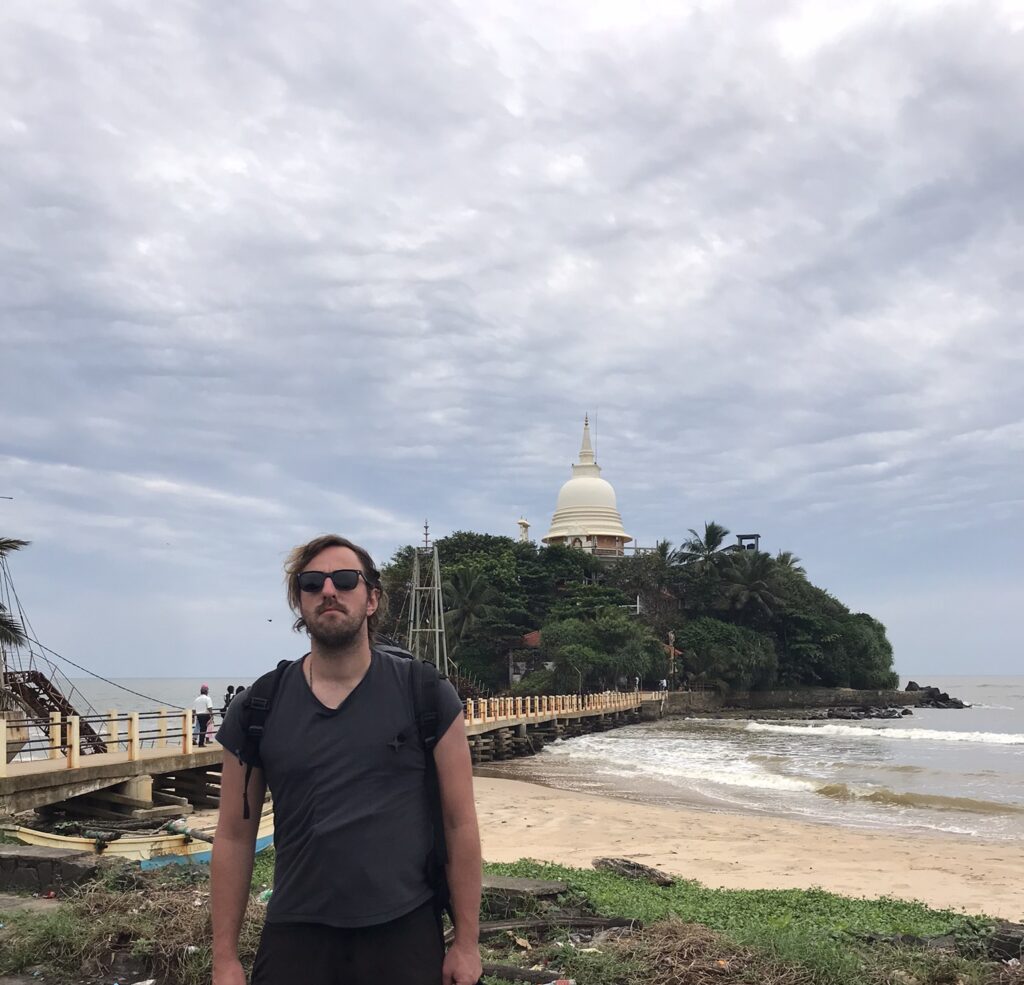
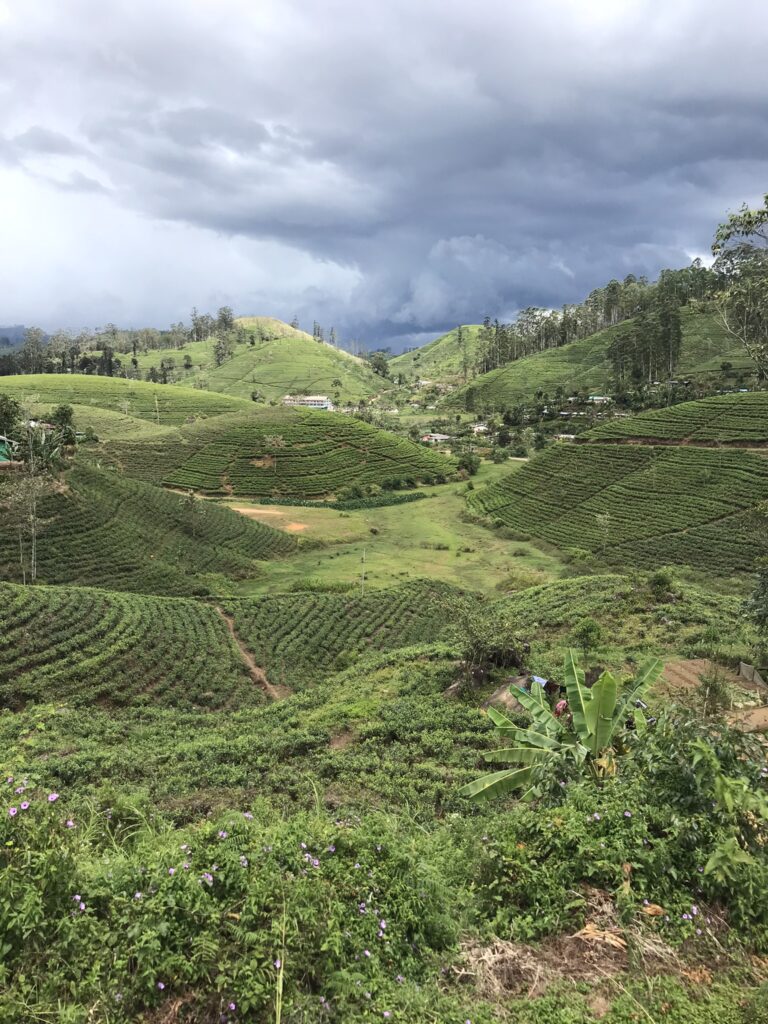
From the coast to the highlands, Sri Lanka has a wide variety of landscapes to explore
Throughout history, Sri Lanka has been a major trading hub between east and west and an exporter of precious products such as cinnamon, coffee and later tea. Under its previous colonial name of Ceylon, Sri Lanka became globally-renowned as a producer of tea. As well as its wide variety of landscapes, the island has a rich agricultural and archaeological heritage.
Sri Lanka has witnessed the rise and fall of many local dynasties as well as the arrival by sea of numerous foreign groups and influences looking for both trade and conquest. This has given the island a diverse spread of cultures and religions. The major religion is Buddhism, which spread from India in the 3rd BCE. The presence of a native Tamil population, as well as invasion by foreign empires such as the Cholas from southern India in the 10th century, mean there is a sizable Hindu minority, mainly concentrated in the north of the country. Arabian traders and merchants brought Islam to the island, while some coastal areas of Sri Lanka have been passed between European colonial powers, beginning in the 16th century with the appearance of the Portuguese, then the Dutch and finally the British, who eventually conquered the entirety of the island in the 1800s.

The UNESCO World Heritage Site of Galle Fort is a particular highlight for its preserved Dutch colonial buildings
Relics of these various eras are visible throughout the island, from the canals in Negombo (constructed to transport cinnamon from inland plantations to the coast for onward shipping) to the robust European fortifications in Galle to defend against potential invaders. The British invested heavily in coffee crops (which failed in the late 19th century due to an unforeseen coffee blight) and then later tea plantations which continue to flourish in the temperate highland regions on the island.
Northern parts of the highland regions, such as Anuradhapura and Sigiriya, contain spectacular remnants of ancient kingdoms. One such kingdom, the Kingdom of Kandy, famously was not conquered by the Dutch or the Portuguese and continued to maintain its independence and dominion over most of the inner territories of the island until it was finally conquered by the British in 1815. Sri Lanka gained its independence in 1948 and the emblem of the Kingdom of Kandy forms part of the modern-day flag of Sri Lanka.
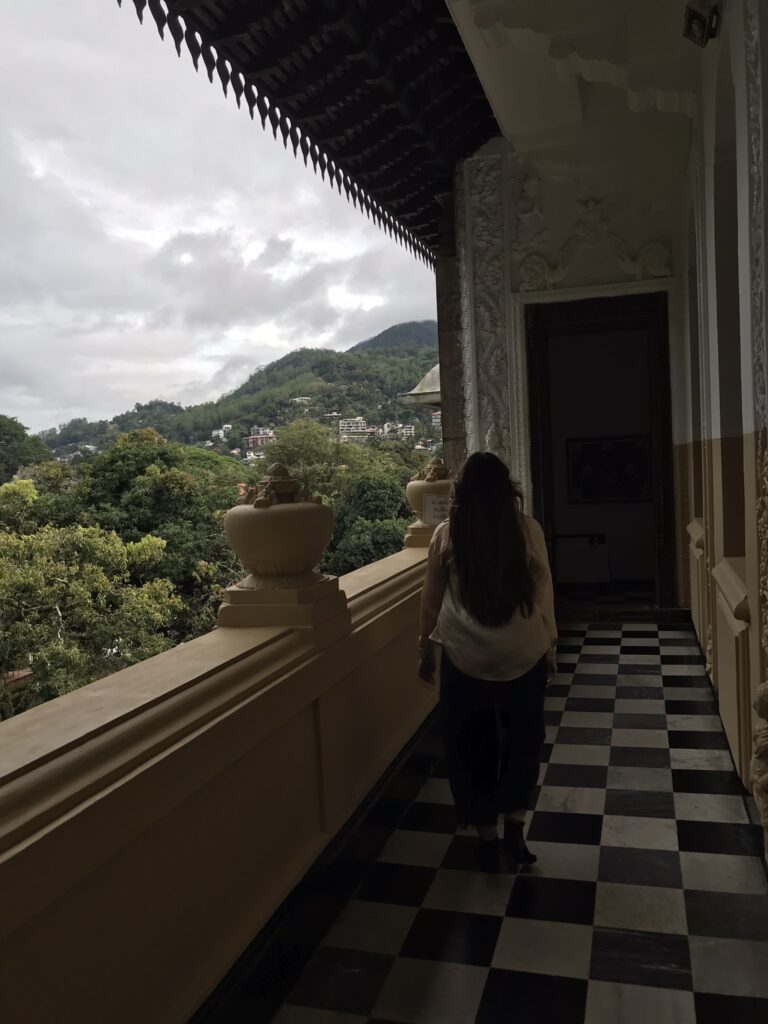
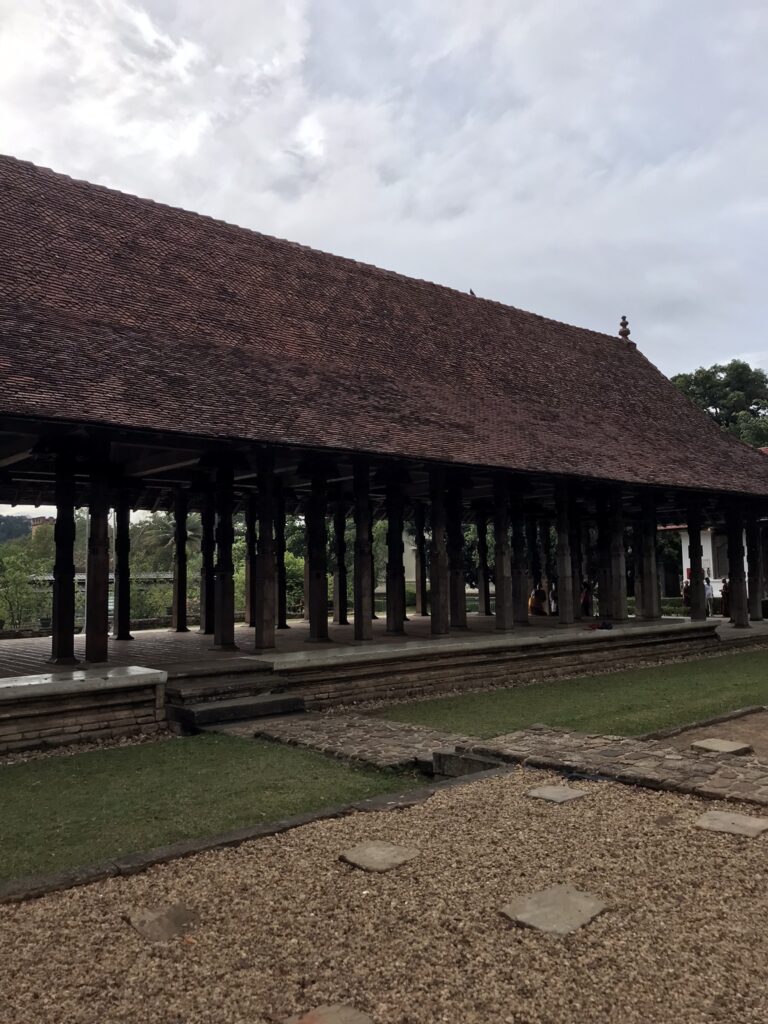
The royal palace complex in Kandy includes the Temple of the Sacred Tooth, said to contain a tooth of the Buddha
Sri Lanka has a diverse ethnic makeup but the two major groups are Sinhalese and Tamils. Sinhalese are the majority in most of the county, while the Tamil population is mainly prevalent in the northern and north–eastern provinces, where they are the majority. Interestingly, the Tamils historically occupying these provinces (known as Sri Lankan Tamils) are considered socially superior to the ‘Indian’ Tamils that are found in other parts of Sri Lanka. Many of these ‘Indian Tamils’ are more recent migrants, low income labourers who mainly work in the tea regions on plantations and whose presence on the island may date back to the British period. Sinhalese are further separated from Tamils by language and religion, with the Tamils who form the ethnic minority being predominantly Hindu as opposed to Sinhalese who practise Buddhism.
Following independence, a number of government policies considered to be discriminatory and favour the Sinhalese majority led to an insurgency among the Tamils, which developed into a civil war between the government and the ‘Tamil Tigers’ (LTTE) who wanted to create an independent Tamil state in the north. The war ended in 2009 after more than 25 years of conflict. However Sri Lanka hit the headlines again ten years later after enduring a severe economic crisis caused by overwhelming foreign debt and economic mismanagement, leading to food shortages, mass power cuts, country-wide fuel shortages and inflation skyrocketing. This resulted in mass public demonstrations, culminating in the removal of the then-President. Things have improved since the peak of the crisis, and by 2025 when we visited there were no obvious signs of the crisis, although it was clearly very fresh in the minds of the local people (one guy described it to us as ‘the most pathetic time in his life’).
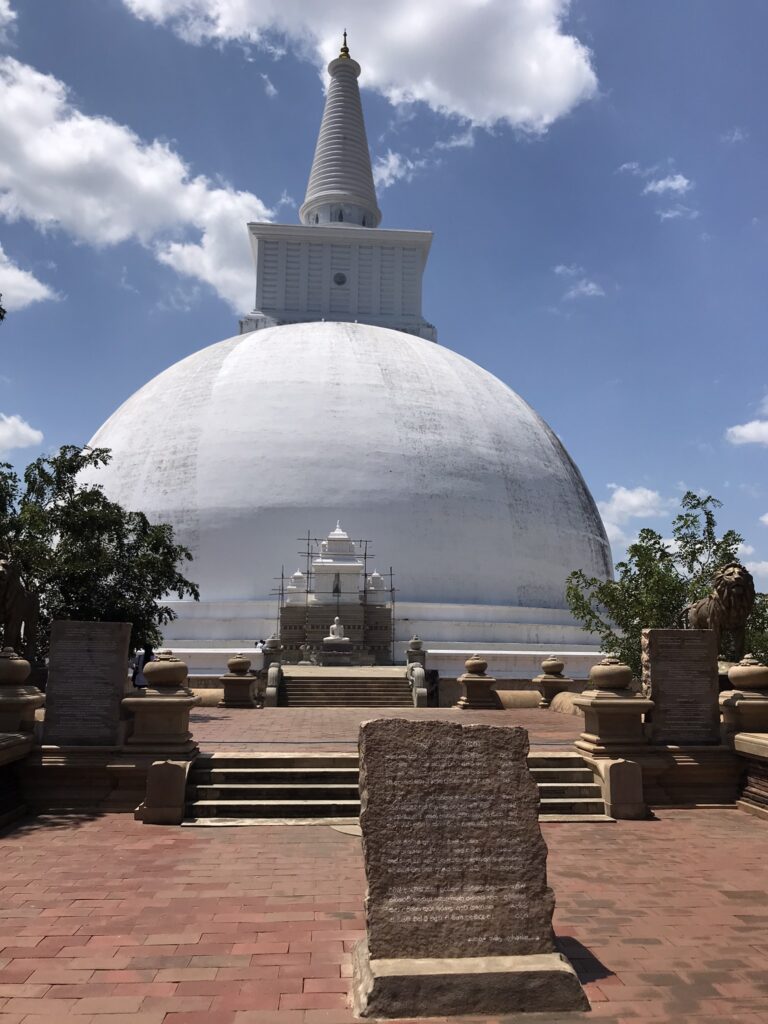
A memorial dagoba in Anuradhapura to those killed during the Tamil Tigers crisis – Sri Lankans have put the violence behind them
As well as its human population, Sri Lanka is home to the highest density of wild elephants in Asia. If you’re a nature lover, spotting a wild elephant in Sri Lanka should be on your bucket list. Elephants roam freely around the interior of the island: we even spotted an elephant milling around the town of Sigiriya. There are often fences by the side of roads designed to discourage these gentle creatures from getting into accidents while crossing the road, while human settlements tend to be enclosed to prevent elephants damaging crops or getting involved in altercations with locals. Elephant-human tension exists in Sri Lanka as the natural habit of the elephants is slowly shrinking and they’re forced to forage in urban areas rather than their natural habits. However there are areas of conservation, the island has a plethora of designated National Parks such as Yala, Wilpattu, Minneriya, Udawalawe and Wasgamuwa.
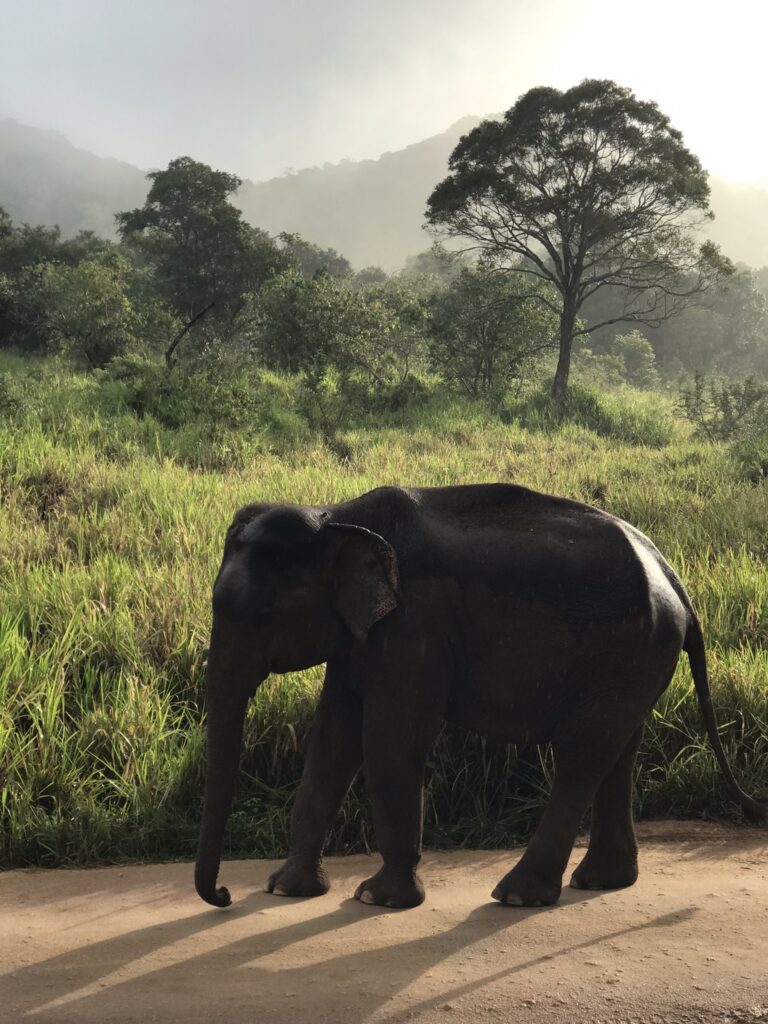
Sri Lanka’s elephants roam throughout the landscape
Sri Lanka is a very tourist-friendly destination. We spotted more tourists in Sri Lanka than anywhere else in South Asia. Tourism is a key part of the island’s economy, the government has set lofty goals for increasing tourist numbers and both high-end and budget travelers can find a plethora of options here. Particular tourism hotspots are the southern coast between Mirissa and Galle and the mountainous town of Ella within the tea region. We saw far more white faces than locals in these places. The train journey between Kandy and Ella is considered one of the most beautiful in the world, specific tourist trains now operate on the route and many international tour companies offer trips as part of a tourist package.
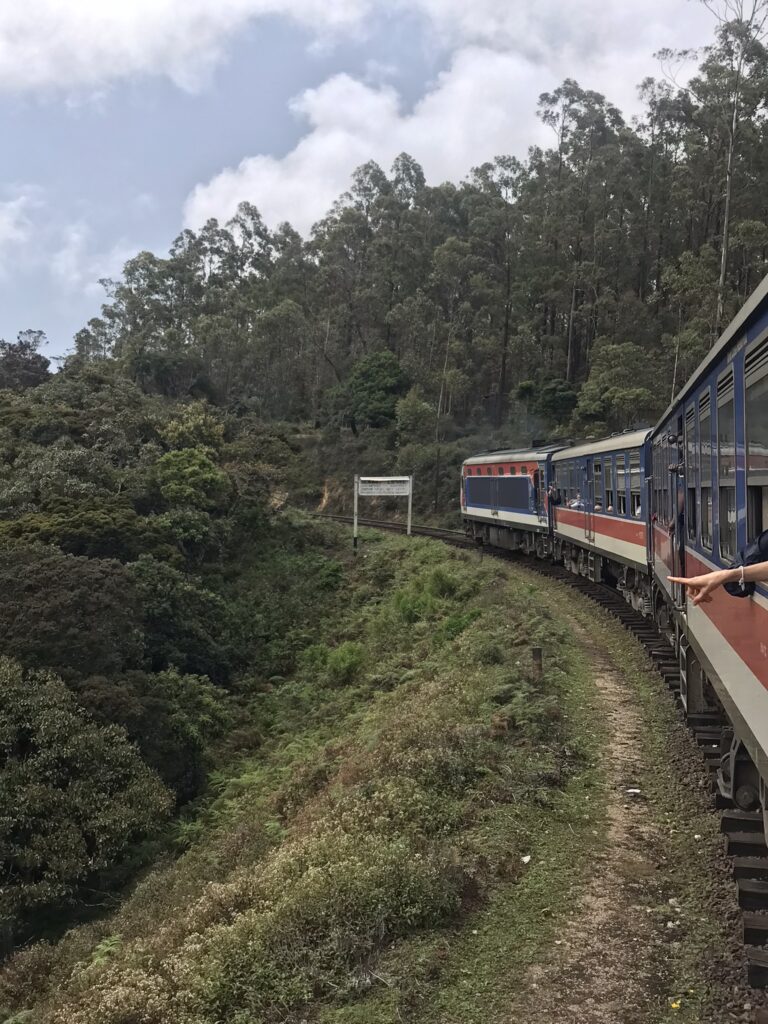
Tourists flock to Kandy and Ella to take the train through the tea country
Unfortunately, because of the influx of tourism coupled with the recent financial problems in the country there is a tendency towards inflated prices and financial exploitation of tourists. Before visiting, we heard negative reports from several travelers who told us that they had felt like they were treated as walking ATMs in Sri Lanka, with unscrupulous operators trying to extract and squeeze out every drop of money they could. Some swore that they would never return to Sri Lanka. We had fairly low expectations before arriving as a result, but were pleasantly surprised – this really was the opposite of our experience.
Although tourists take over some parts of the island, the regular Sri Lankan people are still very gracious and warm with visitors. We encountered great hospitality in the country: at almost every guesthouse, our host would literally cram us with breakfast to the point we actually felt sick sometimes. People on the street would often smile at us as we walked past. Outside of a few annoying tuktuk drivers in Colombo we didn’t really have any negative interactions at all. This was a contrast to other popular touristic countries, where local communities can often experience tourist fatigue and/or be full of scammers.
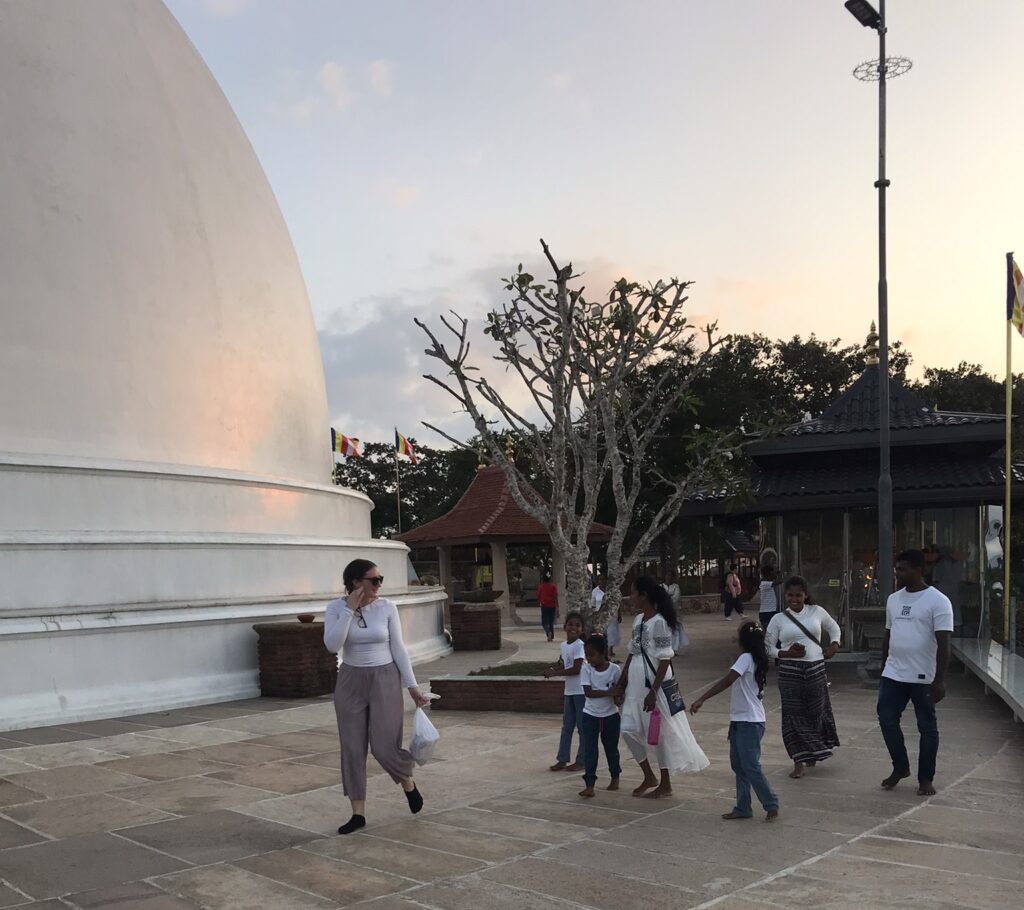
We had many positive interactions with the regular Sri Lankan people, who were friendly, inquisitive and welcoming despite the large number of tourists on the island
Sri Lanka is backpacker-friendly with cheap places to eat and reasonable accommodation options throughout the country. It also happens to be quite compact geographically which means that journeys from one place to the next are not as long and arduous as, say, somewhere like South America. Low-priced public transport connects the entire island – there’s no need to splurge on private transfers unless you want the additional ease and comfort that provides.
You can have a more authentic, cheaper and probably better experience by staying at local guest houses instead of resorts or upmarket hotels. Unlike in India, we found that the standard of accommodation was generally very good in Sri Lanka, even at places which were on the lower end of the price spectrum. We were also pleasantly surprised to find out about buffet lunch restaurants – popular with locals, these are set up similar to a canteen where you can fill your plate with meat, veggies and dhal for a low price.
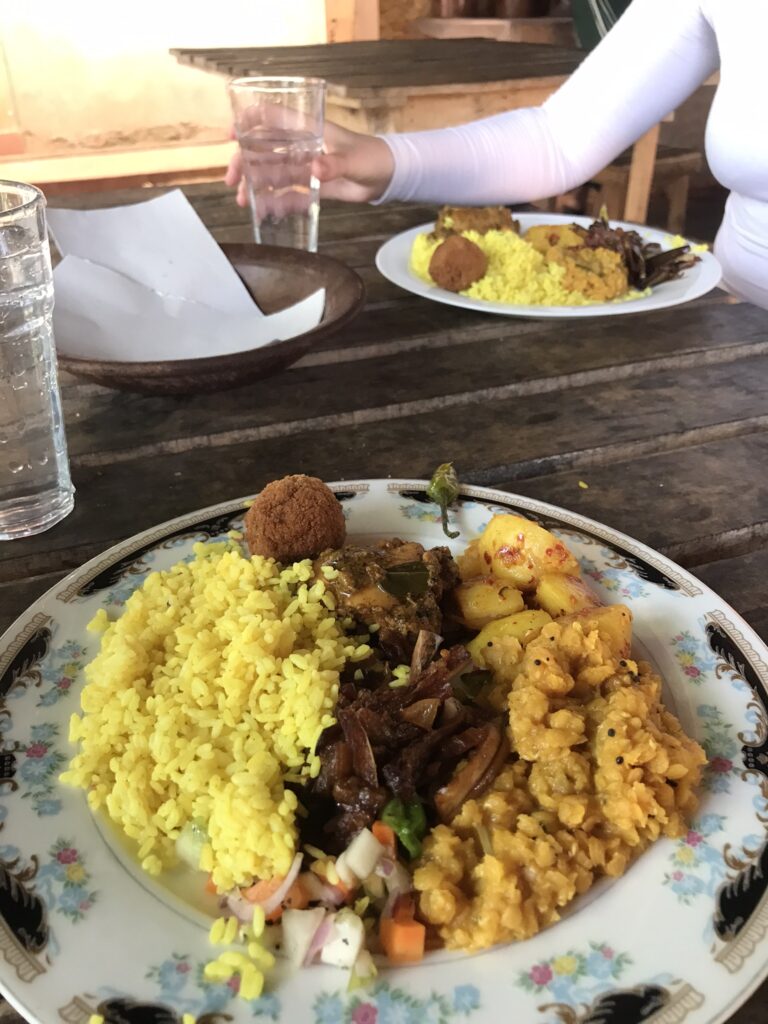
Buffet restaurants are a great choice for an authentic, cheap lunch
The most important thing in Sri Lanka is to be able to identify and avoid the tourist traps Places like Negombo and Ella see huge influxes of comparatively-wealthy foreigners, there will always be those who want to profit off the back of that and may take things too far but I didn’t feel like people were duplicitous or dishonest in Sri Lanka and it was quite easy to say ‘no’. We read some reviews about guesthouse owners being pushy with tours, but we didn’t encounter this in any of the places that we stayed. For us, the levels of hassle in Sri Lanka were minimal. Do your research before booking and don’t make the mistake of thinking anything is unmissable. There are plenty of fantastic things to do in Sri Lanka without blowing the budget.
We found that the biggest issue for budget travelers in Sri Lanka was not expensive accommodation or inflated food prices but excessive entry prices to attractions. In terms of historical sites, the entry price alone being charged to foreigners for Polonnaruwa and Anuradhapura was $30 each, with Sigiriya topping the table at $35 entry. This is exponentially higher than the prices charged to locals, around 100x the cost. Luckily, there are workarounds for Anuradhapura and Sigiriya – not so for Polonnaruwa, which we sadly decided to skip due to the extortionate entry fee (disappointing as it’s a UNESCO World Heritage Site). For most of the national parks, you’re also looking at around $30 minimum just for entry – Horton Plains was over $40 at the time of our visit.
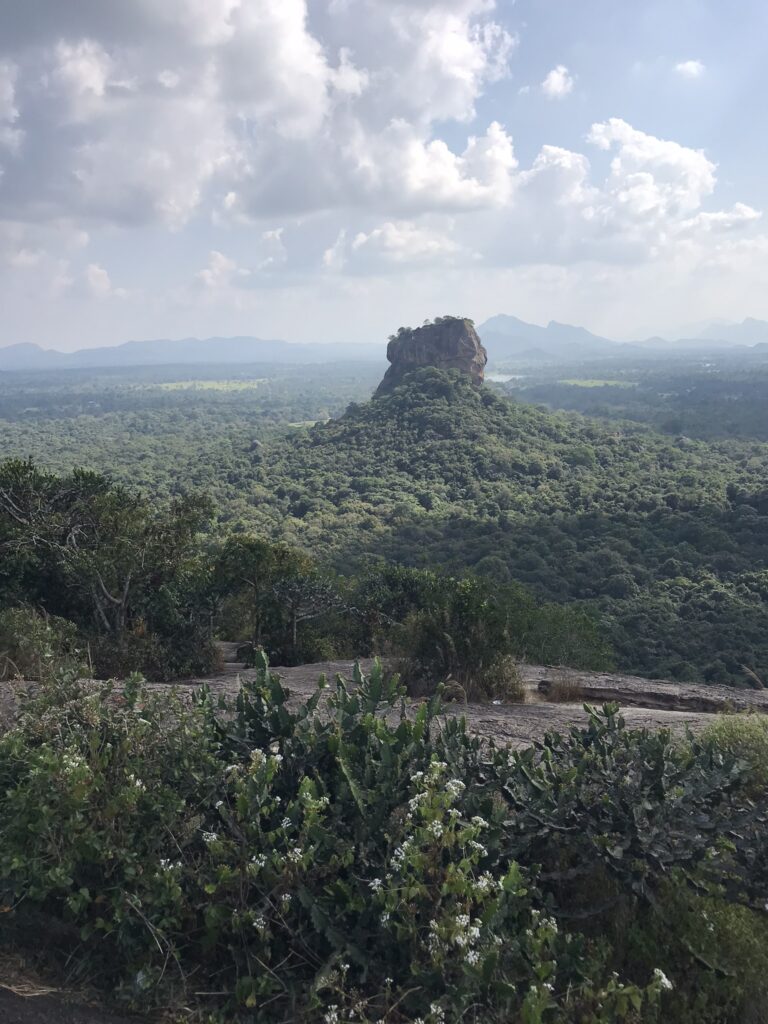
The view of Sigiriya from Pidurangula Rock – a great alternative for a fraction of the price
We flew into Sri Lanka from Chennai. After months spent traversing the chaos of India (particularly in the north of the country), another concern for us before arriving was that Sri Lanka would be more of the same. However thankfully we found that this was not the case at all. Sri Lanka was much calmer, much cleaner and seemed to be much more developed in many ways than its neighbour. Sri Lanka and India are sometimes grouped together due to their geographical proximity, but we found that the traveling experience was totally different. With its Buddhist heritage, humid climate, pristine beaches and thick vegetation Sri Lanka felt more like South East Asia than India, and other than the busy capital of Colombo it was much more laid-back.
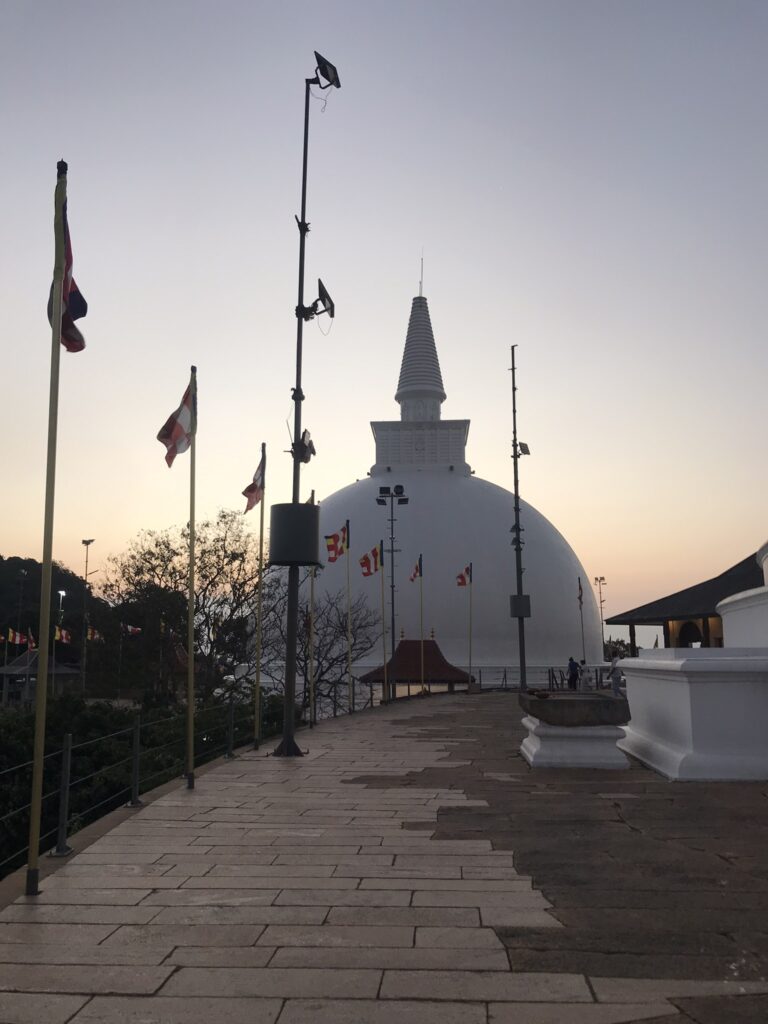
Radiant white Buddhist stupas, known locally as dagobas, can be found all over the country
Interestingly, the north-east and the south-western regions of Sri Lanka experience monsoon seasons at different times of the year. It may be wet and rainy in one area whilst dry and hot in another. It’s well worth checking out before you visit what the weather will be like in each region you plan on visiting so you can pack a rain jacket and umbrella if necessary. Some activities like whale watching are seasonal as well, especially in Mirissa and Trincomalee. Generally we found Sri Lanka to be very hot and humid with the occasional shower. Expect lower temperatures and rainy conditions in the central tea regions, which can be a welcome respite from the heat.
Sri Lankan cuisine was a real hit with us. Coconut, fish and rice are staples of Sri Lankan food. The national dish of curry and rice may sound very simple, but it often includes many smaller side dishes like pol sambol, eggplant relish, papad (crispy fried cracker) or Gotukola sambol (made from Pennywort, a green leafy herb similar to kale chopped up with onion). Fish and jackfruit are popular choices for the curry main.
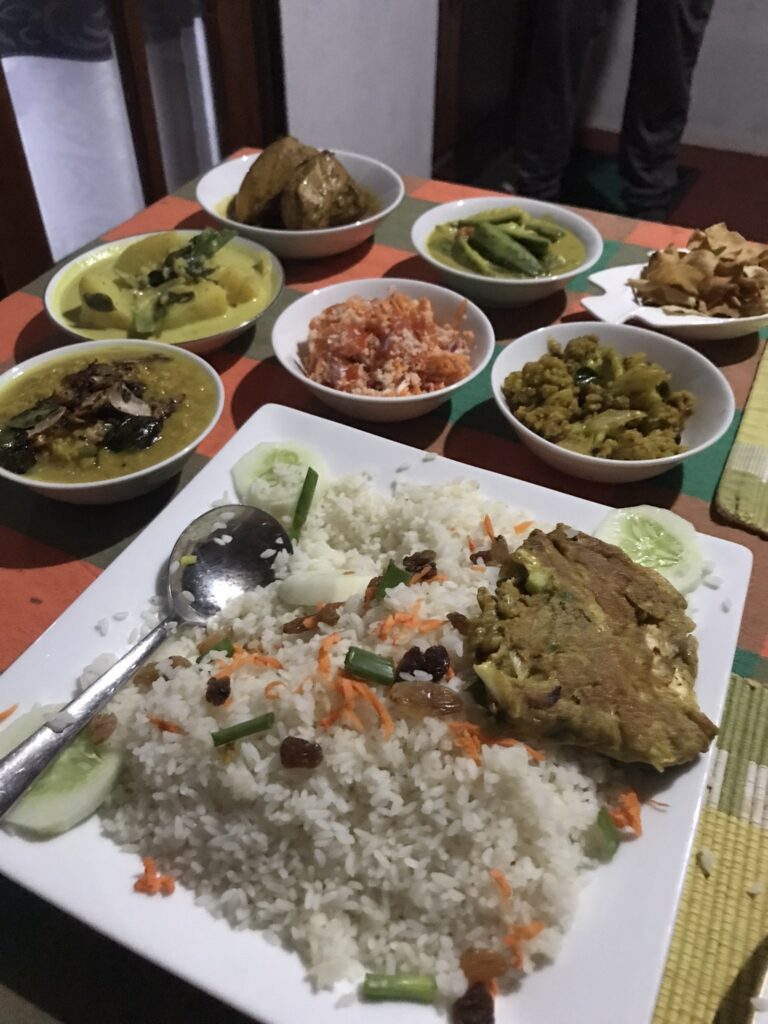
A classic Sri Lankan meal – curry, rice and all sorts of accompaniments
Other popular dishes that deserve a special mention are kottu (the ultimate leftover meal consisting of sliced roti fried with vegetables and meat – especially popular with gooey cheese and chicken), dhal (a belly-warming lentil curry simmered to perfect), curried sour mango, hoppers (thin basket-shaped rice flour-based crepes usually served for breakfast), pol sambol (the ideal accompaniment for curry, mixture of finely chopped coconut, chilli,onion and lime juice). Samosas, vegetable and meat cutlets and vadai (deep-fried vegetarian doughnuts) are common snacks. Sri Lanka is a fertile land and a wide variety of tropical fruits are grown on the island, often in local gardens as well as commercial farms and plantations.
Authentic Sri Lankan cuisine can be quite spicy for those not used to spicy food. We were warned a couple of times by concerned locals, only for them to realize we could handle the spice (we’re used to eating hot curries in Britain). We did however sometimes spot a few European and American tourists who seemed to be struggling a bit. By far the best way to experience authentic cuisine is to visit local buffet-style joints rather than overpriced tourist restaurants, or to stay at a guesthouse which provides authentic home-cooked meals. We particularly enjoyed trying the fried curry leaf which was served to us at one of the guesthouses. Sri Lankans love to feed their guests well so expect big portions here!
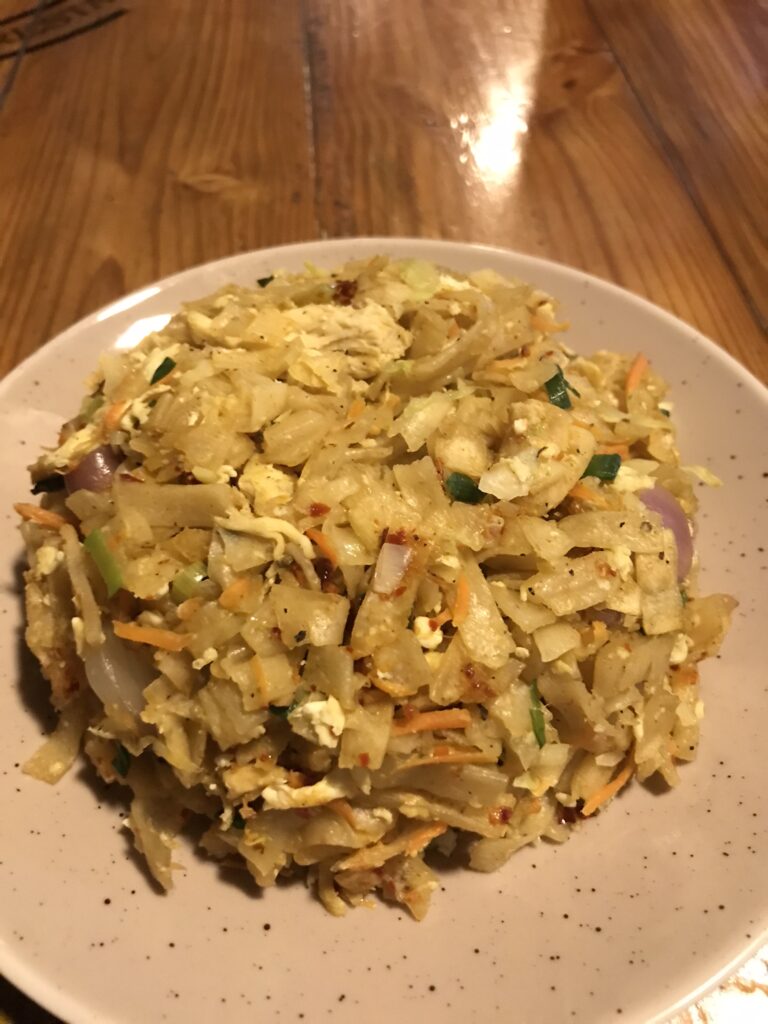
Kottu is a popular dish which often makes for a cheap, filling and tasty option
Tea is pretty much everywhere in the country – in fact you’ll probably end up bringing some home as a souvenir (I did). Sri Lanka is the 4th largest tea producer in the world, which is staggering considering its relatively small landmass compared to other major tea producing nations like China and India. Sri Lanka produces some of the best quality tea on the market – we enjoyed learning about the different grades of tea, such as silver tips, golden tips and orange pekoe. Ceylon tea is a globally recognised brand, while Lipton is another big name in the tea world that originates from Sri Lanka (the founder, a Scottish businessman, built his tea empire on the island). The climate in the highlands south of Kandy is ideal for growing tea, with moderate temperatures and fair rainfall.
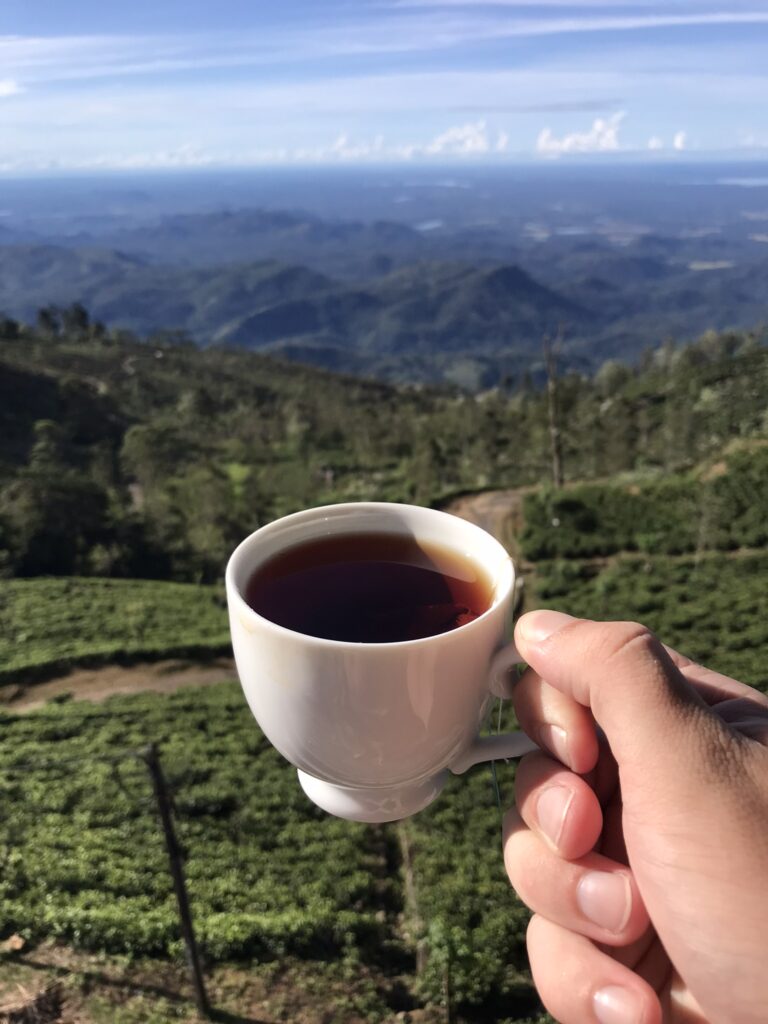
Undoubtedly Sri Lanka is tea heartland
Although Sinhala is the main language (and Tamil in the north), we found a decent level of spoken English on the island, possibly a result of the British colonial presence or the more recent tourism industry. The Sinhala script is particularly curved – more so than other scripts on the Indian subcontinent, apparently because they used to write on palm bark paper and straight lines caused the material to break. Buddhist stupas are known locally as dagobas, while the word ‘wewa’ is used to describe a reservoir or water tank.
Transport
Sri Lanka is a small country with relatively good transport links. Tuktuk rental (as in hiring and driving the tuktuk yourself) seemed popular among many tourists we encountered, although I’m not sure how good they are on the road over long distances. Either way, getting around the country by public transport is really cheap and easy. Click here for my blog post about public transport in Sri Lanka!
Negombo
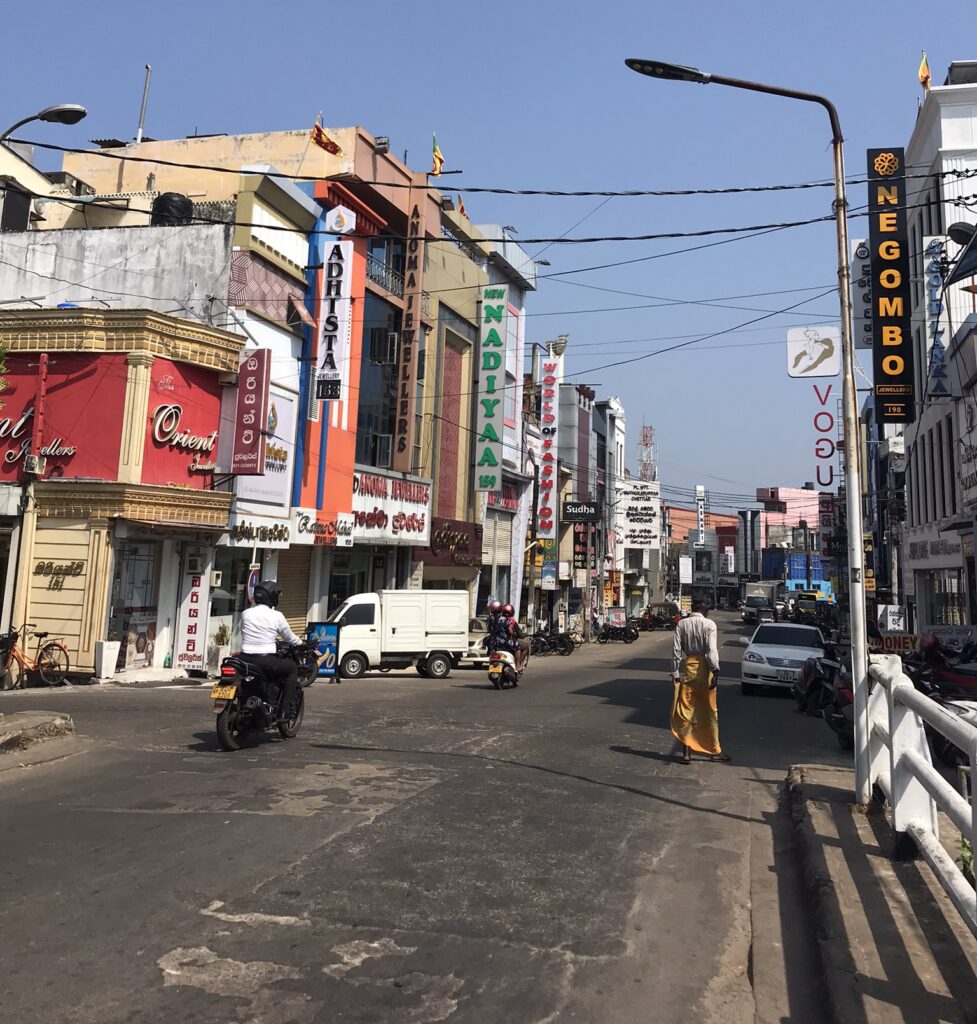
Negombo is a city located on the west coast of Sri Lanka. It sits 40 kilometres to the north of Colombo, within the urban sprawl of the capital. Most tourists usually stop at Negombo either at the beginning or end of their trip to the island as it’s the closest city to Colombo Bandaranaike International Airport.
Negombo makes for a more low-key and laid-back introduction to Sri Lanka than the bustling metropolis of Colombo. The city is clearly divided into the local residential and commercial areas and the ‘tourist hotel zone’. Flashy hotels sit side-by-side just meters from the seafront along Lewis Place and Porutota Road, with a proliferation of seafood, Italian and Sri Lankan-style eateries clamouring for custom. It’s clear this area is a tourist hotspot. With Negombo beach on the doorstep, this tourist zone is also within walking distance of the other attractions in Negombo such as the fish market.
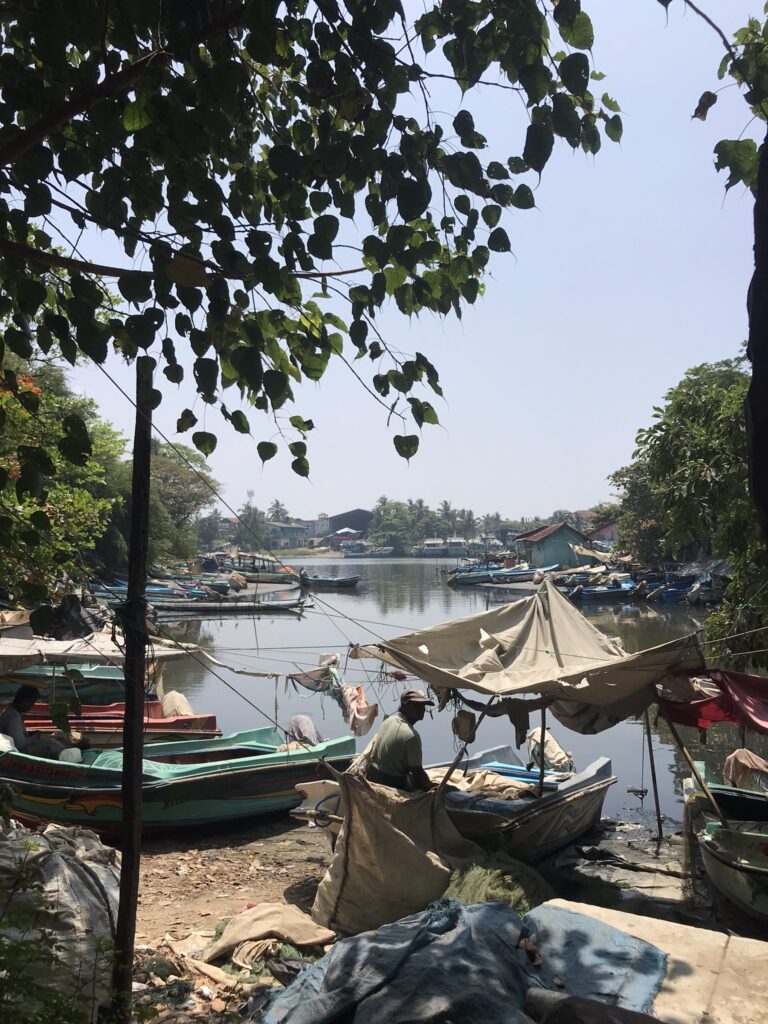
Negombo has a strong fishing heritage
Outside of tourism, Negombo is a historical port city which was an export hub during the island’s various colonial eras. It is also a centre for the fishing trade and has two distinct fish markets: one for wholesale and the other for individual customers to peruse the local catches. The wholesale auction takes place early in the morning, however the public (non-wholesale) fish market can be visited throughout the day. The Dutch canals are another distinctive feature of the city – historically they were used to facilitate the shipping of cinnamon and other produce for trade and export.
It was interesting to learn that Negombo has an overwhelming Catholic majority – a legacy of the previous colonial occupiers. It was impossible not to spot the many regal churches dotted around the city, or the shrines of saints by the roadside and images of Jesus in local homes – there was even one in our guesthouse.
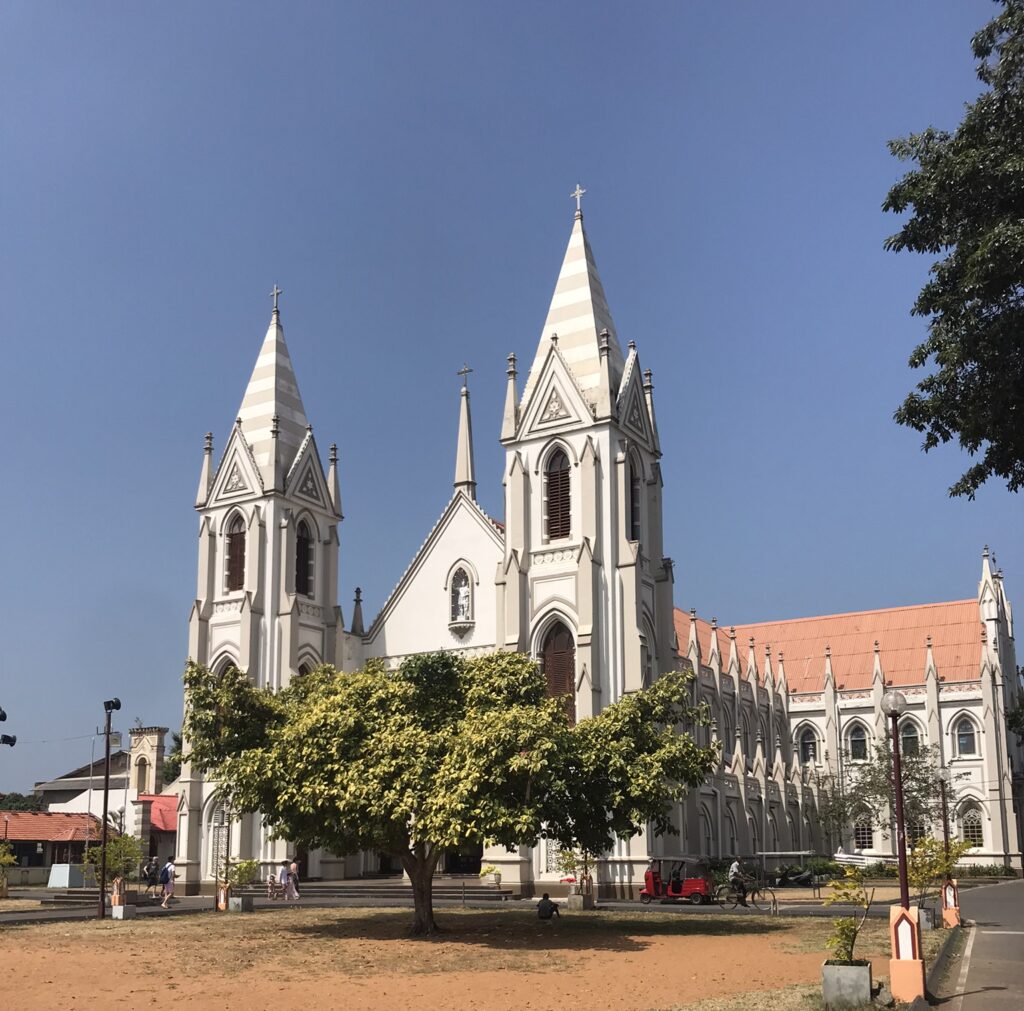
Negombo is home to some large and impressive churches
Because of its prevalence as a tourism hotspot, plenty of tuk tuk drivers lurk around the area looking for business. It may be a good option to save walking long distances in the heat, but these guys have a bad reputation for overcharging foreigners so be careful! We arranged a tuk tuk to the bus station via our accommodation and walked everywhere else.
Accommodation
Funwhales Rest House – just off the main strip of hotels and restaurants, this guesthouse is run by a local family who were very eager to help out and arranged a tuk tuk to the bus station for us. A fantastic breakfast of omelette, fruit, toast and juice is included – I have to say that the smiley face on the omelette was a very imaginative touch. The rooms were immaculately turned out and very comfortable, without any noise from the road or neighbours bothering our peace and quiet. For the price this guesthouse was perfect for us.
Foodie Places
Paloma restaurant – the first restaurant we visited in Sri Lanka, we received a very warm welcome when we arrived at the restaurant by the jovial owner. He was happy to answer some of our burning questions about Sri Lanka as we’d just landed in the country. The prices tend to be on the higher side at all of the restaurants along the ‘tourist zone’ streets including this one. It was a nice introduction to Sri Lankan cuisine and they accepted card payments. Dan particularly enjoyed the crab curry which came with a skewer to get the crab meat out of the shell. The portion sizes might have been a little on the smaller side but this didn’t really bother us.
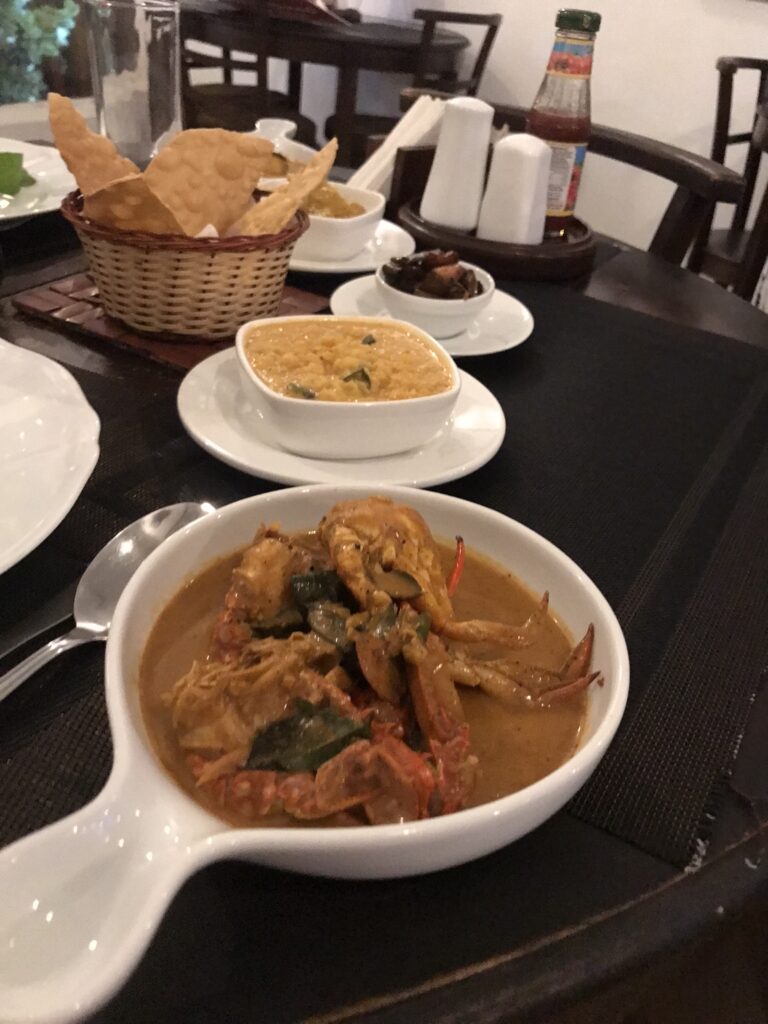
Curried crab at Paloma – tasty although not the easiest to eat
Fish & Crab Restaurant – a much more local down-to-earth dining experience. The tables are laid out on someone’s (I presume the family who run the restaurant) front porch. You can expect reasonable prices, plenty of seafood options as well as other Sri Lankan delicacies, it’s very much a relaxed restaurant with locals digging into crab curry alongside sunburnt tourists
Urban Blend – a trendy cafe close to the bus station and railway station, away from the ‘tourist zone’ near Negombo Beach. The star of the show was definitely the deliciously decadent thick, creamy milkshakes. They also offer light meals such as burgers, sandwiches and brunch.
Activities
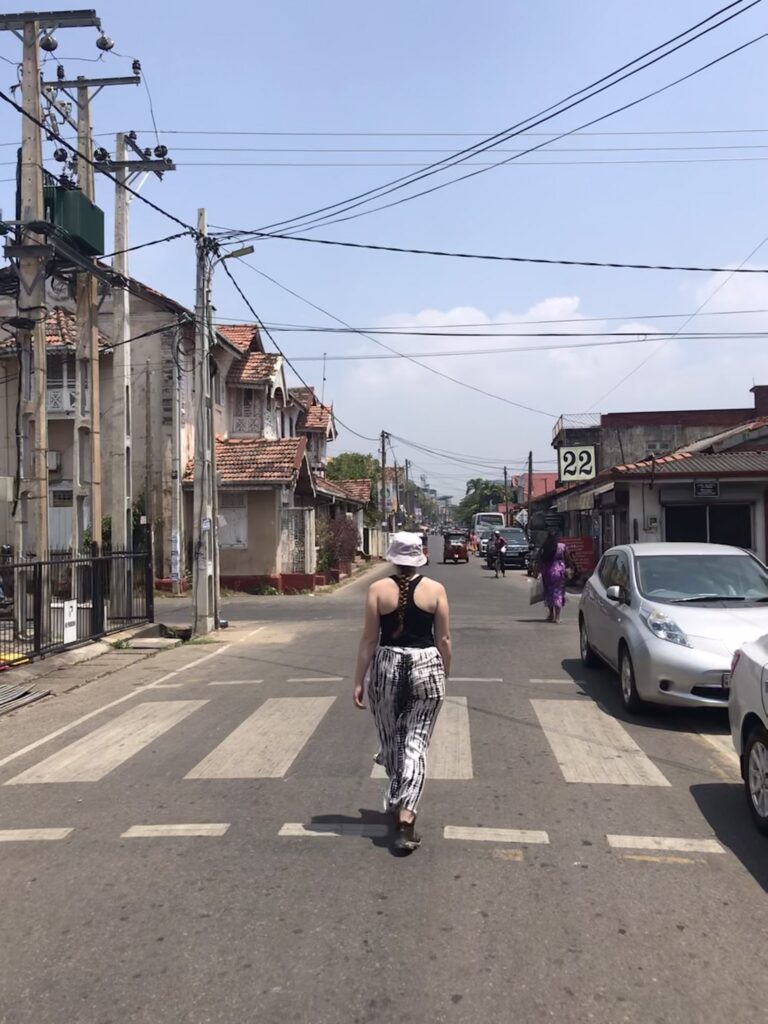
Self-guided walking tour: Covering St Sebastian’s, Sri Singama Kali Amman Kovil & Aiyappan Temple, fish market, Dutch Fort and moat, Hamilton Canal viewpoint, Grand Street Bridge and St Mary’s Church. Check out Dan’s Negombo Walking Tour here for the complete route!
Negombo Fish Market (morning) – Head to the fish market as early as possible to get a feel for the fishing industry in the city. Be aware it can get pretty stinky with the gutting and drying process! The market and fish processing area was in full swing at 11am when we arrived. There is a whole production-line operation in the area, with fishing boats docked along the beach dropping off their haul which is then taken to a bloody gutting area, with handfuls of workers gutting the fish. Once gutted the fish are laid out on sheets along the beach to be dried, whilst other fresh fish is sequestered to the market for sale. The variety and size of the fish on sale at the market was pretty staggering, from hefty barracudas to tiny shrimp and squishy squid all on display. Make sure you wear closed-toe shoes if you want to walk around the market as there is likely to be blood and guts on the floor.
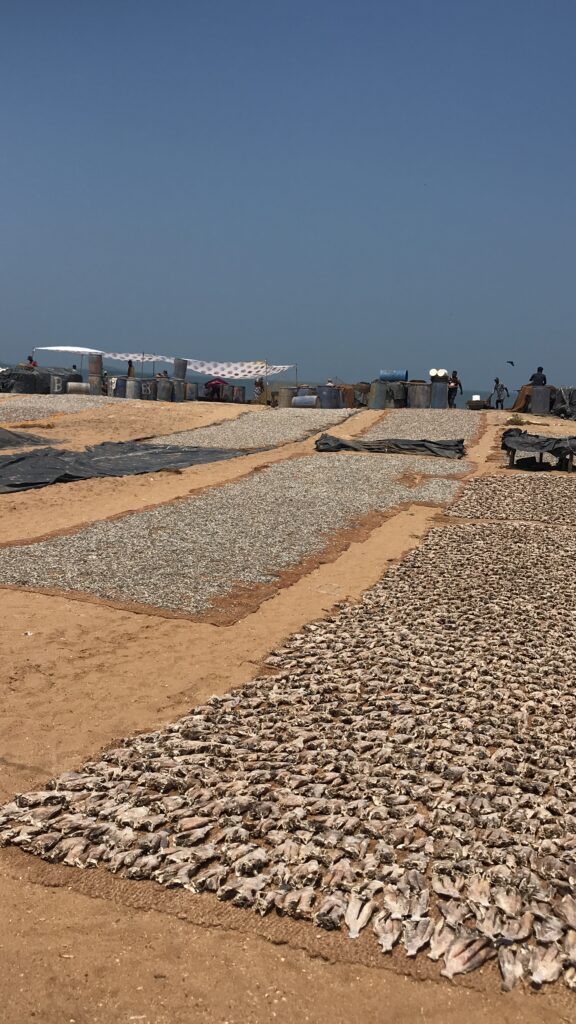
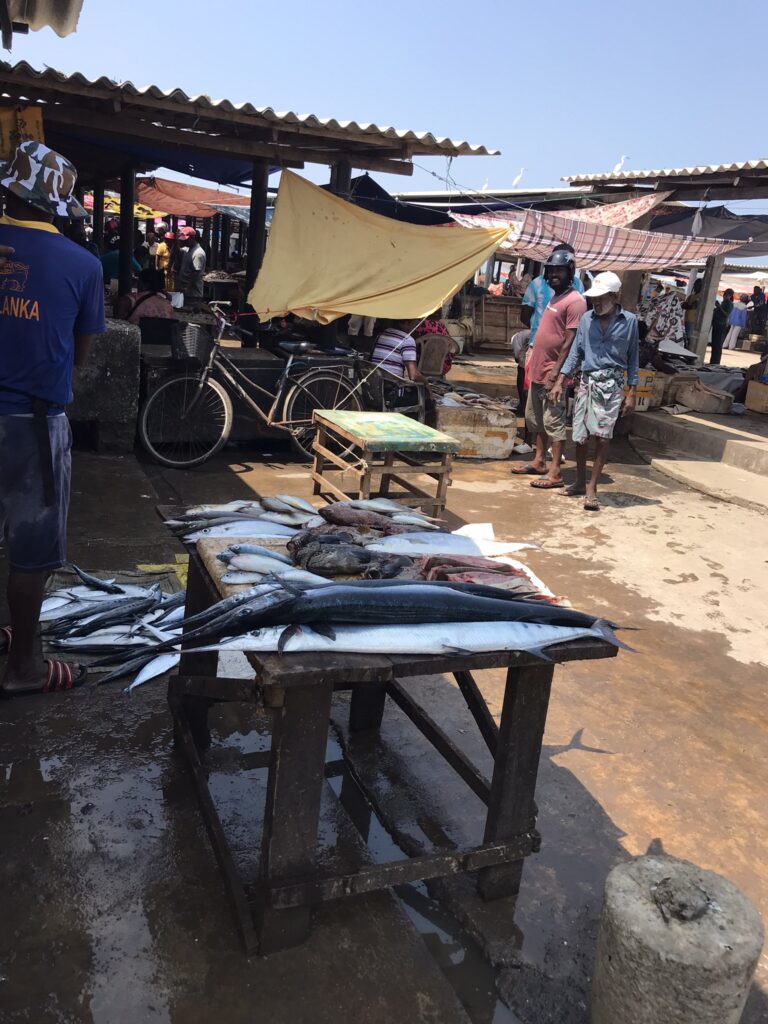
The fish market is, understandably, quite a stinky place
It’s important to note that fishermen may approach you to guide you around the preparation, drying and market area but will then ask for money. If you don’t want this, just say no and don’t engage or follow them around. We also randomly saw a snake-charmer with a cobra in a box among the fishermen, which was quite shocking at the time – still not sure why he was hanging around the fish market!
Another interesting feature is the small shrine at the entrance dedicated to the patron saint of fishermen, Saint Andrew.
St Sebastian’s Church & St Mary’s Church – both churches are well worth a visit even if only to get out of the sun, with beautiful exteriors and interiors for visitors to admire. They stand as a testament to the Catholic community in Negombo.
Dutch Canals – the charming, narrow Dutch canals are the perfect place for a stroll, with quaint houses alongside the canal. Colourful boats line the canalways – a popular activity is hiring a boat and captain to navigate these historic waterways. The canals also happen to be a peaceful spot without tourist hordes.
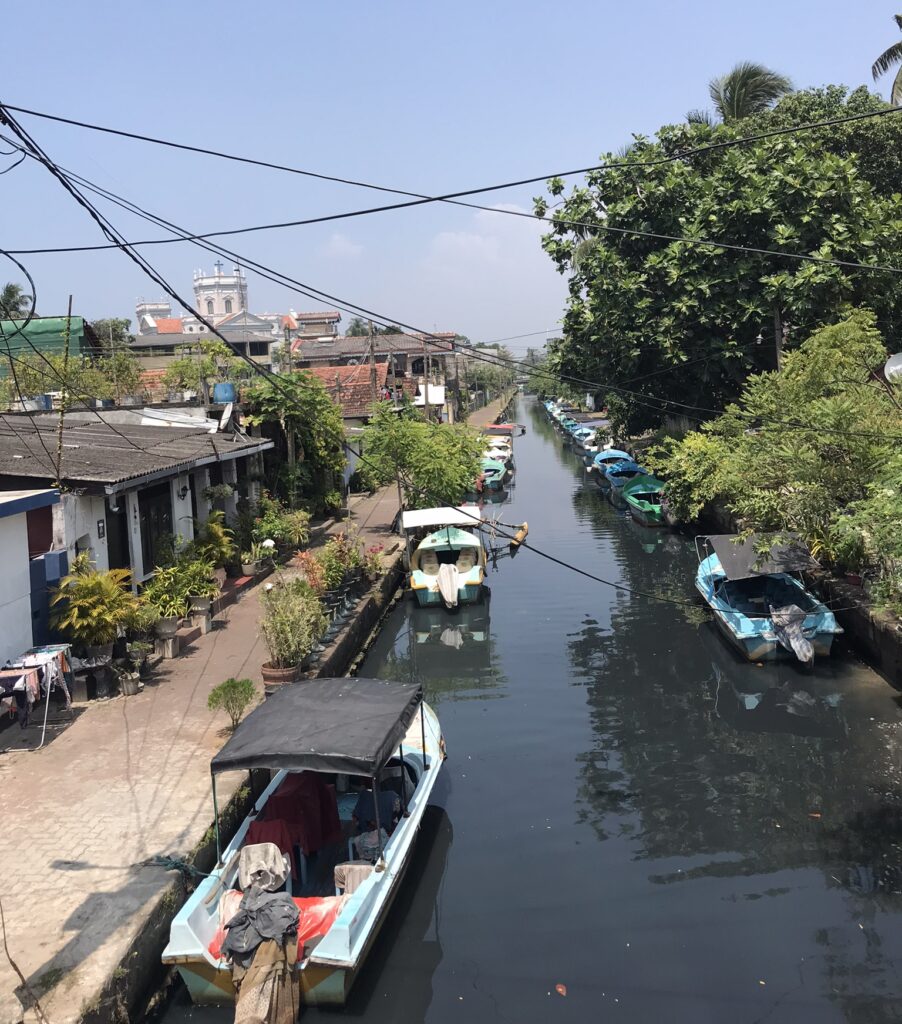
Colonial-era canals such as Hamilton Canal are a distinctive feature of Negombo
Dutch Fort – we got a glimpse of the 17th century Dutch fort from a distance. It’s located just along the road from the fish market and is really just a ruined building with little to see. Although we did spot the odd person standing on the ruins, it isn’t really supposed to be visited. Part of the fort now operates a prison, so it may be better to keep your distance like we did.
Negombo Beach – after a sweaty day exploring the city, diving into the waves at Negombo beach is the best thing to do in the afternoon especially if you don’t have a pool at your guesthouse! The beach itself is pretty clean with many ritzy hotels backing onto its sandy shores. Some of the beach is covered with green vines, which we’d never encountered before. Negombo beach is a hit with both locals and tourists. Be aware that we saw a strange jellyfish-looking thing washed up on the beach – I’m not sure what it was but we didn’t want to get too close!
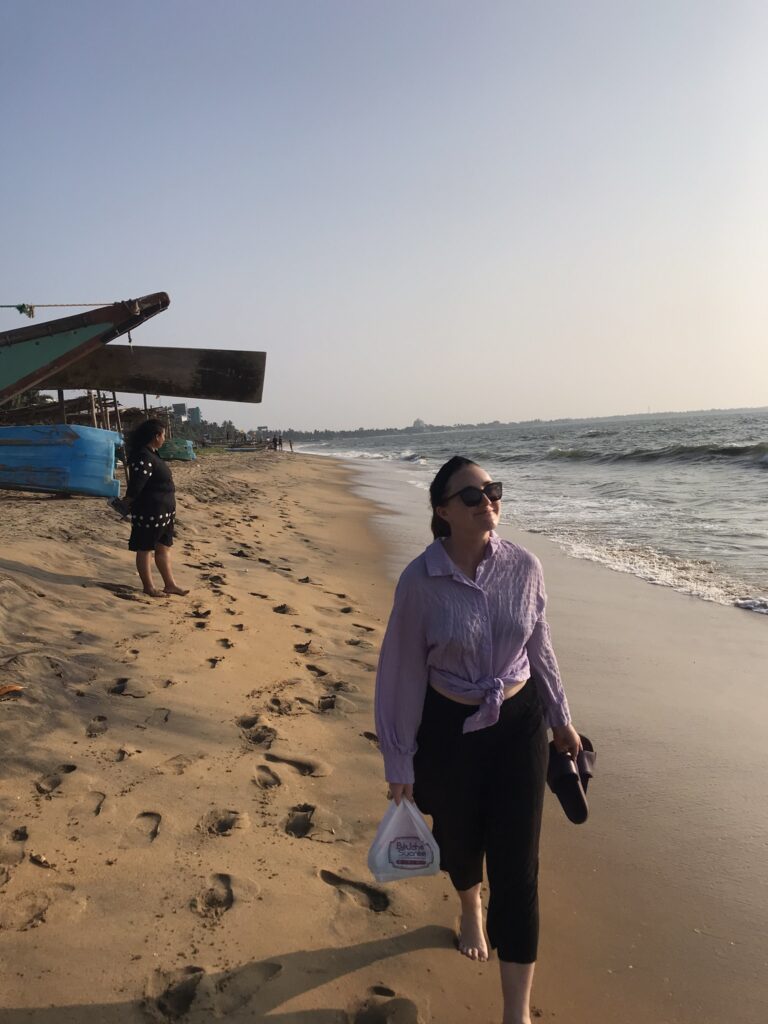
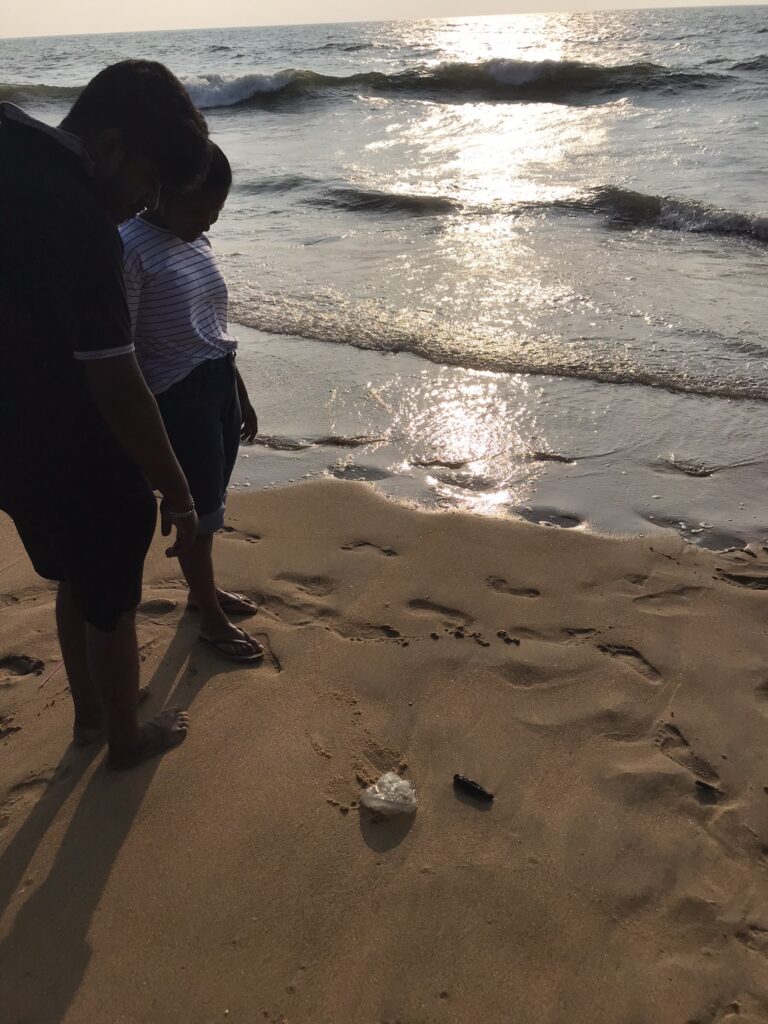
Negombo beach is pretty clean apart from the jellyfish – apparently these type of jellyfish usually don’t sting
Anuradhapura
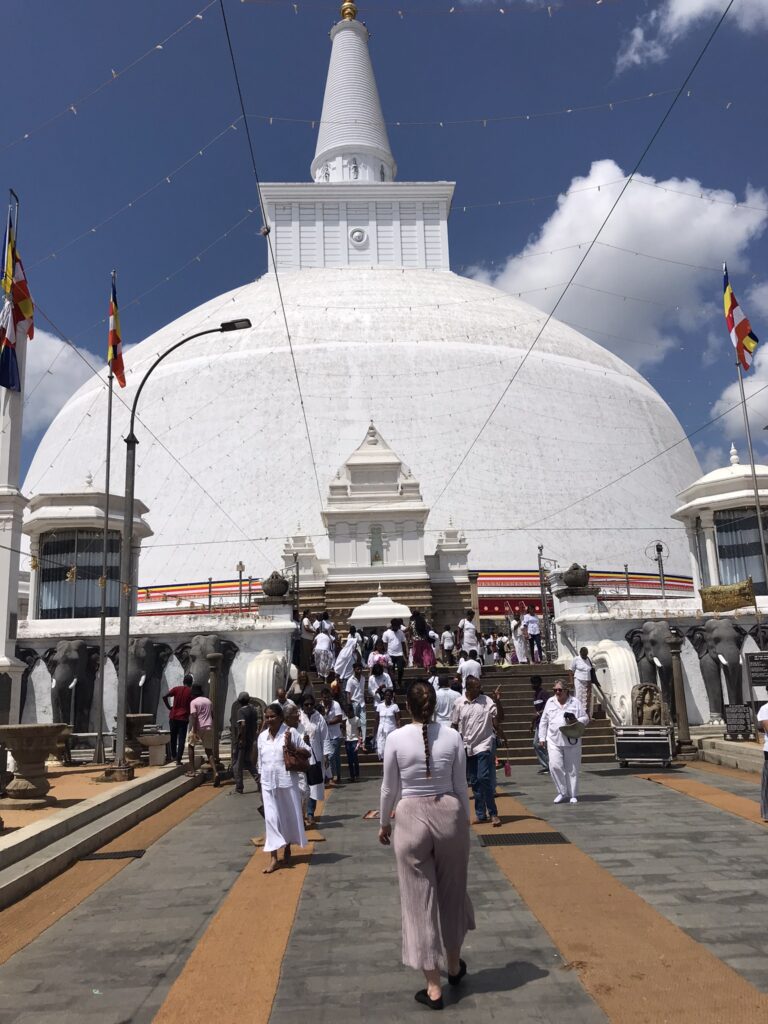
The ancient capital city of Sri Lanka, Anuradhapura was a royal domain until the 10th century invasion of the Cholas from southern India, after which the capital was moved further inland to Polonnaruwa. Surrounded by lush greenery and reservoirs of varying sizes (known as ‘wewas’), the ancient city of Anuradhapura was destroyed by the Cholas and was left to ruin. The area near to the ancient city was resettled during the British period in the 19th century, creating the modern town which is now known as Anuradhapura. The ancient city and associated monuments are located in a woodland area to the northeast of the modern settlement.
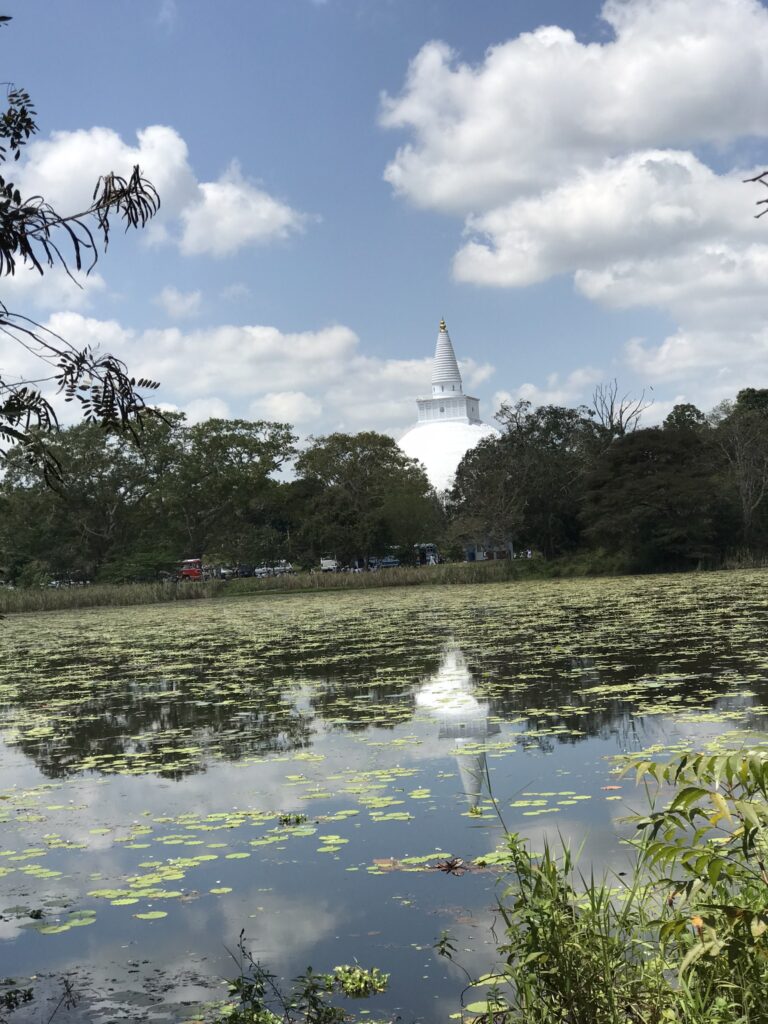
The ancient city is a large wooded area filled with glistening white dagobas
Throughout the ages, Anuradhapura has been a major pilgrimage site for Buddhists from far and wide, who form a sea of white at the numerous historic dagobas scattered around the ancient city. White is the colour of choice for Buddhist pilgrims and when visiting the ancient city it’s best to follow suit to blend in with the crowd. Many of the ancient dagobas have been fully restored to their original pristine condition, resplendent in white and surrounded with rainbow-coloured flags. Although some of the dagobas in the ancient city date back centuries and others are new, it’s now difficult to tell the ancient stupas apart from the modern constructions as they are all the same dazzling shade of white and operate as active religious sites. Pilgrims circumambulate clockwise around the dagobas chanting mantras, laying offerings of water lilies, lotus and coloured flower garlands and kneeling or prostrating in prayer.
Anuradhapura is famous around the Buddhist world for the 2300 year-old bodhi tree, which is said to be the oldest human-planted tree with a recorded history. The story goes that this tree grew from a sapling taken from the original Bodhi tree in Bodhgaya in India, under which the Buddha attained enlightenment. The sapling was supposedly transported from the Indian continent by legendary Emperor Ashoka’s daughter in 236 BC. Interestingly, the original tree in Bodhgaya was destroyed and later regrown using a sapling from the Anuradhapura tree, making this one the oldest.
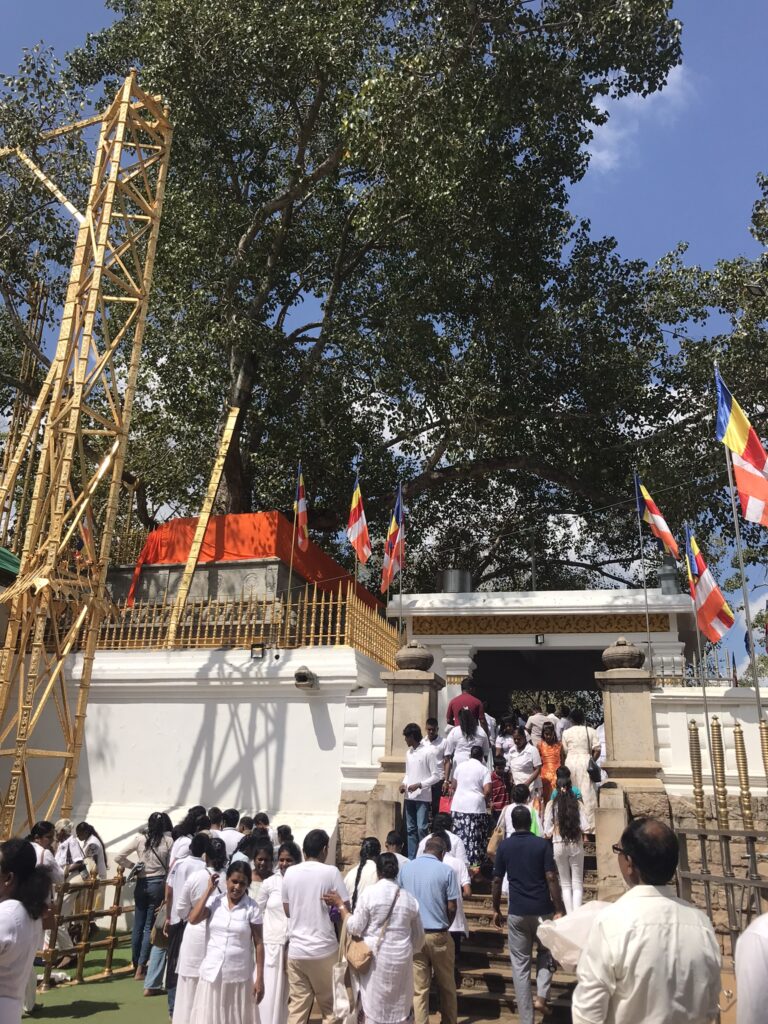
This is the famous Bodhi tree – it is difficult to get too close
Unfortunately, Anuradhapura is one example of the Sri Lankan government’s gross overcharging of foreign visitors to historical sites. The entrance ticket to the ancient city cost $30 USD for foreigners at the time of our visit. Anuradhapura’s ancient city covers a large geographical area and the ticket checks are performed sporadically or at roadblocks, rather than passing through a standard admission gate. It can therefore be a bit confusing as to what is and isn’t included in the ticket. Thankfully, the ticket doesn’t cover everything in the ancient city and there are many dagobas that can be visited for free (or have their own small individual entry fee), including some of the most important and noteworthy structures. For some of the other structures we could only admire from afar, but we definitely didn’t feel like we were missing out by not purchasing the ticket.
Away from the old city, the modern town of Anuradhapura is pretty generic with a few good local restaurants and some overpriced tourist restaurants too. Anuradhapura is quite decentralised and it’s also not easy to get from the new city to the historical area on foot. For this reason we hired a tuktuk and driver for the day to take us around the free historical sites in the ancient city, as well as the nearby settlement of Mihintale. This is probably the best and most cost-effective option for budget travelers. We also spotted a few people who were attempting to cycle around – this is a good idea in theory although maybe not so great in practice considering the intense heat throughout the year
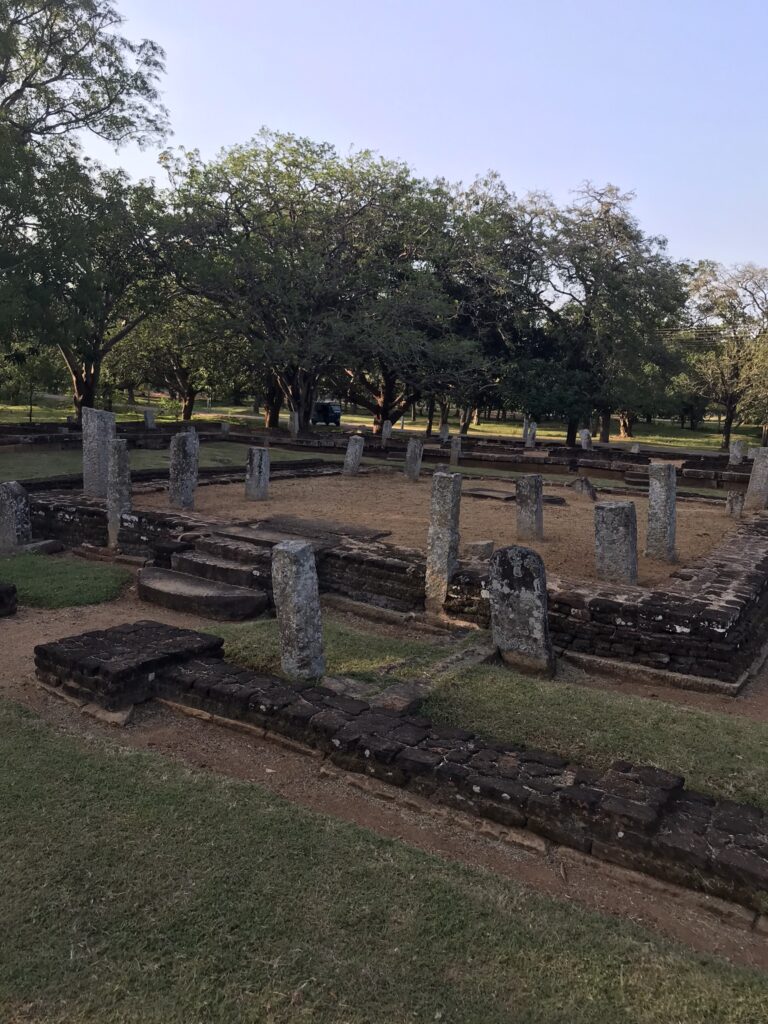
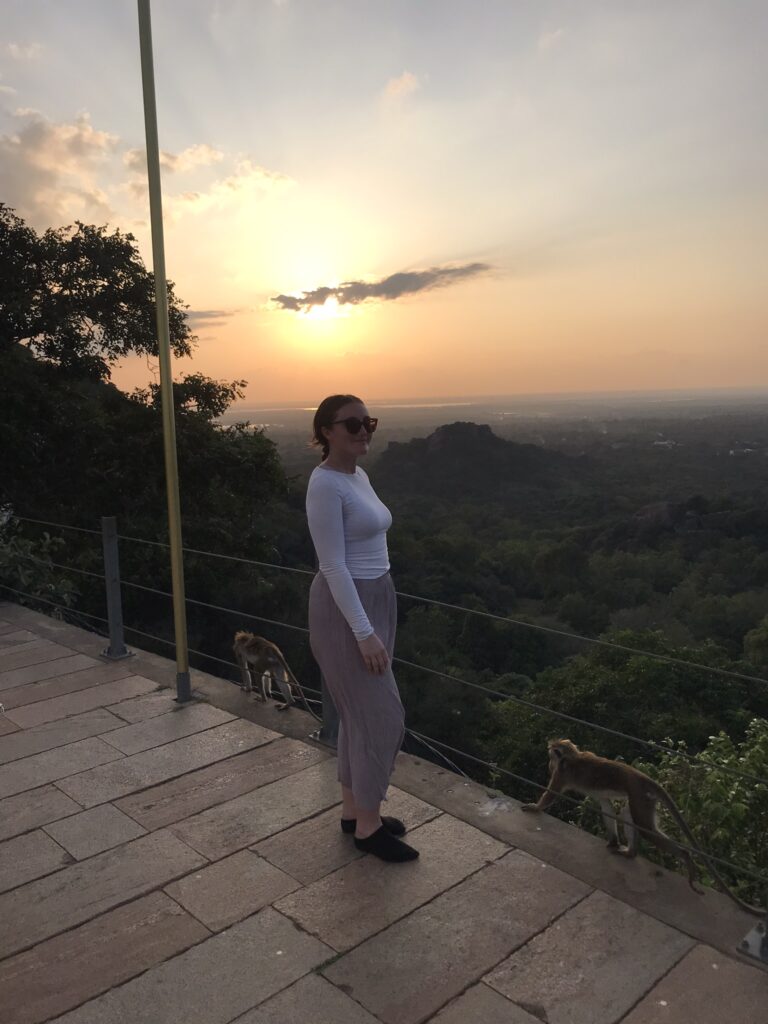
Don’t miss Mihintale, a worthy side-trip for its Buddhist heritage, archaeological sites and fantastic views
Accomodation
Why Not Palace – a grand, mansion-style property with comfortable rooms and good air conditioning (a must in Sri Lanka!). The caretaker spoke no English but tried his best to help us (sometimes resorting to calling the manager), and the manager was very friendly and personable when he was around. One downside was the distance from the centre of town, which made it a little difficult to get something to eat. We ended up relying on Pizza Hut delivery for dinner.
Foodie Places
Naliya Family Restaurant – a local place run by a gracious local family. Great, authentic local food at very reasonable prices. It’s basically a buffet shack – there is no menu, just a number of clay pots filled with home-cooked fare and a meat option for a little extra cost. We showed up late in the afternoon, there was nobody around but the owner soon emerged with the clay pots for the self-service buffet. A very informal, down-to-Earth place, we ate here several times and the cuisine options varied slightly each time but were always great.
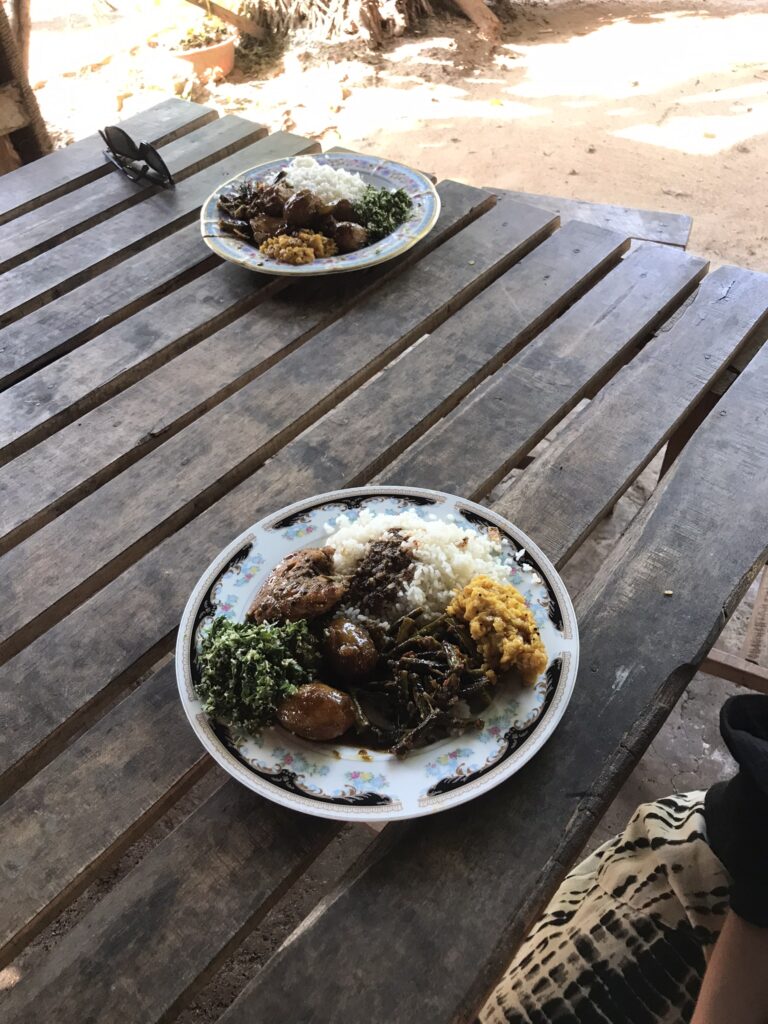
A fantastic buffet lunch at Naliya Family Restaurant
Pizza Hut delivery – we kept making the mistake in Sri Lanka of booking accommodation that was quite a walk away from the nearest restaurant and then having to rely on food delivery for dinner. The heat and humidity in many parts of the country meant that we couldn’t face any long walks. We couldn’t find a working food delivery app so ordered on the Pizza Hut website using a fake phone number (as they only accepted Sri Lankan numbers), crossed our fingers that the food would arrive and it did! I’m not the biggest fan of Pizza Hut generally but we enjoyed the mac ‘n’ cheese (and ended up having it multiple times).
Activities
The ancient monuments at Anuradhapura are spread out across a wide area. The admission fee of $30 is ridiculously expensive, luckily there are numerous dagobas and ancient sites that aren’t included in the expensive ticket and can be visited for free, including some of the biggest and most important sites. If you want to pay the extortionate fee and see absolutely everything then you can, we didn’t feel the need to do this and heard complaints from others who did that the ticket was unnecessary and a rip-off.
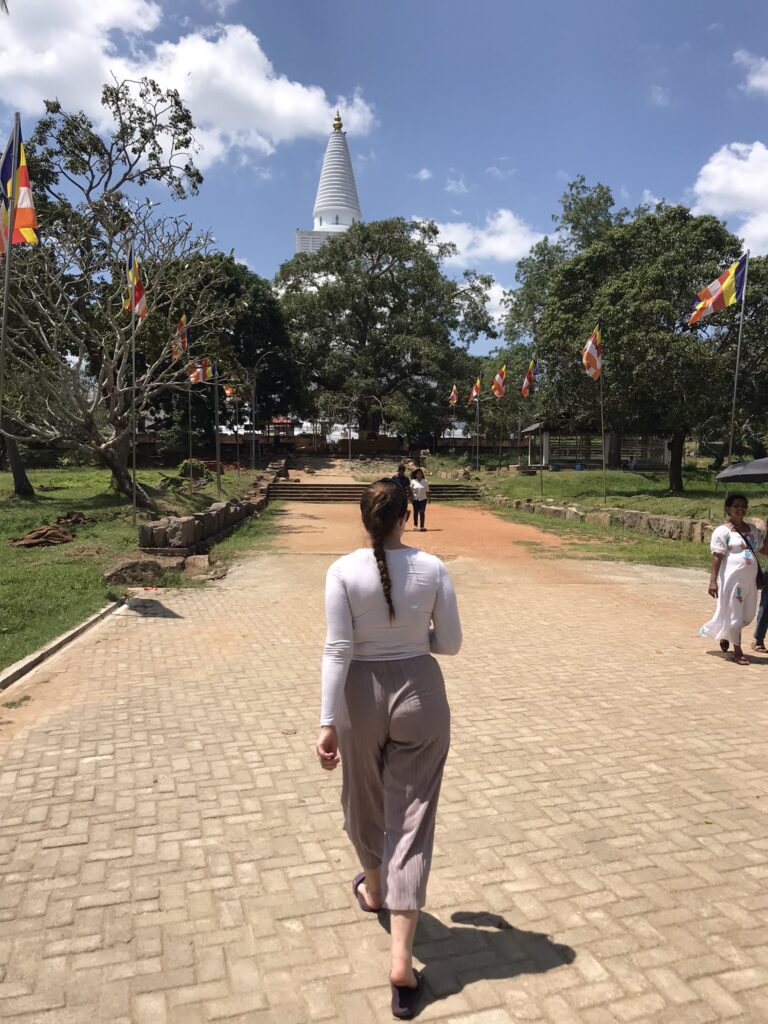
There are plenty of dagobas and historical sites in the ancient city that can be visited without the tourist ticket
To be able to visit all of the free sites in one day it’s best to hire a tuktuk and driver who knows how to get to them. We found our driver loitering outside our accommodation as he was providing tuktuk rental to some other travelers, he seemed reputable and in the end gave us a pretty good price of 8000 SLR for a full day including the free Anuradhapura sites and Mihintale for sunset.
Free sites around Anuradhapura:
Sri Maha Bodhi complex – this temple complex is the main focal point for Buddhist pilgrims as it contains the sacred Bodhi tree. This was grown from a sapling of the original Bodhi tree in Bodhgaya, India. This is considered the world’s oldest Bodhi tree after the original tree in Bodhgaya was destroyed – ironically, the tree that now stands in Bodhgaya was grown from a sapling of the tree in Anuradhapura. Unlike in Bodhgaya, it is not possible to sit under the tree or get a great view as it is behind a protective fence. White-clad pilgrims swarm the area surrounding the tree, which contains a temple and other religious buildings. Pilgrims seated inside the buildings chant and keep vigil. The temple altar is full of flower offerings such as water lilies, lotus and orange flower garlands.
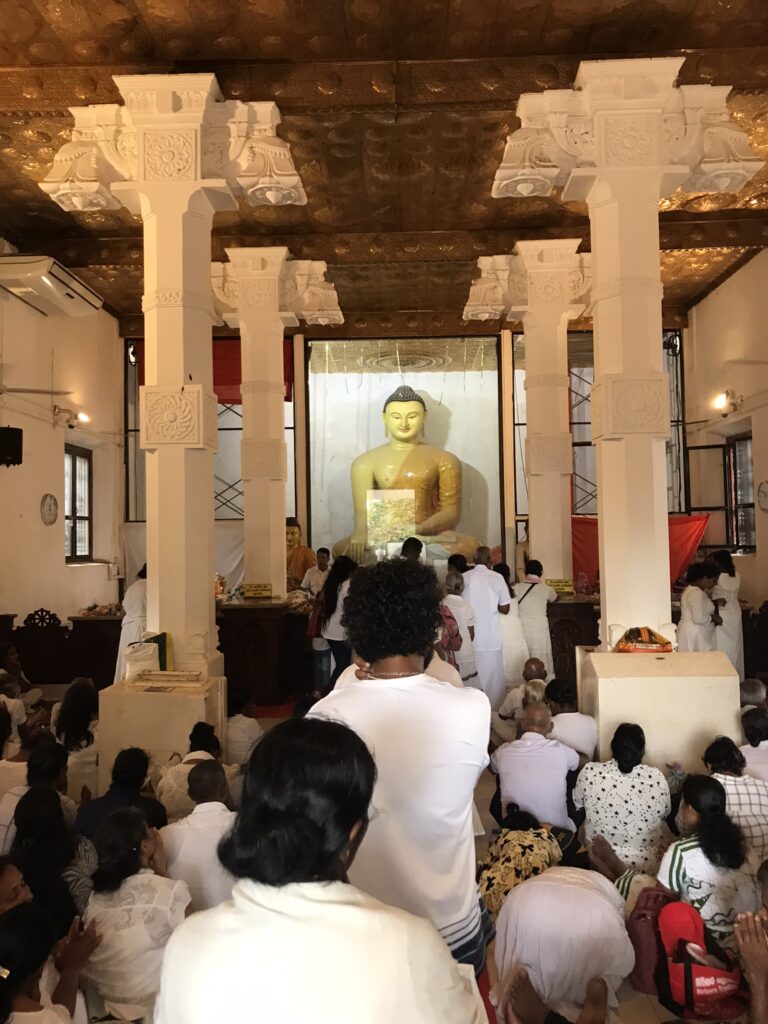
The Sri Maha Bodhi complex is one of the most important Buddhist pilgrimage sites in the country
We took a special route into the complex which was shown to us by our driver, avoiding any hassle. Footwear is prohibited inside the temple area, there are official shoe dispensaries around for a small fee.
Ruwanwelisaya – one of the most ancient and impressive Buddhist stupas (dagobas) in Sri Lanka. This can be accessed from the back of the Sri Maha Bodhi area – the path leading to Ruwanwelisaya contains a few other ancient structures and ruins. Don’t go any further than the dagoba or deviate from the path as you may have to pay for the $30 entry ticket. The dagoba dates back over 2000 years and is said to contain relics of the Buddha. One of the most distinctive features is the outer wall of elephant sculptures. Unbelievably, the site was engulfed by jungle as recently as the 19th century. Today, following restoration it is a major religious site, thronging with pilgrims who circle around the stupa leaving offerings of all manner of flowers and food. We even spotted a golden coconut. Wear socks because the marble floor surrounding the dagoba gets super hot in the sun.
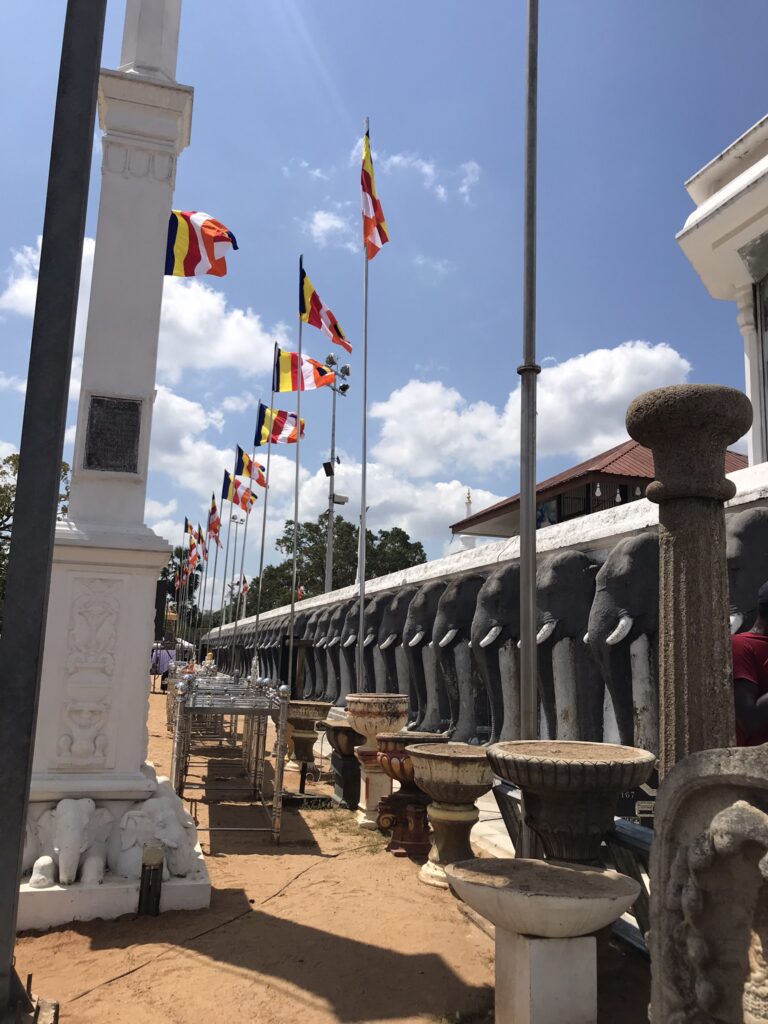
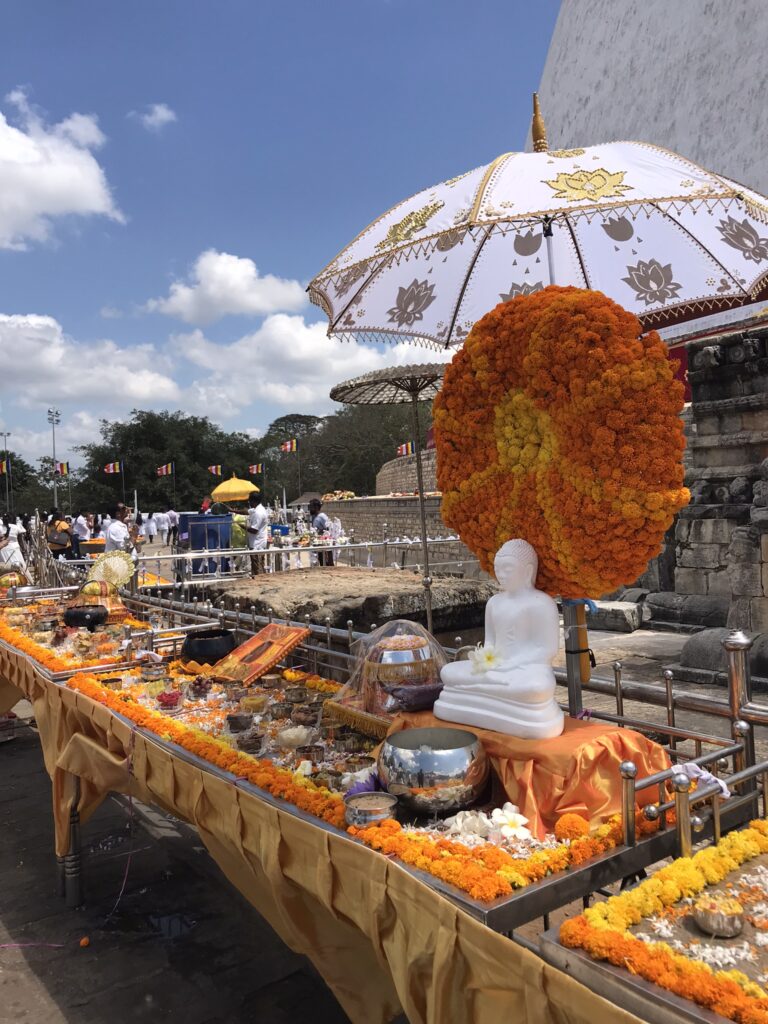
Elaborate decorations and extravagant offerings at Ruwanwelisaya
Archaeological museum – a museum with several rooms dedicated to the ancient city. Extremely detailed information is provided on the plaques in the museum. Admission is free, although one of the museum workers followed us around without asking and then predictably asked for money (a ‘donation’) at the end – we said no.
Basawakkulama – near to the archaeological museum, this water tank provides a good view of the distant stupas. Don’t go too far north along the road or you will be asked to buy the $30 tourist ticket.
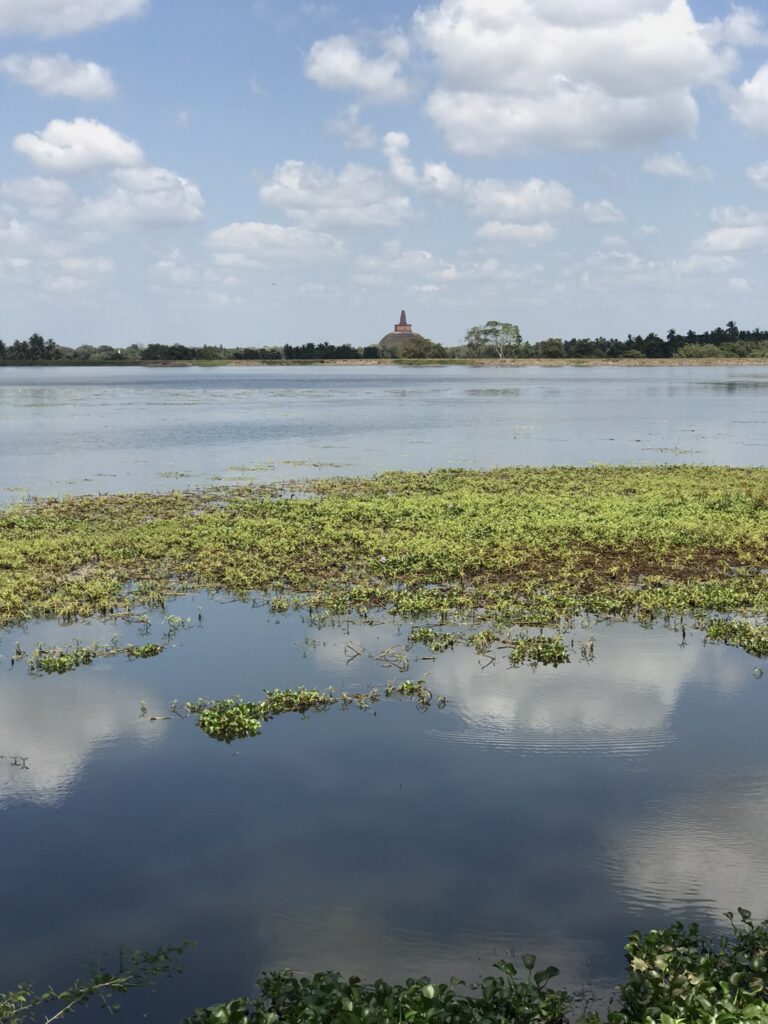
This is the best view you’ll get of those distant dagobas without buying the tourist ticket
Mirisawatiya – another ancient dagoba. Like others, this fell into a state of disrepair and was renovated in the 20th century. Today it is a large, modern dagoba similar to the others in the area.
Vessagiriya rock monastery complex – the site of an ancient forest monastery and meditation spot with various ruins, some carved and fashioned from natural formations atop the rock. Unrestored and not much is left standing, although you can see the areas within the rock where the monks would rest and meditate. There are great views over the tree canopy from the top of the rock. The stone structure reminded us of Krishna’s butterball at Mahabalipuram in India.
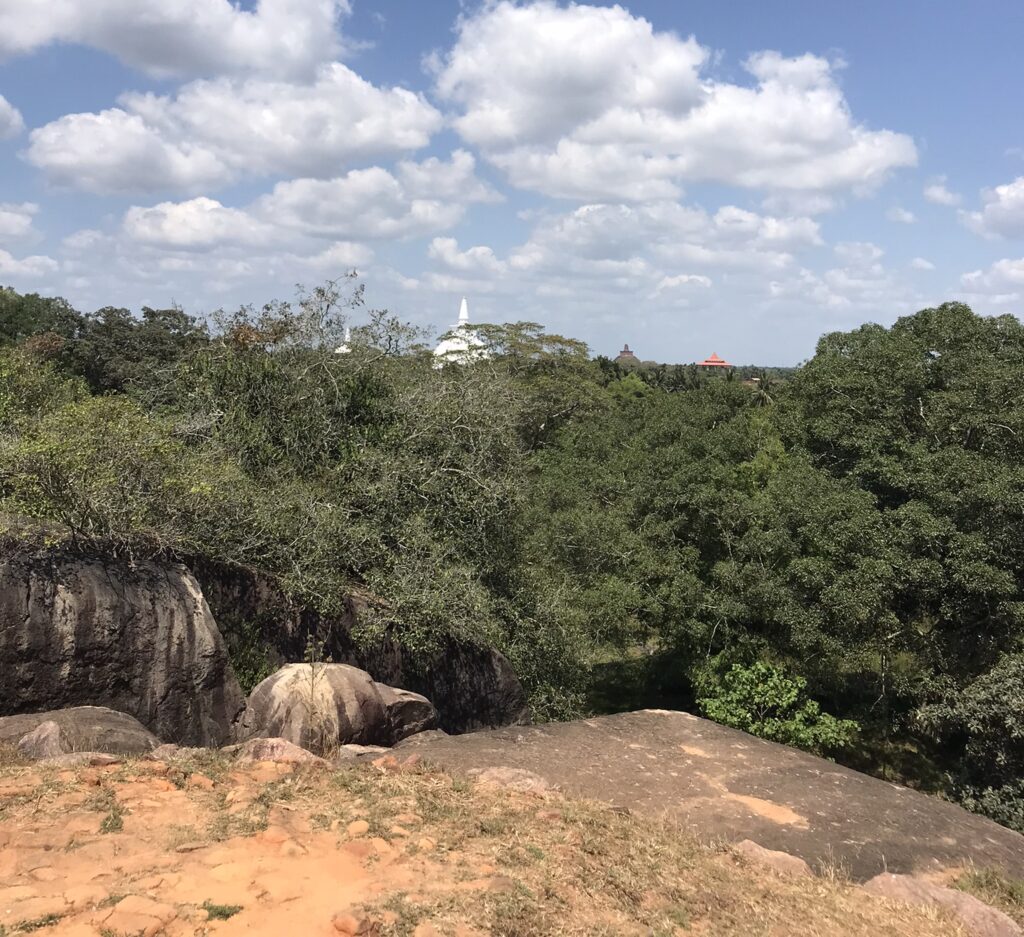
Distant temples and dagobas can be seen peeking through the trees from the top of Vessagiriya Rock Temple
Sandahiru Seya – a modern dagoba which was built to commemorate the ending of the recent civil war. Very large in stature, it looks similar to the ancient stupas which have also been restored, however there are some military references in and around the area immediately outside the structure.
Isurumuniya – this site is accessible for a small entry fee, without the main tourist ticket. This rock temple is notable for several ancient and important rock carvings, including ‘the lovers’ (which is housed in a small gallery alongside some other carvings). Also keep an eye out for the carvings of frolicking elephants in the water tank. You can climb to the top of the rock temple for good views overlooking the stupa, although we found it difficult to stay up there for too long in the blazing sunshine.
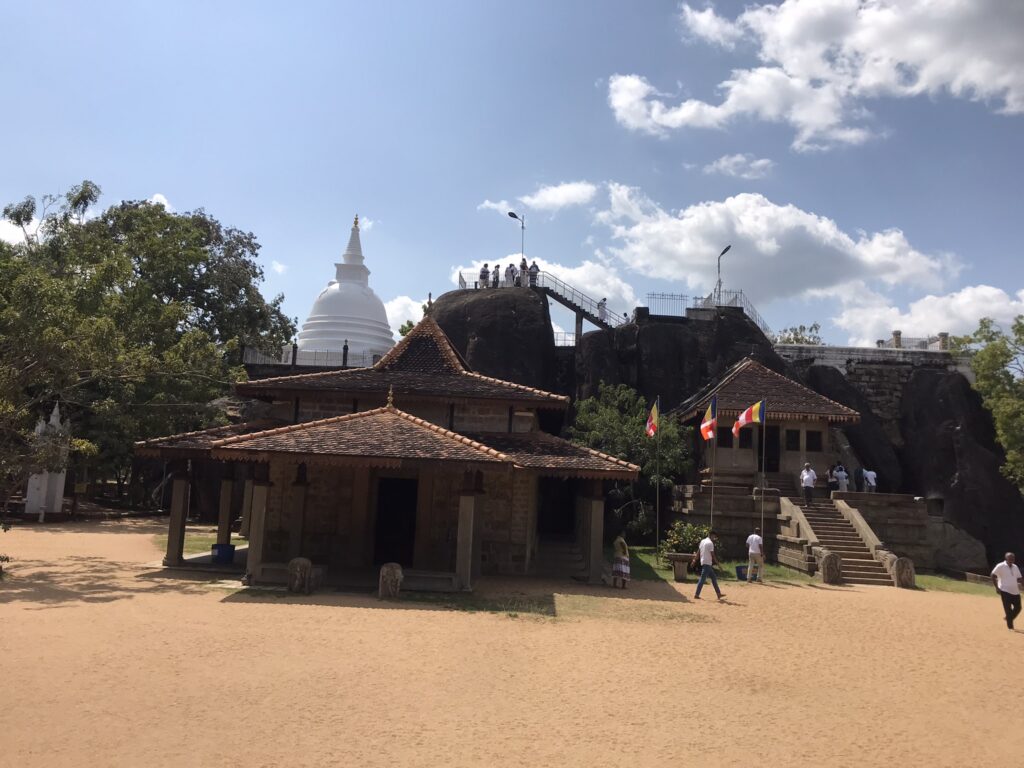
There are a few different aspects to the Isurumuniya complex
The temple complex also contains a large reclining Buddha statue (a monk was giving blessings in the room with the statue) and a cave full of bats. On the approach to the temple complex, keep an eye out for the resident crocodile which occasionally surfaces in the pool, giving anyone nearby a good scare!
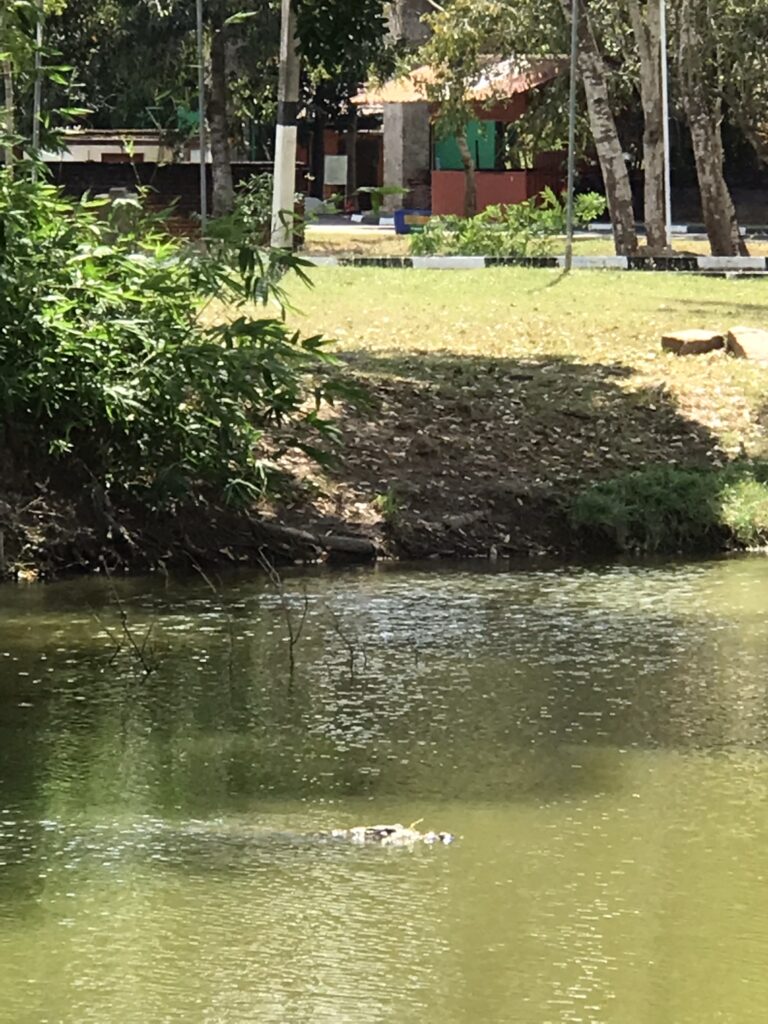
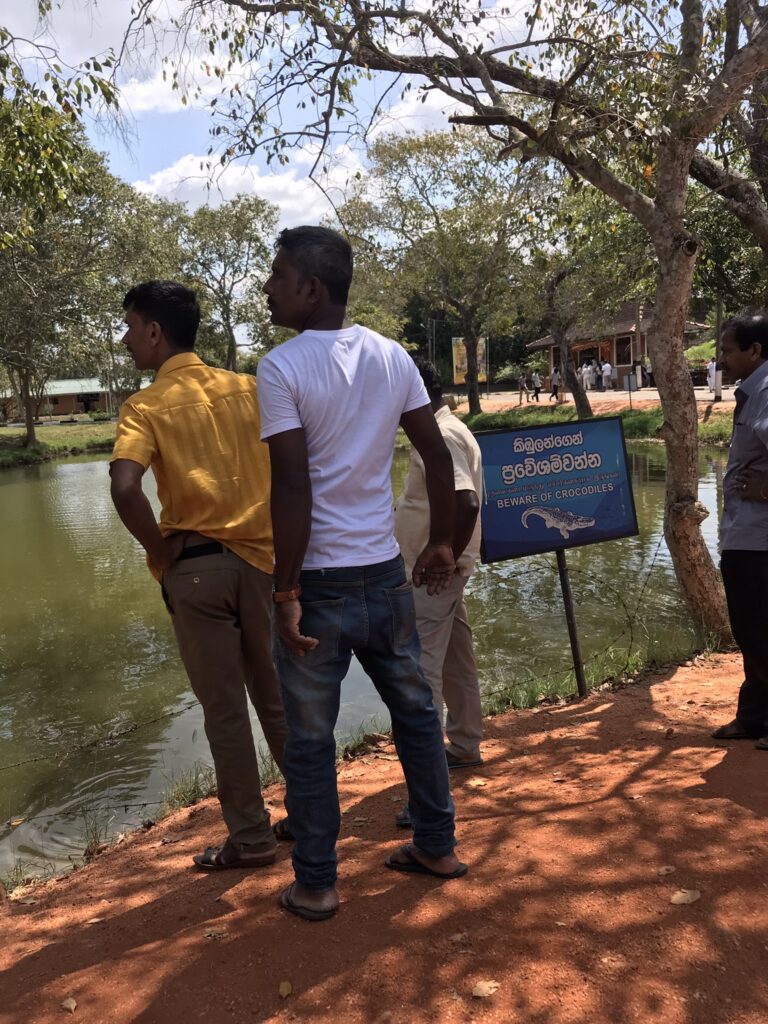
Beware indeed
There are many other dagobas and ruins within the ancient city of Anuradhapura, but it is not possible to visit these without purchasing the tourist ticket so we declined.
Mihintale and environs:
Mihintale – located around 12km from the modern city of Anuradhapura, Mihintale is another important site of the ancient Sri Lankan world, said to be the origin point of Buddhism in Sri Lanka. It now contains an array of archaeological sites as well as a rock temple and several dagobas located atop a small mountain/large hill. Mihintale makes for an easy trip from Anuradhapura by tuktuk or bus.
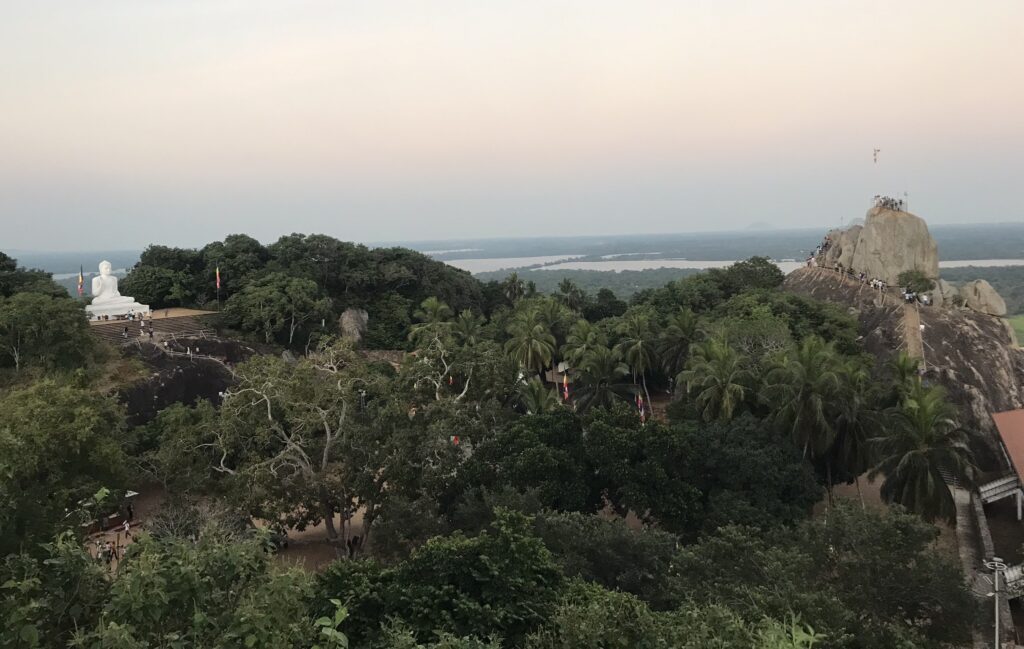
The top of Mihintale contains two large dagobas, a Buddha statue and the Rock (not Dwayne..)
The main Mihintale ruins complex contains a number of structures at the midpoint of the hill, including a notable ancient depiction of the Sri Lankan lion. At the top are two large dagobas, a white Buddha statue and the famous Mihintale Rock. Mihintale is a very popular place to watch the sunset, and when we arrived there was already a big queue to climb the rock – we opted for the twin stupas instead as we didn’t want to wait in a queue and the views are fantastic from all angles at the top of the hill.
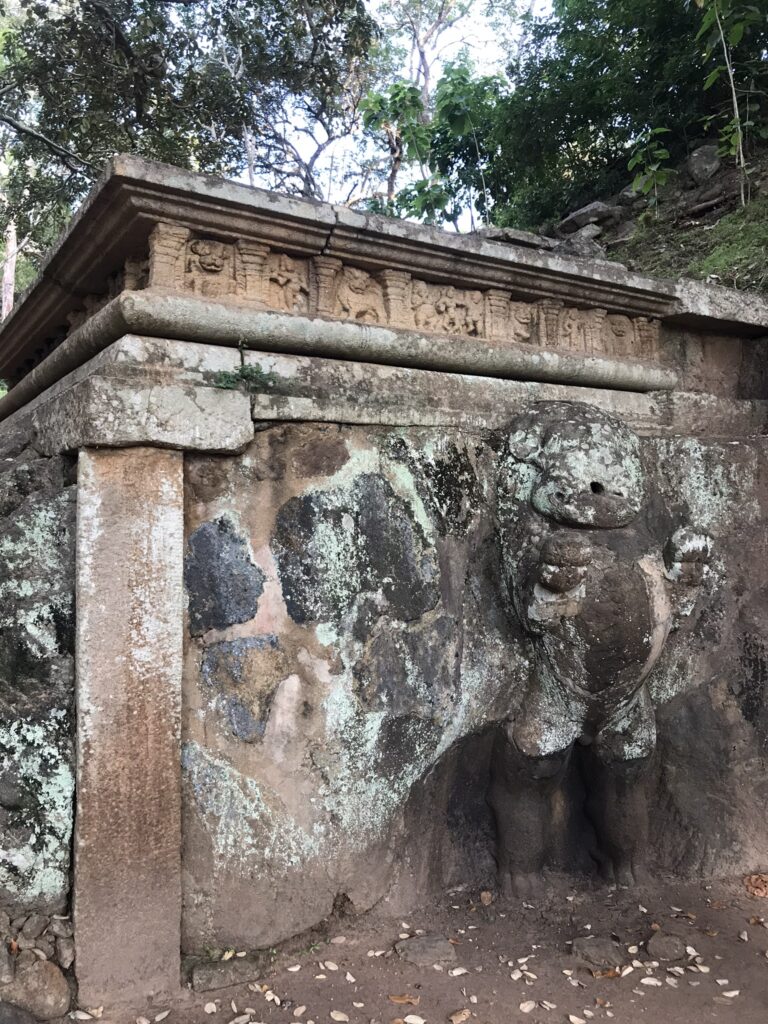
The Buddhist area at the top of the hill takes the spotlight, but don’t miss the archaeological ruins at the halfway point including this very ancient Sri Lankan Lion
We arrived to Mihintale a bit later than planned so our visit was a little rushed. Give yourself a couple of hours to explore before sunset as there is quite a lot to see. Admission to the entire complex is paid, but the entry fee is quite cheap (just 1000 SLR each when we were there). Guides tout their services near to the ticket counter but you don’t really need one unless you are interested in learning the in-depth history of the ruins.
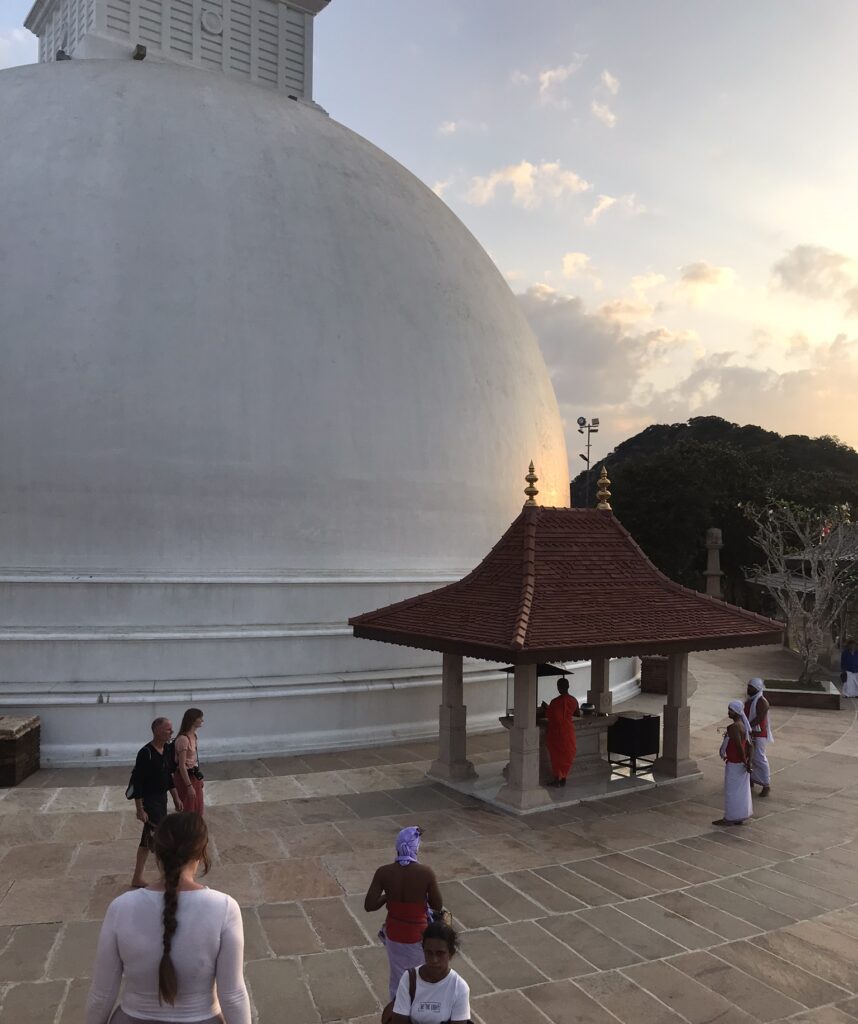
Buddhist ceremonies take place around the large dagobas
At the top of the hill we saw a musical procession of monks around sunset with drums and wind instruments – a great experience. The views over the lush, tree-covered landscape below are truly spectacular, you can see the tops of distant dagobas at Anuradhapura and beyond. There are plenty of cheeky monkeys at the top so watch out!
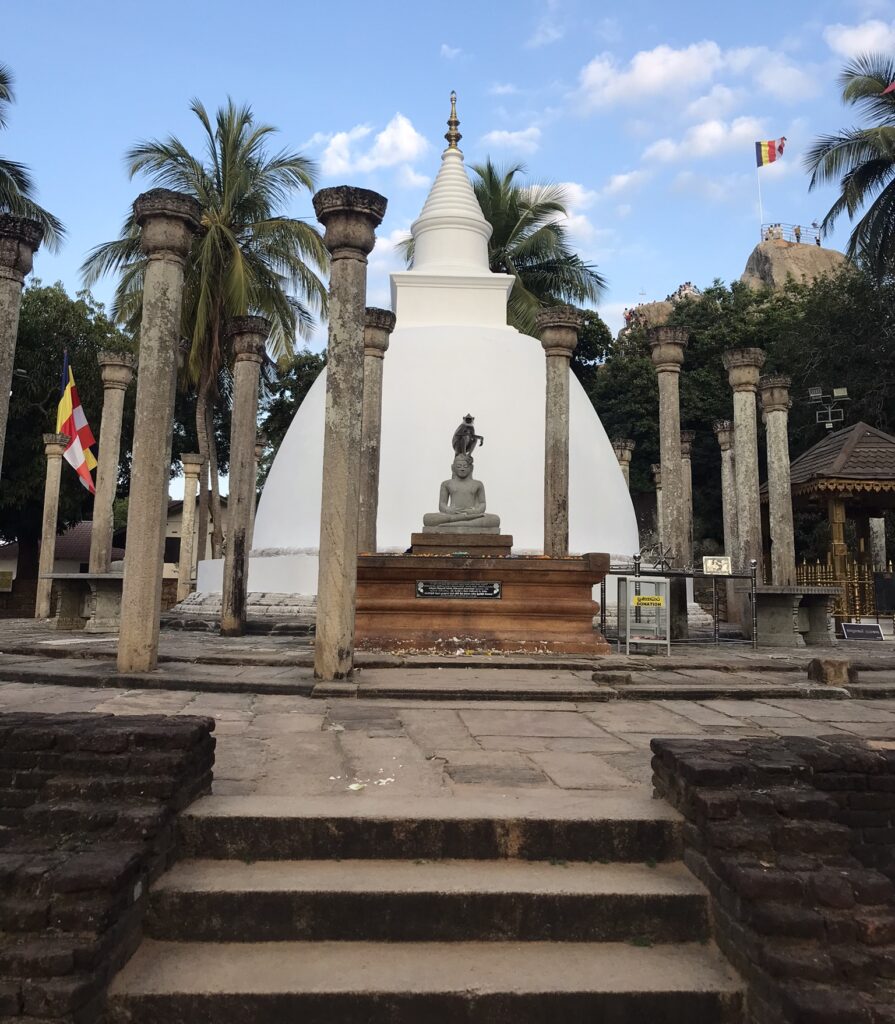
This monkey must’ve known what it was doing
It is possible to get a bus to Mihintale from the centre of Anuradhapura, this would be by far the cheapest option but would also miss out several notable sites on the way to Mihintale which we were able to visit by tuktuk:
Mihindu forest monastery – close to a ‘baby monk’ monastery, this area contains an enormous and very impressive tree with twisting, intertwined branches and roots which creates almost a natural structure or room. Quite a mystical place to visit. The skeletal remains of a monk are on display right next to the tree – I thought it was a halloween skeleton at first. Apparently one monk never left!
Kaludiya Pokuna – an outstanding natural beauty spot with some ruins and a lake – super calm and peaceful, we wish we’d had more time to just sit and absorb the tranquility.
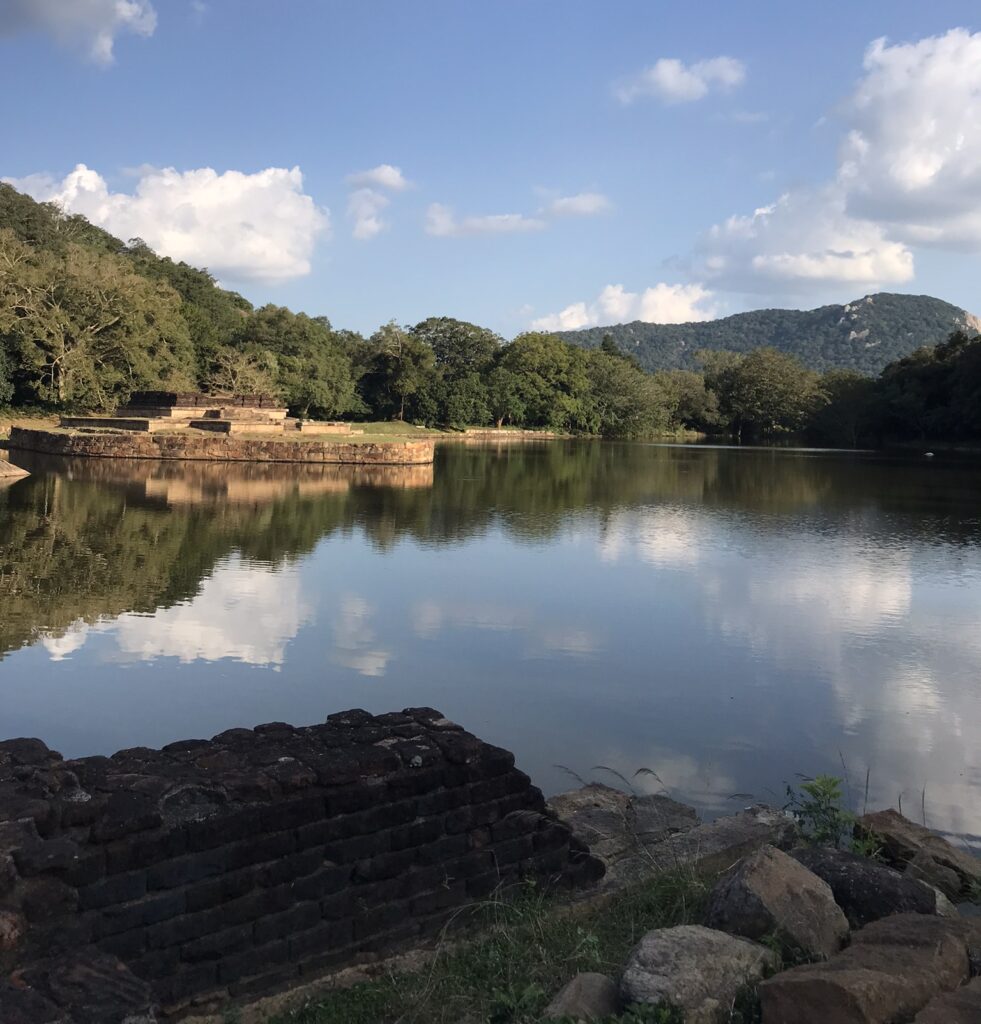
Kaludiya Pokuna is a lovely spot that also features some small archaeological remains
Ancient hospital – these ruins at the base of the Mihintale hill are speculated by some to belong to one of the oldest hospitals in the world. Today, mostly just the foundations are left. The highlight is a stone body-shaped bath
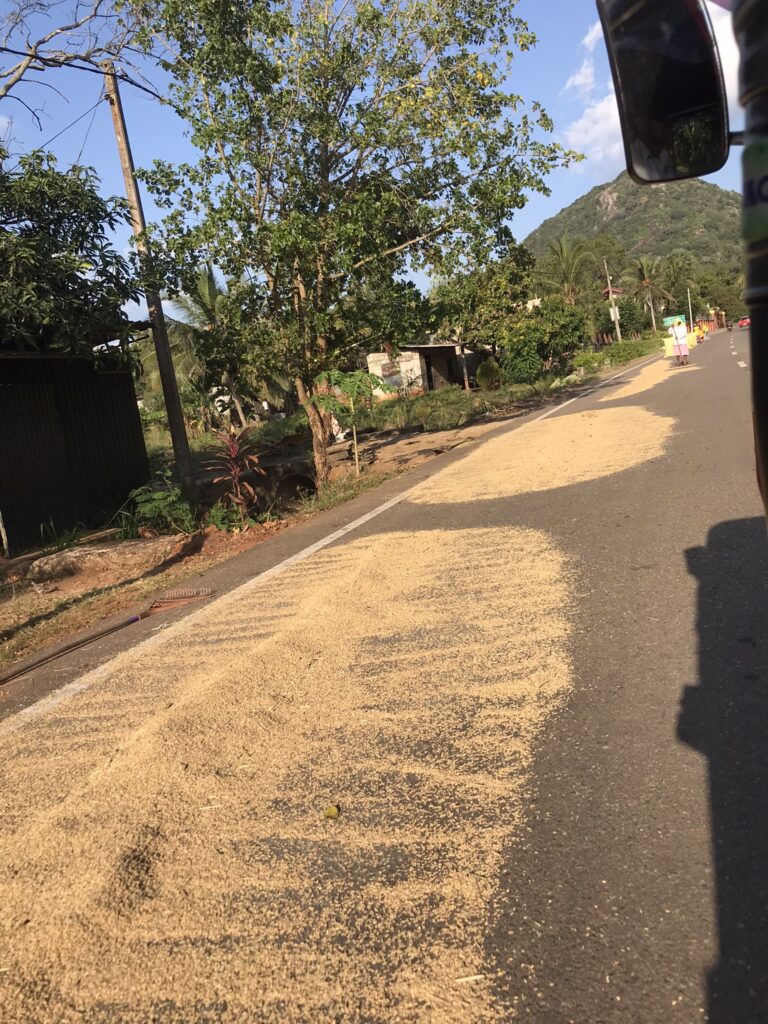
We were also intrigued to see rice drying on the road along the route to Mihintale
Dambulla
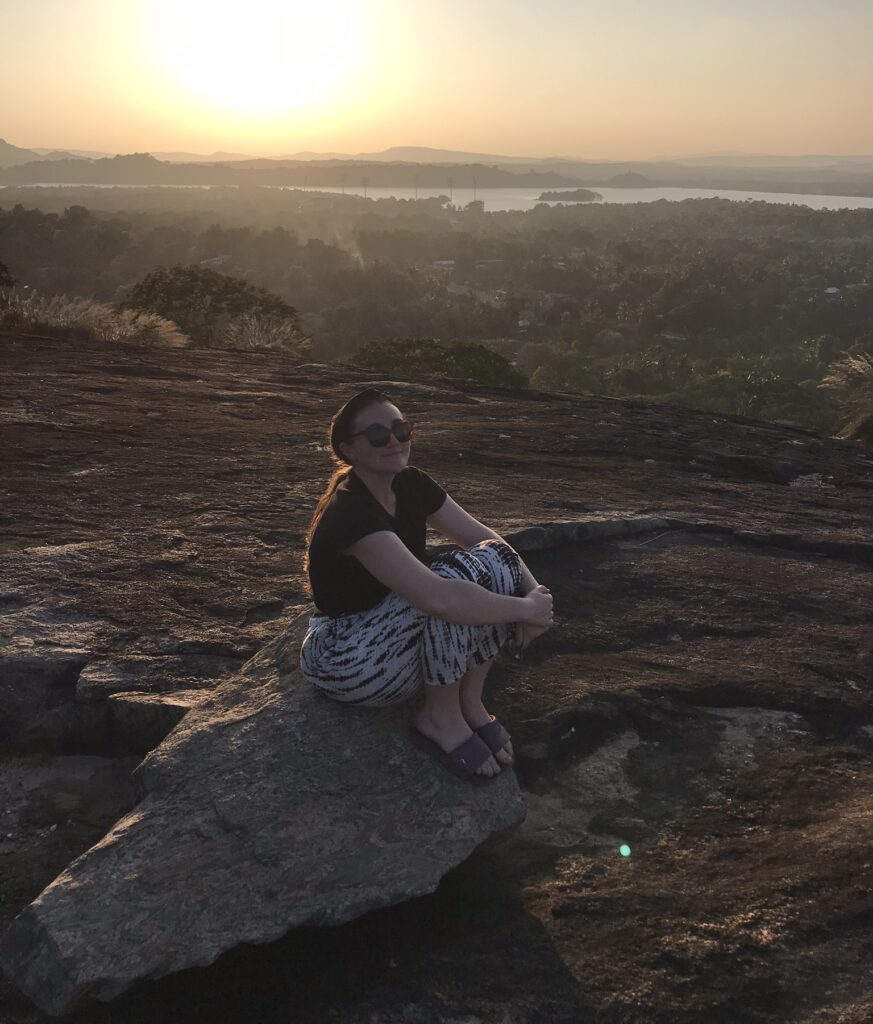
Ascending the big rock close to our guesthouse, an aerial view of Dambulla reveals mostly just a canopy of green trees and a smattering of lakes. It’s not a bustling urban centre like Colombo but a sleepy settlement at the confluence of the A9 and A6 roads, approximately halfway between Anuradhapura and Kandy.
Dambulla definitely has a rural feel to it even though it’s a city – the area surrounding our guesthouse and the Dambulla Cave Temple made us feel like we were in a village rather than a major urban centre. The wholesale farmers market at Dambulla Dedicated Economic Center is the main contributor of heavy traffic with bulky trucks parked alongside the road. It’s not a particularly pretty place – more of a gritty vibe from the wholesale market with trucks kicking up dust as they shoot through.
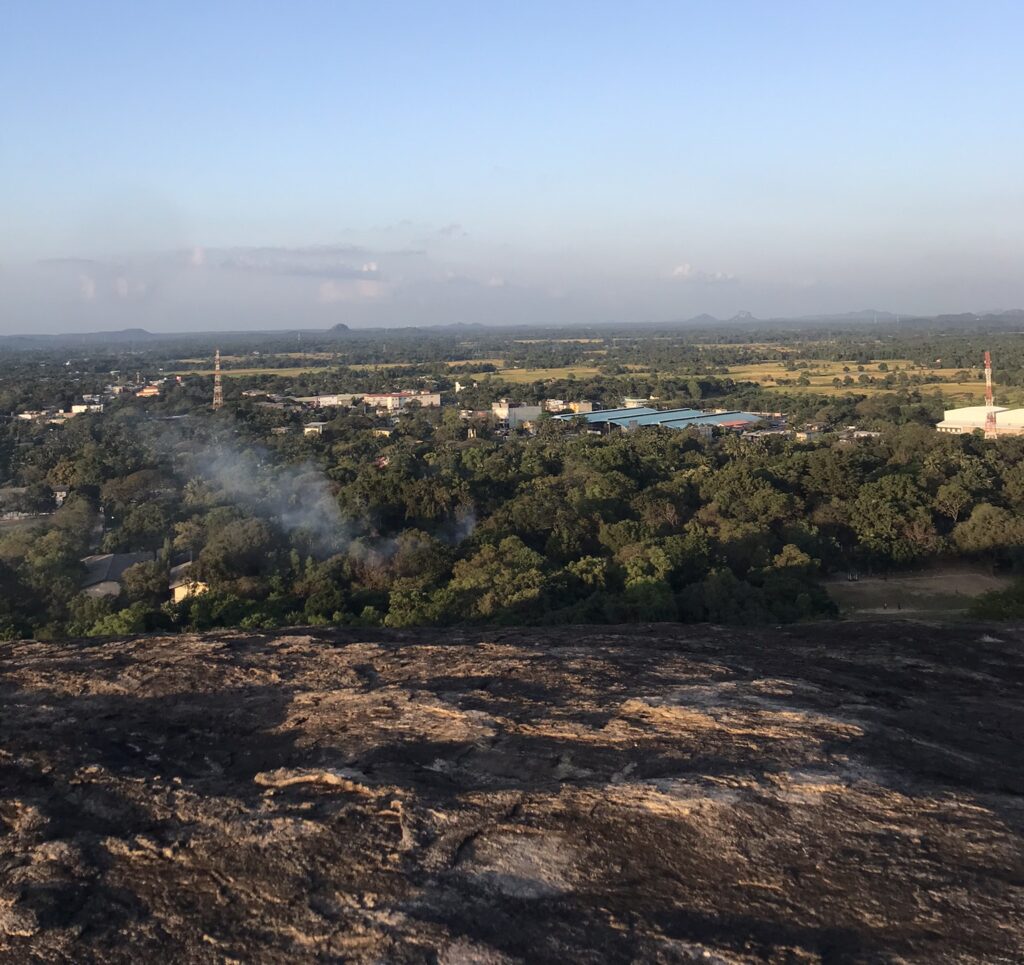
From above, you’d barely realise that Dambulla is there
Due to its location at an intersection of major roads, Dambulla is easily accessed from many locations. It makes a convenient base for visiting Sigiriya (a short bus ride from the bus stand located here in Dambulla) or organising elephant safaris to nearby Minneriya National Park or Hurulu Eco Park (like we did). Visitors hang around Dambulla itself to check out the UNESCO-listed Cave Temples.
Unfortunately, despite its convenient location and a number of decent accommodation options, Dambulla is not a very walkable city or particularly well-developed for tourists. As temperatures are high year-round, it can be uncomfortable and a bit of a slog walking relatively long distances around the city in the heat. The town of Sigiriya is more compact and may be a good option for those looking for a more tourist-friendly place, with less chugging trucks and the odd elephant that might pop up. We didn’t spot many foreigners in Dambulla on the dusty roads or walking along the highway like us.
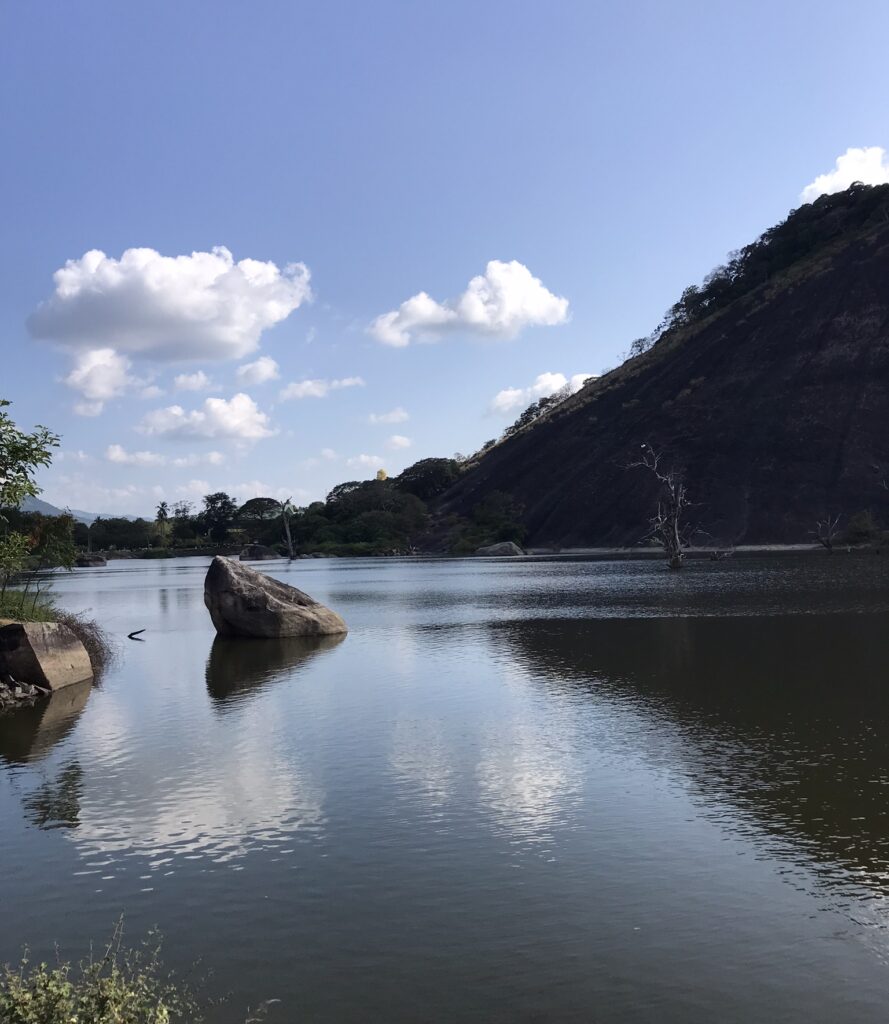
Temple Lake and the area surrounding Dambulla Cave Temples is by far the nicest part of town
Sigiriya is known for its spectacular rock fortress, one of the most famous sites in Sri Lanka. Sigiriya rock is famed as being the ‘Fortress in the Sky’ – an ancient fortress and palace complex situated on the massive rock which towers over the land below. The rock was abandoned and now only the fortifications remain to attest to its historical significance.
Unfortunately, the entry price for foreigners was a shocking $35 USD each when we visited. As a result, we decided to visit the much cheaper Pidurangala rock (also located in the town of Sigiriya) which overlooks Sigiriya rock. We found this to be a great experience for a fraction of the price.
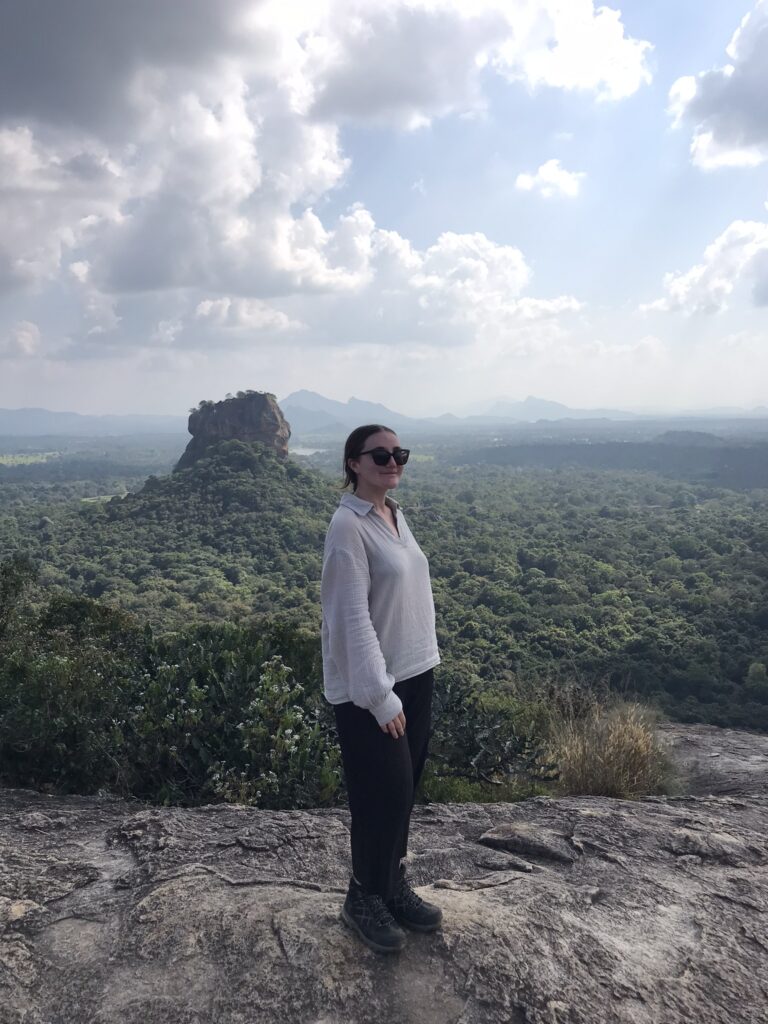
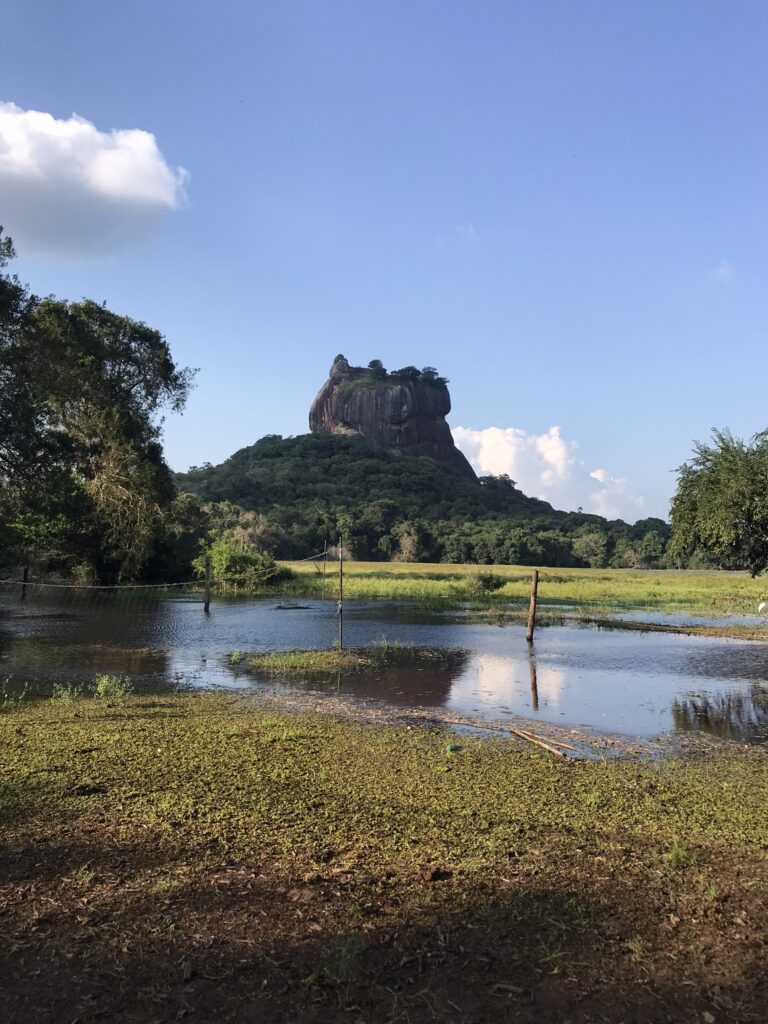
Pidurangala is a great alternative but you can also get fantastic views of Sigiriya from the ground, I really don’t see any purpose in paying $35
Accommodation
Miracle Home Stay – with only 3 rooms open to guests, this homestay was much more intimate than other places we stayed at. The family occupied the downstairs floor with guests residing in the 3 bedrooms on the upper level. The rooms themselves were presented to a high standard with comfy beds and air-conditioning. The family prepared us a delicious and incredibly varied feast every night with different currys, pickles, dhal and vegetable accompaniments. This was much appreciated since the closest restaurant was quite a distance from the homestay. The included breakfast was enough to feed 4 people comfortably! The family really looked after us, they helped to organise the elephant safari at Hurulu for a very reasonable price and the driver turned out to be a very good guy. The patriarch of the family was also a really nice guy and even gave us a lift to the bus station.
Foodie Places
Gami Gedara (ගැමි ගෙදර) – a roadside restaurant catering to both tourists and Sri Lankans alike. They offer both table service from a menu aimed at tourists (expect inflated prices) and a buffet option. The buffet is a much cheaper and more authentic experience – head straight for the buffet otherwise you may be coerced into ordering from the menu. We found the portion sizes to be really generous and staff generally quite helpful.
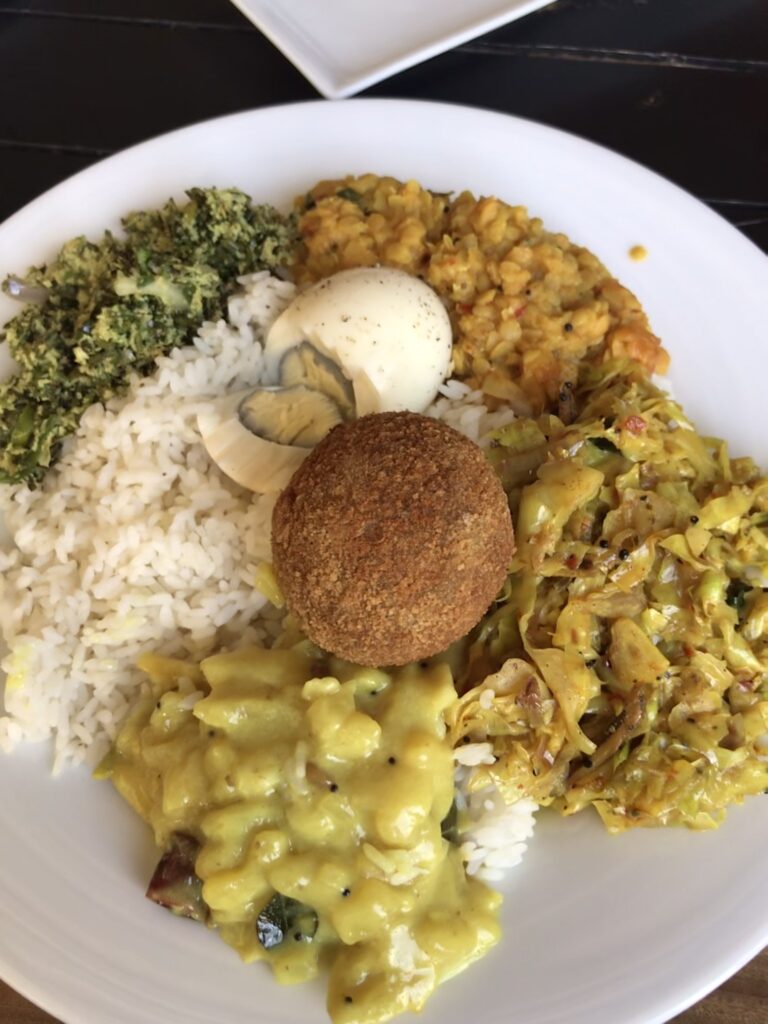
Buffet lunch at Gami Gedara
Activities
Summiting the rock close to our guesthouse – if you’re looking for a secluded spot to watch the sunset over Dambulla then look no further than this rock. The view over the surrounding landscapes from the top is fantastic, you can even see Sigiriya rock temple in the distance. The route up is generally solid rock rather than loose shale or gravel, which makes the ascent a little easier. Make sure you wear shoes with a good grip as it’s quite a steep slope upwards – I wore sandals and regretted it. This rock is pretty close to Dambulla Cave Temple and for those not staying in the area it may be a good idea to combine the two.
Dambulla Royal Cave Temple and Golden Temple – a series of cave temples built into the rock face containing intricate murals on the walls and ceiling and a multitude of Buddha statues of varying sizes and in various poses. A UNESCO World Heritage Site, the complex dates from the second century BC and is considered one of the most impressive historical sites in the country. There are five main caves of varying sizes which have been carved into the rock. Over time, new layers of paint have been added and new caves opened up by local rulers.
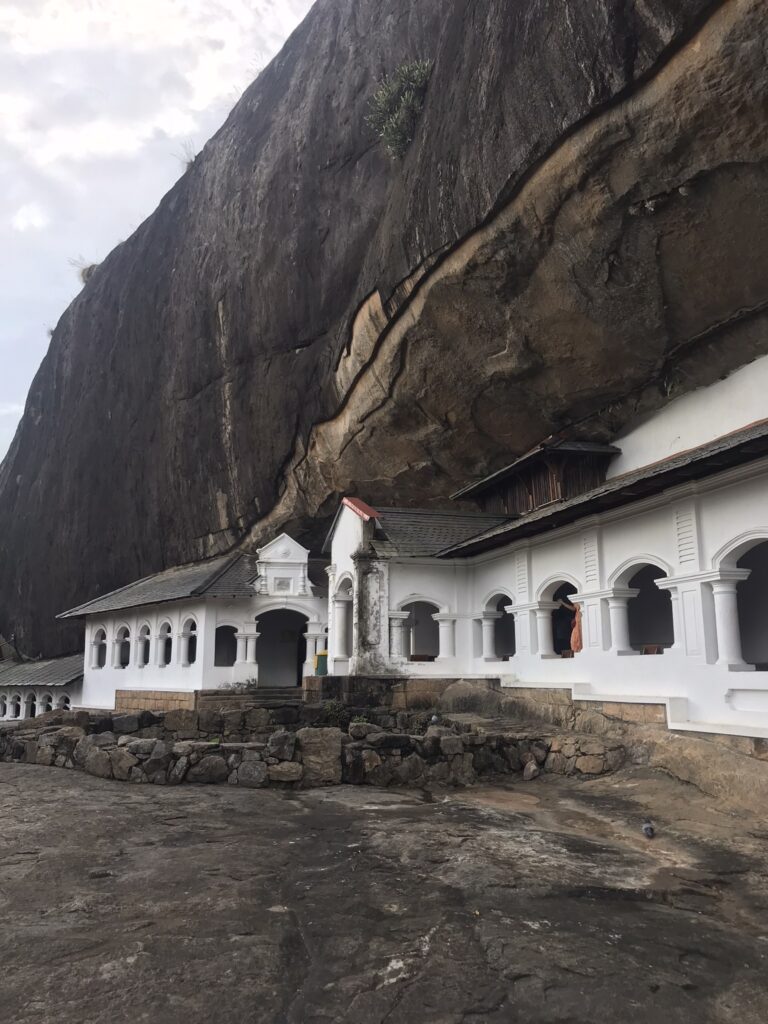
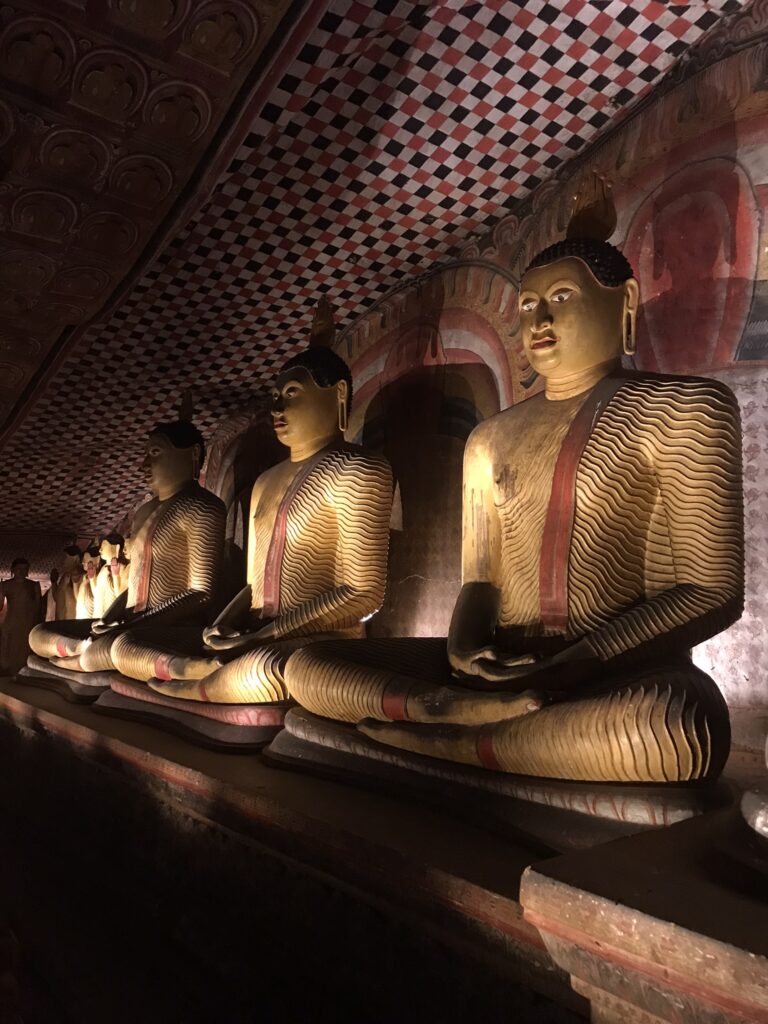
The cave temples have an almost ethereal feel inside
Interestingly, sacred water continuously drips from the ceiling into a pot in one of the rooms. Of particular interest are the statues of local kings and the Hindu gods Vishnu and Ganesh, which are present alongside the many Buddhas and Bodhisattvas in one cave. We definitely felt an aura of calm descend over us when we entered the cave temples, even talking in hushed tones inside until a disruptive school group arrived to ruin the tranquility. Despite being a tourist attraction, the cave temples are also still considered a sacred space – shoes are forbidden inside the complex.
The cave temple complex is accessed by an uphill path with several different approaches. At the bottom of the eastern approach is the Golden Temple, a modern construction which features a large gold-painted statue of Buddha as well as a golden dagoba (as opposed to the usual glistening white paintwork). There are also a couple of museums in this area, which were closed when we visited.
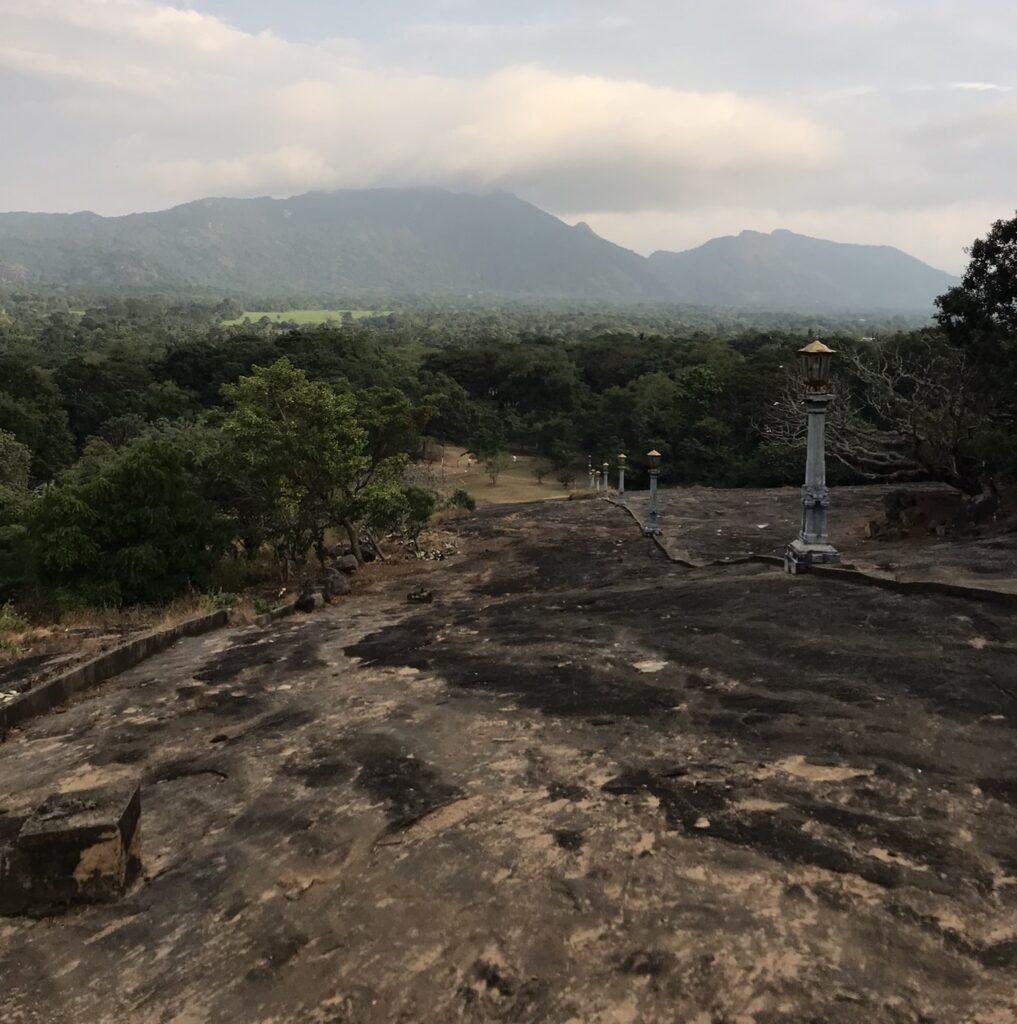
It’s a fair walk up to the cave temples
Watch out for the cheeky monkeys that hang out between the Golden Temple and Cave Temples as they sometimes approach visitors and attempt to steal anything they deem edible. We personally saw these sneaky monkeys attack groups of unwitting school girls and steal their lotus flower offerings one group at a time.
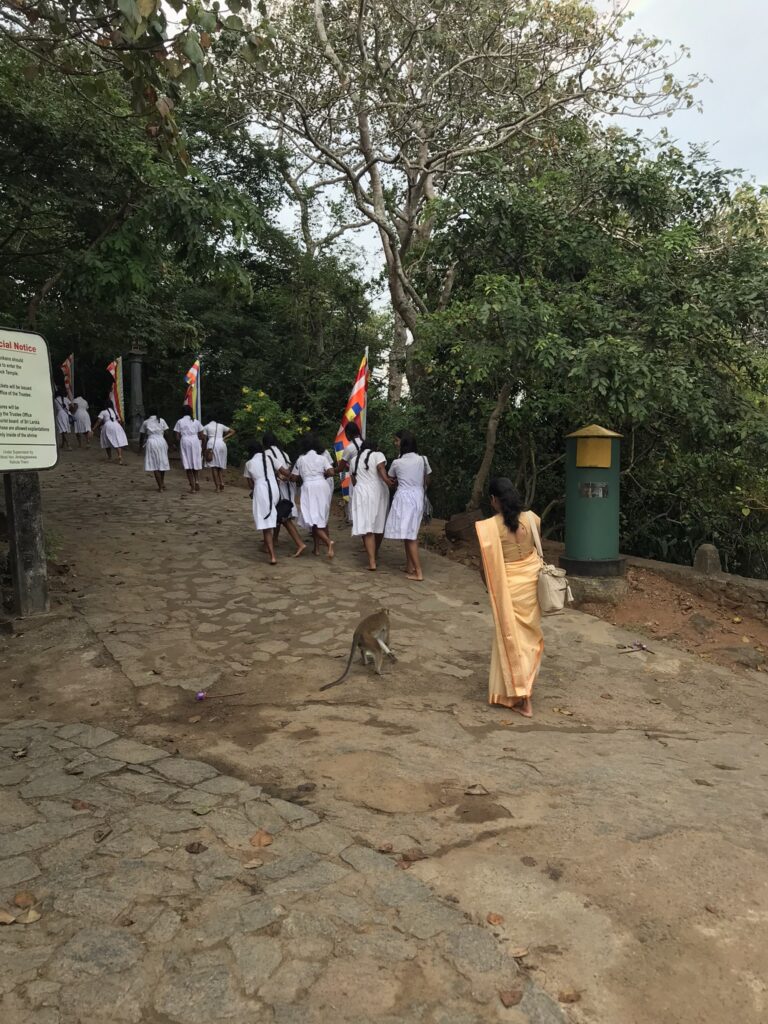
These girls were like sitting ducks..
Hurulu Eco Park Elephant Safari – Sri Lanka is known for its national parks and an elephant safari is really a quintessential activity for visitors. We weighed up different options including the famous but costly Minneriya and eventually settled on Hurulu Eco Park. This isn’t a designated national park, it is essentially a large conservation area which is frequented by herds of wild elephants that roam the Sri Lankan countryside. We organised this activity through our guesthouse as it was by far the best price we could find for this sort of activity.
We didn’t have high expectations and were a little concerned about animal welfare or other ethical breaches as well as whether we would actually see anything, but in the end our concerns were unfounded as this proved to be a great experience. When it comes to seeing elephants, it really is all down to luck. On the day we spotted maybe 20 individual elephants and it turned out to be a really worthwhile activity, however others aren’t always so lucky.
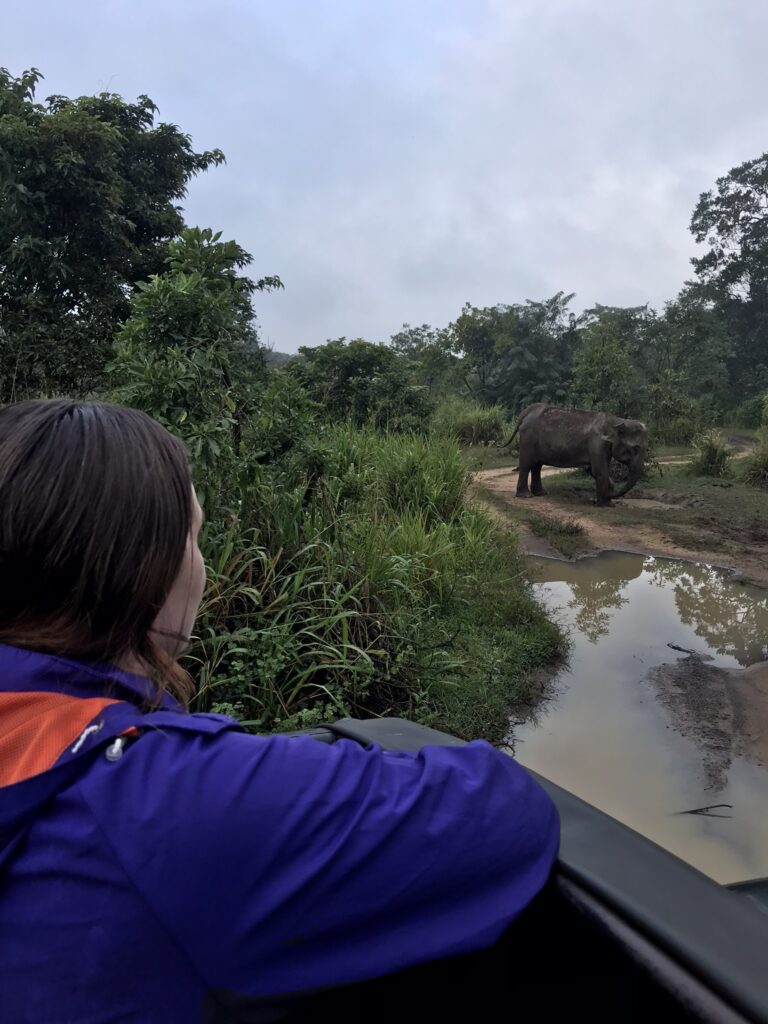
This elephant was giving itself a mud bath – our driver was very careful not to get too close and disturb the elephant
The safaris take place early in the morning or in the afternoon, with the morning being the best time to visit. Somewhat frustratingly it is not possible to join a shared jeep at Hurulu. All groups have their own individual jeep, which meant quite a lot of traffic in the park initially. We had to wait around a while before entering the park and at first we were part of a jeep convoy with noisy engines revving which was pretty distasteful, however we soon went off on our own and were able to spot many different groups of elephants. We were the only jeep at some of these locations which was very special. Elephants roam freely together through the landscape. We even spotted a baby elephant that was 90 days old, with its mother protectively shielding it with her trunk. The youngster was playing with its own trunk and generally being a nuisance to its mother.
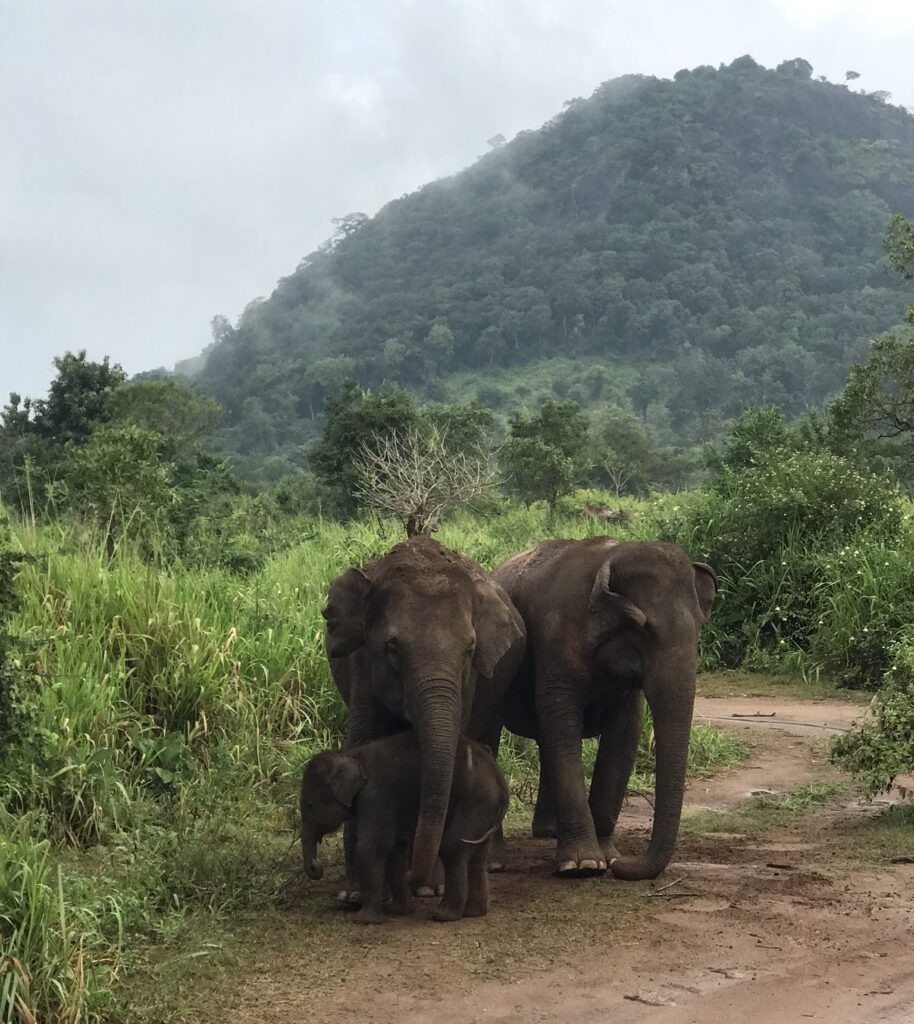
The emotional intelligence of these creatures is amazing
I sadly can’t remember the name of our driver but he was great, he avoided the crowds and gave us a good view without disturbing the elephants at all, also explaining some of the elephant behaviours to us. We also stopped at a viewpoint where we could get out of the jeep and hike to a lookout post on top of a hill – from there it was possible to spot groups of elephants roaming through the landscapes in the distance. Make sure you bring a raincoat or umbrella with you as the jeeps lower their roof and allow guests to ride around exposed to the elements to get the best view of the elephants. It was quite rainy when we visited and we were very glad we’d brought a raincoat with us as we were drenched by the end of the journey. Please mind your etiquette here as shouting, leaving the vehicle without authorisation, littering and trying to touch the animals are prohibited.
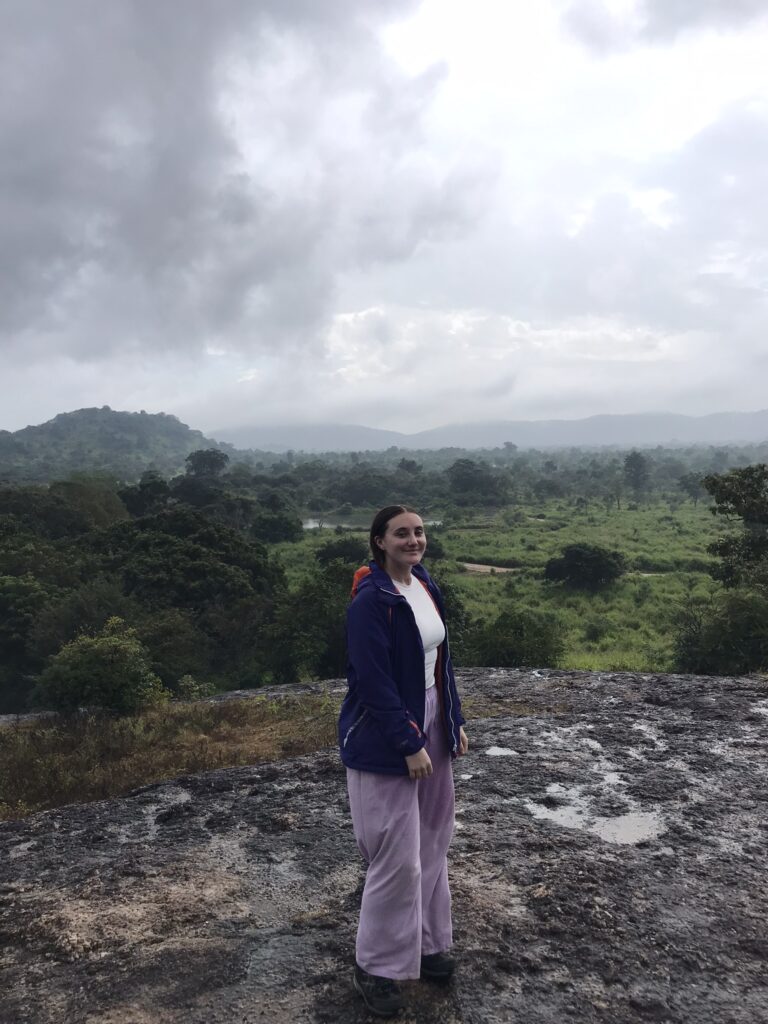
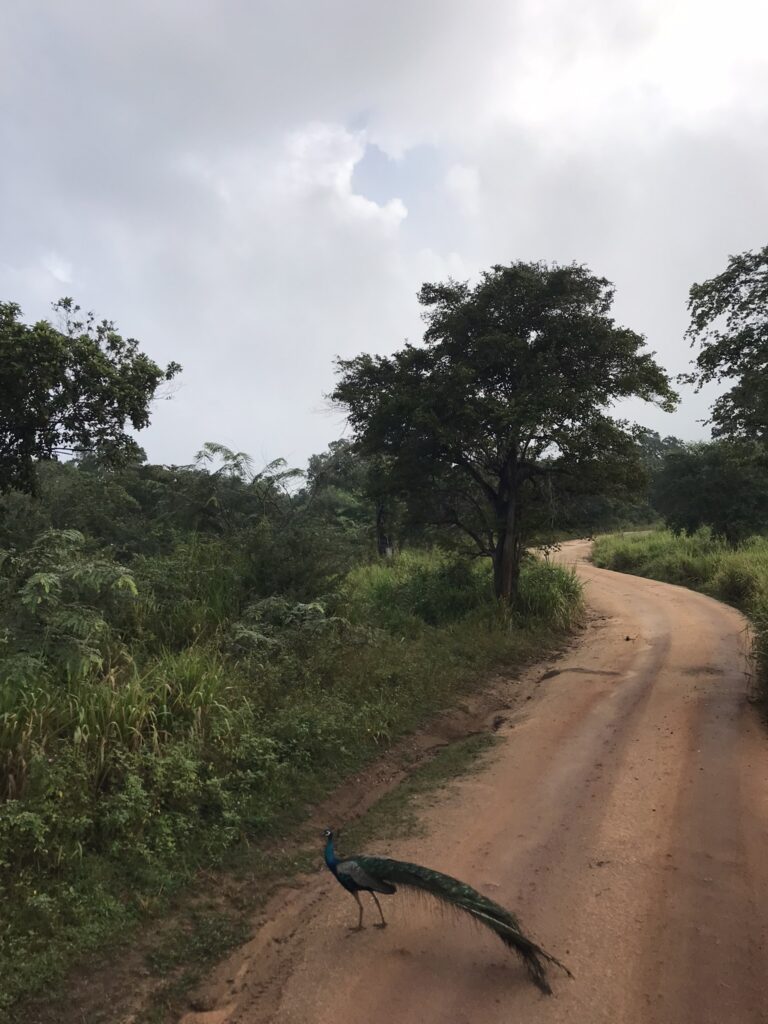
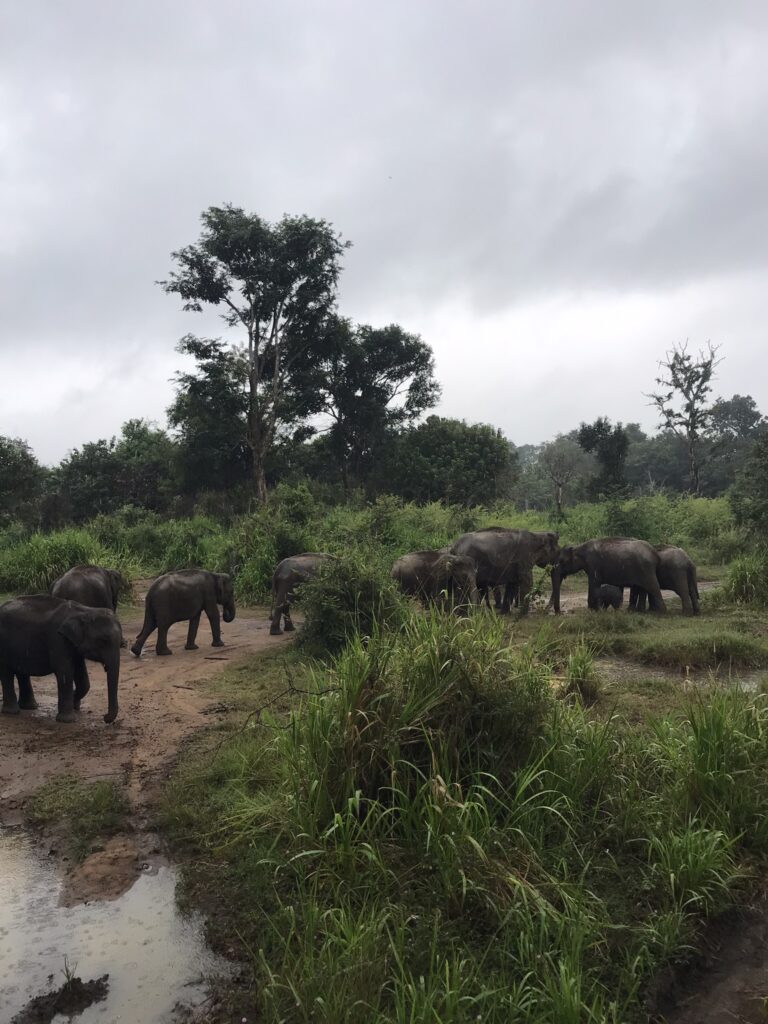
Sights of the Hurulu Eco Park – we saw a whole herd of wild elephants passing through with nobody else around, and were even able to get out of the jeep at one point
Pidurangala Rock – the alternative to the outrageously overpriced Sigiriya rock. Pidurangala is roughly the same height as Sigiriya and located closeby, within walking distance of the town of Sigiriya. Although it obviously doesn’t have the archaeological remains, the vistas of the surrounding area are virtually the same and it’s arguably better to be able to look at the famous rock from such a great vantage point rather than standing on it. Pidurangala has the added benefit of being a fraction of the price and far less crowded than Sigiriya rock (although it can still get crowded at Pidurangala).
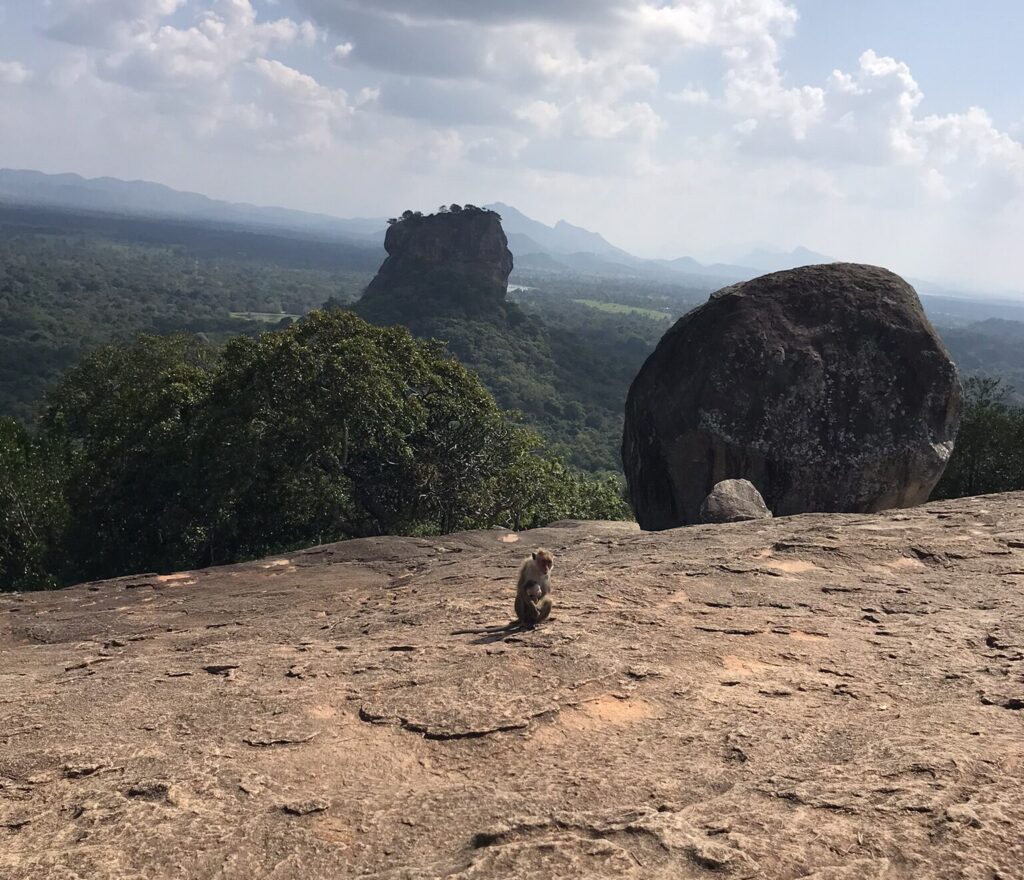
The views of Sigiriya from the top are worth the slog and fighting the monkeys to get up
Many eager beavers choose to ascend the rock for sunrise or sunset but as we were coming from Dambulla this wasn’t really an option for us. We ended up ascending around midday, which was a tough slog in the heat but also meant that crowds were minimal at the top. From the top of the rock we could see the tiny specs of people queuing on the walkway to get up Sigiriya rock and were happy with the decision we had made to visit Pidurangala instead.
From where the bus from Dambulla drops off near to the town of Sigiriya it’s a fairly long walk (45 minutes to 1 hour) to the entrance for Pidurangala, following first the road then turning onto dirt tracks towards the entrance. We spotted signs warning visitors about elephants roaming around the area at dusk, so be on the lookout if you happen to be walking back then. The entrance to Pidurangala is via a small temple complex which includes a cave temple with a large reclining Buddha statue.
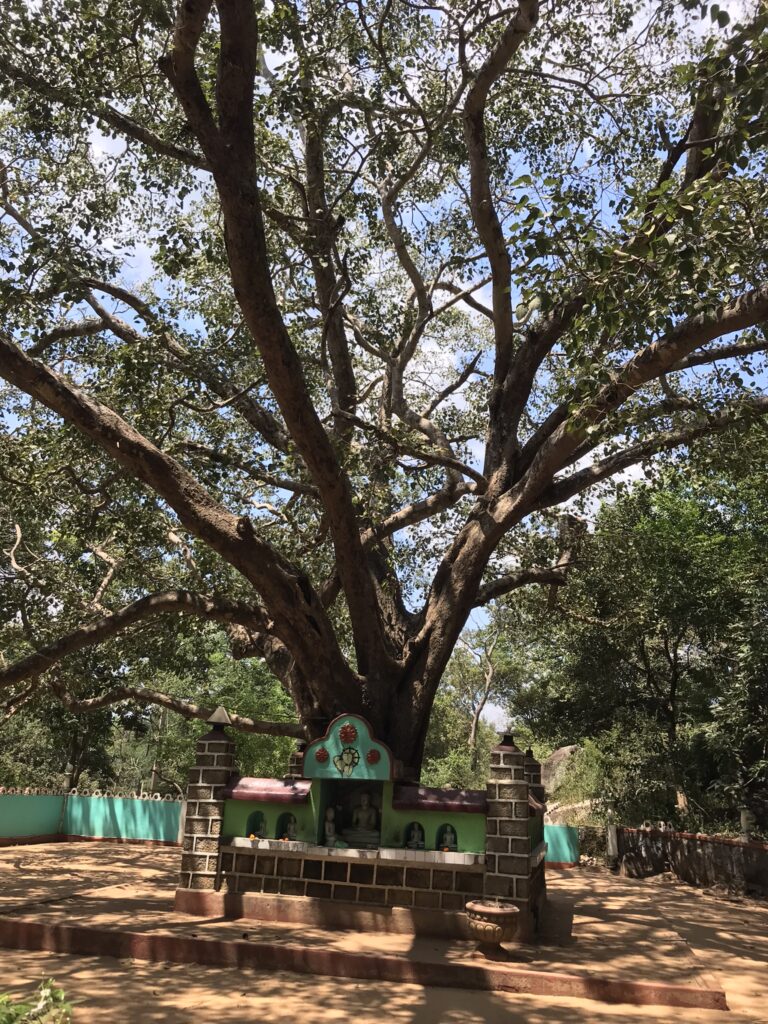
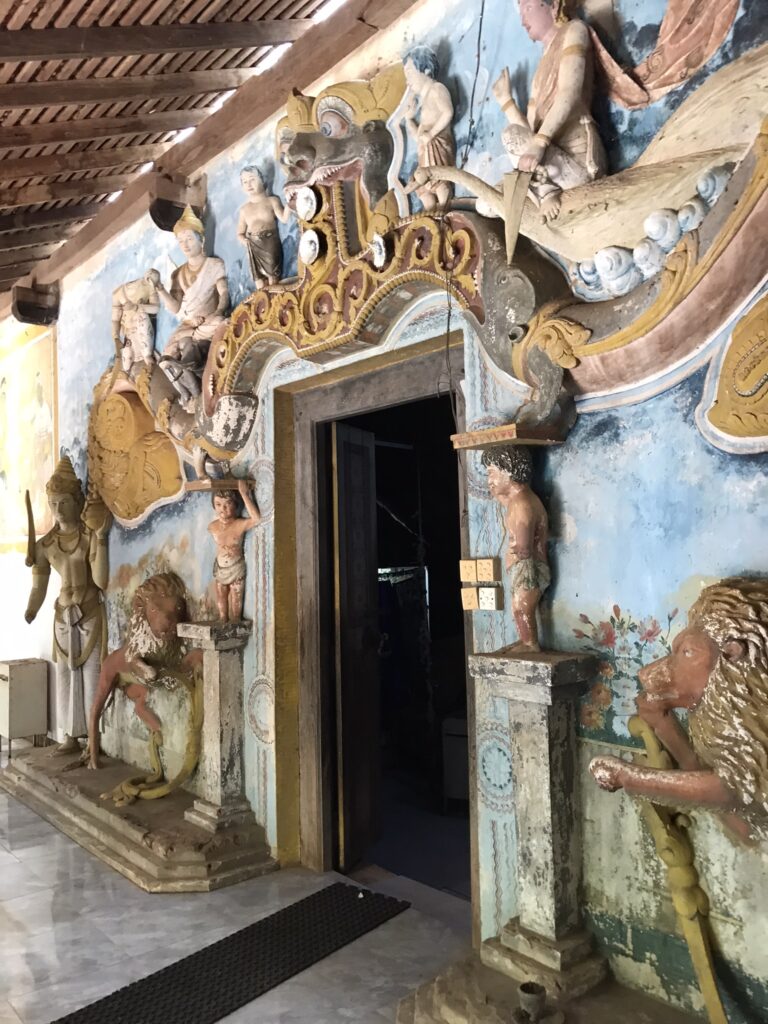
You need to pass through the small temple complex to reach the path to start the ascent
Between the entrance to the site and the cave temple, visitors must cover their shoulders and knees as with any other religious site. There are a limited number of scarves available for visitors to use. Once through the temple area, you can then begin the somewhat tiring climb. Along the way up is a large reclining Buddha statue which is in need of renovation. Once reaching the summit, you’re treated to stunning 360 views over the lush carpet of trees as far as the eye can see in all directions and the striking Sigiriya rock in the foreground.
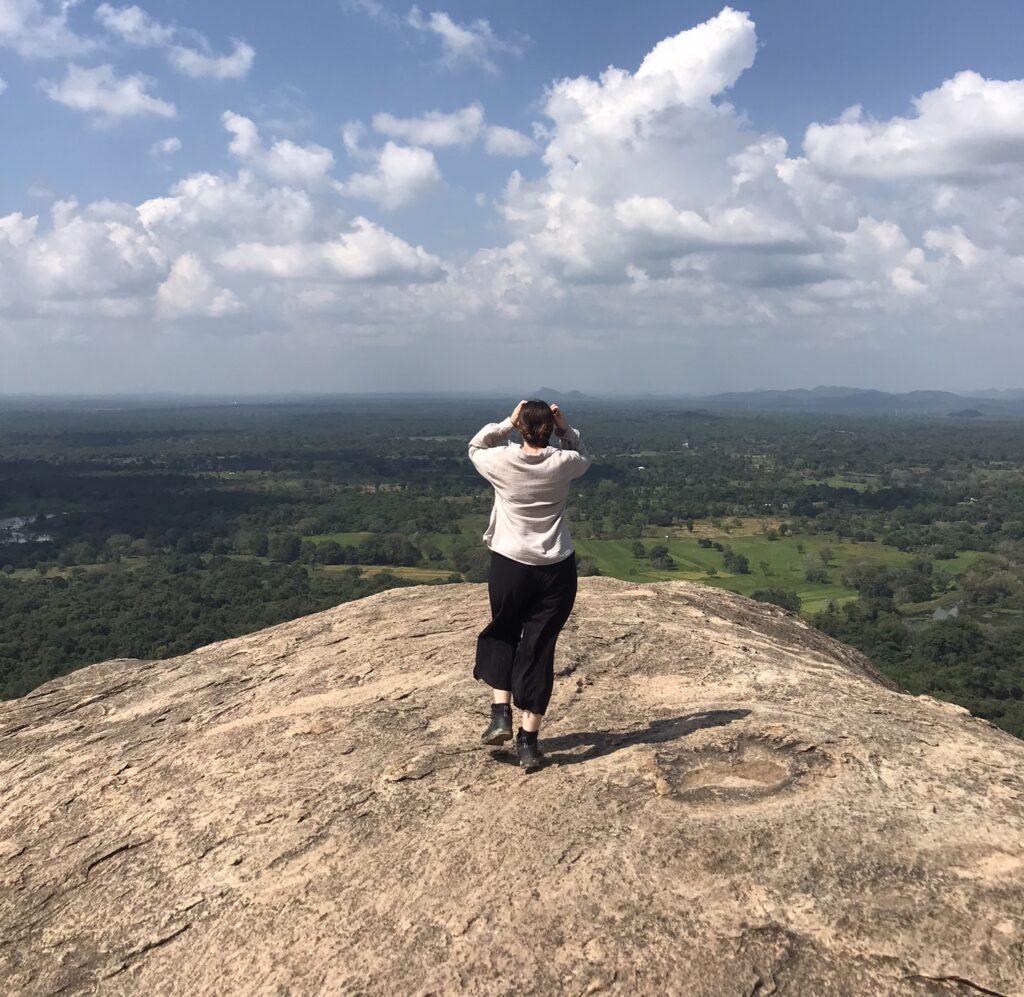
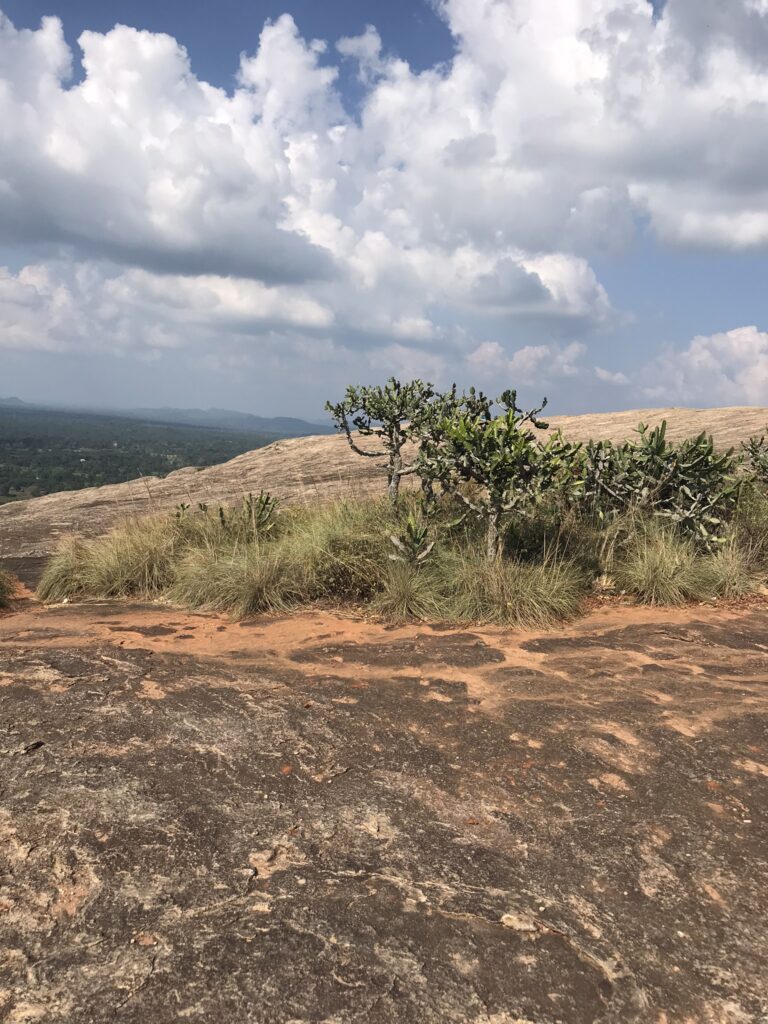
The views are pretty excellent from all angles, not just Sigiriya. You can also find some weird cactus-like vegetation at the top
We took a wrong turn somewhere and ended up literally scrambling up the last bit to the top – if you end up needing to jump across a precipice from one ledge to another you’ve gone the wrong way. We found the easier and much less dangerous route on the way down by following another group. By the time we left the place was heaving with people who were arriving to watch the sunset.
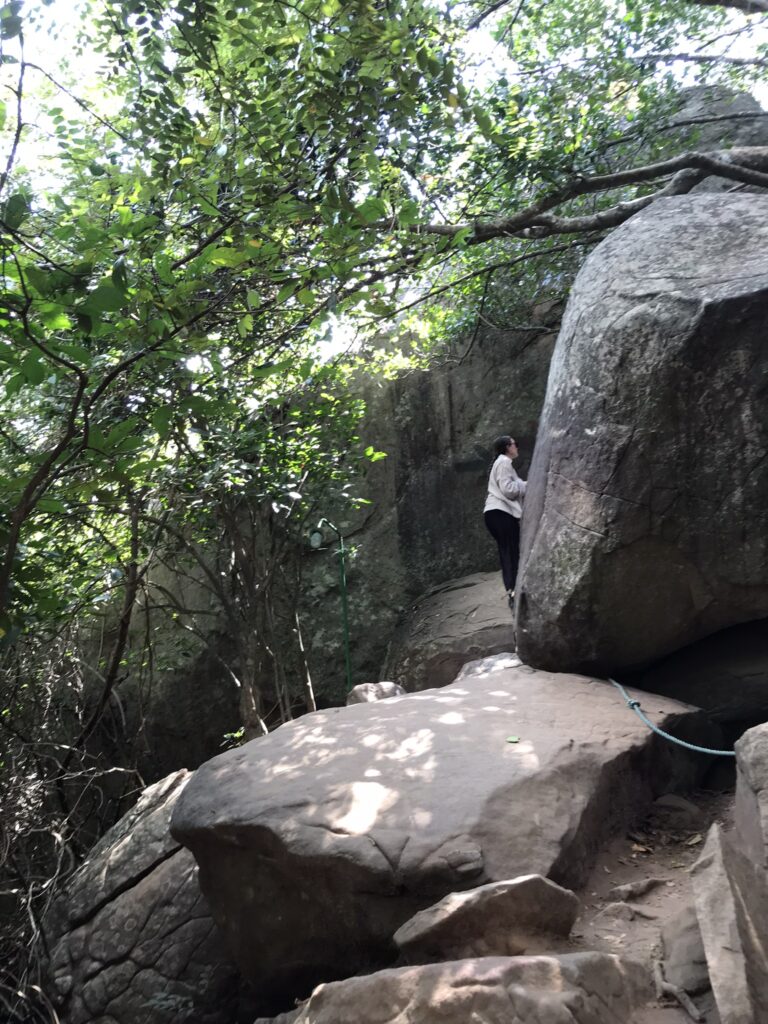
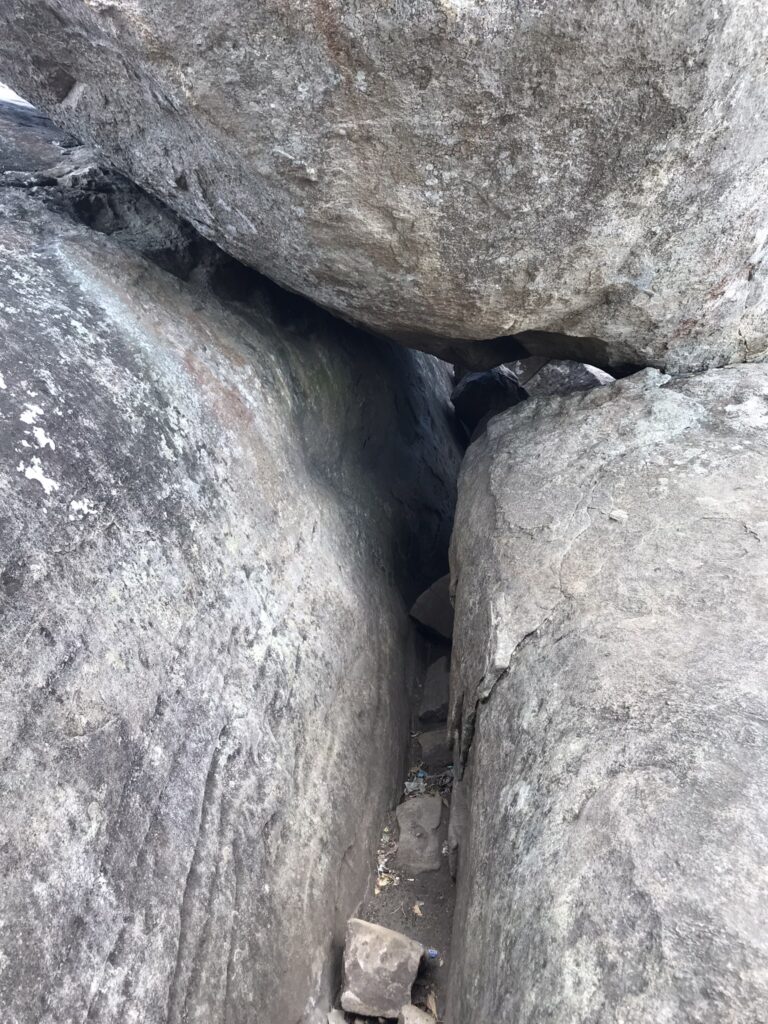
The terrain can be a bit more difficult at the top but you shouldn’t have to make any death-defying leaps – you need to pass through this crevice
The monkeys in this area can be quite brazen and confrontational. We were approached on the road by them and they tried to steal our things. This was a much bigger issue at the cave temple in the Pidurangala complex as they surrounded Dan (who was carrying the bag) and worked as a team to swarm him. This made us feel very on edge as they seemed particularly brave and determined to snatch our bag. We also saw other visitors being attacked and harassed by the monkeys while we were climbing down the rock. My best advice is don’t be like us and bring a white plastic bag as it seemed almost like a red flag for them. If they do approach you, pick up a stone and pretend to throw it to get them to leave you alone. Food is prohibited on the rock to discourage the monkeys, but the climb can be challenging in the midday heat so make sure you bring water with you – we found the stalls close to the entrance of Pidurangala to be greatly overpriced, especially for juice.
Kandy
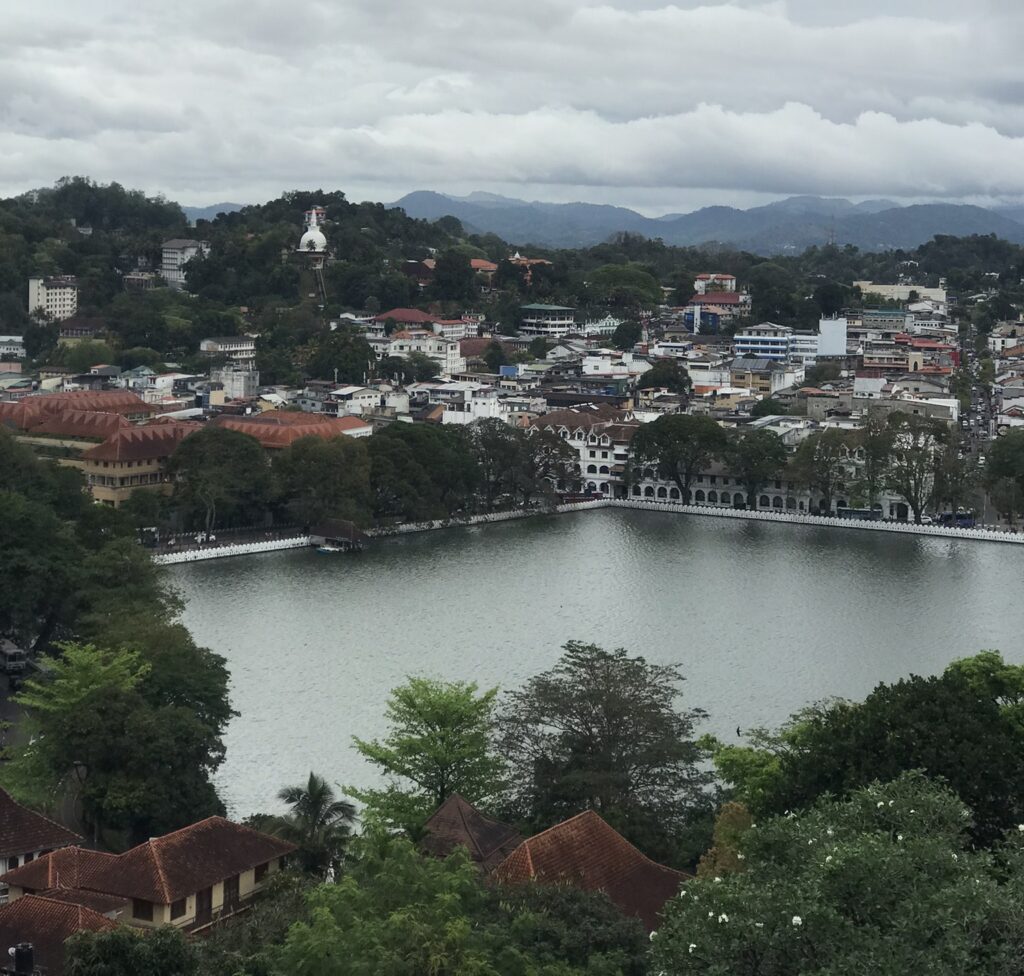
Considered to be the cultural heartland of Sri Lanka, the city sprawl of Kandy emanates from the tranquil waters of Kandy Lake, the 19th century artificial pool at its centre. Kandy is situated in the midst of hills in the Kandy plateau, where low-lying tea estates eventually give way to highland tea estates as the altitude increases. The metropolitan area is packed with shopping malls, restaurants and cafes. Numerous exclusive hotels are situated in the hills surrounding the city, set apart from the rabble of the city center.
Kandy has a proud history of colonial resistance – it was the capital of the last independent kingdom on the island. The Kingdom of Kandy resisted invasion from multiple colonial powers including the Portuguese and Dutch for over 200 years, before eventually succumbing to British rule in the early 19th century. This legacy continues to be a source of pride for locals and the Kandyan royal standard forms part of the flag of the modern nation of Sri Lanka.
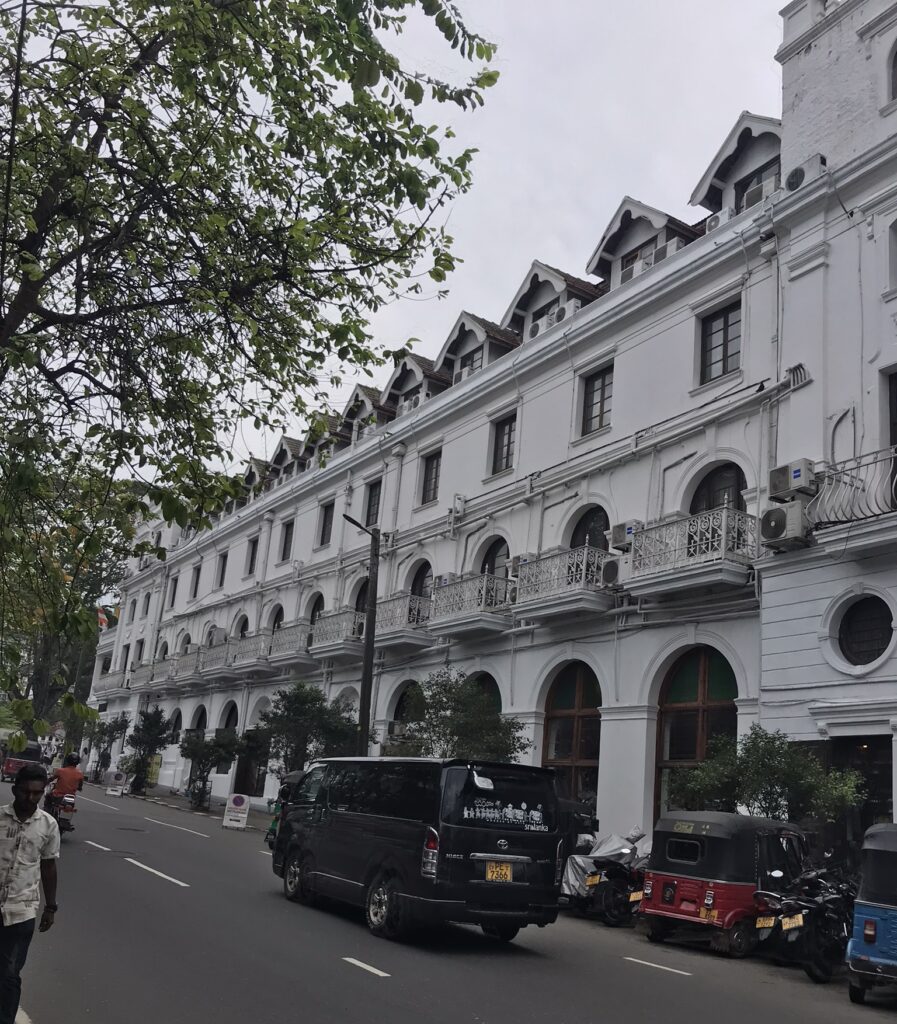
Although Kandy is known for its centuries of colonial resistance, the British made their mark when they did take over with this grand former Governor’s residence – now the Queen’s Hotel
Kandy is incredibly important to Buddhists across the globe as a place of pilgrimage and contemplation. Buddhist pilgrims and inquisitive tourists alike flock to the Temple of the Tooth – a UNESCO World Heritage Site that forms the centrepiece of the city of Kandy. The temple contains one of the most important artefacts in Buddhism – a tooth of the Buddha, which has survived for about 2,500 years. The tooth was apparently plucked out of the funeral pyre of the Buddha after he passed away and eventually reached the shores of Sri Lanka.
Over history the tooth relic has held great significance not only for religious but also for political purposes – it was said that whoever controlled the tooth was the rightful governor of the country, and it was passed down by local kings as a way to mark the seat of power. The tooth was enshrined in Kandy when it became the final Sinhalese kingdom to hold out against the colonial powers. The royal palace complex surrounds the Temple of the Tooth.
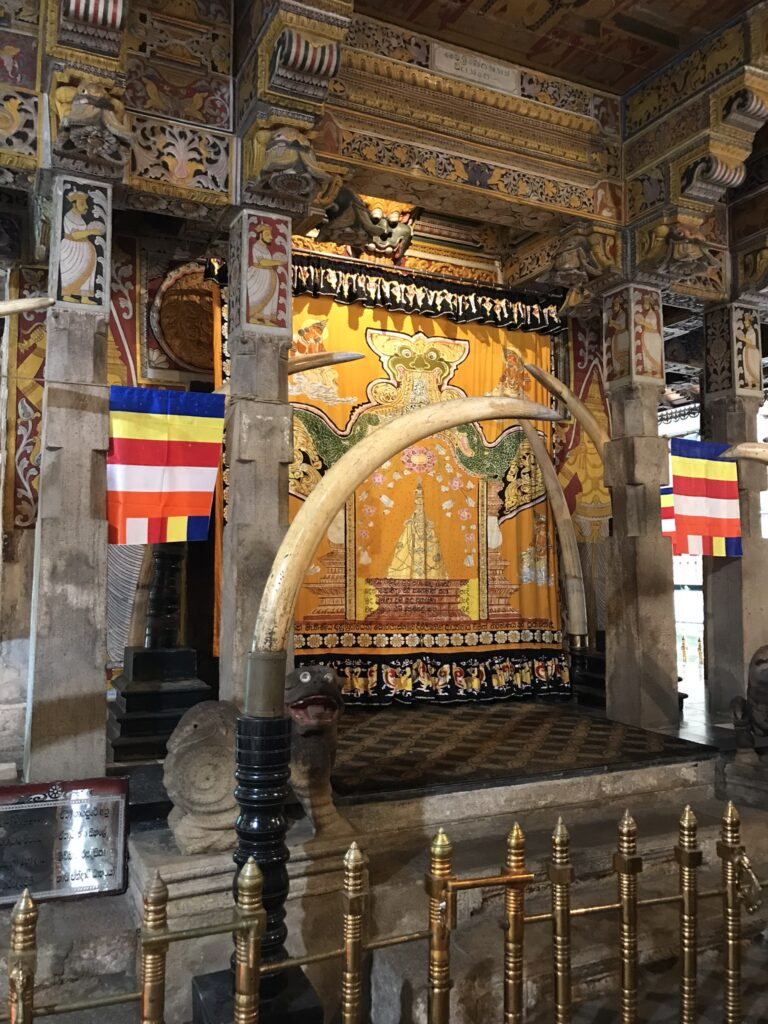
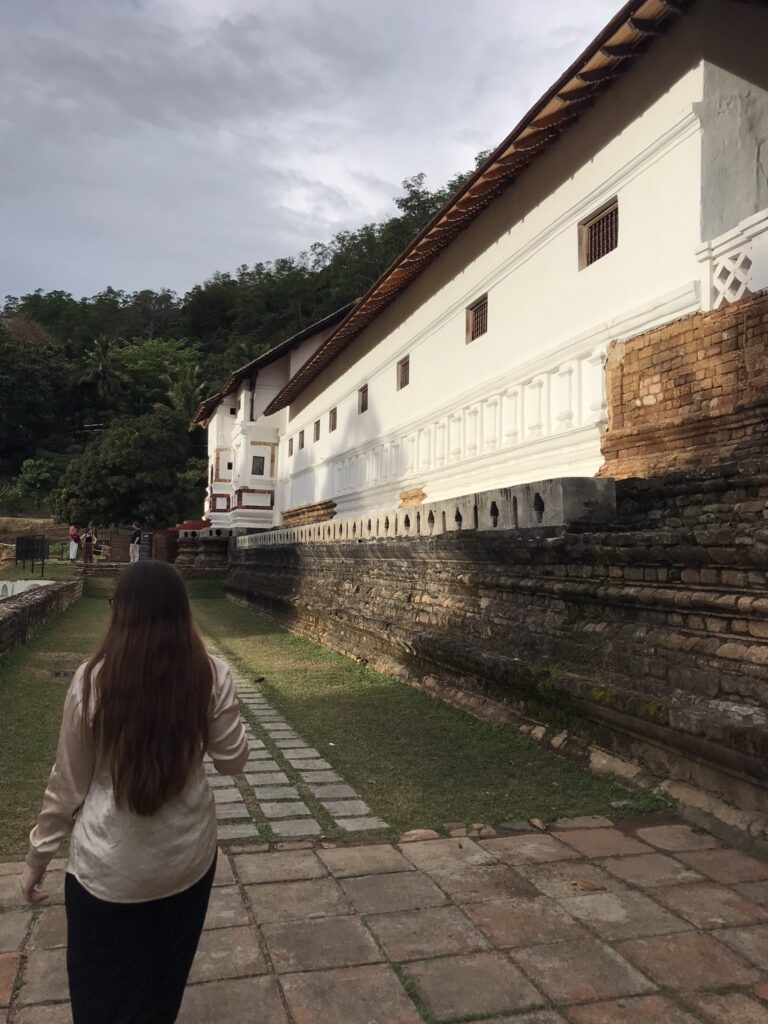
The Temple of the Sacred Tooth is welcoming to pilgrims and tourists alike
As well as being notable for its cultural heritage, Kandy is also the gateway to the hugely popular and utterly picturesque Central Highland tea region of Sri Lanka. Tourists flock to the city to visit the Sacred Tooth temple and then hop on the famous Kandy-Ella train. We arrived to the train platform at Kandy to what looked like a sea of sunburnt white faces – most of the tourists got on the earlier tourist-class train, but we had third-class unreserved tickets to make the same journey for a fraction of the price. Click here for my experience taking the local third-class unreserved train from Kandy to Haputale, and then the Ella Odyssey tourist-class train from Haputale to Nan Oya!
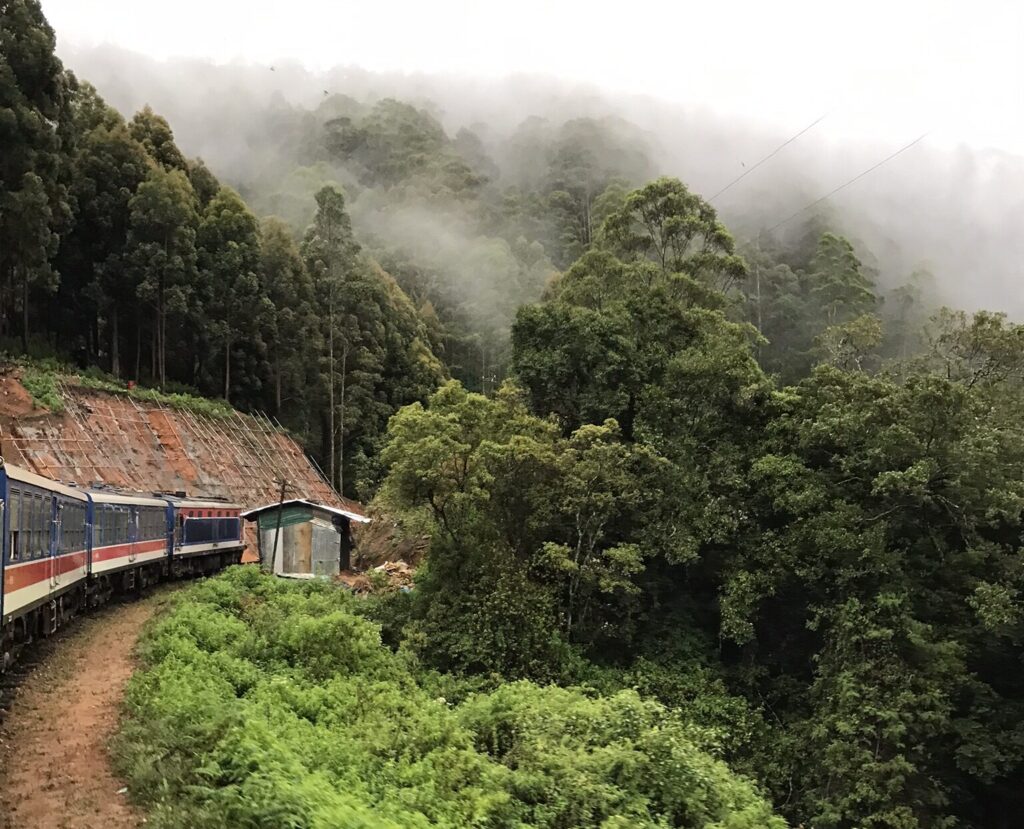
Tourists flock to Kandy to make the famous train journey through the tea country
Accommodation
Easy Stay – a lovely guesthouse with comfortable beds and squeaky clean rooms, however the steep walk up to the guesthouse via Rajapihilla Mawatha road is not to be sniffed at – especially when you’re carrying heavy backpacks. The continual walking up and down the hill ground us down eventually and most nights we ended up ordering from UberEats just to avoid the tiresome walk. Some guests apparently choose to get a tuktuk up to the top of the hill to make life easier. You also can see the Bahiravokanda Vihara Buddha Statue in the distance from the property. The breakfast was pretty good as well!
Foodie Places
Java Lounge – this is a popular coffee chain with several branches throughout Sri Lanka. Sadly we weren’t very impressed with Java Lounge as it was pretty overpriced and the sandwiches and service weren’t all that great (although the coffee was very good). In hindsight I’d rather have gone somewhere else for lunch. However Java Lounge is located very close to the Sacred Tooth temple, which is a plus
WorldSpice – KCC – nestled in a modern shopping mall, WorldSpice is a veritable food mecca with a myriad of tasty meal, snack and dessert options available from around the world including Italian, Chinese, Indian and Thai. It’s the ideal place for those that can’t decide on a single cuisine as you can order different dishes from across the globe. The setup can be quite confusing at first if you don’t know what to expect – when you pass through the gates at the entrance you’re given a card which you need to use to order from the different stands. Each stand represents a country or region, and there are also separate stands for desserts and drinks. After ordering, the server will give you an approximate pickup time for the food and then you just wait around until your order is ready for collection. The final balance is recorded on the card and then paid in one go when you exit. We found the food to be good quality and the prices very reasonable.
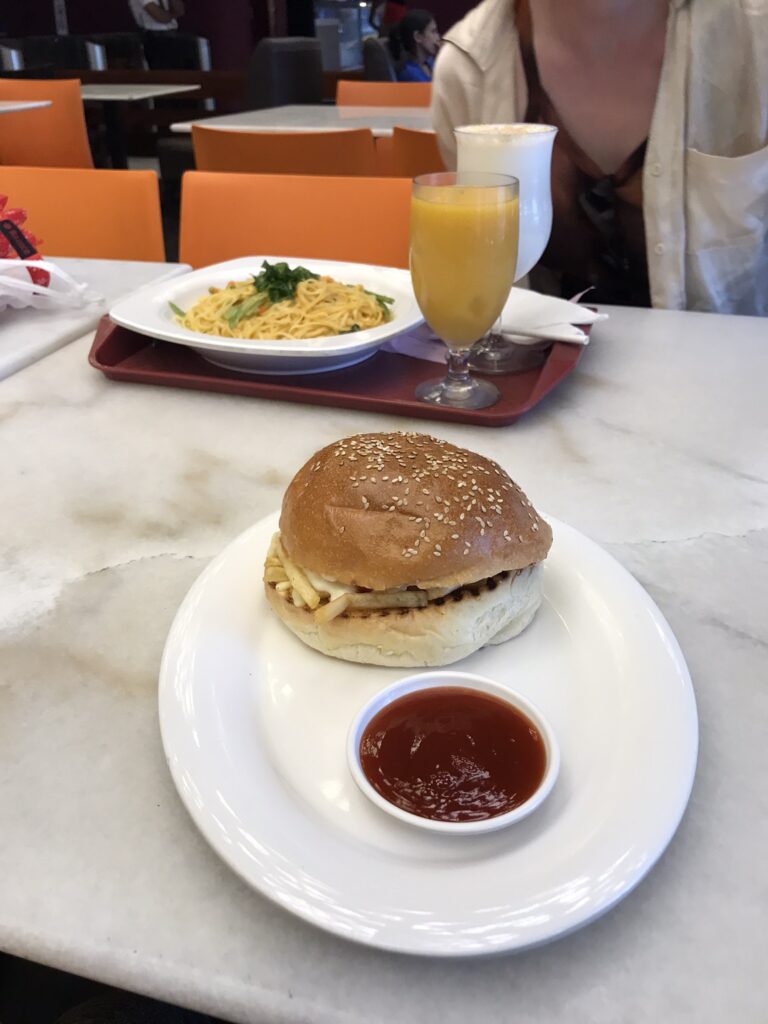
You can get a wide variety of international cuisine at WorldSpice – even a chip butty!
Activities
Ceylon Tea Museum – located outside of the city center, it’s possible to get an Uber to the museum from Kandy and then flag down a tuktuk from the main road to get back down – we ended up sharing a tuktuk with a local guy on the way back. The museum is situated inside an old tea processing factory and is quite large, with numerous floors. Apparently a guide service is available however we just walked around by ourselves.
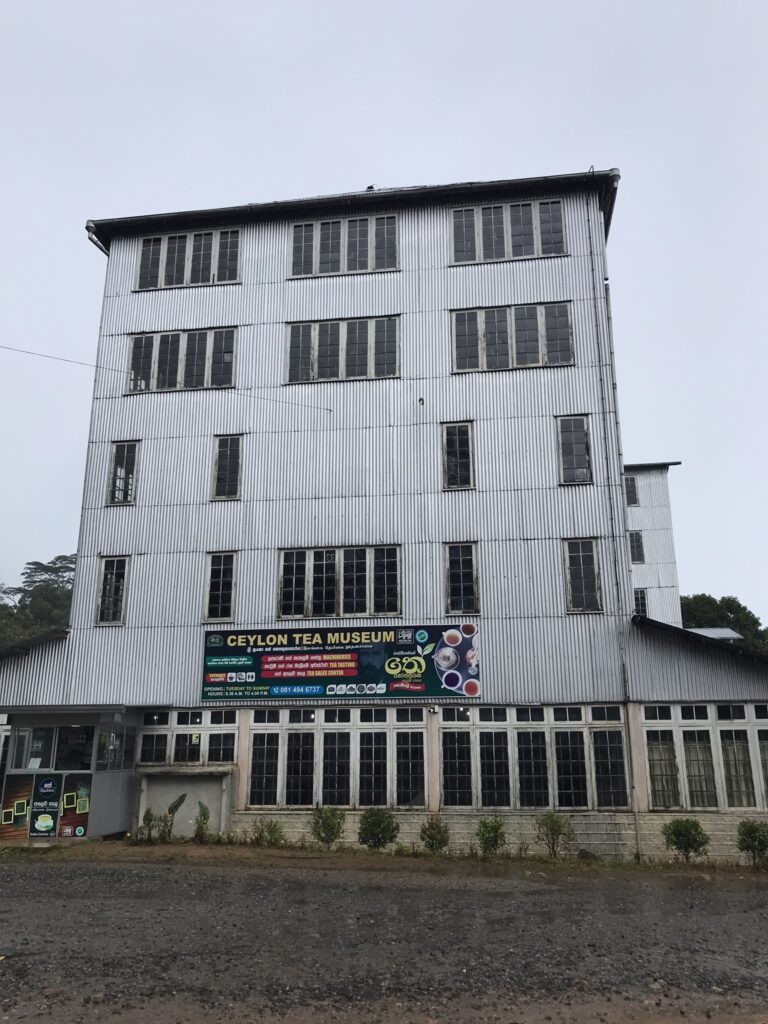
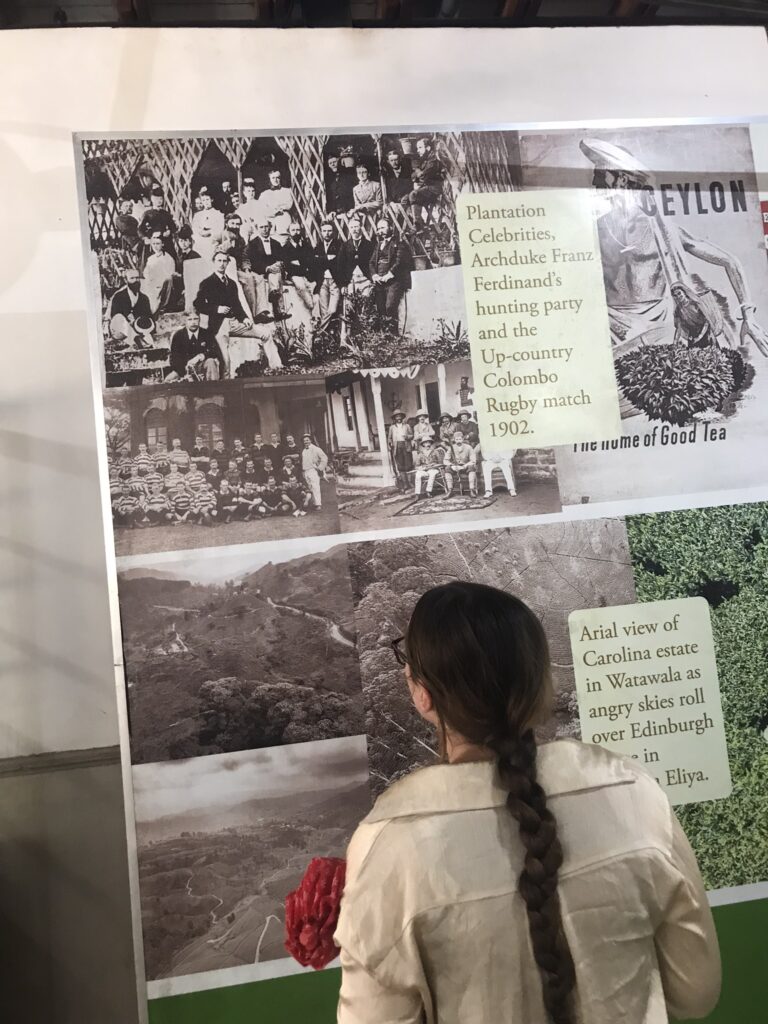
The museum is set in an old tea factory and is packed with information and tea-related artefacts and memorabilia
The ground floor display consists of old industrial machines imported from England, which were once used in tea processing. Galleries upstairs contain fascinating information about different tea grades and their appearance and flavour, the history of Ceylon tea in Sri Lanka, the life and role James Taylor (father of Ceylon tea) played in developing tea as a commercial crop, as well as information about Thomas Lipton (founder of the Lipton tea brand). Further information is provided about how tea is picked and processed, including black-and-white photos and old artefacts. It’s best to read about the process upstairs to give yourself some background information before looking at the machines on the ground floor.
It was interesting to learn how Scots were influential in the tea industry. Thomas Lipton cut out the middle-man in tea export, therefore making tea affordable for the masses and causing its popularity to skyrocket. The best part about the museum is that the entry ticket includes a free cup of tea at the end, and you can also get a ‘tea thali’ to taste different teas in the cafe on the top floor for 1000 rupees. A very genteel and sophisticated experience. The gift shop has many different teas and a 10% discount with the museum ticket.
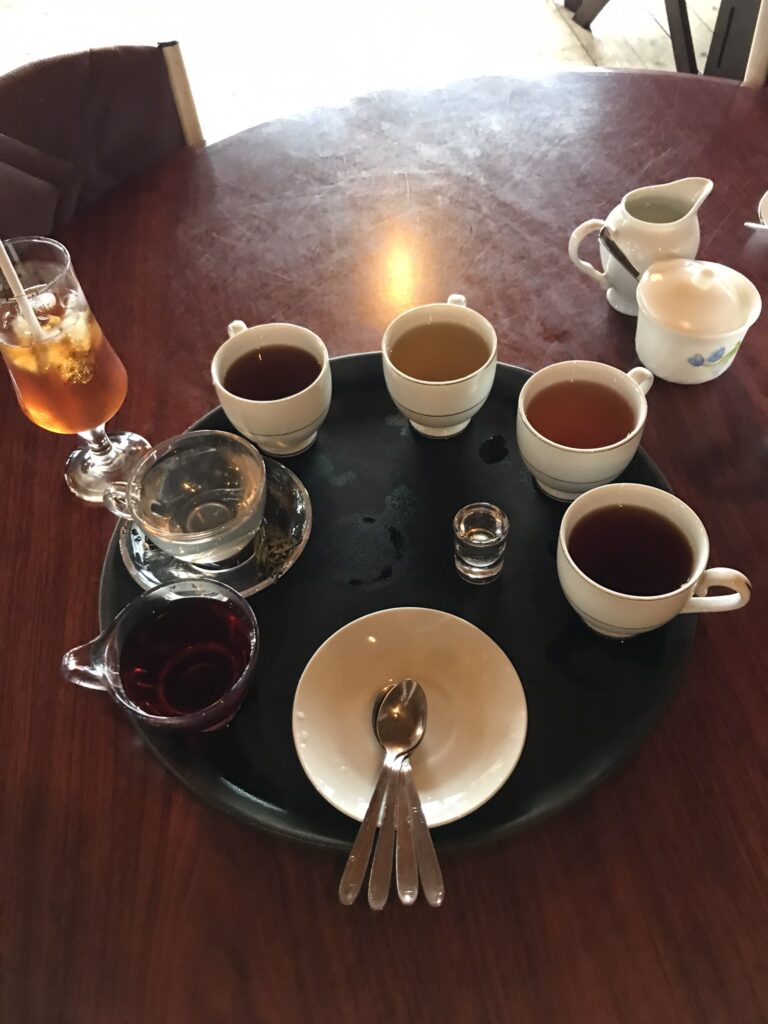
Tea thali is a pretty great idea in my humble opinion
Temple of the Sacred Tooth Relic – otherwise known as the Temple of the Tooth, this complex contains the famous relic of the Buddha. Unfortunately you can’t see the tooth on display, only the shrine in which it is kept. The casket containing the tooth is apparently brought out three times a day for puja (approximately 5.30am, 9.30am and 6.30pm), however we didn’t stick around for this. In any case, you still cannot see the actual tooth – it is only brought out for public display every few decades, drawing crowds numbering in the hundreds of thousands when it does appear.
The temple itself is part of a wider complex which also contains the former royal palace and associated structures, including the former royal audience hall. Inside, the complex was fairly busy with a mixture of Buddhist pilgrims and many white tourists. There are two separate entrances: one for locals (free entry) and another for foreign tourists who are charged for entry (2000 rupees each when we visited). Shoes are not permitted inside and can be left at the dispensary next to the ticket booth.
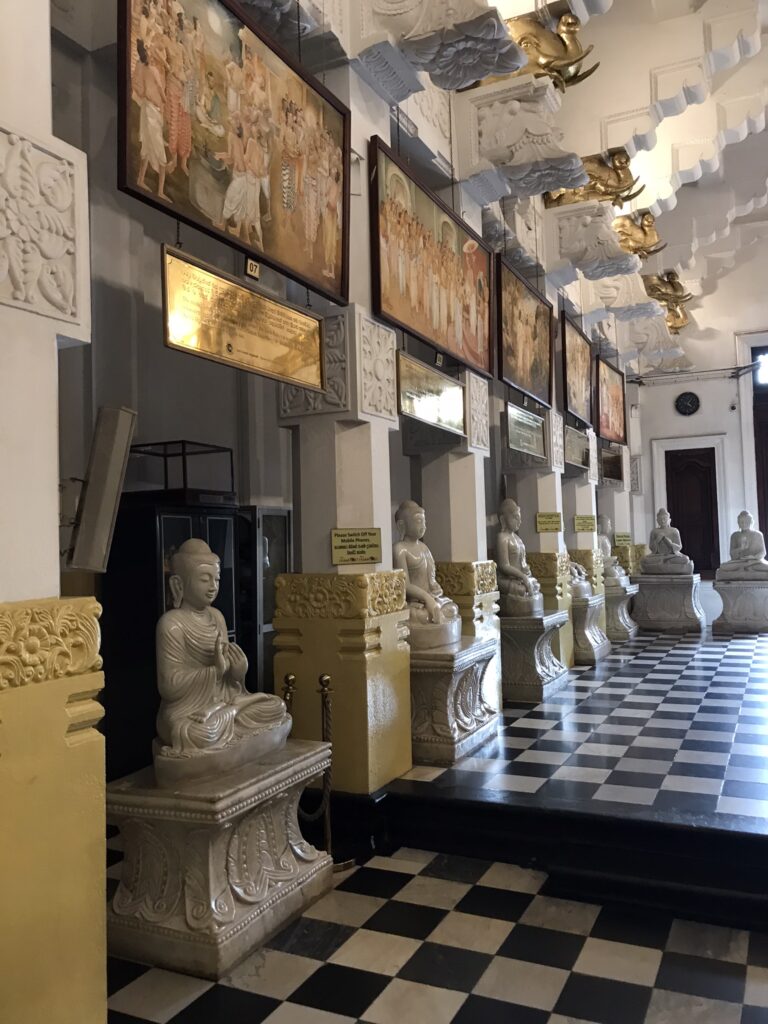
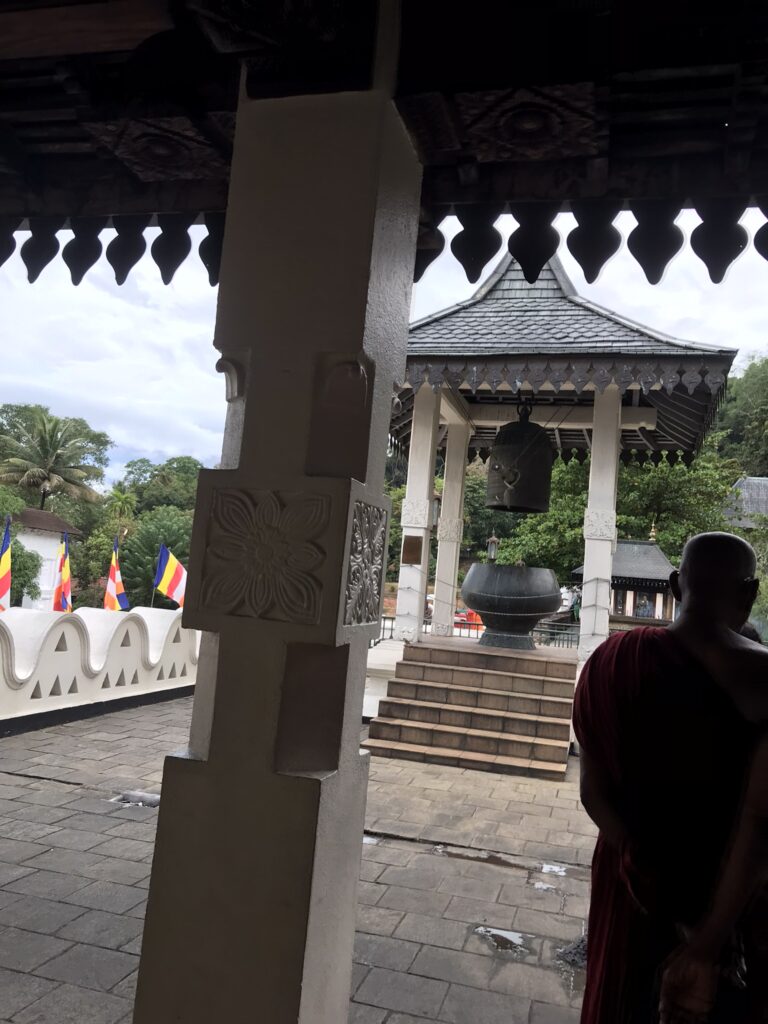
The Temple of the Sacred Tooth complex is part-temple, part-palace and part-museum
As well as the main temple, there are some connected museum rooms which are included in the ticket price. These rooms contain information about the tooth and history of the temple, the life of the Buddha, a gallery containing offerings (treasures such as ivory, silver, precious gems and gold items) from pilgrims across the globe as well as photos of the extensive damage caused by the Tamil Tigers terrorist bombing of the temple in 1998. There is also a small external museum room with a taxidermied temple elephant and photos of elephants in religious processions. The complex also contains an external Buddhism museum which is an extra cost – we chose not to enter as we had absorbed quite a lot of information in the other museum rooms already.
Kandy Lake – there is a pleasant lakeside path from the entrance of the Sacred Tooth temple towards the Kandyan Dance-Red Cross Society Hall, with benches dotted along the water’s edge. We spent a bit of time relaxing by the lake while waiting for the nearby Kandyan Dance Show to start. Keep an eye out for pelicans, lake fish and what at first may look like a mini crocodile but is actually a water monitor lizard. You can also have a wander into the Queen’s Royal Bath house, which juts out over the lake.
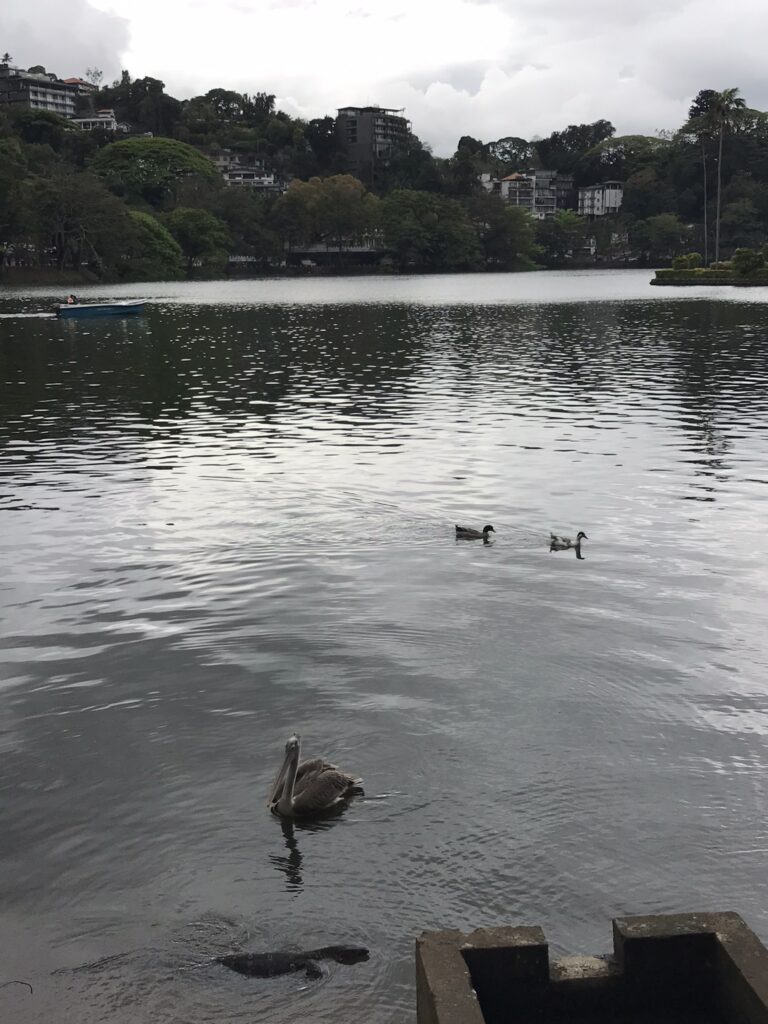
We enjoyed spotting the wildlife at Kandy Lake
Kandyan Cultural Dance Show – a dance, musical and gymnastic extravaganza – it’s billed as a cultural dance show but we definitely noticed some circus skill cross-over. A fun show with elaborate colourful costumes, female choruses of dancers, a comedic pantomime routine, fire-breathing and hot coal walking finale. There are several similar shows in town but we visited the one here, which is the biggest and most established, taking place in a special theatre. It’s a very touristy and somewhat cheesy activity but enjoyable nonetheless.
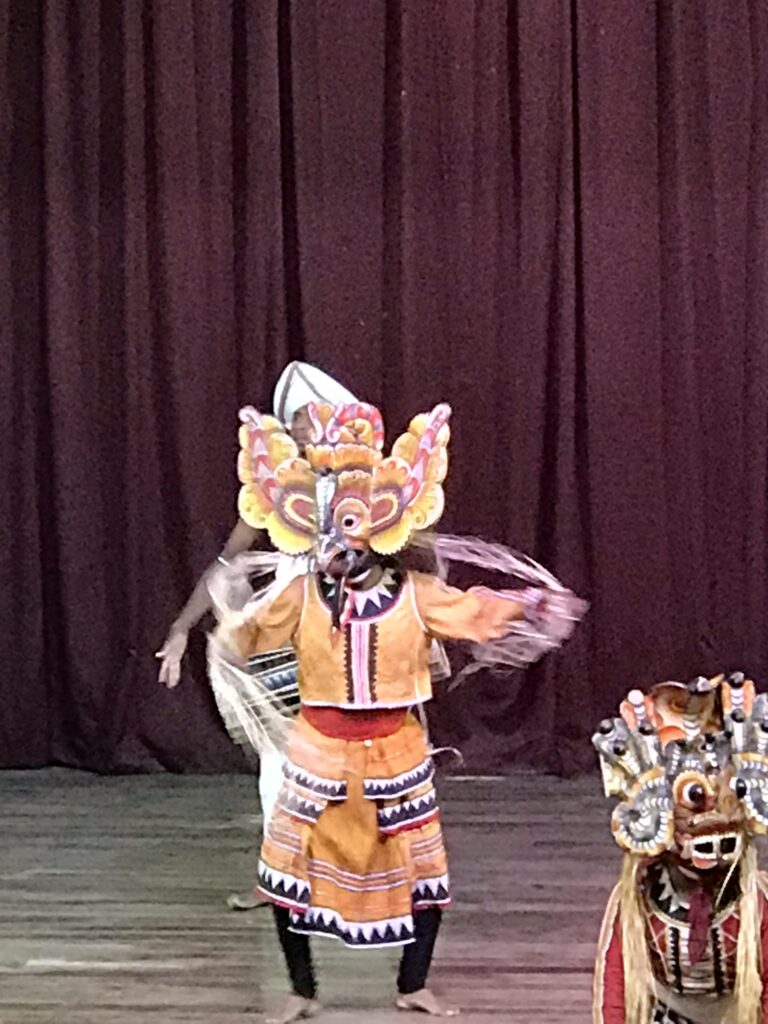
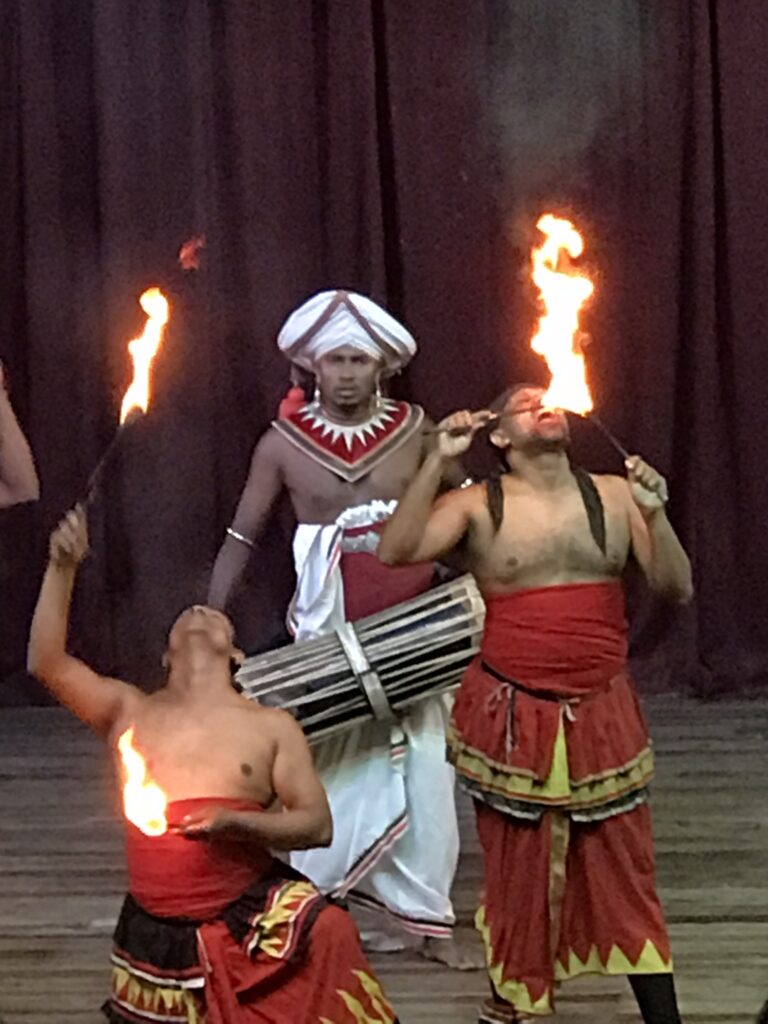
Expect dancing, masks, backflips and all sorts of tomfoolery at the Kandyan Cultural Dance Show
The show timing was 5pm-6pm when we visited. There’s no need to buy rip-off tickets online as you can purchase the tickets in person at the venue for a better price. It’s better to go earlier in the day to buy a ticket if possible, as you can go inside the theatre and physically reserve your seat when you buy – unfortunately many of the better seats were already taken when we bought the tickets at around 3pm. We noticed that some people during the show had pamphlets describing/explaining the cultural significance of each segment, but we didn’t get one until after the show.
Haputale
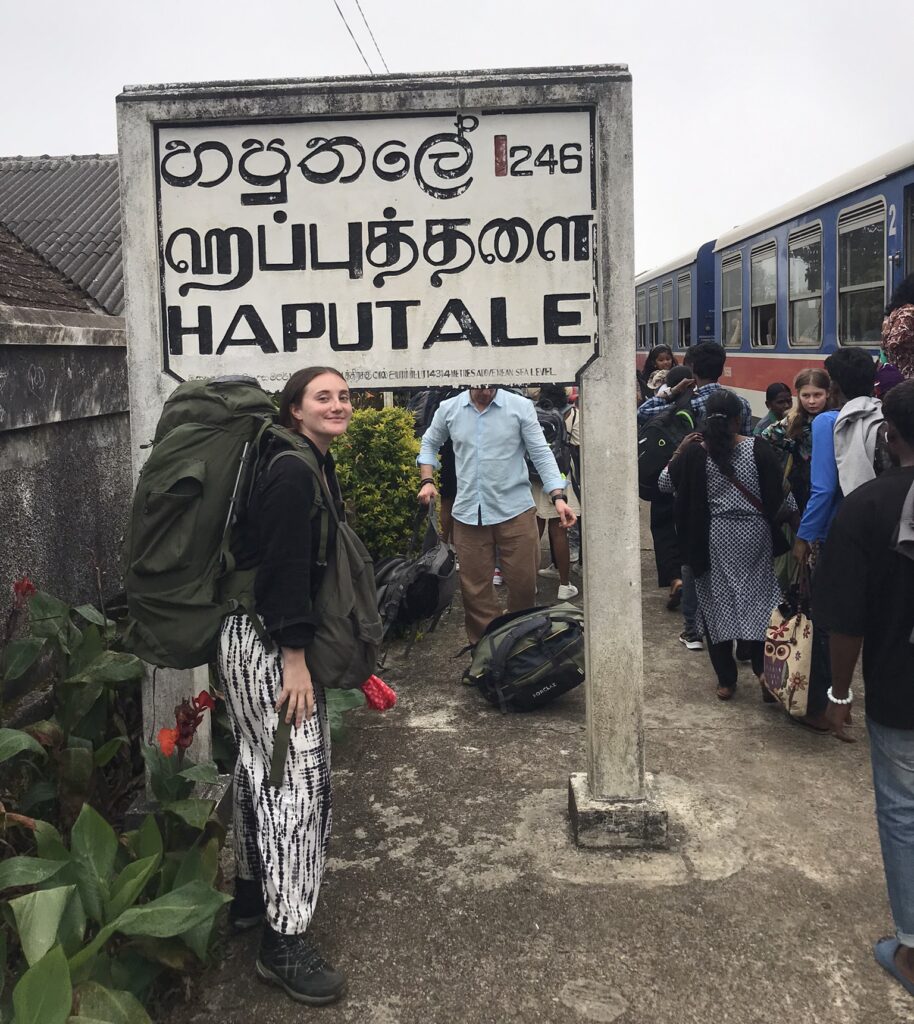
A stop along the iconic Ella-Kandy train line, most tourists are drawn to the much busier and more developed town of Ella. We decided this wasn’t for us as we wanted to spend time in a more off-the-beaten-track tea settlement. The town boasts fantastic views over the verdant tea plantations which surround the urban centre. With less crowds than both Nuwara Eliya and Ella, Haputale is a breath of fresh area for those looking for peace and quiet away from the tourist hordes.
The climate in the tea region is very different to the hot, humid lowlands. Clear skies in the morning followed by creeping fog at midday and very heavy rain around 2pm are the norm. Make sure you factor this into your plans – we were caught out and got absolutely soaked on a couple of occasions! If you sit and watch for a while you can actually see clouds forming and swirling in the valleys below. Temperatures and humidity are both much lower making it much easier and more pleasant to walk around.
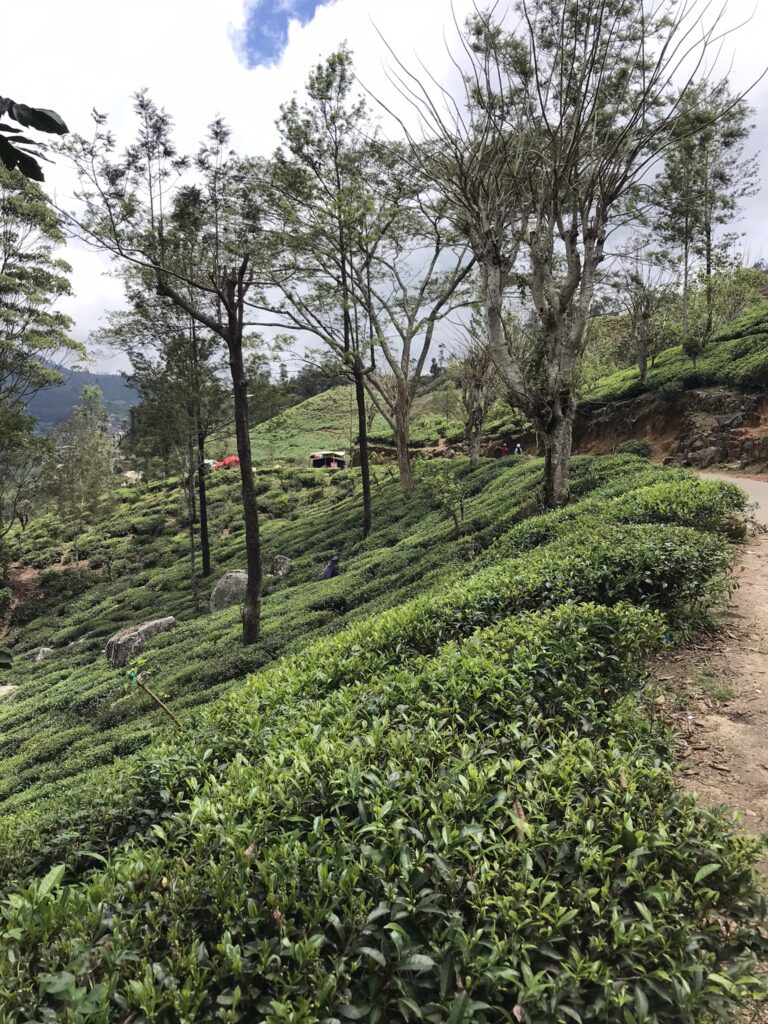
Haputale is surrounded with tea plantations and you may spot nimble-fingered Tamil Hindu women working away
Many visitors use Haputale as a base for visiting Lipton’s Seat and Dambatenne Tea Factory, however they are located quite far outside of the town itself. Getting to these sites would most likely require a combination of a tuktuk, some hiking and then maybe getting the bus back. It’s recommended for visitors to Lipton’s Seat to arrive before 8am as the mist descends in the late morning, ruining the panoramic view. You also have to pay an entry fee for the viewpoint. We decided to skip these sites; the views from Haputale itself were fantastic and the idea of getting up at the crack of dawn to get to another viewpoint wasn’t top of our priorities.
Within the town itself, there are not really many notable attractions within walking distance apart from the nearby Adisham Bungalow and a number of viewpoints. The lack of attractions is not necessarily a negative. For us, it was nice to take things slow rather than trying to cram as many attractions as humanly possible into one day like we usually do. To just wake up in the morning and enjoy a steaming cup of tea on the balcony and absorb the serene atmosphere, recharge and take a breath rather than charging around ticking off a to-do list. Haputale really felt like a break within a break to us.
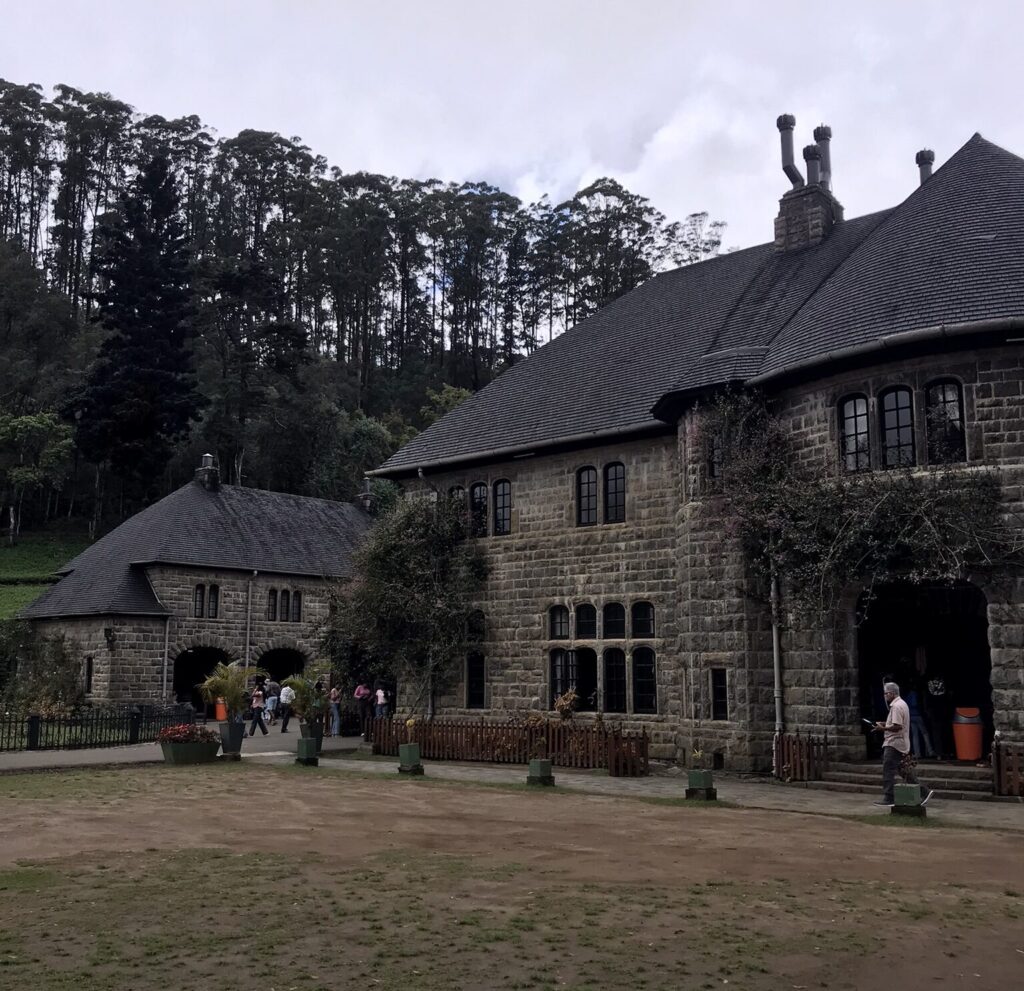
Adisham Bungalow is a little slice of England amdist the picturesque green valleys
Haputale is one of a number of settlements along the Kandy-Ella railway line. The entire region is picturesque and diverse with a mix of religions – Buddhism, Hinduism and Islam are all prevalent, with British-era colonial buildings thrown into the mix. After spending some time in the Central Highlands, we liked the idea of taking in some of the other small tea settlements along the route, hopping from one to another. Despite the remote mountainous setting this did not feel like a backwoods region, some of these tea settlements are actually quite developed and could make a perfect short itinerary for those wishing to explore the tea region more fully than we did.
Accommodation
Leisure Mount View – stunning views over the sloping tea plantations and valley below. A slightly more expensive option than we’d usually go for but it was worth the money. We had a room on the top floor with a balcony, sumptuous wooden four poster bed and floor to ceiling windows providing the best view I’ve ever experienced from a hotel room. We didn’t want to leave our room! Get up early to enjoy the sunrise before the mint descends. Buffet dinner is available at the hotel but we opted for the slightly cheaper restaurant nearby. Wine and tea/coffee is served too.
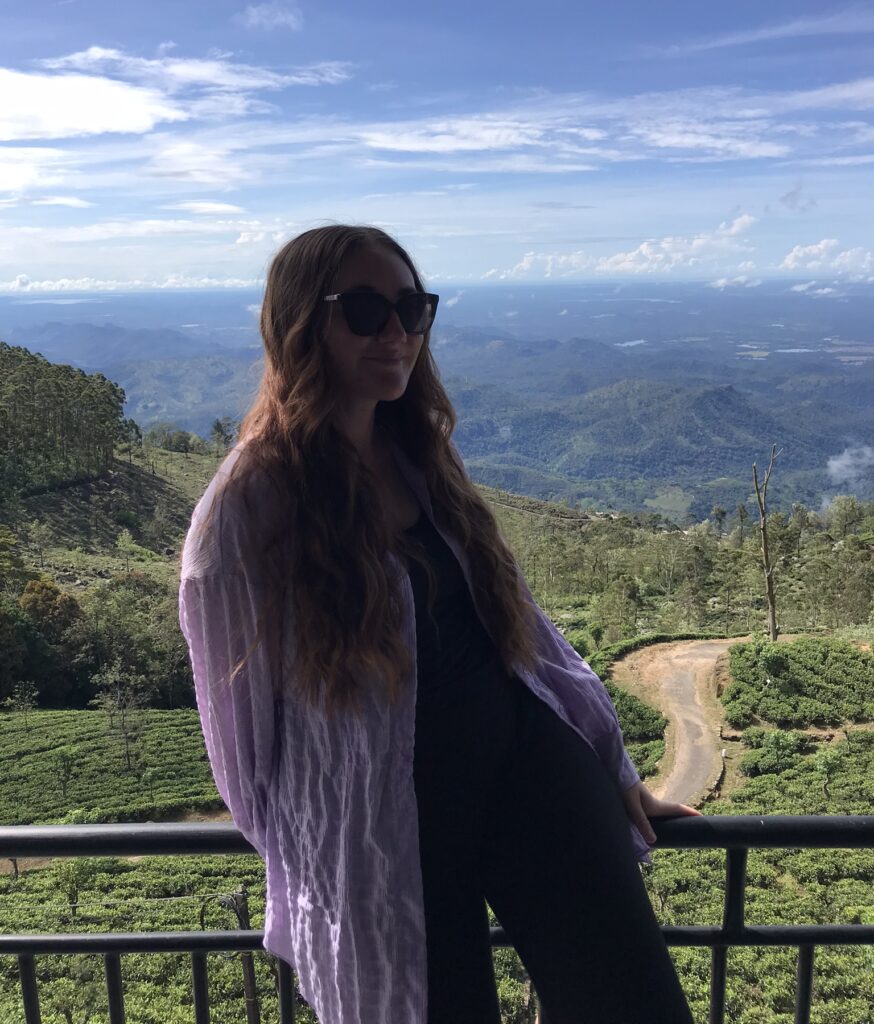
The view from our balcony at Leisure Mount View
Foodie Places
Mint of The Mist – this happened to be the cheapest and closest restaurant to our accommodation. Good vibes with a friendly server and quirky decorations including testimonials of travelers from all manner of countries written on the wall in chalk. The only drawback is that the menu is quite limited (noodles, kottu or special rice plus breakfast stuff and good juices), which is okay for a day or two but could become repetitive over time.
Activities
Adisham Bungalow (St.Benedict’s Monastery) – walkable from Haputale, this ‘bungalow’ is really a Tudoresque (think 16th century British monarchs if this reference went over your head) country house built by tea plantation owner Sir Thomas Villiers in 1931. It’s currently owned by the Catholic church and is at present functioning as a monastery of St Benedict. It’s a charming British country house which is well-worth visiting especially for those interested in colonial history. There is a small entry fee and it is then possible to look around the gardens and a couple of the rooms, which contain objects from the period.
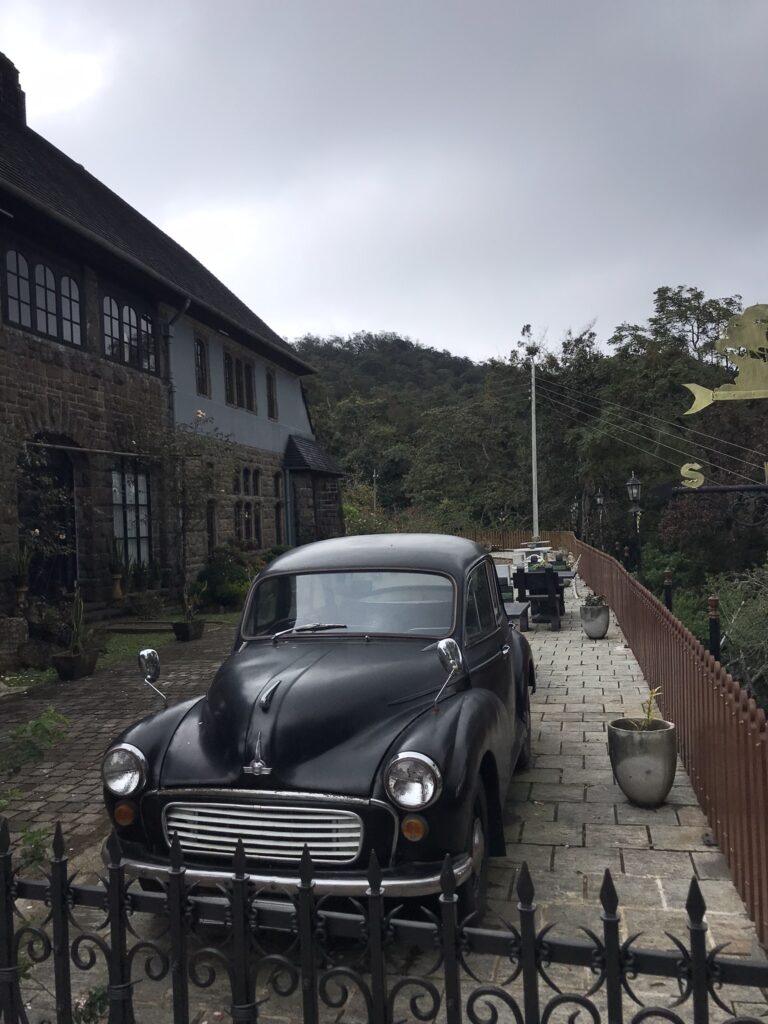
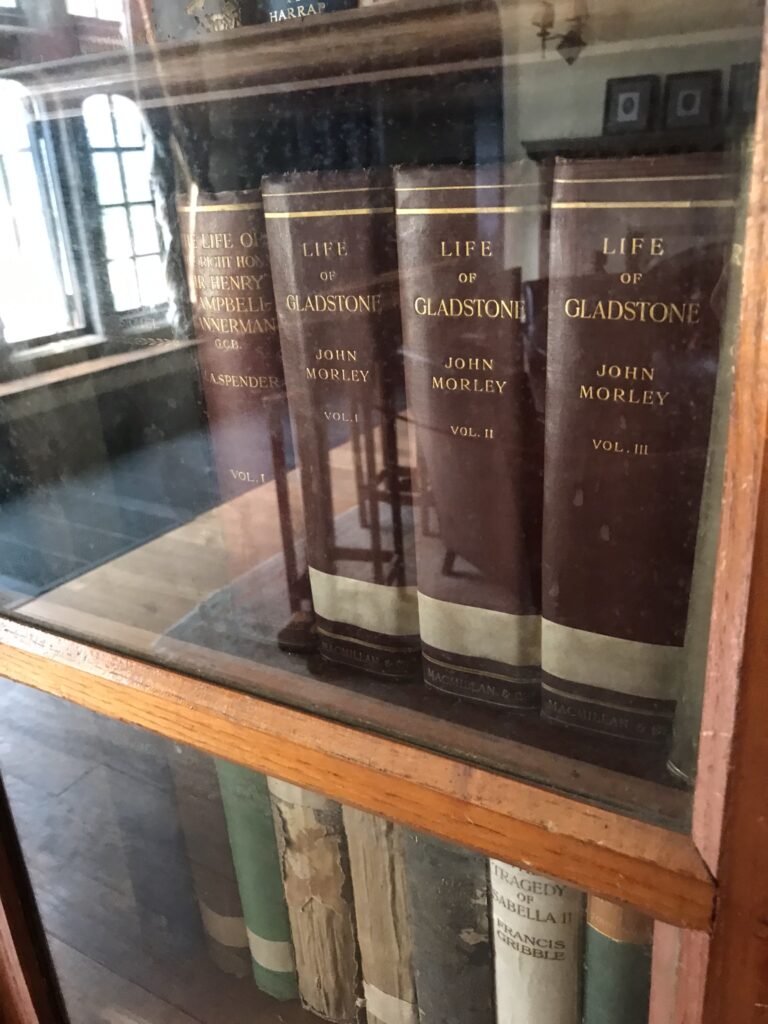
The library room at Adisham contains all sorts of dusty British political biographies and texts on military history, while the classic British car parked outside only adds to the colonialist aura
The estate is a short hike from the main road through Haputale, passing plenty of idyllic tea estates and at one point even overlooking the Kandy-Ella railway line. For us, this British planter’s residence felt like a little slice of home nestled in the distinctly foreign Sri-Lankan tea region, with very familiar architecture for us Brits. We were also interested by the number of hefty tomes in the library room, with many books on military history, British monarchy and biographical works – pretty dull reading unless you’re a die-hard colonialist or military history enthusiast. The immaculate gardens on the approach to the bungalow are also worth a peek at!
Haputale Viewpoint – there are a number of viewpoints around the town, although the view from our hotel room was probably just as good as most of them
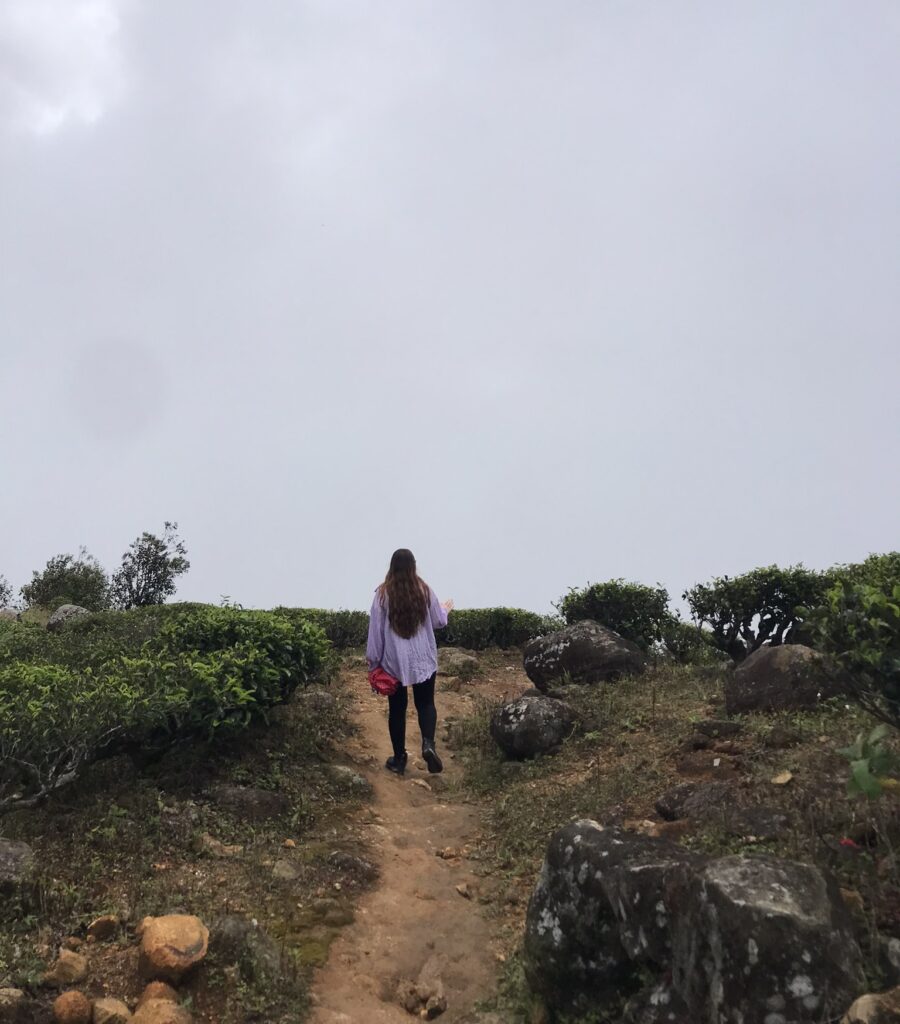
By afternoon the town is engulfed in cloud – it was totally misty by the time we reached this viewpoint.
Nuwara Eliya
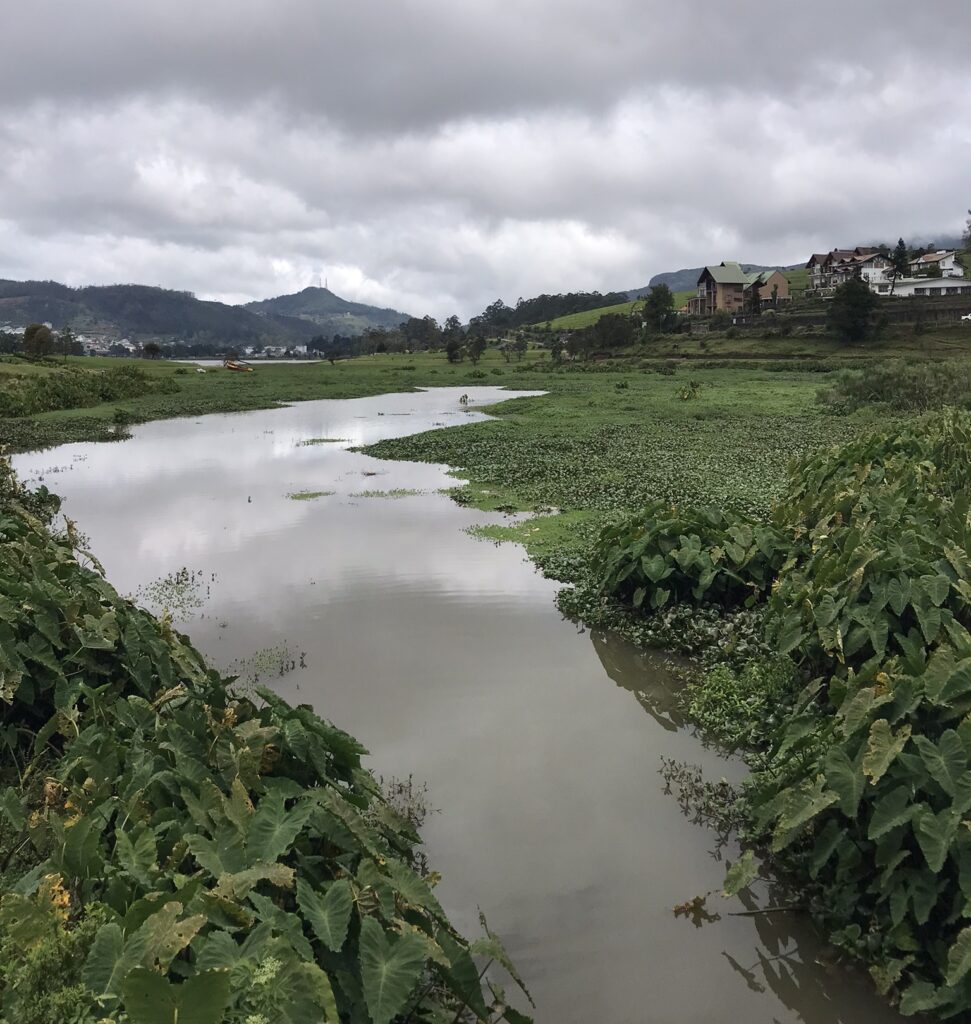
Known as ‘Little England’, this city within the tea region was founded by the British explorer Samuel Baker in 1846 as a hill country retreat for colonial tea-baron types. The moderate British-esque weather drew homesick colonial planters and administrators from hotter climes. Visitors can now experience the nostalgia of a bygone era by visiting the old colonial buildings and regal parks dotted about the city. Some of the notable colonial buildings and places of interest around Nuwara Eliya include the Police Superintendent’s House, Victoria Park and the Grand Hotel (built in the style of an Elizabethan manor house).
Nuwara Eliya was designed with the colonial overlords in mind, as a sanctuary for rich Brits to indulge in decadent pastimes like hunting, golf, polo and other merriment. The golf course and horse-racing track stand witness to this history, as do the archaic post office building and Cargills department store. Cargills is now a common supermarket chain in Sri Lanka, however the branch in Nuwara Eliya is worth a visit even if you don’t want to buy groceries as it still contains its antiquated façade, advertising all manner of outdated luxury goods such as ‘ironmongery’ and ‘aerated waters’.
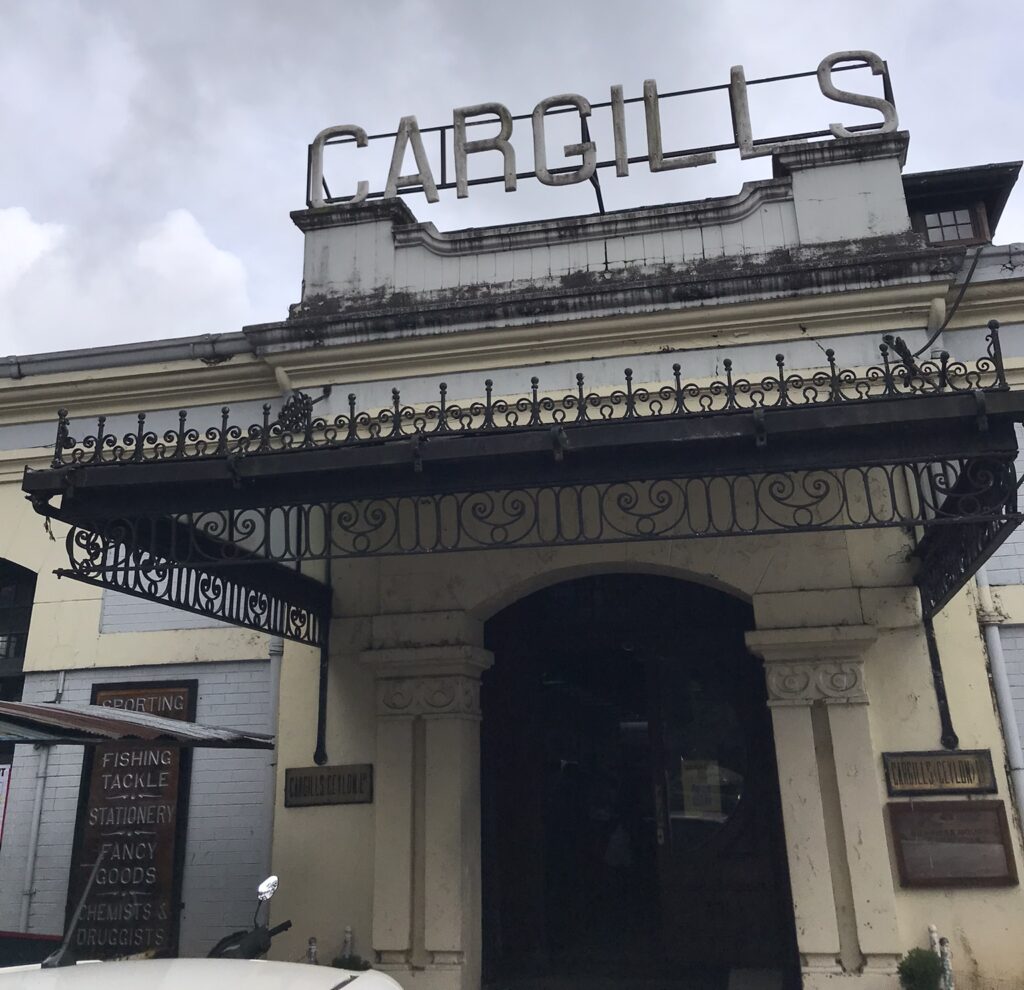
The old-school Cargills is a quirky place to visit – there really is a ‘chemists & druggists’ inside
Even newly-built private homes and hotels are often constructed in a colonial style, adding to the charm of the town. ‘British’ bungalows continue to pop up around the shores of Lake Gregory in keeping with the ‘Little England’ vibe of the place. We even spotted many British-inspired names on modern buildings around the town, such as the Windsor Hotel, the Collingwood Hotel and ‘The Pub’.
As the location of a major racecourse, horses seemed to be quite a big deal in Nuwara Eliya. Apparently the annual horse race is a popular spectacle, drawing huge crowds to the region. We did spot some amateur riders on the racecourse when we visited, but there also seemed to be horses just wandering around all over the place – nibbling the grass on the racecourse, grazing on the side of roads and even just meandering along roads.
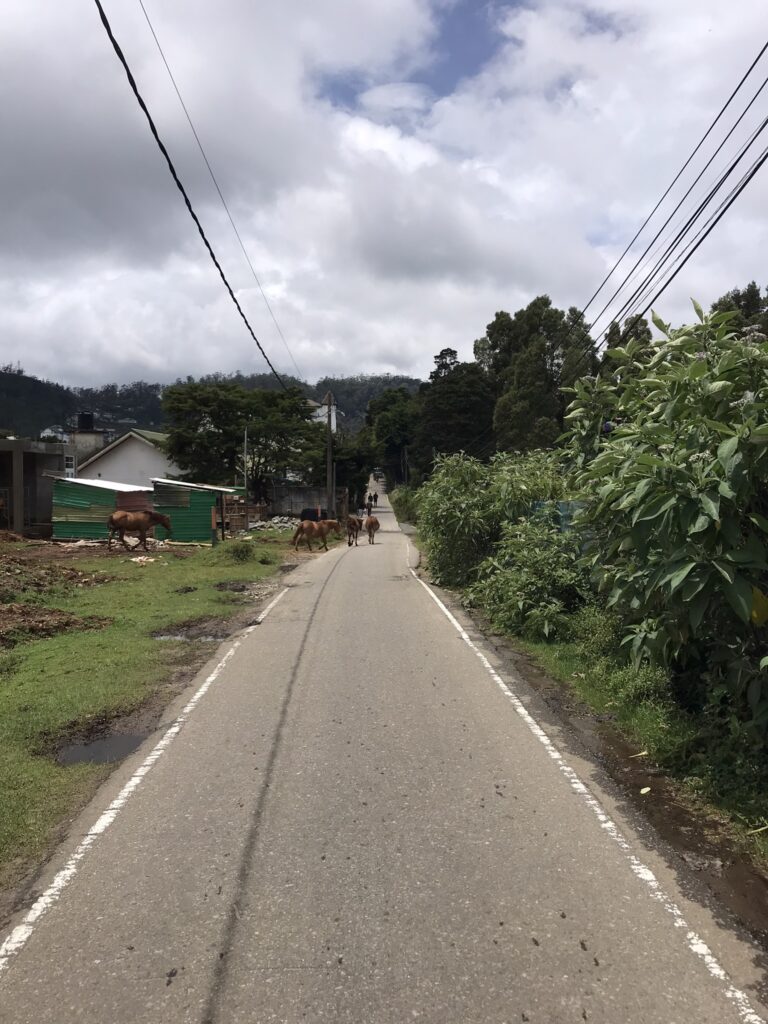
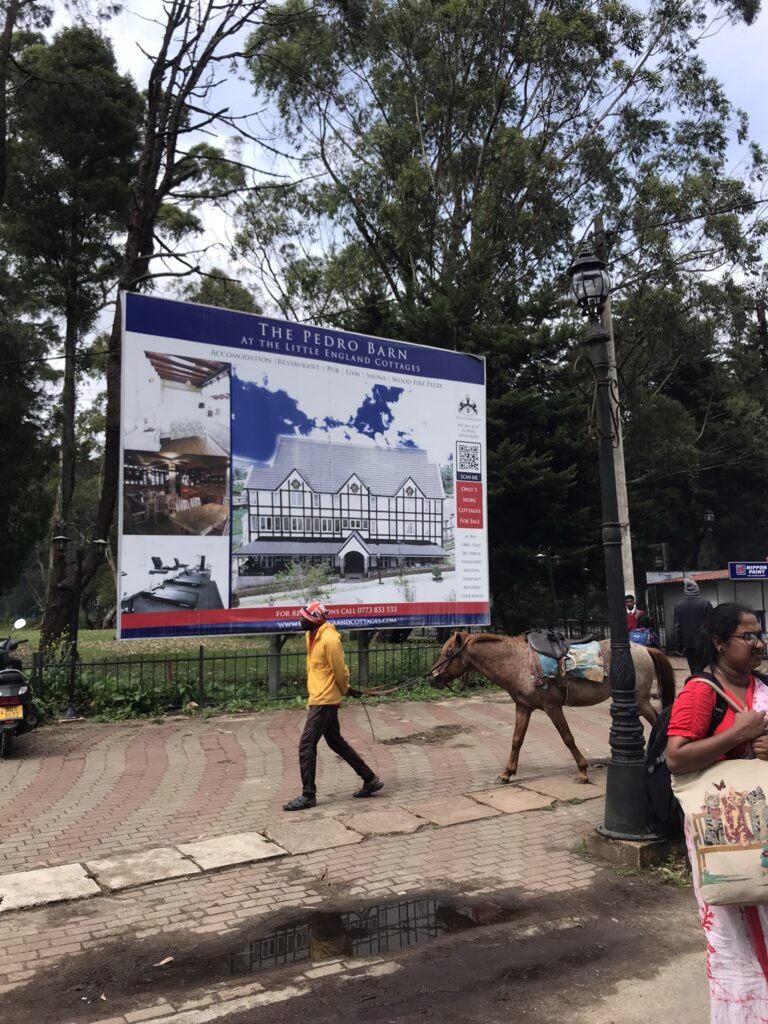
Horses aplenty in Nuwara Eliya
Nuwara Eliya is known for having the coolest climate in Sri Lanka – one of the reasons it was so popular with colonial Brits! We were also happy for the respite from the intense heat in the rest of the country, although be aware that it can get a little chilly at night.
The city is centred around Lake Gregory, an artificial lake from the colonial era. Lake Gregory has now been turned into an amusement area, with paved walkways and various family activities such as boating. Unfortunately, Nuwara Eliya appeared to be suffering quite badly from the money-extraction mentality that sometimes creeps into the Sri Lankan tourism industry. There was a relatively high entry fee for foreigners just to enter the park and walk around Lake Gregory, giving it an almost theme park feel. This was nowhere near worth it, so we just walked around the external road surrounding the lake instead of inside the park. Victoria Park was also charging an entry fee for foreigners so we didn’t bother going in. I understand wanting to generate revenue in order to maintain the facilities, but I can’t think of anywhere else that I’ve ever been charged a non-nominal fee just to enter a basic city park.
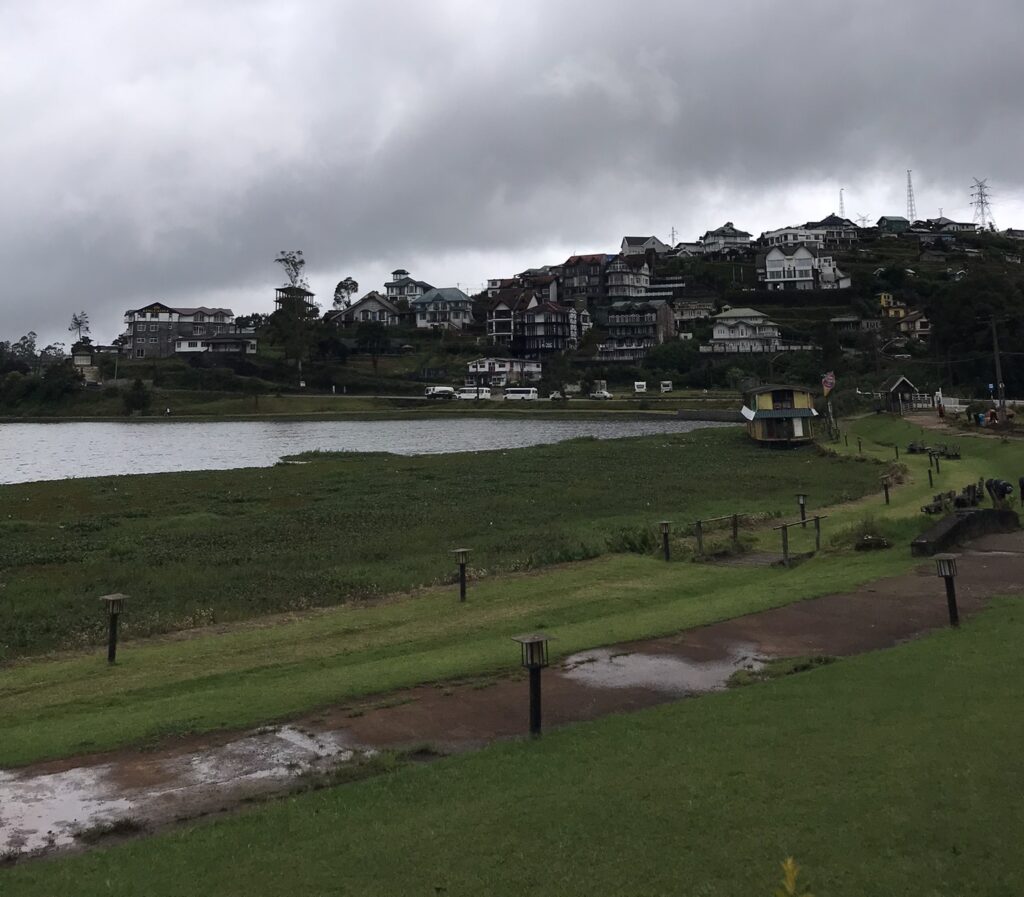
There isn’t really any point in paying to enter the tourist area around Lake Gregory unless you want to go boating
There are a number of other viewpoints and activities outside of the city but within the vicinity of Nuwara Eliya, such as Lovers’ Leap waterfall and the Pedro Tea Center. Many visitors also use it as a base for visiting Horton Plains National Park. Again, we had limited time and motivation to trek to more tea factories or viewpoints, so we declined to visit these attractions and just spent the day walking around the city and admiring the colonial buildings instead.
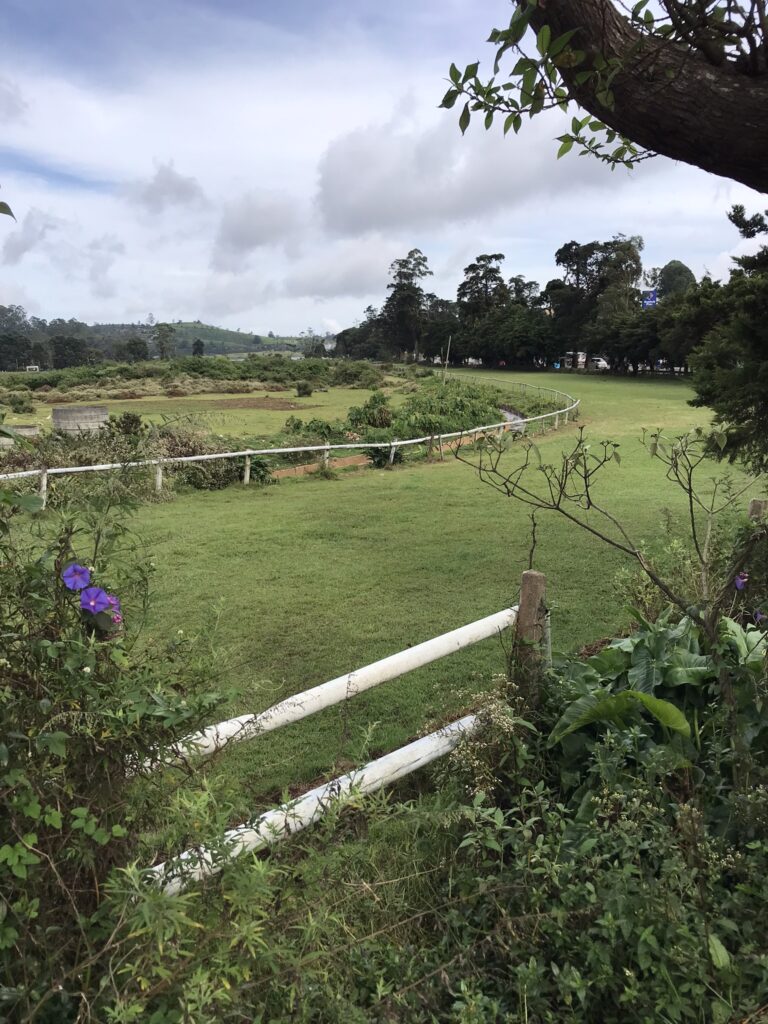
The racecourse is one of many, many British colonial relics in Nuwara Eliya
It’s important to note that the Kandy-Ella train does not stop directly at Nuwara Eliya, which can be a tad inconvenient for visitors. The nearest train station is in Nanu Oya around 8km away, which is along the Kandy-Ella route. There is a bus which departs from just outside the train station in Nanu Oya to Nuwara Eliya, however we arrived too late to catch it and instead had to fork out 1000 rupees for a tuktuk ride from outside the station instead. This seemed like a good price, as other drivers in and around the station were offering the same journey for a much higher price.
From Nuwara Eliya we headed to Galle by bus. Bus number 31 to Matara leaves at 7am from the main bus station in Nuwara Eliya and provides a means of getting from the tea region to the south coast. It is sometimes difficult to find reliable information – check out my blog post on public transport in Sri Lanka here!
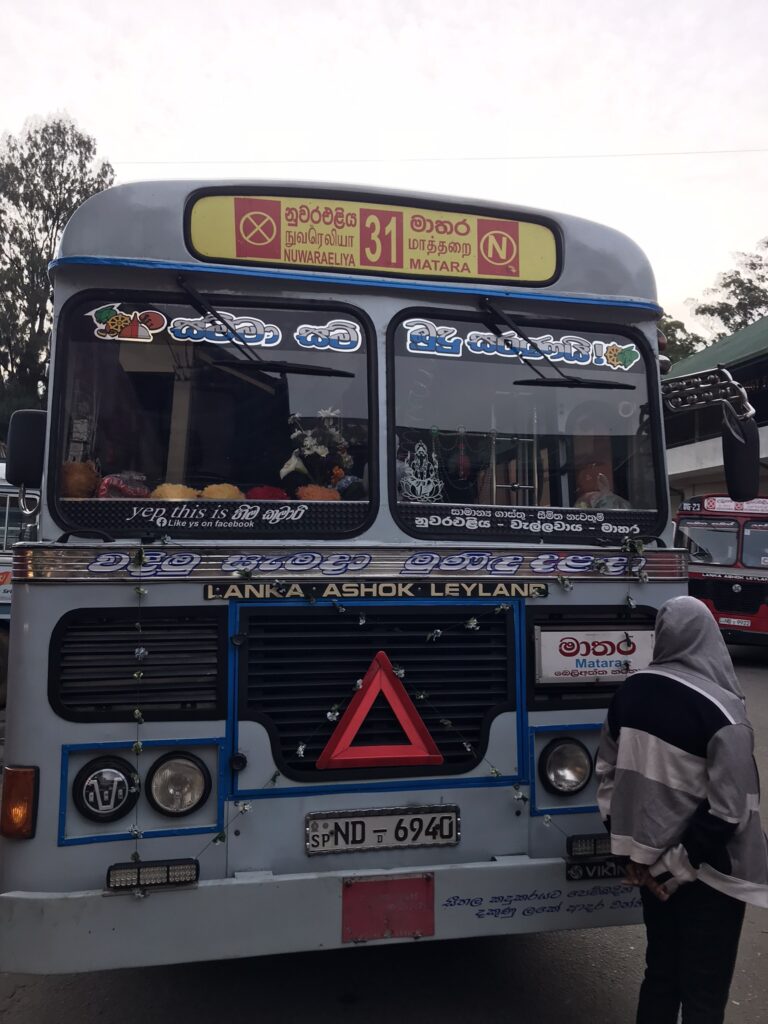
Bus 31 also calls at Ella along the way to the south coast
Accommodation
Thuring’s Holiday Bungalow – located right at the top of one of the hills surrounding the town. A nightmare to walk up with a big backpack late at night, especially when we accidently took the steep route. It’s a family run guest house, definitely more of a homestay than a hotel but still very comfortable and cosy. The proprietor was really friendly and helpful, arranging an early-morning tuktuk to take us to the bus station for the journey to Galle. The location is the only drawback as it’s not very close to the colonial centre or any reputable restaurants, although on the plus side there are some nice views and tea gardens nearby.
Foodie Places
Frostbite – a fuddy-duddy, somewhat dated establishment in keeping with the local style. The club sandwich was great!
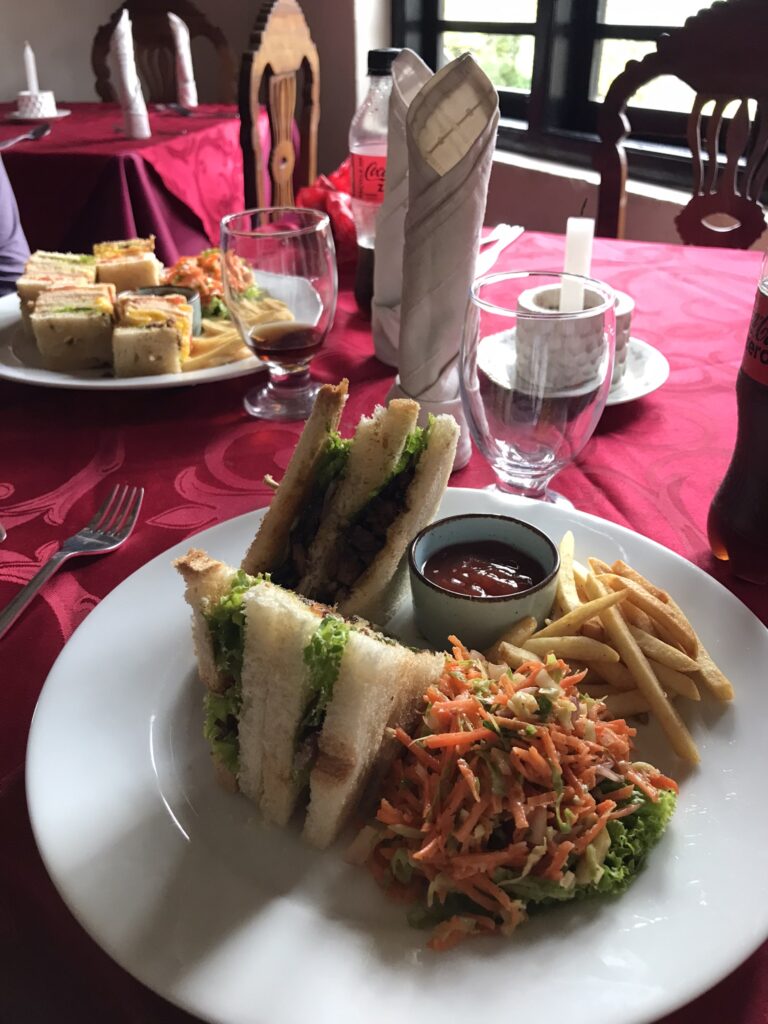
Crustless sandwiches in Frostbite
Pizza Hut – as in Anuradhapura, unfortunately our go-to dinner delivery service as there were no food options within reasonable walking distance of our accommodation
Activities
We mooched around the city centre, exploring the quaint castle-like post office (still functioning and popular with tourists who collect special postage stamps or visitors can opt to send postcards back home), Cargills (old-timey store with original signs on display) and the Police Superintendent’s House (we didn’t linger too long here in case we were arrested!). You can get a good peak at the golf course, racecourse (which seems to be more of a paddock for horses now) and the Grand Hotel from the outside without setting foot on the properties.
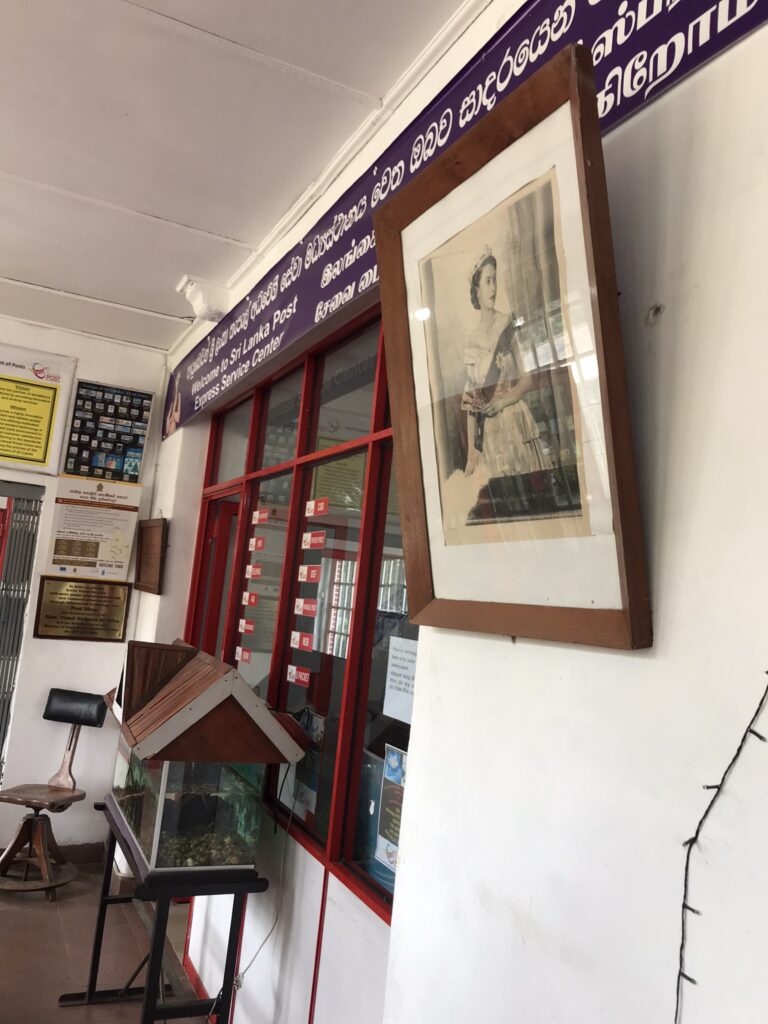
A photo of Queen Elizabeth II still hangs in the post office
After huffing and puffing about the outrageous foreigners entry price for Lake Gregory (yes they really do charge you to walk around a lake) we followed the external road around the lake – the amusement park-esque area ends after a while and we were then able to walk by the lakeside without a fuss. Hotels and guesthouses completely encircle the lake, spanning out from Nuwara Eliya.
High Tea at Grand Hotel – decadently expensive, this is a quintessential Nuwara Eliya experience. Many tourists opt for the full high tea platter but we just had a cup of tea and scones which, although still quite expensive, was much cheaper than the full high tea and still captured the essence of the experience. While going to the toilet inside the hotel we couldn’t resist having a look at the corridor featuring a gallery of the many esteemed guests who have stayed at the Grand Hotel over the years, including Queen Elizabeth II, Emperor Hirohito of Japan, Richard Nixon, Gandhi, Josip Broz Tito, Roger Moore and many many others.
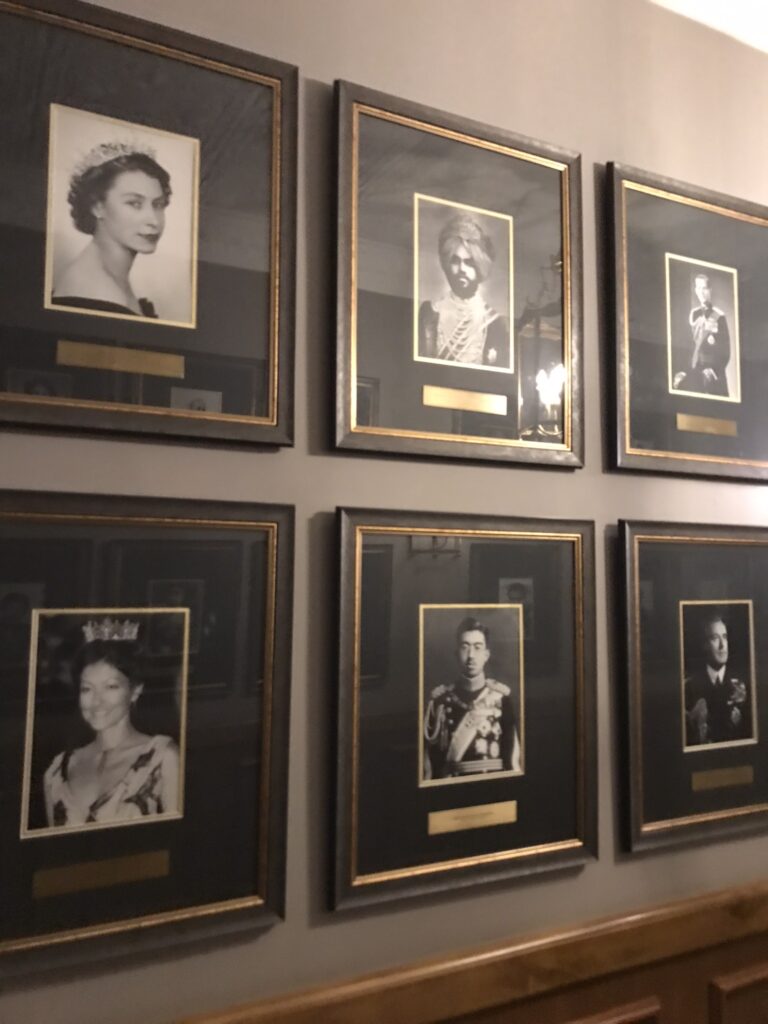
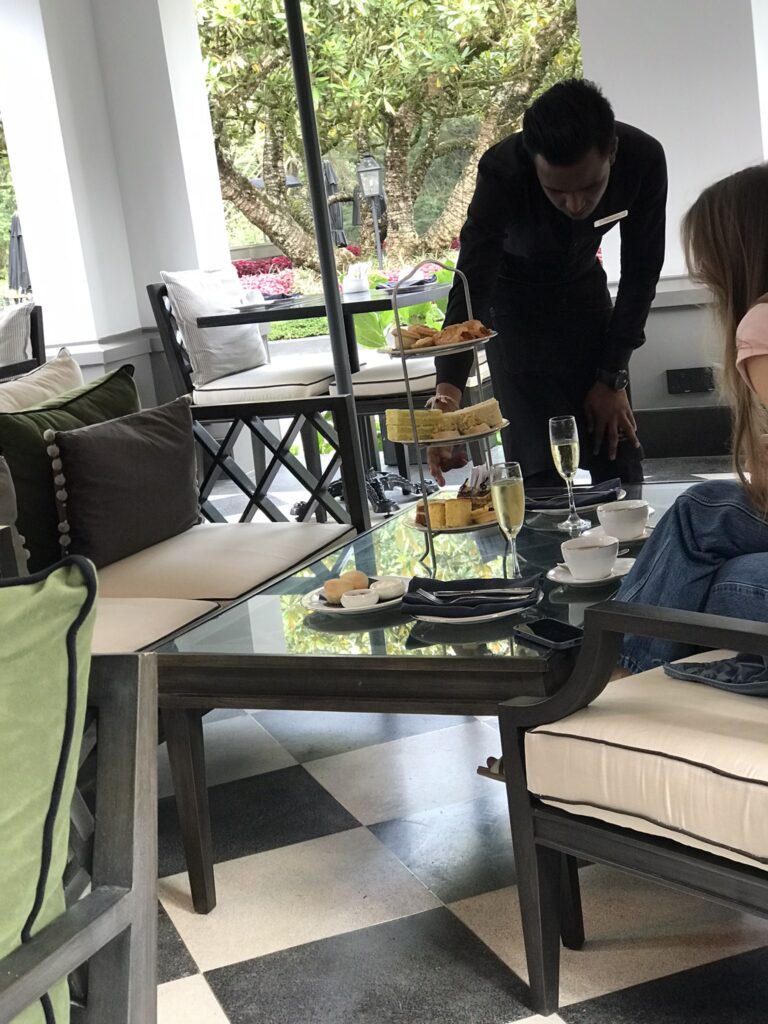
The hall of fame at the Grand Hotel is pretty impressive; we opted to just have a cup of tea and scone rather than the full High Tea platter
We decided against visiting Pedro Tea Plantation or any other tea plantation (others were not within walking distance) and instead opted to walk around the tea plantation near our accommodation here, as it was much more convenient and also most importantly free.
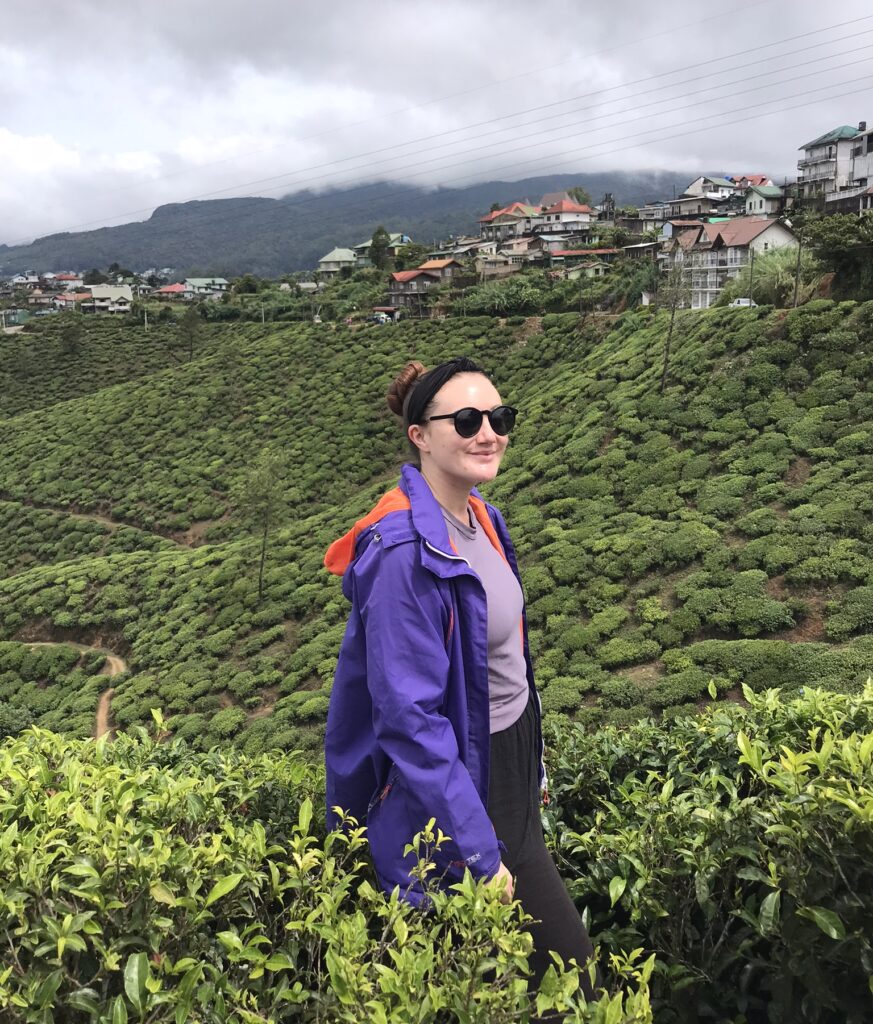
These tea plantations were right next to our accommodation, south of Gregory Park
Galle
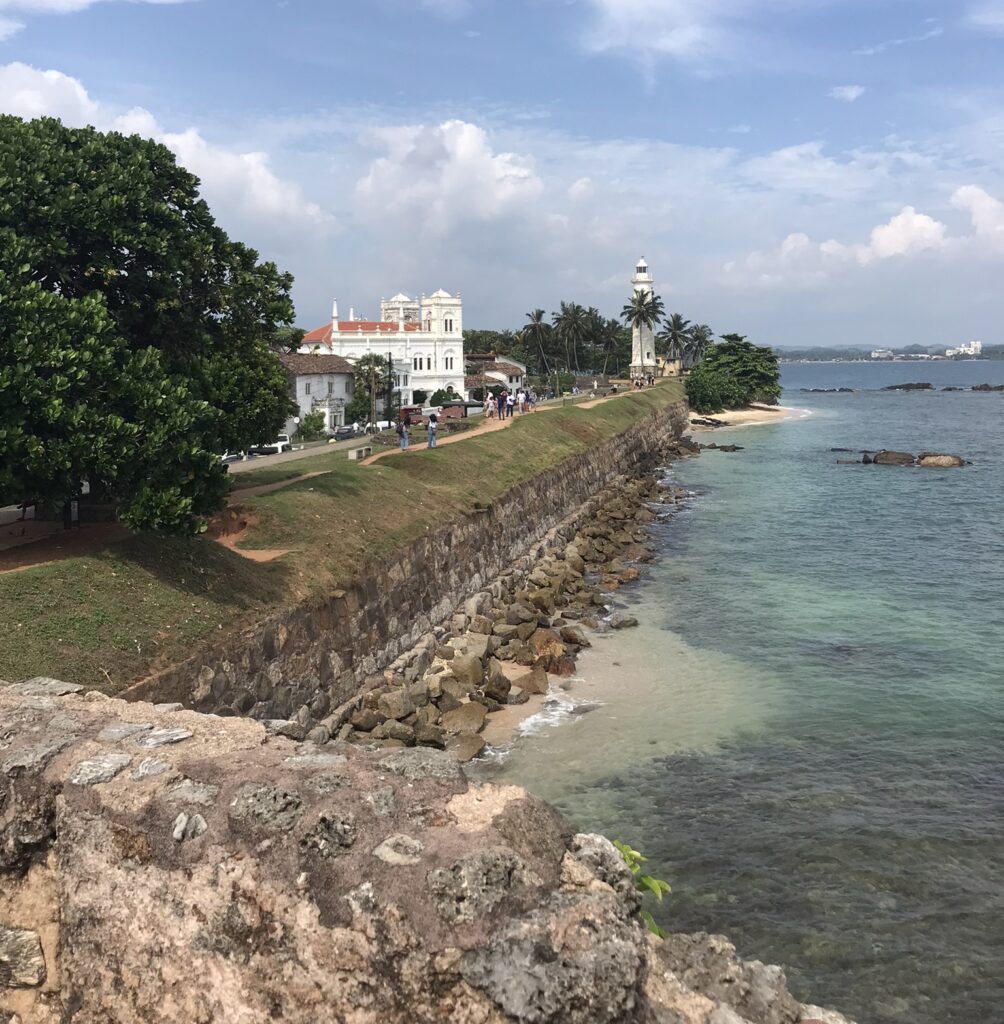
Situated on the island’s vibrant southern coast, Galle is one of the most picturesque places in Sri Lanka. A fortified city which juts out from the mainland, it is surrounded by water on all sides, providing an ideal defensive location. Galle was originally fortified by the Portuguese before being taken over by the Dutch when they became the dominant colonial force on the island. The fort is a distinctive star-shape, surrounded by high walls and with interestingly-named bastions around its perimeter. Many of the historical buildings and structures are embellished with the distinctive ‘VOC’ symbol – this is the logo of the Dutch East India Company.
Galle fort is actually only a tiny part of the modern city of Galle, which is a bustling place spreading out on the mainland. While there is not too much to see in the modern city, entering the fortified area is like stepping back in time, with preserved mansions, hospitals and churches providing an echo of the colonial past. Galle’s bus and railway stations are sandwiched between the modern city and the fort area, along with the city’s famous cricket ground.
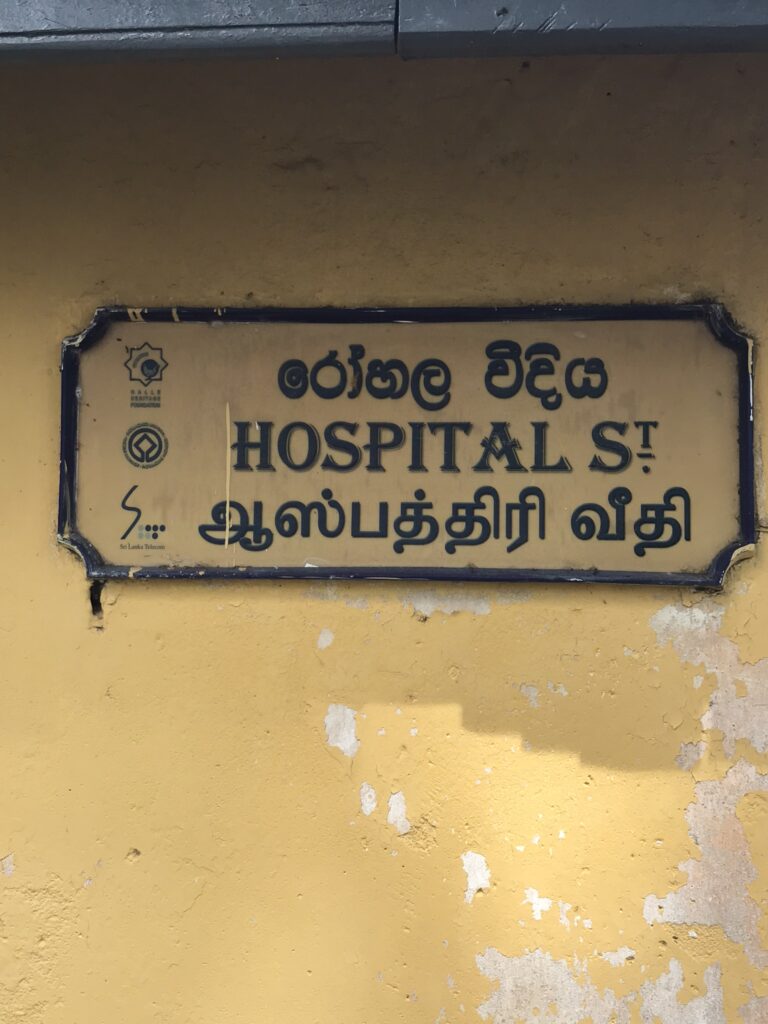
The street signs and even the bank in Galle fit in with the old-timey vibe
Galle fort is a hotspot for tourists – expect higher prices within the walled city. Unsurprisingly the whole fort area is very gentrified and filled with boutique clothes shops and boujee cafes and restaurants aimed at the hordes of holidaymakers with money to burn. We saw more white faces in Galle than just about anywhere else in the Indian subcontinent.
Tourists aren’t the only thing to watch out for here, monitor lizards are commonplace in Galle and you can find them all over the city walls. Sadly we witnessed a group of Chinese tourists tormenting a lizard by trying to catch it and then filming it in distress – please don’t do this or try to touch these majestic creatures as it can cause them harm! You can see plenty of other wildlife such as sea turtles from the walls of the fort.
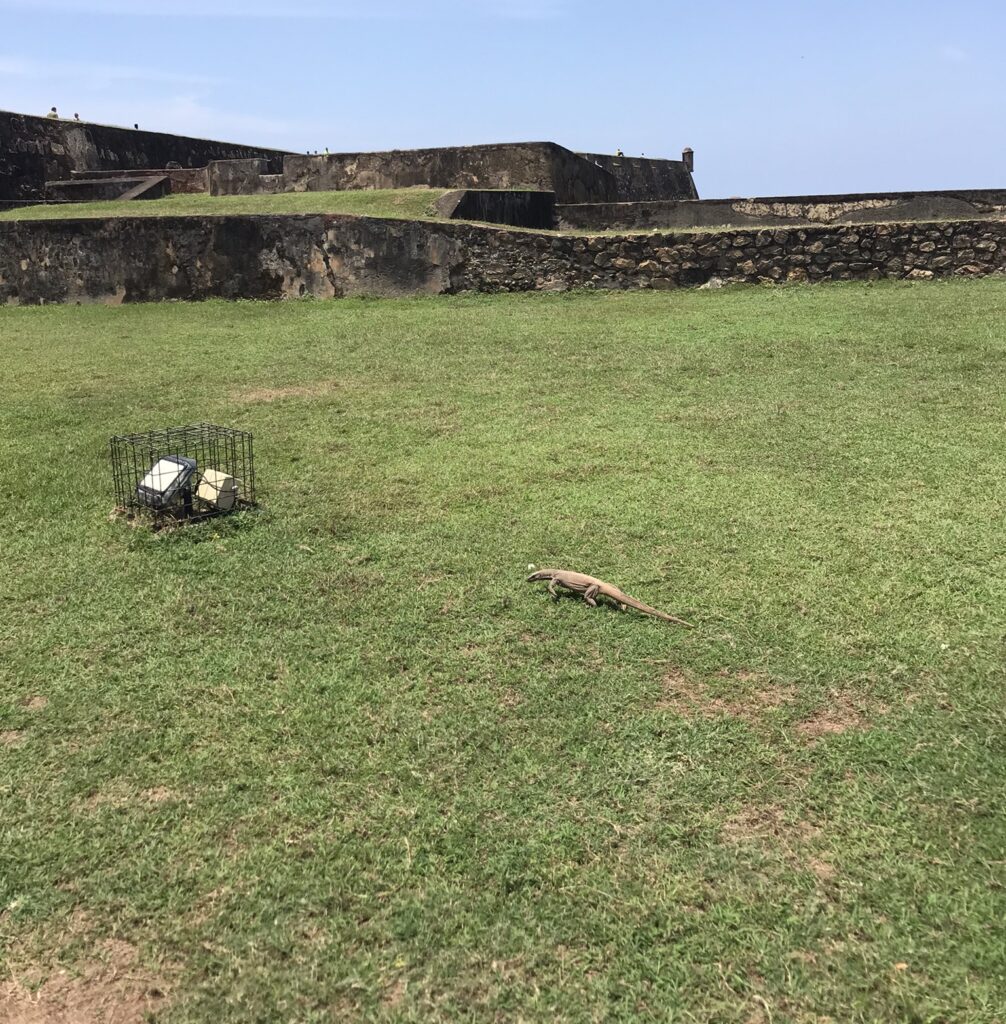
A friendly monitor lizard manning the fortifications
Galle itself doesn’t really have a beach – there are a couple of small sandy areas just outside the fort walls although we were a little concerned about the tide. However the route from Matara to Galle is filled with pristine-looking beaches and many resorts and hotels along the coast. We found ourselves looking longingly out of the window while driving past, wishing we had a spare day to spend relaxing. The southern coast is a surfing hotspot and perfect for beach bums. From Galle it’s pretty easy to get to any of these beaches by bus – many buses ply the main coastal route towards Matara.
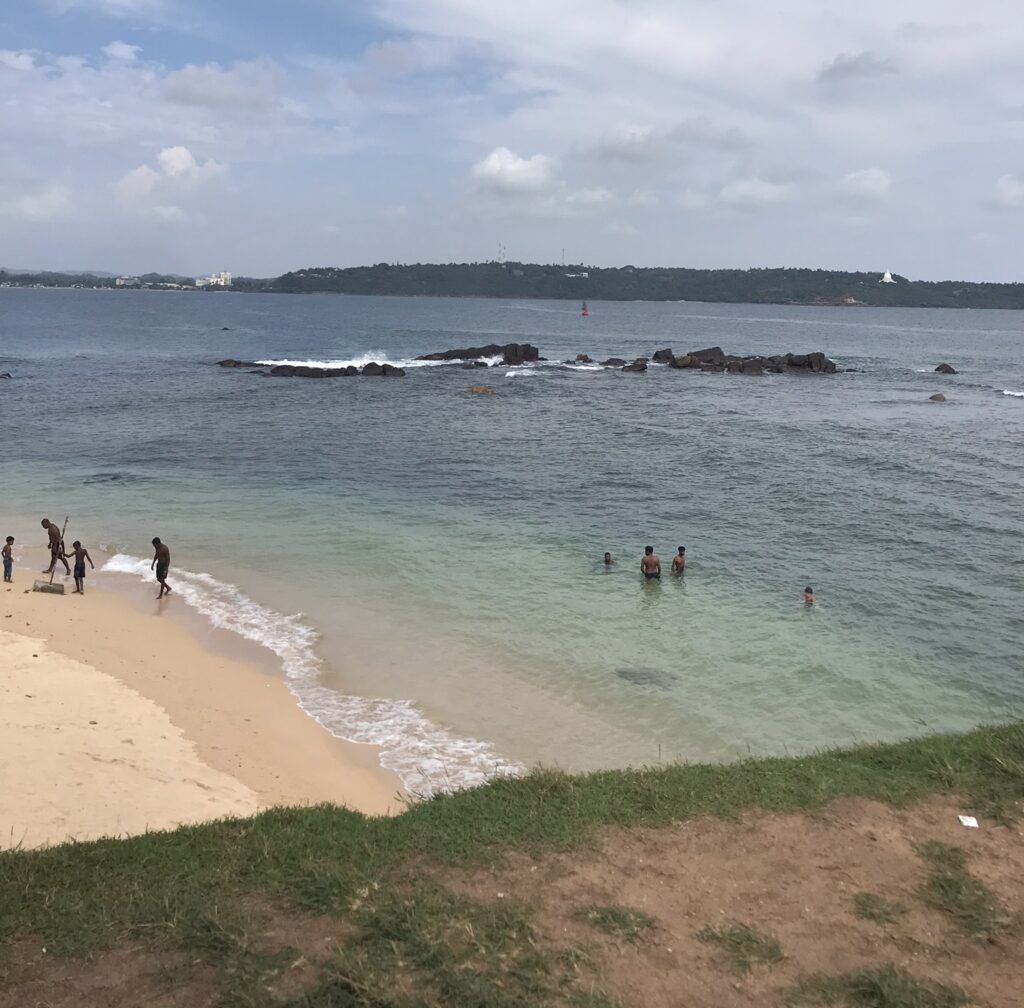
This small beach near the lighthouse is the only real place to take a dip in the fort area
Accommodation
Secret Garden Galle Fort – very central and a good price within the fort, the rooms themselves were not in perfect condition but it’s to be expected in an old building which is exposed to the sea air. The accommodation is managed by and located above a cafe/restaurant. Breakfast was included and was pretty great even though the ratings for the restaurant below are a tad on the low side.
Foodie Places
The English Cake Company- The Cakery @ Galle- As an English person and self-confessed cake connoisseur I can safely say that the cakes are fabulous and definitely up to British standards. I treated myself to a millionaire’s shortbread/chocolate caramel shortbread and was blown away by how tasty it was. It’s rare to find an authentic English cake shop that is this good anywhere outside of England, so I encourage everyone to try a cake here. I really felt like I was eating a millionaire’s shortbread from a bake sale in England. The sandwiches and pasta dishes were also a hit with us!
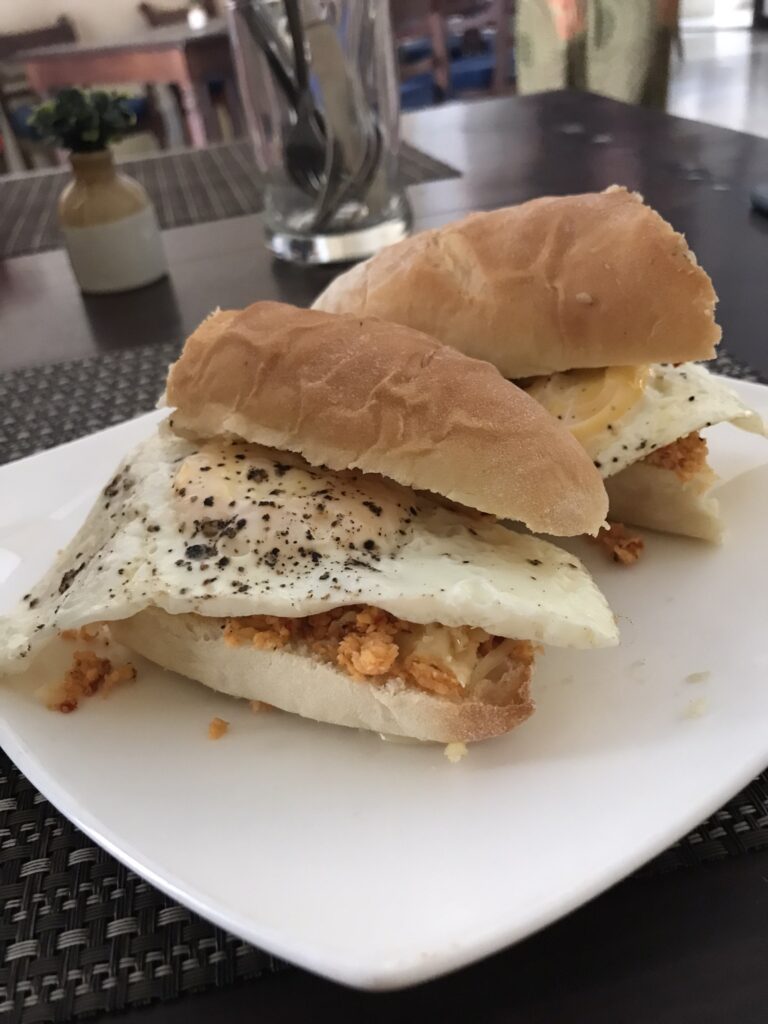
As well as cakes, the English Cake Company is a pretty good place to get lunch
Punto Cafe – one of the more reasonably priced restaurants in the walled fort area. We thoroughly enjoyed the Kottu and intimate dining vibe – only a handful of tables in the establishment.
Activities
Self-guided walking tour – there is so much to see within Galle Fort – we created a quick self-guided tour covering the main highlights. Click here for the route!
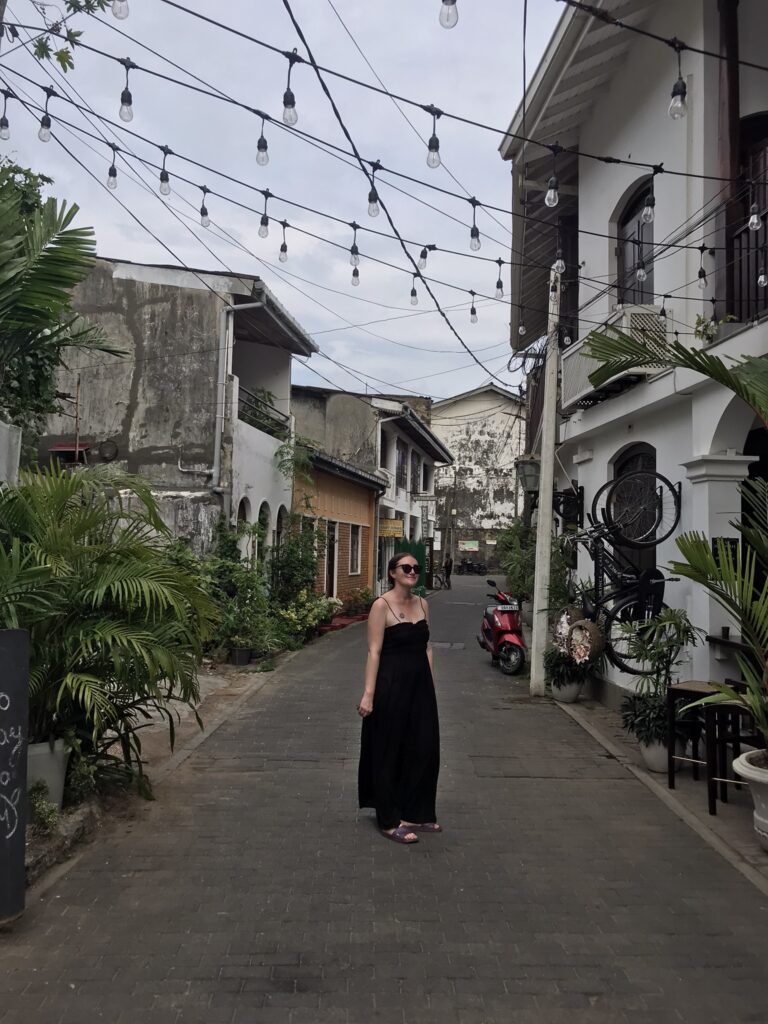
Our walking tour covers the main sights but Galle is a great place to just wander round the backstreets and explore
Historical Mansion Museum – an interesting collection of items can be found within this ‘historical mansion’, which is actually an 18th-century colonial house. Expect to see Dutch ‘VOC’ ceramics, shipwrecked/salvaged bottles, rare Chinese Ming dynasty ceramic plates, an impressive German Bartmann jug with bearded face on the rim from 1599. There isn’t much rhyme or reason, it is really just a hodge-podge collection of different artefacts from the colonial times. The display cases are crammed with seemingly random collections of things like tableware, clocks, lighters and other odd bits and bobs. There’s also a well in the courtyard that you can have a go at using.
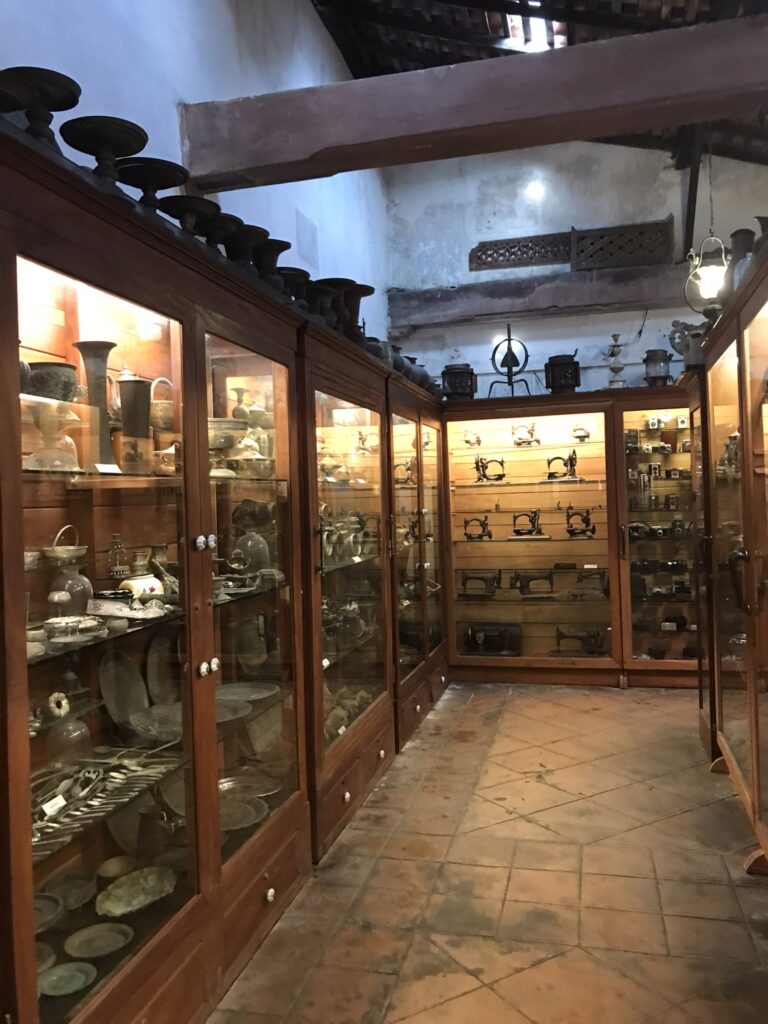
Trinkets on display in the ‘historical mansion’
Turtle Hotspot – otherwise known as Clippenberg Bastion. Located between Triton and Aeolus Bastions, this is a prime place to spot sea turtles frolicking in the water below as well as other marine wildlife
Sunset – Triton Bastion and Flag Rock and the strip of wall between them are the best sunset spots as they face west. Huge crowds gather here each evening to watch the sunset over the Indian Ocean – we did the same. A quintessential Galle activity.
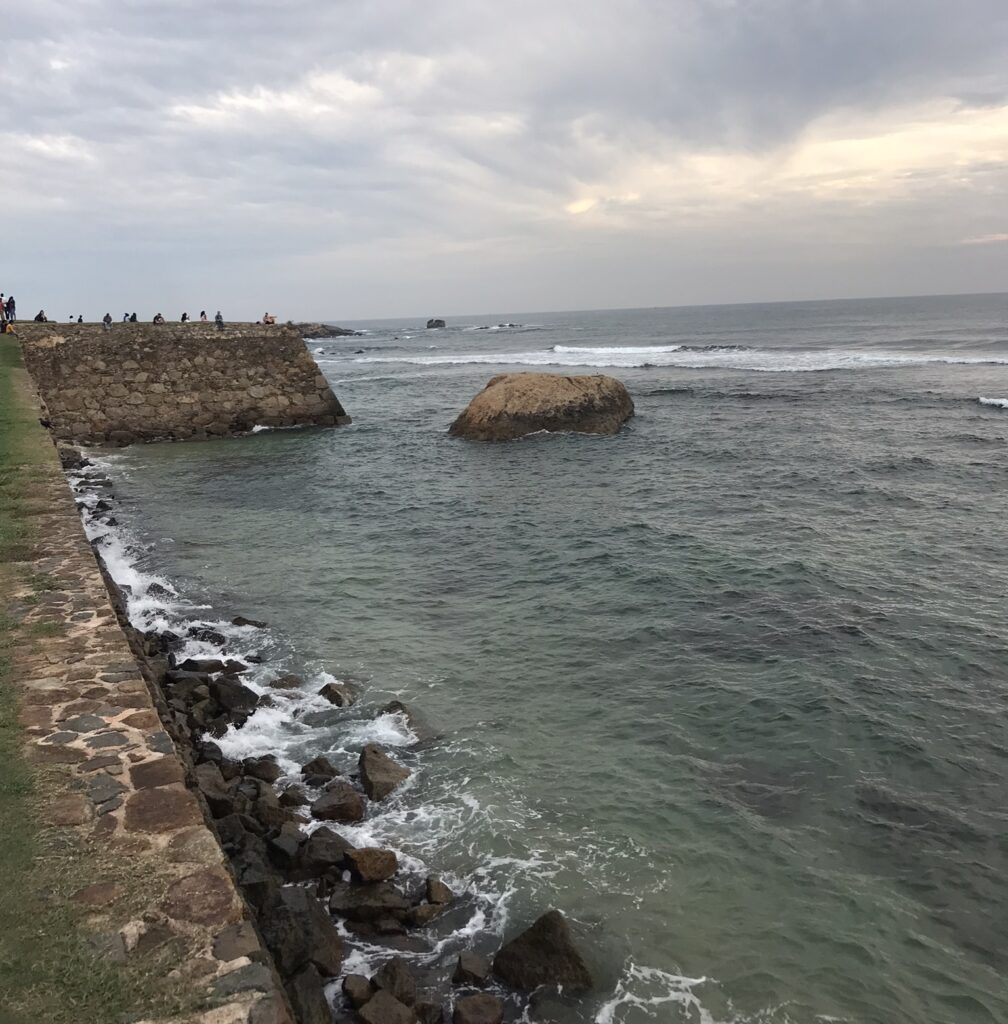
The west-facing walls and bastions are a popular place for sunset
Colombo
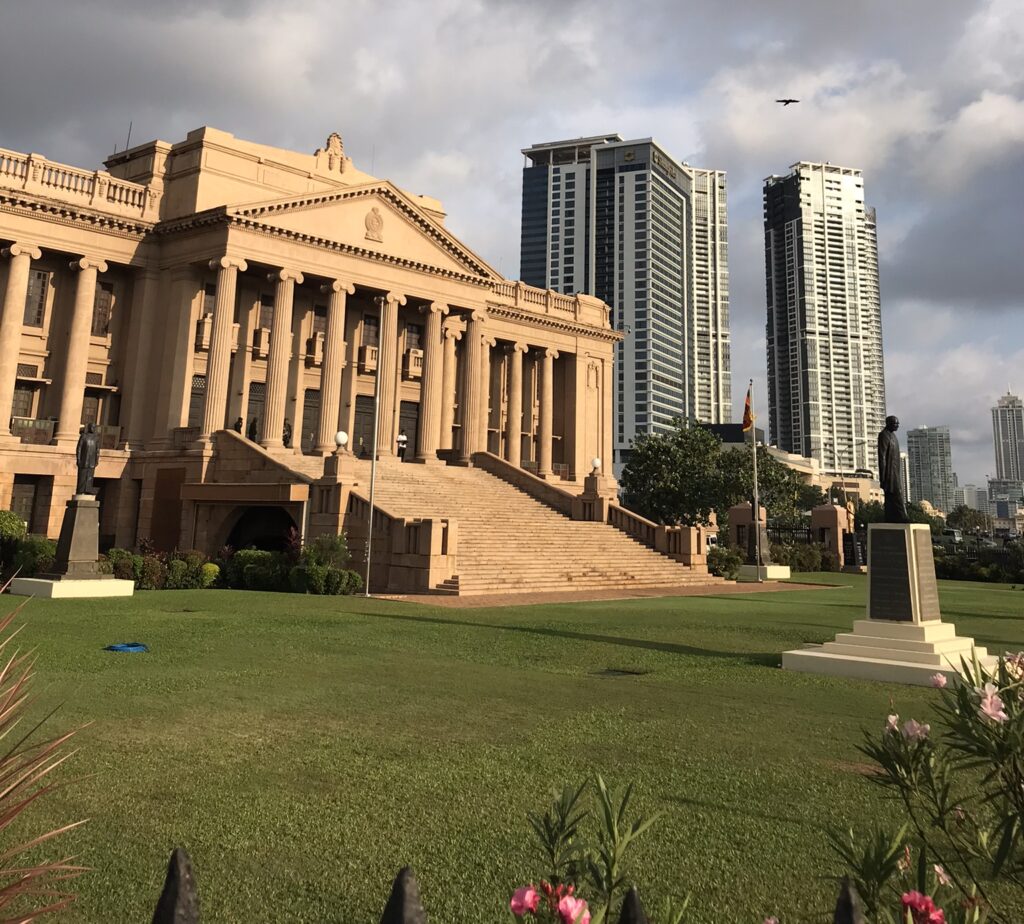
Sri Lanka’s capital, Colombo is a bustling metropolis which is on a totally different scale to everything else in the country. A vibrant modern city, it is filled with skyscrapers, ramshackle markets, interesting sites and neighbourhoods both contemporary and historic. At the heart of the city is the infamous Lotus Tower, the tallest tower in South Asia which was intended to represent the country’s Buddhist heritage but has also come to be a symbol of the financial mismanagement that led to the ousting of the government in the early 2020s. It’s possible to go up the tower for those who want to pay the extortionate entry fee.
Some of the most notable landmarks of the city are situated in the north east, around the districts of Fort, Pettah and Galle Face Green. The Fort area dates back to the time of the first Portuguese landings, and was previously the location of Colombo Fort. The physical fort, which was built by the Portuguese and remodelled by the Dutch, was demolished during the time of the British rule. Rather than a fort, the area is now full of British colonial buildings dating from that period. Fort is the location of the official residence of the President of Sri Lanka, as well as many important commercial and financial headquarters, and is an interesting place to explore on foot.
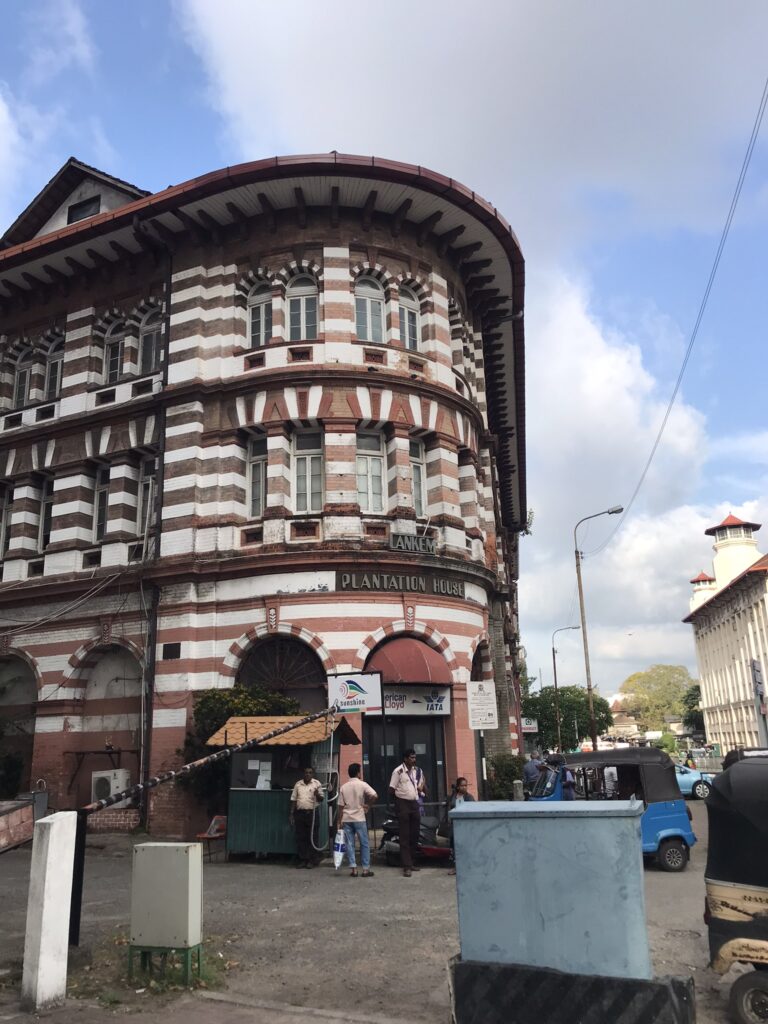
The Fort neighbourhood is full of historic colonial buildings
Nearby, the Galle Face Green promenade extends along the seafront and is a popular place for both locals and tourists to hang out, with various amusements, kite flyers, vendors, bubble-blowers and other associated goings-on. We even saw a snake charmer wowing a group of schoolchildren. The large, open promenade provides a pleasant place to walk and relax with iconic views of Colombo’s skyline, as well as providing a great place to watch the sunset. Across from the promenade is One Galle Face, a large, ultra-modern shopping mall with air conditioning, a pretty extensive selection of shops and a food court. This is the largest mall in Sri Lanka and one of the most impressive we saw in South Asia.
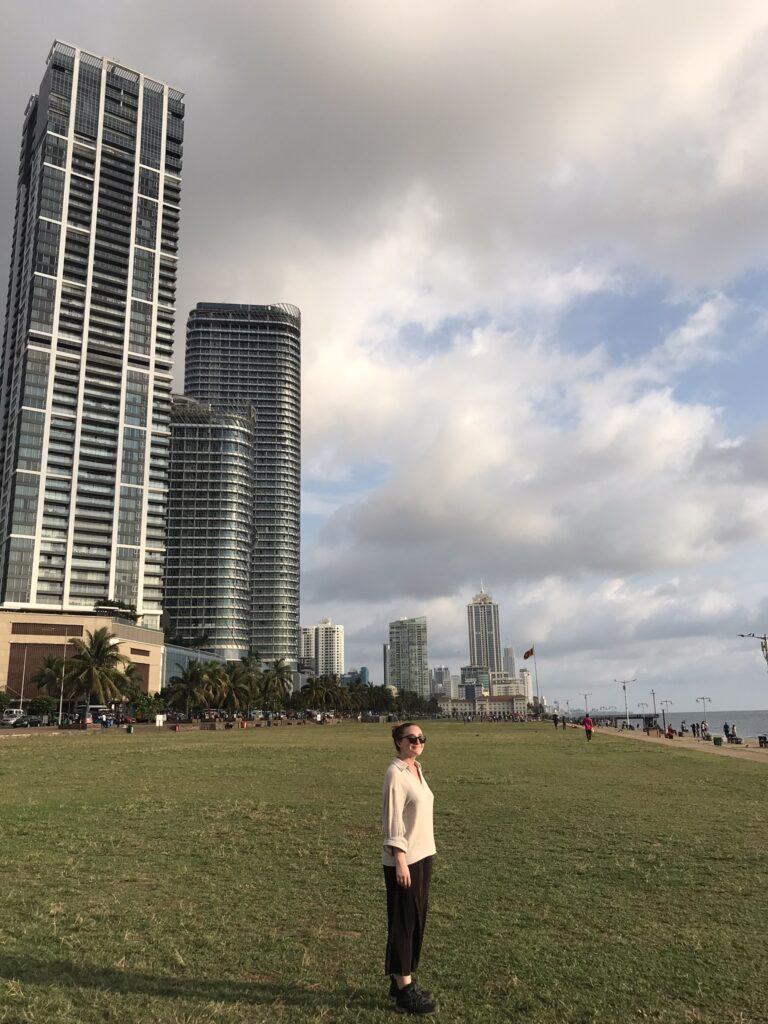
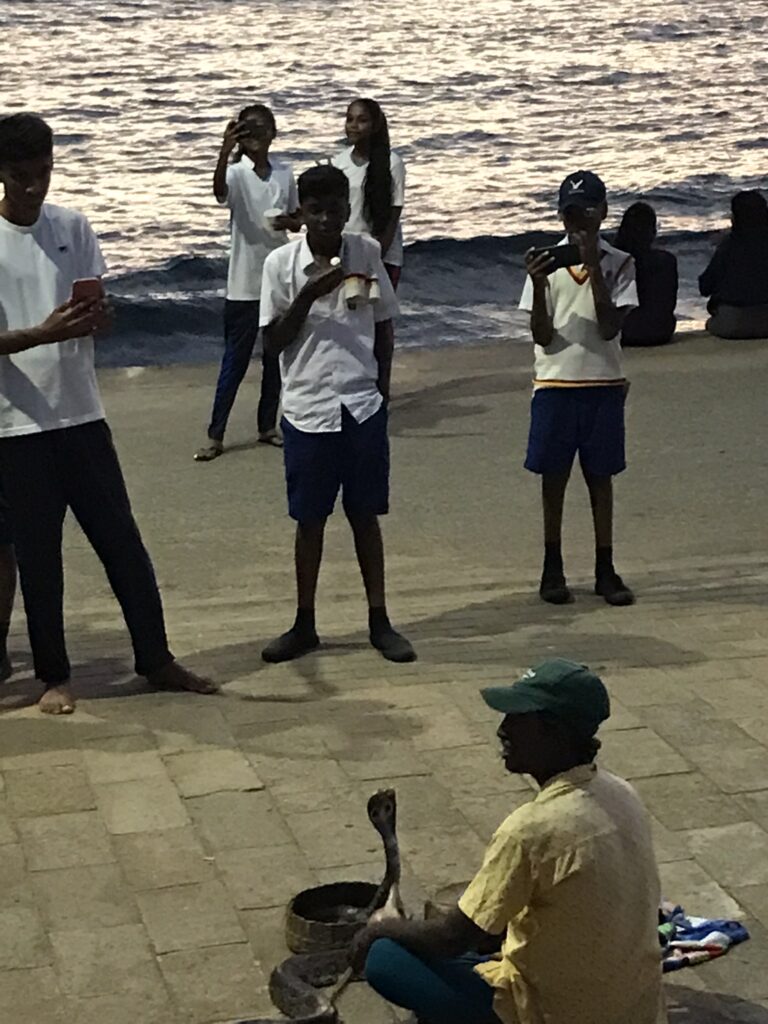
Fun and games at Galle Face Green
On the other side of Fort is Pettah, the neighbourhood which is famous for the enormous Pettah Market. The name ‘Pettah’ roughly translates to ‘outside the fort’. This is a more hardscrabble part of town with many wholesale traders of all manner of products operating around the sprawling open market areas. Interestingly, Pettah is a majority-Muslim neighbourhood – somewhat fitting as Islam was originally brought to the island by merchants and traders from Arabia. The Jama Mosque in Pettah is one of the major landmarks in the area.
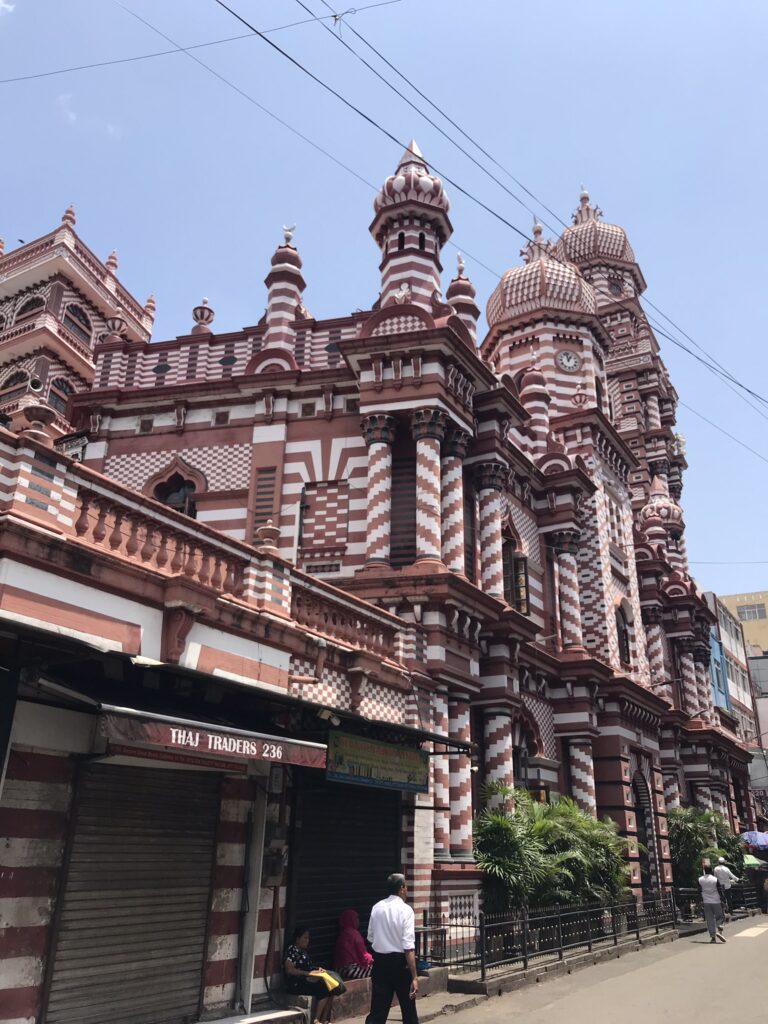
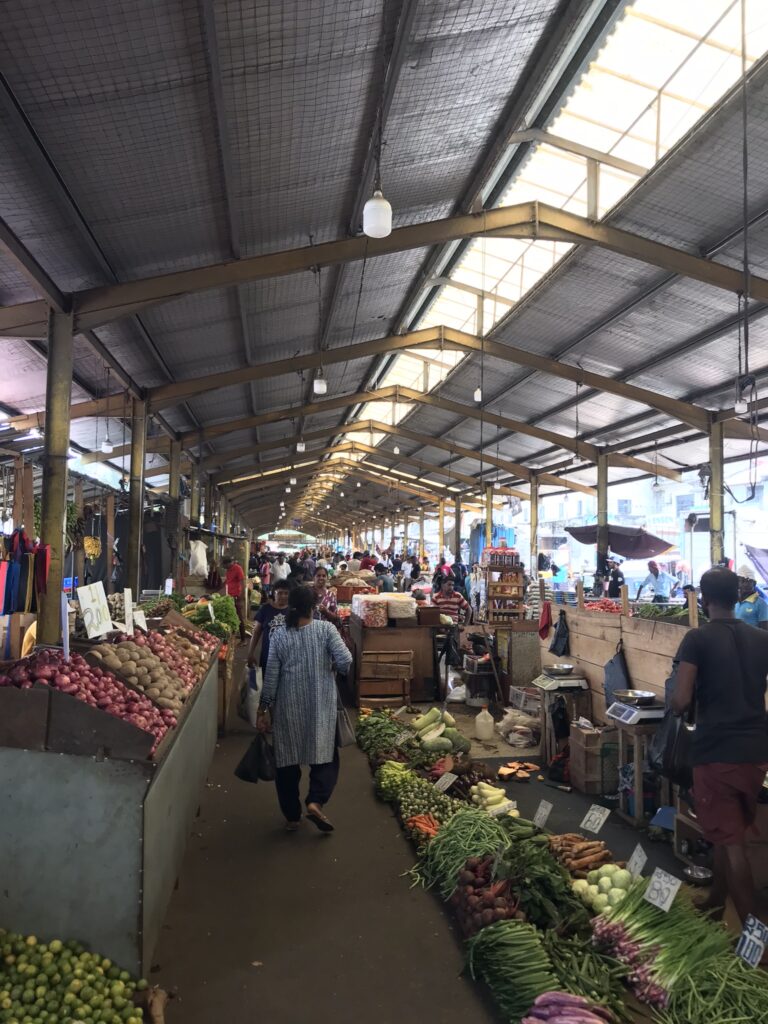
Pettah’s Jama Mosque is one of the most interesting Islamic buildings in Sri Lanka, while the area is known for its markets
Another important neighbourhood in the city is Cinnamon Gardens, also known as Colombo 7. This is considered to be the most affluent and prestigious neighbourhood in the city. Apart from the mansions and grandiose buildings surrounding Viharamahadevi Park, this area is also rich in fertile land – the name Cinnamon Gardens refers to a former cinnamon plantation on the site, while the trees lining the boulevards are often bursting with various fruits and cashew nuts.
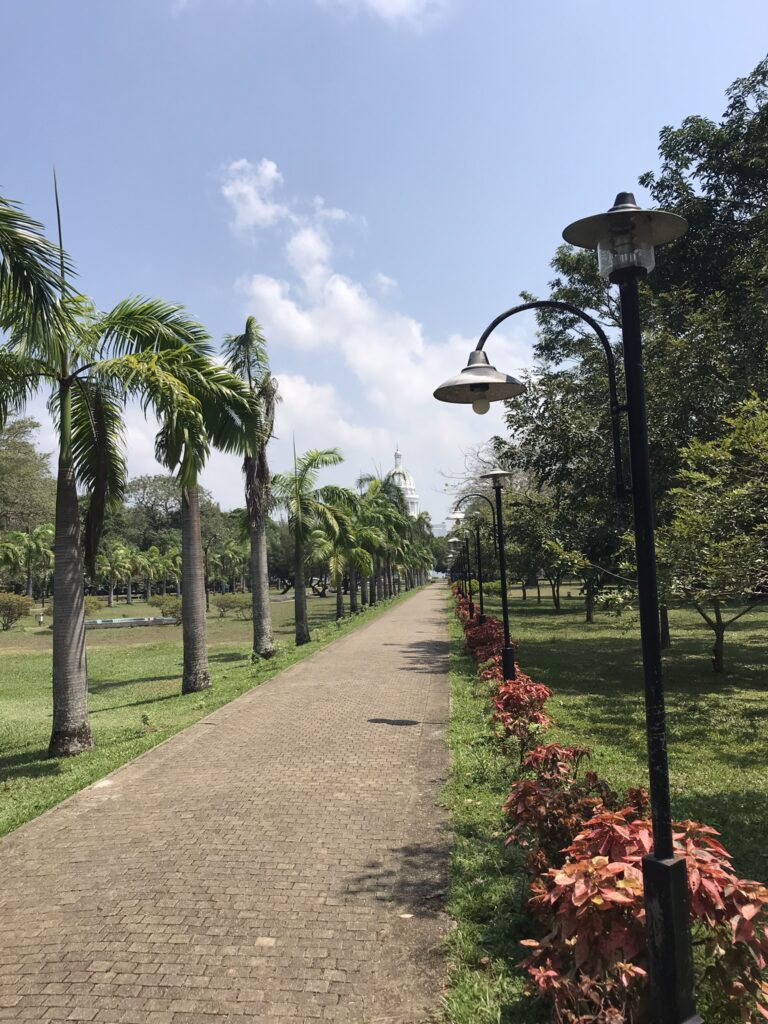
The immaculate walkways of Viharamahadevi Park
Although it’s a big city, we found that Colombo was easy enough to get around, mainly because Uber works quite well. There is also a local train network passing through part of the city, which is extremely cheap and can be a convenient way to access the Fort/Secretariat and Galle Face areas if you’re staying close to the line. Unfortunately the train doesn’t have great coverage of most of the rest of the city. Tuk tuk drivers in Colombo can unfortunately be a hassle, especially around the Fort area. We had some of our only negative interactions in Sri Lanka with pushy drivers here. I don’t recommend using a tuktuk from the street as they are highly likely to try to overcharge and scam. Thankfully these guys are easy to ignore and we mostly walked around without issue.
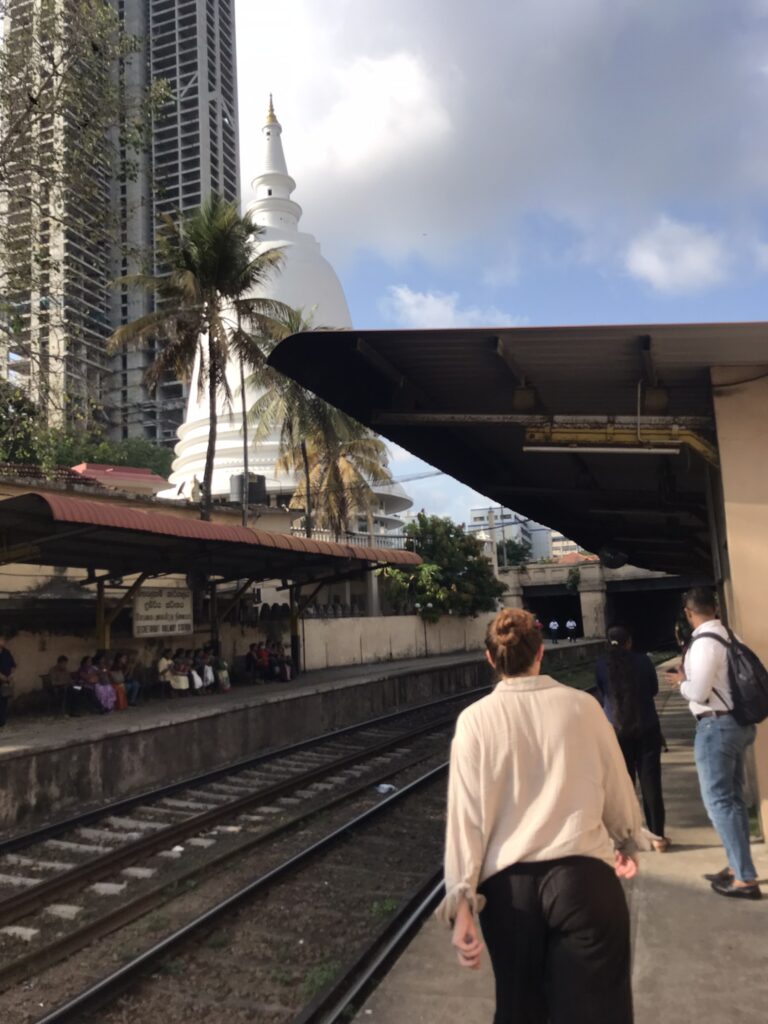
The local trains can be a cheap way of getting around, although coverage is not the best
Accommodation
The Den 23 – a very modern, clean and comfortable hotel in a high-rise building which seemed to also include a dentistry – I’m not sure if this was a coincidence or not. This hotel is within walking distance of Maradana train station for access to Fort and Galle Face, and also walkable from Viharamahadevi Park and the National Museum. We enjoyed the rooftop terrace restaurant which provided great views over the city, although the food in the restaurant was just average. Overall however this place was a great choice for the price.
Foodie Places
Ricorn Hotel & Bakers – a real local establishment in the Maradana neighbourhood. This is the best place to get cheesy chicken kottu in the country. I don’t think they are particularly used to seeing foreigners but the server was very kind and welcoming. We almost ordered two huge portions by mistake and were saved by the server – only order one full portion as it is comfortably enough to share for two people!
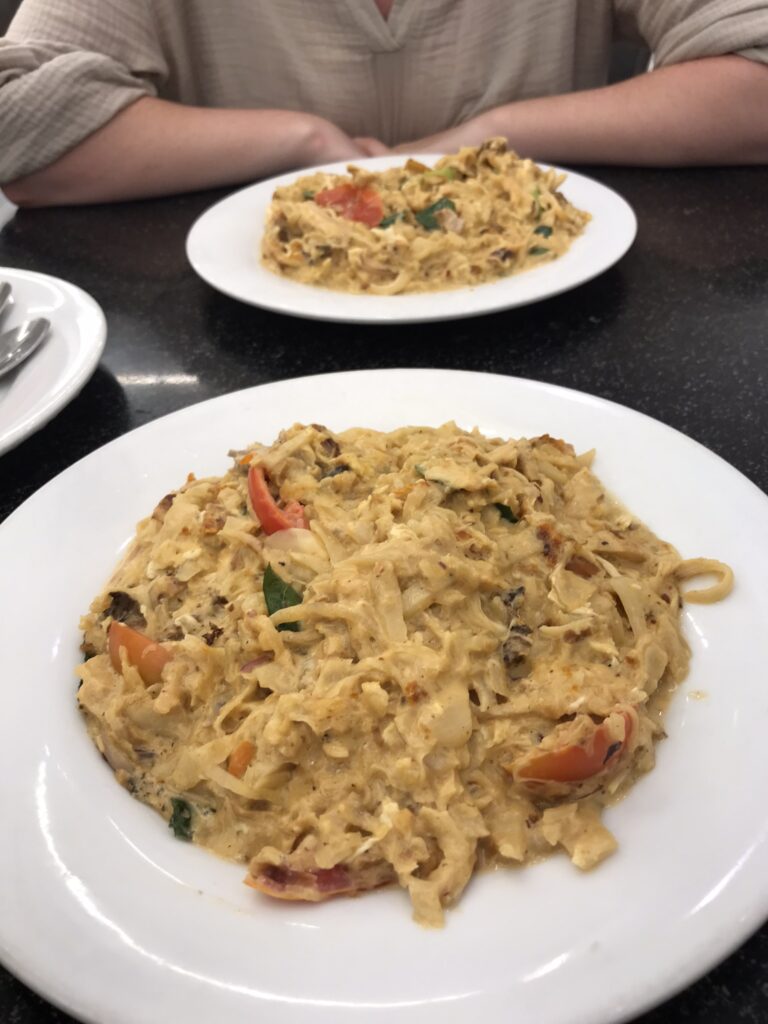
The best cheesy kottu at Ricorn
The English Cake Company @ OGF – we liked the English Cake Company in Galle so much that we sought out their other branch, located in One Galle Face mall in Colombo. The products are the same quality – apparently they are baked at a central location and transported to both stores.
Ruhunu Foods – recommended to us by our walking tour guide, this is a good place to get a typical Sri Lankan buffet lunch in the Fort/Pettah area. There’s an air-conditioned section at the rear that they usually usher tourists into. Make sure you insist you want the buffet, as otherwise you may be sat down and provided a menu to order a set tourist meal – much more expensive! We personally watched some other people from our walking tour group get bullied into ordering from the menu even though they asked for the buffet. Head straight to the buffet queue and grab your food like the locals do instead of waiting to be served at a table.
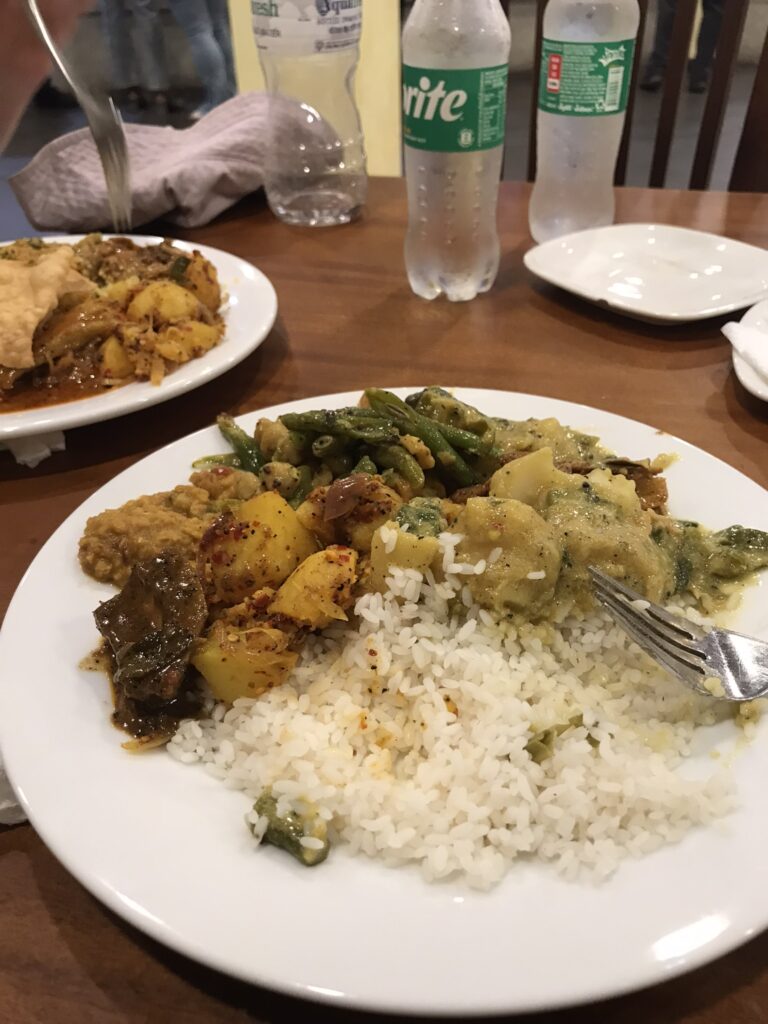
Buffet curry at Ruhunu Foods
Activities
Guruwalk – a good introduction to any city, this Guruwalk was pretty extensive, covering the Cinnamon Gardens neighbourhood through to the Gangaramaya Temple and Gangaramaya Seema Malaka (lake temple), then taking a bus to Pettah to see the Jami-Ul-Alfar Mosque, Pettah Market. The guide was informative on pretty much every topic including history, botany, politics and religion – we learned that you’re not supposed to cut down a Bodhi tree if it sprouts up in your garden; a Buddhist shrine is created there instead. Highly recommended for a first day activity in Colombo. Make sure to tip your guide fairly!
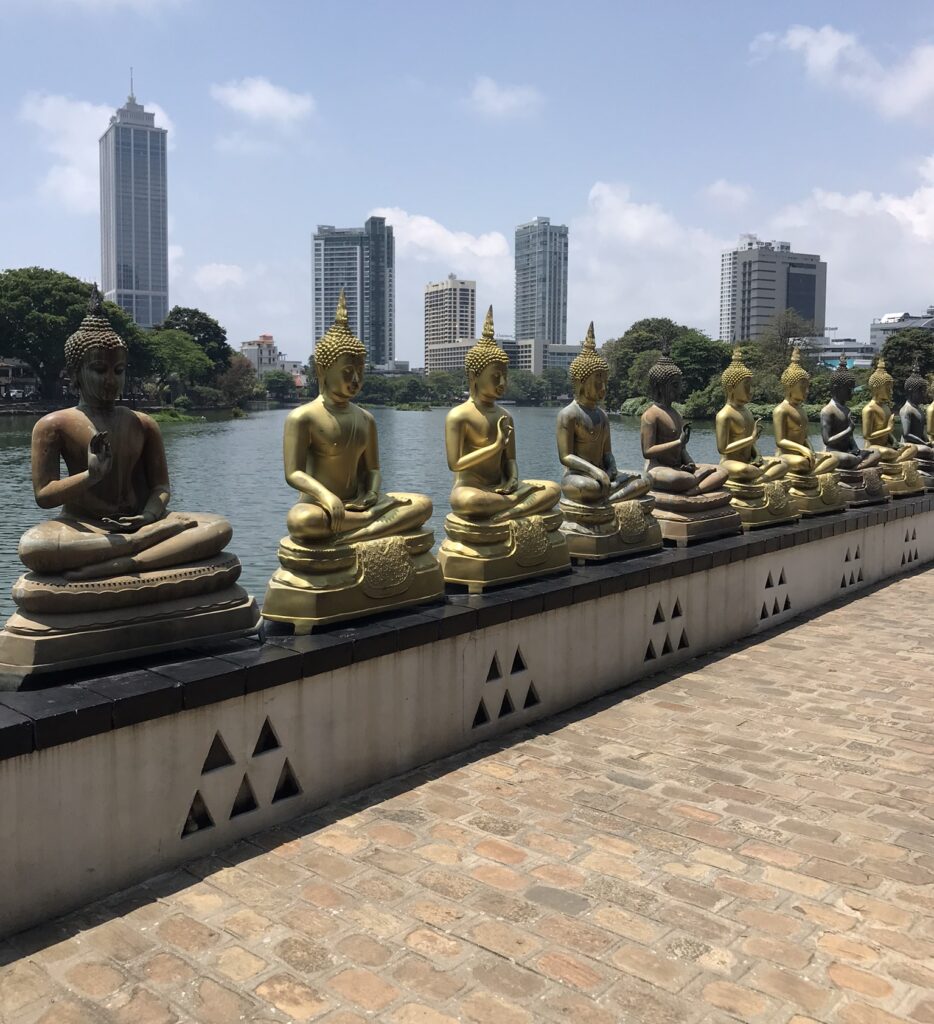
The Seema Malaka temple is a highlight – a contrast of tradition and modernity
Fort – we had a quick wander around the Fort neighbourhood, which is easy to explore on foot and contains many important colonial-era and modern buildings. To get there we took the local train from Maradana station to Secretariat Halt. Highlights include the Old Parliament House, the Grand Oriental Hotel, St. Peter’s Church (located to the side of the Grand Oriental Hotel, we were shown how to use the old-fashioned wafting mechanism by the kind rector), Khan Clock Tower, the President’s House and Presidential Secretariat, prison cell of King Sri Wickrama Rajasinha (located in the car park of the Ceylinco House building, this small structure which is easy to miss holds great importance as it is said to have held the final king of Sri Lanka before his deportation following the conquest by the British), Cargills original store and Sri Lanka’s World Trade Centre.
It doesn’t look like much but this yellow structure in a random car park is said to be the prison cell of the final king of Sri Lanka following the conquest by the British – a key part of the island’s history
National Museum – located close to Viharamahadevi Park, a wide range of items are on display, from historical religious sculptures to interesting tribal masks. We spent a good amount of time in the museum and found it to be worthy of its status as a national museum. The downside was that the building has no air-con – inside was way too hot!
After Sri Lanka, we headed back to Chennai! For more South Asia content, check out my destinations and itineraries page!