Japan is a place like no other, with enough culture, history, food, nature and scenery to last a lifetime. Check out my Japan travel blog below!
Sapporo, Otaru, Hakodate, Aomori, Hirosaki, Morioka, Hiraizumi, Sendai, Yamadera, Matsushima, Tokyo, Kamakura, Manazuru, Matsumoto, Takayama, Shirakawa-go, Kanazawa, Osaka, Nara, Ikaruga, Kyoto, Kobe, Himeji, Okayama, Kurashiki, Onomichi, Hiroshima, Iwakuni
This article is pretty long – we have visited a lot of places in Japan! Click the links above for more detailed information!
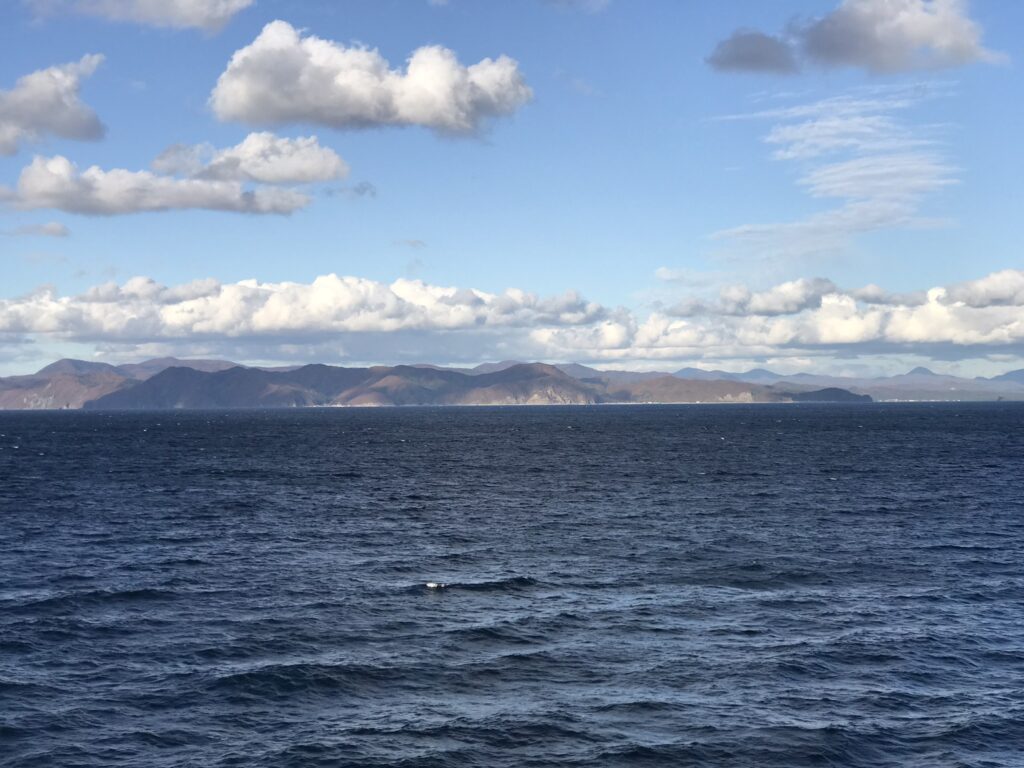
Honshu island as seen from the Tsugaru straight
The Japanese archipelago consists of 4 main islands – these are Hokkaido, Honshu, Shikoku and Kyushu. Surrounding them are countless smaller islands, including the southern island group of Okinawa. The central and largest island of Honshu is considered to be the ‘main island’ of Japan, the heartland of the country and home to the largest cities like Tokyo and Osaka. Historically, the culture and population of the Japanese islands has largely been homogenous with the exception of Okinawa (formerly the independent Ryukyu kingdom) and Hokkaido. The northernmost main island of Hokkaido was known until the mid-18th century as Ezo – a barren, snowy landscape which was generally ignored by the Japanese. Hokkaido was home to the Ainu people – the only indigenous group officially recognised in Japan, although very few ‘full Ainu’ people (i.e. both parents are Ainu) remain today. Having only been developed from the mid/late-1800s onwards, Hokkaido still retains a wild, frontier-type feel which is quite different to the rest of Japan.
The remainder of the Japanese islands have a rich history and culture dating back thousands of years. Japanese history is usually broken down into distinct eras or ‘periods’. The earliest is the Jomon period (14,000BC~300CE), where hunter-gatherer tribes began to form sedentary villages with the development of a hierarchical culture. This was followed by the Yayoi/Kofun and the Asuka Periods (around 300BC~700CE), which saw the development of rice farming and the introduction of Buddhism and other cultural aspects from the Chinese and the Korean peninsula. The foundations of modern Japanese culture began to develop in earnest during the Nara and Heian Periods (700~1185CE), when a permanent capital city was established first in Nara and then in Kyoto under the rule of the Emperor of Japan. The Kamakura Shogunate (1185-1333 CE) saw the rise of a military dictator known as the shogun, who took de facto control of the country with the Emperor retaining a ceremonial role, as well as the development of the powerful warrior class known as the samurai. This was followed by the Sengoku or ‘Warring States’ period, in which various factions vied for control, before the nation was reunited under the Tokugawa Shogunate in what became known as the Edo Period (1603-1868) – a time of peace and prosperity under a regimented system of feudal lords, in which Japan adopted a strict policy of isolation and seclusion from the rest of the world. The Edo Period ended when power was restored to the Emperor of Japan in what was known as the Meiji Restoration, ending the isolationist policy and sparking the rapid development and modernisation of the country. The modern period of Japan, following the nation’s defeat after heavy bombardment at the end of World War 2, has seen the nation literally rise from the ashes with a transition to democracy which has been marked by extreme societal development and economic prosperity. Today, Japan is considered to be one of the most developed nations in the world, a global economic and cultural powerhouse.
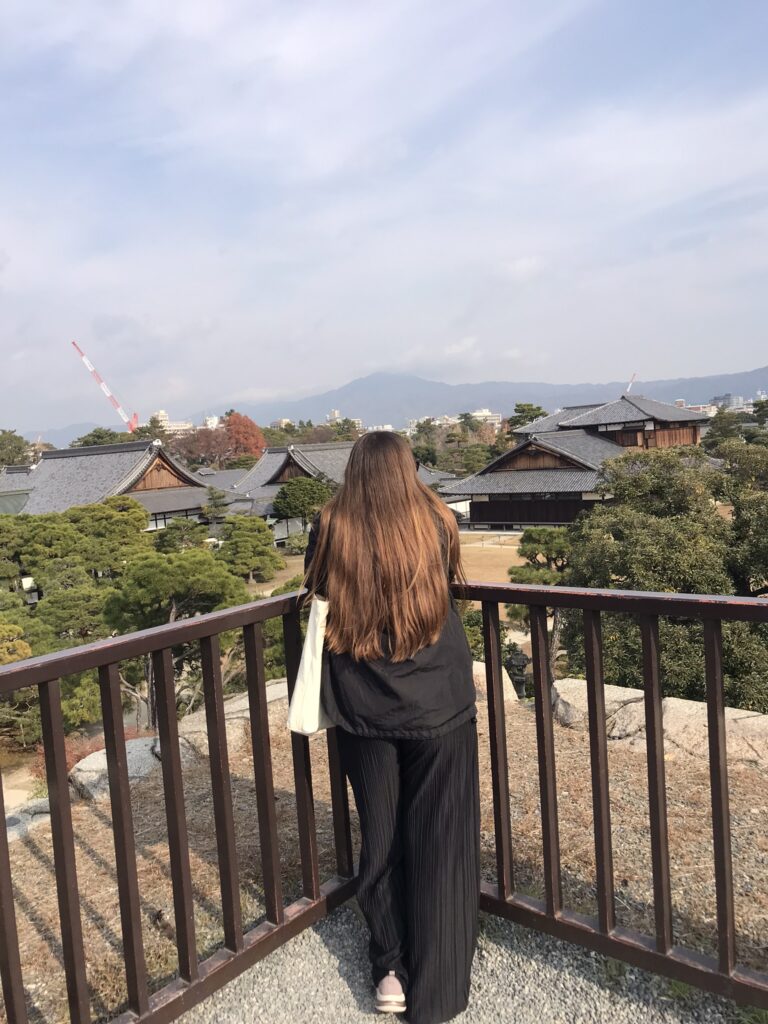
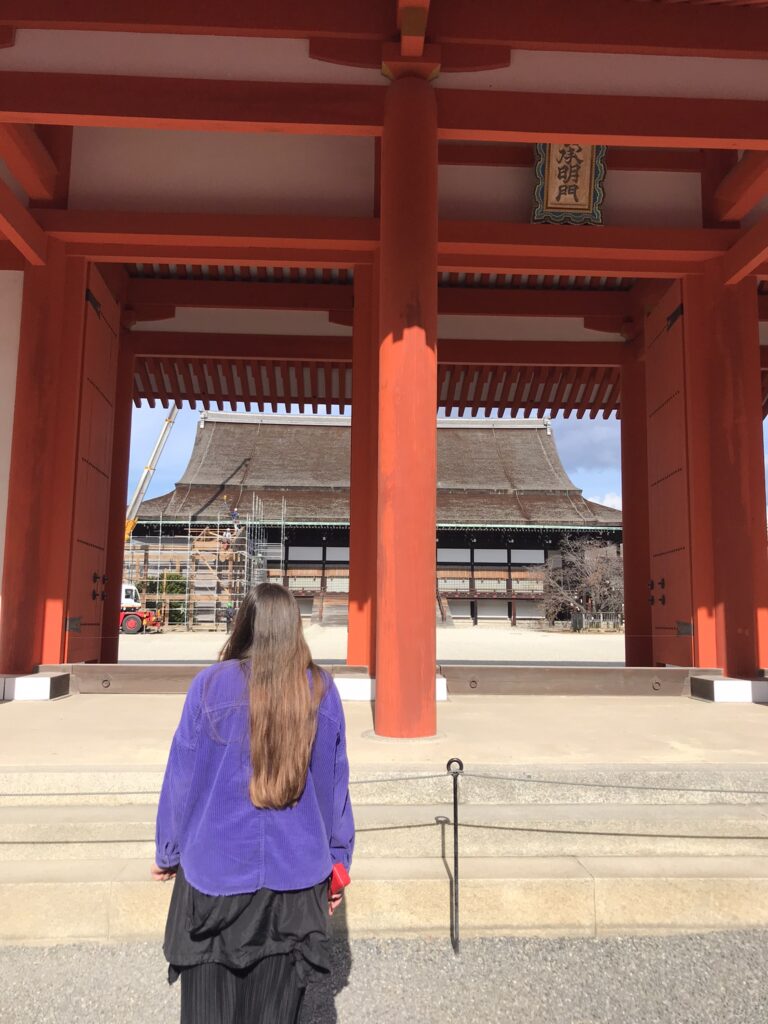
Official residence of the last Tokugawa Shogun (Nijo-jo in Kyoto) and the Imperial Palace in Kyoto. Both featured heavily in the final days of the shogunate.
Within Japan, the modern (post-Meiji) period is broken into different eras which correspond to the reigns of the various Emperors. For example, you may often hear references within the country to the ‘Showa era’ – this is the reign of Emperor Hirohito, so corresponds to the period between 1926 and 1989. Japanese Emperors are given ‘era names’ known as gengō, which supersede their real names following their death. Having fluctuated between direct ruling power and a ceremonial role for most of the nation’s history, today Japan’s Emperor plays a largely ceremonial role in state affairs but is still very much a revered figure in Japan. The current Emperor is Naruhito, the 126th in a lineage tracing back to the legendary Emperor Jimmu, who was said to have been descended from the most important Shinto deity, the Sun Goddess Amaterasu. This direct and unbroken line of Emperors runs back to 660 BCE, almost 2700 years! The first historically-verifiable Emperor is Kimnei, who reigned during the Asuka Period in the 6th century.
Heritage is very important to the Japanese people. Many historical elements and traditions are still preserved within the country. In Kyoto, geisha still stroll along the streets in certain areas, dashing to their next appointment in elaborate silk kimonos with their iconic white makeup. Tea ceremonies are still performed as part of a centuries old practice within a traditional tea house setting. It’s very normal to spot kimono-clad locals on public transport. Kabuki, as well as Noh, is still performed in historic theatres in much the same way as it was decades or centuries ago. Even viewing of the delicate cherry blossoms and vibrant autumn foliage is still as popular as it was hundreds of years ago. Magnificent castles from the feudal era, made entirely of wood, have been lovingly restored or in some cases fully rebuilt after being destroyed. Japan is a land constantly changing with the times but also keen to cling onto its time-honoured culture and traditional practices.
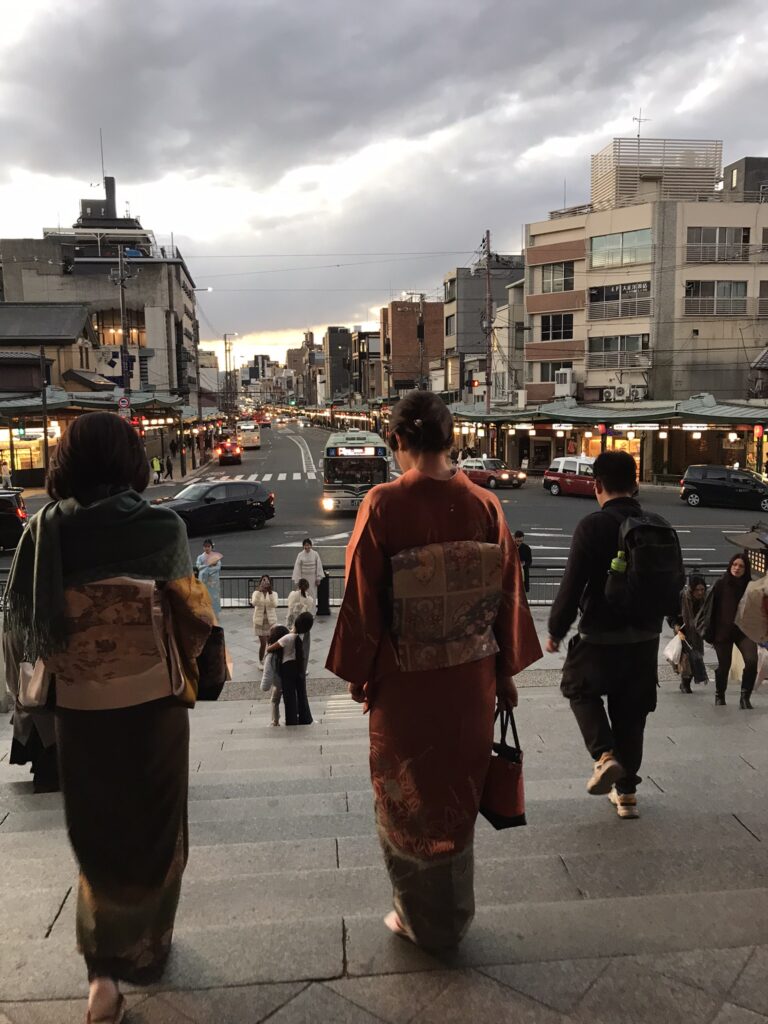
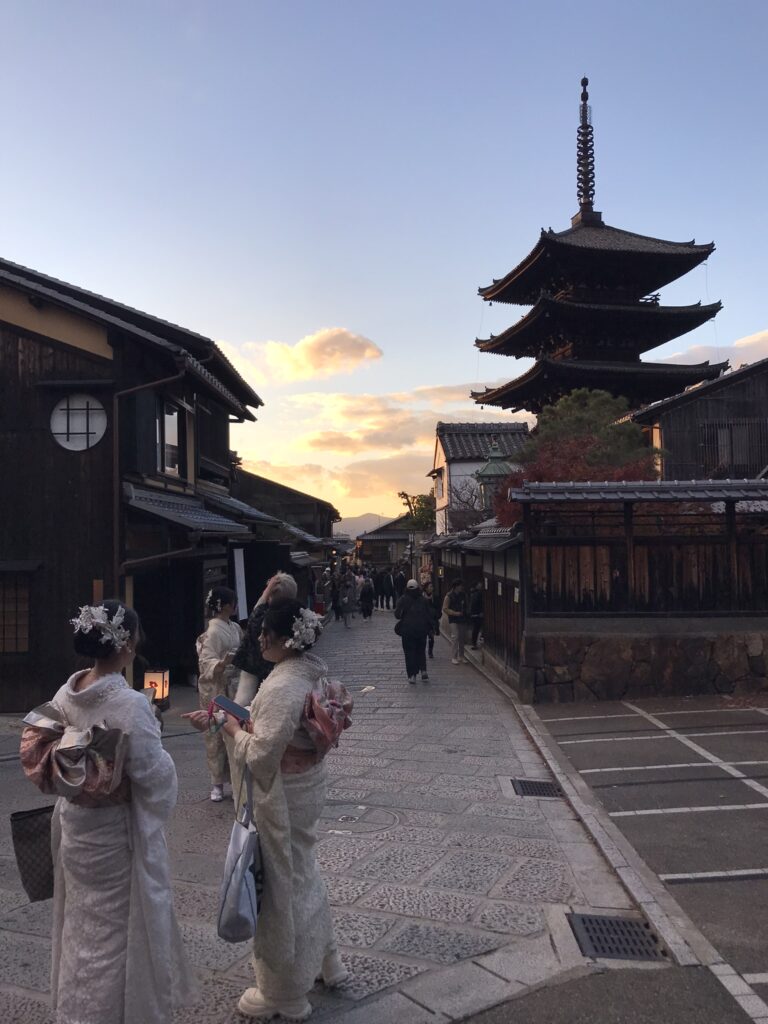
The Japanese (and foreign visitors) love sightseeing in traditional clothing
Although it later developed its own very unique culture, Japan initially absorbed much of the language and rituals from mainland China and Korea and only formed its own distinct writing script in the 9th century, having previously used the Chinese script. Confusingly for visitors, Japan currently uses not one but 3 scripts: kanji, katakana and hiragana. These scripts usually apply simultaneously, with most sentences containing a mixture of all three scripts. This makes learning how to read and write in Japanese that much more difficult. There are over 50,000 kanji characters alone, with most adults knowing between 3,000-4,000 characters for use in everyday life. Kanji characters represent concepts rather than phonetic sounds, while katakana and hiragana are phonetic scripts. Good luck if you’re planning to learn them! In all likelihood if you’re travelling to Japan you won’t be able to understand the script, so make sure you have an app like Google Translate on your phone. Luckily, Japanese is a pretty straightforward language phonetically, so once we were able to work out a translation then locals generally didn’t have any problem understanding what we were saying.
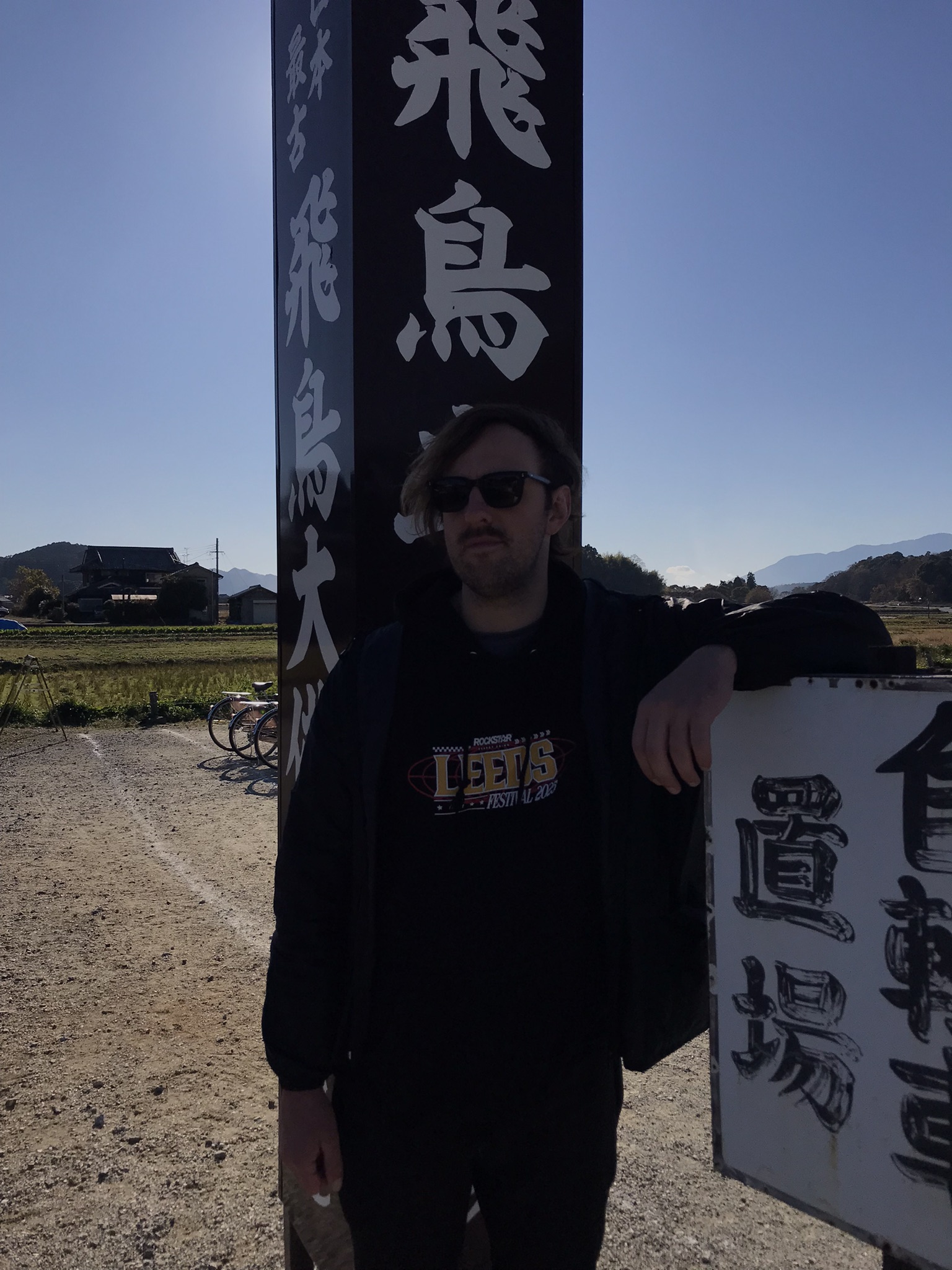
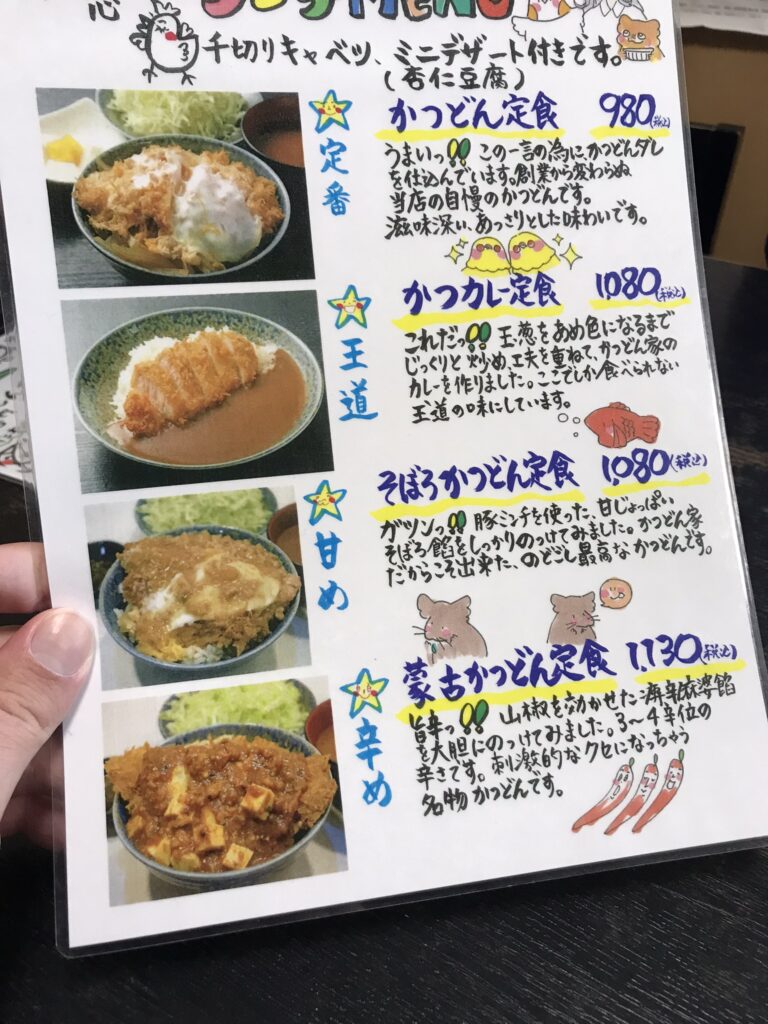
Examples of the Japanese scripts. Interestingly, the original Chinese name for Japan was ‘Wa’, which in the Chinese script can be phonetically represented by a kanji character meaning ‘submissive dwarf’. The Japanese were rightly unhappy and so the name was changed to ‘Nippon’, meaning Land of the Rising Sun.
Despite the nation’s rapid development, Japan is a land where traditions are still maintained dutifully. The Japanese mindset is quite different from many Western countries, with communal harmony being the topmost consideration alongside respect for elders, bosses and figures of authority. Social cohesion is an everyday aspect of life, from remaining silent on public transport to bowing to others as a sign of respect. Hierarchy, social harmony and duty to the group form the backbone of this mindset alongside historical homogeneity and a strong sense of shared identity. The Japanese have a strongly pacifist mindset, and are leading campaigners for nuclear disarmament as the only nation to have suffered a nuclear bombing as an act of war at the conclusion of World War 2. Japan has very low rates of crime and there is a general feeling of safety within the country. The Japanese prize orderliness, efficiency and convenience with excellent attention to detail. From the smallest towns to the largest cities, you can generally find that things work very efficiently and with a helpful, service-based approach.
Japan is a land of two halves; the ultra-modern fast-paced cities packed with apartment blocks, convenience stores on every corner and glitzy entertainment areas which stand in stark contrast to rural towns which are facing demographic issues and severe depopulation. These small towns have a slow pace and are so quiet that they almost feel like ghost towns. On the contrary, major cities are completely packed with people. Cities in Japan exist on a horizontal as well as vertical plane, with high-rise buildings and underground arcades creating hidden worlds, layers upon layers that are not immediately visible from the street. Interestingly, in Japan it’s perfectly normal to enter and freely explore high-rise buildings, which are normally multi-use. Despite the constant bustle, even the largest cities of Japan don’t really feel chaotic at all. They are ultra-clean, functional and not in any way out of control – there is an order to the madness, even if you may not grasp it straight away yourself. Public bathrooms are spotless and litter is virtually non-existent.
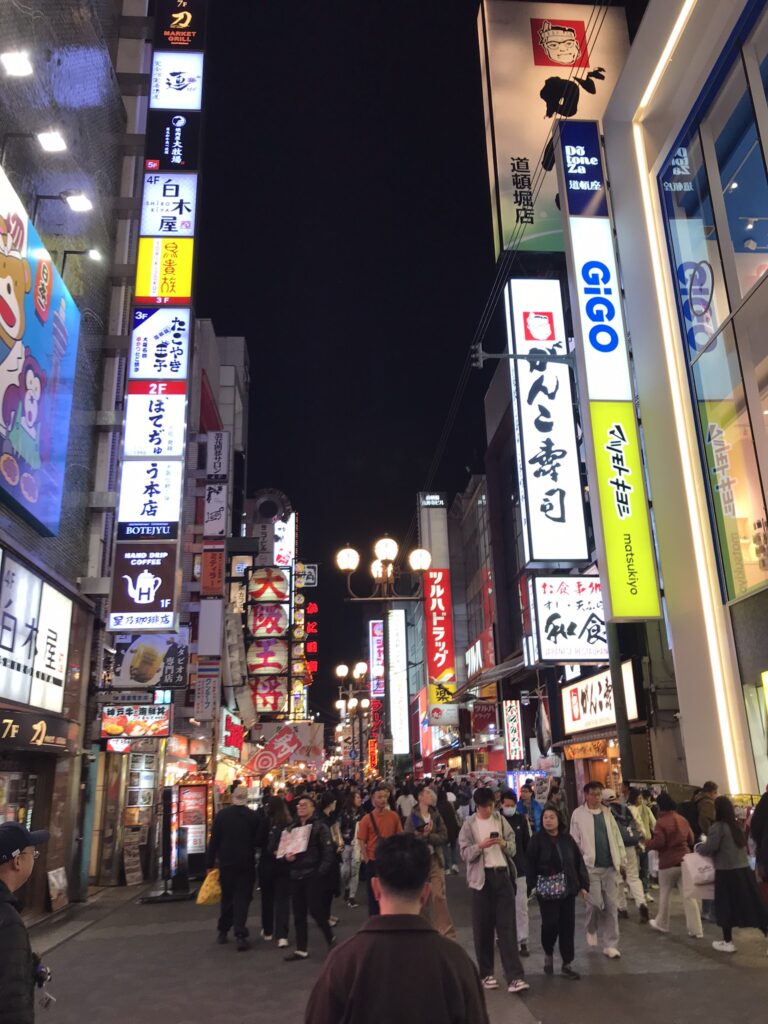
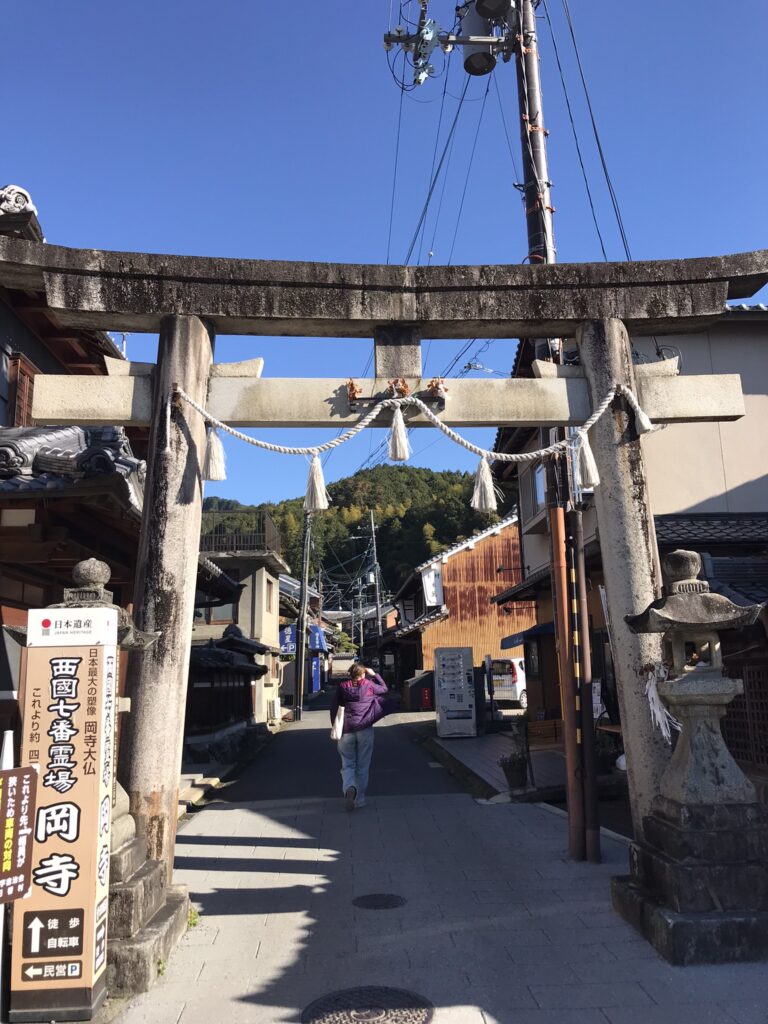
Dotonbori entertainment district in Osaka – the complete opposite of the sleepy village of Asuka
Order and rules defines being Japanese – from patiently queueing in the correct bay for trains, walking in designated routes at service stations or patiently waiting to cross the street at pedestrian crossings, even when no cars are visible – all things that we got wrong and first but grew to appreciate. Paradoxically as Japan is ultra-clean, we really struggled to find litter bins in the country. The Japanese are taught to take their garbage home with them, meaning we often ended the day with pockets full of plastic wrappers. Convenience stores usually do have bins, so it’s a good idea to dispose of your rubbish there if you can.
During the 20th century Japan developed into a global cultural heavyweight, with exports including video games, anime and manga, Pokemon, samurai and ninja movies, origami and all things kawaii (cutesy). Without Japan, the modern world would culturally be a very different place. As a result of this, Japan has become a prized tourist destination and a bucket-list trip for many people. Domestic tourism is also exceptionally popular within Japan, and you can find extremely developed tourism infrastructure throughout the country. While some of the typical tourist hotspots around Tokyo and Kyoto can be overcrowded, the county is so rich in culture and sights that there are almost infinite opportunities to get off the beaten track.
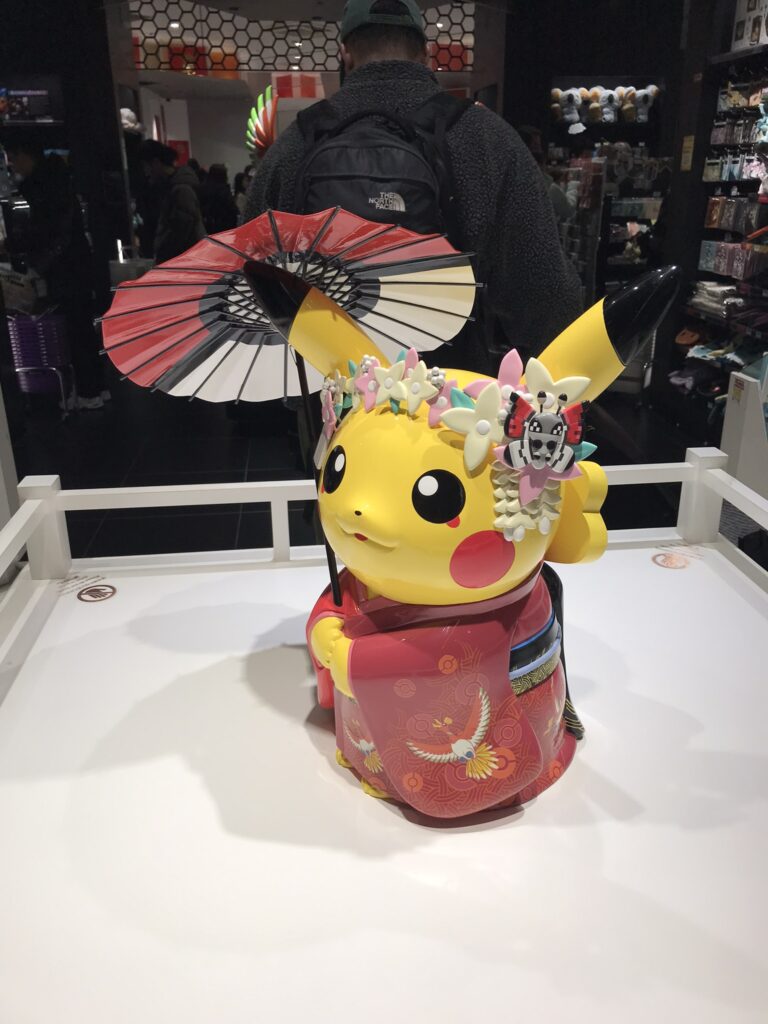
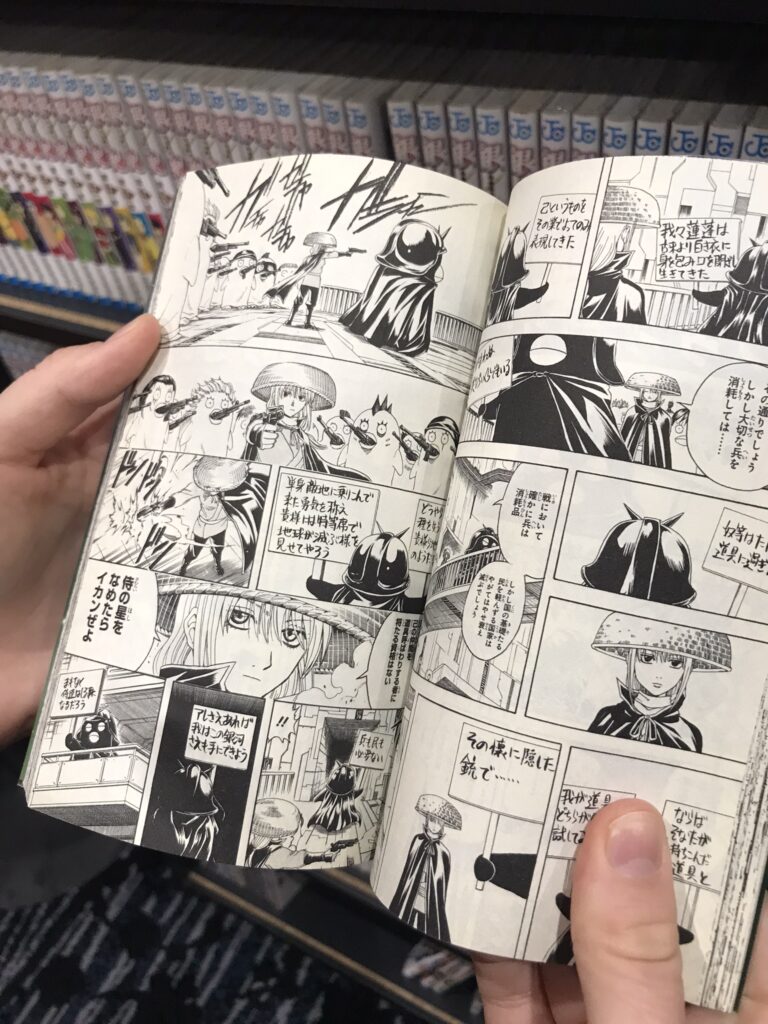
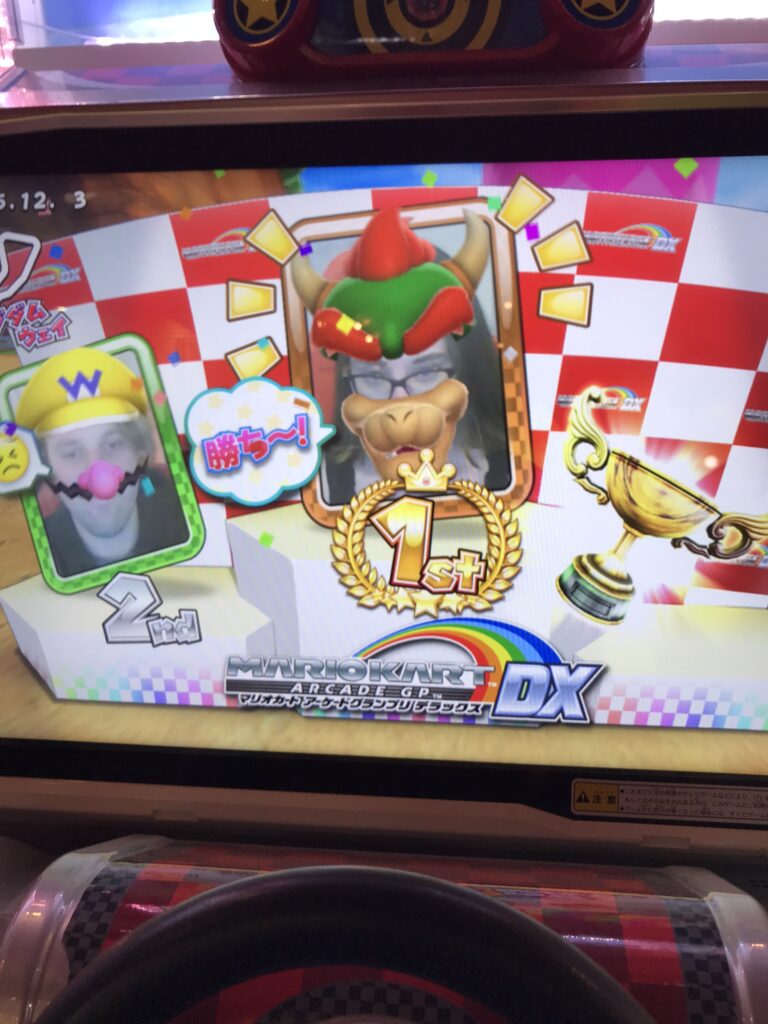
Pokémon, manga and Mario Kart are just some examples of Japanese culture gone global
We found that Japanese people tend to be more on the shy side when approaching foreigners and speaking English. They also seemed to be very reserved people in general, who mainly value privacy and quiet. We spotted quite a few commuters on the metro who were using book covers so other people couldn’t see what they were reading. There is a noticeable trend towards dining alone – in many ramen joints and other restaurants we spotted an overwhelming amount of Japanese dining solo. Some places even had partitions in place so lone diners had privacy. Dining out is not necessarily a social activity. The Japanese seem to be very comfortable in their own company.
Another facet of modern Japanese cities is the gaudy entertainment districts, which stand at odds with the otherwise-reserved image of the Japanese. Typically every big city has an entertainment district. Expect to be blasted with glaring neon lights, packed crowds especially after work hours and at weekends, massive billboards reaching into the sky, karaoke bars, izakayas, hostess bars and all manner of eateries, both casual and upmarket. Some of these places have charming names, such as Piss Alley in Tokyo. ‘Hostess bars’ are a quirk of these districts – bars at which the server is the main attraction, with patrons obliged to speak, interact and develop a rapport with them. These can cater either to men (at ‘girlfriend bars’) or women (at ‘boyfriend bars’). It’s impossible not to spot the numerous glossy posters featuring photos of all the guys or girls at each venue. It’s interesting in that there isn’t necessarily a sexual element to these places (mostly) – it’s purely about being able to talk to a person (usually very good-looking) that they might otherwise not be able to. The vast majority of these places are not foreigner-friendly, however you may be able to find somewhere in Tokyo or Osaka that welcomes foreigners – usually being able to speak English is an additional skill for hosts.
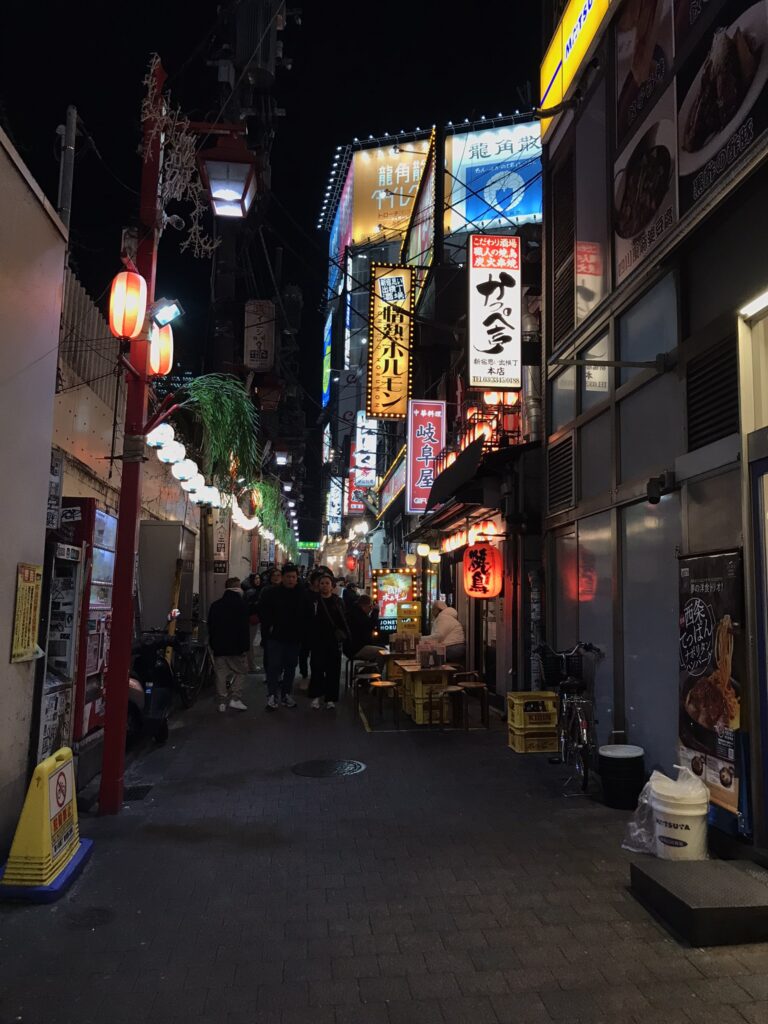
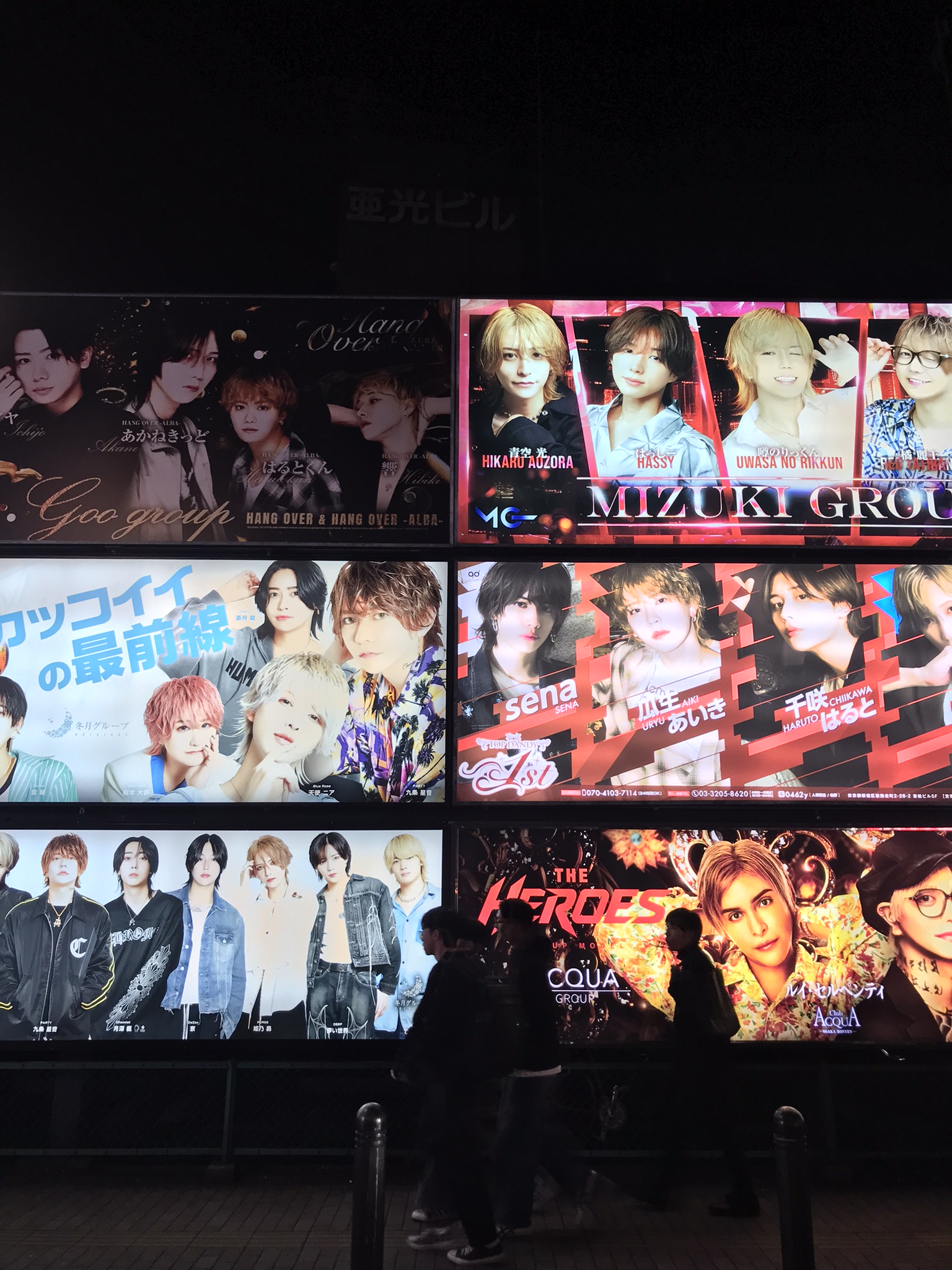
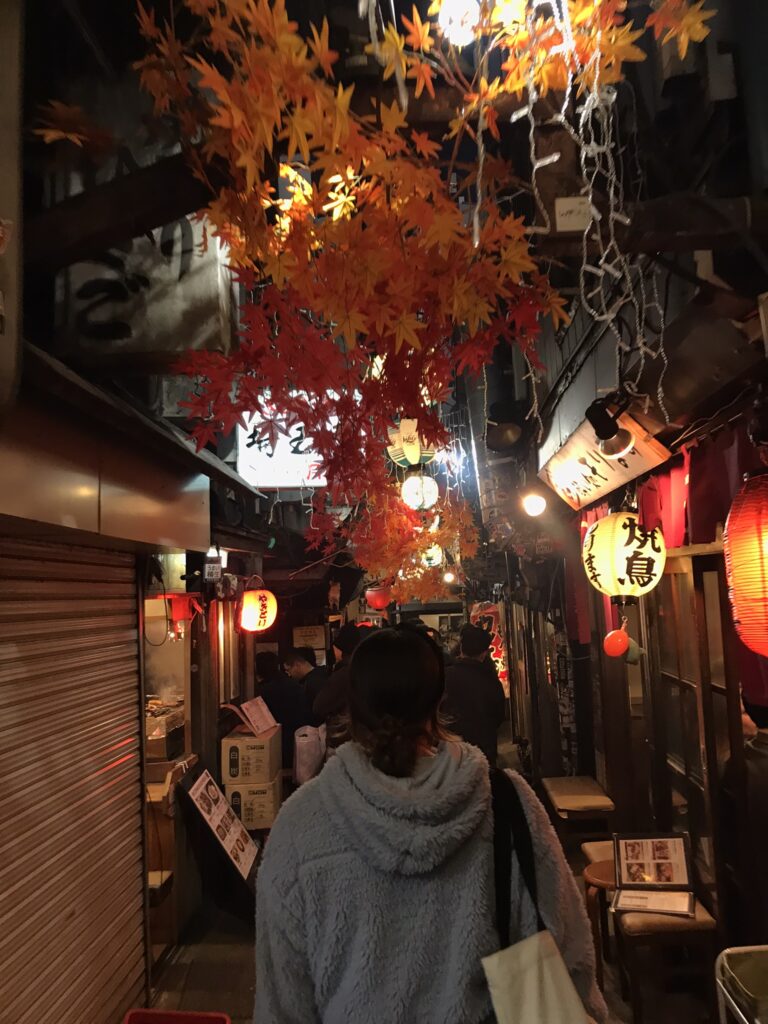
There are many hostess bars and advertisement posters in districts like Shinjuku, Tokyo
Japanese food is exceptionally popular across the globe: think sushi, katsu, ramen and udon noodles. Within Japan there is an incredible array of food; each city has its own speciality and take on popular dishes, such as ramen. For example in Sapporo, miso ramen is favoured whilst in Hakodate it’s all about salt ramen. As Japan has an extensive coast, fish and seafood are key components of their diet. You’ll find a mind-boggling array of seafood delights at the fish markets in Japan. Seafood bowls are incredibly popular in coastal regions, usually topped with bright orange salmon roe. The Japanese diet is considered to be one of the healthiest in the world, mainly consisting of rice, fish, soup and vegetables. Meat is usually limited to a small cut of pork. There are a range of options to suit all budgets in Japan, from $1 conveyor belt sushi joints to multi-course omakase at the Michelin star sushi restaurants costing upwards of $100 per person. Many Japanese live in small apartments without a fully-equipped kitchen, so eating out or grabbing a bento box (ready meal) to reheat at home is a daily necessity. In many of the hostels and guest houses we stayed at it was rare to find an oven; they’re usually equipped with a hob, rice cooker and microwave.
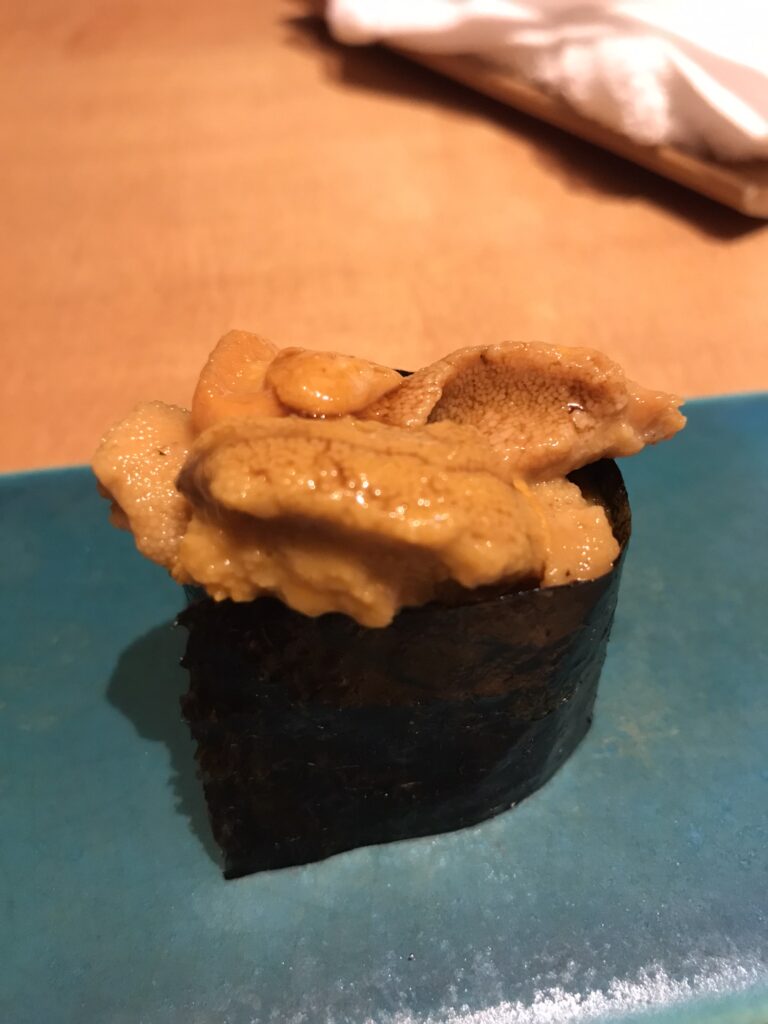
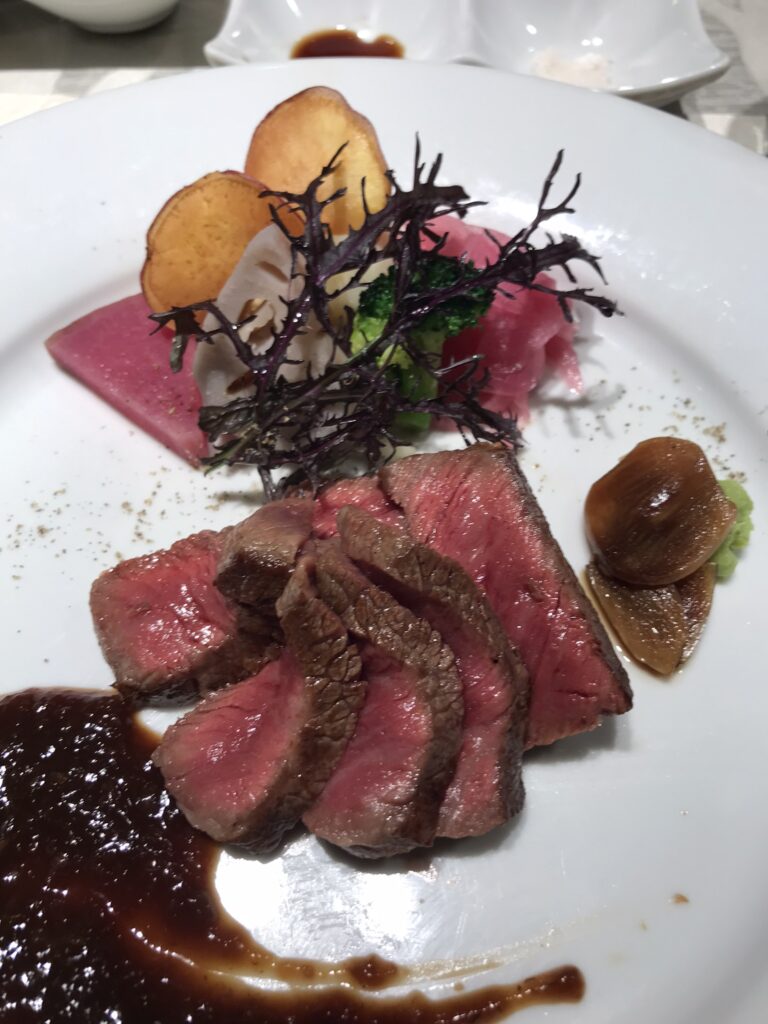
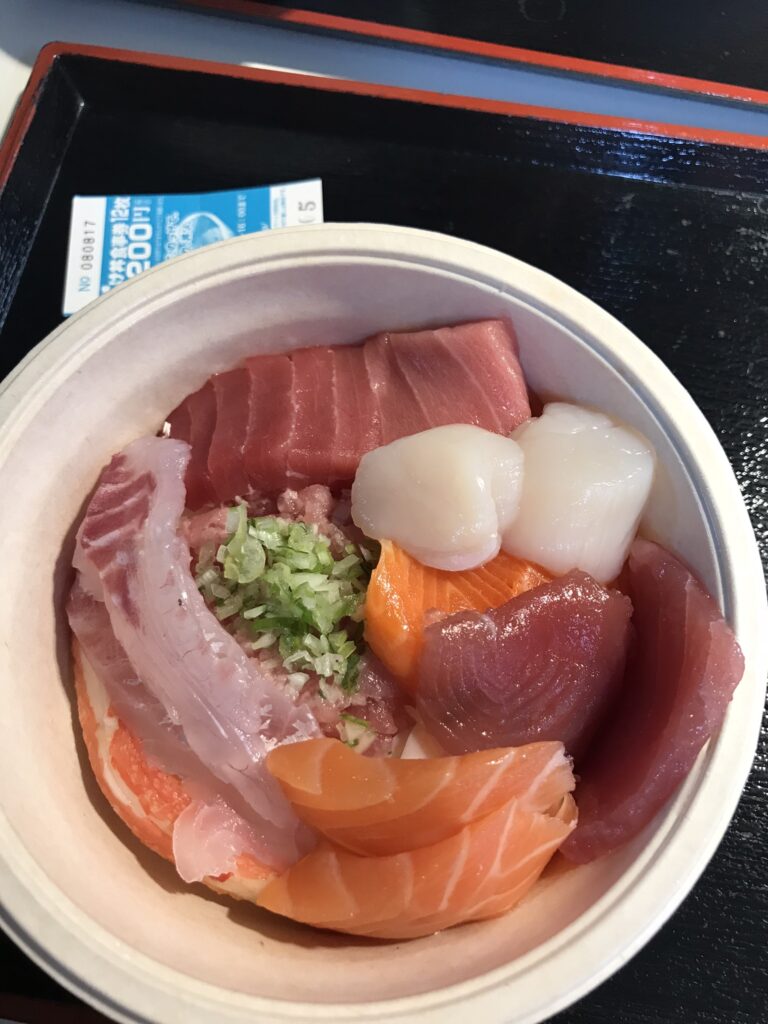
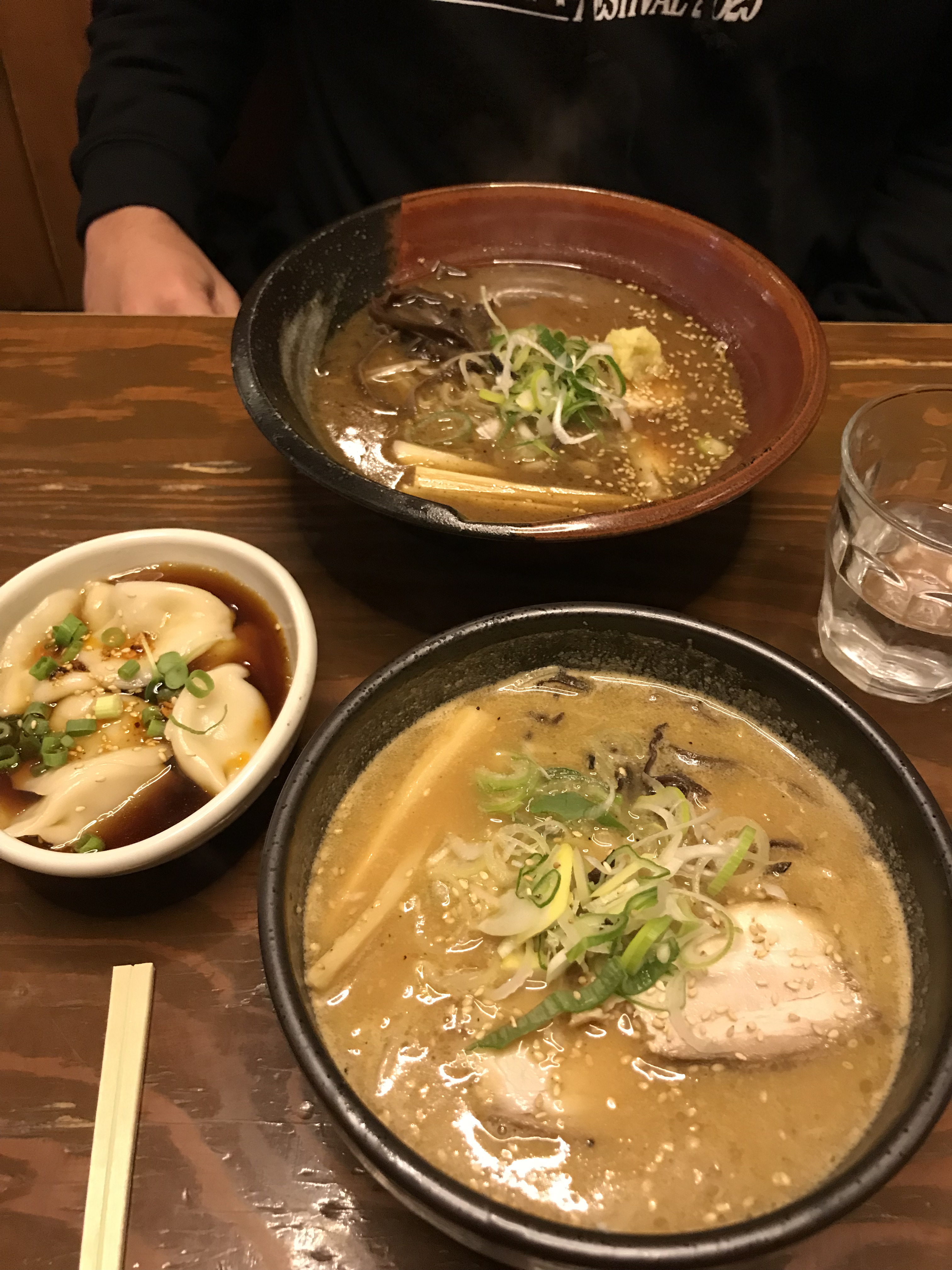
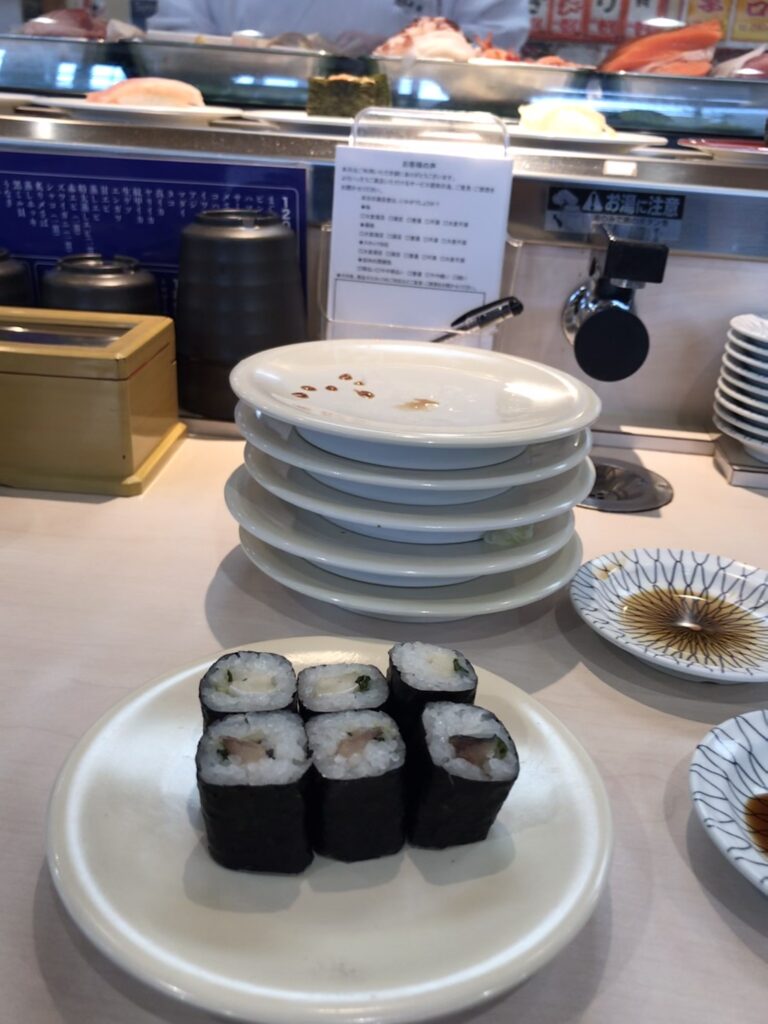
From Michelin-star sushi in Osaka to $2 sushi at a conveyor sushi joint in Morioka, a fresh seafood nokkedon bowl in Aomori, speciality miso ramen in Sapporo and high-grade Kobe beef in Kobe – Japan has such an array of foodie options
Restaurants in Japan are often marked by draping noren curtains hanging outside. The process of actually ordering food can vary from place to place – orders might be placed via a vending machine, there might be a traditional style table service with a waiter or you may need to use a screen. Many restaurants have either photos of the food on the menu or an English menu available. We found that if there was an English menu available, the place was generally set up and welcoming of foreigners. If no English is available, it’s more for locals and you may need to brush up on your Japanese and be confident enough to go with the flow or face a tough time. We managed to order successfully in plenty of Japanese-only places, although in general we did find it easier to stick to the places with English or photos on the menu, even if it meant paying a little more. Sometimes the menu in restaurants doesn’t include the tax, sometimes it does. There is a strict policy of no tipping at restaurants – it is considered to be rude in Japan!
There are so many excellent restaurants in cities that it can quickly become a quagmire when searching for a place to eat. My best advice is to look for a highly-rated specific type of place near to where you’re staying or sightseeing such as ramen, tonkatsu or sushi. The amount of restaurants within certain areas can be mind-blogging so it’s best to be specific about what type of food and price range you’re looking for. We always use Google Maps, as you can filter for price and highly-rated places in specific areas on the map.
The izakaya, similar to a tavern or pub in other countries, is a homegrown institution in Japan where friends and colleagues can gather after work and put the world to rights by guzzling high-balls (whiskey lemonade cocktails), sake or shochu or more beer than could down a bear. They’re places to take off your tie (and sometimes shoes) and socialise in an often lairy and boisterous atmosphere. Usually izakayas are designed for locals only and may not be set up for outsiders, although this is not always the case – we experienced a particularly lively and welcoming izakaya in Aomori. For budget conscious travellers, be mindful that izakayas often charge patrons between $4-8 per person as a standing charge known as a ‘cover charge’, which is basically a service charge. As well as serving drinks, izakayas often serve snacks and also meals in some cases. Izakayas come in all shapes and sizes, from 5-seat joints to much larger places with tables as well as bar seats. Some of the smaller places are operated by a single staff member, who somehow manages to whip up tasty morsels and drinks as well as being a shoulder to cry on and high-ball extraordinaire. Izakayas aren’t the place to go if you want a quiet meal as the noise level can quickly rise matching the drunkenness of the other patrons.
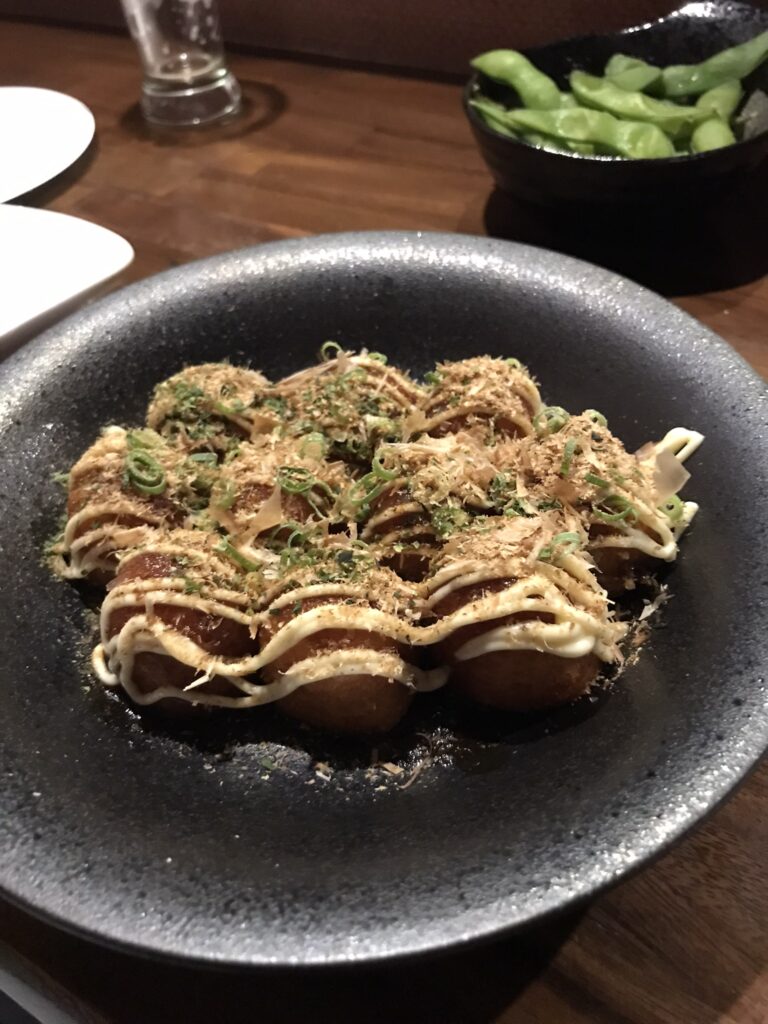
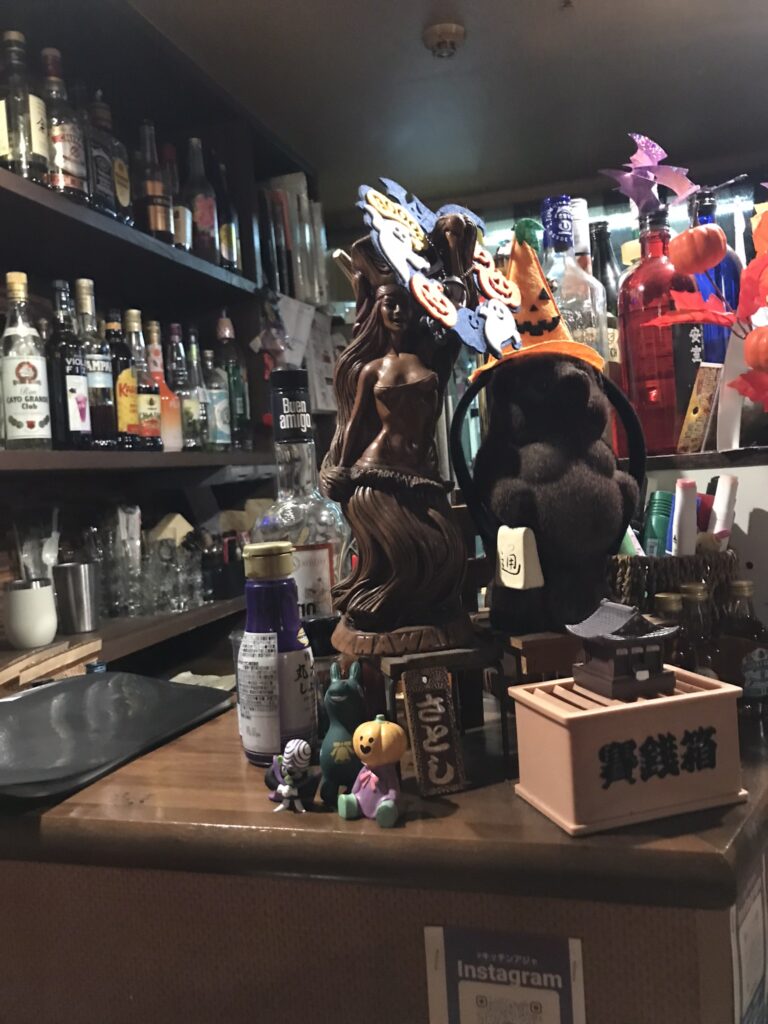
Standard izakaya fare (takoyaki) and interior – Aja in Aomori
An omnipresent facet of Japanese settlements large and small, konbinis (convenience stores) are a light in the darkness for students, busy workers on the go and wide-eyed tourists. With instantly recognisable facades and 24-hour opening times, they are the all-in-one store for microwavable-ready meals, sandwiches, baked goods, snacks, and drinks alcoholic and otherwise. The top names which can be found throughout the country are FamilyMart, Lawson and 7-Eleven. These are the emblems of convenience; staff offer to microwave meals in the store, provide chopsticks, eating utensils and hand-wipes. Some stores even provide space to consume meals and drinks. Konbinis are not like convenience stores in other countries as they often have ATMs, scanning/printing services and the ability to purchase tickets for concerts, events and attractions. The stores can serve as refuges for vulnerable people and staff are trained for emergency or disaster situations. 7-Eleven has fee-free ATMs for foreigners in every branch throughout the country, making cash withdrawals a breeze.
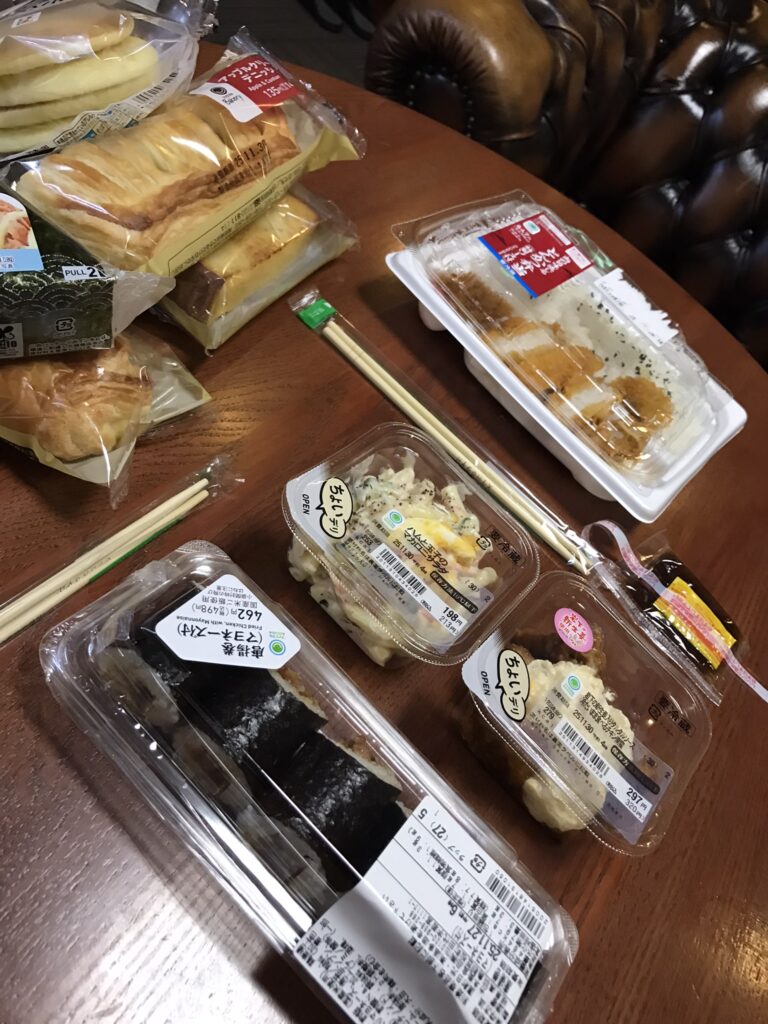
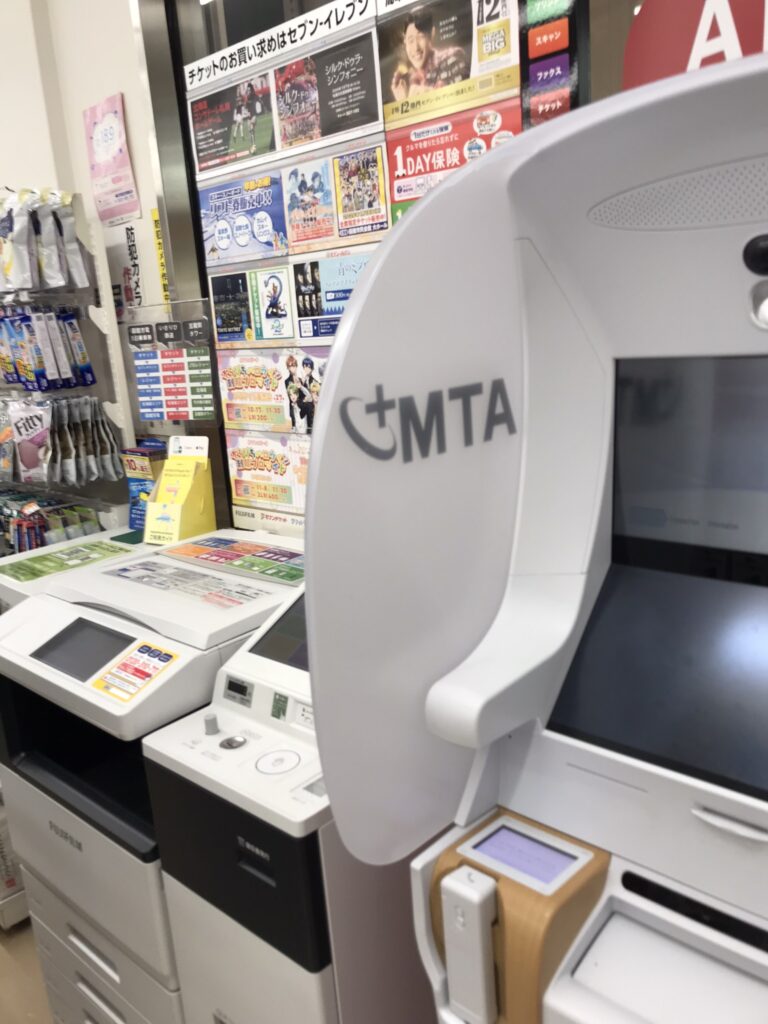
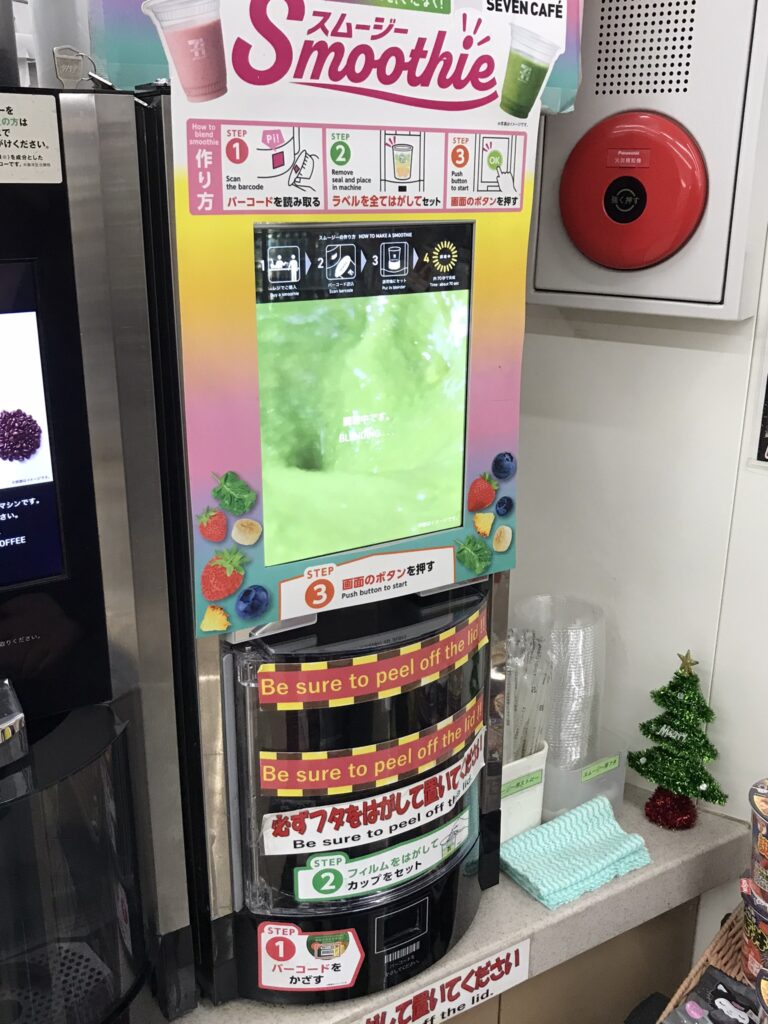
A ‘konbini’ dinner, cash from an ATM, tickets for all manner of events as well as smoothie maker are just a few things you can pick up from these one stop shops
Religion in Japan is also quite different from other countries and can be very confusing for outsiders. Contrary to popular perception, the Japanese are deeply religious as a people. It is common for Japanese people to believe in both Shinto and Buddhism – these two religions co-exist in the Japanese psyche and are not necessarily separate from one another, a concept known as syncretism. The amount of shrines and temples, Buddhist or Shinto, great and small within Japan is mind-boggling. In Kyoto alone there exists around 2,000 shrines and temples.
Shinto is an indigenous Japanese religion based on the worship of nature spirits called kami, as well as historical figures, exceptional people or events, deceased family members and everyday objects. Shinto is said to be a religion of ‘8 million Gods’. In other words, there are countless divine entities with no real limit on what can be incorporated within the religion. Shinto shrines are marked out by huge torii gates at the entrance. Sometimes painted red, they symbolise the boundary between the human world and the kami spirit world and it’s common for practitioners to bow before passing through the torii. Another notable feature of shinto sites are shide, which are zigzag-shaped paper streamers attached to shrines and torii gates which mark out holy spaces. We found it fascinating that the inside of shinto shrines are empty spaces lacking any icon or statue of worship from the Western perspective, as the kami are formless. Interestingly Shinto has no founder or official holy book and is said to have evolved organically through the ages. Temples and shrines are run by monks as independent entities, so often have slightly different customs. Many historic shrines are also tourist attractions with entrance fees. There is a very specific ritual associated with shinto shrines, which all adherents perform when praying: clapping twice and bowing deeply twice, making a wish and then finally bowing once. It’s common for believers to offer a coin before doing this and ending the ritual by ringing a bell. Praying at the various shrines and making a monetary offering is said to bring good fortune or a specific blessing.
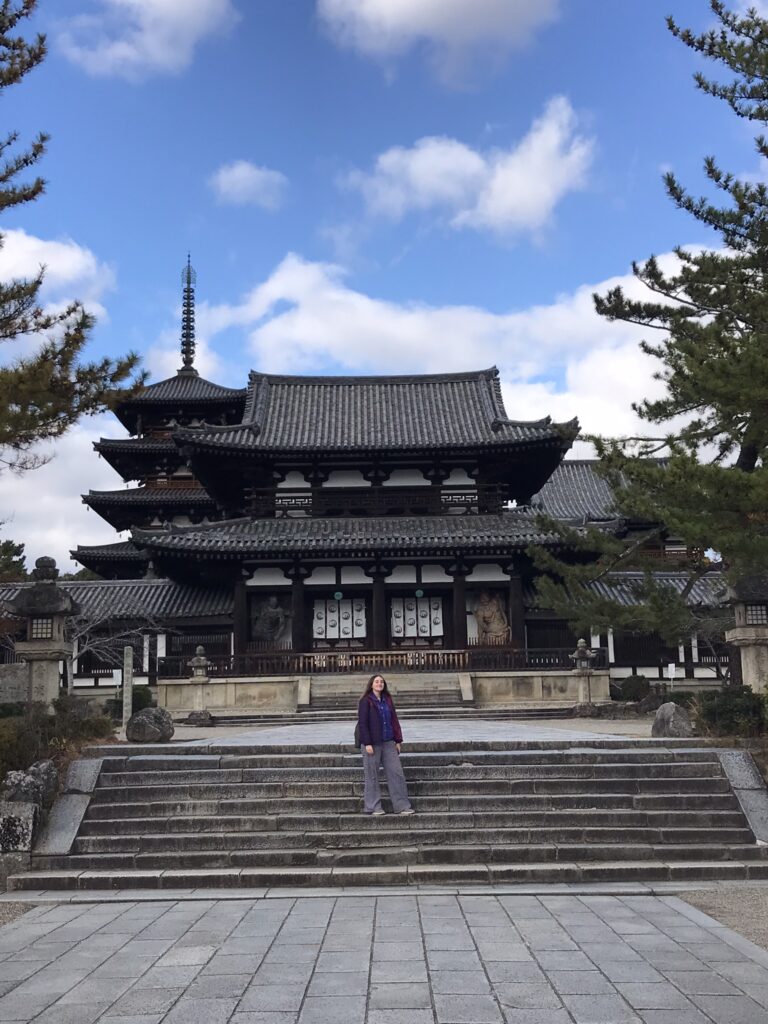
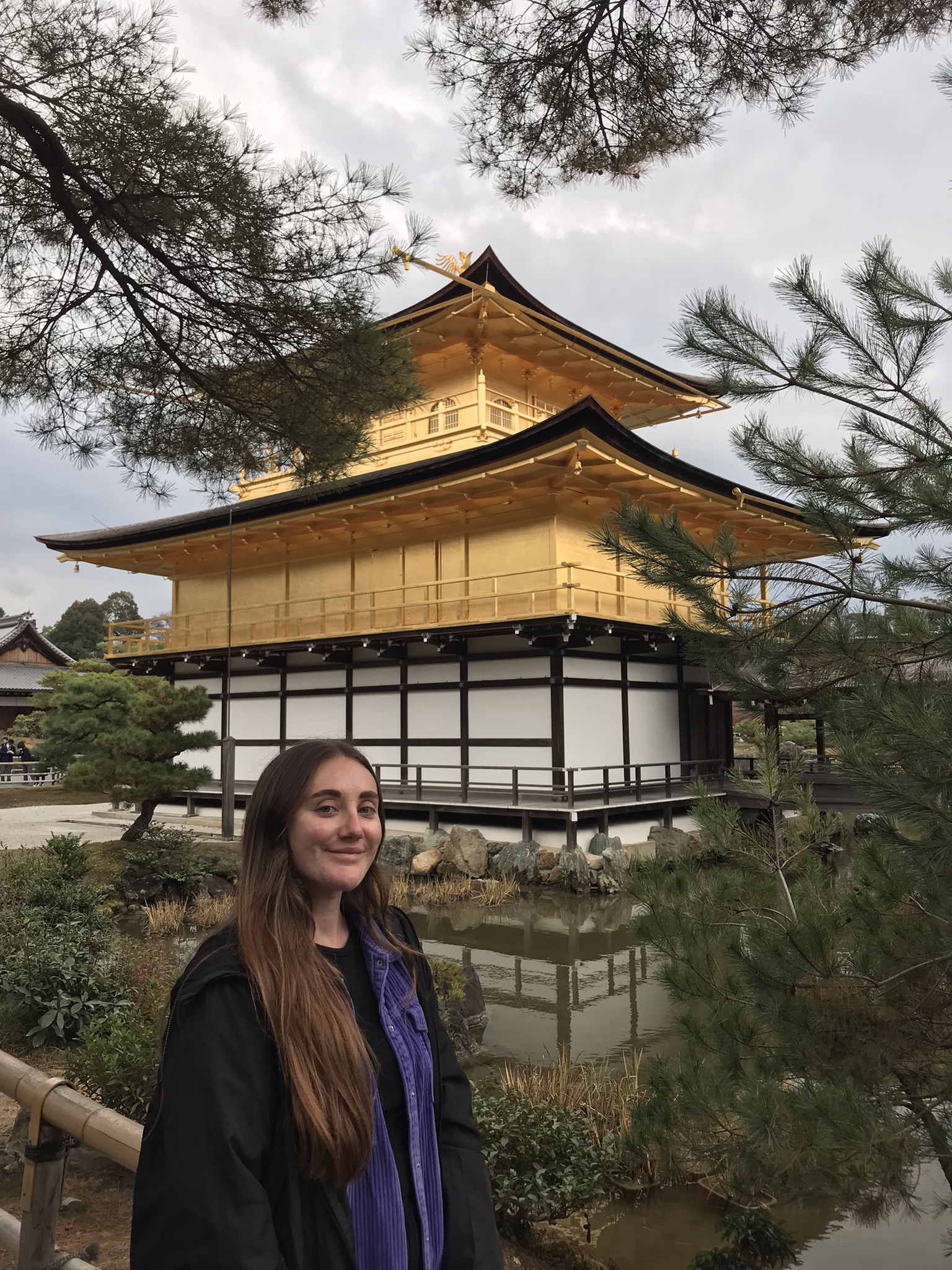
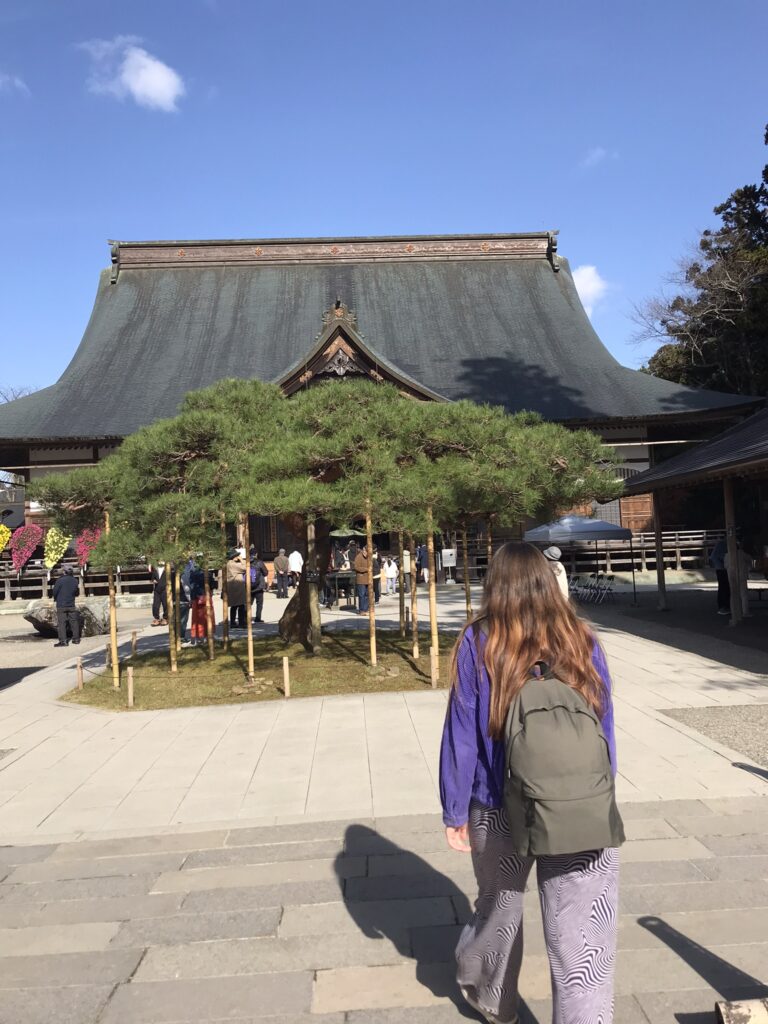
Horyu-ji, Kinkaku-ji and Chosun-ji are some notable examples of ancient Buddhist temples in Japan
Buddhism was imported from mainland China via Korea in the Asuka period (6th century CE). There are some incredibly old Buddhist temples in Japan such as Horyu-ji in Nara Prefecture, Todai-ji in Nara, Senso-ji in Tokyo and Kinkaku-ji in Kyoto. Buddhism in Japan is divided into various sects, with some of the major sects being Tendai, Jodo (Pure Land Buddhism) and the famous Zen. Some interesting distinctive features that we spotted were the very-scary looking guardian figures at the entrance to the temples, often stamping on demons to symbolise the fight against ignorance and evil. We found that it was common to encounter depictions of some very Hindu sounding deities like Indra, Sarasvati, Brahma etc., as well as a prevalence of figures related to the bodhisattvas Kannon and Jizo.
We were told that it’s quite common for more traditional Japanese households to have both a mini shinto and Buddhist shrine. Another unique aspect is that shinto shrines and Buddhist temples are often in very close proximity to one another, sometimes side-by-side with worshippers going to both. It can sometimes be difficult to tell which is which – we saw shinto prayer rituals being performed at what we thought were Buddhist temples on many occasions (and on one occasion we saw a Western tourist being told off by monks for trying to perform a shinto prayer ritual at a Buddhist temple). Worshippers at temples and shrines in Japan can purchase souvenirs to remember their visit, such as amulets (omamori), fortune telling slips (omikuji) and goshuin, which are elaborate stamps which can only be stamped in special books. Collecting goshiun stamps from the various temples and shrines is very popular amongst domestic Japanese tourists.
Japan is struggling with demographic issues surrounding an aging population. The country has some of the lowest birth rates in the world; Monaco is the only other country with lower birth rates than Japan. With an aging population comes social issues, such as increased healthcare costs, not enough new workers entering the job market to sustain growth, pension payments and the costs of running the country, more care workers to look after the elderly, loneliness amongst elderly people and the mass migration of young people to cities with services being cut in rural areas where the elderly remain.
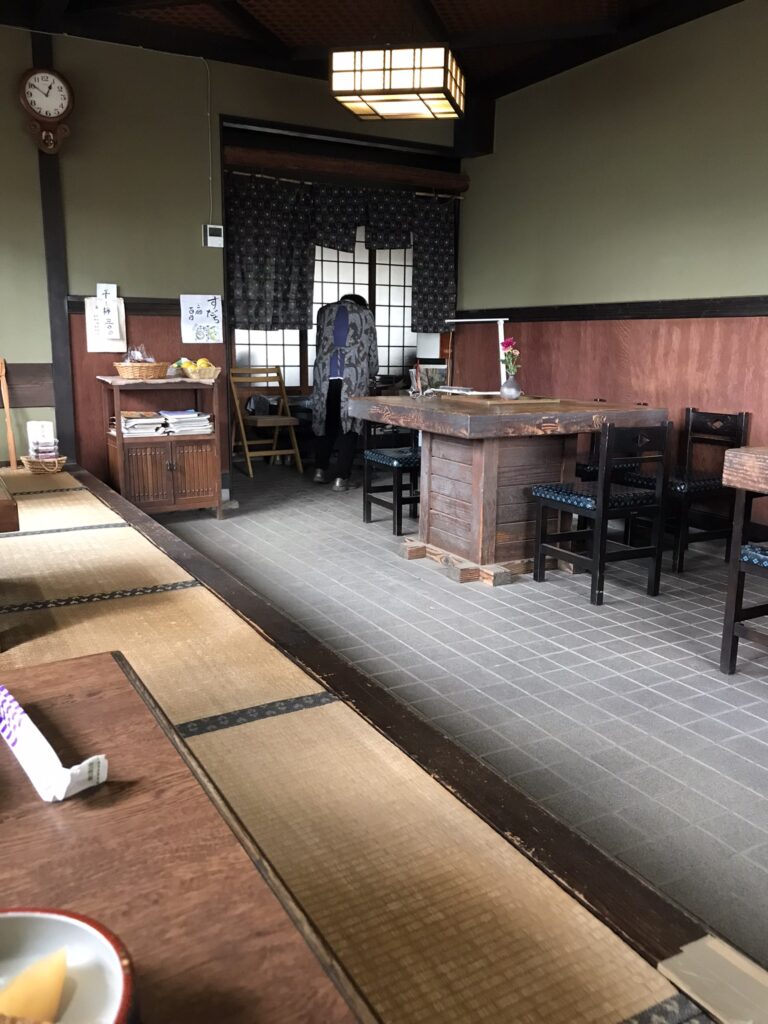
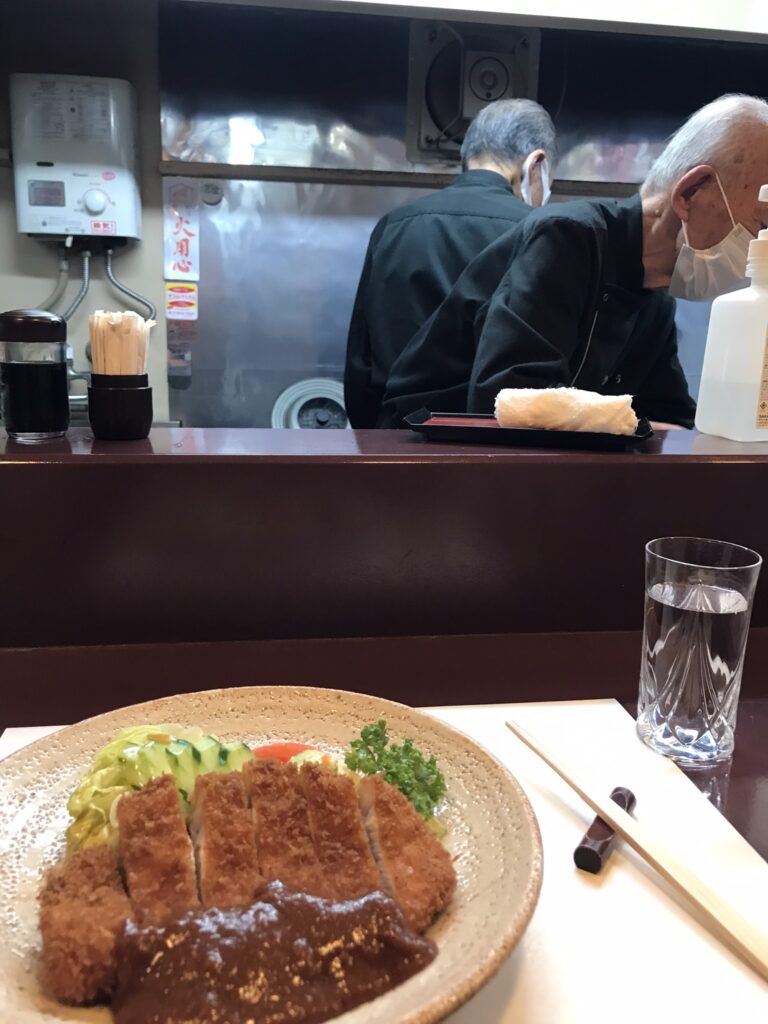
There is a determined effort to ensure elderly people within the community are still valued members
We noticed that elderly people still seemed to be very active even in old age compared to many other countries; we encountered bus drivers and chefs who appeared to be over 80 years old, a 92 year old lady running a small lunch cafe near Horyu-ji Temple in Nara Prefecture and numerous volunteer guides at attractions who all appeared to be over retirement age and maintained an active lifestyle, engaging with the public and fulfilling important roles within the community.
Japan sits in a geologically active area and so as a nation is highly prone to natural disasters such as earthquakes, tsunamis and volcanic eruptions. It’s impossible not to spot the continual warning signs about tsunamis and earthquakes throughout the country. On average there is at least one earthquake every day, although most of these are fairly superficial with only minor tremors. Japan does experience major earthquakes every so often, such as the Great Hanshin Earthquake in 1995 which struck close to the city of Kobe, and more recently in 2011 the Tōhoku earthquake and tsunami which resulted in the death of 20,000 people due to a magnitude 9 earthquake in the Pacific Ocean. Japan is a world leader in earthquake-proof buildings and natural disaster response and planning. We spotted many underground earthquake/tsunami shelters in cities and tsunami evacuation routes signposted in coastal areas. We actually experienced a magnitude 4 earthquake in Sendai whilst we were on the 13th floor of our hotel. Apart from the bed shaking slightly, it wasn’t so bad. We did receive an emergency alert on our phone as the earthquake was occurring, which shows the fast response time of the disaster agency.
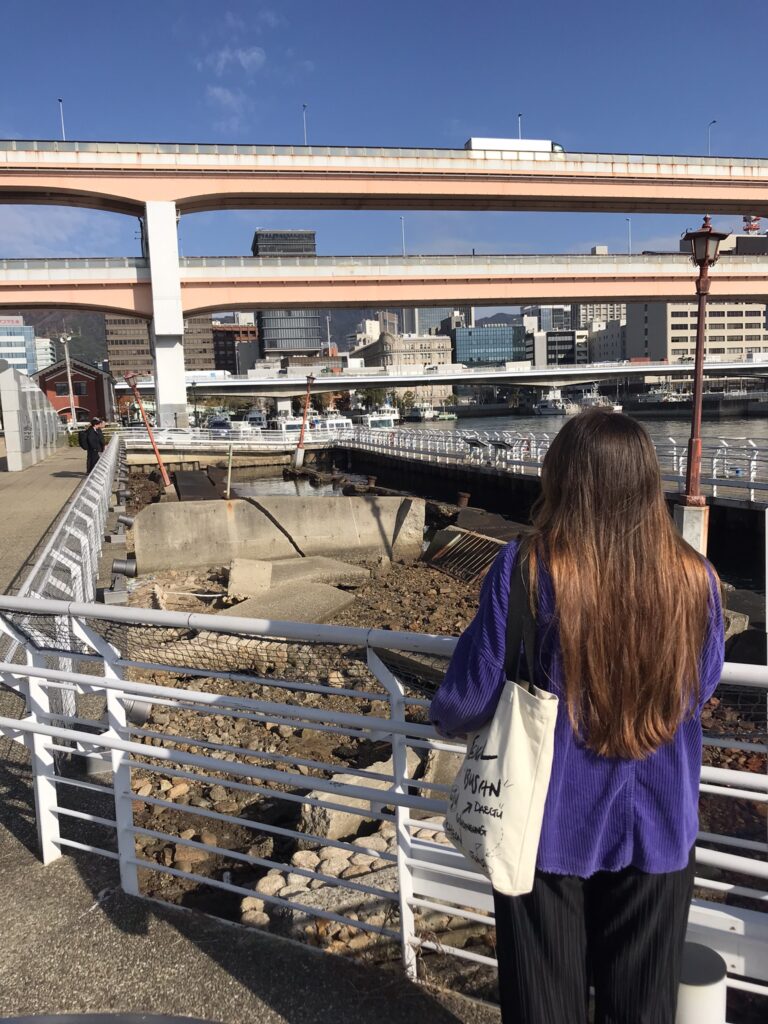
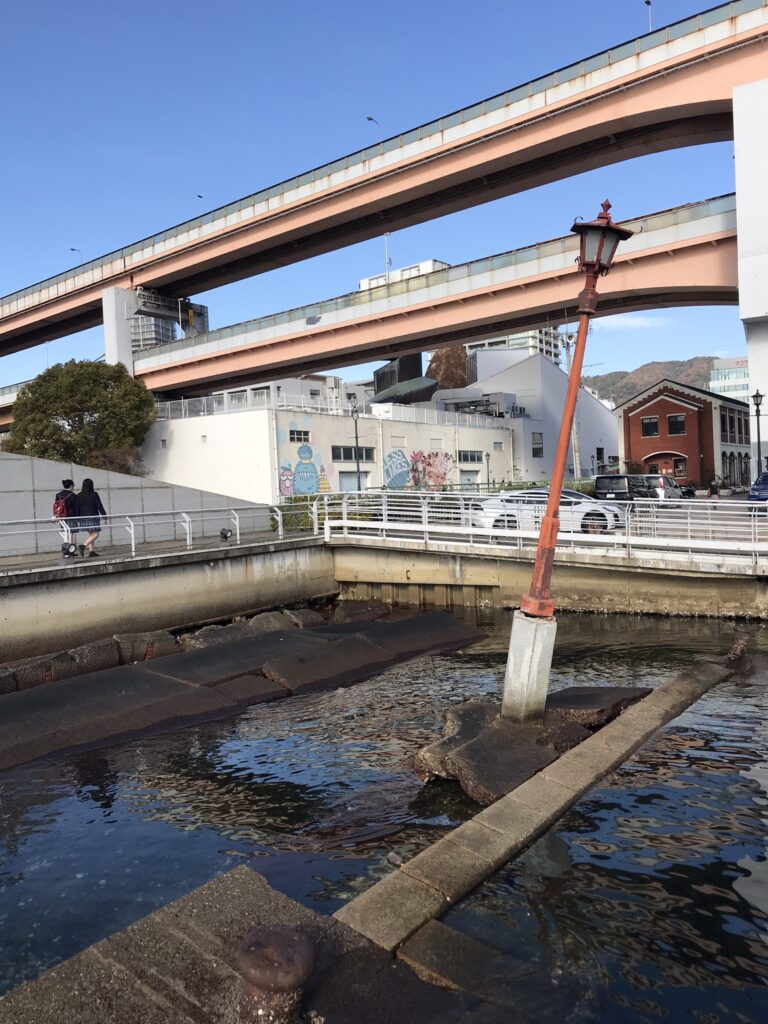
The city of Kobe still displays a section of the damaged pier from the Great Hanshin Earthquake
Japan’s transport network is highly developed, making it extremely easy to get around the country. Japanese trains are renowned to be some of the most efficient in the world. However, they aren’t always cheap. We spent a couple of months in Japan, traveling from Hokkaido to Hiroshima on a backpacker budget. For a guide on how to travel cheaply in Japan, check out my blog post!
Sapporo
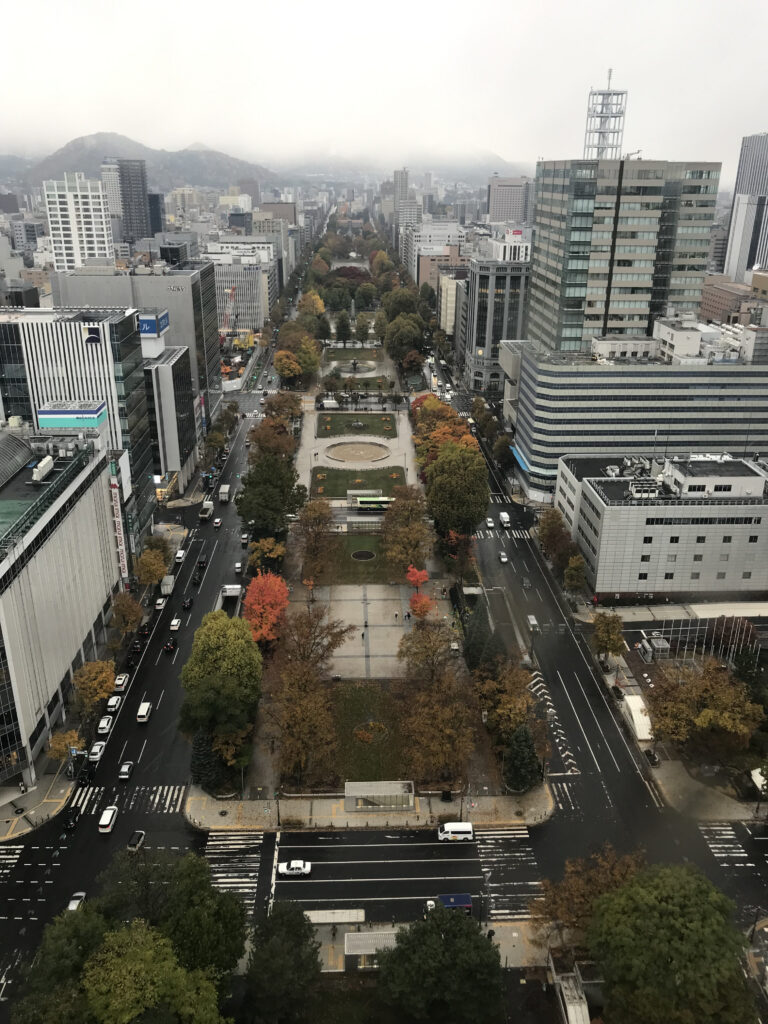
For my Sapporo content, click here!
Otaru
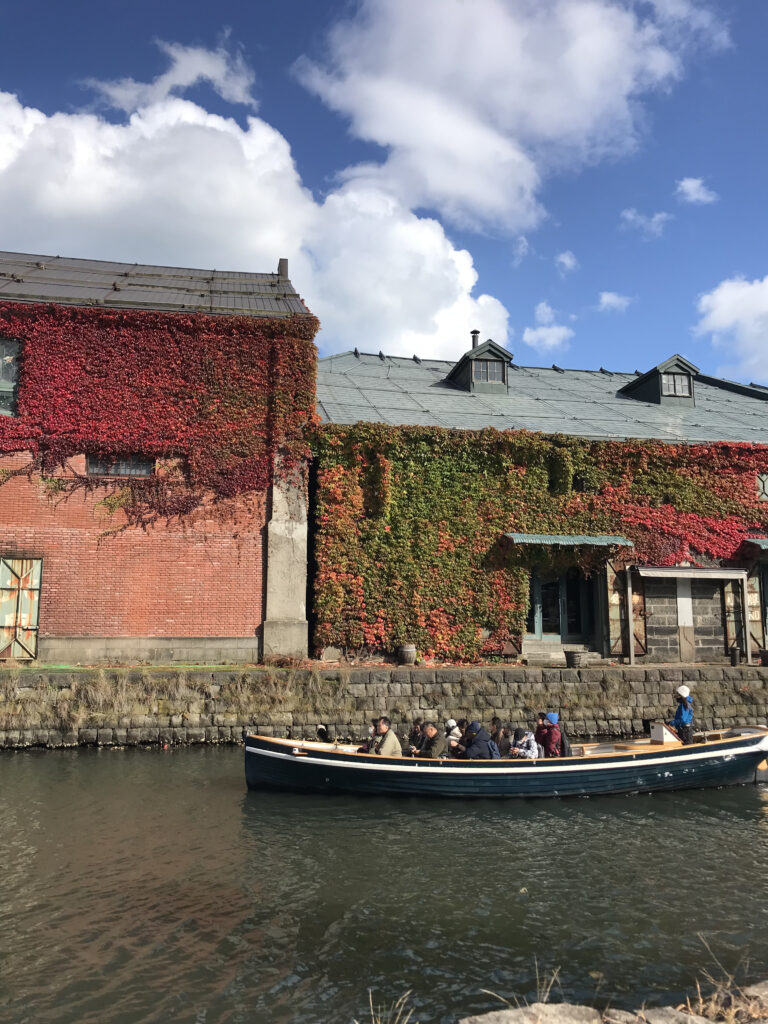
For my Otaru content, click here!
Hakodate
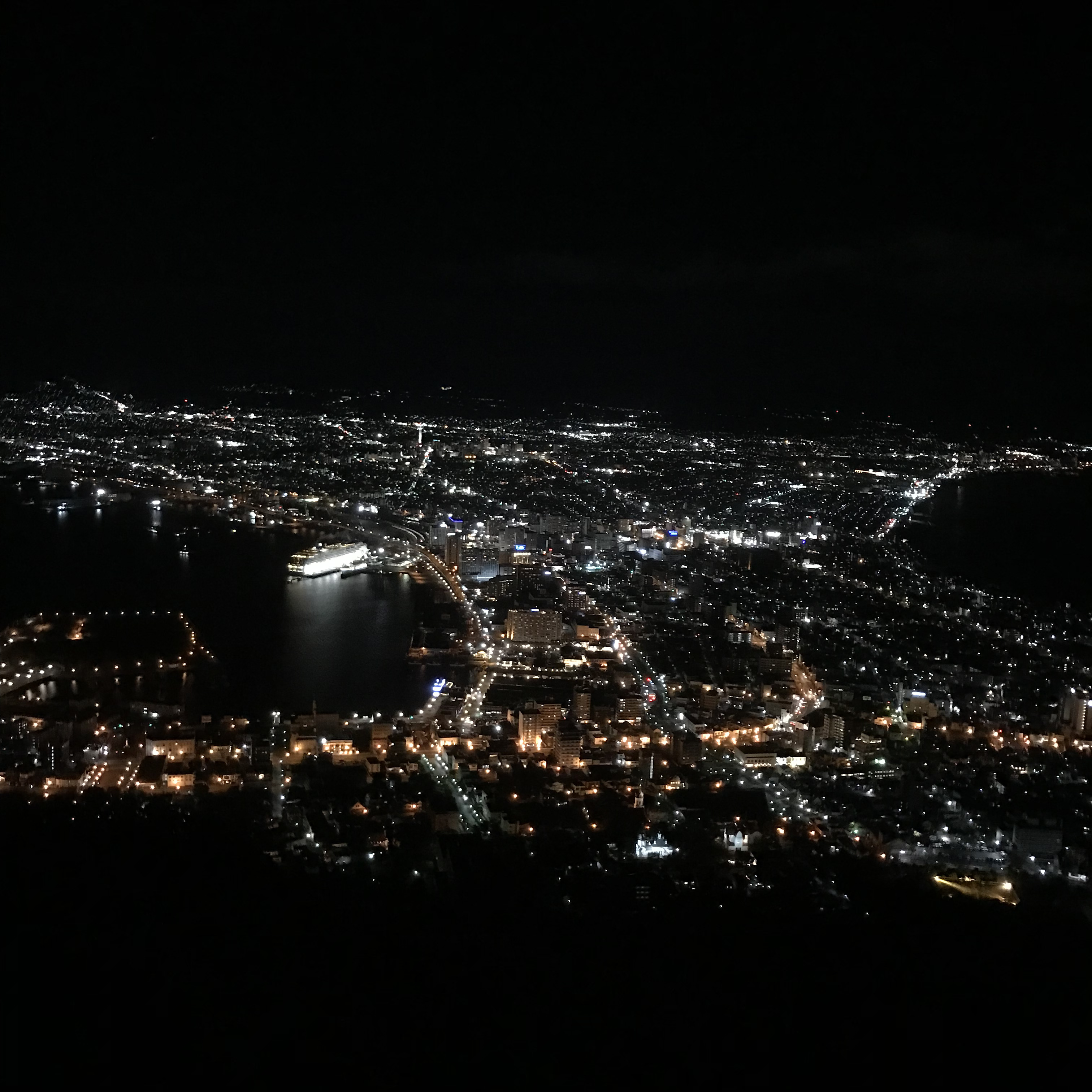
For my Hakodate content, click here!
Aomori
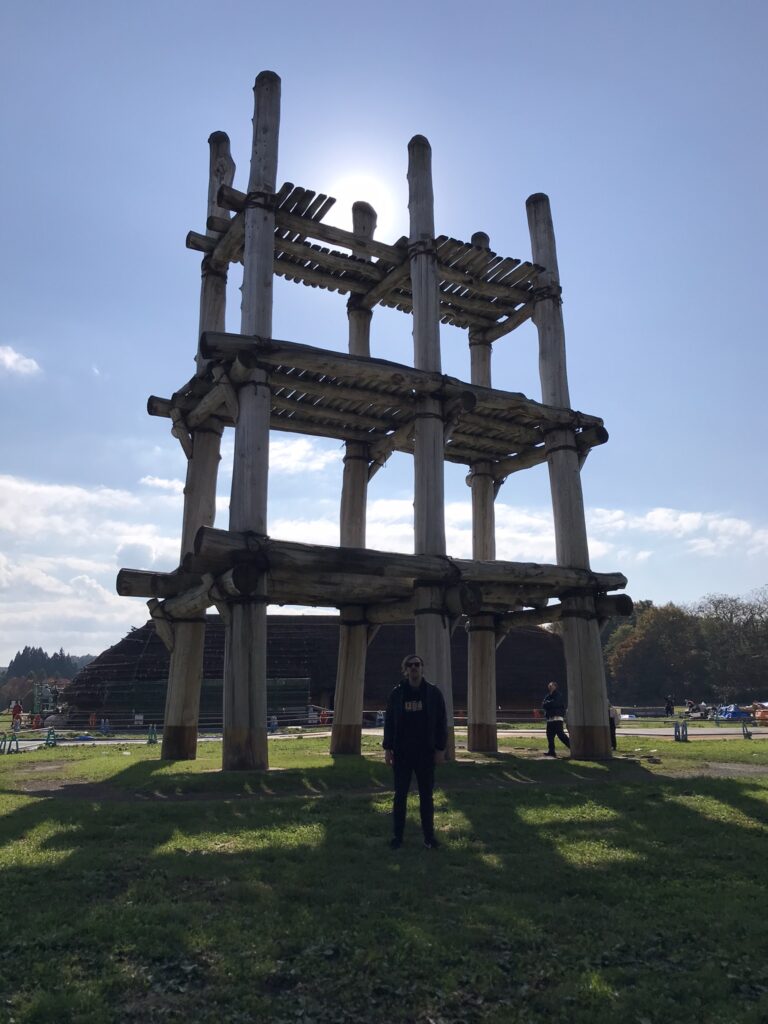
For my Aomori content, click here!
Hirosaki
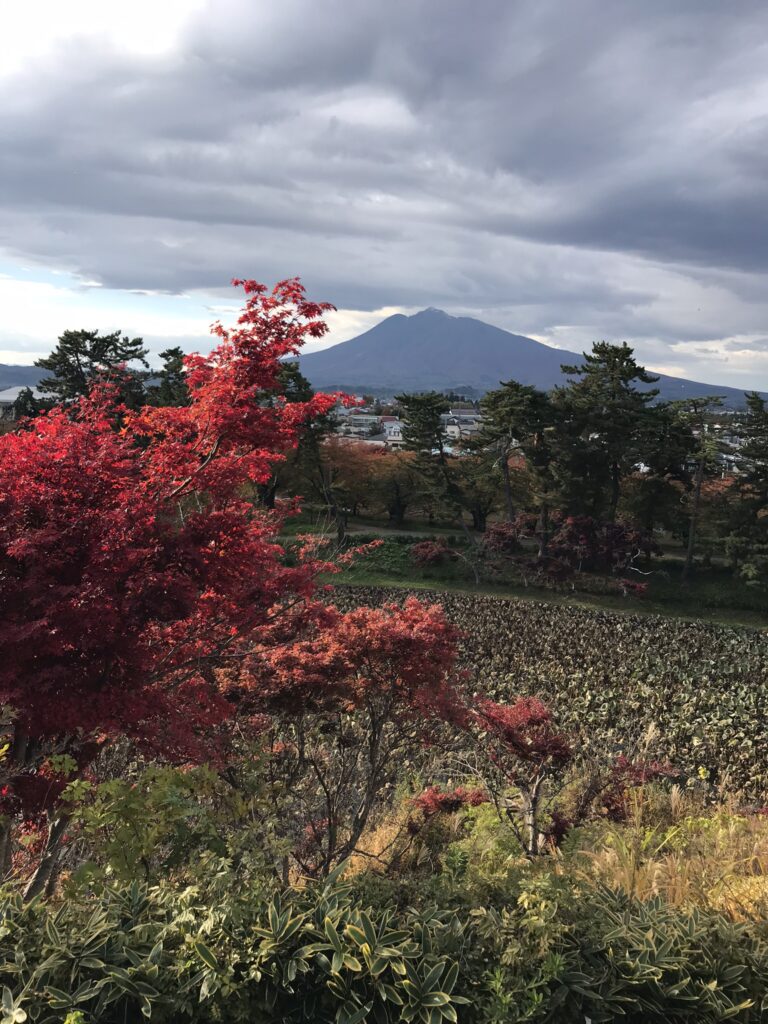
For my content about Hirosaki castle, click here!
Morioka

For my Morioka content, click here!
Hiraizumi
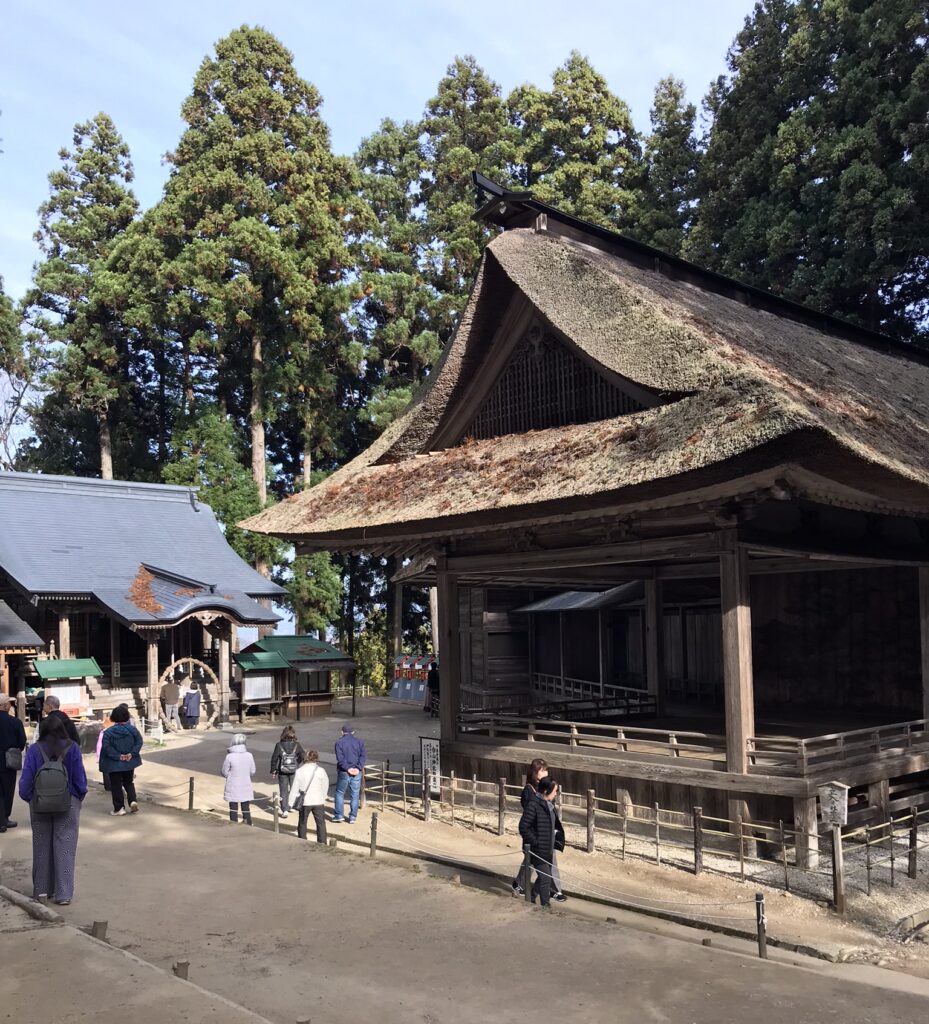
For my Hiraizumi content, click here!
Sendai
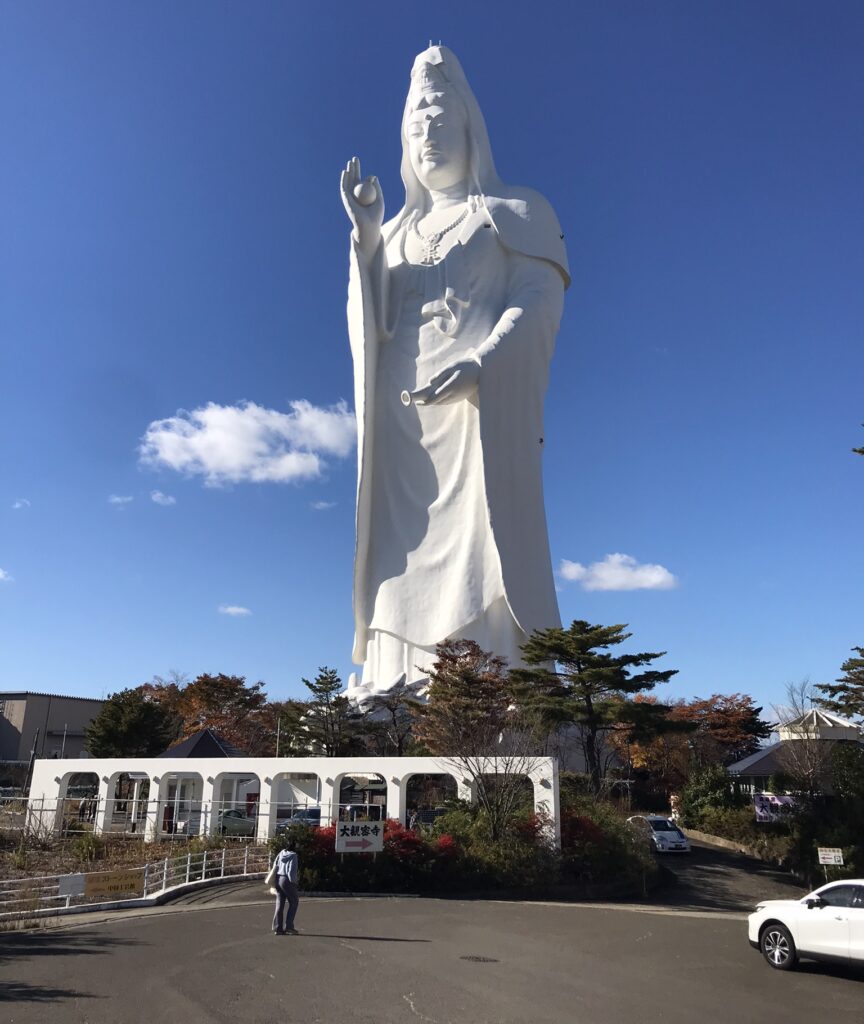
Click here for my Sendai content!
Yamadera
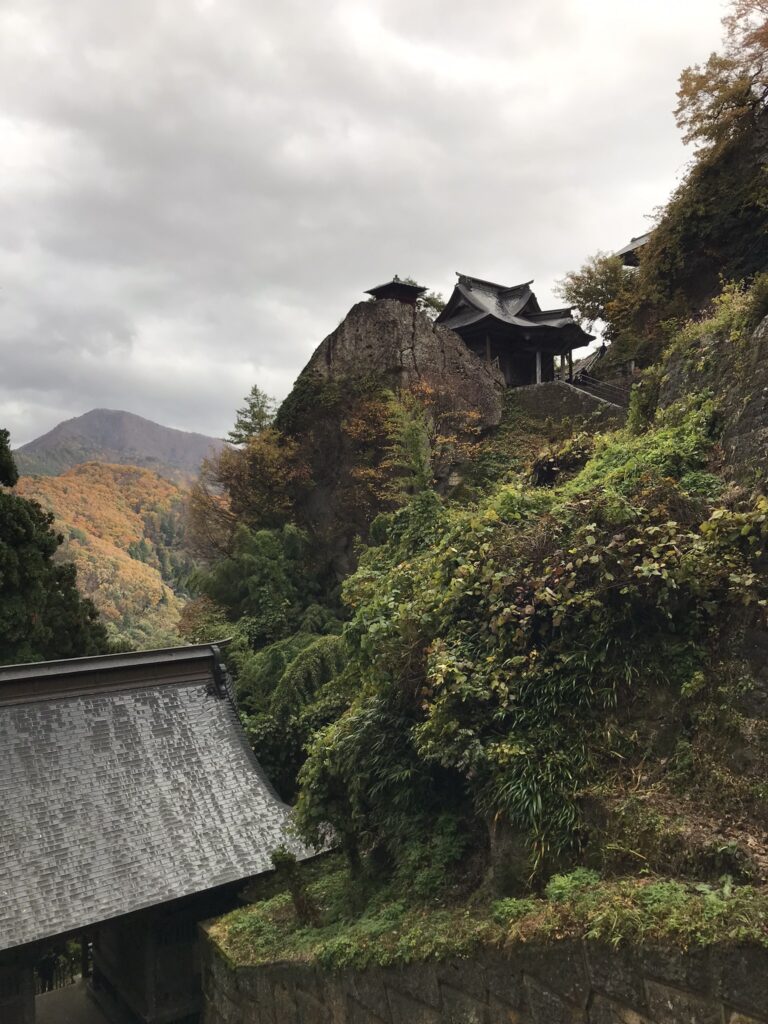
For my content about Yamadera temple and the Nikka Whiskey Factory, click here!
Matsushima
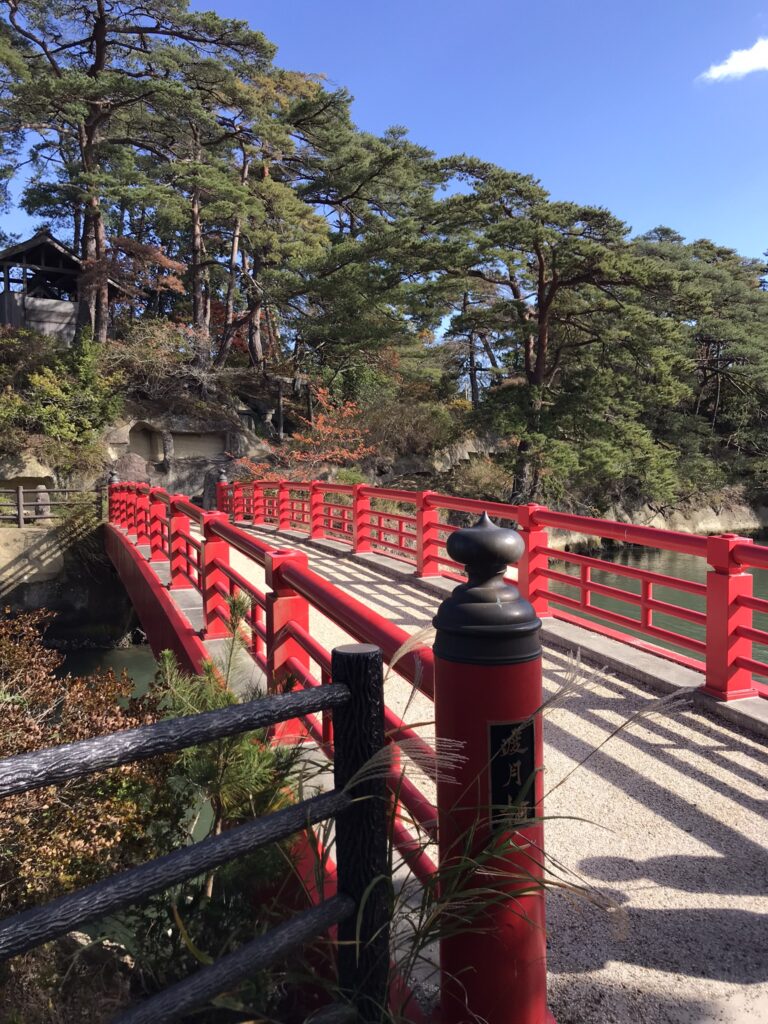
For my Matsushima content, click here!
Tokyo
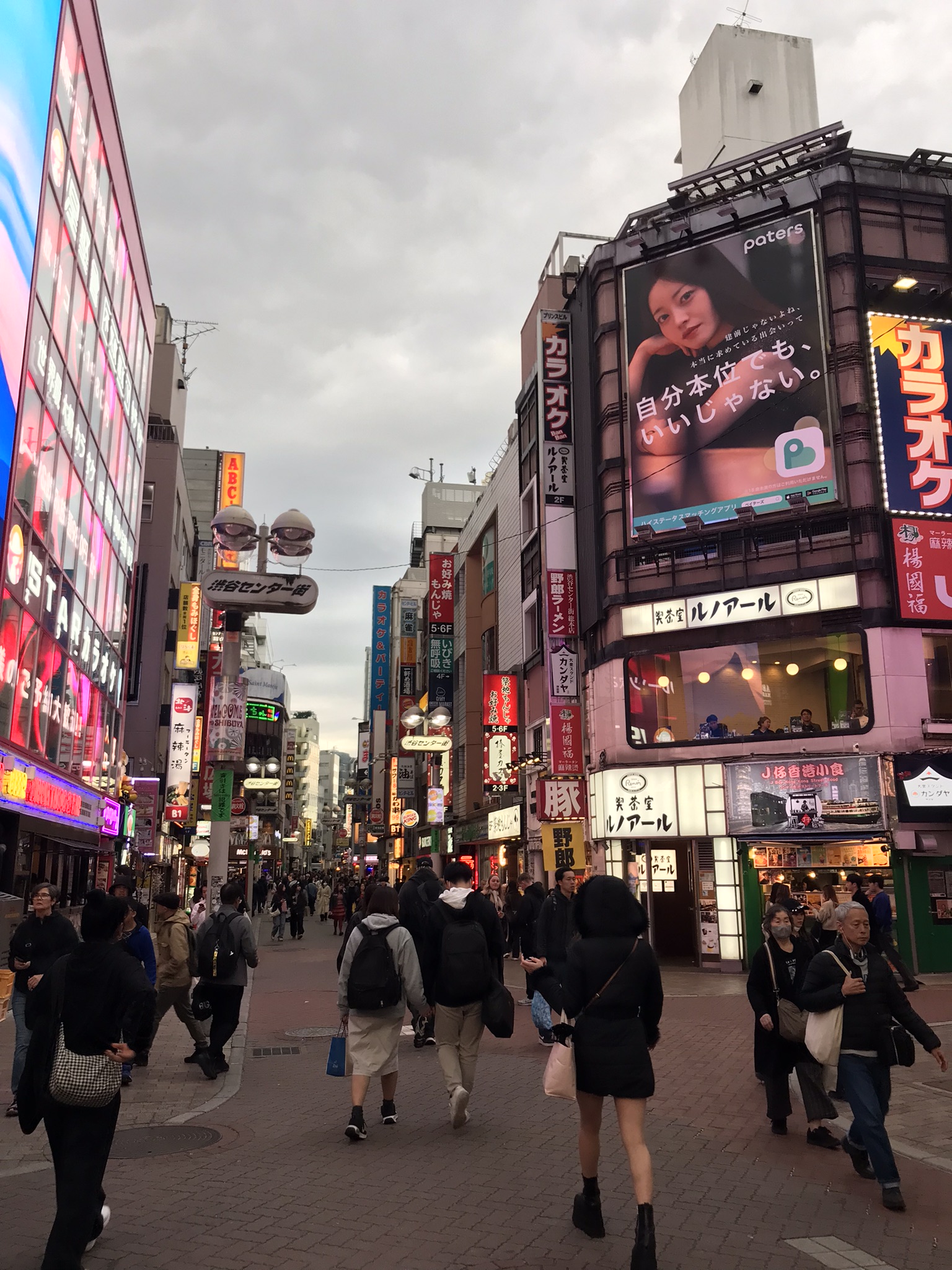
For more info about our time in Tokyo, click here!
Kamakura
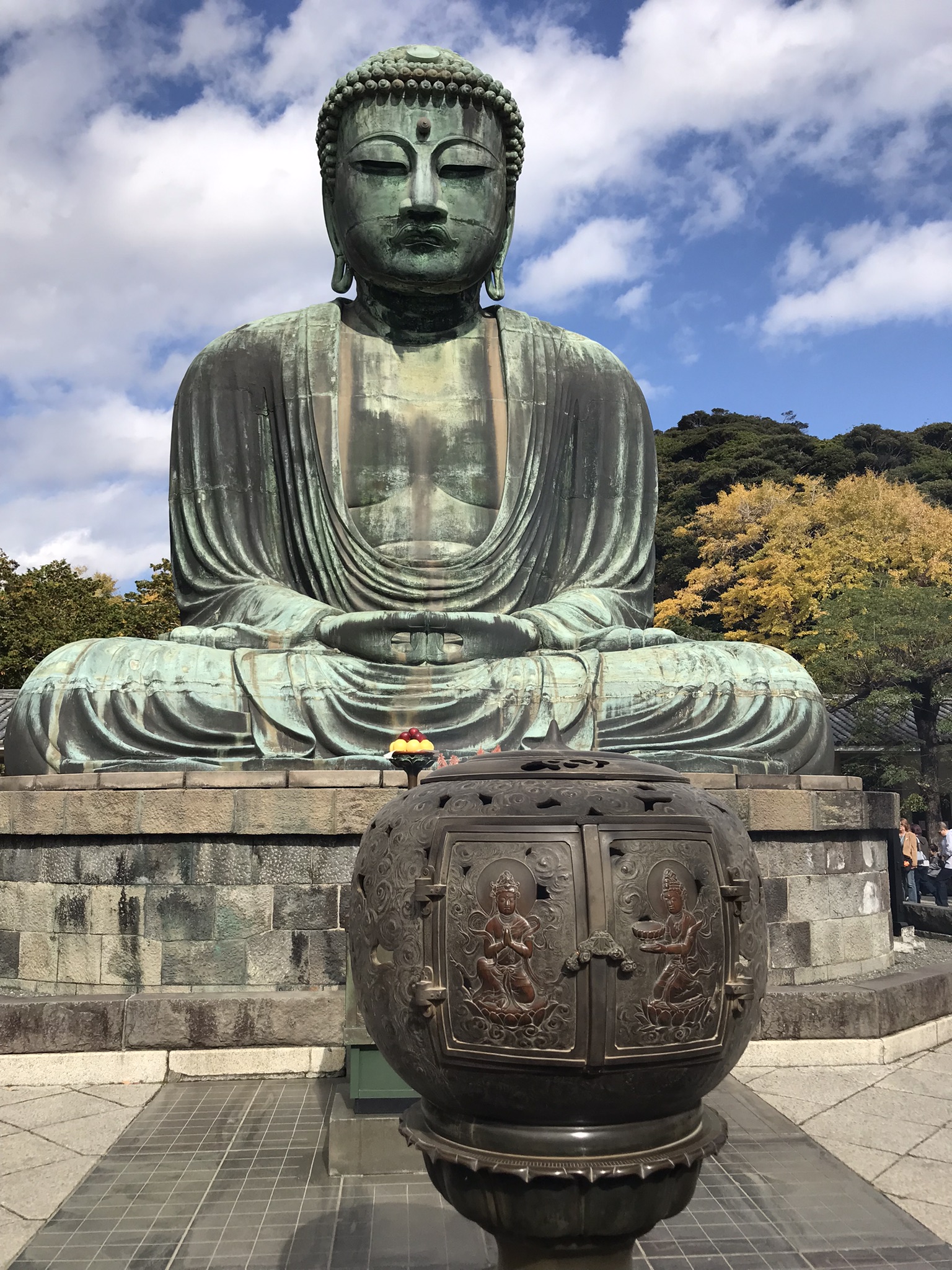
To check out our side-mission to Kamakura, click here!
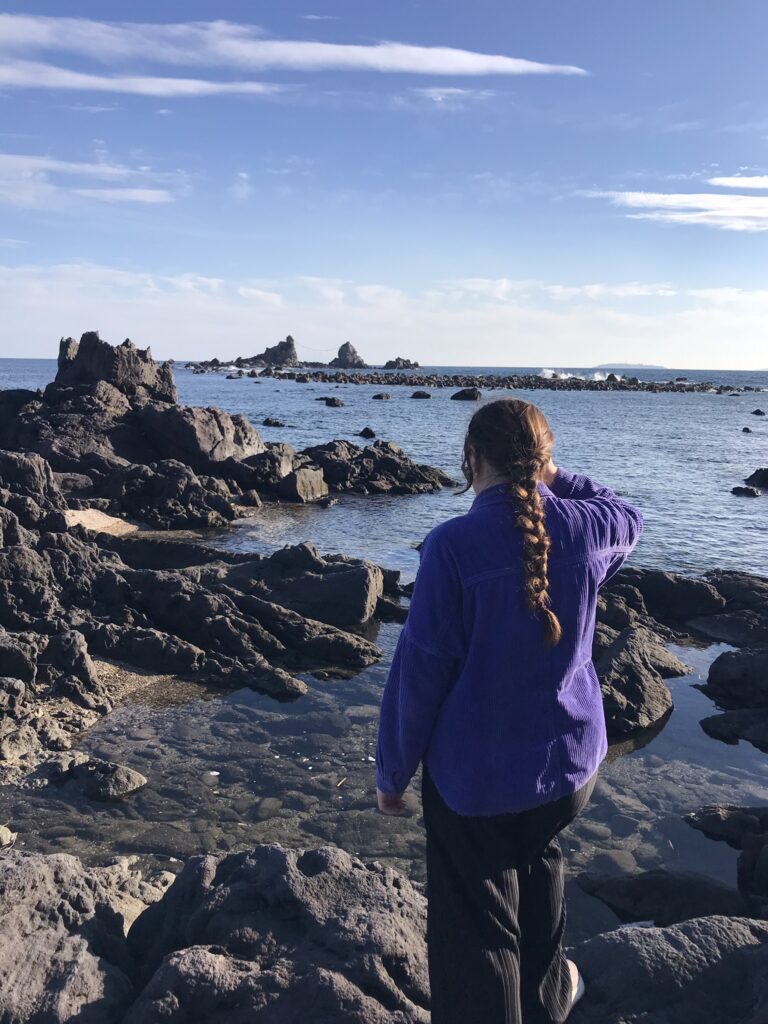
Manazuru
Matsumoto
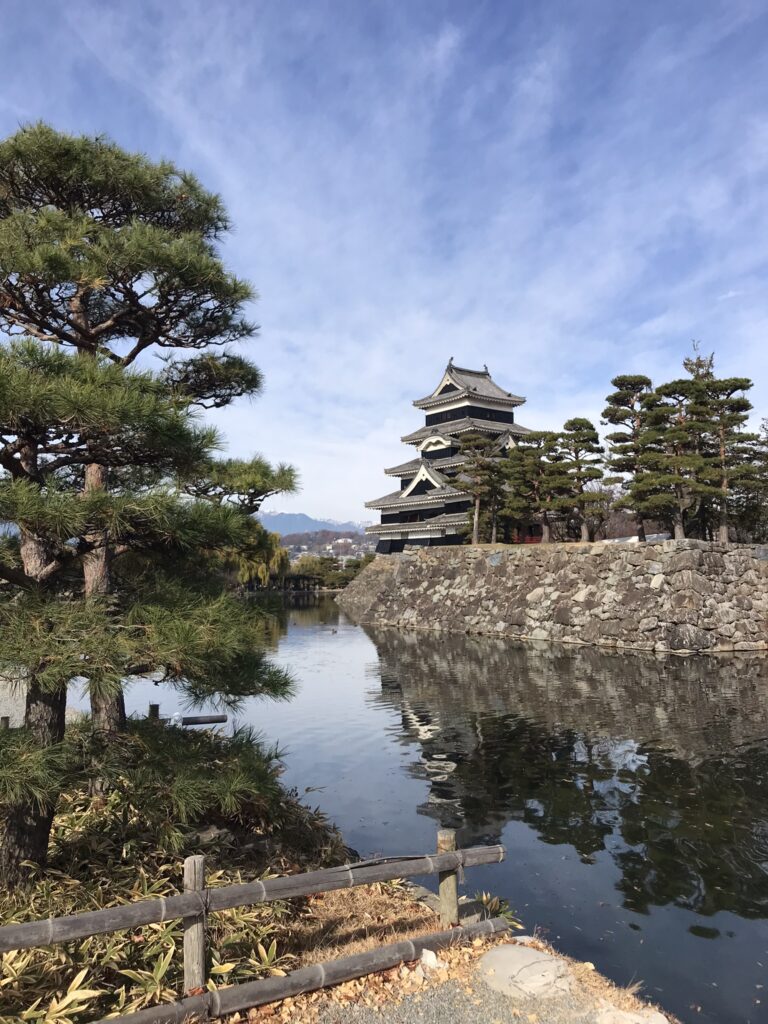
Matsumoto, located in Nagano prefecture, is nestled in a mountainous region known as the Japanese Alps. With a much cooler climate than Japan’s lowland or coastal areas, Nagano is known as a base for outdoor activities such as hiking in the summer and skiing in the winter, with magnificent alpine scenery, pristine snow topped peaks and steamy onsens a-plenty.
A relatively small and quiet city, Matsumoto is probably best known for its striking ‘Black Crow’ castle, dating from the early Edo period – one of the only original castles still standing in Japan. It emerged unscathed from World War 2 as the city was not a major manufacturing hub, centre of heavy industry or a place of any real military value, therefore it was not a target for allied fire bomb campaigns. The preserved castle is now a major tourist attraction within the city and one of the most famous in Japan.
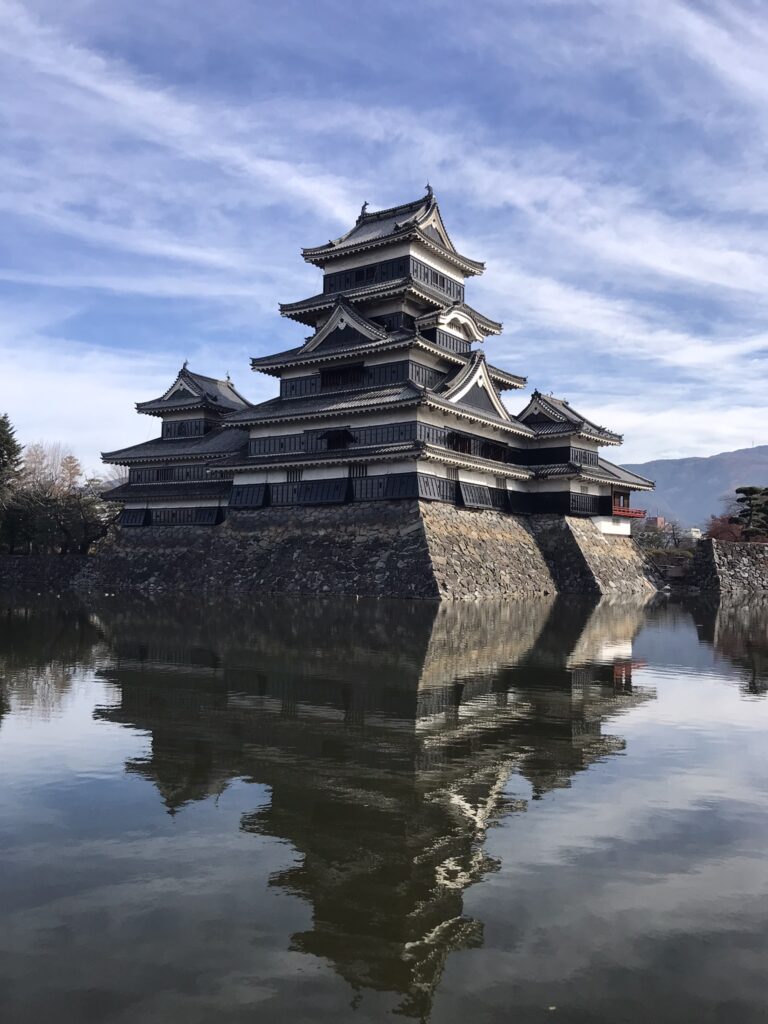
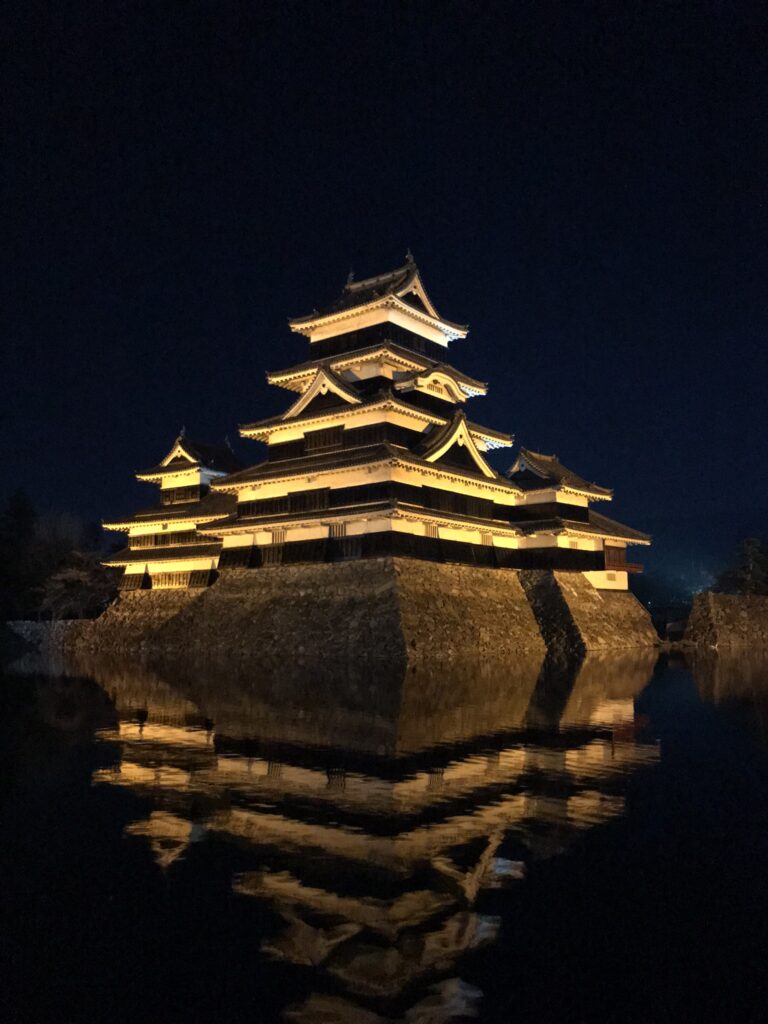
Matsumoto Castle is stunning to view during the daylight hours and after dark
The landscape surrounding Matsumoto is very rugged and untouched. The nearby Kamikochi highland area is a renowned place of scenic beauty, drawing hikers from throughout Japan during the warmer months with its stunning natural landscapes. Unfortunately, this area closes for visitors during the winter due to the often hostile and snowy conditions. By the time of our arrival in mid-November, the park had just closed for the season.
Accommodation
The Celecton Matsumoto – your stereotypical business-type hotel with the added bonus of an on-site onsen. We were surprised as the place looked a little run down from the outside, but the service and rooms were great value. They were also offering free small meals around 6pm to all guests at the time of our visit.
Foodie Places
Cohiludo – right around the corner from Matsumoto castle, this is an excellent pit stop for a quick and budget-friendly lunch. It specialises in a local steamed bun called Oyaki, a regional delicacy. These buns are traditionally made with wheat flour and offered in a variety of appetising flavours such as pork, local pickled greens and our particular favourite, keema curry with cheese. The café itself has an open seating area where customers can mingle and enjoy their buns. Prices are a little high here, but the buns were really tasty and worth trying.
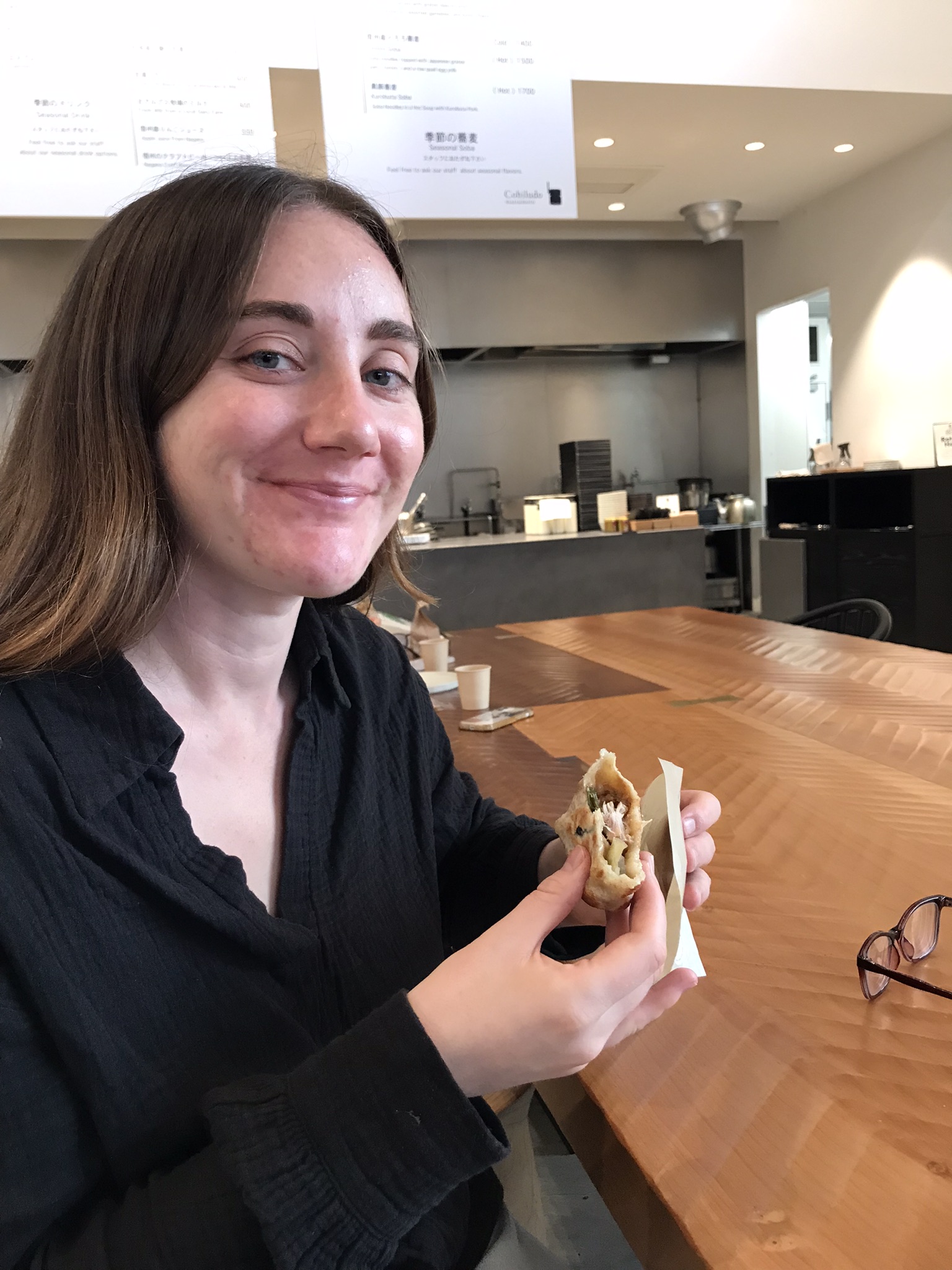
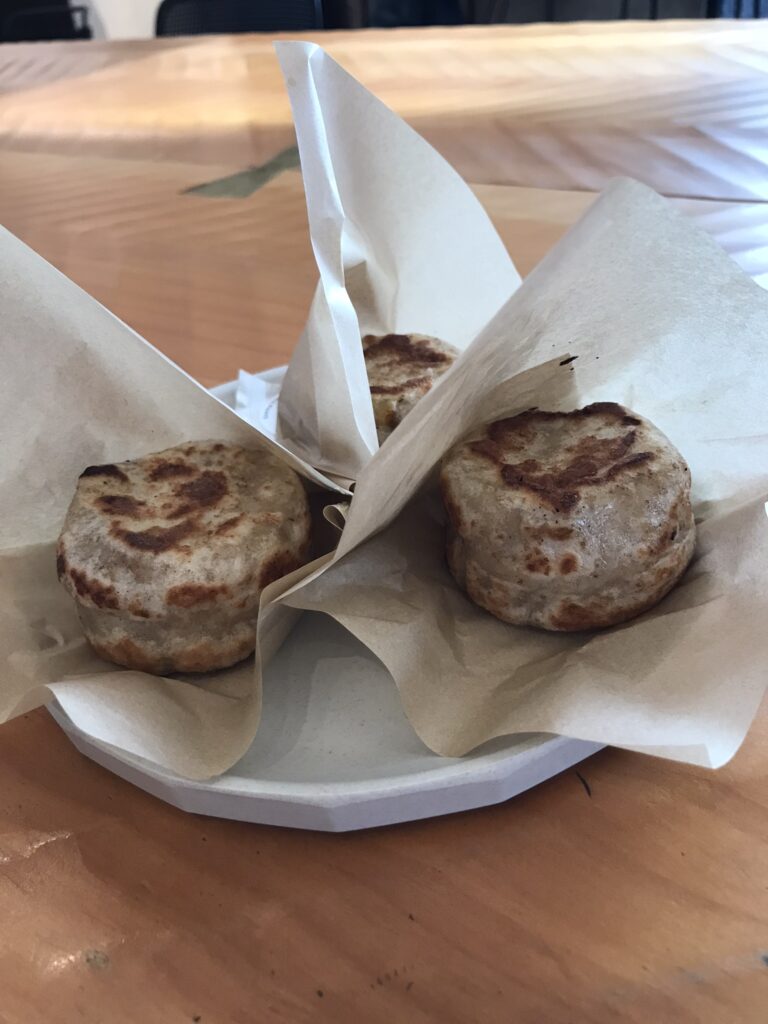
Got buns hun? Grab some oyaki buns at Cohiludo!
Activities
Matsumoto Castle – Matsumoto Castle is an exquisite example of Japanese castle architecture, having been constructed during the early Edo period. One of only 12 original castles in Japan, this is also one of the most spectacular. The castle has remained standing since its completion in 1614 and its keep tower (tenshu) dates back to 1594, considered to be the oldest surviving castle building in Japan.
Matsumoto Castle is surrounded by a public park, which provides stunning views of the outside of the castle from across the moat. Entry to the interior of the castle complex is ticketed. It’s best to buy your ticket online before you arrive via the castle’s website, as the e-ticket allows you to skip both the queue at the ticket office and the queue inside to get into the castle itself. It also happens to be slightly cheaper than buying in person. Visitors can ascend the castle tower, following a set route around the various floors, up to the top and back down. The interior of the castle is original and unfurnished with notoriously steep stairs, and visitors are required to remove their shoes while inside. As the castle was built without any modern amenities or heating, the wooden floors can be very chilly on your shoeless feet – make sure to wear your thickest socks, our feet were completely numb with the cold by the end of our visit.
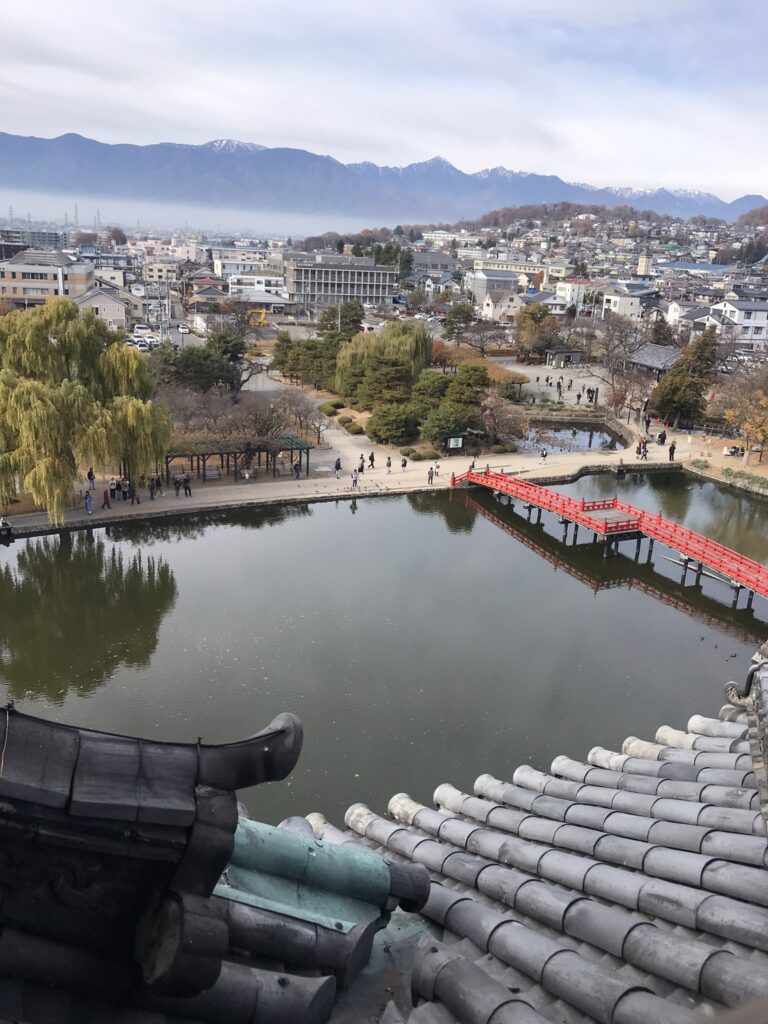
The looming mountains are best viewed from the top floor of the main keep
The castle has many typical defensive features of the era such as rectangular and square-shaped holes in the walls for firing arrows and guns, and gaps in the outer floor for throwing rocks at approaching enemies. The castle also has a secret floor which is not visible from the outside. We found it interesting that the castle tower (tenshu) wasn’t actually the main residence of the daimyo (feudal lord) – it was a defensive structure which was also used for spiritual ceremonies and formal meetings, with the lord’s quarters located elsewhere in the castle grounds. As the castle is incredibly popular with tourists, expect some queuing both outside and also inside the castle – the narrow layout and tremendously steep stairs only increase the chances of a jam up inside.
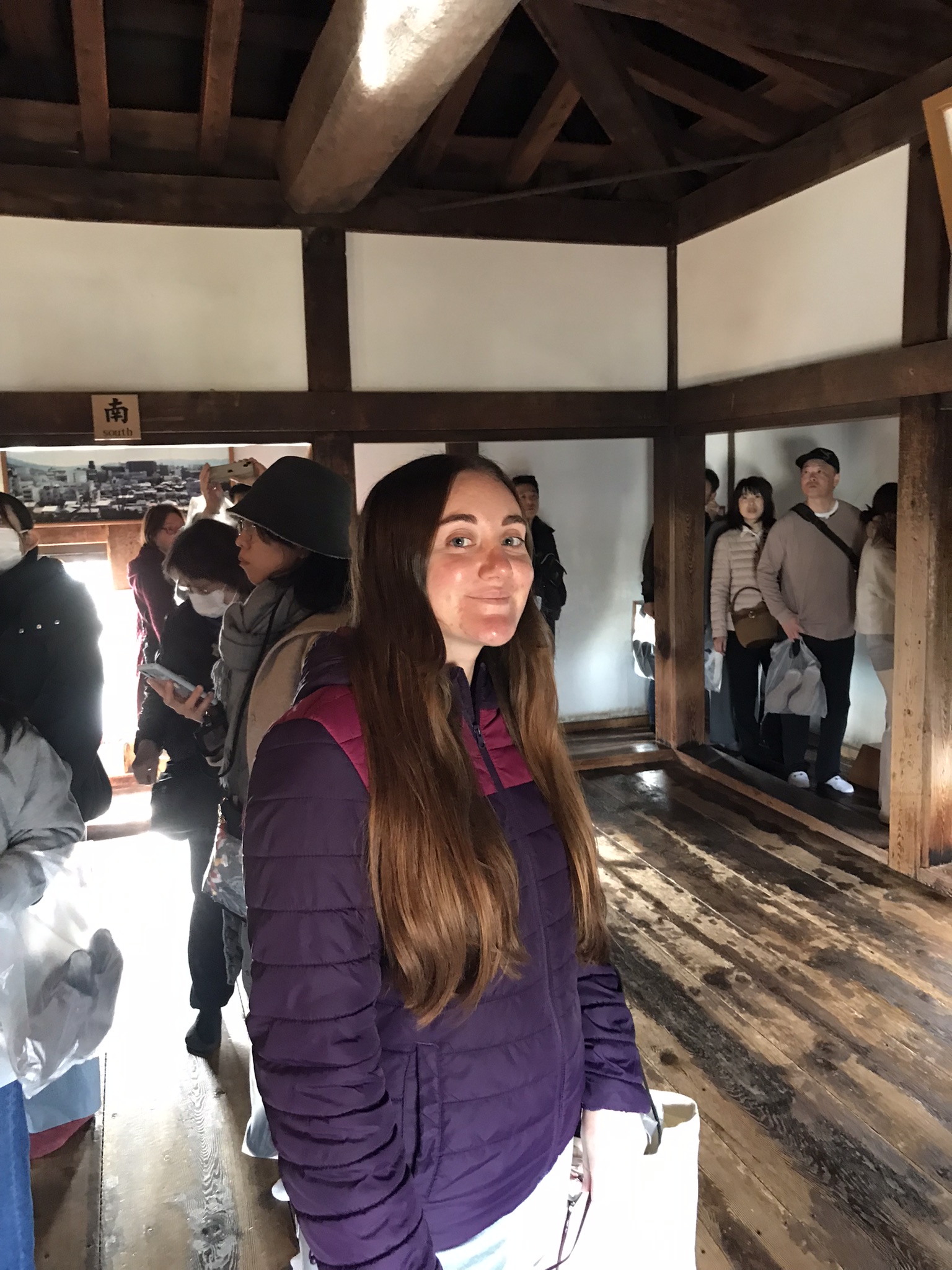
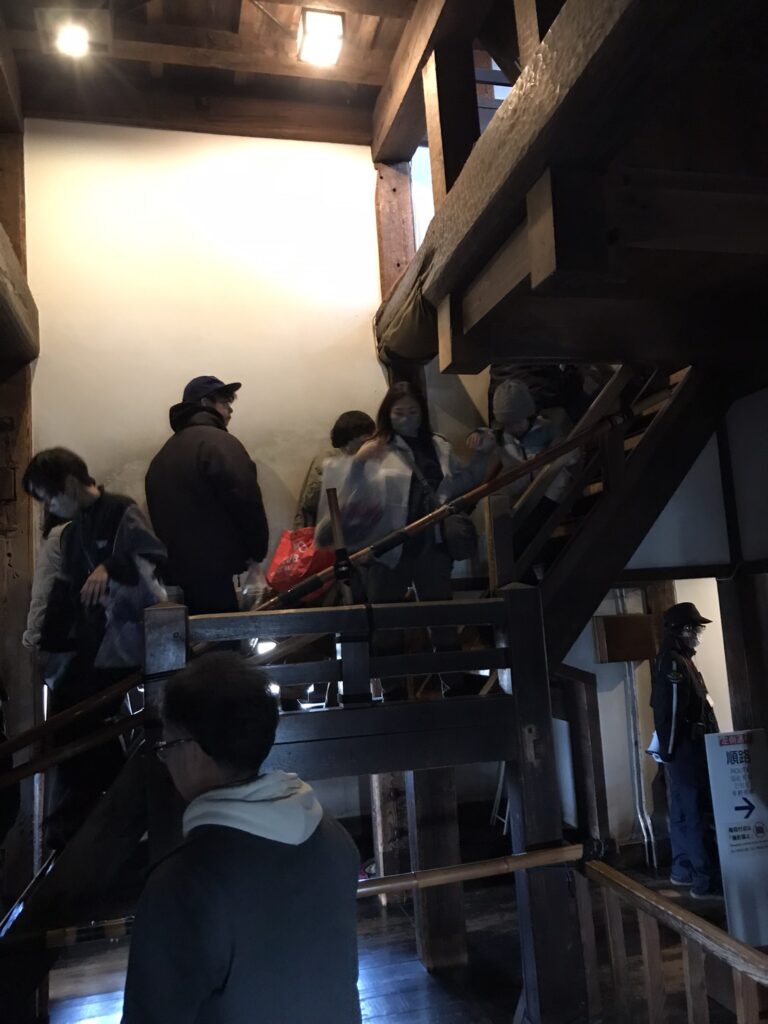
Expect cold floors, traffic jams and very steep stairs at Matsumoto Castle
Inside the castle are some exhibition displays featuring antique flintlock and matchlock guns, which you can view whilst shuffling along the route to the top. From the top floor there are stunning views of the surrounding mountains that encircle the city, and if you look up into the rafters you can spot a shinto shrine dedicated to the deity of the castle. If you have time in the evening, it’s really nice to return to the park to witness the castle cast in a soft glow by spotlights – a very atmospheric time for a stroll.
Nawate-dori (Frog Street) – a well-known local landmark within Matsumoto, this shopping street is somewhat bizarrely themed around frogs. The huge and frankly quite outlandish fighting frog sculpture marks the beginning of the street, which runs parallel to the river. The reason for the frog references is twofold – the nearby river was once home to a large population of frogs, who would often be spotted venturing out onto the street before the frog population was washed away in a flood in the 1950s. The second reason is that the Japanese word for frog, ‘kaeru’, also means ‘return’. This street initially gained traction after the nearby Yohashira shrine was founded in 1879; the shopping street then popped up adjacent to the shrine to service shrine-goers. Today the street contains a mixture of souvenir and antique shops. The frog theming is very strong; it’s impossible not to spot the gazillion miniature frog souvenirs on display, some of them are very wacky. Make sure you keep an eye out for the green froggie shrine in the middle of the street, complete with frog guardians.
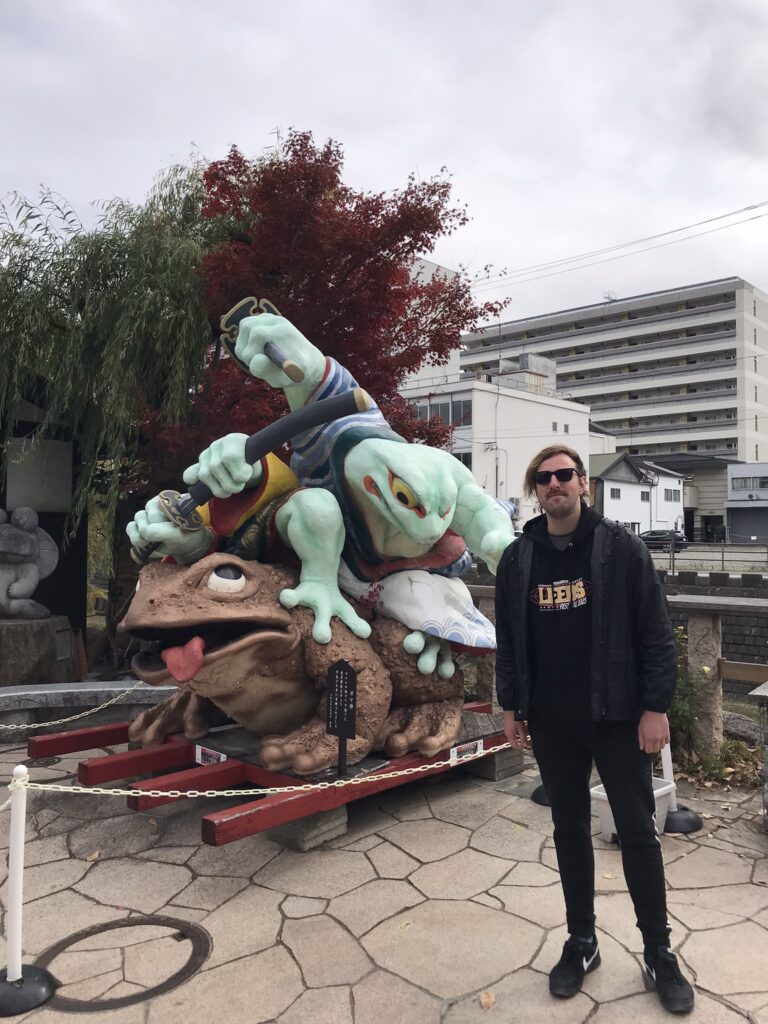
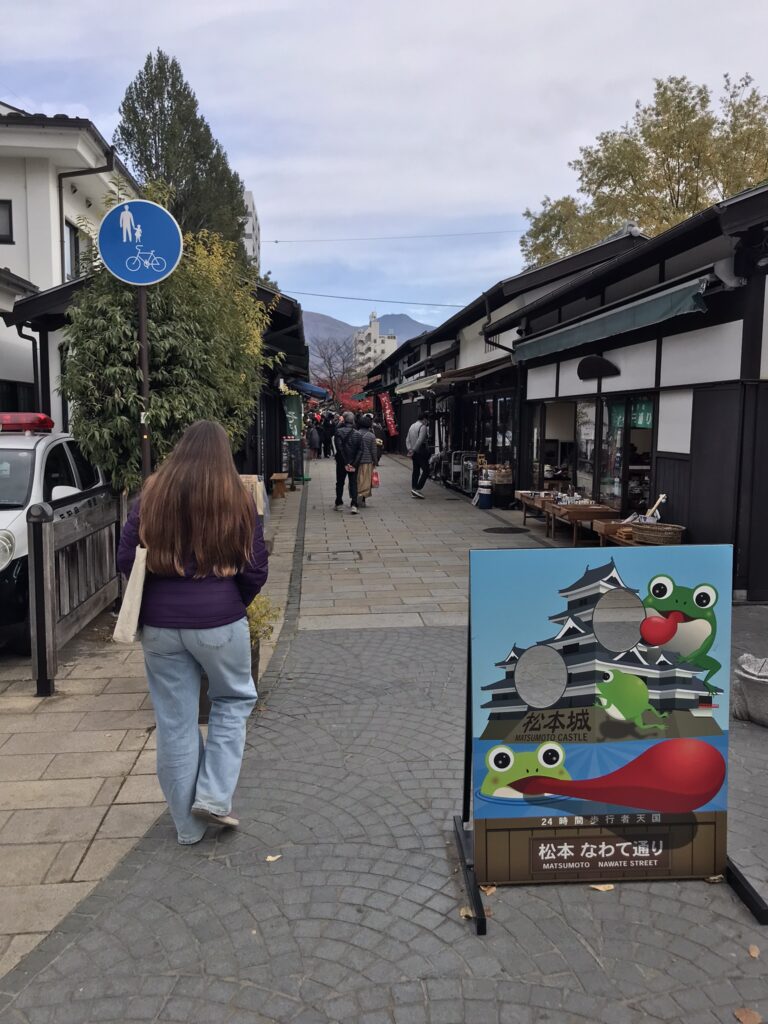
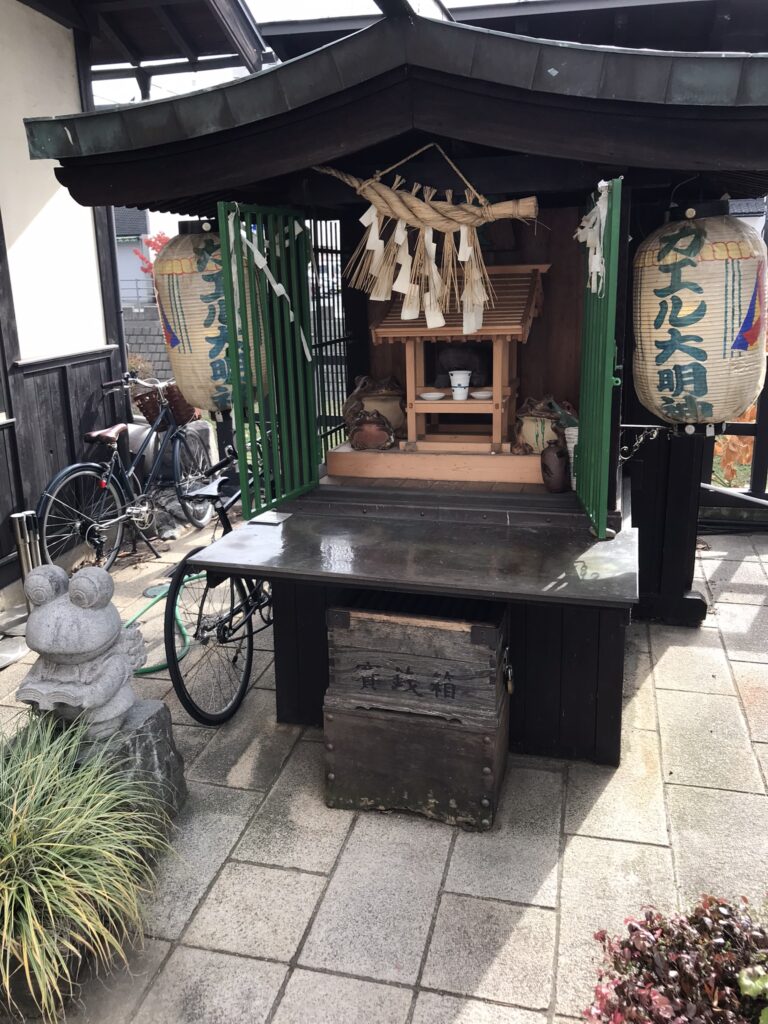
Frog-lovers will adore this lovely little street, Nawate-dori (Frog Street)
Matsumoto City Museum of Art – this museum is focused around a fantastic permanent collection by the famous Matsumoto-born artist Yayoi Kusama – internationally renowned for her dot-themed artwork which blends reality with the imaginative. According to information within the gallery, Kusama suffered from auditory and visual hallucinations since childhood which inspired her work. There are some dramatic audio-visual installations within the museum, the highlight being the enormous spotty black and yellow pumpkin sculpture – a well-known motif of the artist. Visitors are forbidden from taking photos of the artwork, except in a few spots which are signposted. You can easily identify the art gallery as there is a massive and distinctive tulip sculpture outside the entrance. As well as Yayoi’s work, the gallery also features a few other small exhibition rooms, although the modern art of Yayoi Kusama is by far the main attraction.
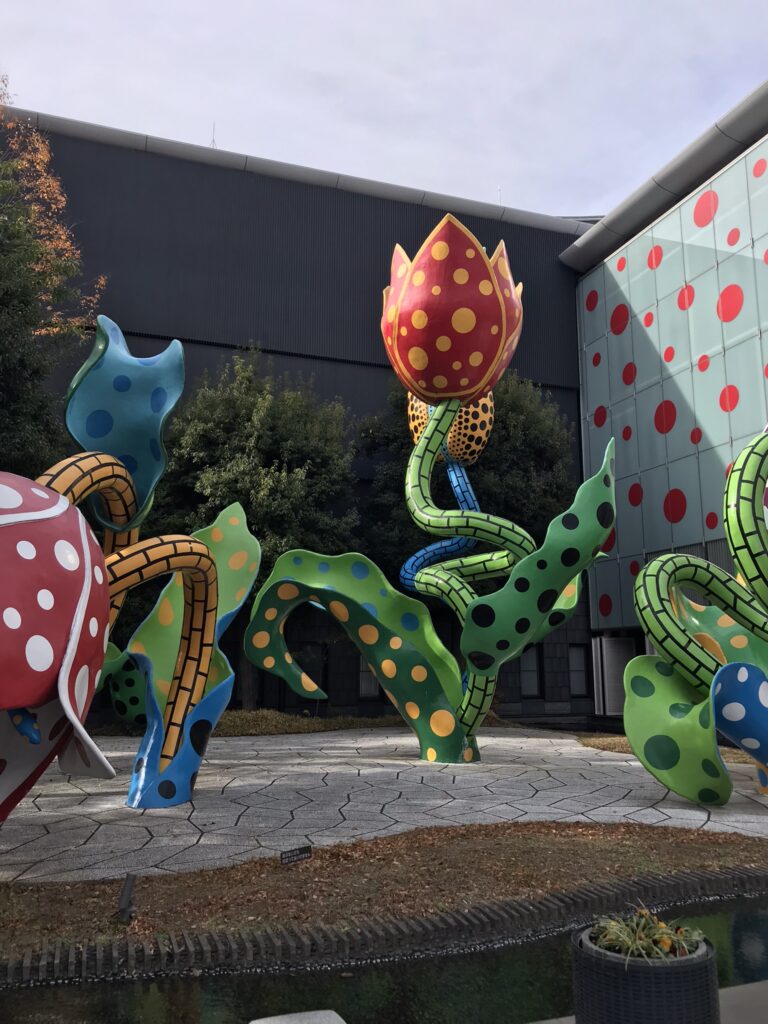
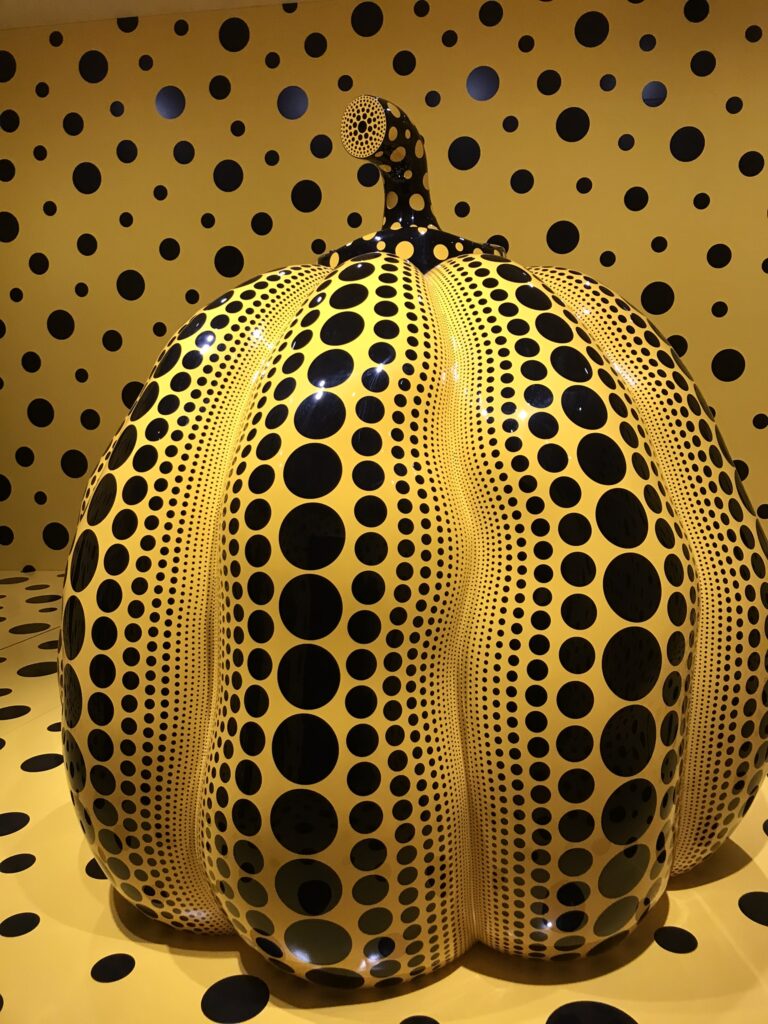

Funky artwork by Yayoi Kusama on display at Matsumoto City Museum of Art
Nakamachi-Dori – a picturesque shopping street featuring traditional machiya-style houses. Many of these shops sell traditional products such as wooden shoes, handcrafted ceramics, intricately carved wooden items and woven fabrics.
Matsumoto Timepiece Museum – a quirky museum which started life as one man’s obsession with collecting clocks. The gallery downstairs is focused on the history of timekeeping, with the upper floor displaying an impressive array of clocks from Japan and around the world. We are far from being clock experts or enthusiasts but we still enjoyed this museum. It was fascinating to see Japanese clocks that had the hours displayed vertically, as well as barber’s clocks that were designed to be viewed in the reflection of a mirror. There are grandfather clocks, cuckoo clocks, pendulum clocks, intricate clocks with moving pieces and more. Make sure you’re in here around the turn of the hour – the chorus of chiming clocks on the hour is amazing.
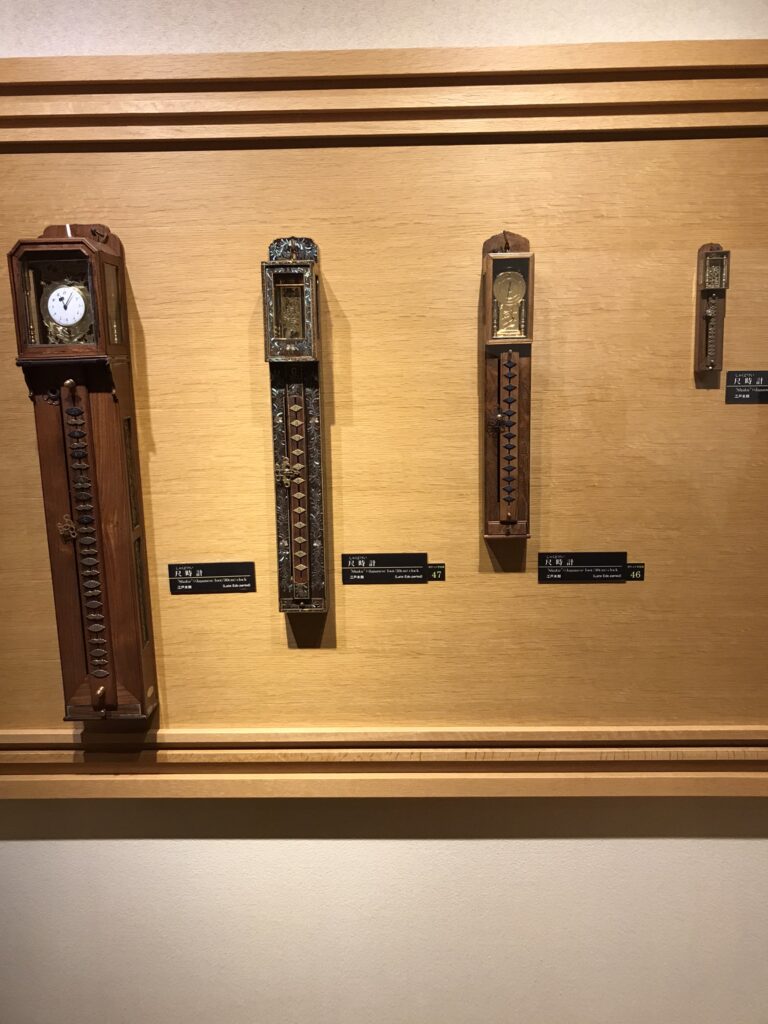
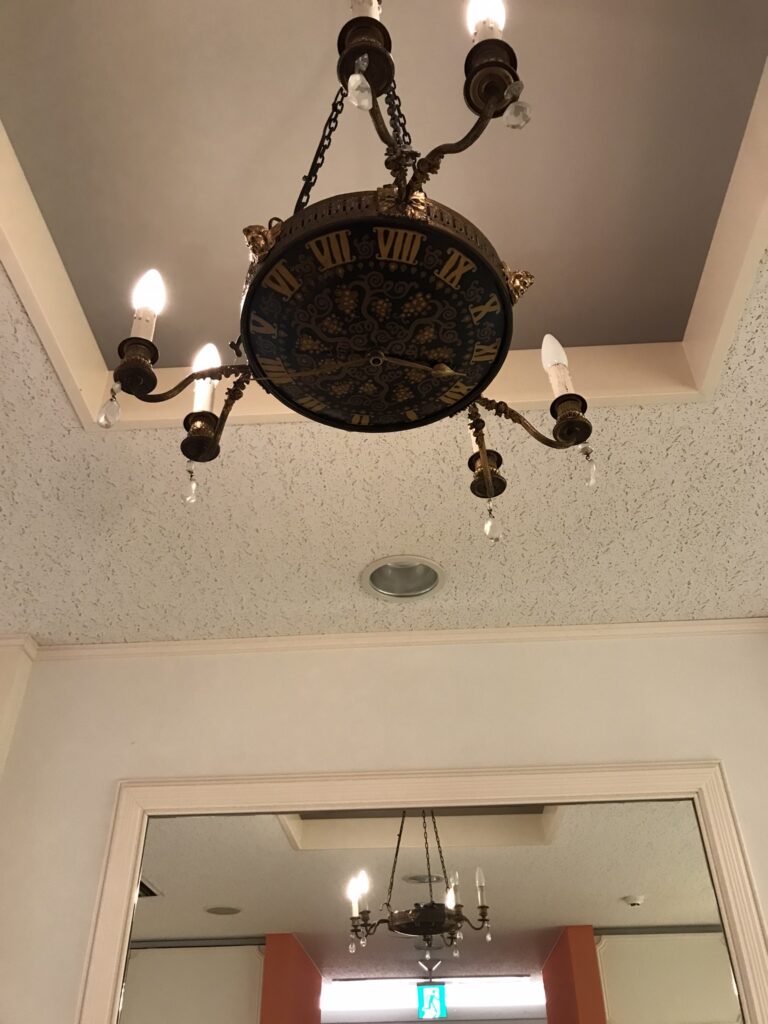
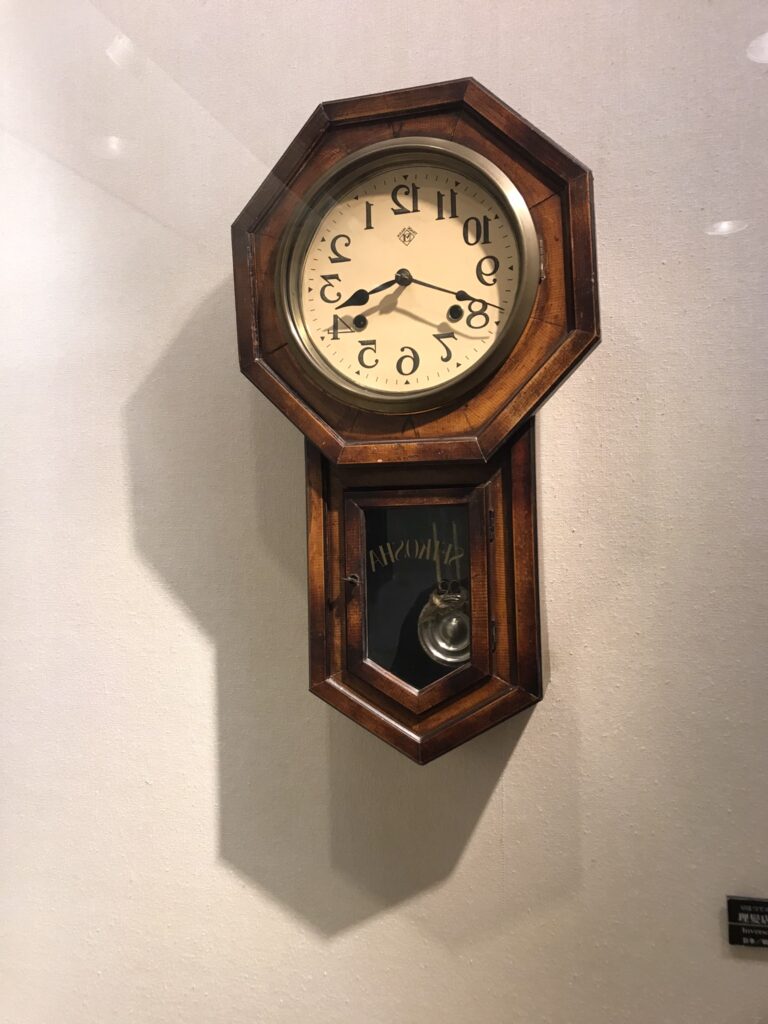
Quirky clocks exhibited at the Matsumoto Timepiece Museum
Takayama
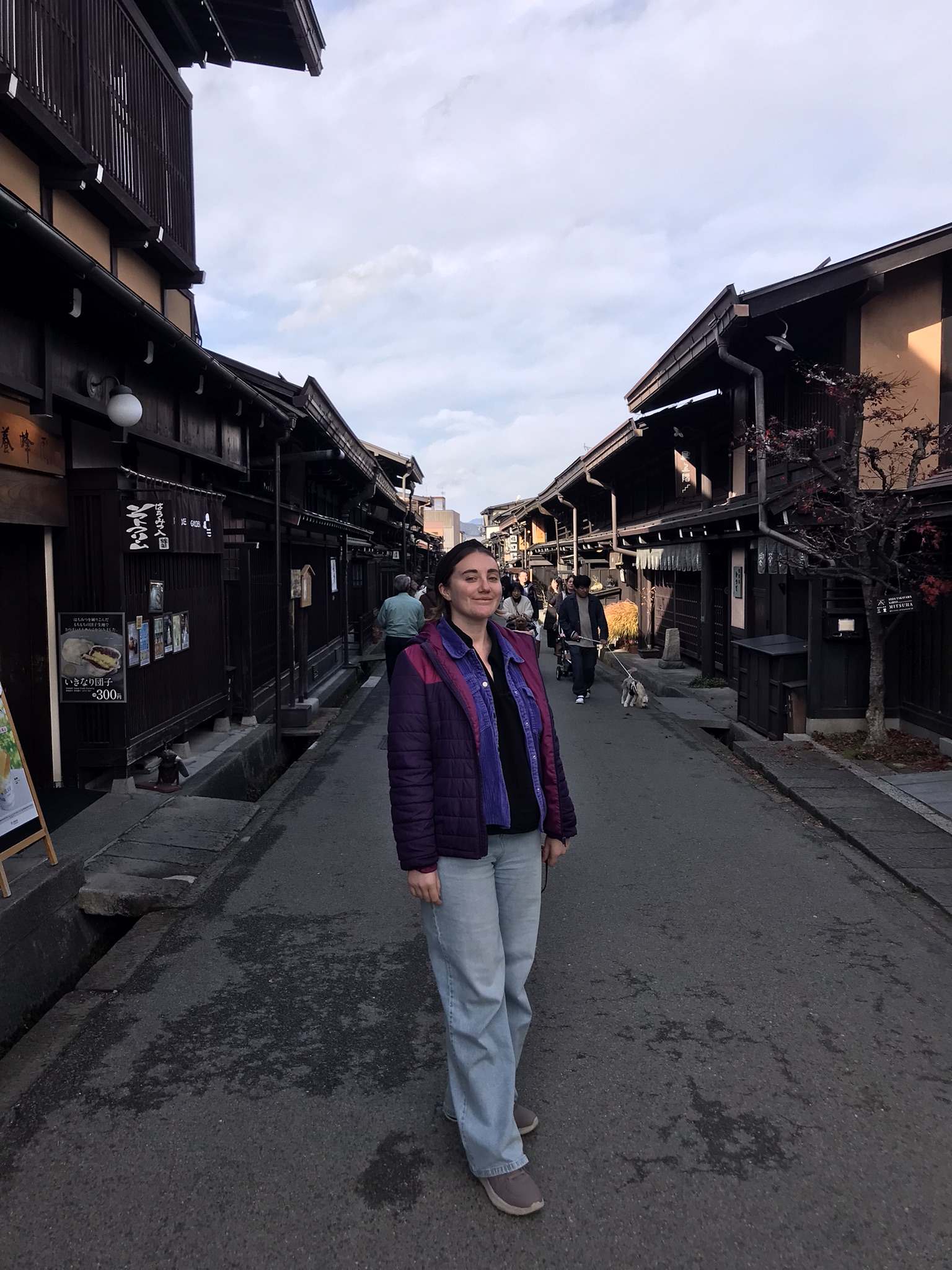
Takayama (also known as Hidatakayama) is at the centre of the wider Hida region. Like Matsumoto, it’s a charming city with a small-town feel to it. Visitors flock here in droves to experience the rural atmosphere and to see a different side of Japan, away from the bustling metropolises like Tokyo, Osaka and Kyoto. The city itself is very compact, with all the attractions located within walking distance of one another. A particular highlight is the historic Sanmachi area, filled with traditional black-painted machiya residences-cum-shops offering visitors a glimpse into the feudal past. For a window into rural life, the Hida Folk Village offers guests the chance to wander into rustic thatched houses and see first-hand how people lived before the advent of modernity, highlighting the traditional skills and products that the region is best known for.
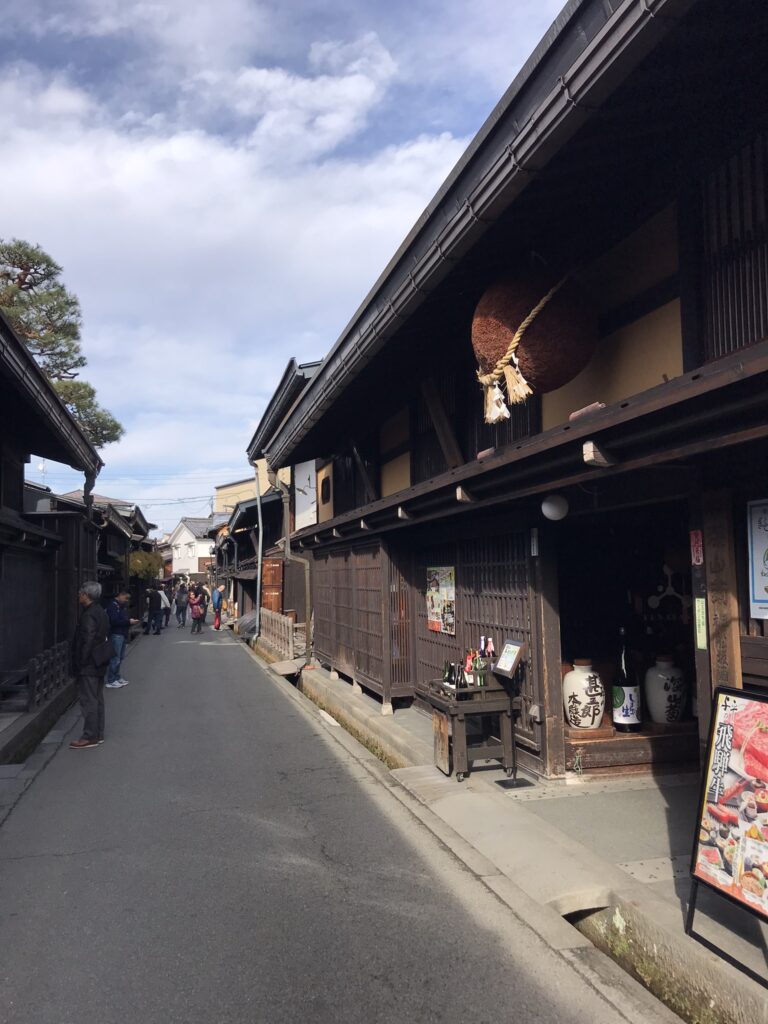
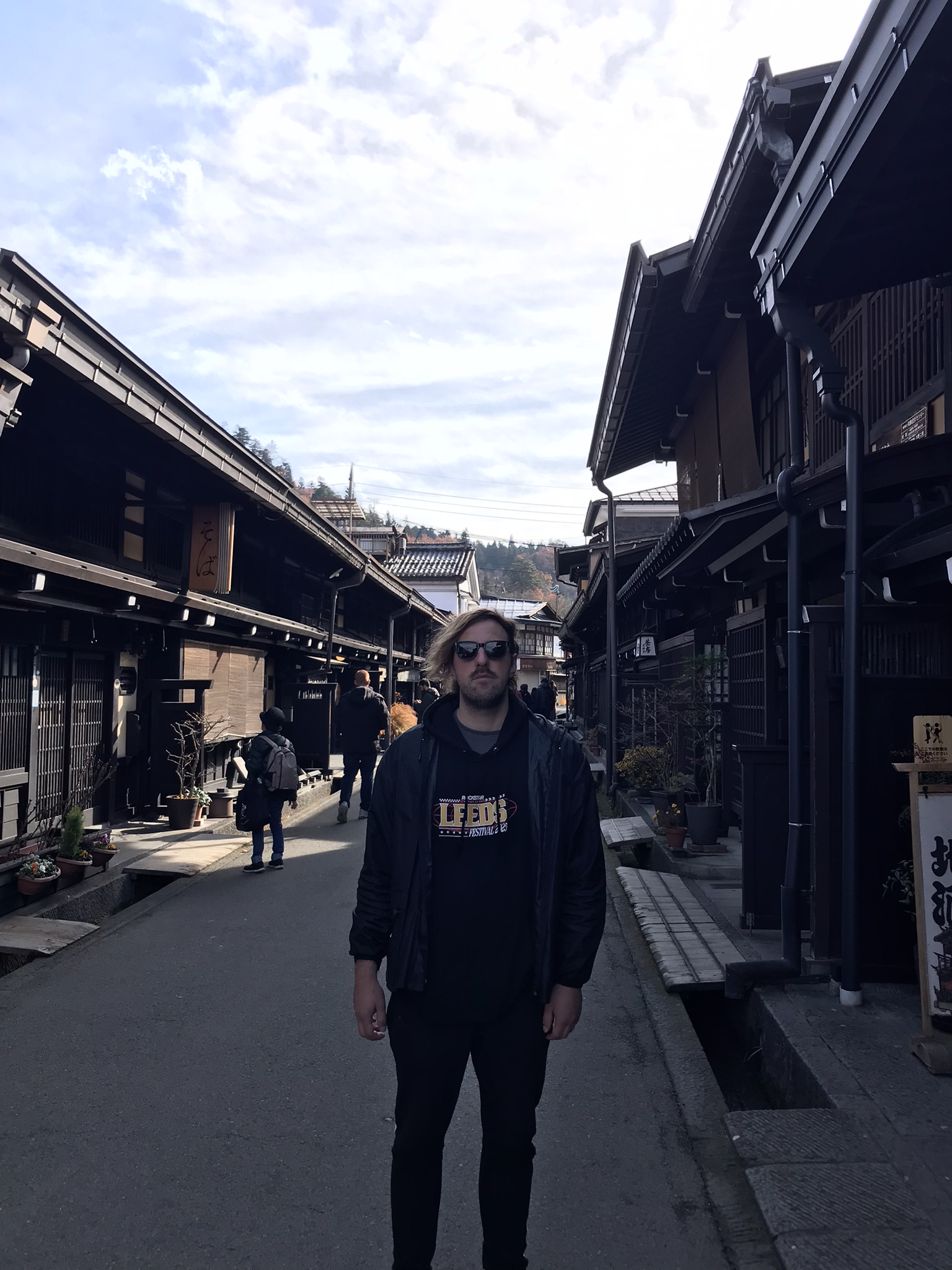
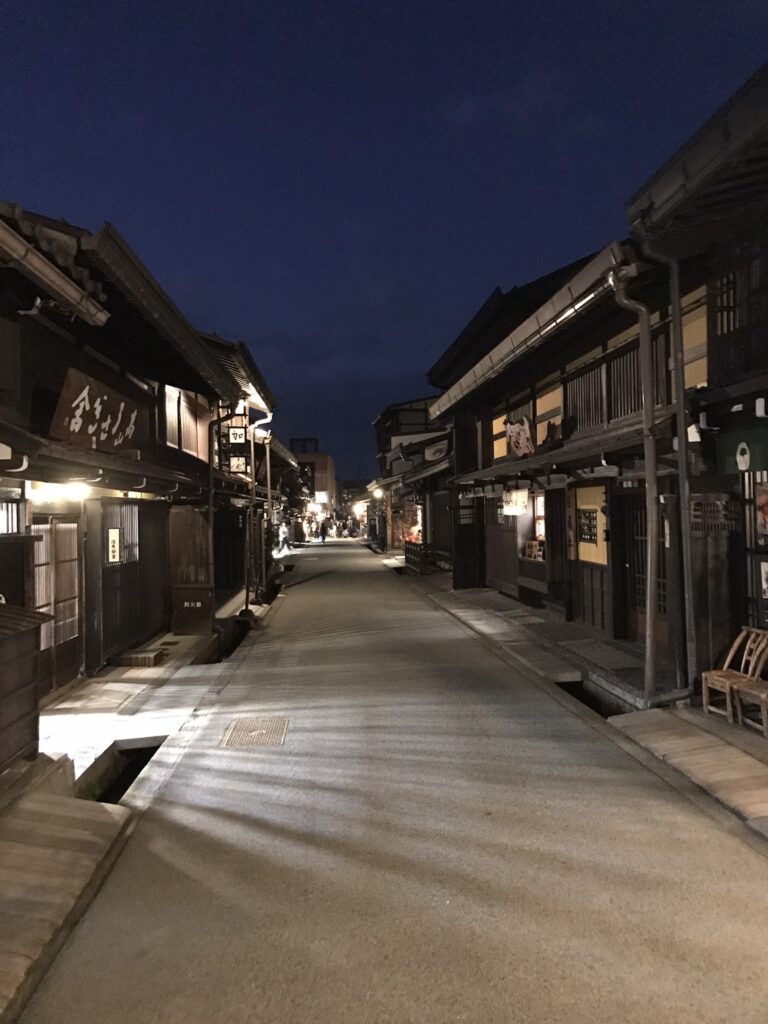
Machiya wooden houses in Sanmachi, Takayama
Takayama is synonymous with three things: Hida beef, Sarubobo charms and carved statues by the wandering monk, Enku.
Local meat aficionados claim that Hida beef is on-par with the much more well-known Kobe beef – pointing to the fatty marbling in the meat which comes from the specific breed of cows as well as their careful diet and monitoring. If you’re looking to try Hida beef without breaking the bank, there are plenty of budget-friendly options in order to get a taste without the hefty price tag of a steak dinner. Many places around the Miyagawa Morning Market and Sanmachi district offer snacks such as Hida beef sushi, skewers and croquettes, which are much more affordable for those of us on a tight budget. For a more substantial meal, there are a couple of burger joints that offer Hida beef burgers, while plenty of restaurants offer beef steaks although these aren’t cheap. Interestingly, although Hida beef is the speciality here, we noticed a number of places trying to cash in on the hype by offering other ‘Hida’ products, like Hida chicken.
As well as Hida beef, Sarubobo can be found absolutely everywhere in Takayama. These faceless, human-shaped dolls with pointy edges are sold as good luck charms, with each colour representing a certain wish for the owner; health, happiness, love, success in business etc. These dolls remain a firm favourite among visitors and a popular omiyage souvenir to pick up for domestic tourists and foreign visitors.
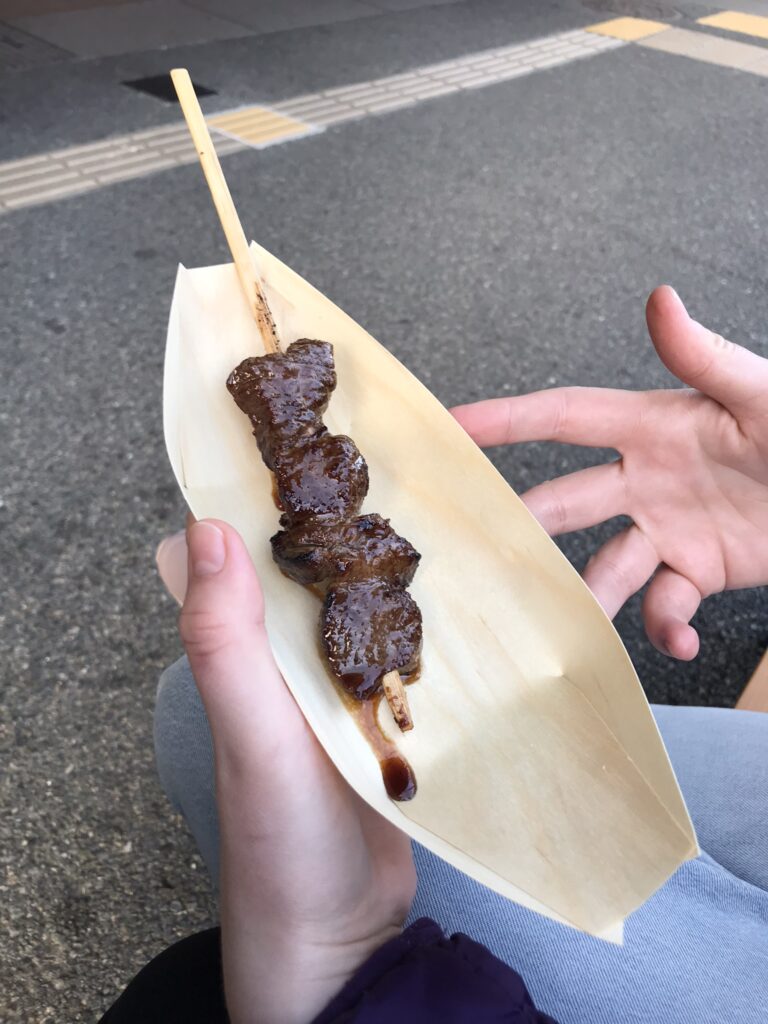
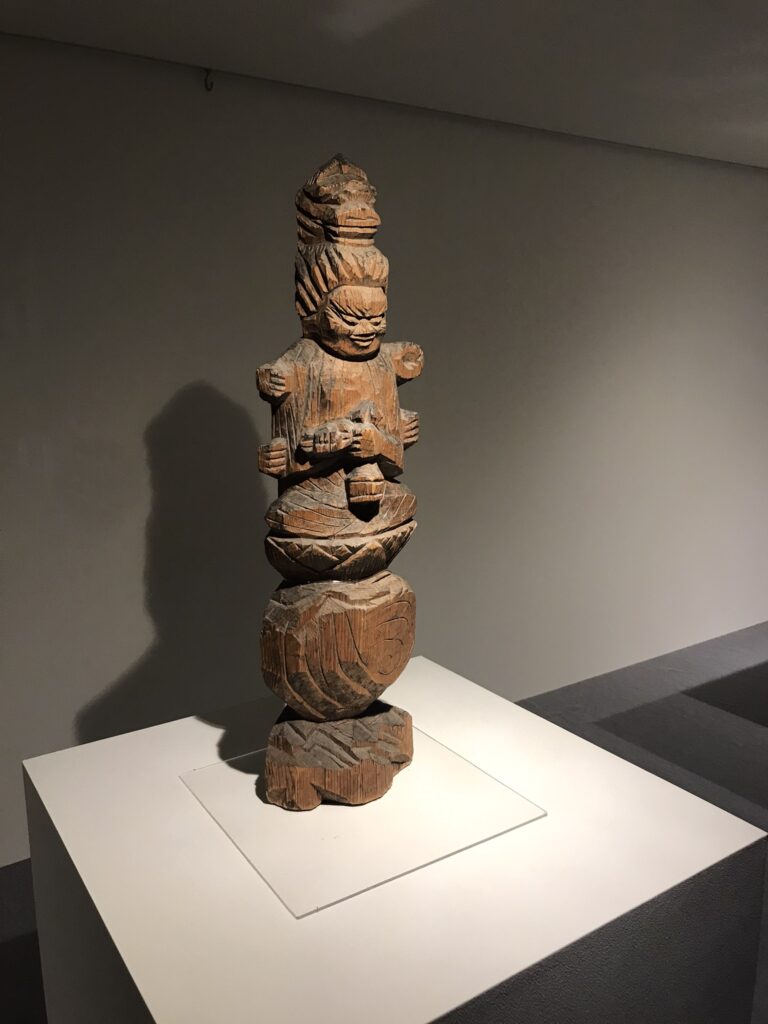
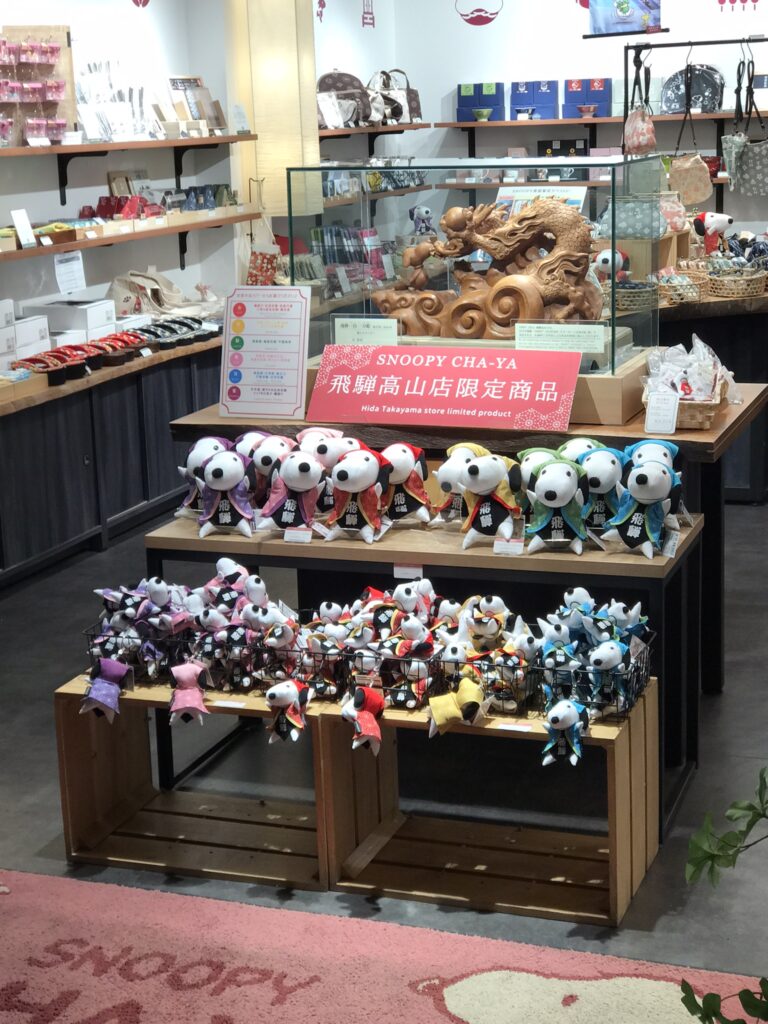
Hida beef skewer, creepy carved statue by Enku and Snoopy themed sarubobo charms
Carpenters from the Hida region are prized throughout Japan for their superior wood-working skills. The skills of these local craftsmen were so renowned that during the feudal period, the Shogun actually accepted carpentry work from this region inside of rice for taxes – something unheard of. Craftsmen from Hida are reputed to have been brought in to work on the most prestigious temples and shrines in the country during the Edo period. The city retains this reputation for high-quality wood craftsmanship to this day, with many shops in the Sanmachi district selling all manner of wooden items – from simple spoons to impressive standalone art pieces. This is the place to shop for wooden souvenirs and lacquer works to your heart’s content. The Hida region also featured prominently in the silk industry: silk worms were nurtured, silk threads extracted, spun and turned into precious garments here.
Throughout the city, you may spot some very peculiar wooden statues which appear to be quite rustic and wicked-looking; these were created in the 17th century by the wandering monk, Enku, who traded such pieces for hospitality. Although Enku certainly wasn’t a master-carpenter by any means, these rudimentary statues are valued for their rustic appearance and character.
Takayama is a destination which is quite difficult to reach. The train station isn’t well-connected and the best way to get to the city is via bus. Buses in this remote part of Japan can be relatively expensive even for quite short distances, so be prepared to have to fork out to get in and out of the city.
Accommodation
KOMOREBI HOSTEL – not your typical hostel crowd, the hostel is frequented by mostly regular tourists, families and older couples. Our private room was incredibly spacious and comfortable, tatami-style and equipped with a mattress on the floor instead of traditional thick bedding. Dorms are also available here for solo travellers. The kitchen facilities are pretty extensive with multiple sets of hobs, sinks and ample fridge space so more than one person can cook at the same time. The only oddity is that the hostel is unstaffed and you have to check in at the sister hotel near to the train station. We saw a few guests who were caught out by this.
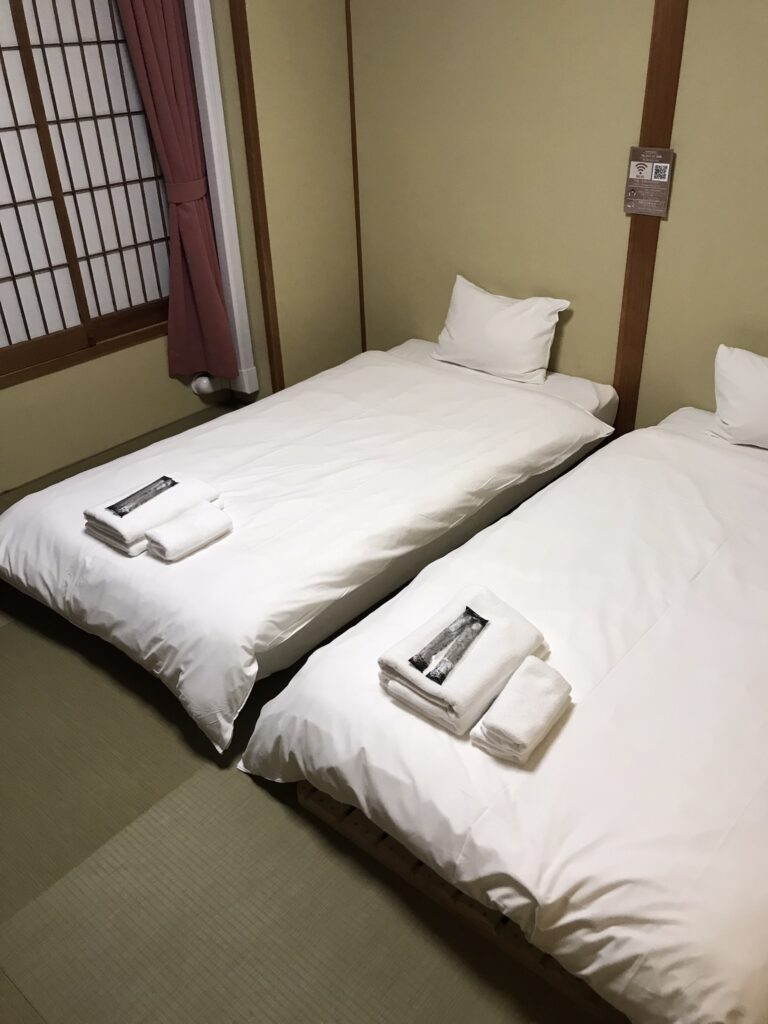
Comfy tatami-style rooms with the added bonus of a real mattress at Komorebi
Foodie Places
Matsuki Burger – conveniently located right next to the train station, this hole-in-the-wall burger bar serves by far the best value Hida beef burger we could find in the city. Be sure to visit at lunch time as it closes in the early afternoon – we got caught out by this once. Bring cash as card payments aren’t accepted. The burgers are delicious and the burger deal which includes chips and a drink is an absolute steal.

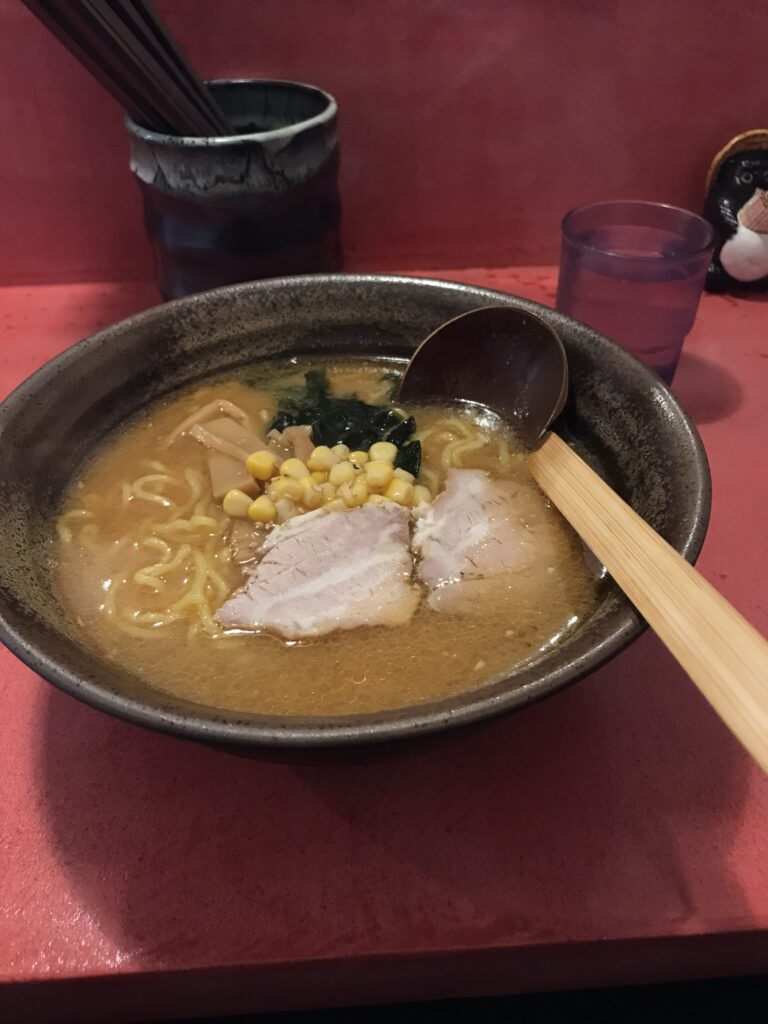
Tasty food options in Takayama
らーめん川路 – a highly-rated ramen restaurant within close proximity of the train station. From what we observed, it appeared to be a hit with foreign tourists as well as locals. Although it wasn’t a stand-out ramen joint for us, it was super budget-friendly and provided a filling meal for lunch so we couldn’t complain.
Activities
Hida no Sato Folk Village Museum – an incredibly interesting outdoor folk village museum just outside the center of Takayama which showcases a traditional local way of life that is swiftly becoming a relic of the past. The village consists of a collection of traditional wooden thatched houses from around the Hida region – these buildings were saved and transported here to preserve the distinct and unique heritage and architecture of the region. Each dwelling tells a story about its former inhabitants and retains the name of the last owner of the property. These are legit historic properties – some of the houses are designated Important Cultural Properties of Japan.
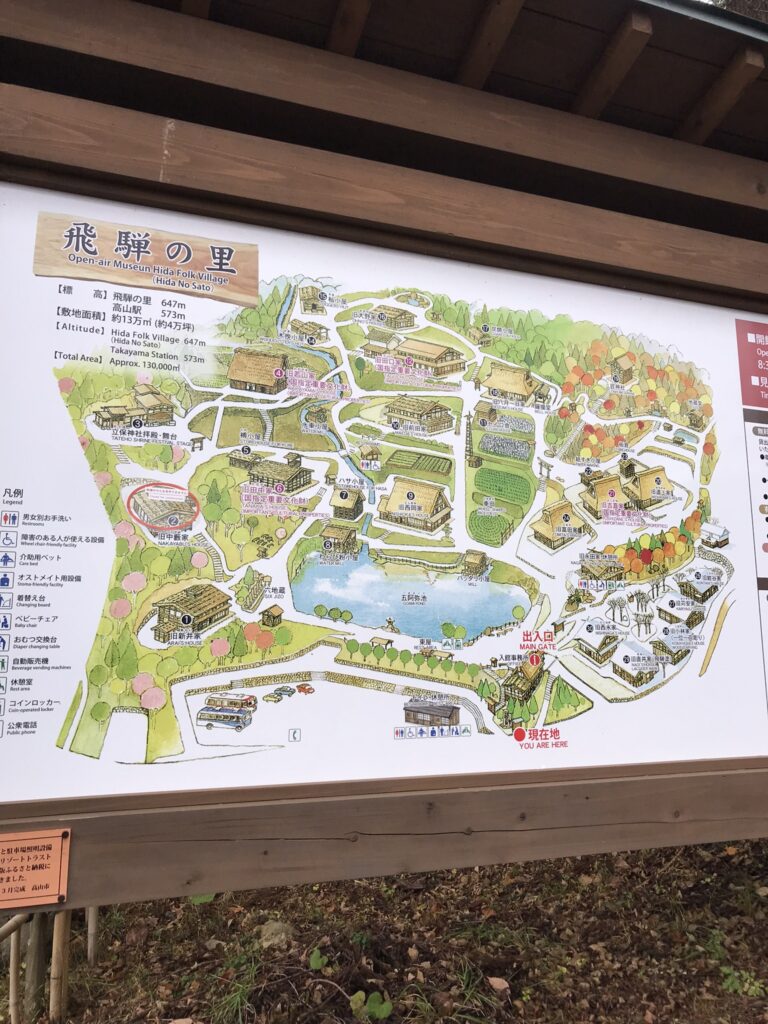
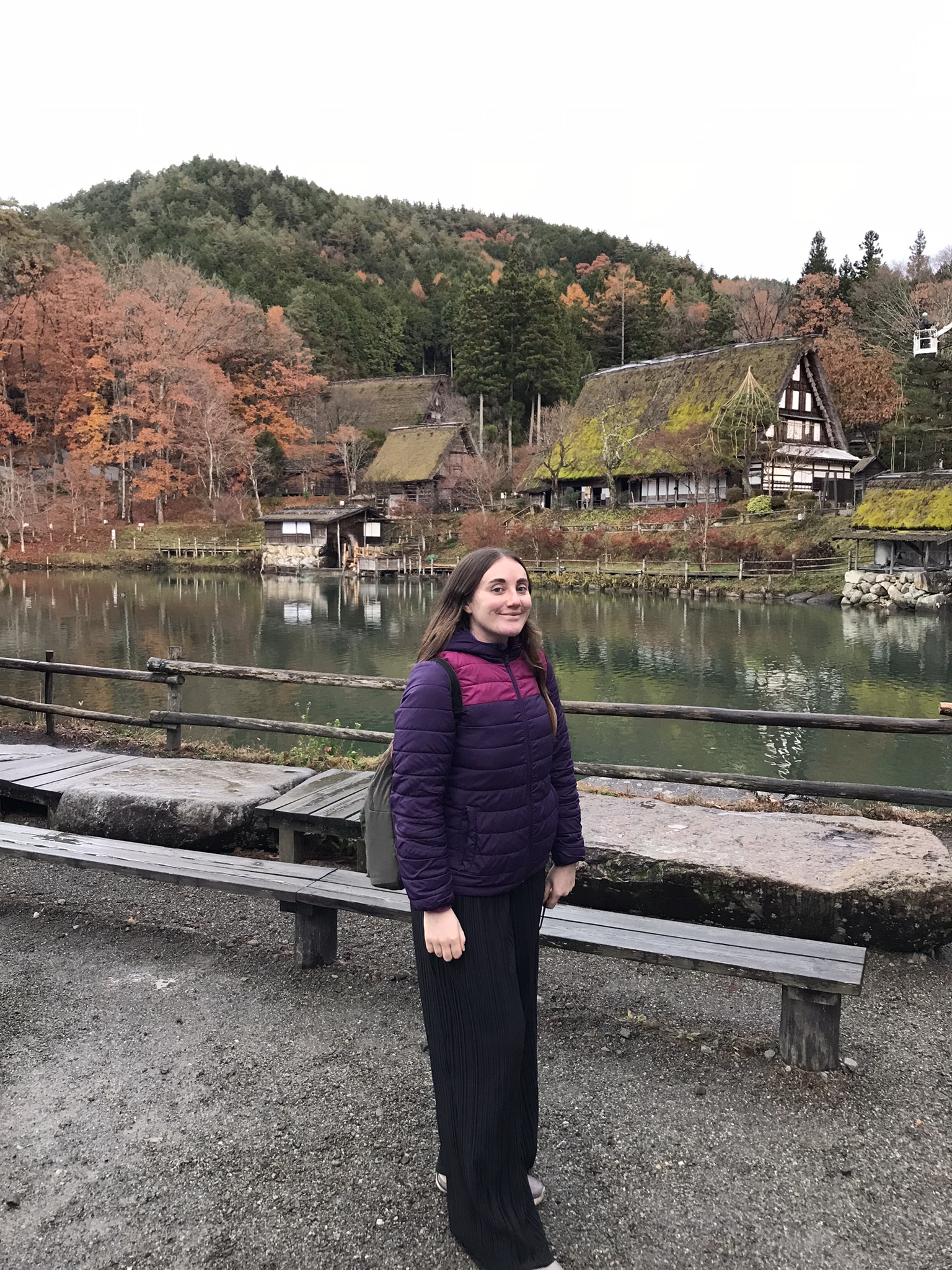
The layout of Hida Folk Village is just like a real village
Visitors are allowed to step inside and explore the houses (without shoes of course). Inside many of the houses are displays about local customs such as logging, transportation of wood, washi paper making, sledging, tofu making, weaving etc. Sometimes there are local volunteers around who may demonstrate these various skills. The houses are arranged and set up in a traditional village style, complete with a pond, water wheel, rice paddies etc and plenty of explanation plaques with good English translations.
The size and scale of some of these old houses is amazing – some of them are multiple storeys, bordering on mansions. We were really impressed with the design, intended for comfort and warmth even in the freezing winters. The communities used to assist each other with rethatching the roofs, a mammoth task. Although the architectural style and aesthetic of the folk village is similar to the popular nearby UNESCO site of Shirakawa-go, I still recommend visiting this place even if you’re also planning to visit Shirakawa-go. It’s a great experience to step inside and explore the different houses and learn about the local customs and culture.
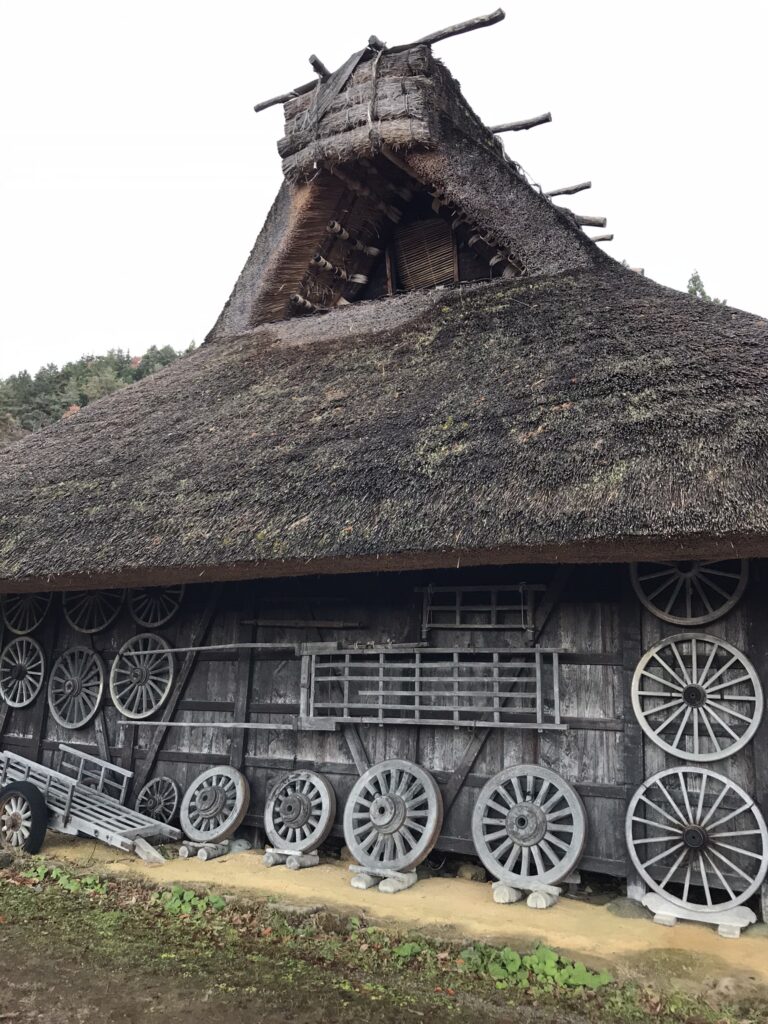
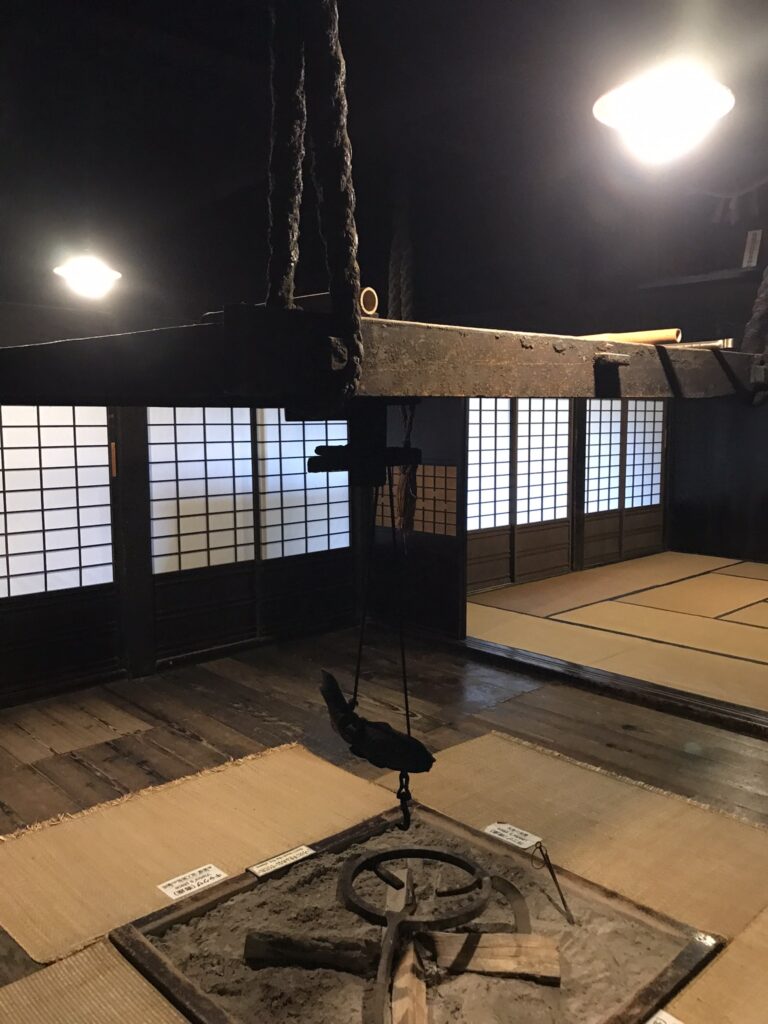
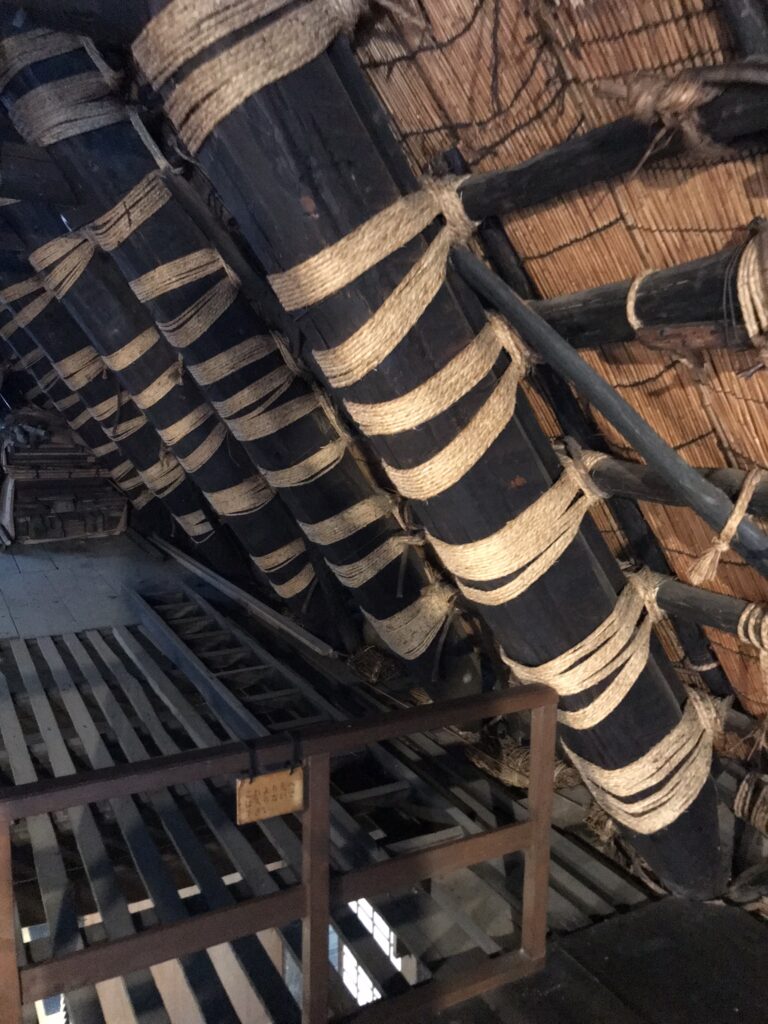
You really can get up close and personal with the houses in Hida Folk Village
It’s possible to walk to Hida no Sato from the train station, or catch a local bus. Hida Takayama Teddy Bear Eco Village is on the way, which we didn’t stop at but seemed like quite a quirky place to visit, particularly if you have kids. If you’re wondering what the enormous white futuristic temple-looking building is nearby, it belongs to quite a well-known Japanese religious cult. Apparently they do welcome visitors, but I don’t recommend it.
Matsukura Castle – located at the top of the hill towering behind Hida no Sato Folk Village, you can continue along the road from the folk village to reach this place. This site contains the ruins of a former castle which predates the more well-known Takayama Castle. Although there is little left of the castle, it’s an atmospheric place with views across the landscapes which are far better than those at Takayama Castle. It’s a pretty steep climb up in a rural area and we were the only people around. This isn’t a popular tourist spot at all but it’s a fairly straightforward trail with a rewarding view at the end.
This site is a fair way out of the centre of the city and the road up begins to enter the wild, hilly, wooded landscapes. We were a little freaked out along the way by the numerous signs warning about bears and the frequent appearance of bear bells/gongs – we ended up playing music on Dan’s phone while we walked up and down the trail (this is recommended if you don’t have a bell attached to your bag, as bears will hear the music and run away rather than being startled if you encounter them). We only had one song downloaded offline, so had to play it on loop. 50 Cent saved us from the bears!
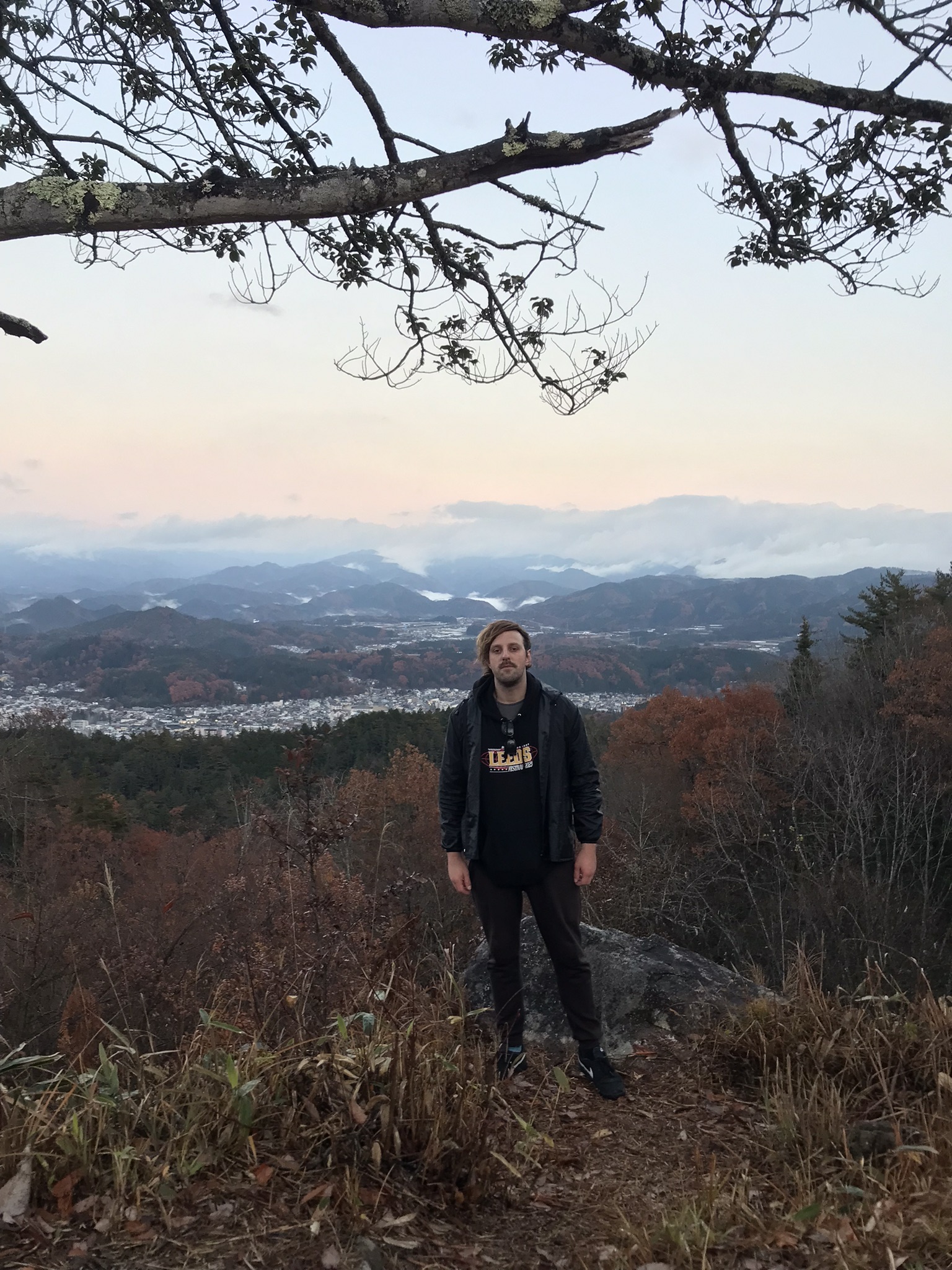
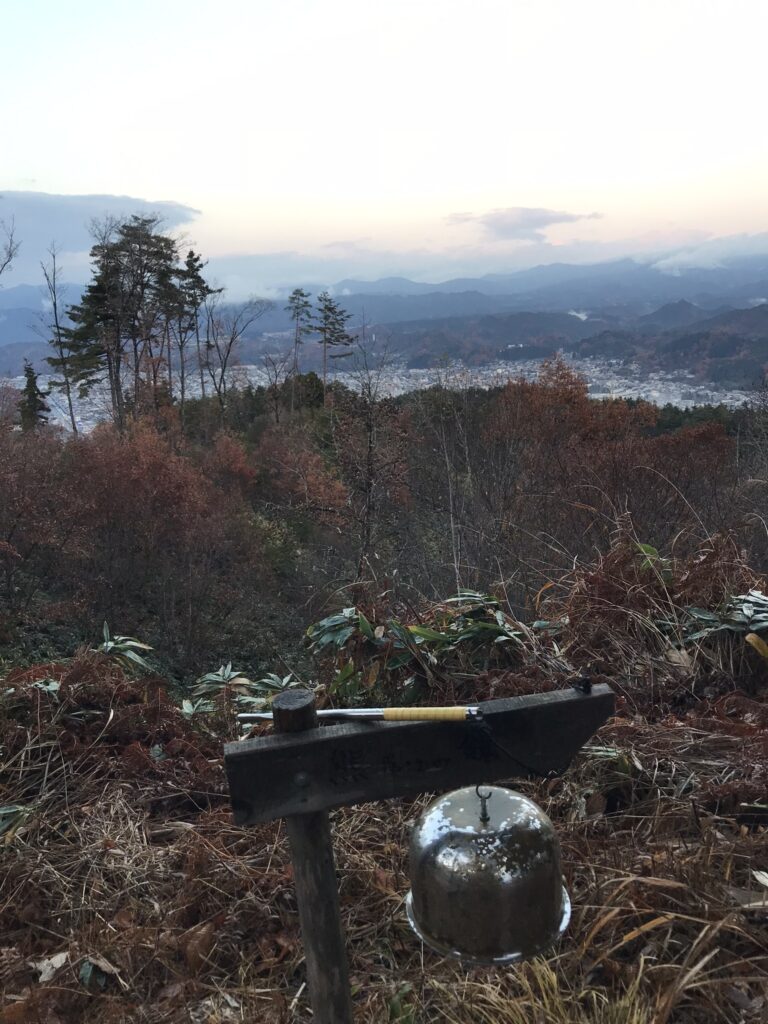
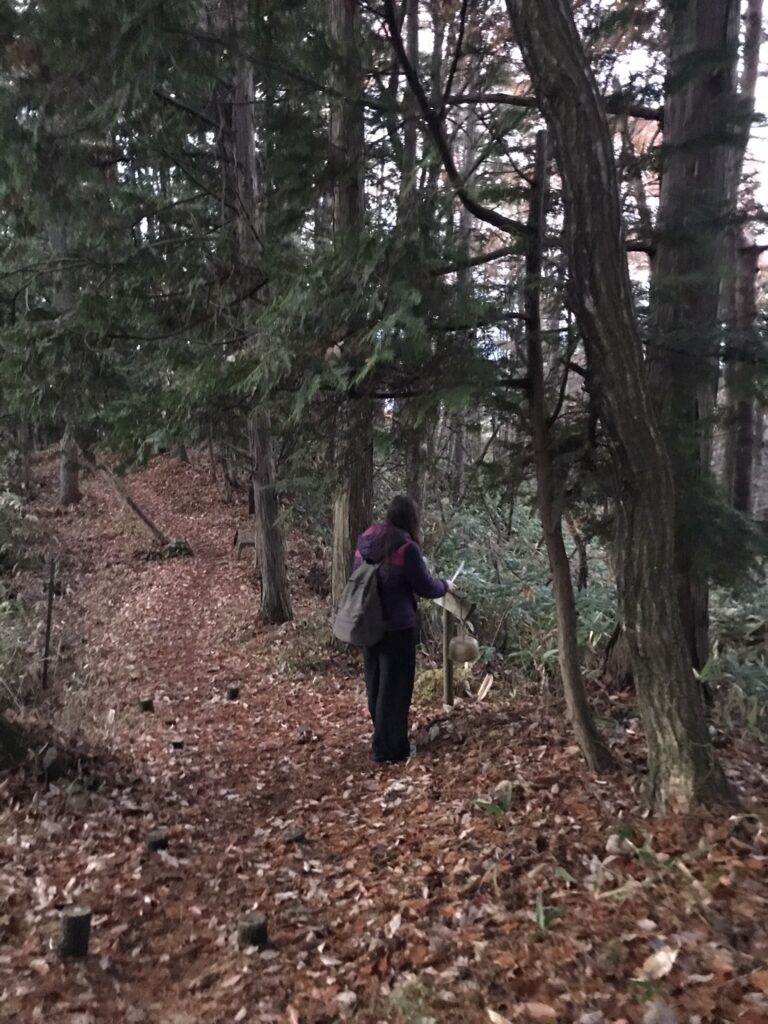
50 Cent really did save us from the bears at Matsukura Castle – make sure you use the bear bells along the way
Miyagawa Morning Market – by the banks of the Miyagawa River, this is essentially a set of pop–up stalls along a single route running alongside the river. We weren’t particularly impressed, most of the stalls just seemed to be selling typical tourist tat.
Sanmachi and Oshinmachi districts – these historic areas of old-town Takayama are filled with picturesque old houses and narrow streets. Oshinmachi to the north seemed to be more residential, while Sanmachi was the more touristic and well-known area. These houses date back to the Edo period, when Takayama was a hub for tradesmen and merchants. The most popular street, Sanmachi-dori, is a bustling shopping area teeming with tourists, but if you venture into any of the back streets nearby you can also find the same great architecture and atmosphere with virtually no crowds. The old town is completely dead after dark and quite atmospheric as the machiya houses are painted black, giving a real Edo-period feeling.
There are a number of historic buildings in this area which visitors can pay a small fee to enter and have a look around, but we declined as we’d already visited plenty of similar places during our time in Japan.
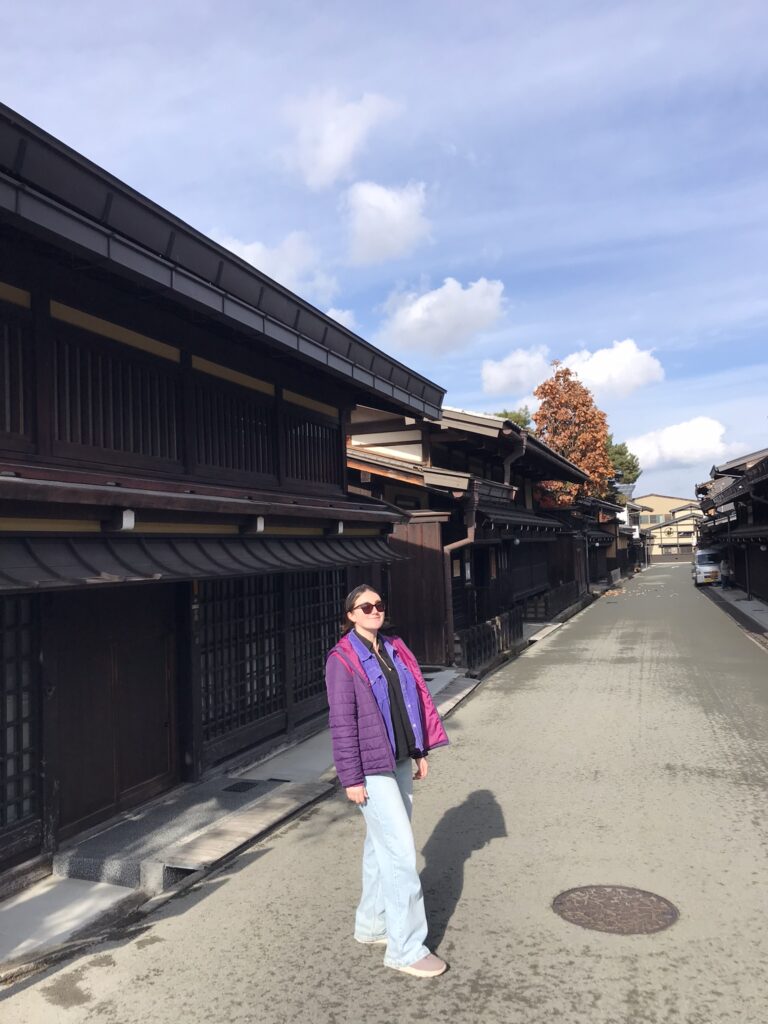
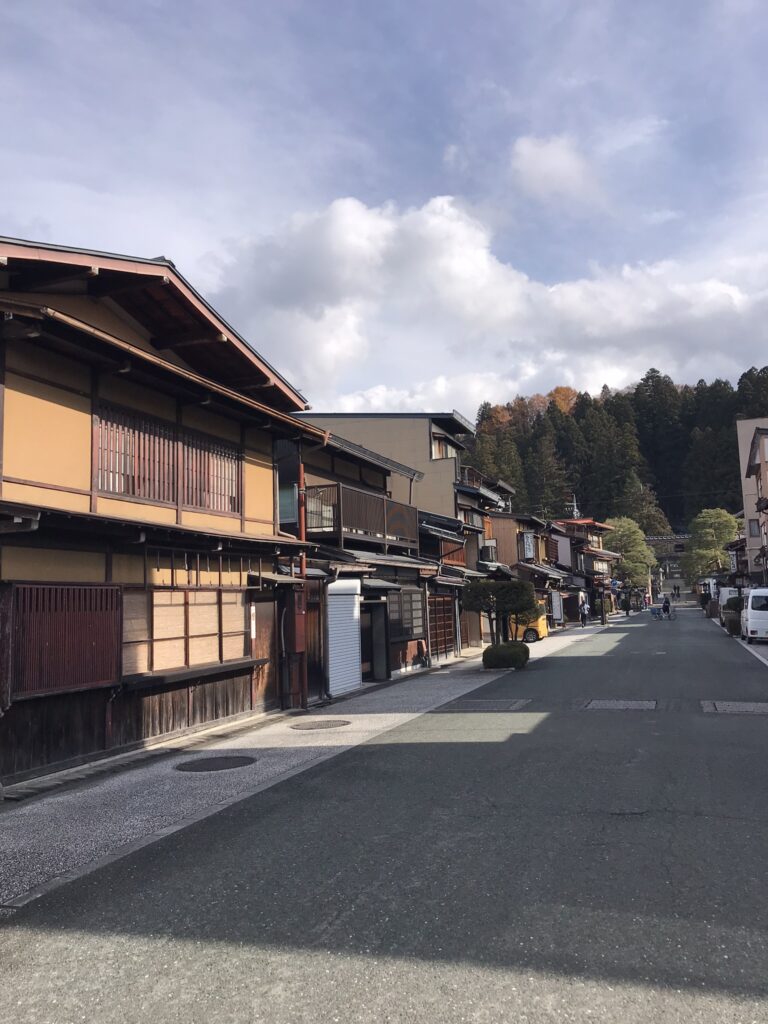
Picturesque streets in the Sanmachi and Oshinmachi districts
Takayama Showa-kan Museum – there are actually two distinct retro museums in Takayama, pretty crazy considering the small size of the city. We chose to visit the Showa-kan Museum rather than the Retro Museum as, after doing a bit of research, it seemed to be more focused on varied historical exhibits, whereas the Retro Museum seemed to be more focused on playing with old toys and was also slightly more expensive.
The Showa-Kan Museum contains a recreated Showa period (20th century) street, filled with rooms containing recreations of everyday settings such as a recreated post office, chemist, restaurant, pachinko room, barber shop, school classroom and more. All of the different rooms are fully decked out with items that are typical of the time, right down to the smallest detail. Visitors can freely explore, pick up and interact with all of the items in the rooms. You really do feel as though you’re walking into someone’s living room at points! We had particular fun in the old record store, where visitors can sing karaoke on an old machine and mess about with the analogue player to change the speed and tempo of the music. There’s even an old Sega Megadrive upstairs with a bunch of 80s classics like Sonic and Street Fighter that you can play for free.
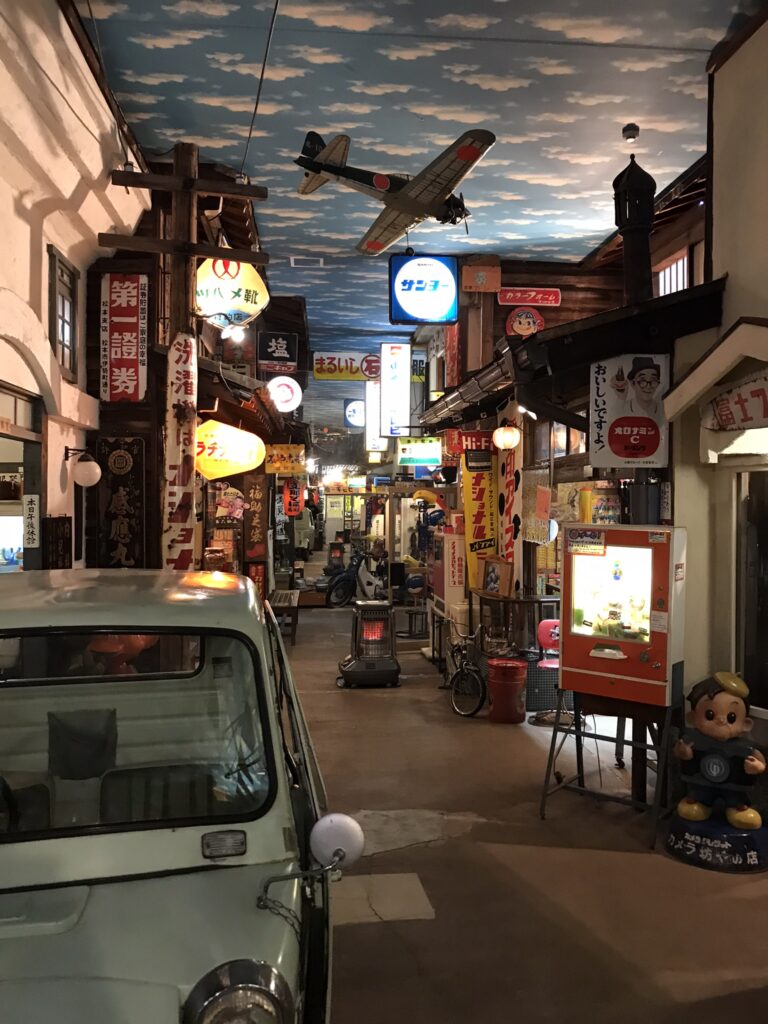
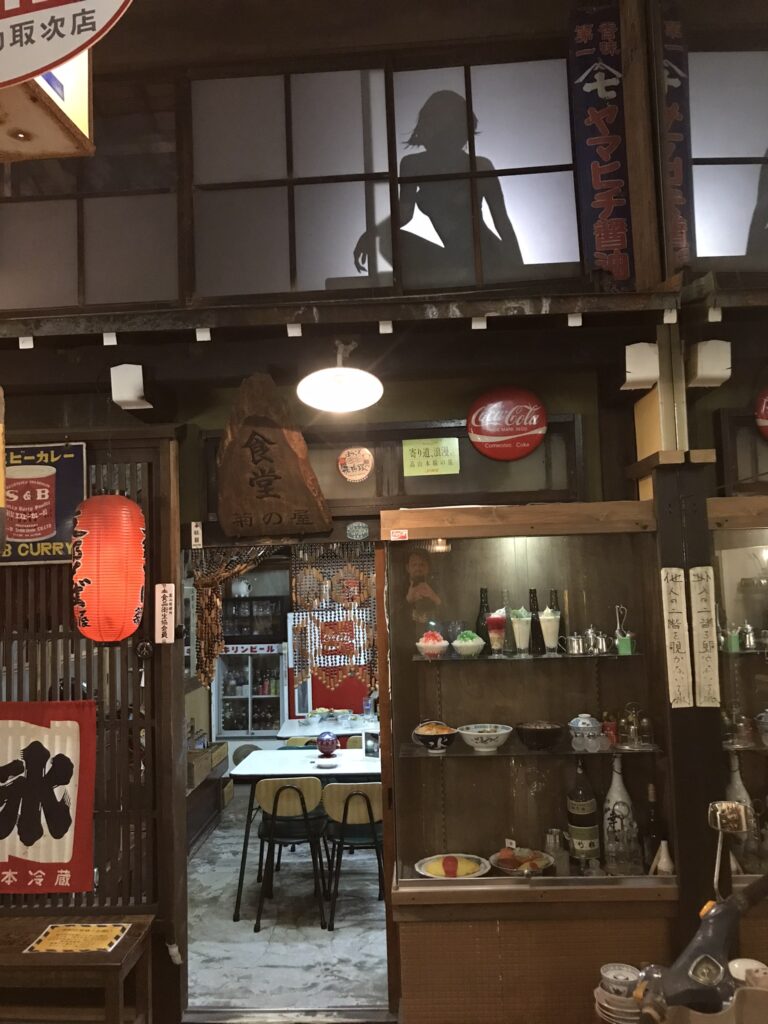
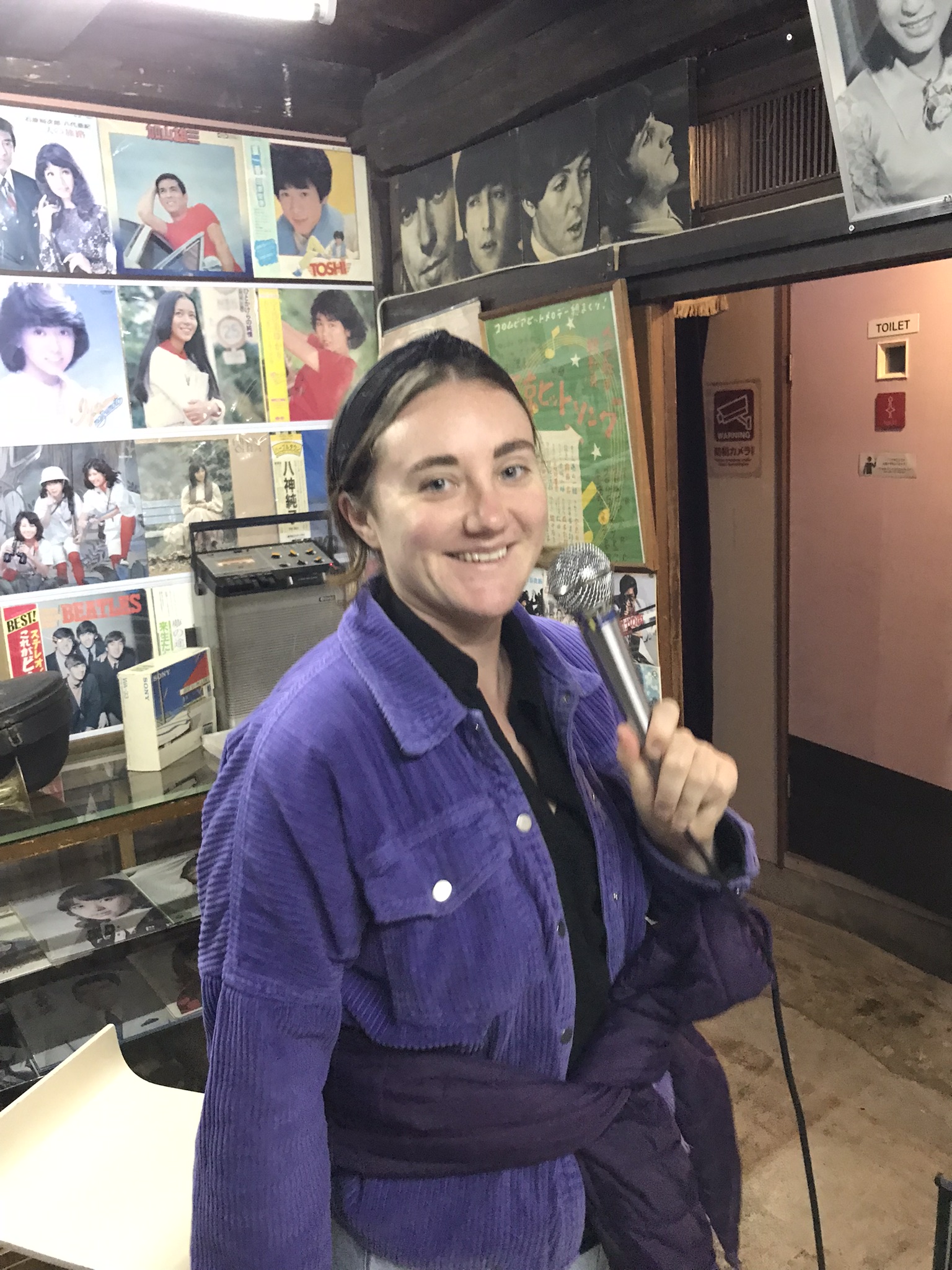
For the full Showa experience including karaoke and pachinko machines head to The Showa-Kan Museum
Funasaka Sake Brewery – Sanmachi-dori is home to a number of historic sake breweries and shops, and Funasaka is one of the most popular. The brewery offers visitors the opportunity to try little taster-sized portions of various different sake for a very reasonable price. At the time of our visit it was 1000 yen for 13 tokens, with each token granting you a shot of artisanal sake from one of the self-dispensing machines. Information is provided in English about the various sake and their individual flavours, aromas etc. Some of the more high-quality sake requires 2 tokens instead of 1. You also have to purchase a sake cup for 200 yen, which you can keep at the end as a souvenir. We had so much fun trying the various different types of sake. It’s a really worthwhile experience for those looking to try a variety of sake as well as being a relatively good deal.
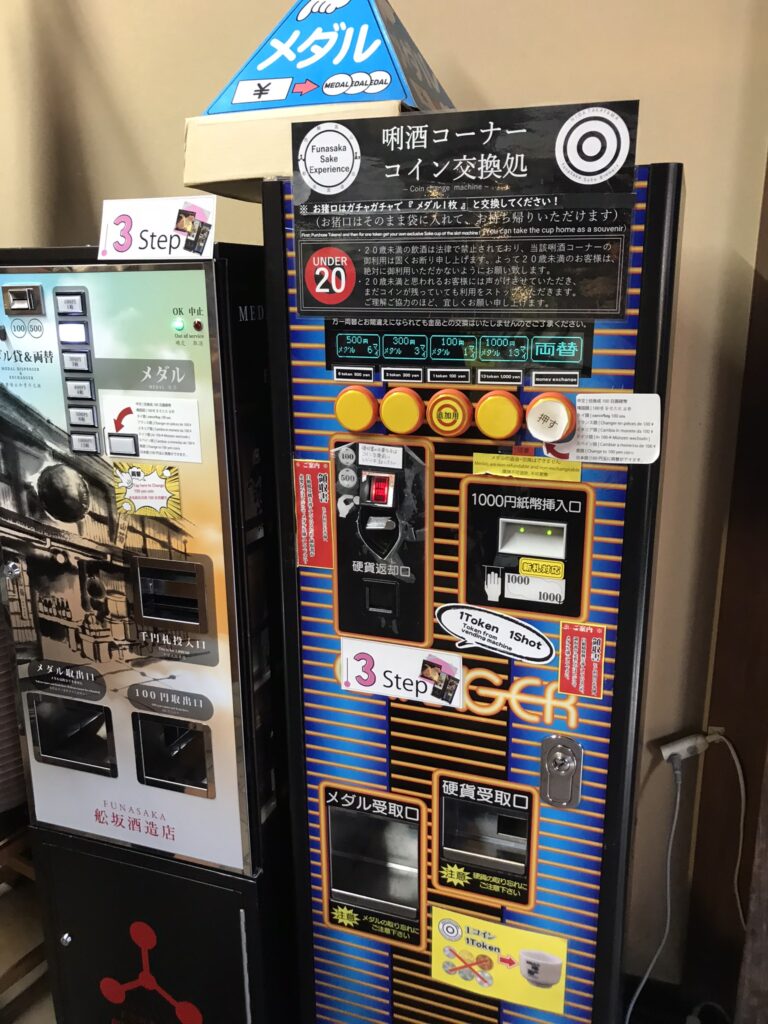

Drink sake til you drop at Funasaka Sake Brewery
Kokubun-ji temple – a historic temple with a large tree and a three-storey pagoda, this is a nice and serene place for a quick stop near to the Oshinimachi area. For those interested in seeing more of Takayama’s historic temples, there is apparently a walking route following the Higashiyama Teramachi to the east which takes in many of the smaller temples and shrines – sadly we didn’t have enough time to visit.
Hidatakayama Town Museum – a free museum located within two adjacent former storehouses owned by two eminent wealthy local families. The museum showcases local history and some of the well-known crafts of the region, including lacquerwork and woodwork. Among the artifacts inside are some more ghoulish wooden sculptures by Enku, perfect if you want to be thoroughly creeped out.
Takayama Castle – the former focal point of the town, you can head to Shiroyama Park or choose to climb to the very top, however be aware that the summit of the hill is surrounded by trees and so there aren’t really any good views here. Again, there are signs warning about bears but this is much closer to the city centre than Matsukura Castle so we thought the possibility of encountering bears here was a lot more remote. There was a funny sign advising visitors that a local dog was not a bear!
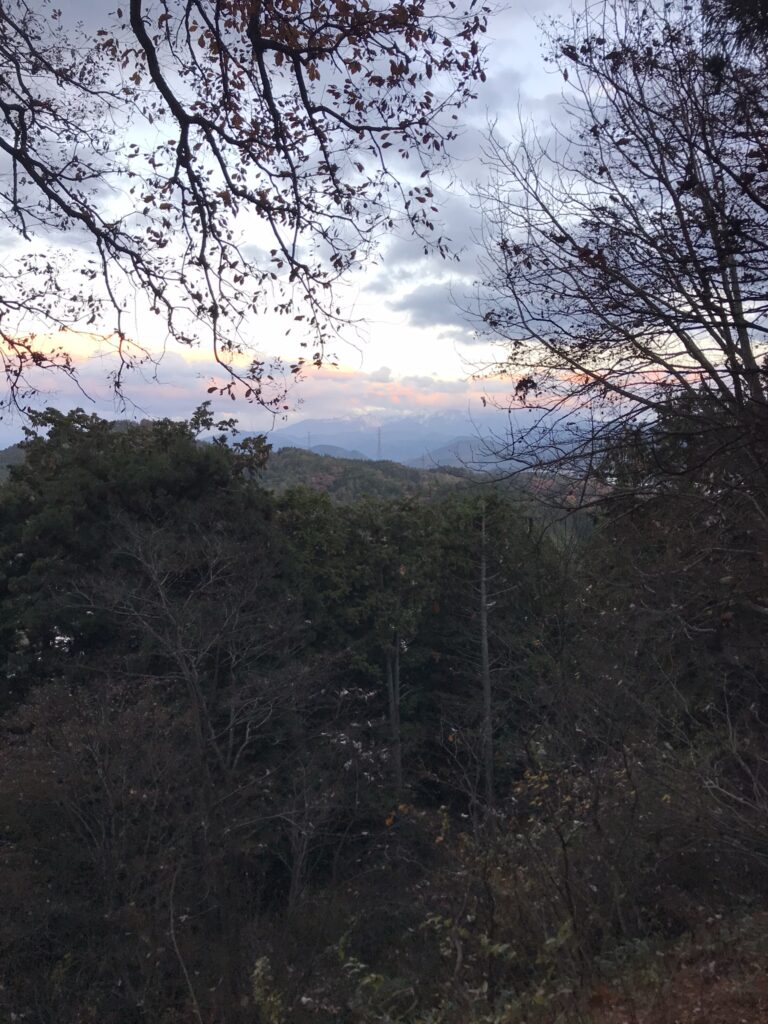
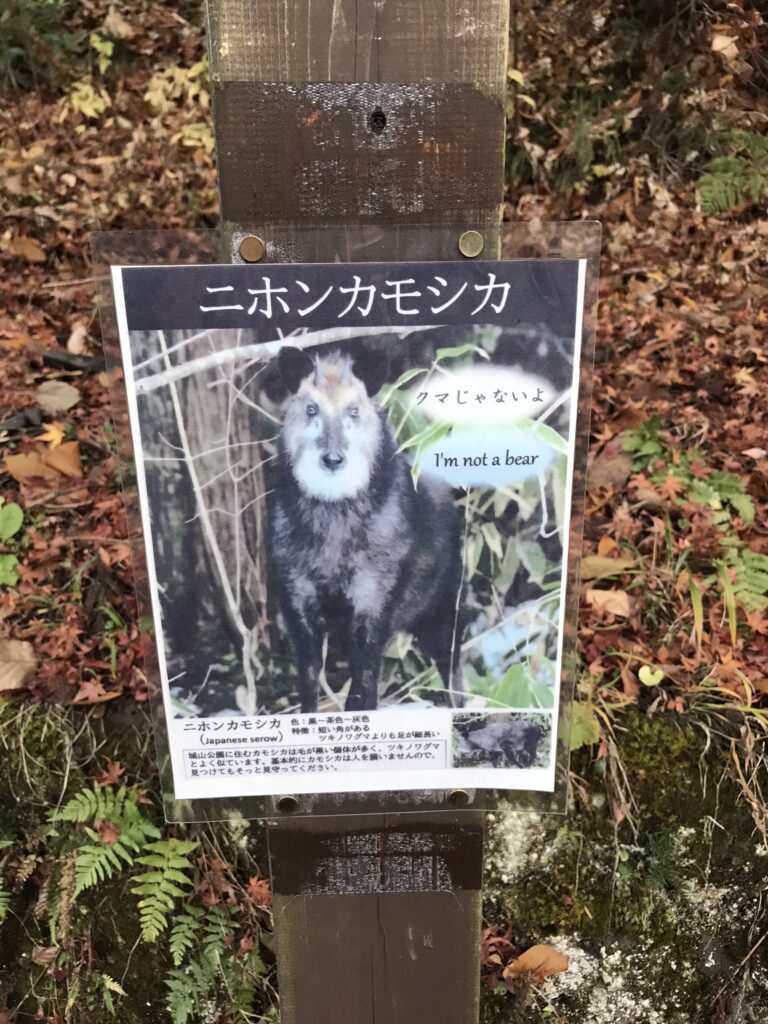
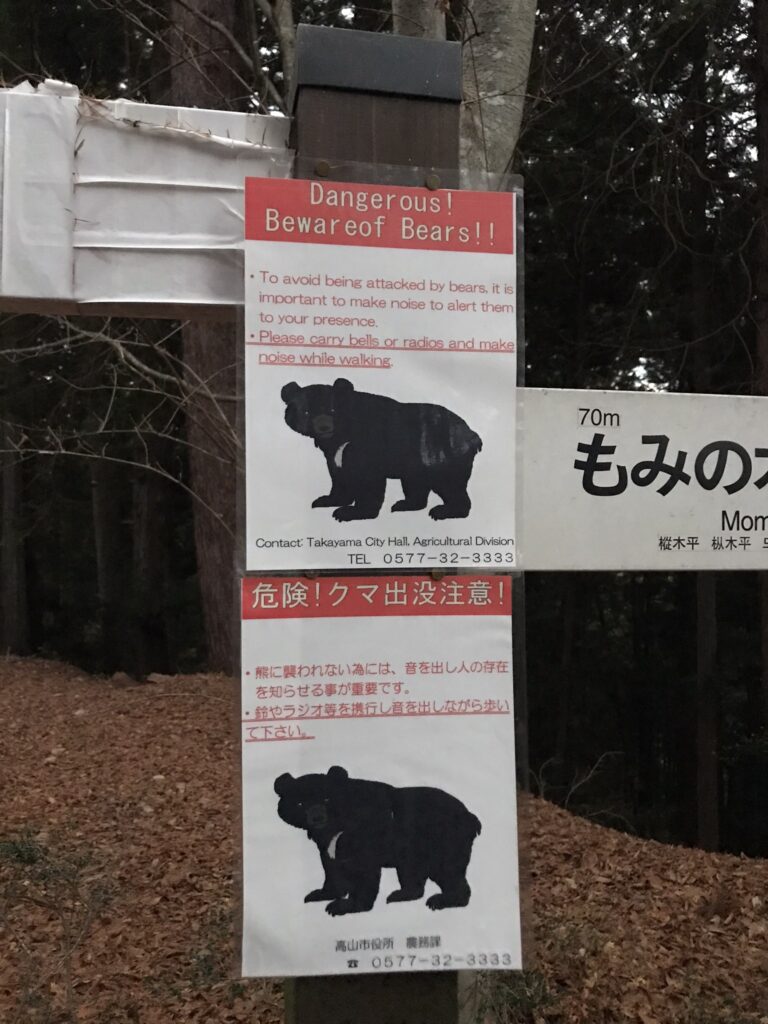
The view wasn’t great at the top of Takayama Castle but the signs on the way up were pretty funny
The castle is now all-but-destroyed, with only a few stone foundation walls left at the top. Even though it is relatively close to the Sanmachi area, we saw few other tourists here.
Day trip to Shirakawa-go
The UNESCO World Heritage Site of Shirakawa-go is a rural village in a very remote mountainous location which mainly features traditional thatched gassho-zukiri houses. A spectacular and picturesque rural scene, this is one of the most popular tourist spots in this remote part of Japan. Despite the constant stream of tourist hordes, Shirakawa-go is also still a functioning village where people live. We felt that it was a little like a safari or zoo as a result, although the houses are the focus rather than the inhabitants. Most of the residents and houses have now diversified in some way to make the most of the tourist crowds. Some houses function as little museums which visitors can go inside for a fee, while others have been converted to guesthouses, cafes or shops.
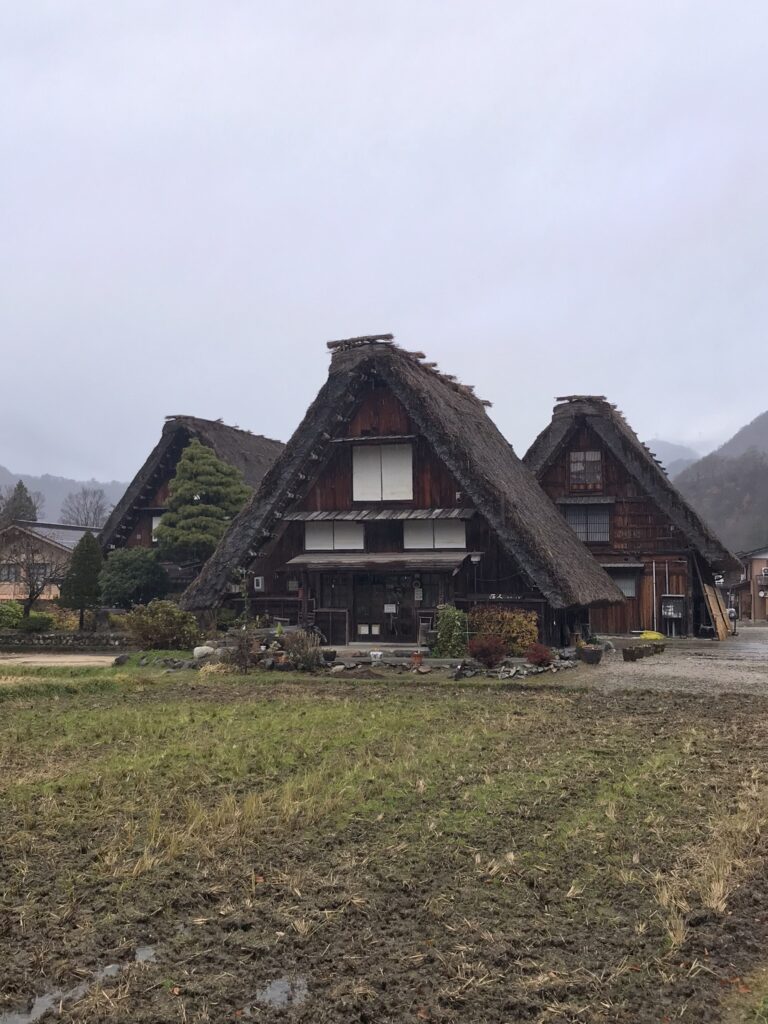
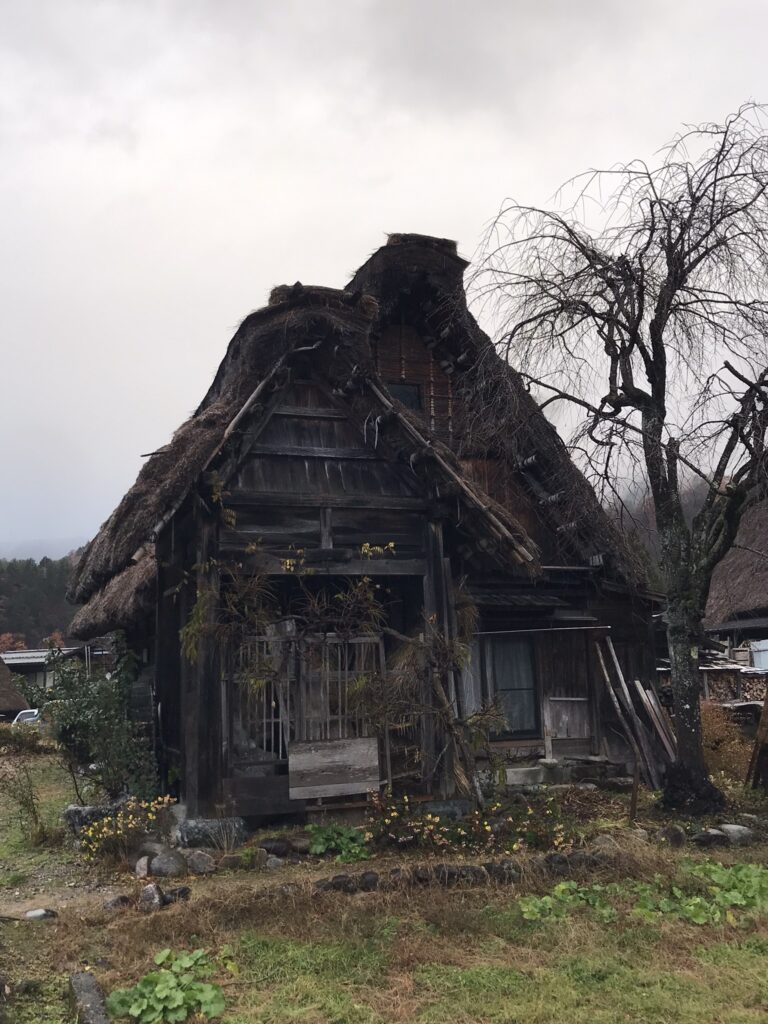
Even on a rainy day Shirakawa-go has a fairy-tale feel
Shirakawa-go makes for a good stopping point on the route between Takayama and Toyama or Kanazawa. Buses run between all these locations via Shirakawa-go. Although the buses can be quite expensive, it’s actually only a little more to stop off at Shirakawa-go than to get a direct bus from Takayama to Kanazawa. We stopped off for a few hours in the afternoon while traveling between these two places, which was more than enough time in Shirakawa-go. There are limited lockers at the bus station in Shirakawa-go, with additional luggage storage at an outbuilding near to the bus station (this is clearly signposted). The overflow luggage building is a little more on the expensive side, however when we visited it was completely full of bags – later including our own.
Shirakawa-go is located in a mountainous area with very changeable and volatile weather. When we visited it was torrential rain and freezing, however there were still lots and lots of umbrella-toting tourists even on a rainy day in late November. The creeping fog and cloud banks were actually very atmospheric and made it feel almost like a fairy-tale setting.
The viewpoint behind the bus station is a great place to get a good aerial look across the village and landscape. There is a shuttle bus that runs up to the viewpoint, but it’s not really a difficult walk at all even though it looks quite high up. There is a rest station building with a cafe and gift shop/photo spot up at the top, although you have to pay to enter the photo area which is a little strange.
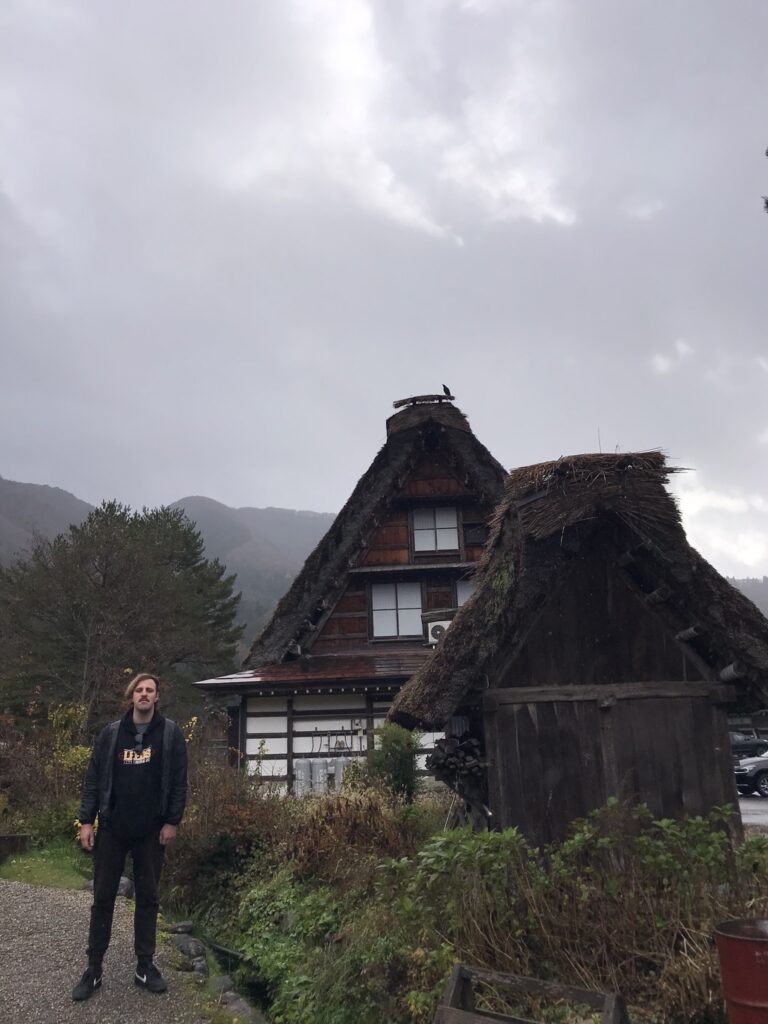
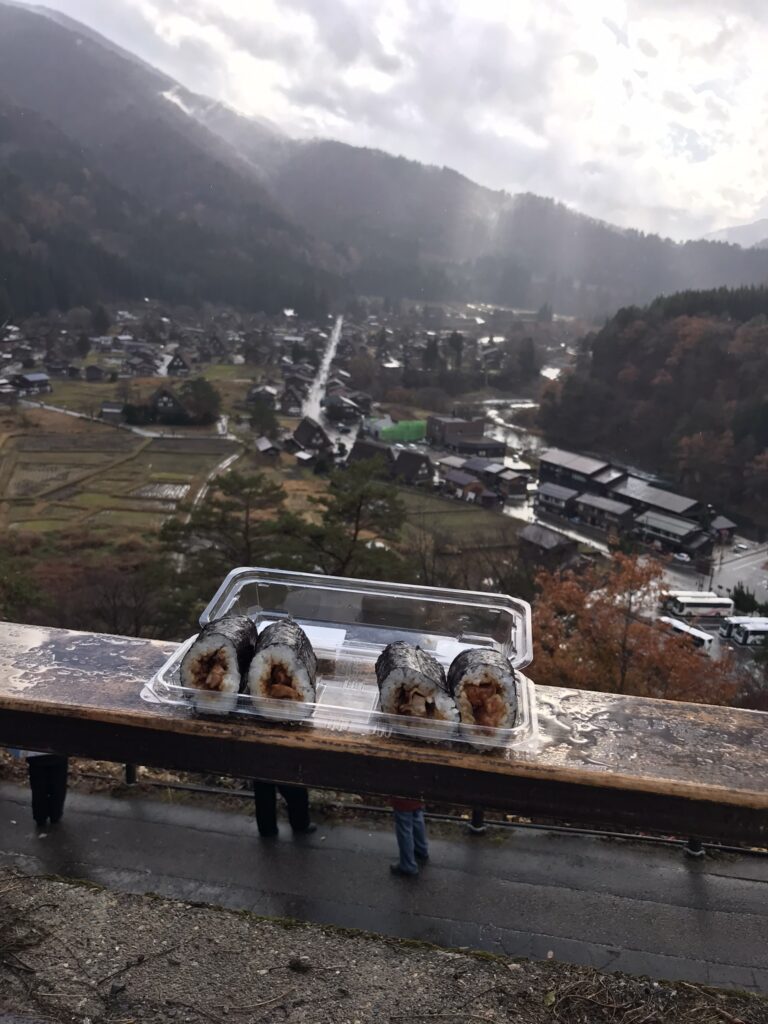
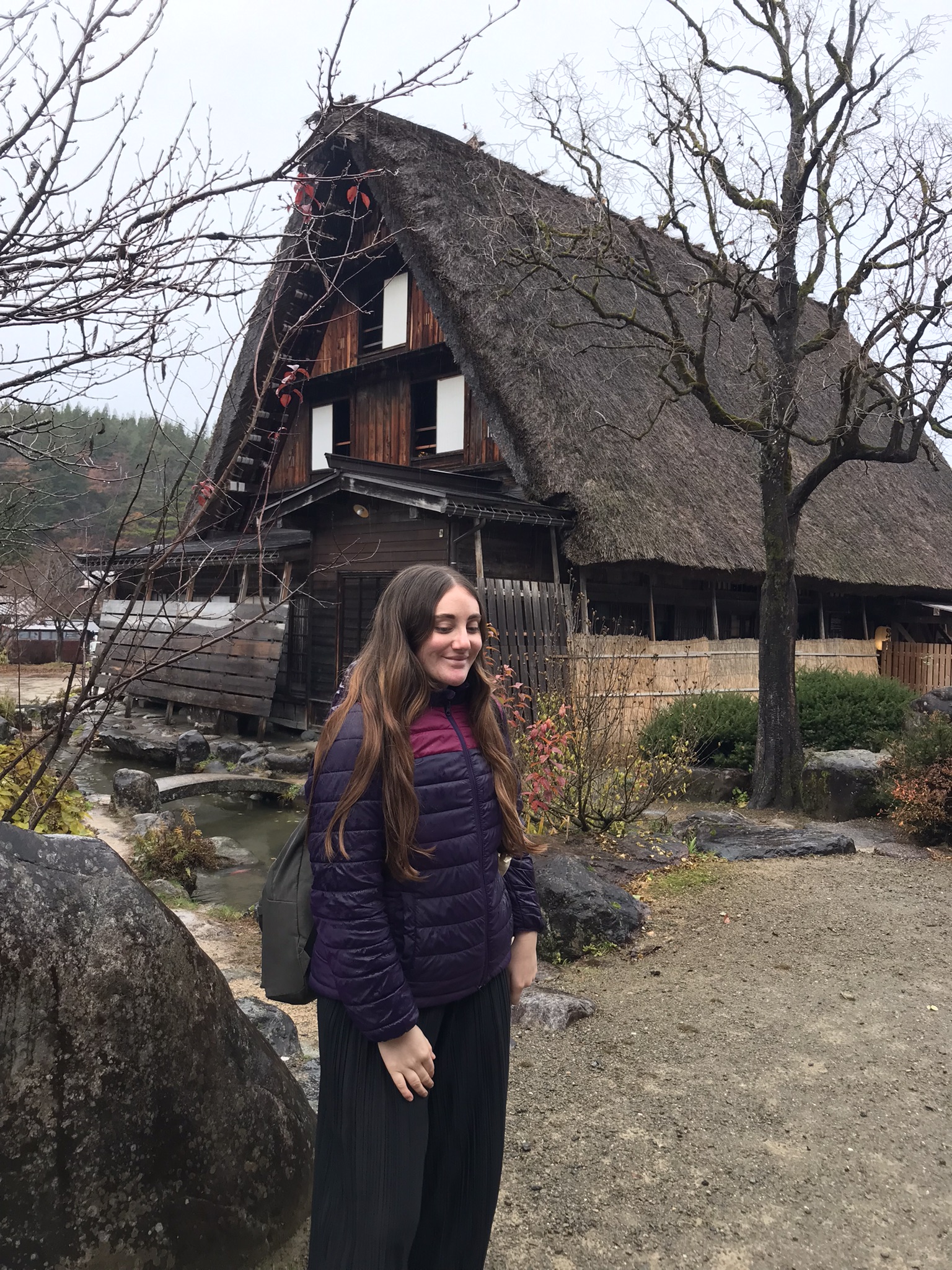
We didn’t spend a penny in Shirakawa-go
Apart from the expensive bus and luggage storage, Shirakawa-go has options for travelers of all budgets. We took our own lunch and just wandered around without spending a penny, which was thoroughly enjoyable. Others looking to splurge can indulge in a nice drink or meal at a cafe or restaurant, buy souvenirs from many of the shops (Sarubobo is very popular here), pay to visit the inside of the open gassho houses or stay overnight in one of the residences which have been converted to guesthouses. Some of the gassho buildings are quite majestic, while others are smaller, almost ramshackle-looking but lovable.
Buses to and from Shirakawa-go book out way in advance. You absolutely need to book a week or two in advance at least, or you won’t have a chance. We were able to book tickets from Takayama to Shirakawa-go and Shirakawa-go on to Kanazawa using this website.
Kanazawa
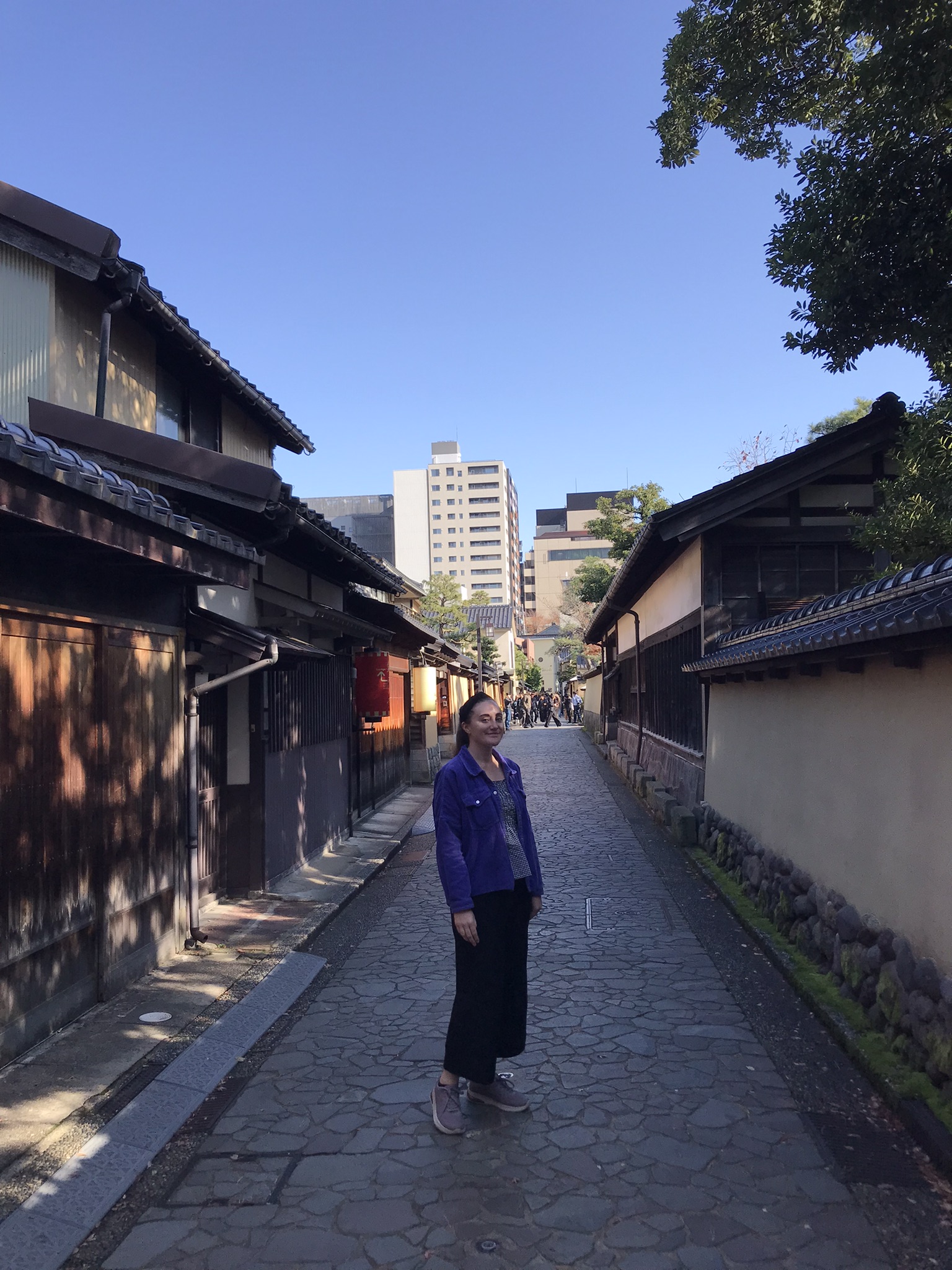
Kanazawa is often referred to as a mini-Kyoto due to its depth of classically Japanese history and culture. Having avoided bombing during World War 2, Kanazawa offers an impressively intact former samurai district (Nagamachi) and geisha quarter (Higashi Chaya), one of the Three Great Gardens of Japan (Kenrokuen), expansive castle grounds which are undergoing a complete renovation as well as plenty of museums and art galleries. There is a huge amount to see and do in the city, a former stronghold of the powerful Maeda clan which is at the heart of the lesser-visited Ishikawa region.
Kanazawa was once the center of a ‘peasants kingdom’ – a republic which was ruled over by Buddhist priests and farmers for a short period of time in the late 15th and early 16th century, before later falling in line to follow the typical format of a Japanese feudal-era castle town. The city steadily expanded outwards from the castle under the authority of a local dynasty of feudal lords – in this case, the local daimyo were members of the Maeda clan. The area controlled by the Maedas, known as the Kaga Domain, was the largest domain in terms of tax revenue in the country during the Edo period, with the Maeda clan being second in wealth and importance only to the ruling Tokugawa clan, the family of the shogun.
As well as its historic neighbourhoods, Kanazawa is also known for its unique crafts, in particular gold leaf. Kanazawa actually boasts 99% of Japan’s domestic gold leaf production. Gold leaf is omnipresent throughout the city – you’ll find gold leaf-topped ice cream, gold leaf beauty products, face masks and everything in between. The city is also known for porcelain production, known locally as kutani. We found the unique craft shops in Kanazawa to be some of the best we encountered in Japan, such as the Kaburaki porcelain shop in Nagamachi and a plethora of gold leaf shops in Higashi Chaya.
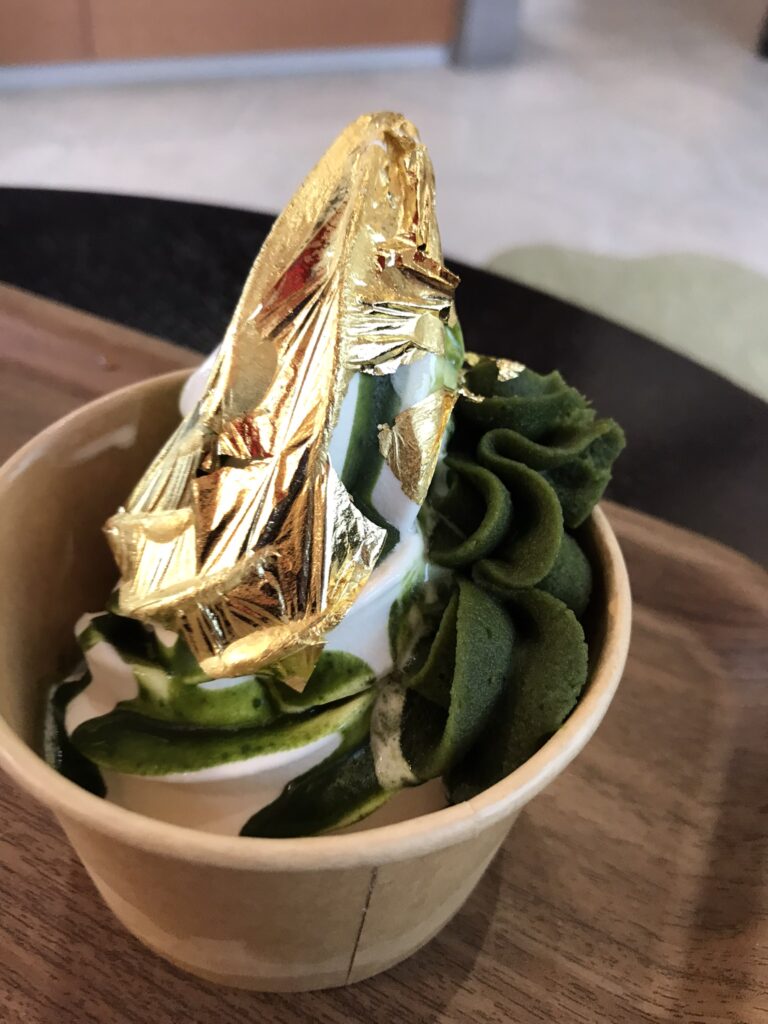
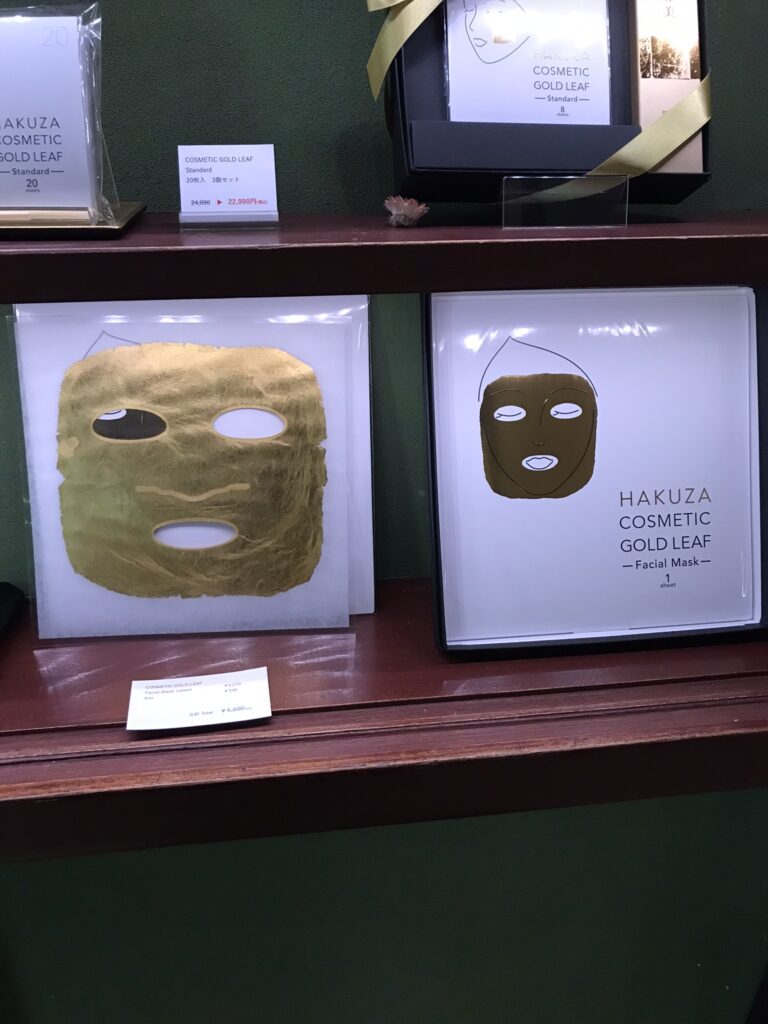
While the gold leaf ice-cream was a hit with us, the gold leaf face mask seemed a bit on the weird side
Modern Kanazawa is in the midst of a tourism boom, mainly due to its location on the shinkansen route which has majorly cut down travel time to and from Tokyo (it’s now just 2 and a half hours on the shin). It’s evident that the city is heavily promoting itself as a destination for tourists. The place was very busy when we visited with plenty of facilities and infrastructure for tourists, although it still didn’t have many of the distasteful aspects such as overcrowding and inflated prices that often come with mass tourism.
Accommodation
Four Points Flex by Sheraton Kanazawa – a fairly new business-class hotel, this is under the Sheraton name but it’s a franchise hotel and doesn’t resemble a luxury high-end Sheraton. However it is a pretty affordable, tidy place in a good location.
Foodie Places
Yabuken Soba – a delightful little soba noodle place run by a down-to-earth couple. We particularly enjoyed the duck soba noodles, although the portions were a little on the meagre side for us big-eaters.
Pan Brothers – a down-to-earth local bakery near to the Nagamachi district, this isn’t an expensive ultra-modern city patisserie – a real local place with good quality and prices which makes for a great pit-stop to pick up tasty sandwiches or baked goods. They also have a bench outside to eat.
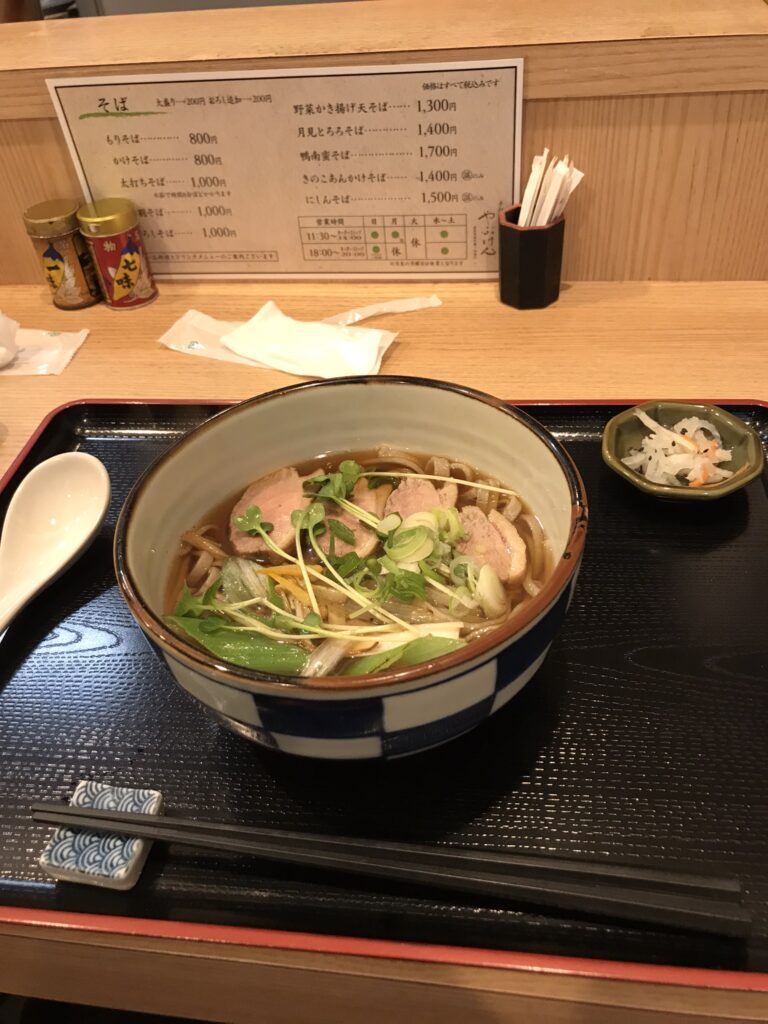
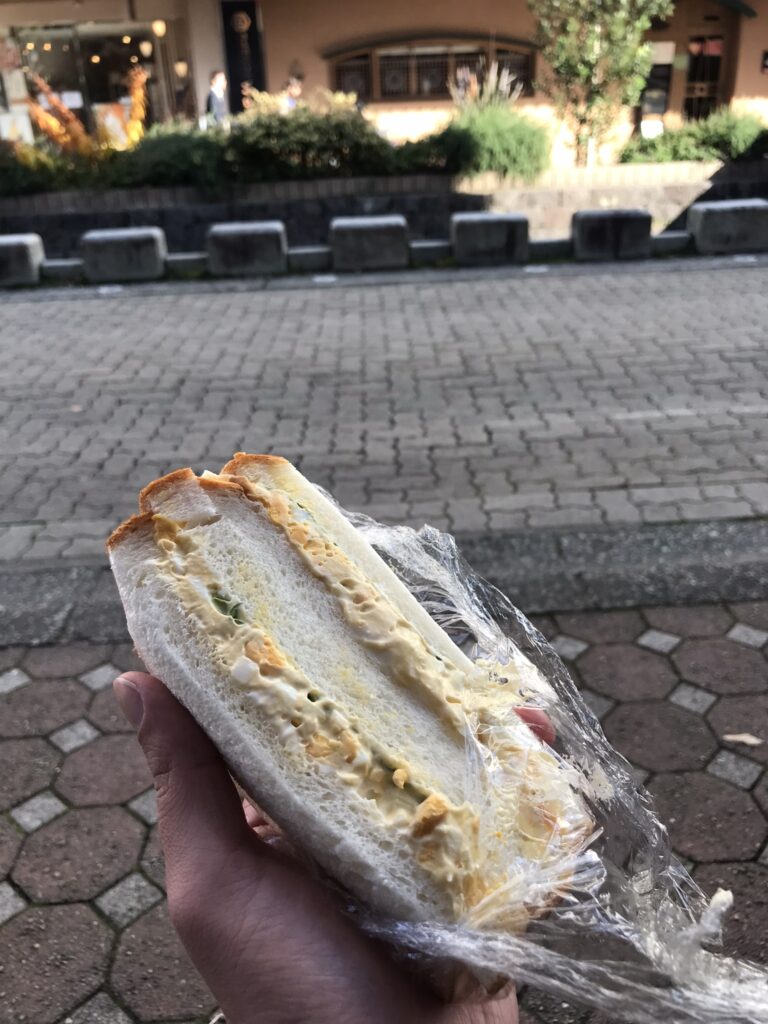
You can’t beat an egg mayo sandwich from Pan Brothers or a small portion of soba noodles from Yabuken Soba
Shokichi – a relatively low-cost yakitori place with a limited number of seats. This seemed to be a very popular place with locals – the first time we visited it was completely full and we couldn’t get in. I recommend arriving early (near opening) in order to get a seat.
Yakitori can be quite an intimidating experience for non-Japanese speakers with the plethora of different options and rapid-fire service. We picked this place because it had an English menu and the servers spoke English well enough that we could communicate what we wanted. We had a good experience here, ordering dozens of skewers including some interesting varieties such as wasabi leaf and miso. If you’re a veggie, there are also a few vegetable skewers. Although the skewers themselves are cheap, you inevitably end up ordering quite a lot and so the costs do add up. It isn’t a cheap meal by any means, but definitely a worthwhile experience while in Japan.
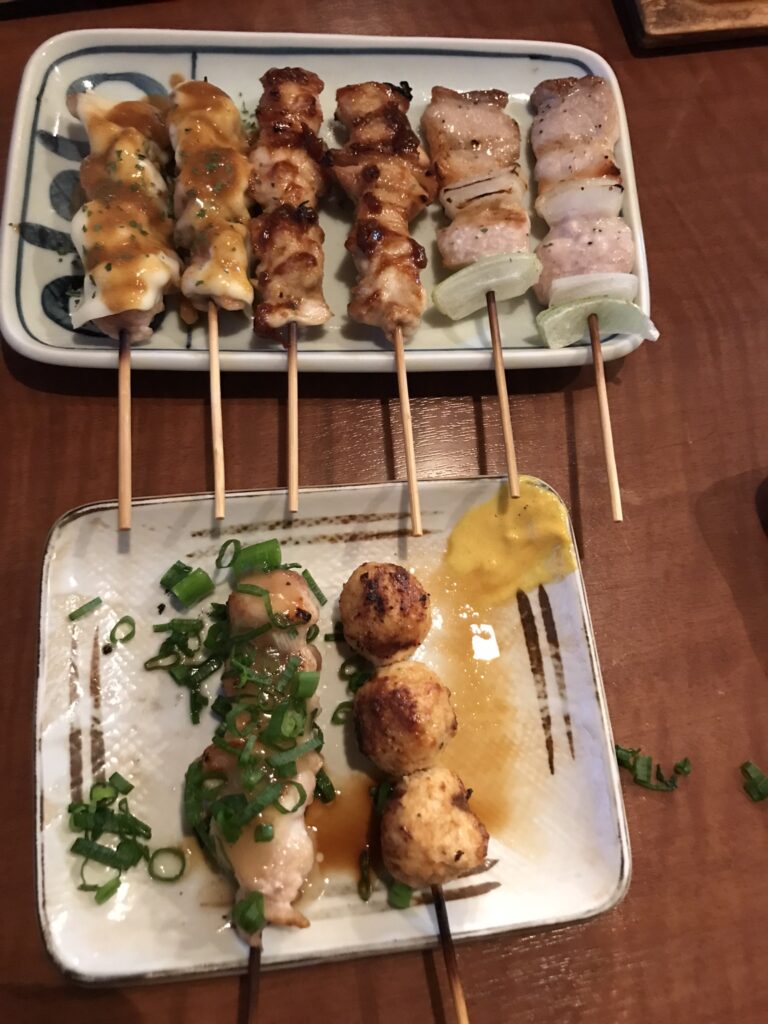
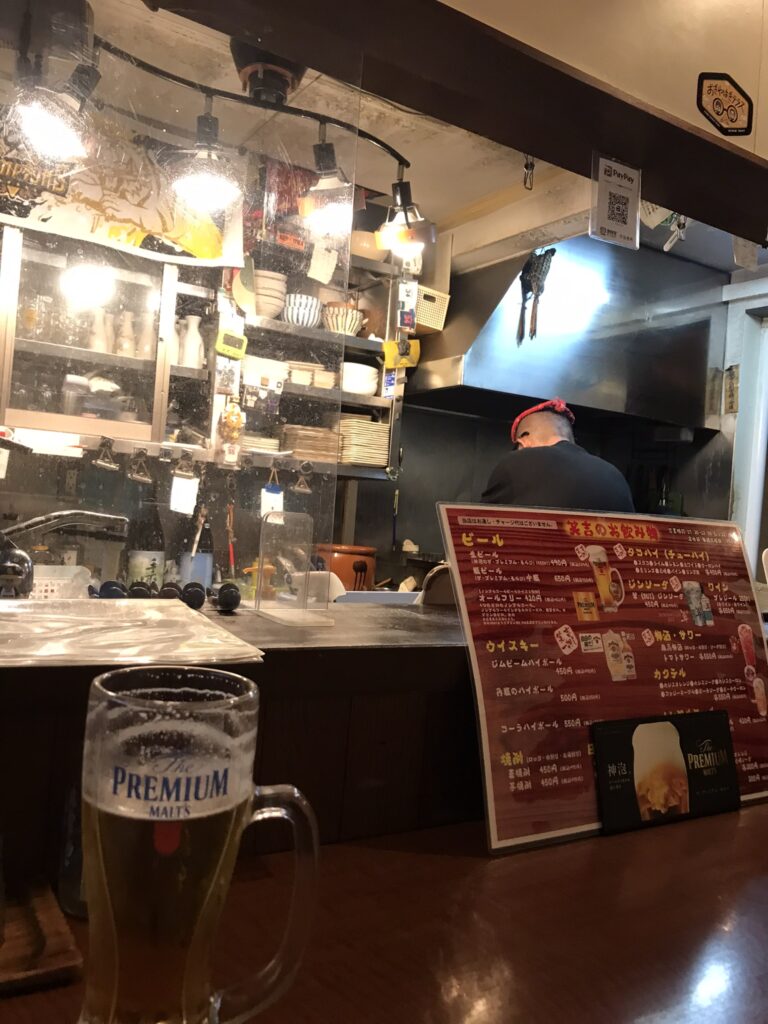
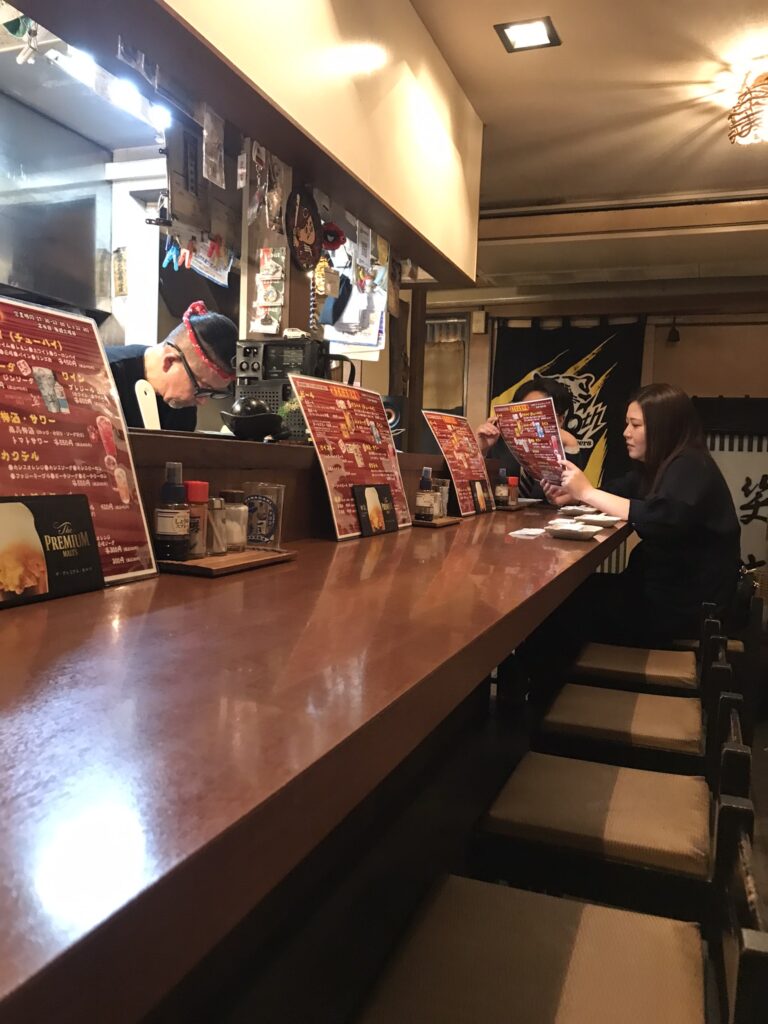
The trick is to keep ordering more yakitori skewers until you’re full
Activities
Kanazawa Castle Park – this large park, formerly the grounds of Kanazawa Castle, is a central focal point of the city. The castle grounds are extensive, containing a number of buildings and gatehouses. It’s free to enter the park and most of its buildings, including the old storehouse and Kahoku-mon gate, which has English-language information cards for visitors. At the centre of the park once stood Kanazawa Castle, which was destroyed by fire during the 18th and 19th centuries. The city is now renovating the castle one section at a time, with the ultimate aim of a full-scale reconstruction. Although not original, the restored castle does look quite spectacular from the outside. Entry to the reconstructed castle itself is paid, so we didn’t go in.
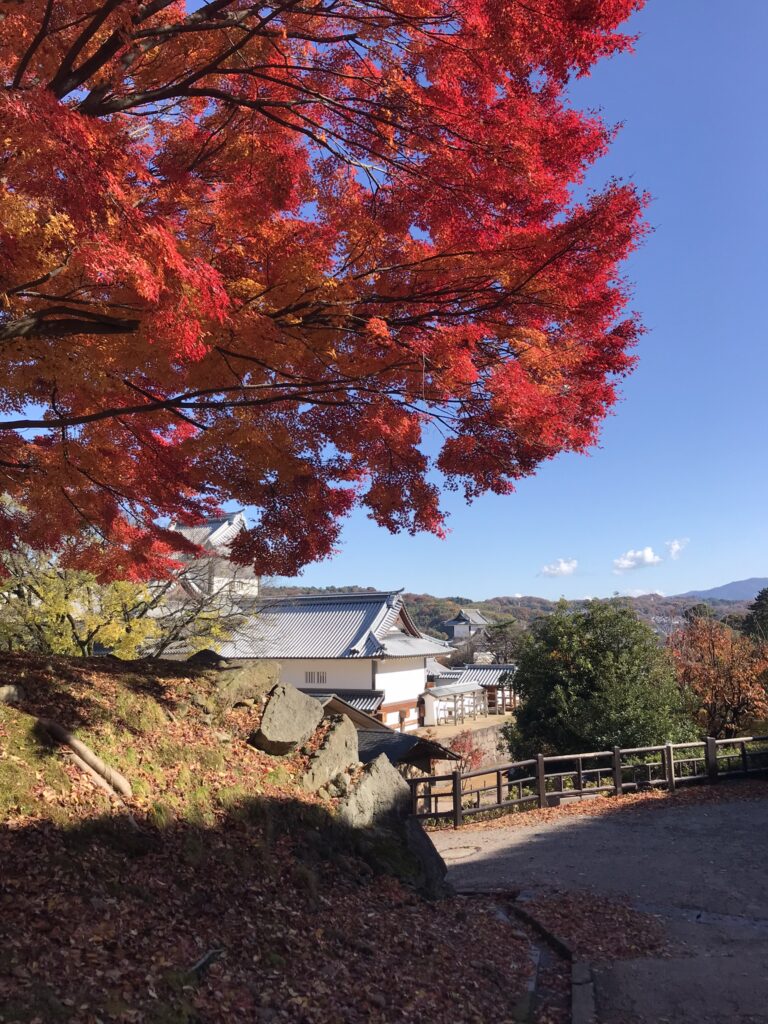
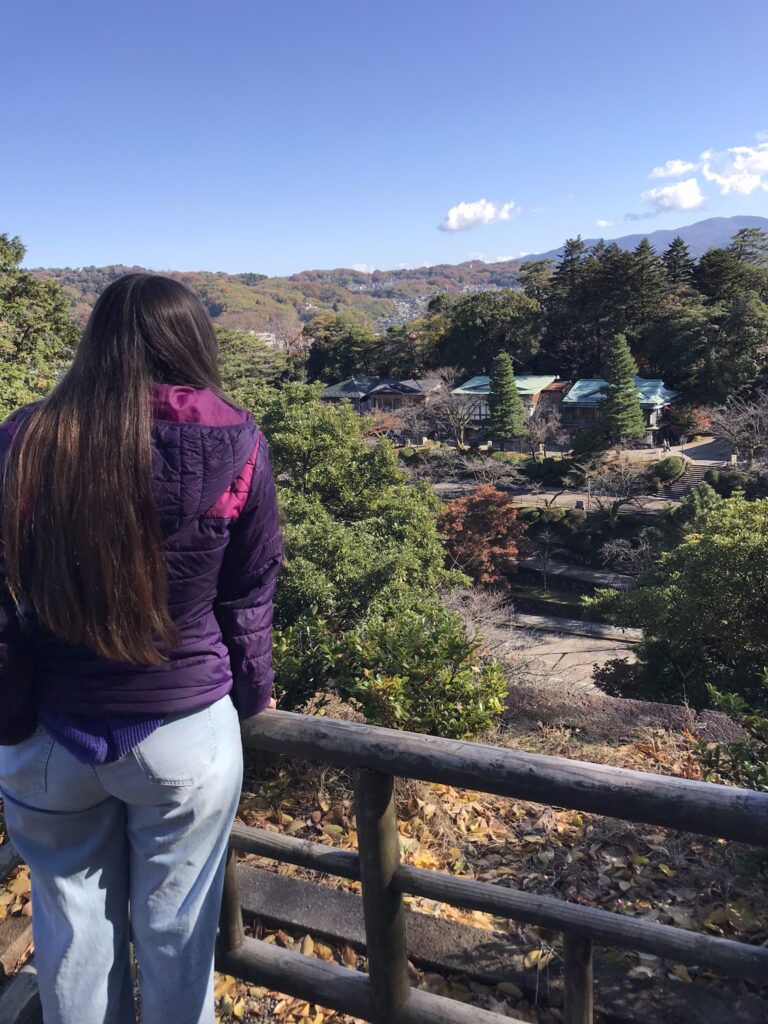
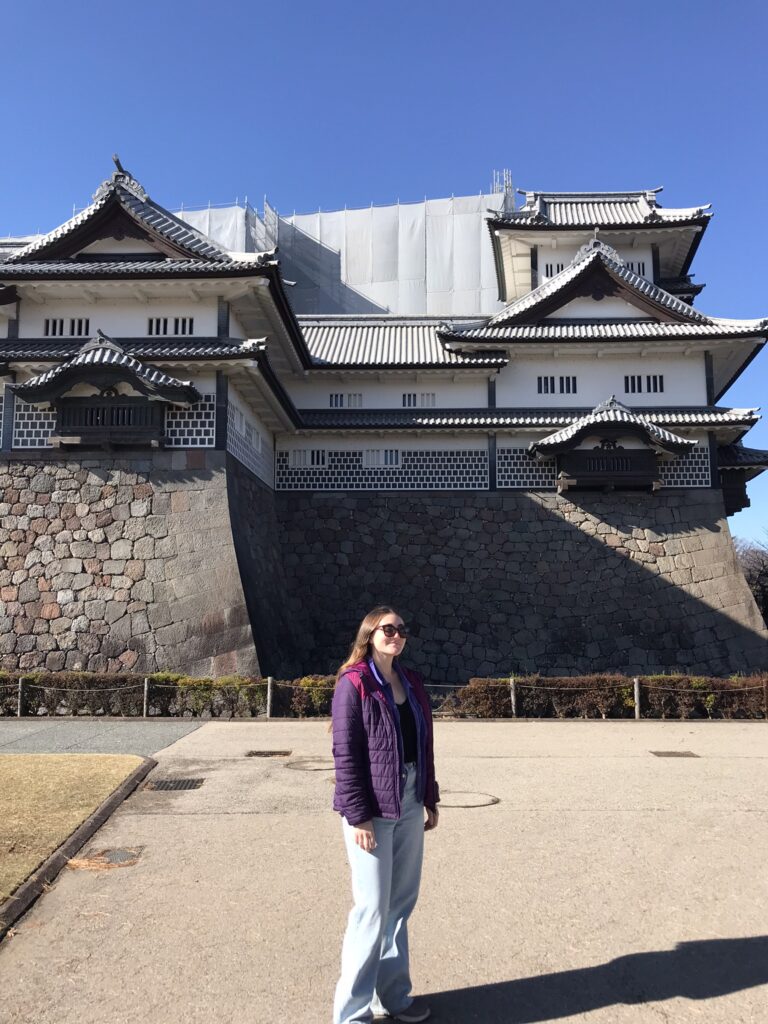
Kanazawa Castle is a scenic place for a stroll
Kenrokuen Garden – this is considered to be one of the Three Great Gardens of Japan, and arguably the best of the bunch. Originally constructed for the local ruler Maeda Tsunanori and enlarged by later Maeda lords, the garden was later opened to the public in 1871 as part of the sweeping reforms by the recently installed Meiji government. Today it is by far the most popular tourist attraction in Kanazawa.
The garden contains a variety of elegant trees and delicate flowers alongside reflection ponds, gentle streams, meandering paths, quaint bridges, poignant tea houses and religious sculptures in the form of hidden pagodas and lanterns. It’s said to make perfect viewing throughout the year, across all the seasons. It was designed according to six traditional garden-design principles of spaciousness, seclusion, artifice, antiquity, waterways, and panoramas. Particular points of interest are the fountain, said to be the oldest in Japan, and the garden’s yukitsuri – a technique which involves ropes being tied to the branches of pine trees to ensure they spread out evenly when growing.
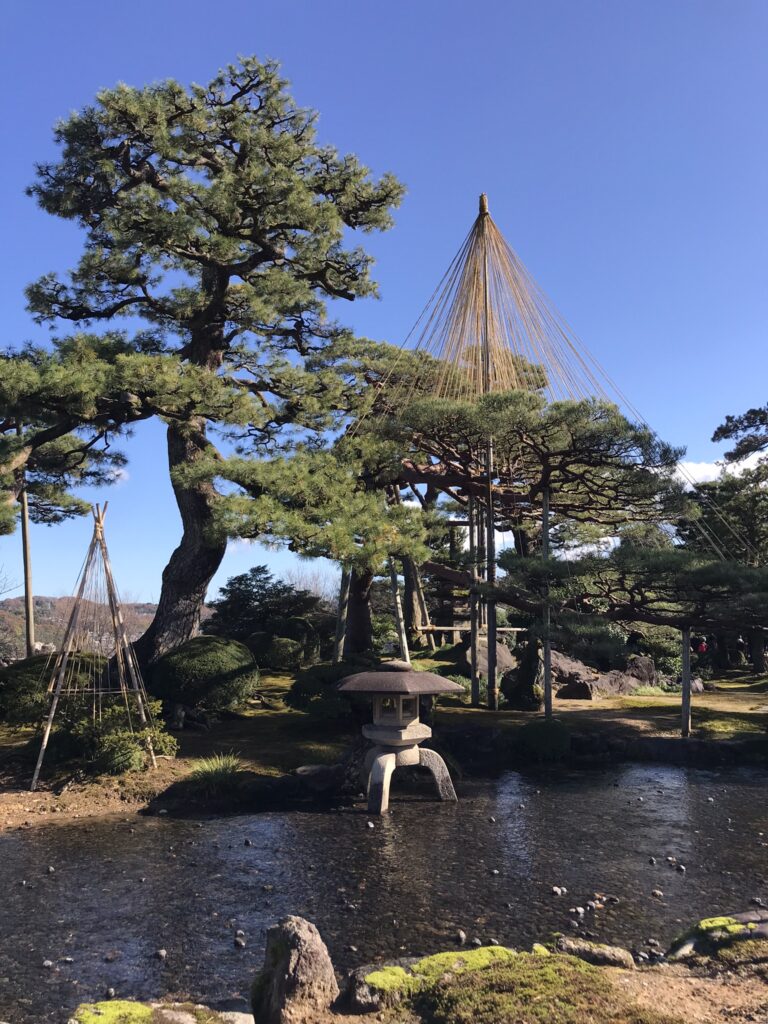
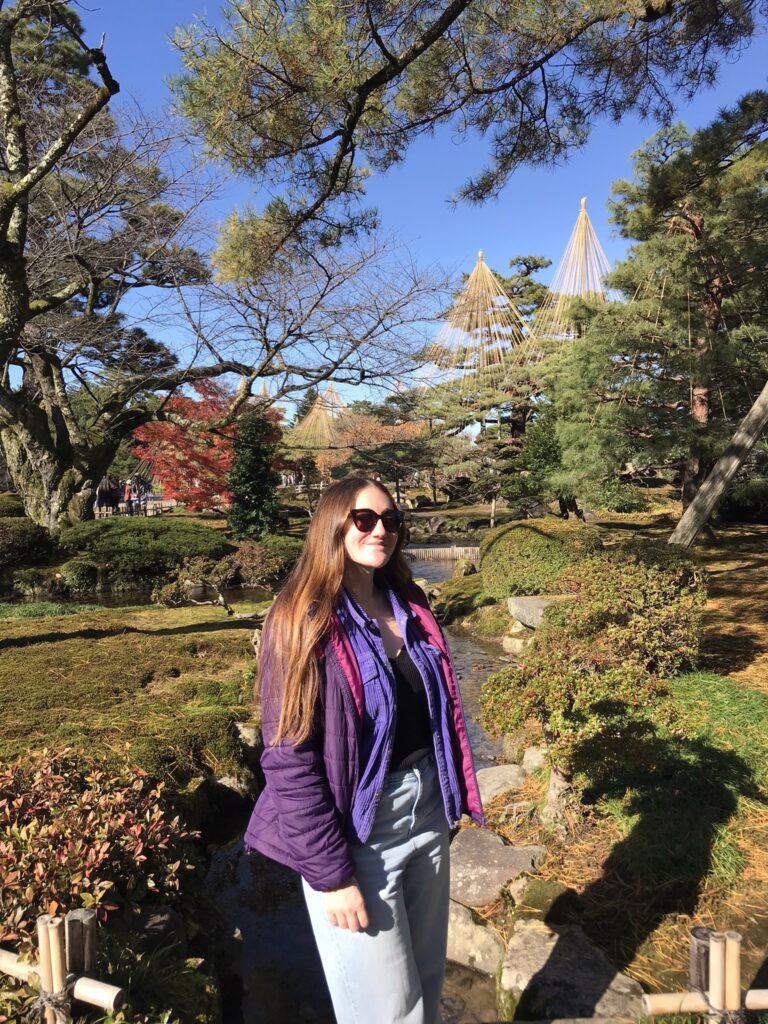
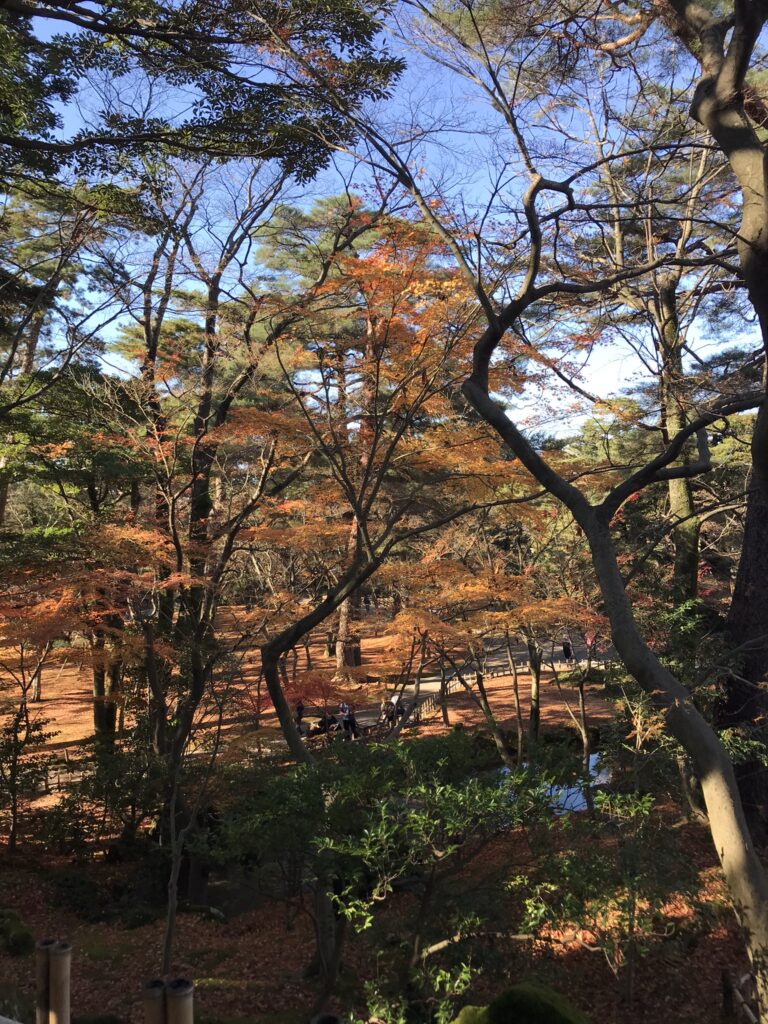
There is serenity to be found amidst the crowds in Kenroku-en garden
Although the garden was pretty busy when we visited, tourists tend to cluster near the entrance and the crowds thin out once you get further inside. At the beginning it didn’t feel very serene due to the sheer number of selfie-snappers and chatting crowds, but further in it was much more tranquil. The garden is so extensive that there is plenty to explore away from the tourist masses, even on a busy weekend.
Oyama-jinja Shrine – a shinto shrine which is emblematic of the city. We saw a Japanese TV program about this shrine before we arrived in Kanazawa. Most domestic tourists will visit this shrine at least once during their visit to the city.
Gyokusen Inmaru Garden – situated right next to the castle grounds on a lower terrace, this small garden is accessed by a bridge across the road from Oyama-jinja shrine. Much smaller than Kenroku-en, but it’s free admission and a nice place for a short stroll if you’re in the area.
Ishikawa Prefectural Museum of History – based in the old Kanazawa Army Armoury, this red-brick building has a distinct appearance and is designated as an Important Cultural Property having previously functioned as an armoury for the Imperial Army in the early 20th century and throughout WW2. Entry is in the middle of the three warehouse structures. The museum mainly concentrates on local history, with many of the items on display being replicas rather than original artifacts. The focus on folk rituals was super interesting for us, especially ‘the horn of the monkey monster’. Information is mostly in Japanese, but there is wifi so you can translate it yourself using a translator such as Google Lens. Apparently there’s also an English-language audio guide, but we didn’t investigate this option. The third warehouse building here hosts a separate antiques museum, the Kaga Honda Museum, which we didn’t visit. You can use your ticket here for a discount to the special exhibition at the nearby Prefectural Museum of Art.
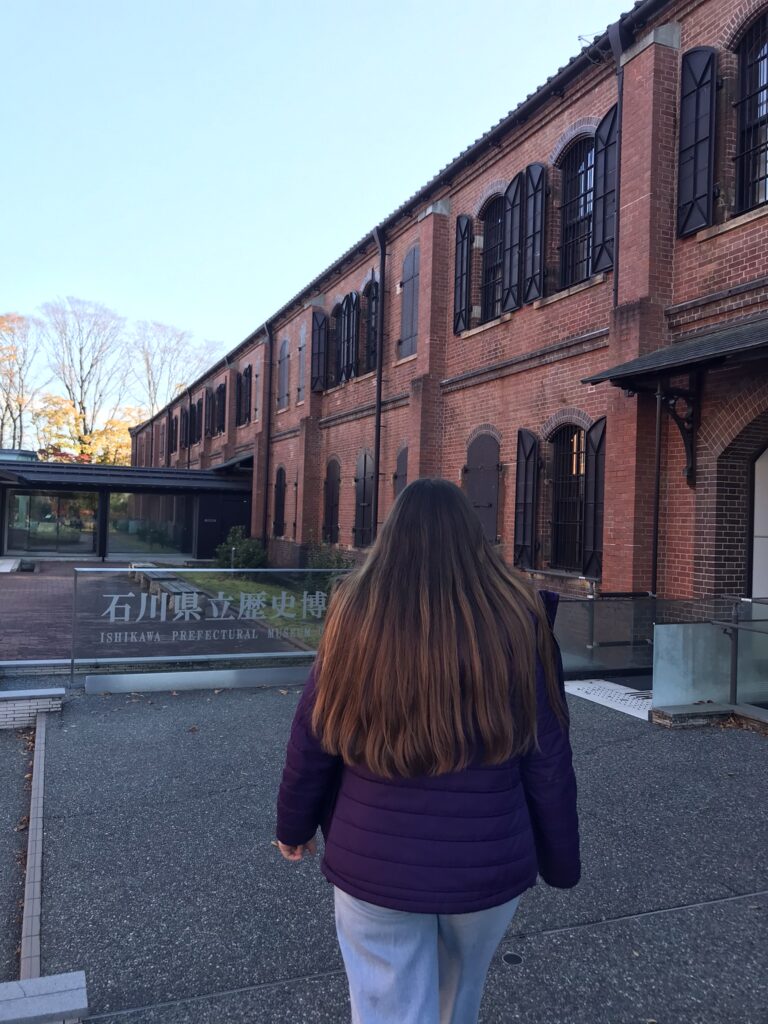
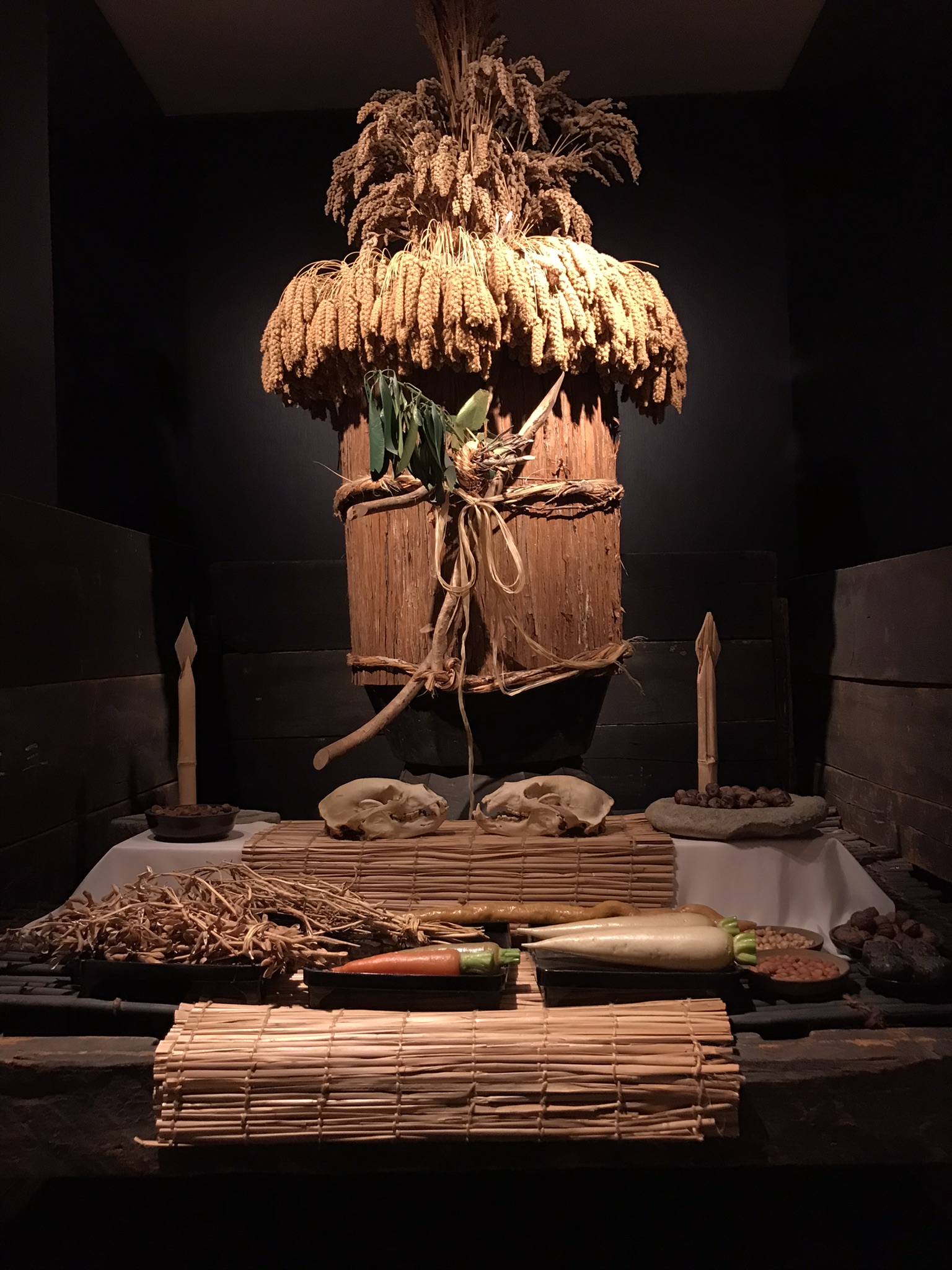
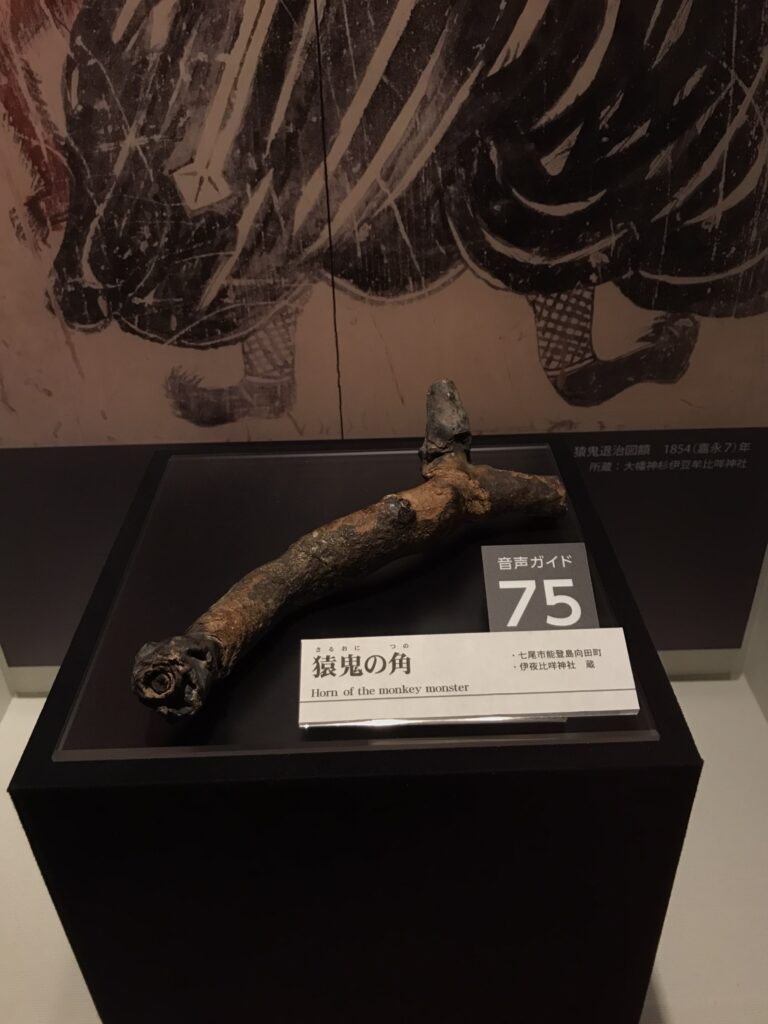
There are some interesting folk displays at the Ishikawa Prefectural Museum of History
Ishikawa Prefectural Museum of Art – as is common in Japanese art museums, there are both special and permanent exhibitions. Admission to the permanent exhibition here was free when we visited – I’m not sure if this is usually the case or not. One section of the permanent exhibition gallery contained items from the private collection of the Maeda family, including some artwork by the Tokugawa shoguns – a highlight for us. There were also some fantastic screen paintings and ceramics from the Edo period. Many of the items on display were Important Cultural Objects and National Treasures. The other section of the permanent exhibition was predominantly 20th century artwork featuring sculptures, ceramics, fine art and western-style paintings. There were also quite a few pieces of the local kutani pottery on display.
There are several other museums in the vicinity of the Prefectural Art Museum – we wanted to check out the Noh Museum and the National Crafts Museum, but sadly both were closed at the time of our visit.
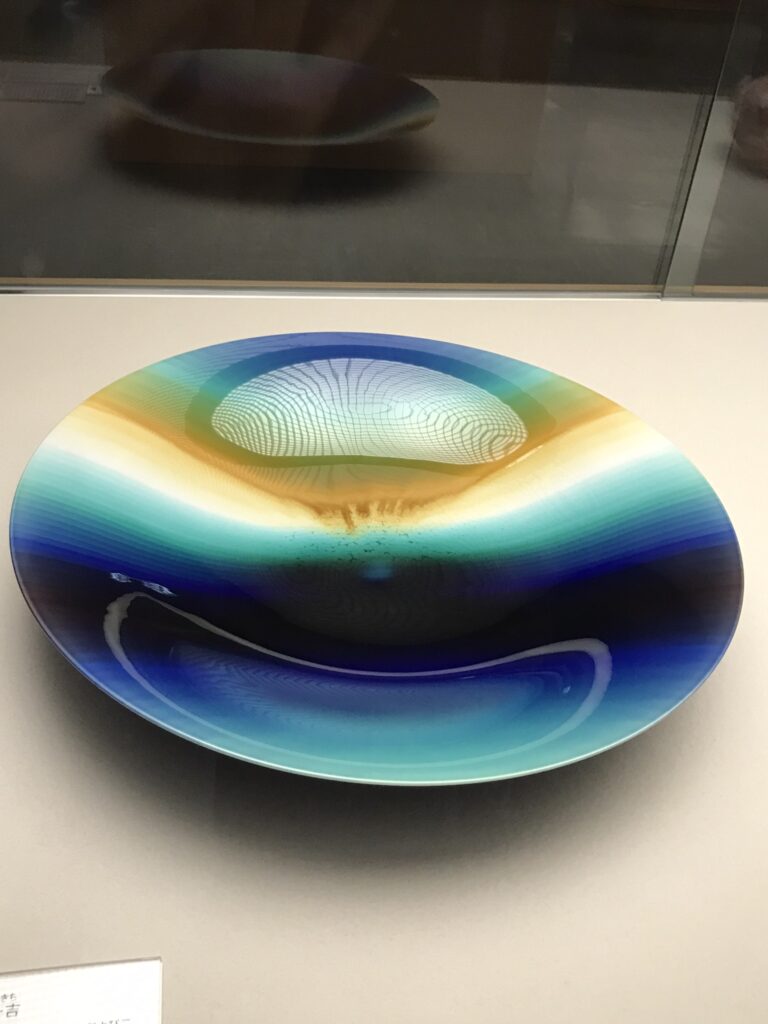
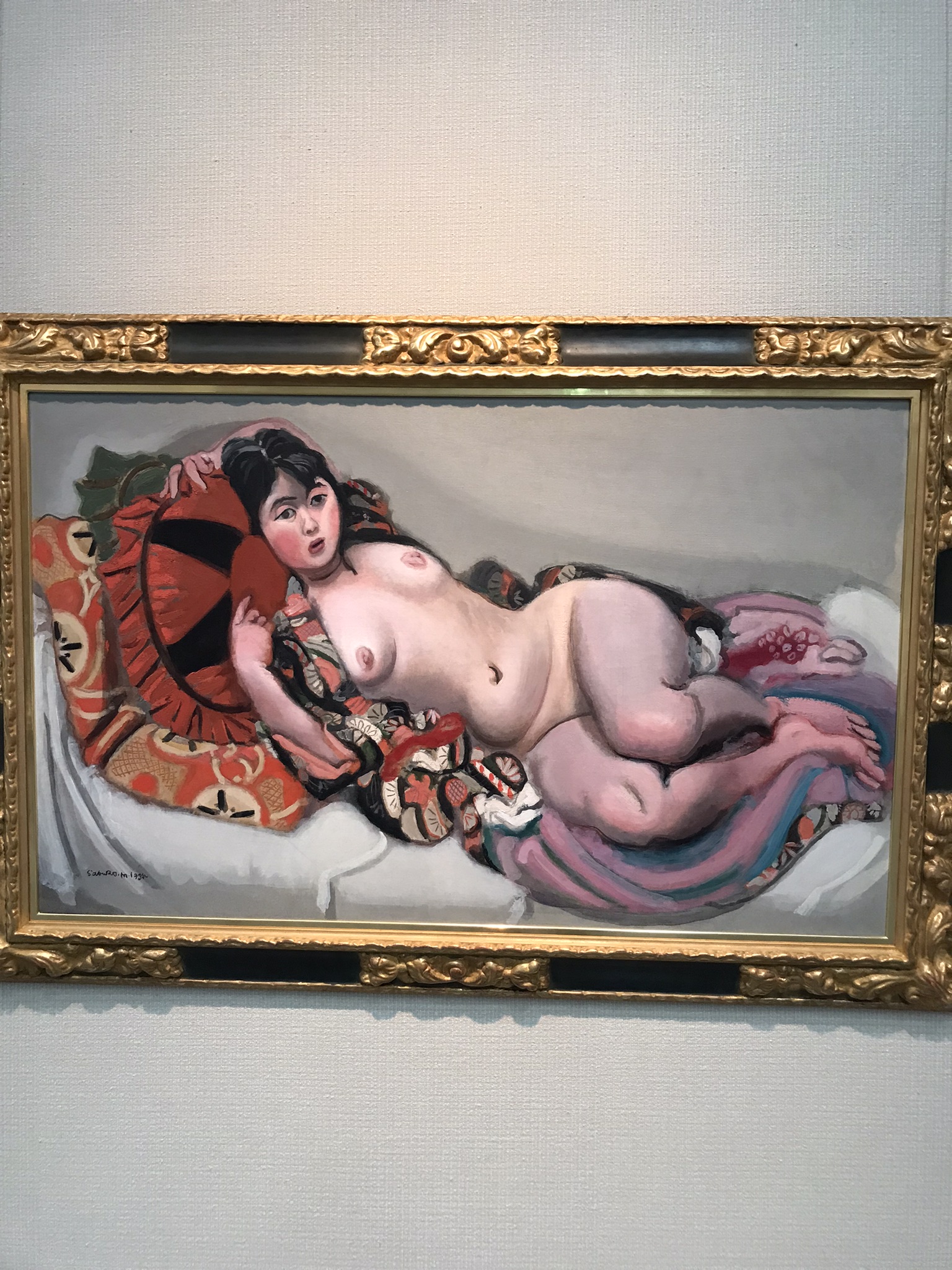
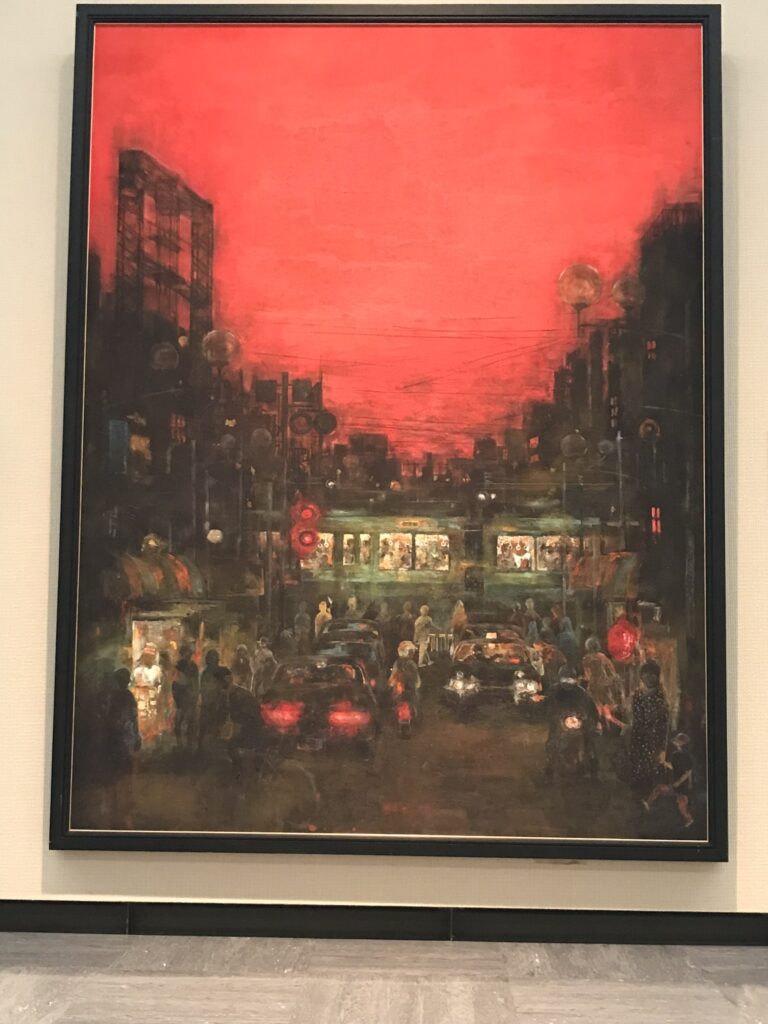
Evocative artwork at the Ishikawa Prefectural Museum of Art
Nagamachi District – the old samurai residential district, this is one of the most interesting places to visit in Kanazawa. As the city generally avoided bombardment during World War 2, this street is well preserved, containing many original buildings pertaining to the various classes and roles of the samurai as well as shops and buildings belonging to local merchants and craftsmen.
Kanazawa Ashigaru Museum (lower-class samurai houses) – one of a number of preserved and restored samurai houses in the Nagamachi area, this is a house that would’ve belonged to a lower-ranking samurai family. It was intriguing to learn about the different ‘classes’ of samurai – essentially some of them acted as messengers or porters to those of a higher rank, with quite a strict division of hierarchy. In Kanazawa these lower-ranking samurai apparently had it pretty good in comparison to other regions. There are two separate buildings to explore here, entry is free and there is an information booklet at the entrance with very detailed explanations in English. There are also some artifacts inside the houses which illustrate the daily life and customs of the time. We learned a lot here.
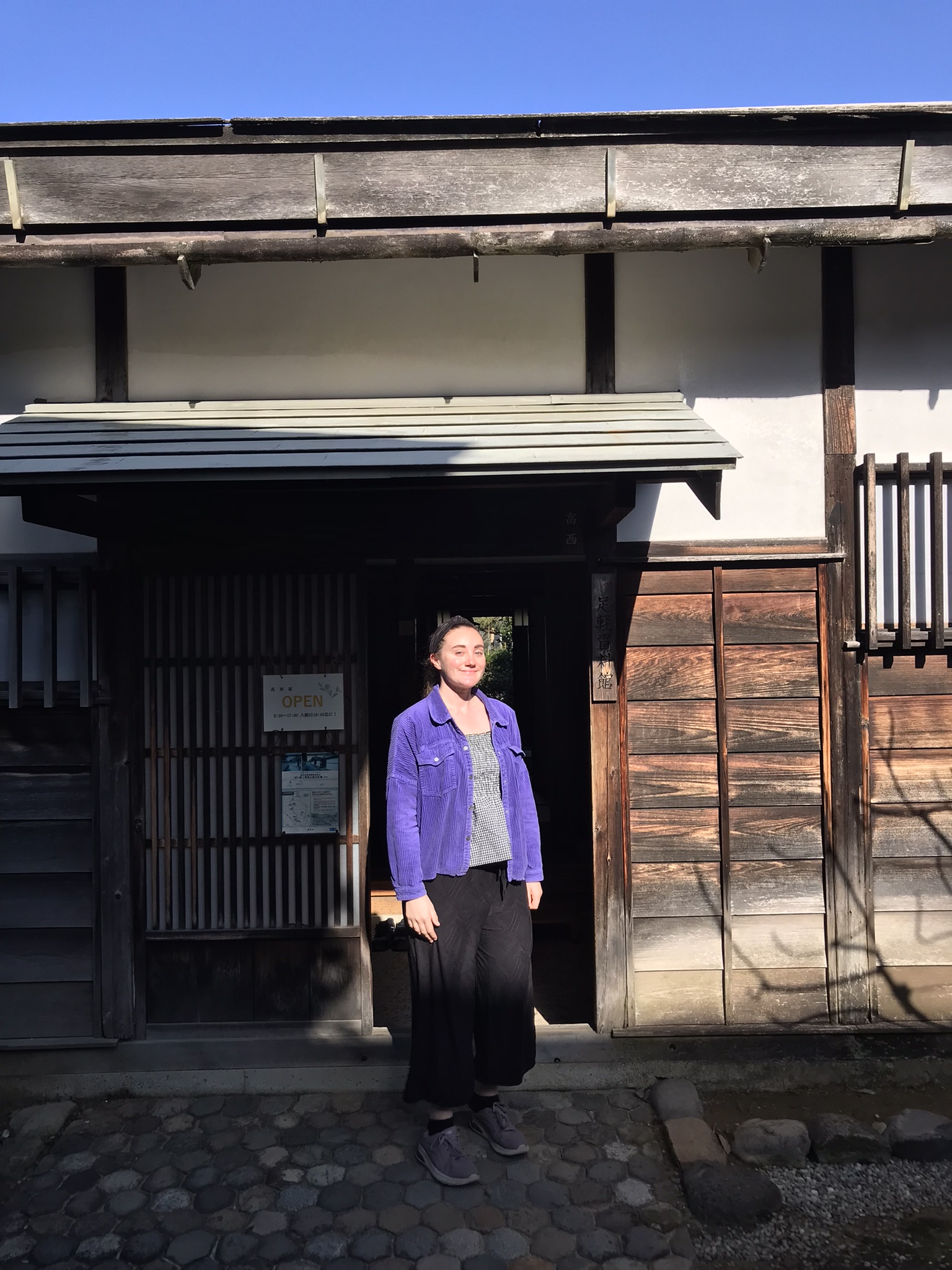
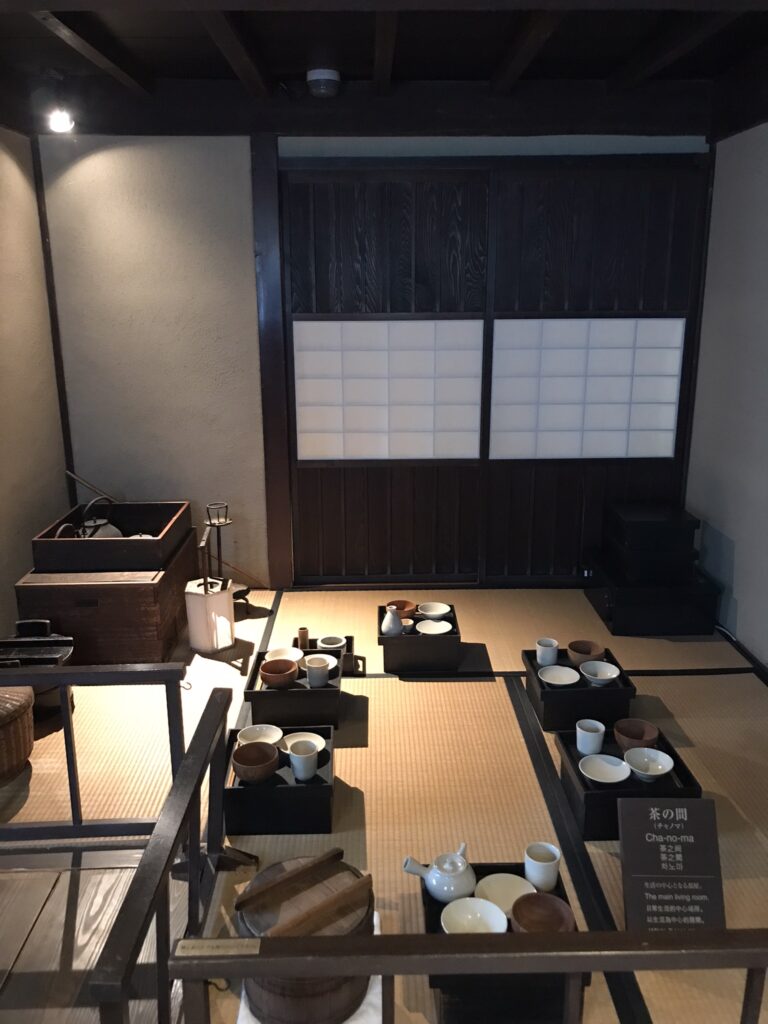
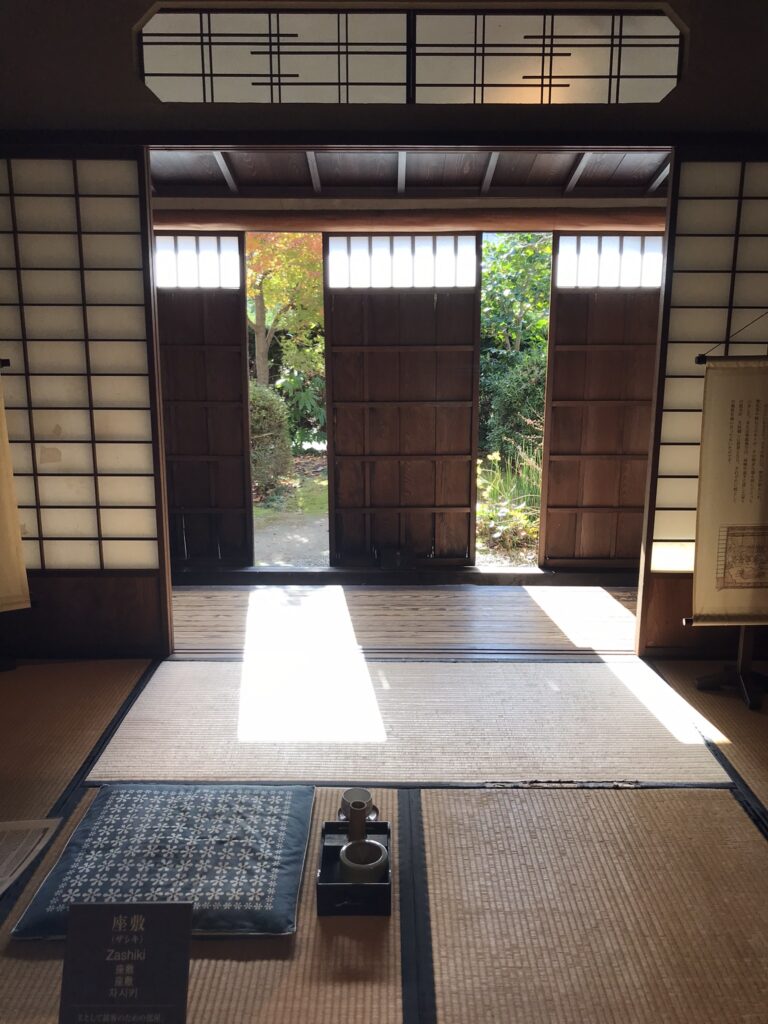
The lower class samurai houses were fascinating at Kanazawa Ashigaru Museum
Takada Family House (middle-ranking samurai family) – this is another preserved/restored house, this time belonging to a higher-ranking samurai family. Again, admission is free although only the gatehouse can be accessed by the public. There are small exhibits within the preserved old gatehouse building, which again provide a lot of very detailed information about the hierarchy and different roles of the samurai, also shining a light on the lives of the lower-ranking servants and attendants. We were intrigued to learn about the many different bureaucratic and administrative functions that the samurai class typically fulfilled within a town. Often they were as mighty with the pen as with the sword!
Kanazawa Shinise Memorial Hall Museum – a former pharmacy established in 1579, this is a preserved example of a fully-equipped pharmacy of the feudal era. ‘Shinise’ refers to a family business which has been maintained and run for many generations. Apparently this pharmacy provided services for the high-ranking samurai and even the feudal lord. Admission is paid and you can explore the entire building, including the recreated storefront as well as the living quarters at the back. There are a few oriental medicinal ingredients on display, and also tools for the production of medicines. The family that owned the pharmacy were obviously quite wealthy, as the living quarters are quite extensive. The building also contains several displays of local crafts, including a collection of items which are used regionally as part of wedding rituals such as bridal curtains and ‘kaga temari’ handballs.
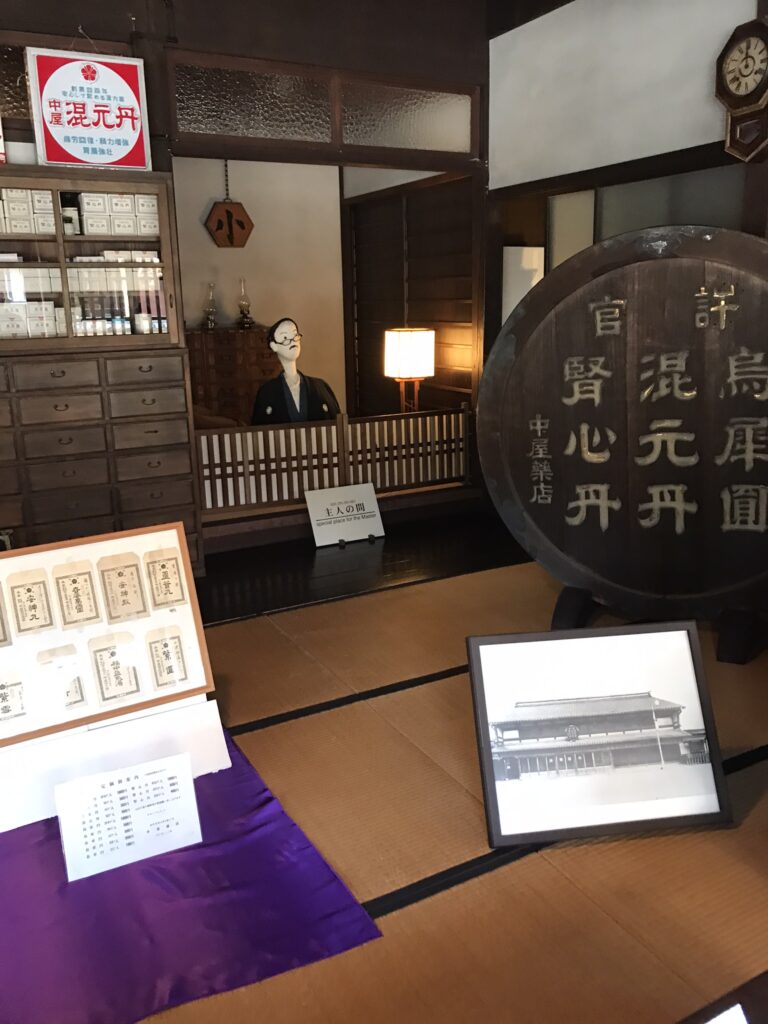
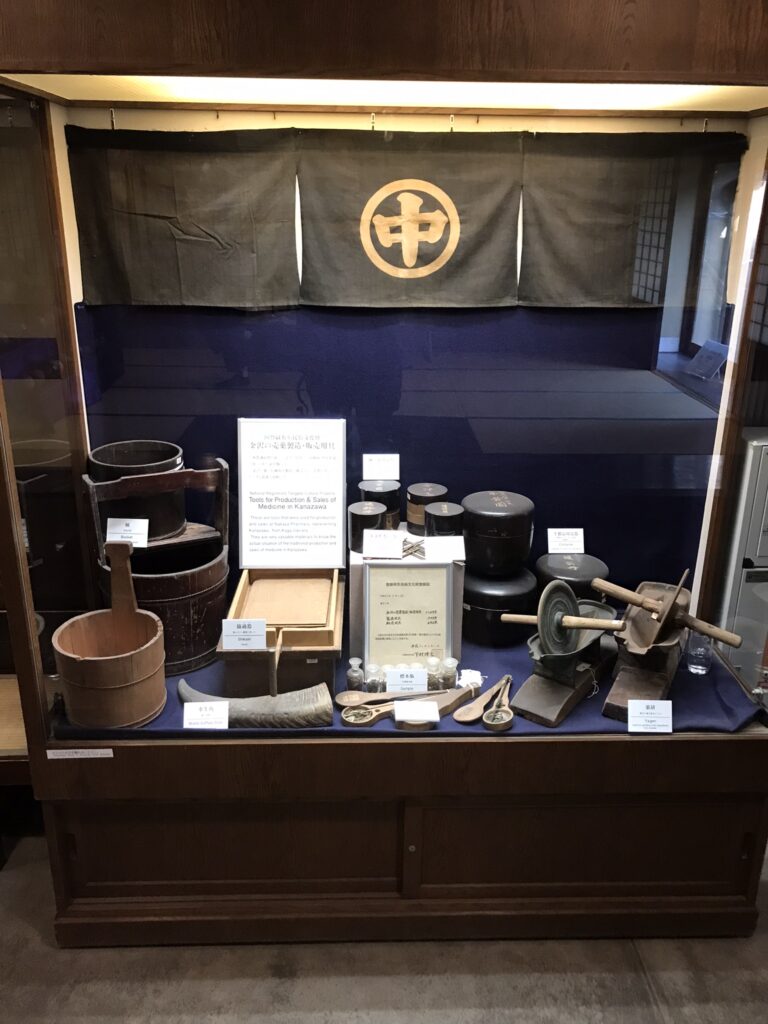
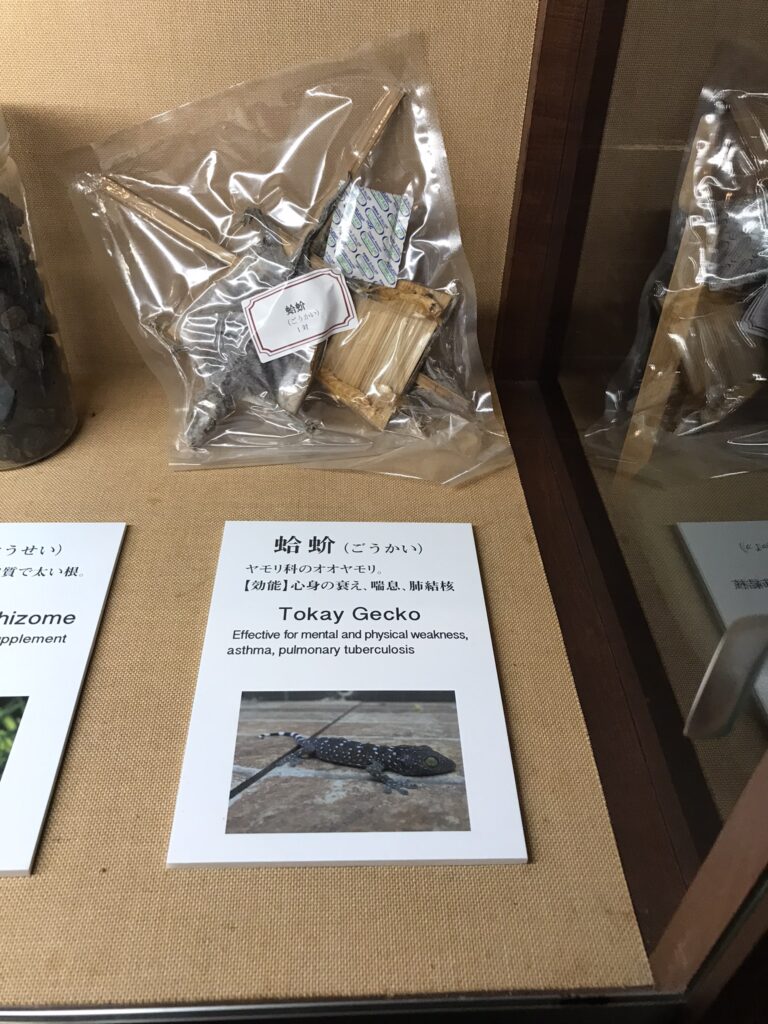
This antique pharmacy even features a nosy boss mannequin who sits at the back of the shop
Maeda Tosanokami-ke Shiryokan Museum – a small museum in the family home of an offshoot branch of the ruling Maeda clan, this museum focuses on the history of the clan and their various lineages. Most of the displays here are in Japanese with only a few English translations. The highlight is a samurai suit of armour with a design resembling rabbit ears on the helmet, as well as some interesting historical documents. Entry to the small museum is paid but you can buy a combo ticket with the Kanazawa Shinise Memorial Hall Museum.
Kuburaki – located on a picturesque street which is archetypal of the samurai area, Kubaraki is a famous shop selling the kutani pottery which is unique to Ishikawa Prefecture. The shop was opened in 1822 and is a well-known local institution. Even if you don’t want to buy anything, it’s worth having a browse to see the fine examples of kutani. There are some affordable smaller items inside, with others being wildly expensive.
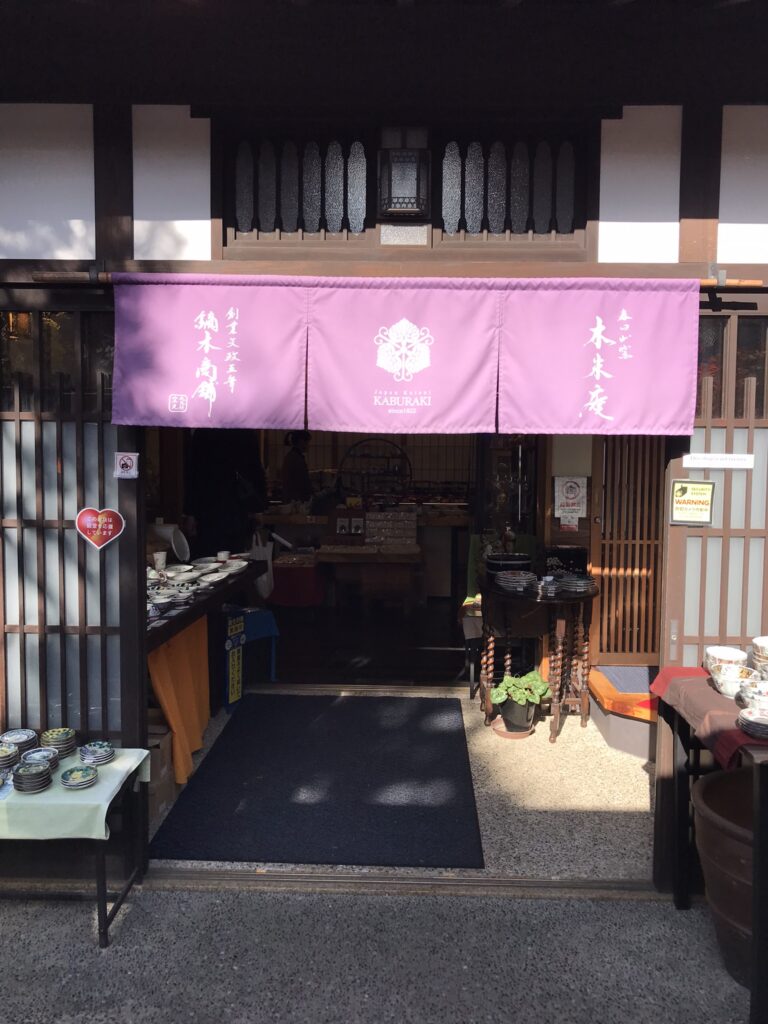
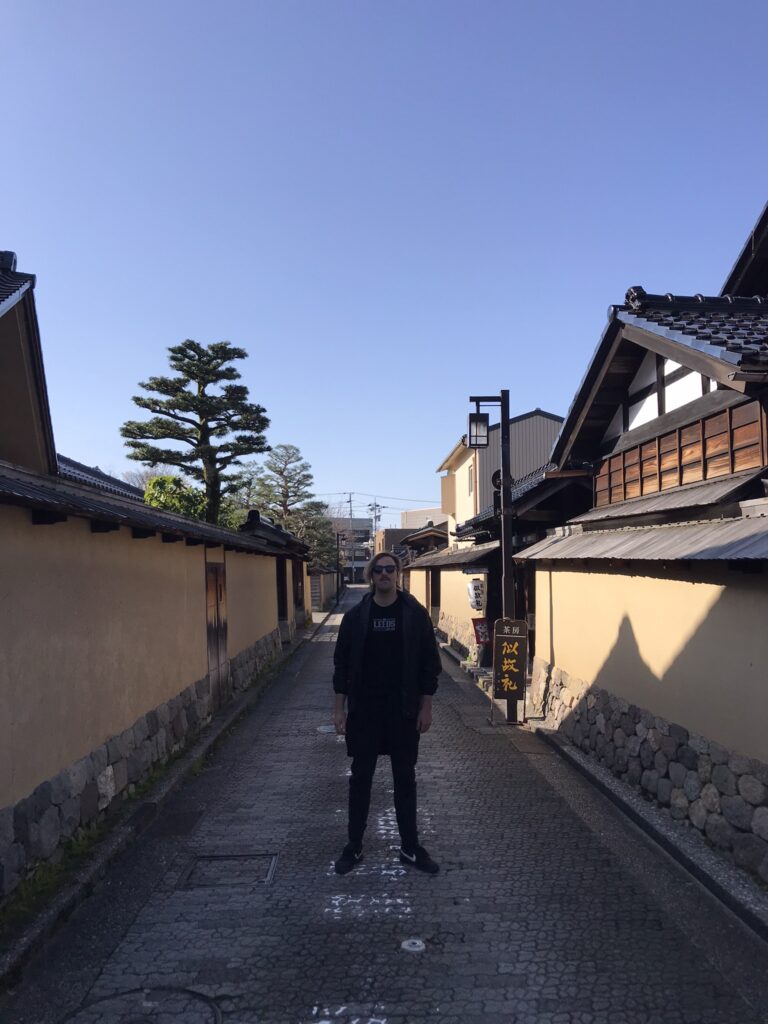
The streets around Kuburaki are especially picturesque
Cafe Murakami Nagaya-mon Shop – a traditional Japanese sweet shop which also offers gold-leaf matcha ice cream – a quintessential local novelty item. It is definitely quite a bizarre experience to be literally eating gold.
Omicho Market – a fairly standard Japanese market located close to the entrance to Kanazawa Castle Park, offering typical seafood fare
Higashi Chaya District – the former geisha district (or geiko as they are locally known), there are a lot of specialist shops here selling very niche products and local twists on traditional items, with a proliferation of gold leaf-themed shops. This place seemed to be a hit with tourists, who congregate here to browse the various shops and take photos on the picturesque preserved streets.
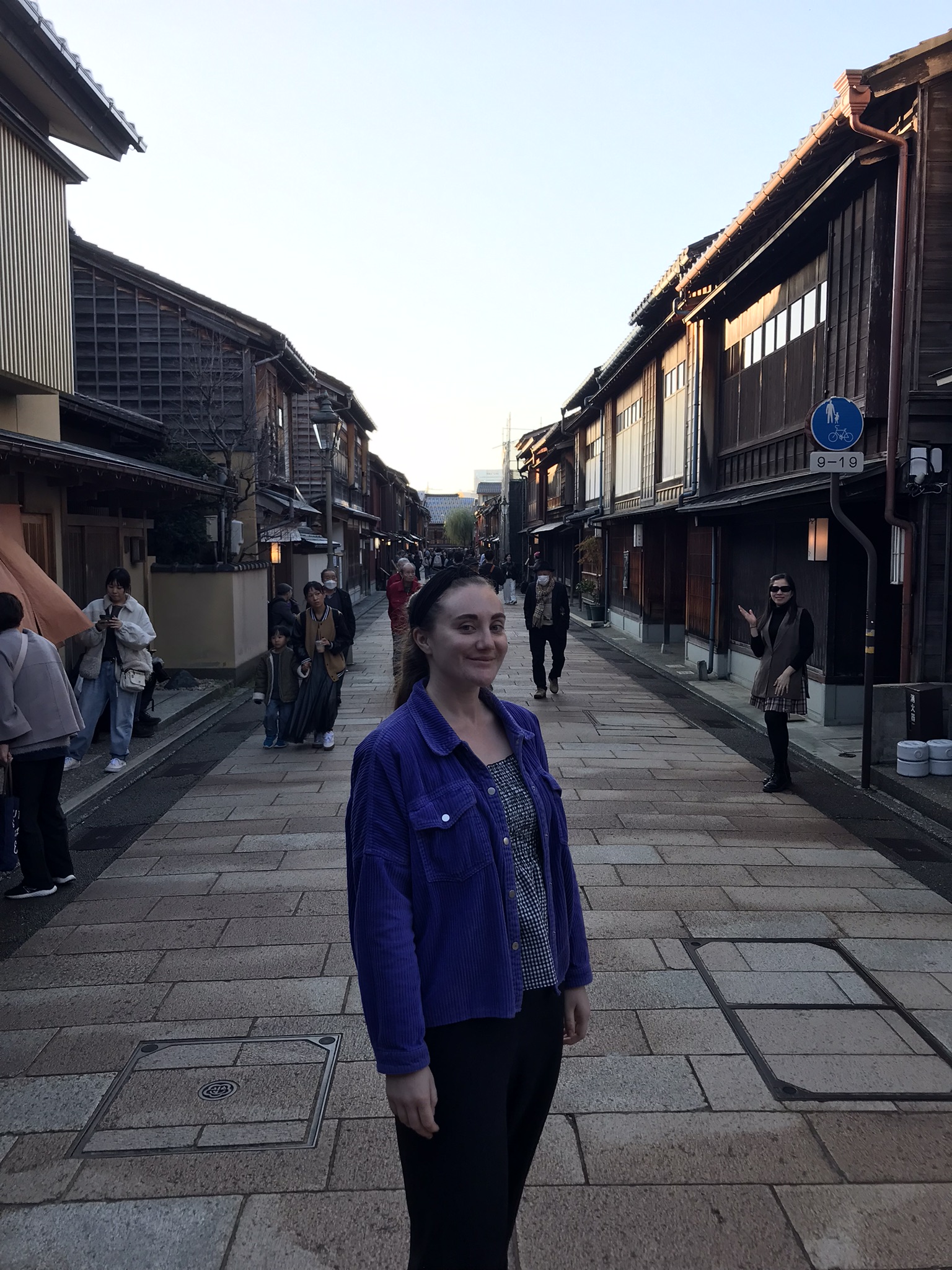
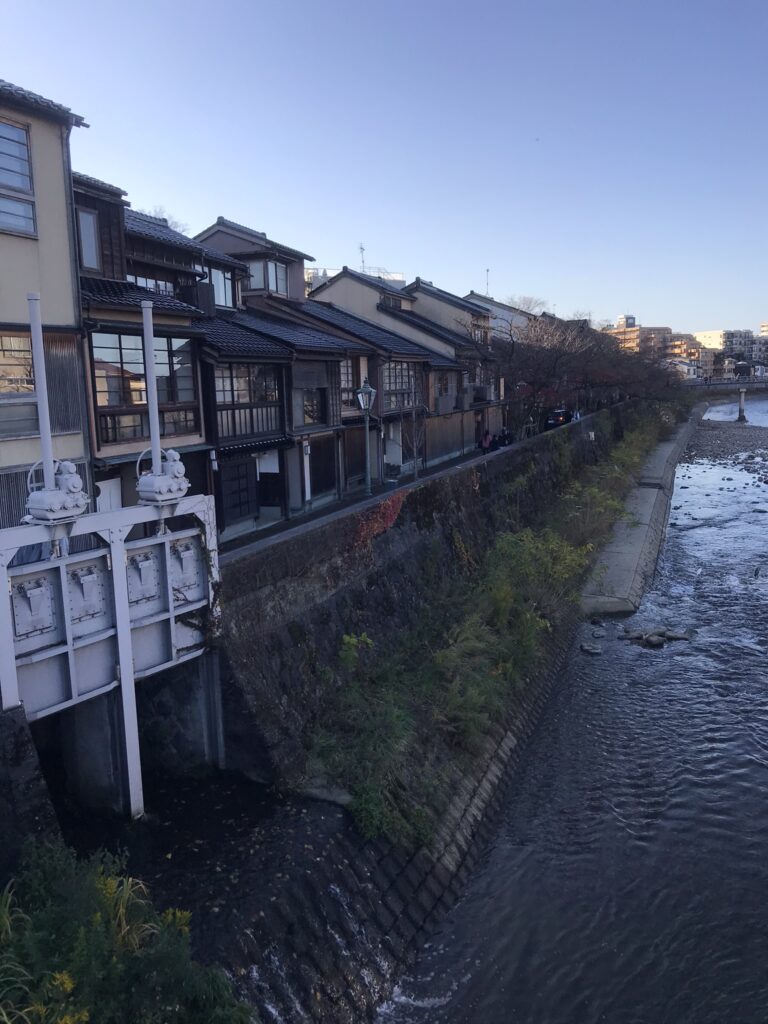
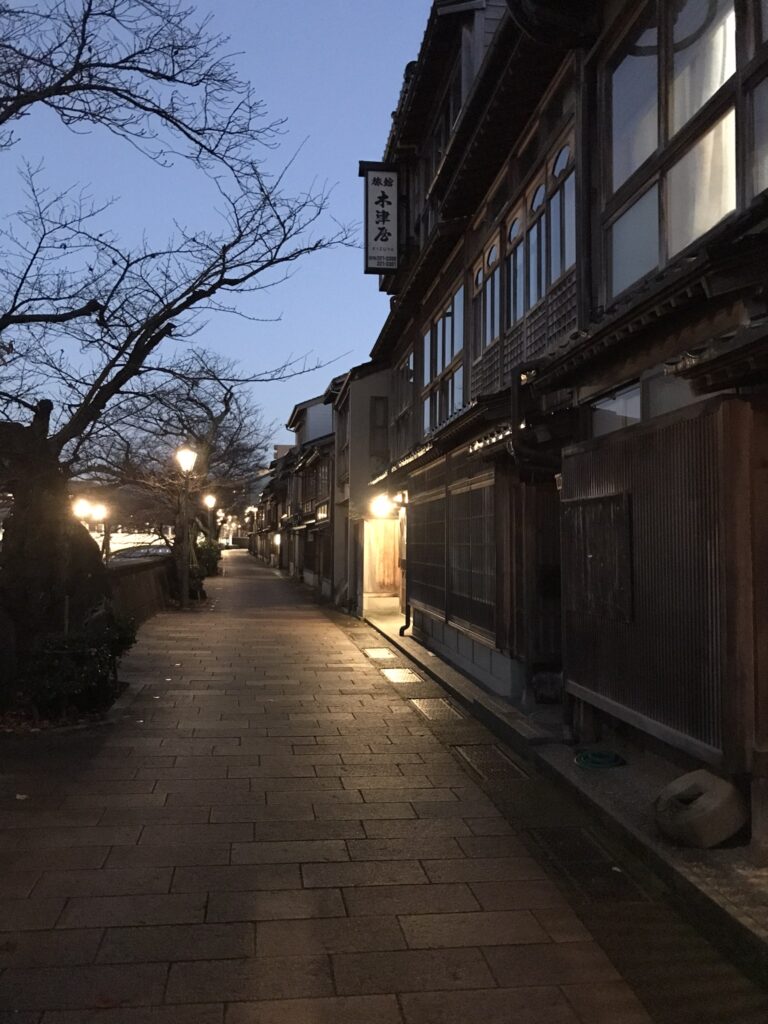
Higashi and Nishi Chaya districts are atmospheric after sundown
Kanazawa Yasue Gold Leaf Museum – it was fascinating for us to learn about the process of making gold leaf, which involves many steps and is quite a long and drawn-out procedure. The museum contains videos and displays which illustrate the process in great detail. There is also a gallery containing gold leaf items such as folding screens, lacquerware and kutani pottery.
Nishi Chaya District – just across the river from Higashi-Chaya, this is another old district. We had a wander through after dark, which was quite atmospheric – almost like walking back in time.
Osaka
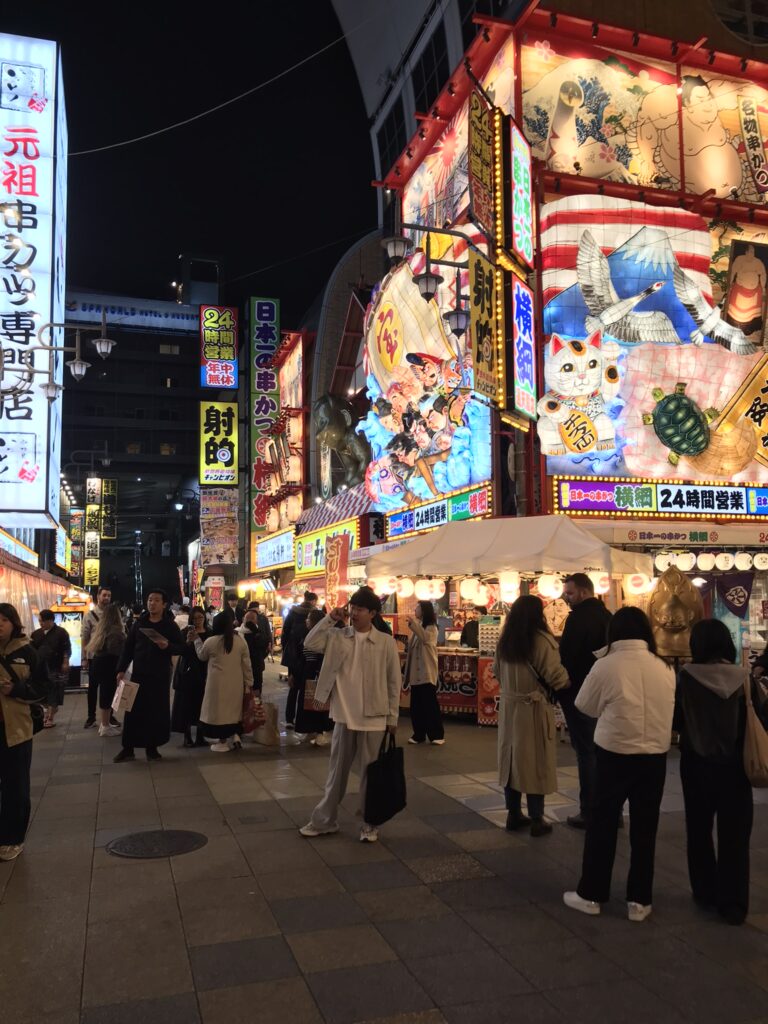
For my Osaka content, click here!
Nara
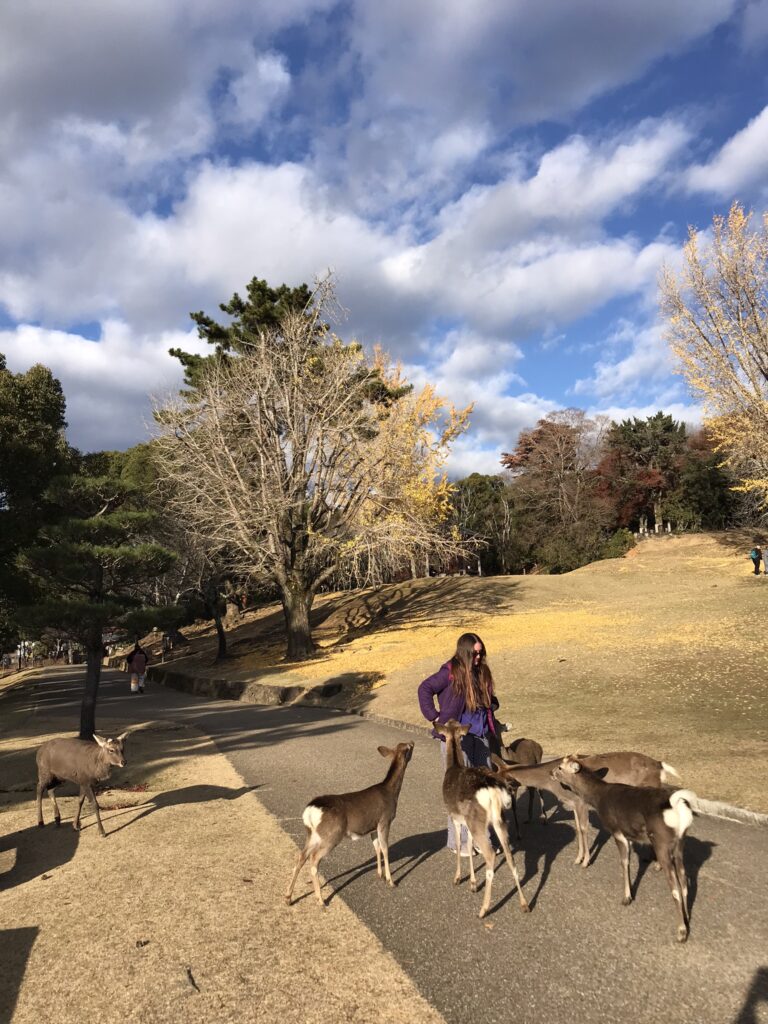
Click here for my Nara content!
Ikaruga
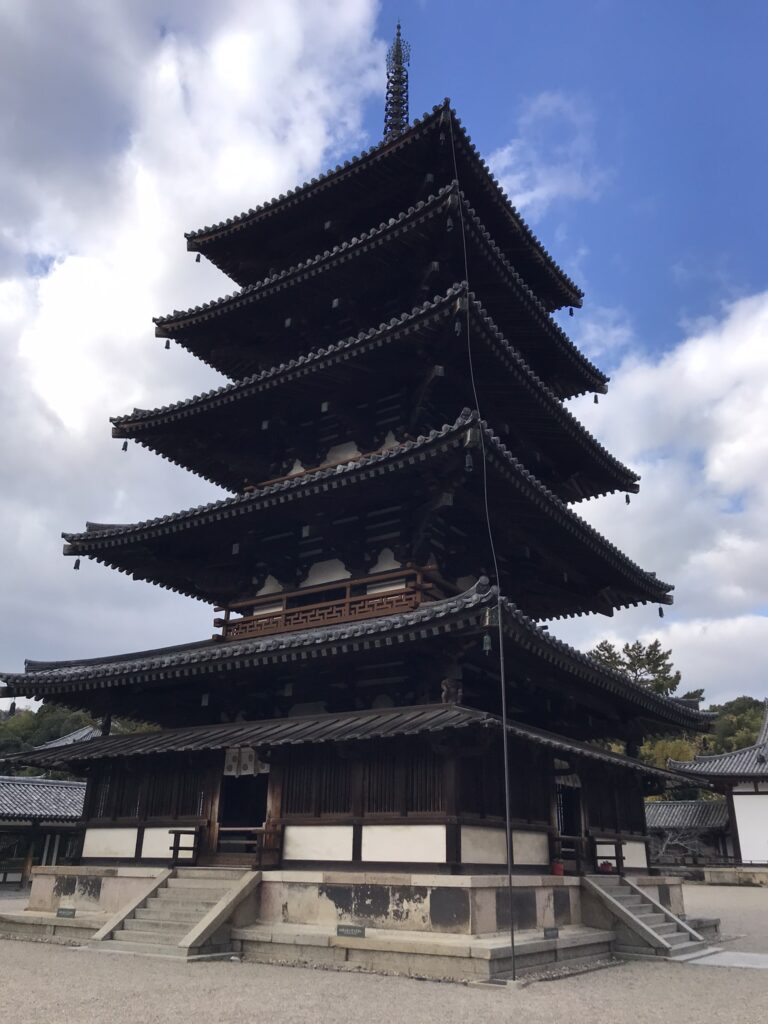
Click here for my content on Horyu-ji!
Kyoto
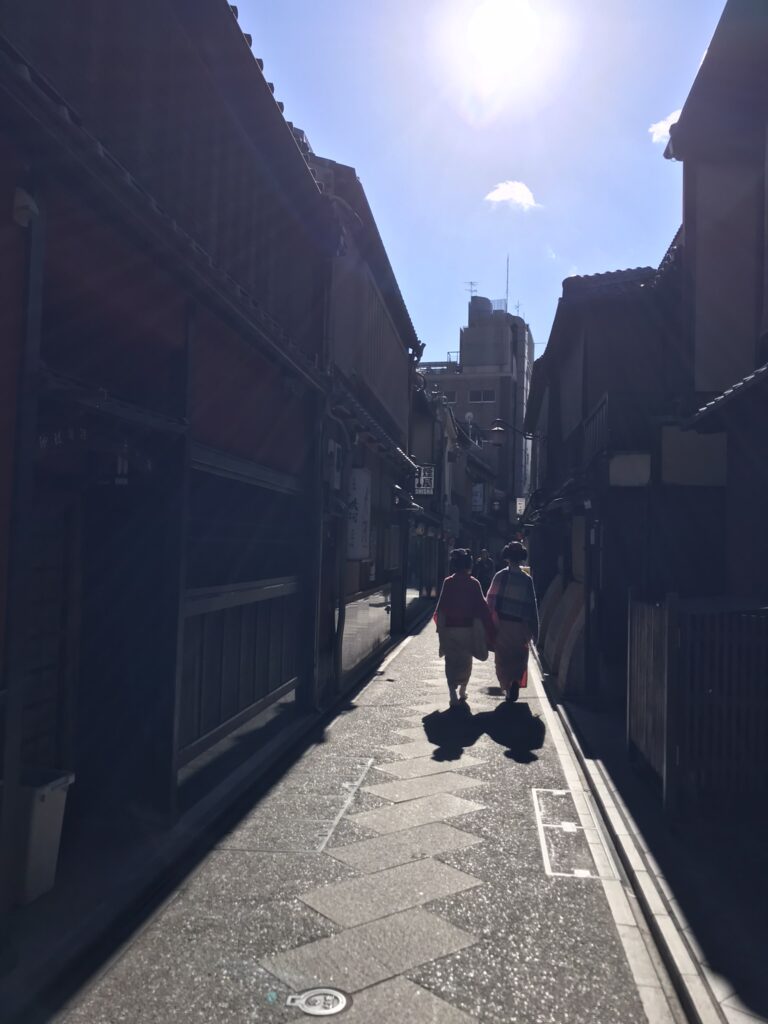
Click here for my Kyoto content!
Kobe
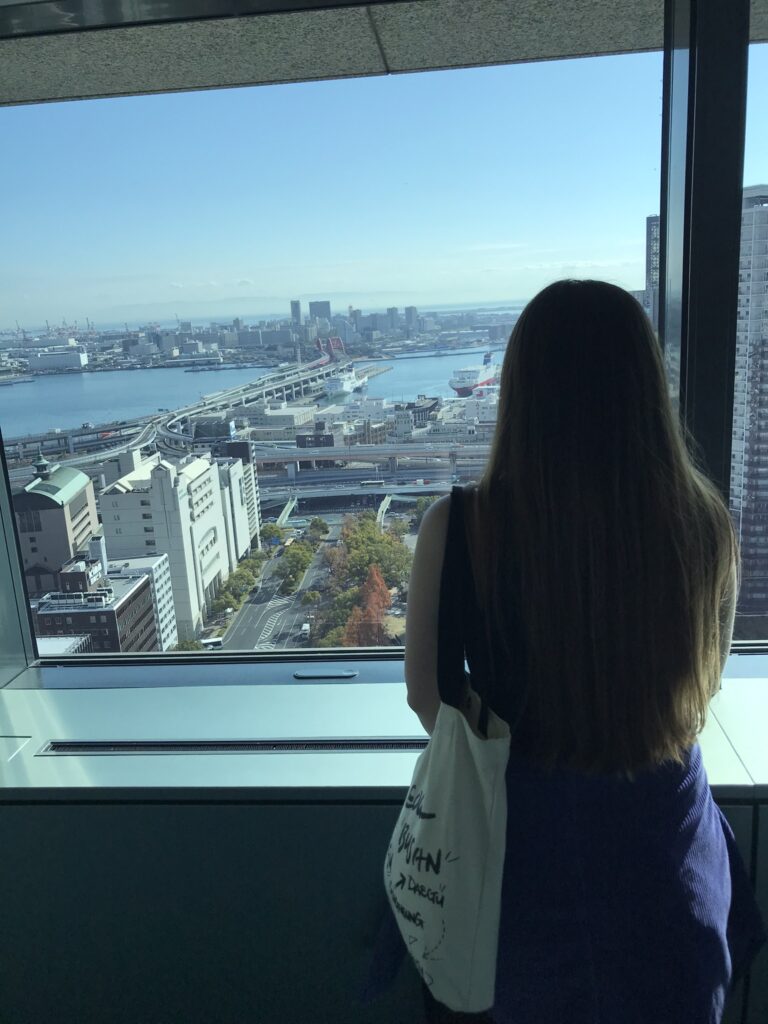
For my Kobe content, click here!
Himeji
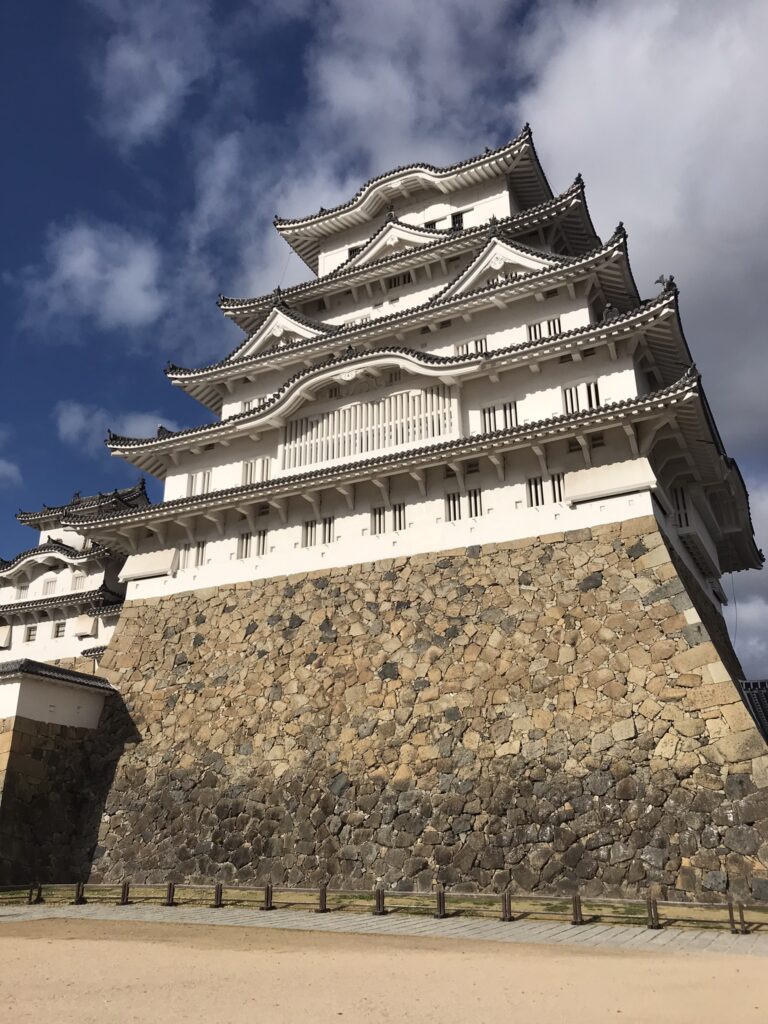
Himeji Castle is by far the most visited castle in all of Japan, for two reasons; its magnificent white appearance, earning it the nickname ‘White Heron’ Castle, and the fact it’s one of the few original castles (and the largest by far) which survived fire, natural disasters and allied bombing in World War 2. Built in 1601, it’s one of the oldest surviving castles in Japan. For budding photographers, the main keep is incredibly photographic especially amid blue skies and clouds.
Throughout history, the castle was occupied by a multitude of different clans as power was shifted between local daimyos. One of the castle’s most famous former residents was the tragic noblewoman Princess Sen, whose life was marked by political drama and personal tragedy as the granddaughter of the first shogun Tokugawa Ieyasu and wife of Toyotomi Hideyoshi’s son Hideyori, who was ultimately defeated during the siege of Osaka in 1615.
Himeji is situated between Kobe and Okayama on the southern Honshu coast. Catching the train is the best way to reach the city, and then it’s a short 15 or 20 minutes walk to the castle complex. A visit to the castle is a great way to break up a longer journey between Kansai and southwestern Honshu or Kyushu. A large number of lockers are available at the train station for those wanting to store bags whilst sightseeing for a few hours, which makes it ultra-convenient to stop off along the way.
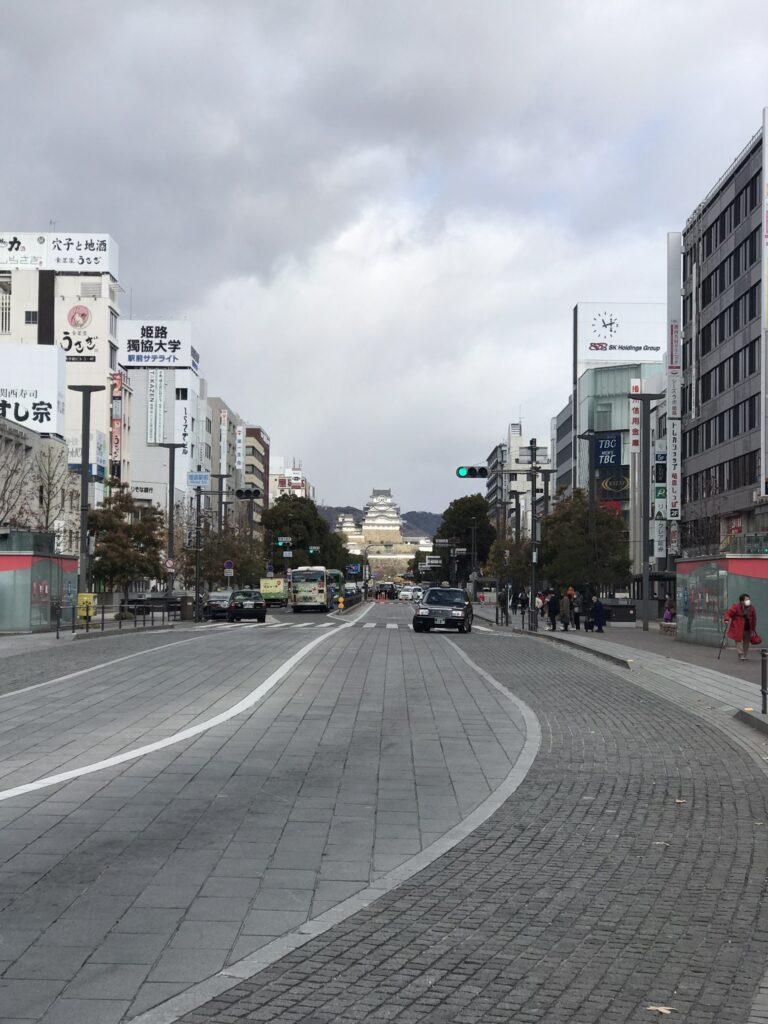
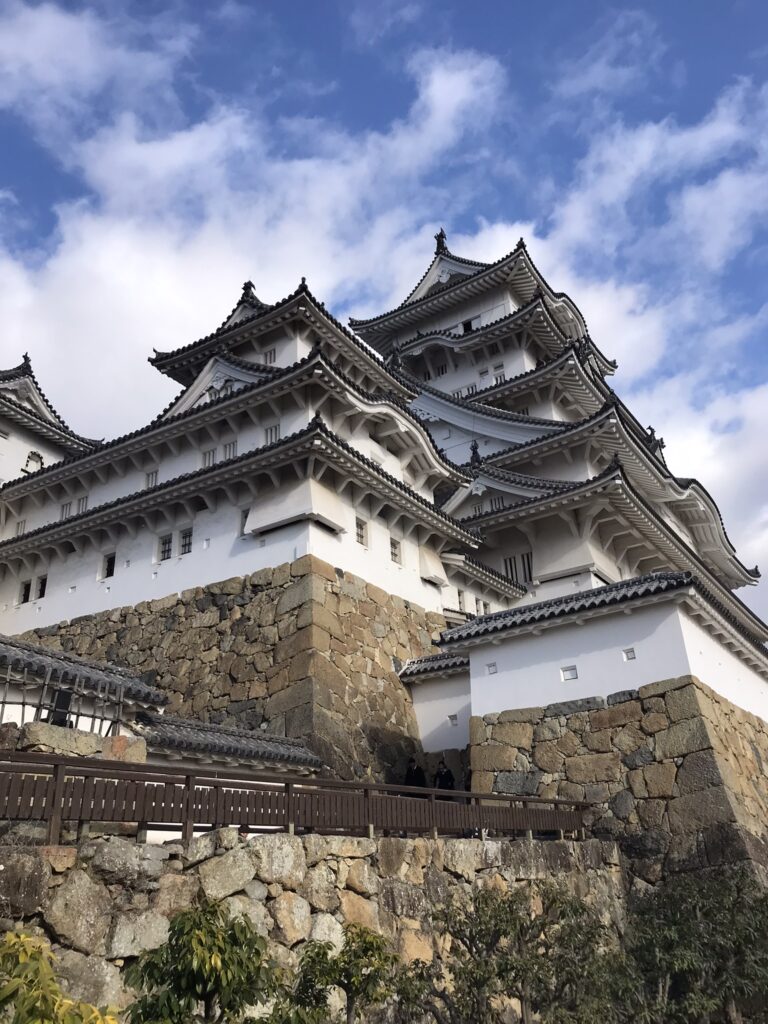
The second you exit the station, the radiant profile of Himeji castle is visible from the road
We visited in mid-December and were surprised to find the castle grounds less busy than we expected. As always, we would recommend against visiting at the weekends if possible as the crowds are likely to be much bigger. To get the most out of your visit, make sure you pick up a handy information booklet at the entrance gate. The booklet for Himeji is one of the best we received at an attraction in Japan – it’s super informative with a detailed map, provides insight into certain features that otherwise you’d miss (like the tile with a Christian cross and a folding fan wall), and provides guidance about what routes to follow and the time each route takes. As with many other castles, shoes are not permitted inside the indoor structures so be sure to have warm socks. The original wooden floors can be frighteningly chilly during the colder months; we had to rush through the final part of the castle interior as our feet were so cold!
We highly recommend taking the Main Keep and West Bailey Route (1.5 hours) within the castle. The West Bailey Long Gallery contains displays with information on how the castle was built, the history of the daimyos who occupied the castle and more information about Princess Sen, as her private quarters were located in this part of the castle complex. These displays are incredibly in-depth, so if you’re like us and can’t stop yourself from reading every plaque then you might want to factor in extra time than suggested.
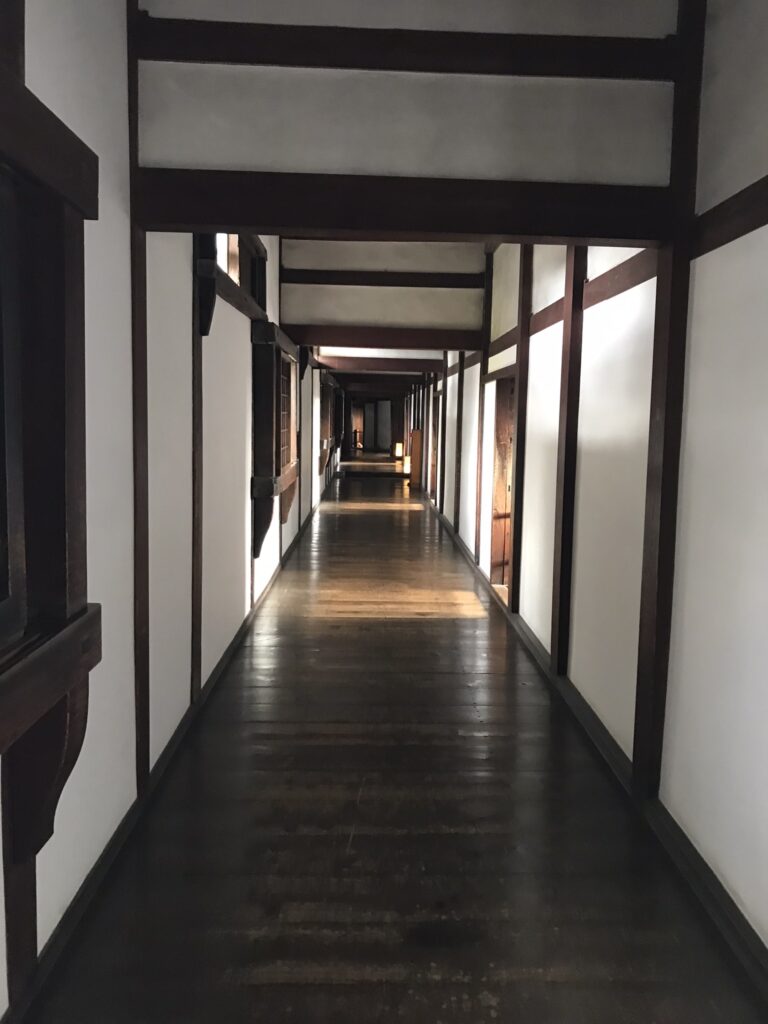
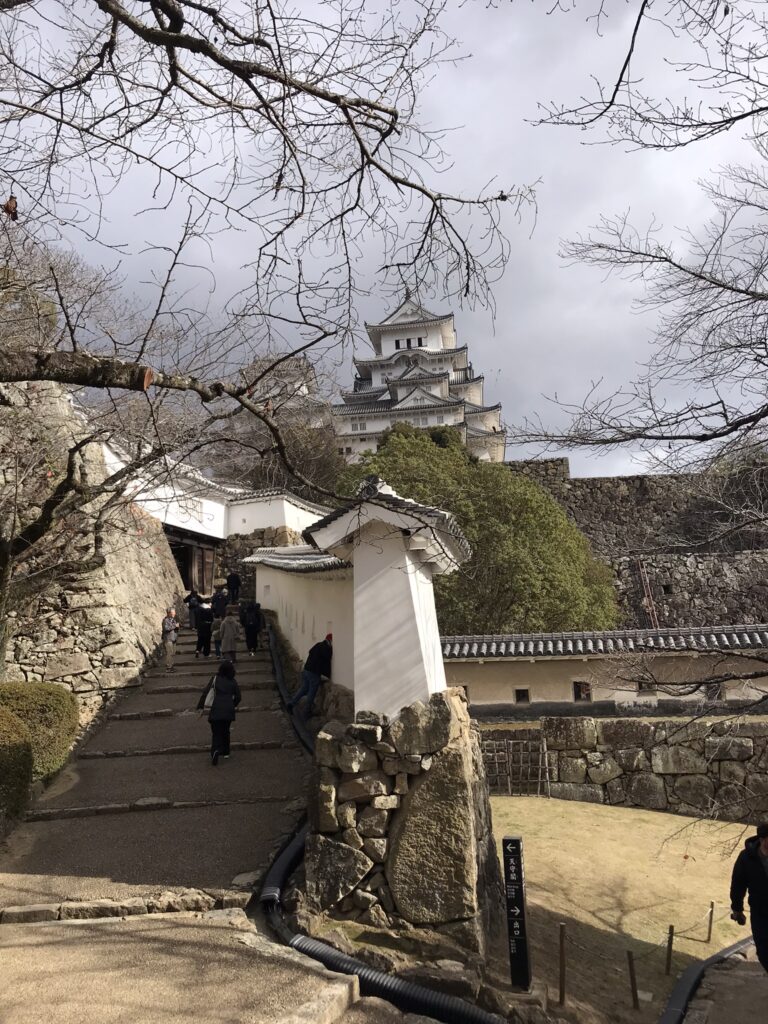
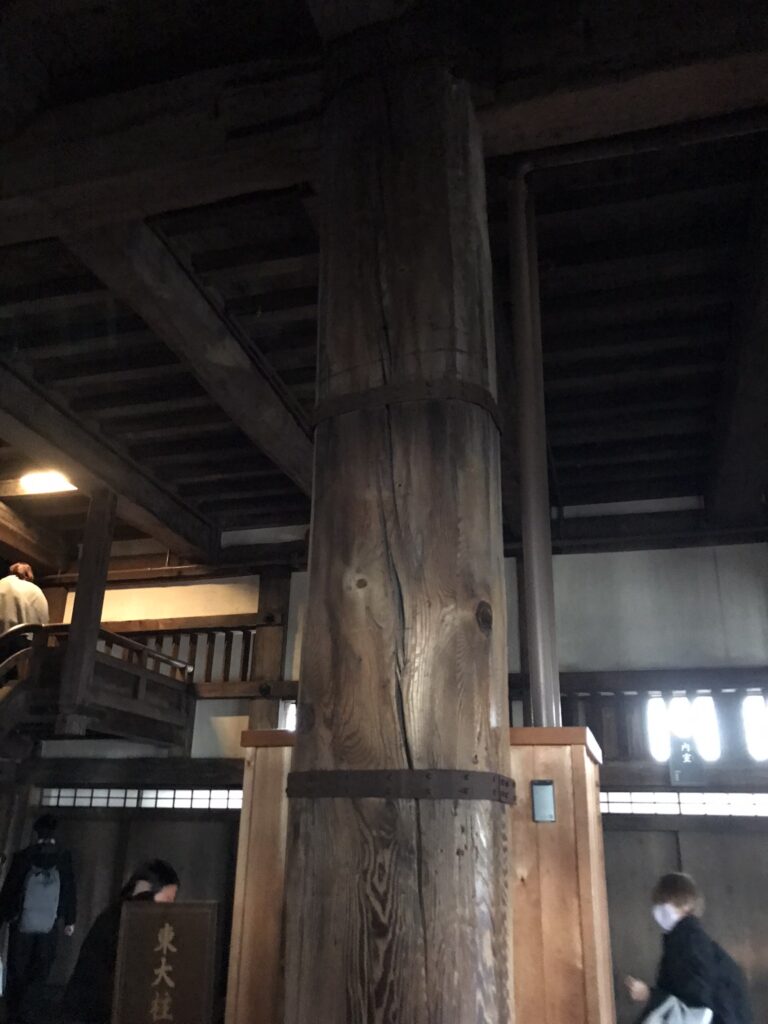
Chilly wooden floors in the West Bailey, view of the tenshu from inside the castle grounds and one of the two massive pillars supporting the main keep
Inside the tenshu (main keep) there are some fascinating features to keep an eye out for, like the secret ambush rooms used by soldiers in the event of an attack, firing platforms and weapons racks and the two enormous support pillars used to hold up the entire structure. Ascending to the top floor, 6 levels up, you can spot the shachihoko – the carp-bodied, tiger-headed sea creature on the eaves of the roof outside which are said to protect against fire. There is also a video display describing how the tenshu was constructed, with particular focus on how there are 6 floors inside but from the outside it appears as if there are only 5 levels.
The admission ticket to Himeji also includes access to the nearby Koko-en garden. This tranquil garden is located directly next to the castle, however surprisingly it is a modern creation, only dating back to 1992. Inspired by Edo-era design, the garden features 9 separate walled garden enclosures with themes such as bamboo forest, pine trees and tea house. This garden offers visitors respite from the crowds at Himeji Castle.
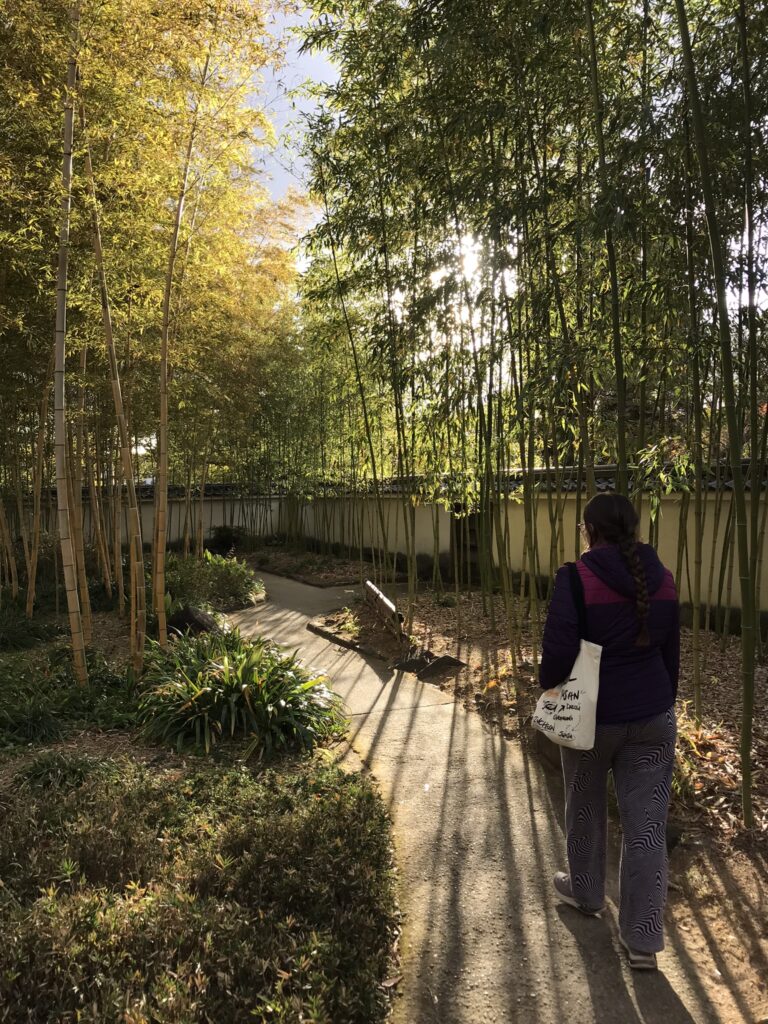
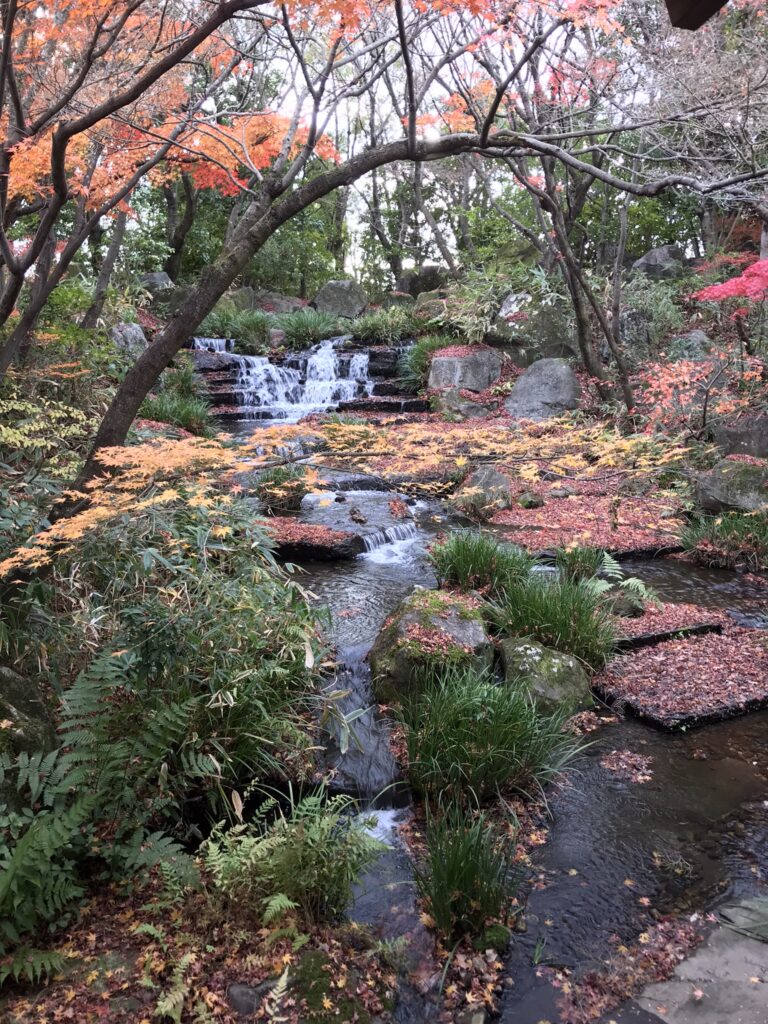
Koko-en garden is a fab place to explore after visiting Himeji Castle
Foodie Places
Lamp Bakery – just off the main street between Himeji station and the castle, as the name suggests, the main emphasis is baked goods, offering a delicious array of tempting treats. The doughnuts to die for! The bakery also offers reasonably priced burger and fries lunch deals.
Okayama
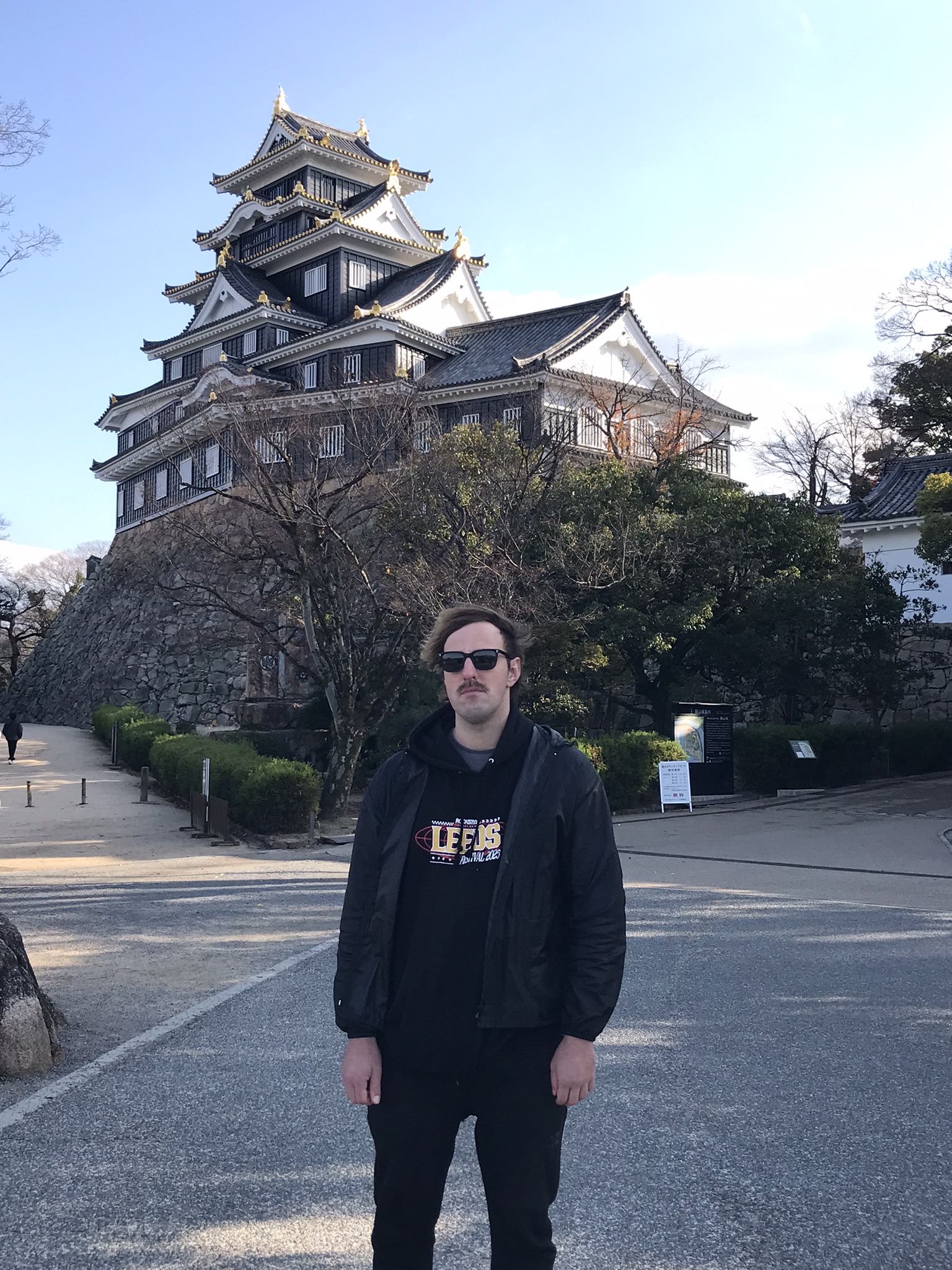
Okayama makes for an interesting stepping stone between the tourist hotspots of Osaka and Hiroshima, breaking up the journey between the two. It’s most definitely not on the radar of most tourists, but it’s the second largest city in the Western Honshu (Chugoku) region after Hiroshima and has some interesting sights in its own right.
Okayama is renowned for its ‘Crow’ Castle, said to resemble an ominous black crow, and for having one of the Three Great Gardens of Japan, Kōraku-en. Kōraku-en is quite unusual as it’s situated on an island surrounded by the Asahi River. The garden’s design is more pastoral, with open fields and spaces, much different than we’d seen at the other Great Garden we visited (Kenroku-en in Kanazawa). The garden is located in close proximity to Okayama Castle. Unfortunately the original castle was destroyed during World War 2, later being completely rebuilt with a modern interior design as part of the cultural restoration.
The well-known Japanese folk tale, Momotarō (translating to Peach Boy), was apparently set in Okayama. The story goes that a peach was floating down a river when an old couple pulled it from the water to discover a child inside. When Momotarō grew up he left his home to hunt down a band of ogres who’d been marauding over the land, and with help from some animal friends destroyed them and captured the ogre king. We saw quite a few references to Momotaro within the city. Even the airport is named ‘Okayama Momotaro Airport’ after this legendary tale.
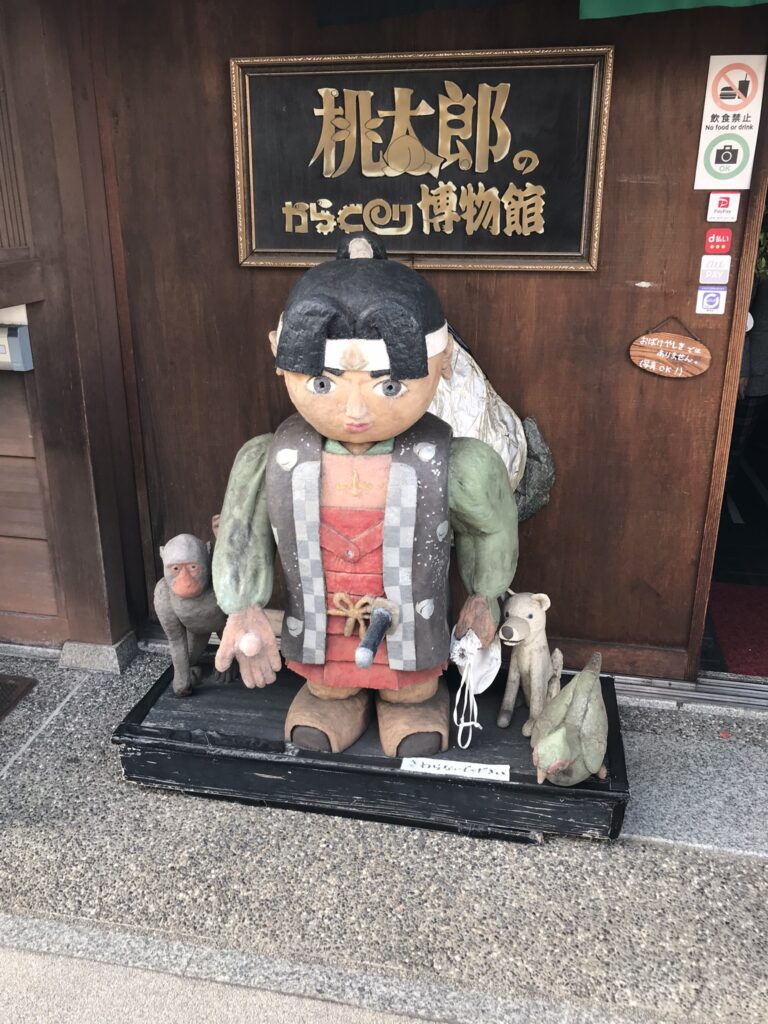
A Momotarō statue spotted in Kurashiki
Accommodation
HOTEL LiVEMAX Okayama West – conveniently located just steps outside the busy Okayama Station, this business hotel has a tremendously visible sign on the exterior which is impossible to miss when approaching from the station side. The rooms are compact, cosy and as usual impeccably clean with the standard laundry, vending machine and microwaves facilities available for guests to use.
Foodie Places
Docheche – this hole-in-the-wall eatery specialises in Thai cuisines with reasonably priced dishes such as Pad Thai, Green Curry, Basil Chicken and even morning glory (a particular favourite of mine which I couldn’t resist ordering). We ended up eating here twice in our short time in the city as it was a real treat to have (relatively) authentic Thai food.
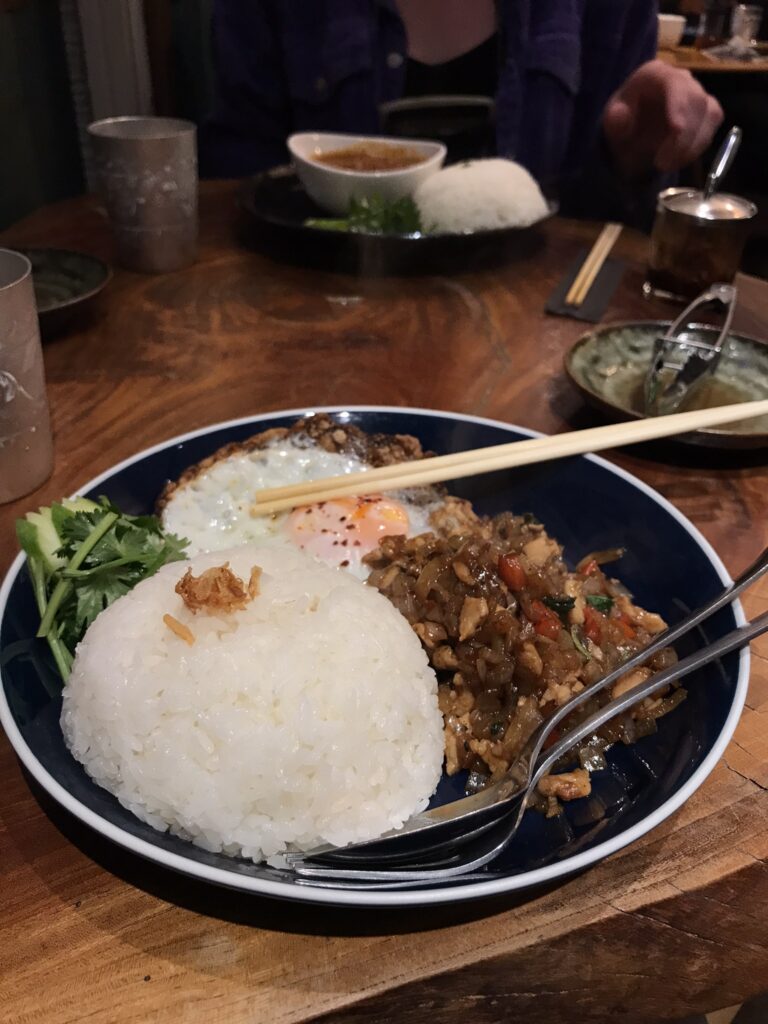
Cheap and cheerful Thai food at Docheche
Activities
Kōraku-en- once the private retreat of the Ikeda clan, built in 1700 by Ikeda Tsunamasa (the local Daimyo), this special garden (one of the Three Great Gardens of Japan) is now open to the public. This garden turns your prior knowledge about traditional Japanese garden design on its head. While there are some familiar features like quaint thatched tea houses, a plum orchard and a handful of stone pagodas sprinkled about, the vast majority of the garden is a wide open plain with large bodies of water. There’s even a rice paddy in the garden. The spaciousness, emptiness and vastness of the plains within the garden was particularly striking. We also had the opportunity to see a crane in real life at the aviary – we couldn’t quite believe how large they were.
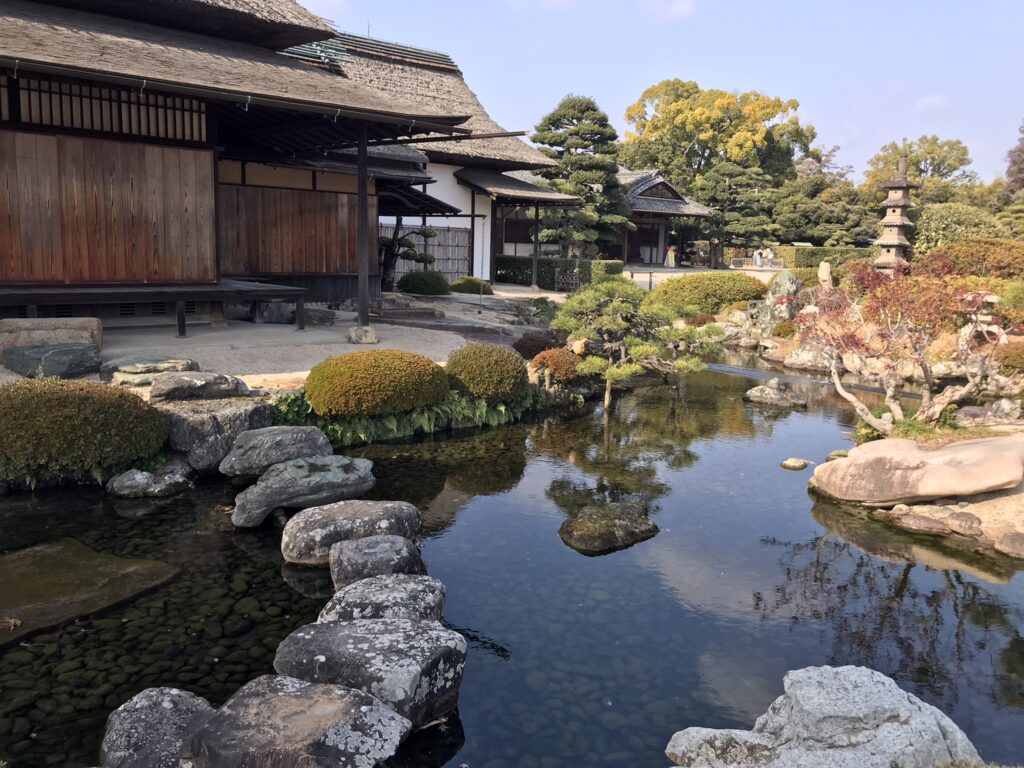
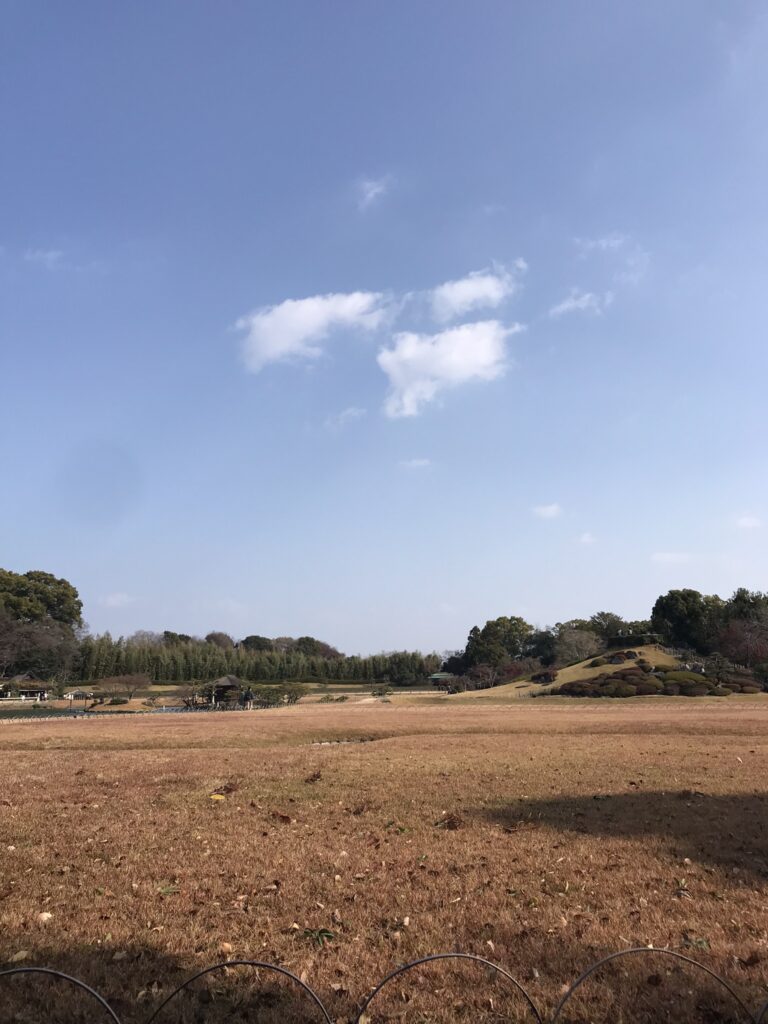
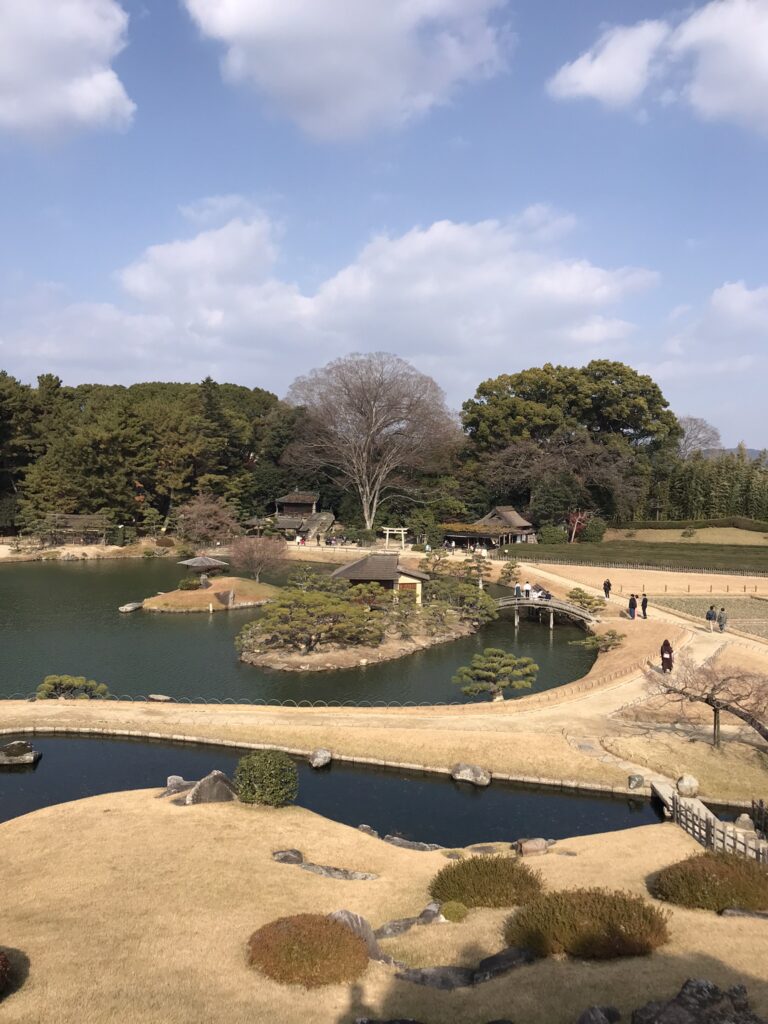
The many faces of Kōraku-en garden
There are a few different areas in the garden to explore. We were also treated to an unexpected free Noh performance which was taking place at the historic theatre here – the climax involved a fierce warrior king fighting twin dragons in a dramatic standoff.
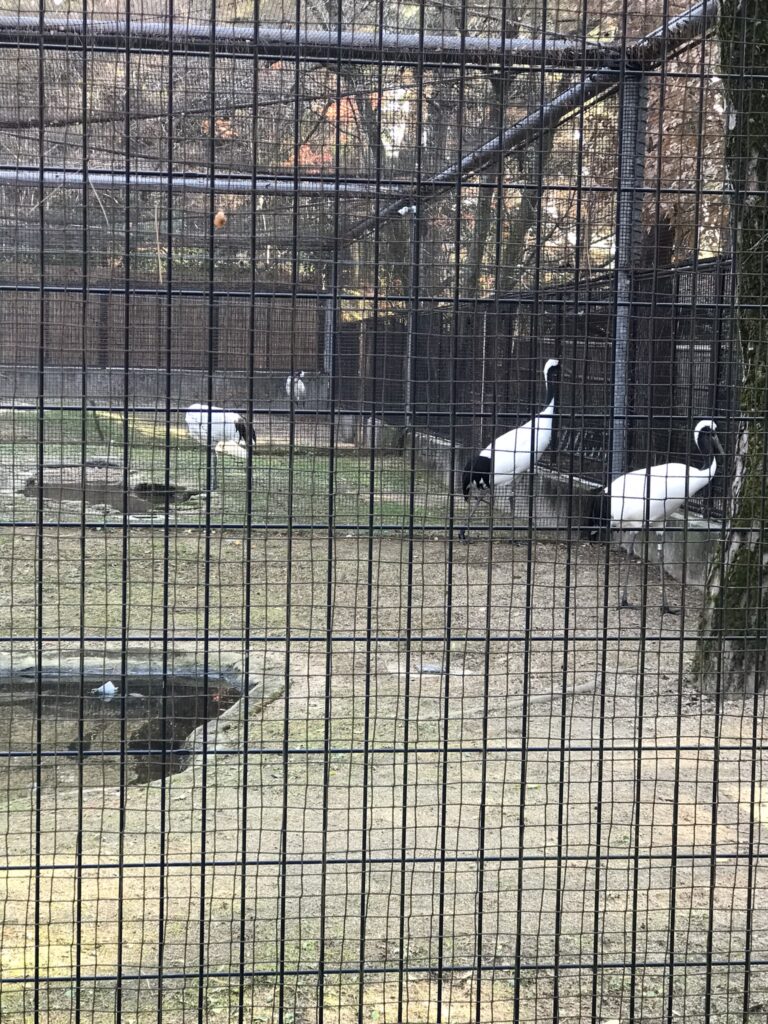
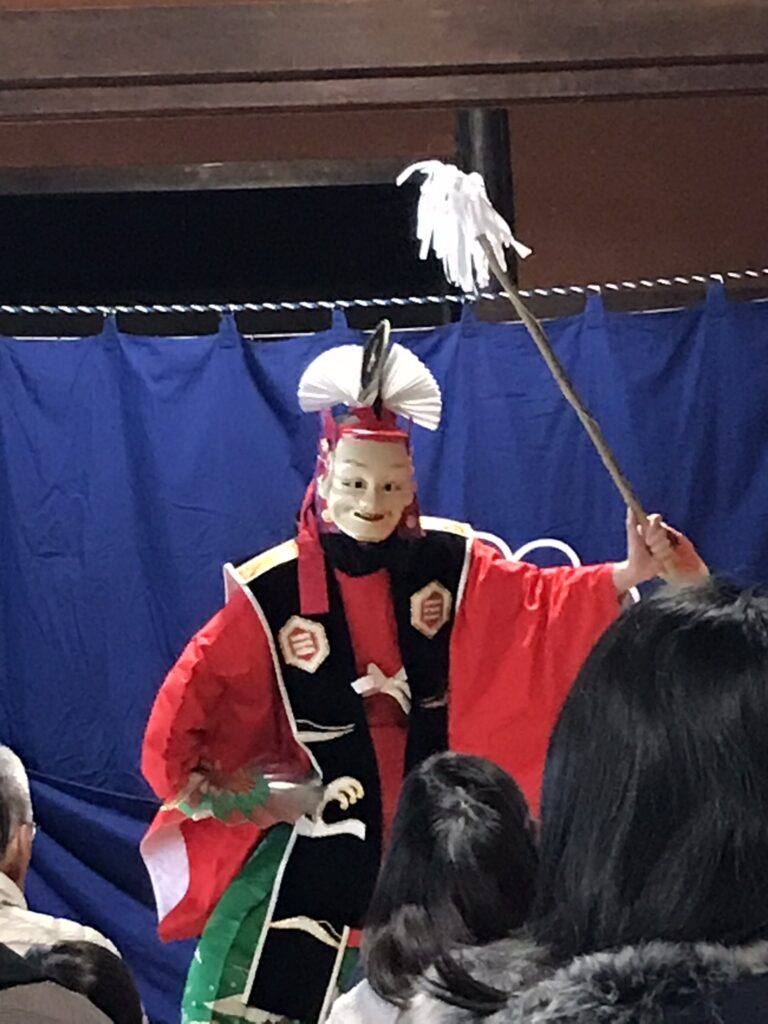
Two unexpected delights at Kōraku-en; a noh performance and real life cranes
Okayama Castle – Overlooking the Koraku-en garden from across the banks of the Asahi River, Crow castle features intricate gold shachihoko (half carp, half tiger creatures on the eaves to protect against fire) amid the iconic black façade – a formidable sight for any approaching enemy. The original castle was built in 1597, however it was destroyed by bombing during World War 2. Paid admission is for the tenshu (main keep) only, so you can walk freely around the grounds to admire the impressive structure from different perspectives. Within the grounds, the remains of other structures are marked out and accompanied by information boards giving further insight into what once stood there. Inside the main keep is a city museum: each floor contains displays about the history of the castle and castle town. Although most of the displays are in Japanese, free wifi is available for visitors to use to translate these. There’s a particularly informative dramatised video (with English translations) about the Battle of Sekigahara, ideal for history-buffs looking to sharpen up their knowledge about the conflict which ultimately led to the establishment of the Tokugawa Shogunate.
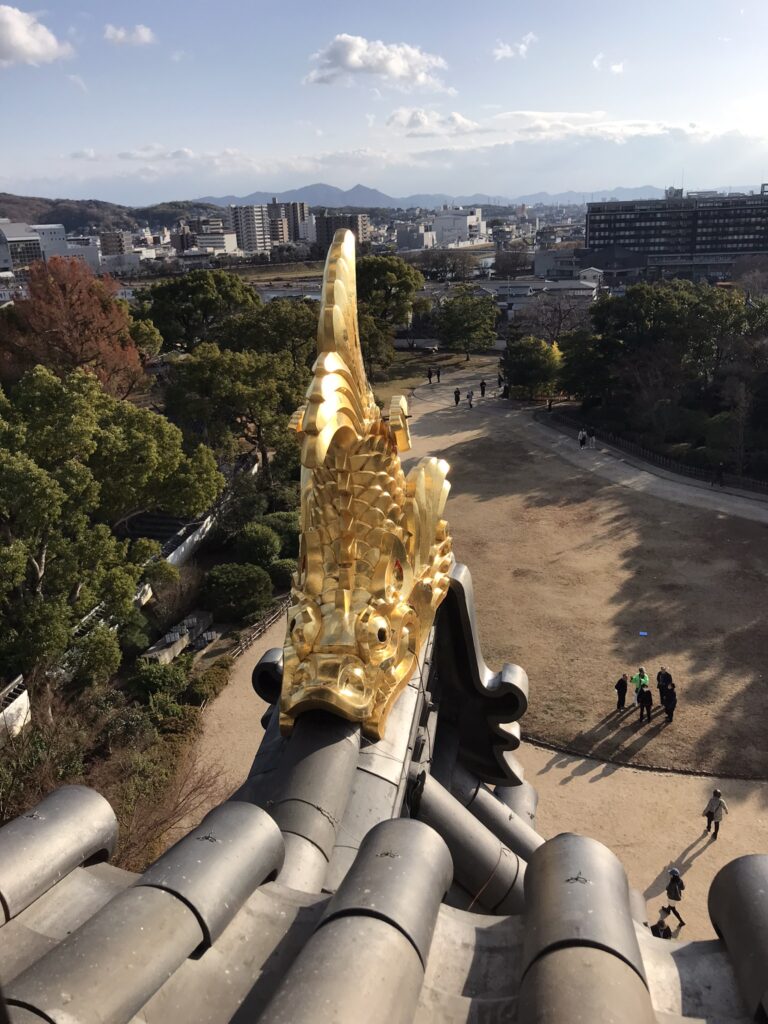
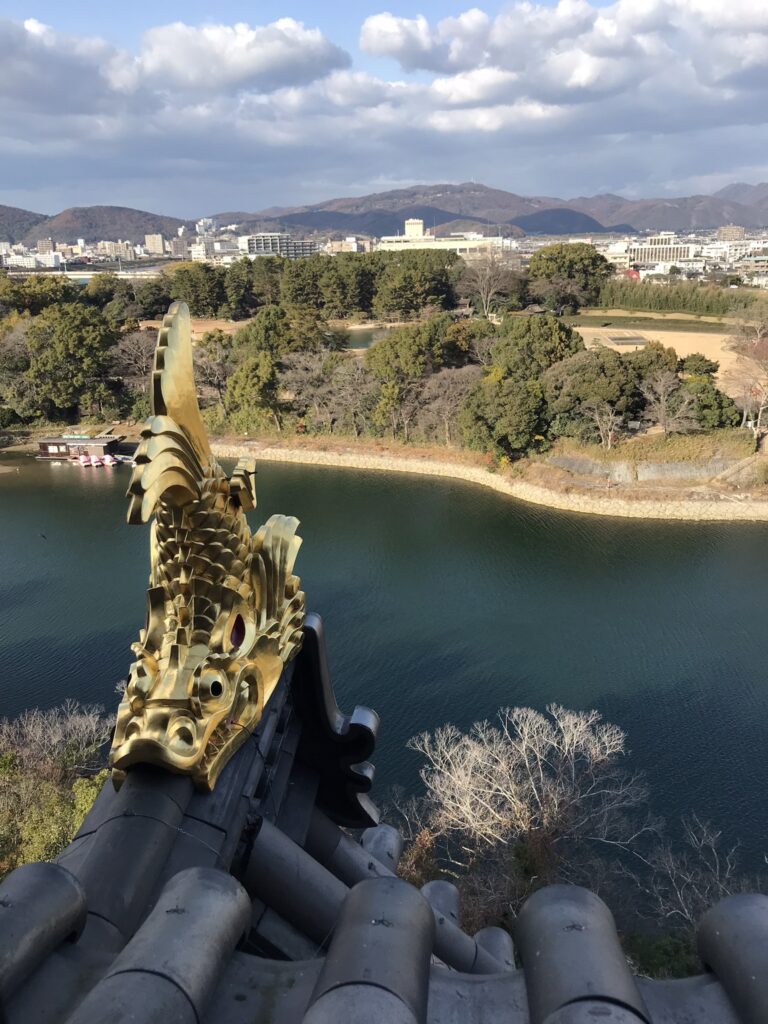
One side of Okayama Castle faces Kōraku-en garden while the other side faces the modern city – quite the contrast
Okayama Prefectural Museum of Art – a contemporary art gallery showcasing a stunning array of glass work and ceramics – unfortunately we weren’t allowed to take photos but they were among the best we’ve seen in Japan. The admission fee is very affordable so it’s worth taking a peek at the various artworks on display.
Day trip to Kurashiki
Located a short distance from Okayama, Kurashiki is a popular day trip with easy access from Okayama station by train. The city was constructed on mostly-reclaimed land which had a high salt content, making it unsuitable for rice cultivation. Cotton was planted instead, which kickstarted the development of a booming local textile industry during the late Edo period. The town grew wealthy (mainly the merchant class) from the sale of cotton, and prospered as an important port and distribution centre. Cotton grown in the wider region was transported to Kurashiki for processing and onward transit. Today, the city’s historic Bikan area contains many grand buildings built by rich cotton merchants. Visiting this area is like stepping back in time, as some ‘white-walled’ neighbourhoods retain their distinct character, filled with elegant ‘machiya’ houses with striking black and white exteriors.
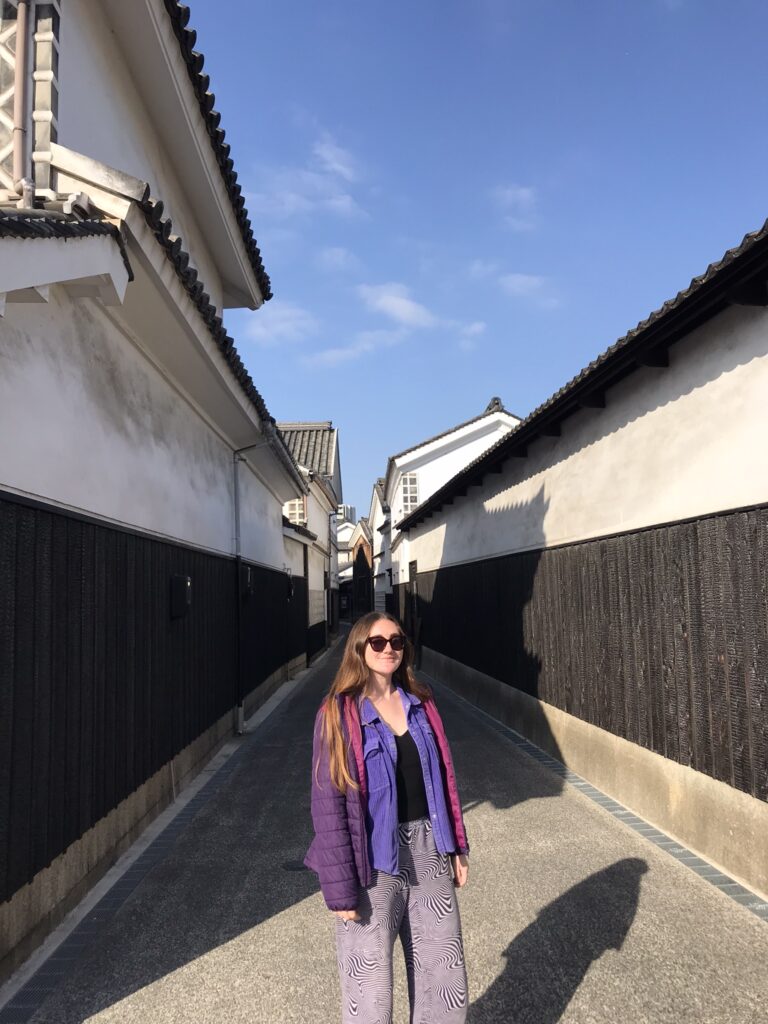
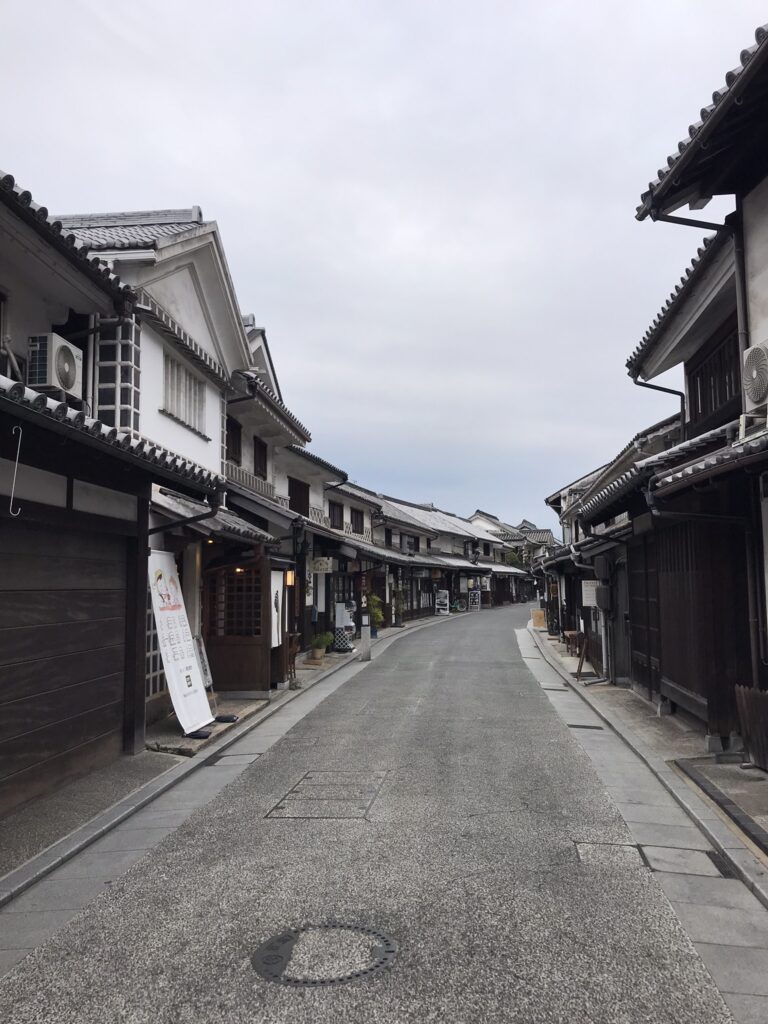
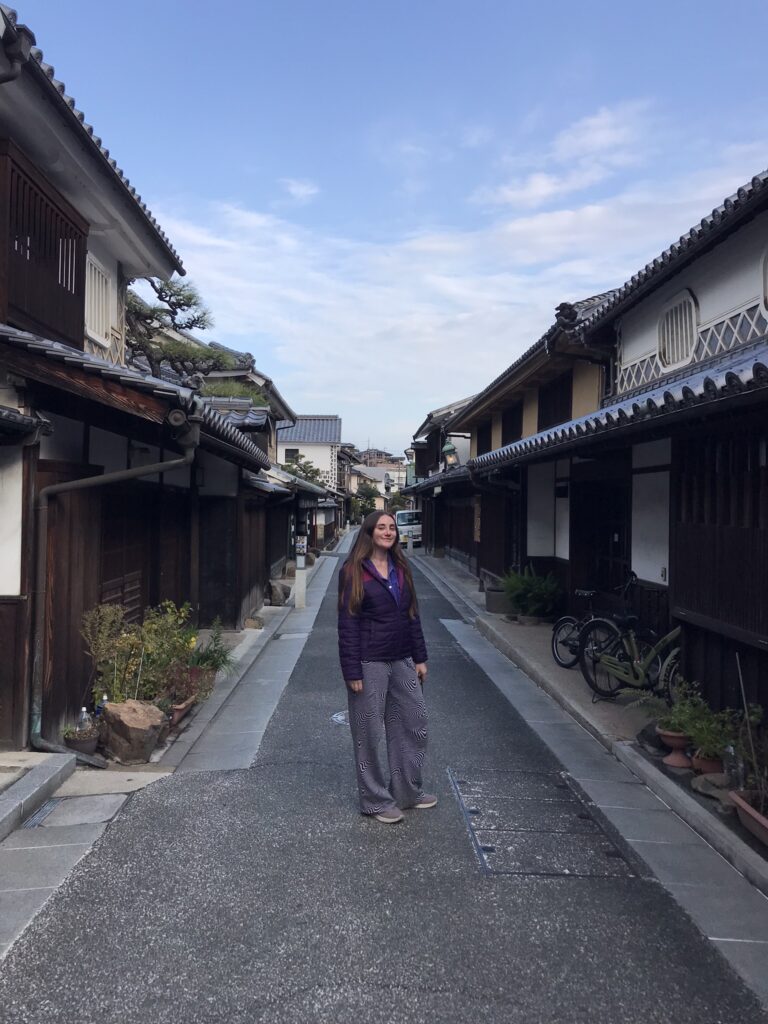
The streets in Kurashiki are incredibly photogenic
Kurashiki’s Bikan quarter is now a popular tourist hotspot. Domestic tourists touting pointed straw hats float past on the canal, and local young runners offering rickshaw tours are a near-constant here. We noticed that many of the shops in Kurashiki were selling traditional artisanal products rather than tourist tat, making it a popular shopping location. While there are many opportunities to go inside the area’s historic properties, most of them are paid admission so we opted to skip them and instead choose to visit the free attractions only. In the modern era, Kurashiki became synonymous with denim production and a multitude of denim shops can be found around the historic district, particularly on ‘denim street’. They even sell ‘denim’ blue steamed buns.
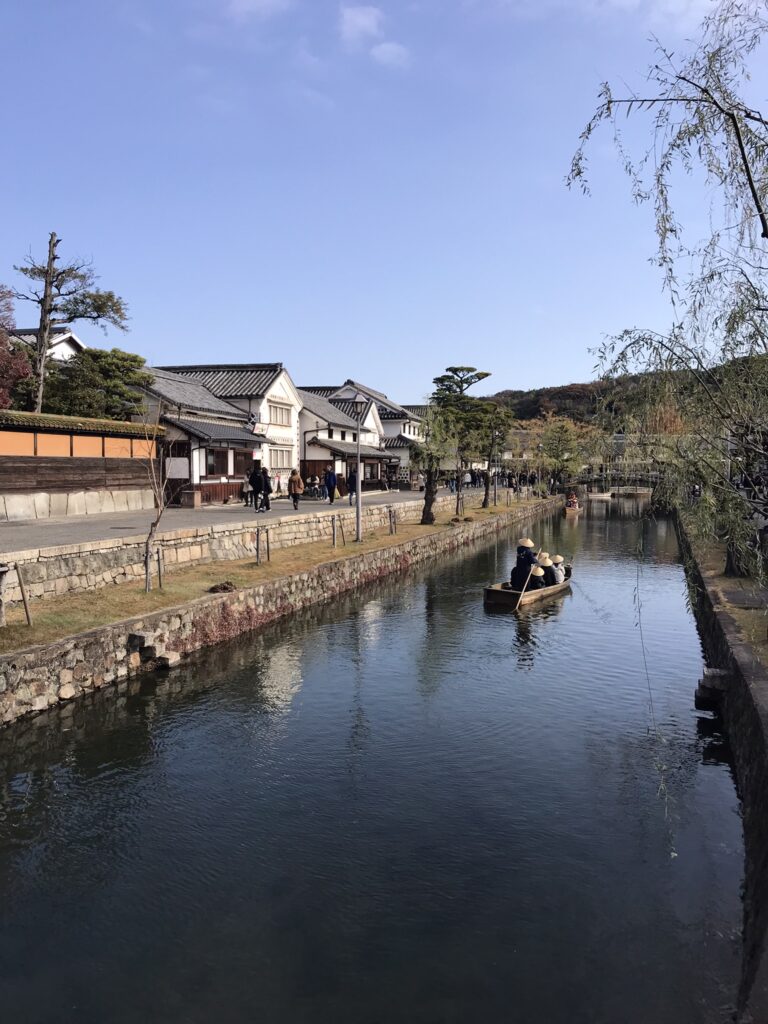
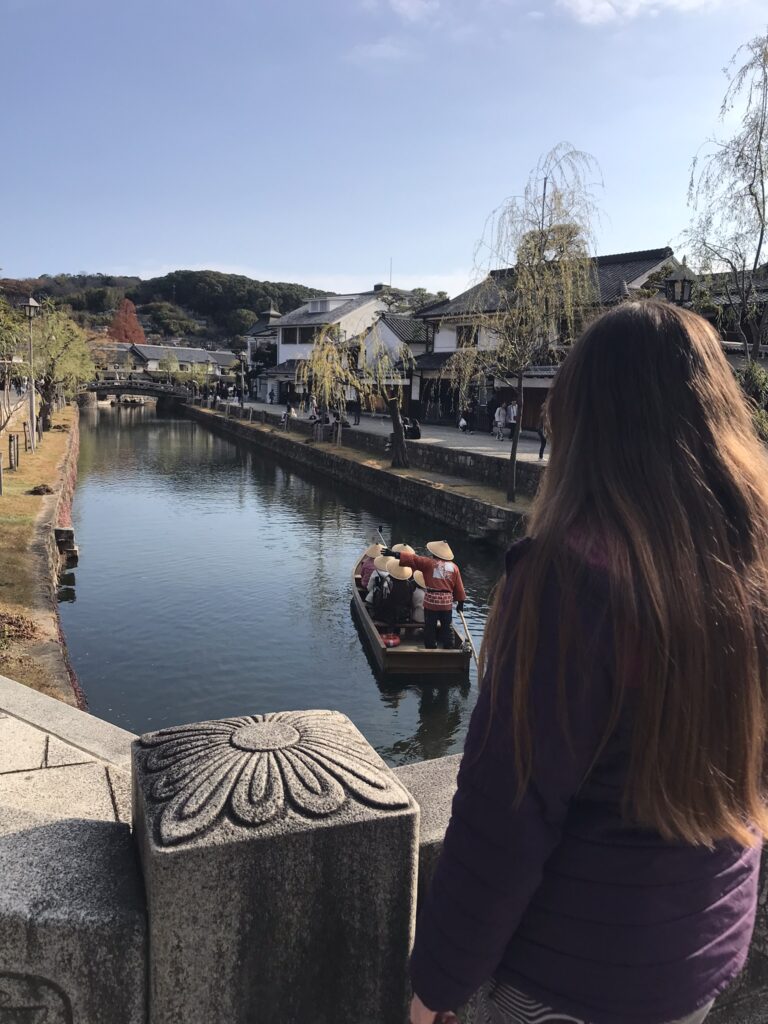
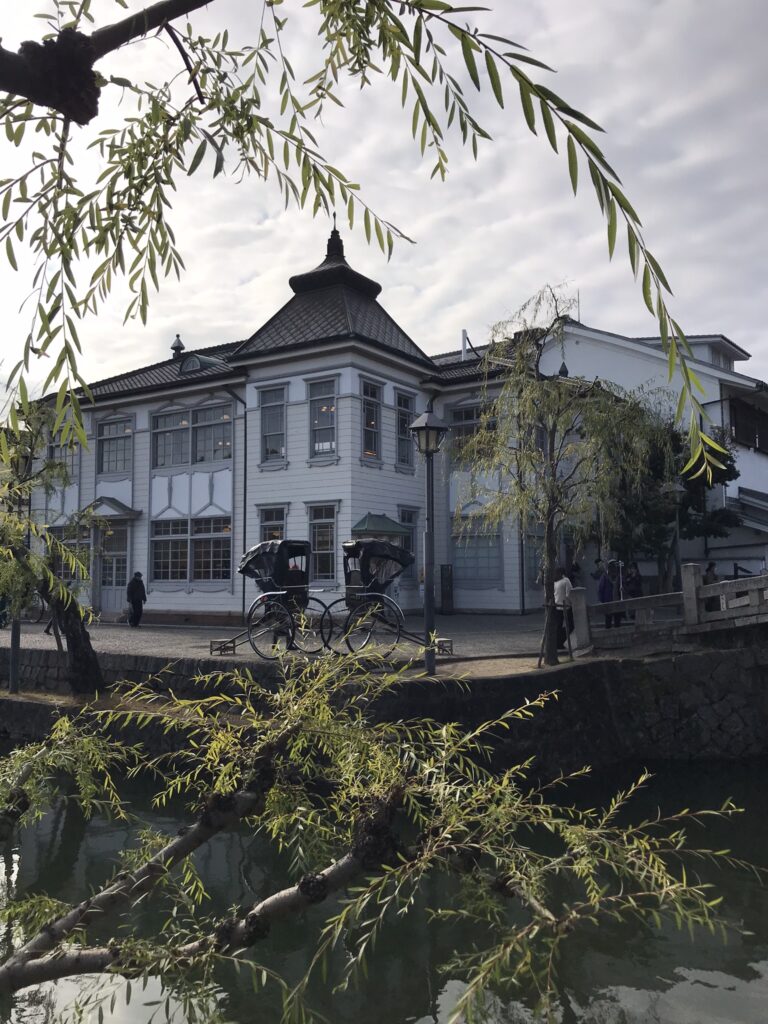
The Bikan historical quarter in Kurashiki is centered around this canal
Activities
Kurashiki Monogatarikan – free entry, this historic house doubles as a tourist information centre and includes small gallery about the local history of the area – handy stop for first-time visitors
Snoopy Chocolat – we couldn’t resist having a browse of this Snoopy-themed chocolate shop. There is also a Miffy themed shop, Miffy Storehouse Kitchen, next door which sells Miffy-themed baked treats
Kake Museum – a small, free art gallery which displays work by local artists
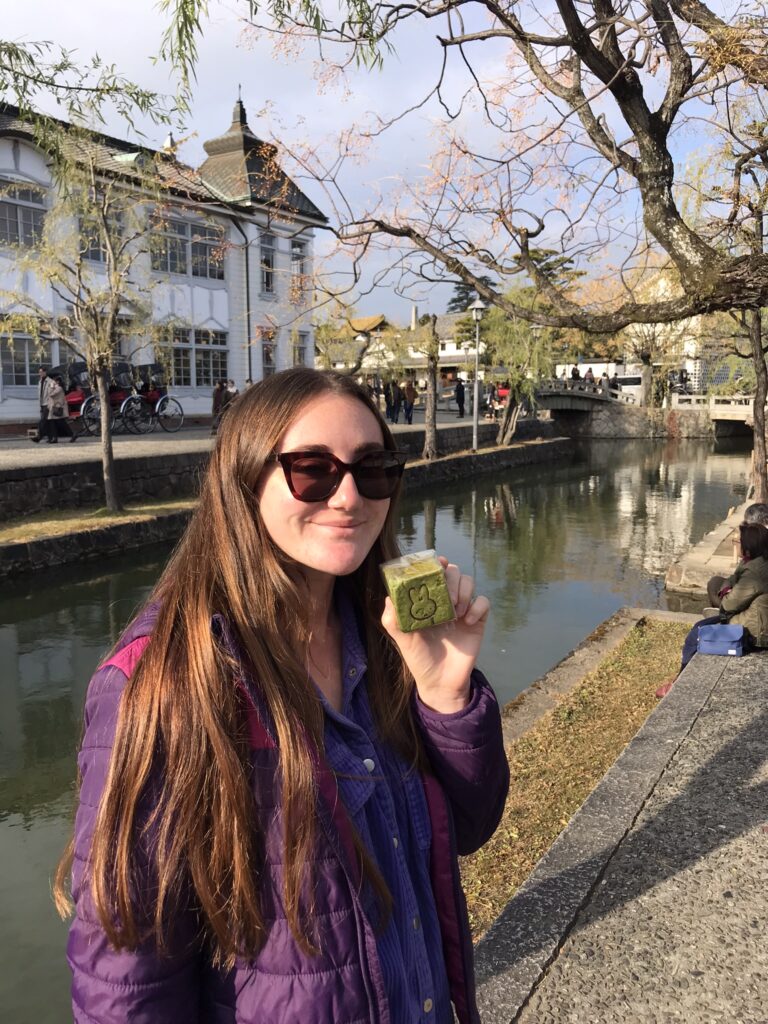
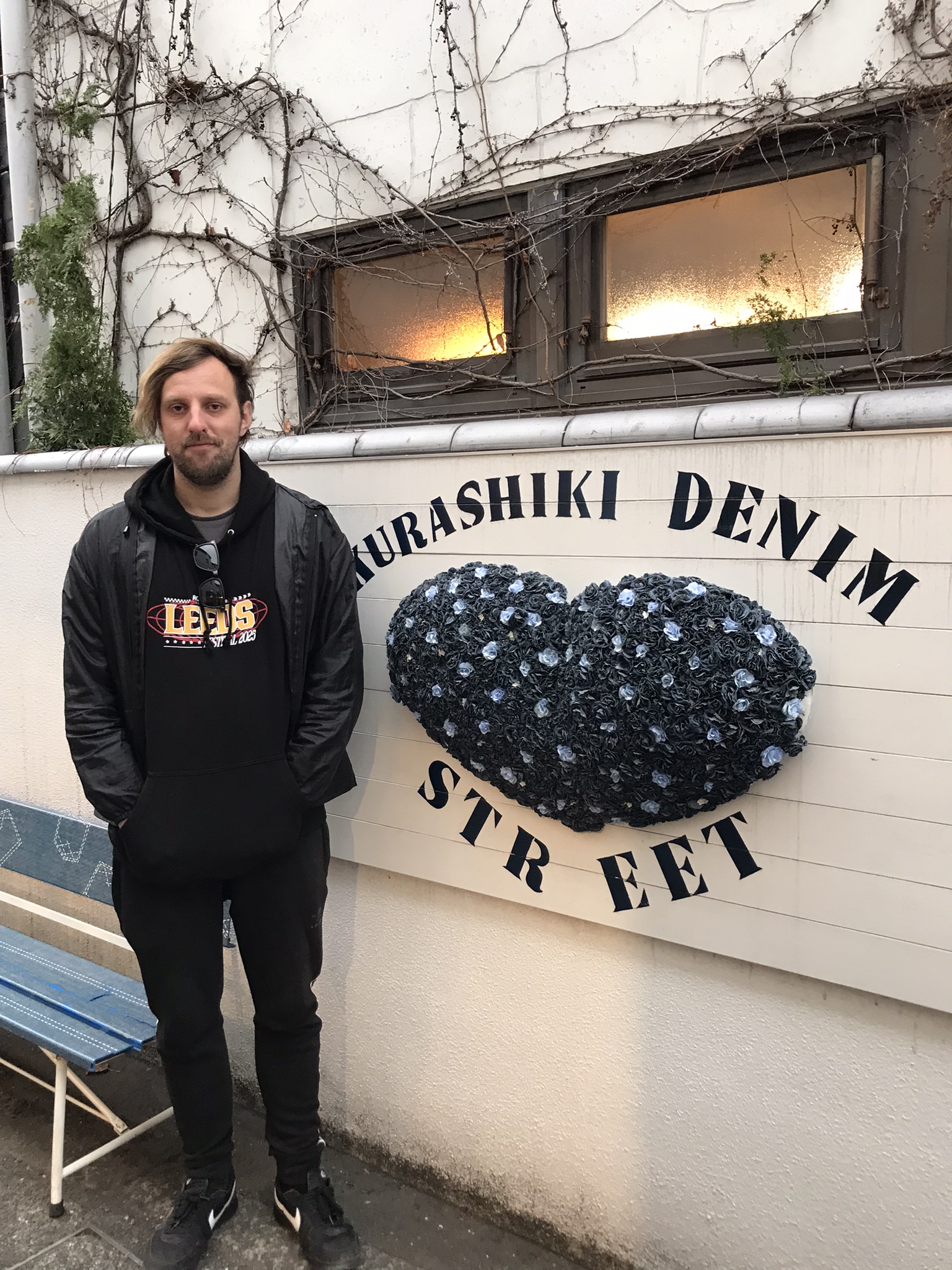
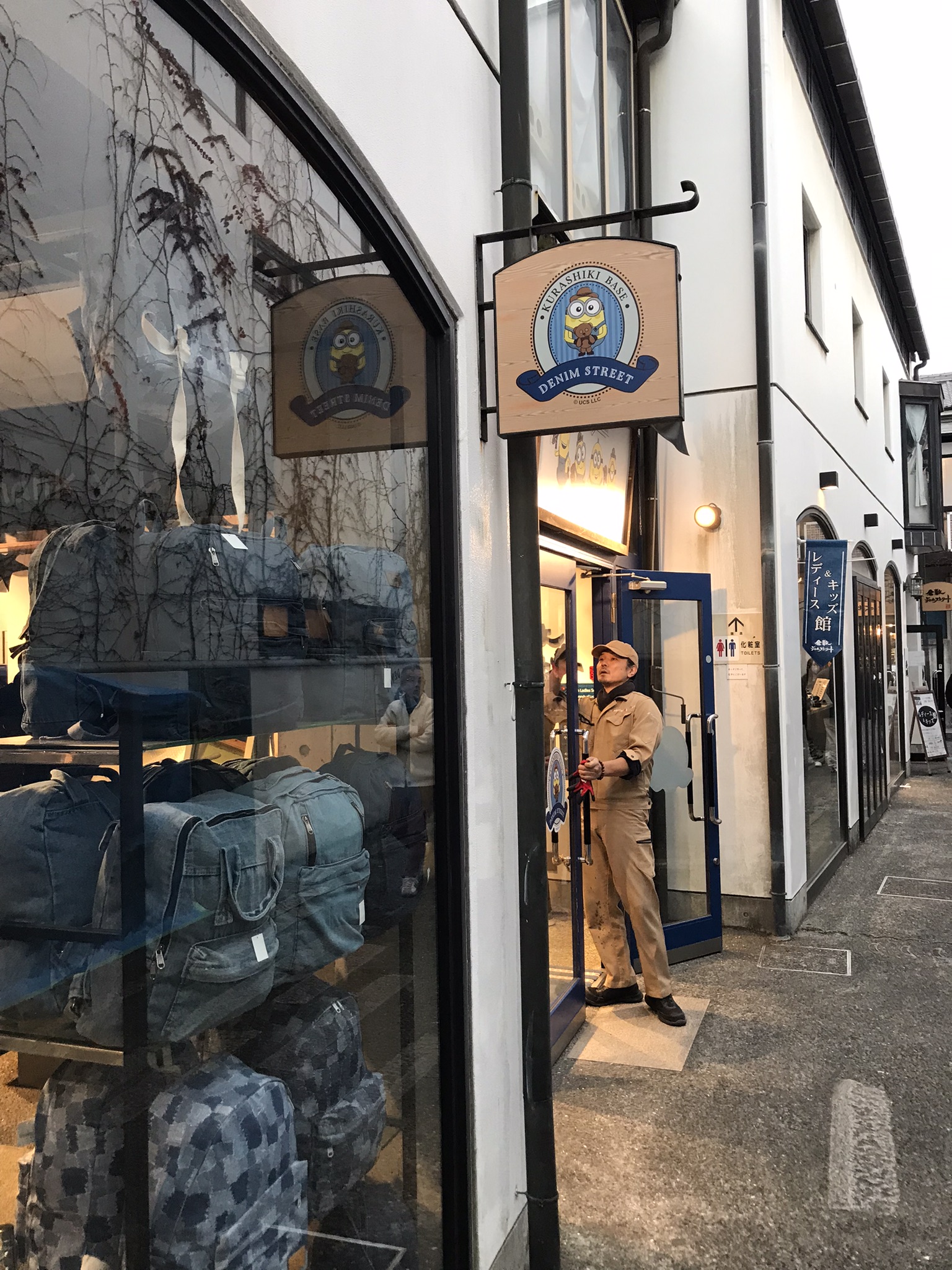
Miffy matcha bread and Kurashiki Denim Street
Kurashiki Ivy Square – one of the oldest Japanese cotton spinning factories, this is now a tourist complex. The site was hosting a Christmas fayre when we were there, with an amazing amount of Christmas-themed craft stalls offering classes in snow globe, leather wallet, candles making and all manner of artsy presents. It wouldn’t be a Christmas market without the sausage and mulled wine stalls!
Aichi Shrine – a high point near to the Bikan quarter, this is the main neighbourhood shrine and is located atop a hill. The shrine provides a view over the rooftops of the old neighbourhood, although the view is slightly obscured by trees
Foodie Places
Misokatsu Umenoki – serving up delicious miso katsu set meals, this much-loved establishment is incredibly popular, with queues often winding down the street. The chunks of breaded katsu are baked rather than fried, which offers a unique twist on the original dish, and the dipping sauce is slightly sweet and tangy.
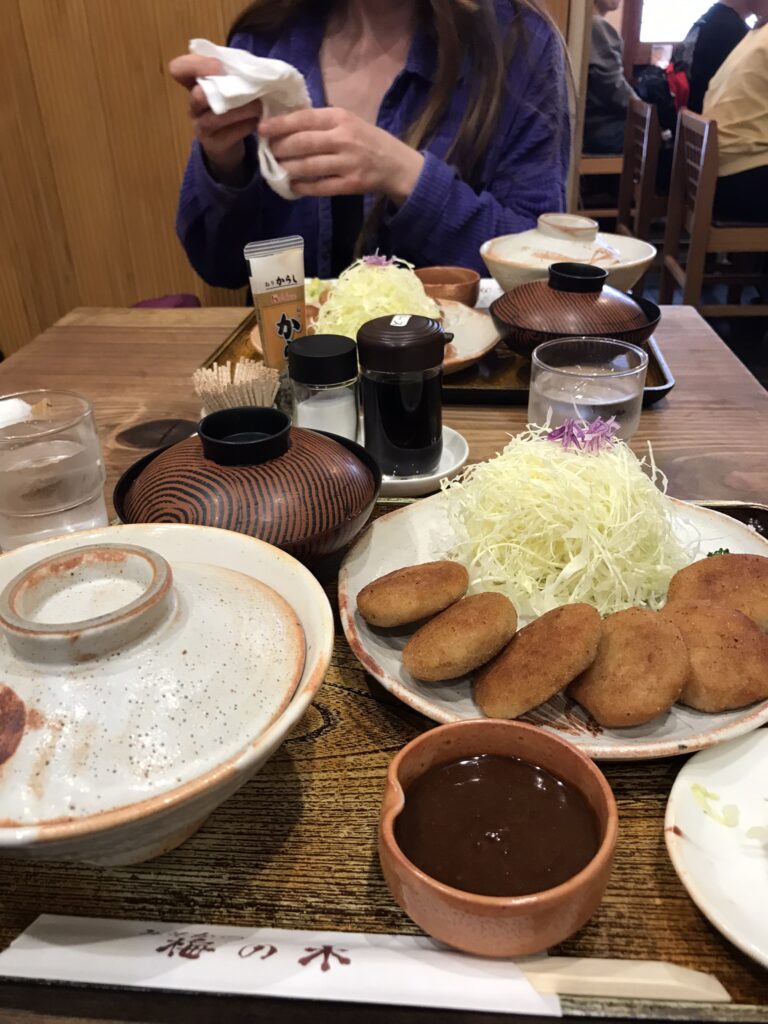
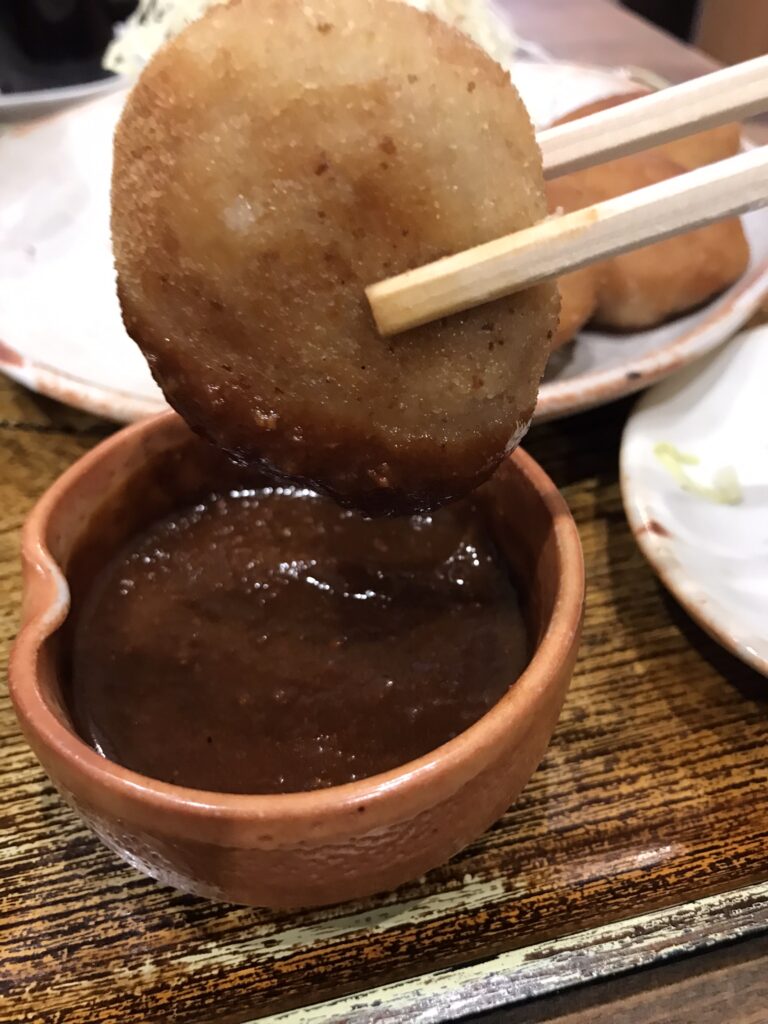
Misokatsu Umenoki is worth the wait in Kurashiki!
Onomichi
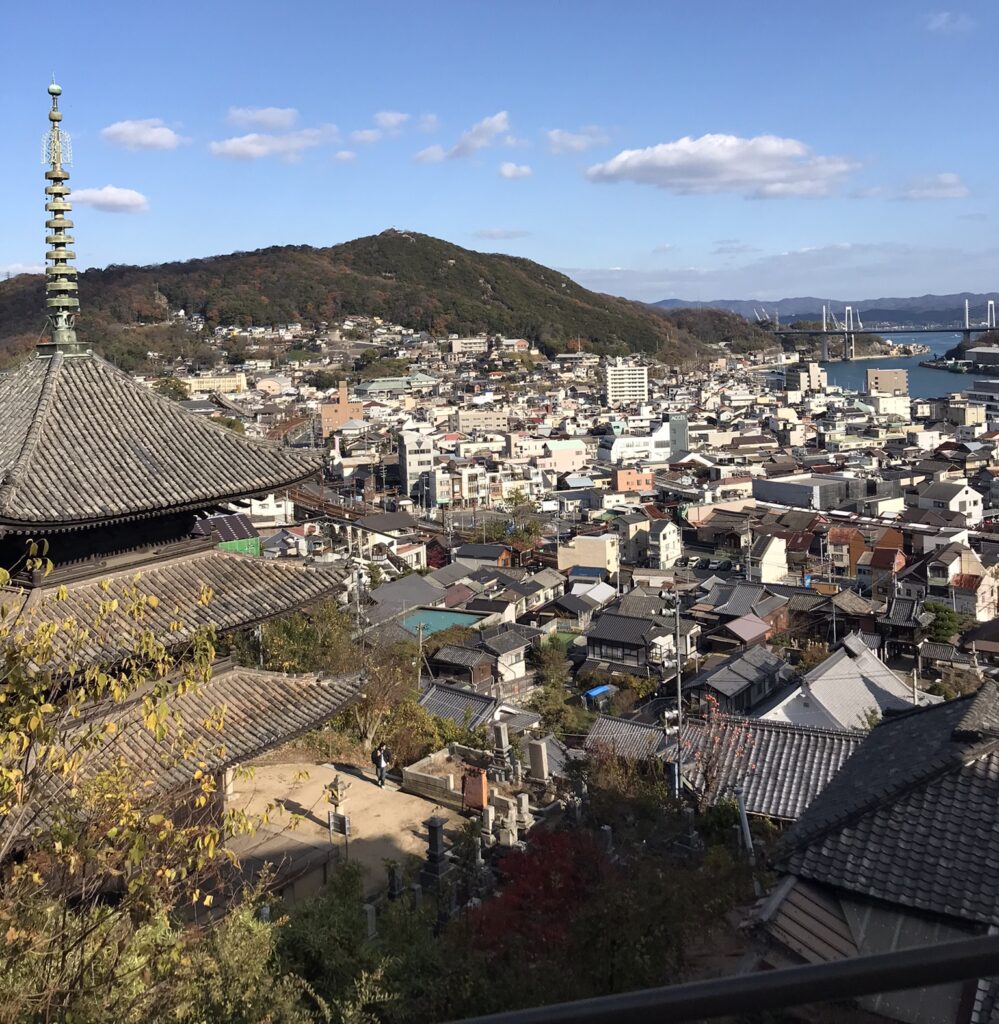
Onomichi is a quaint town in southern Honshu. It is located next to the Onomichi Bridge, which is the start of a series of bridges connecting Honshu to Shikoku via the islands of the Seto Inland Sea. Onomichi sits on the coast directly across a narrow straight from Mukaishima Island. Although at first it looks more like a river or canal, this is a part of the sea and is actually quite a busy shipping lane. A hilly town built into a narrow part of the coastline, Onomichi is famed for its Temple Walk, which links 25 Shinto shrines and Buddhist temples along a hillside ridge.
Onomichi is a popular starting or ending point for cyclists who island hop all the way to Shikoku on the popular 70km cycling route known as the Shimanami Kaido, which crosses the Seto Inland Sea. Onomichi Bridge is the starting point for these adventures and cyclists can then admire the stunning scenery whilst traversing six islands (Mukaishima, Innoshima, Ikuchijima, Omishima, Hakatajima and Oshima) before reaching Imabari City in Shikoku. Apparently it is also possible to walk the route – we cannot verify this! Boats leave from Onomichi for several of these islands for those that don’t want to cycle or walk. We chose instead to go to Okunoshima, which is not on the main Seto Inland Sea route and is located a little further down the coast.
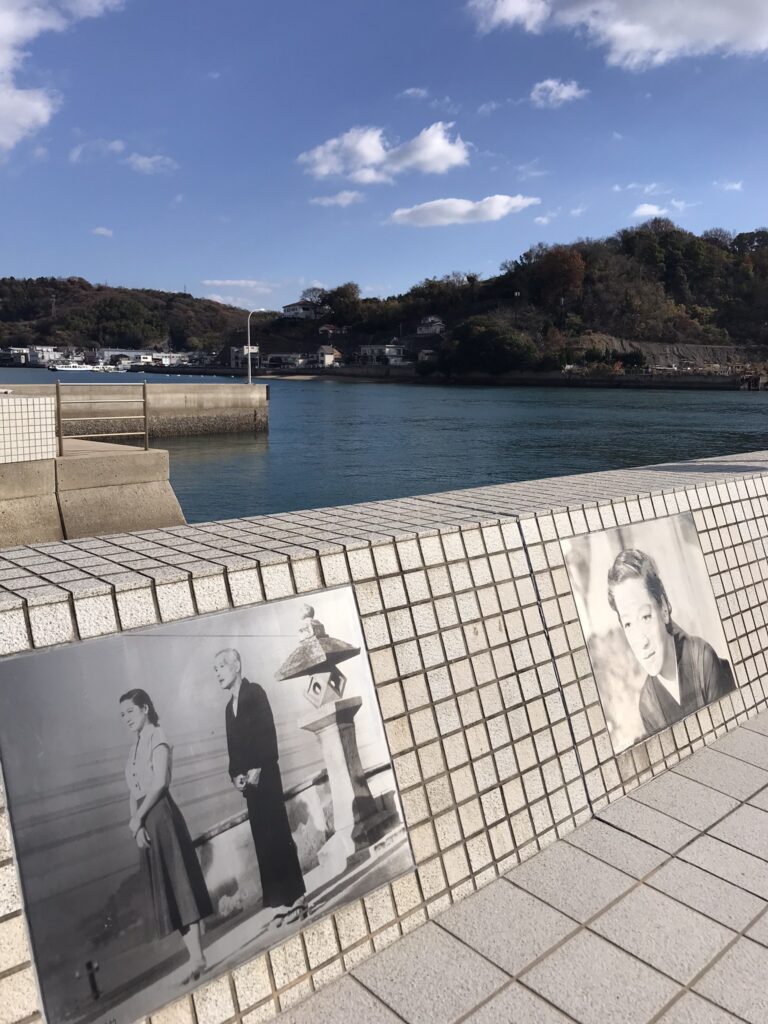
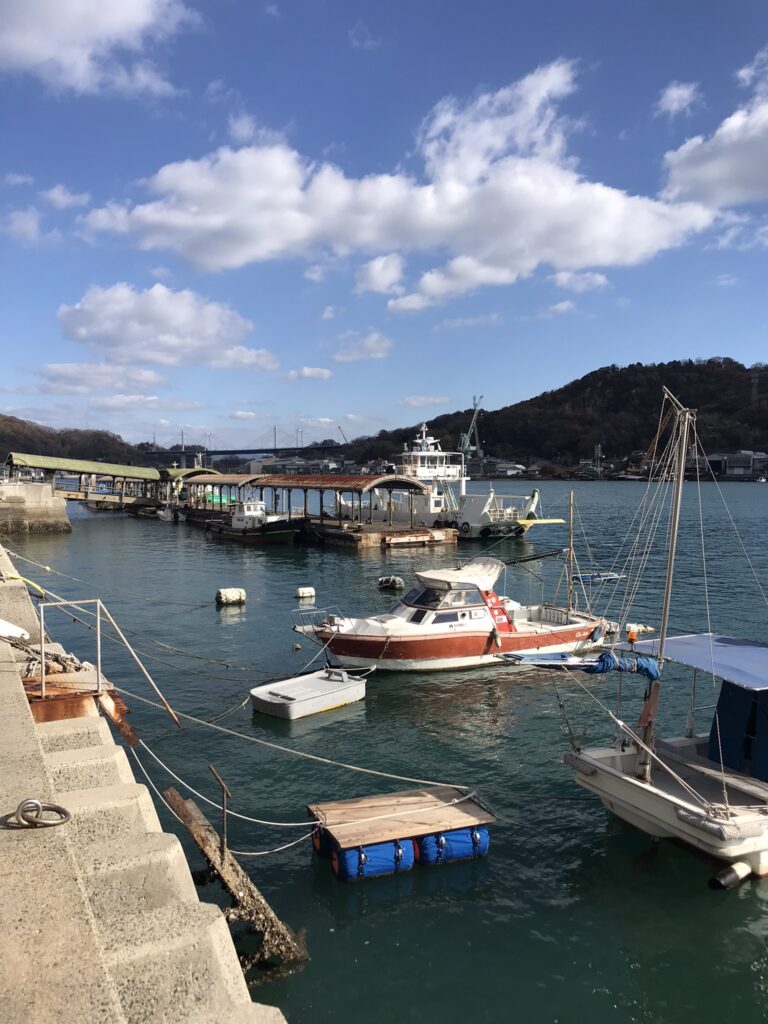
Strolling along the promenade in Onomichi
Onomichi featured in the critically acclaimed movie Tokyo Story (1954). The quiet town of Onomichi is set against Tokyo in the debate about small-town life and values. It raises questions about the quickening pace of modernity, what effect that has on the nation’s traditional values and culture, respect for one’s elders, the relationship between parents and their children and the widening gap between the city and countryside. Many of the scenes are filmed in Onomichi. We highly recommend watching the film as it’s an incredibly well-crafted movie that doesn’t conform to the usual ‘Hollywood’ standards. It’s not a romance, action or horror movie – it’s somehow mundane yet meaningful. It’s considered to be a valuable cultural property of both Japan and Onomichi. Photographs from the movie can be found along the promenade in Onomichi.
Cats are cherished members of the community in Onomichi – we spotted many stray cats lounging about in unconventional locations like flower pots, and even hanging around at one temple. The local community cares for these furry friends – we saw many water dishes and food being offered by individual families. There’s even a dedicated cat alley, with murals depicting cats and painted cat rocks.
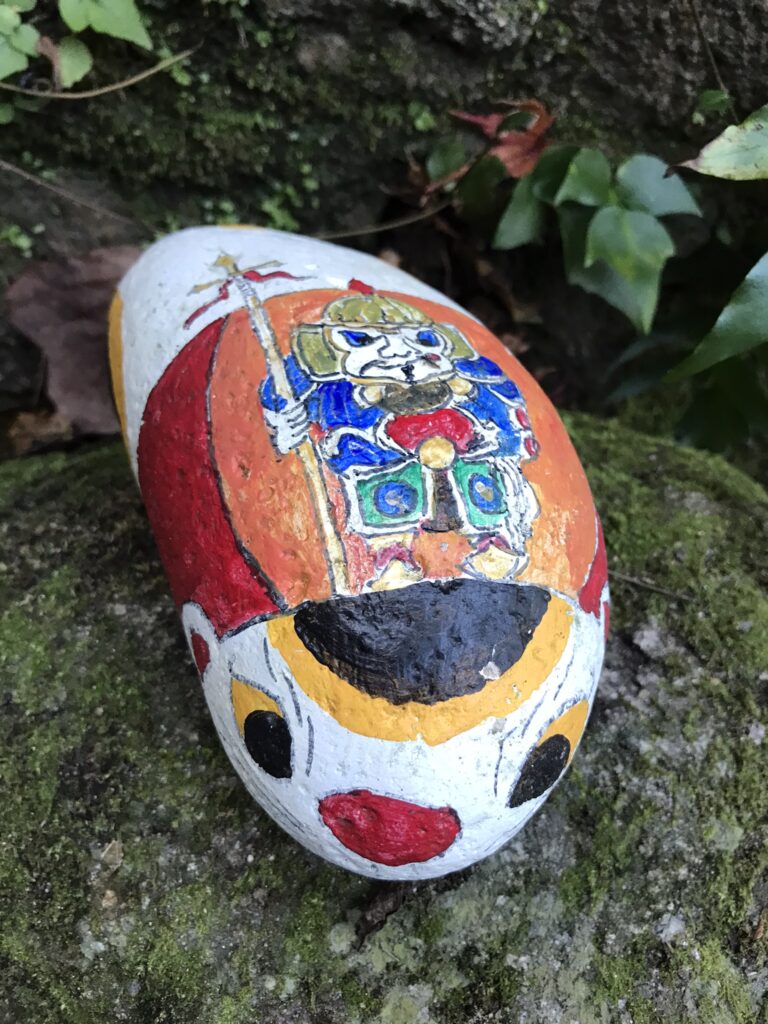
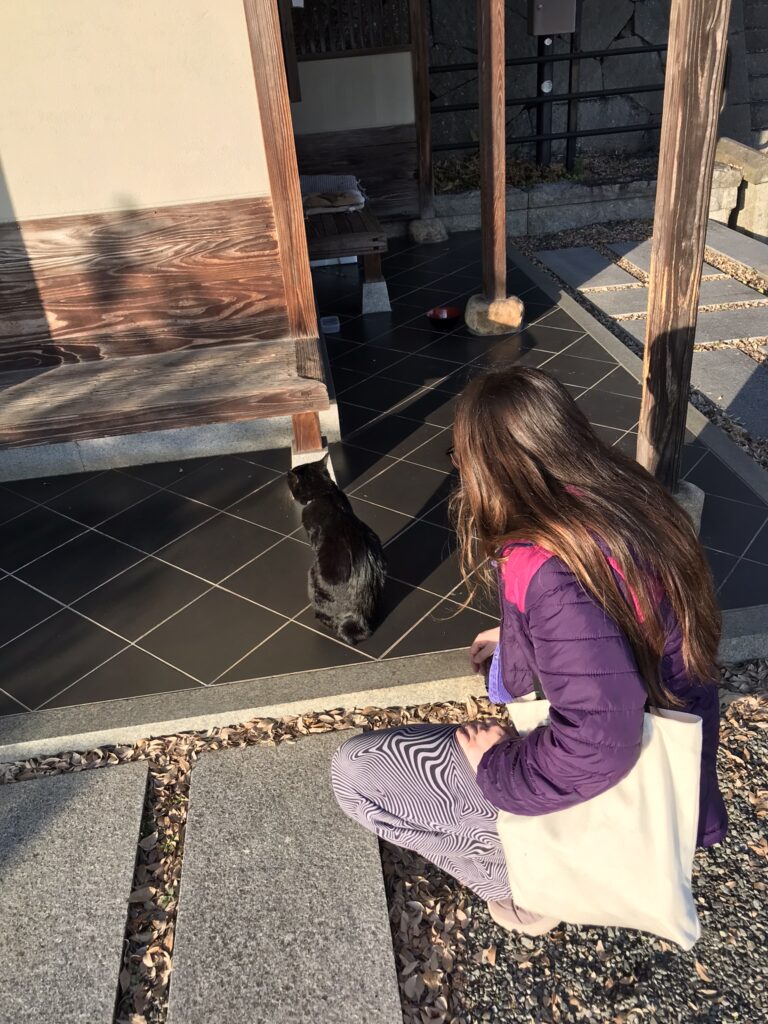
Cats can be spotted all around Onomichi
Accommodation
Onomichi Guest Hose Anago-no-Nedoko – offering traditional tatami rooms (cushioned bedding on the floor) as opposed to typical beds. We were pleasantly surprised to find that the rooms were very spacious, with a living room separate from the ‘bedroom’ area. The kitchen area downstairs was fully equipped and the relaxed shared lounge area was a nice touch. We really felt like we were experiencing the local traditional experience rather than a ‘ryokan’ that was geared towards rich tourists. The one downside is that the toilets and showers are shared. The guesthouse is at the back of the property, interestingly situated on a shopping arcade, behind a cutesy café.
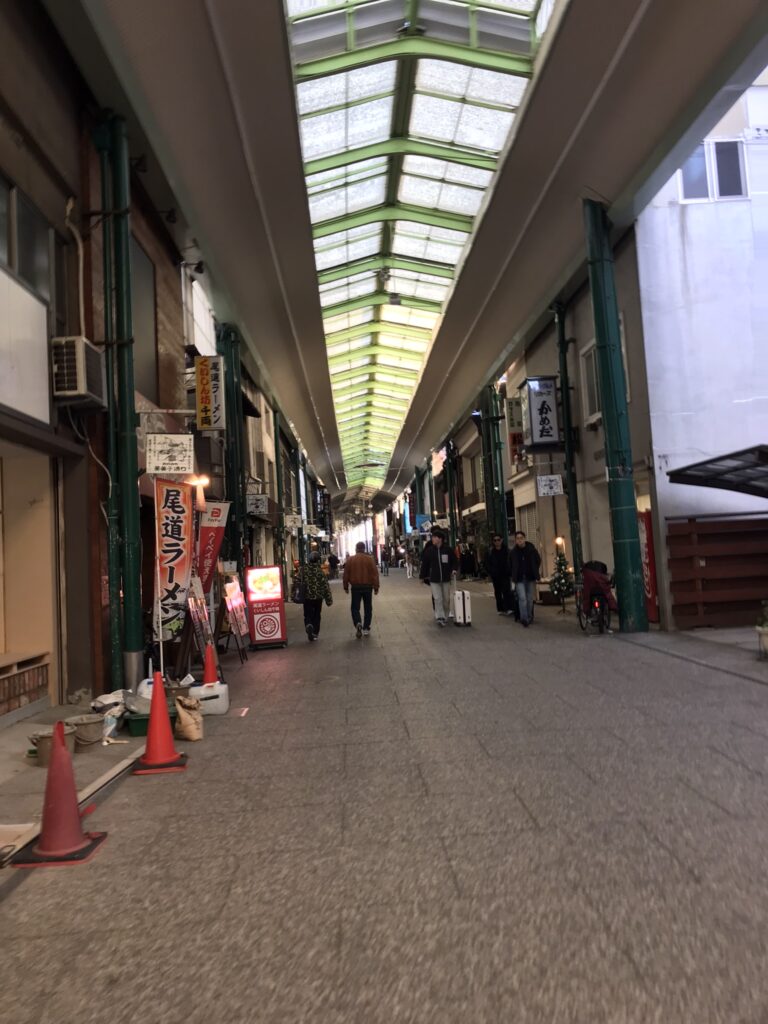
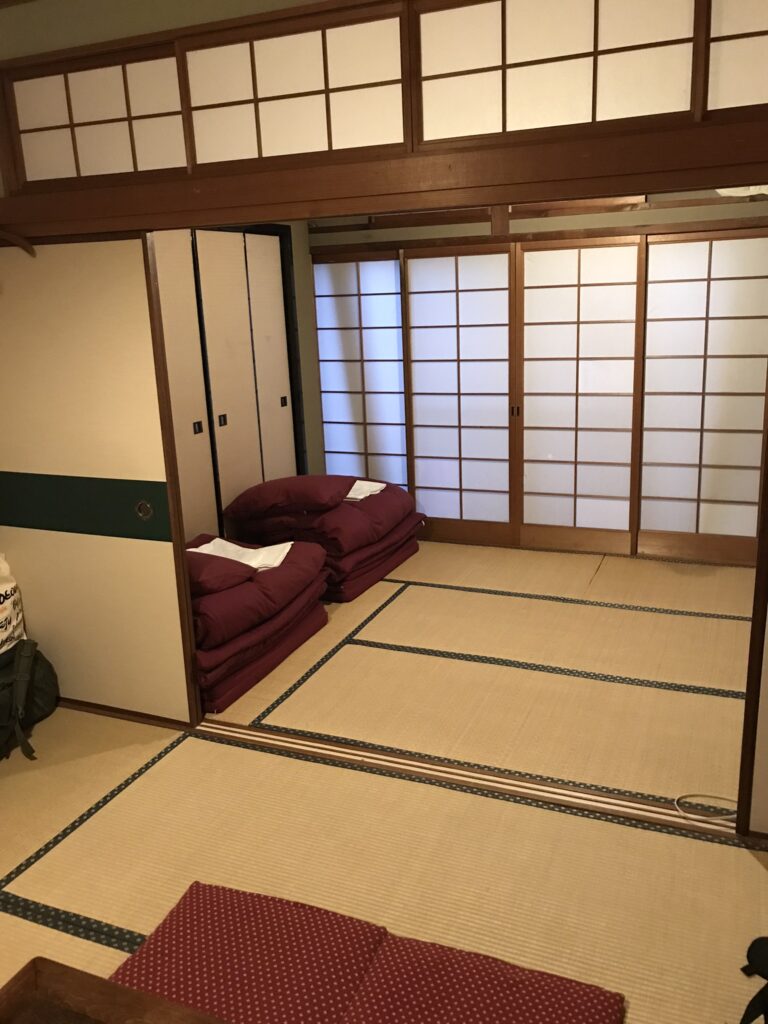
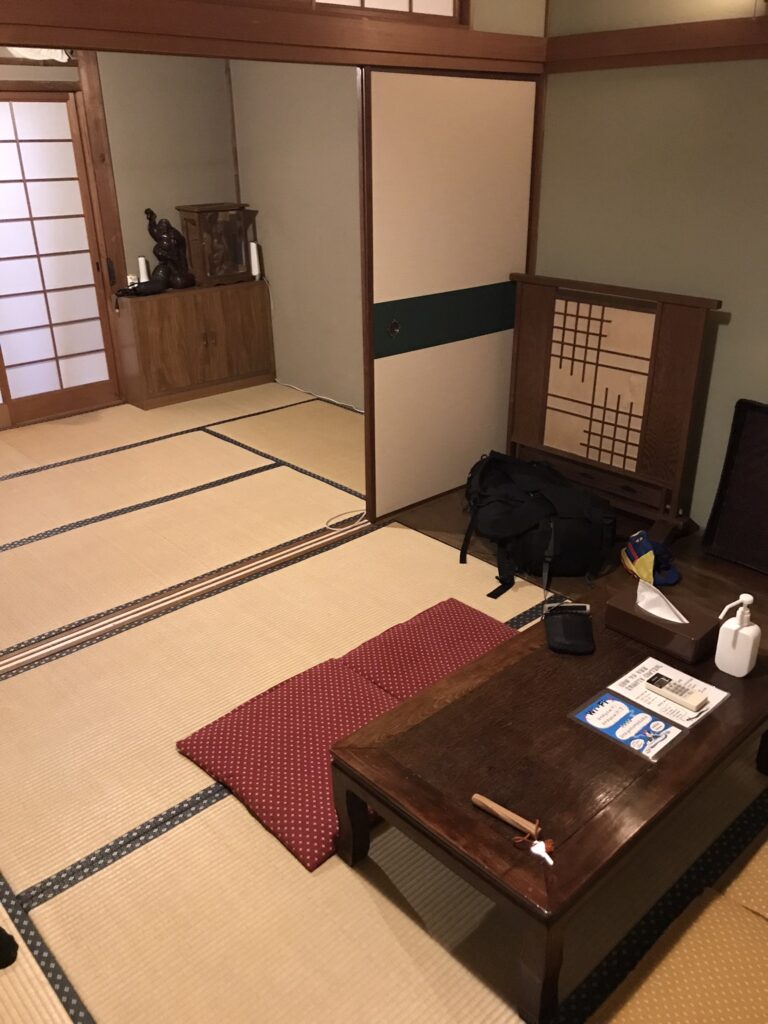
A traditional ryokan in a shopping arcade – unusual to say the least
Foodie Places
阿部食堂 ガレージコーヒー (tonkatsu place in a garage) – an unorthodox experience to say the least. When you first arrive you walk through a garage area with a car and motorbike; slip off your shoes and replace them with the slippers provided before sliding back the door to reveal a secret restaurant in the back. We had some trouble translating the menu into English at first, but the proprietor assisted us with getting on the wifi. He turned out to be a friendly and helpful chap. This place offered the best price for tonkatsu we found in the whole of Japan. The portions were hearty and the value was excellent.
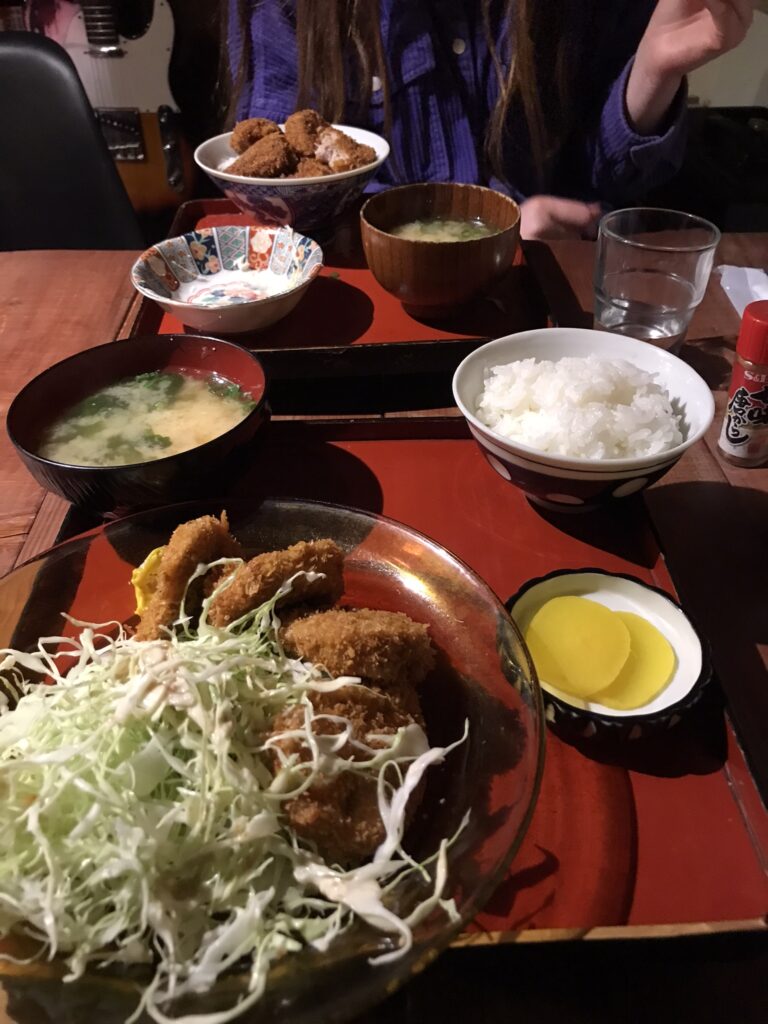
An interesting vibe at this garage-cum-restaurant in Onomichi
有木屋 (ramen) – a popular local ramen restaurant – don’t expect any English to be spoken here. It’s a place you sit, order and slurp to your hearts content before alighting quickly to make room for the next queuing customer. The saltiness of the ramen was a particular treat.
Activities
Onomichi Promenade – the promenade along the waterfront near to Onomichi station is a pleasant place for a stroll. The short walkway features some artwork (it’s described as ‘Onomichi Seaside Museum’), and also an area with photos from the movie Tokyo Story as well as other films which have been shot in Onomichi over the years. Quaint fishing vessels line the pier.
Temple Route – catch this walking route from the train station – there is an information board with a detailed map listing all of the shrines and temples along the route. The route is pretty easy to follow, the signposting seems to disappear at times but we were just about able to pick it up again with the help of Google Maps. The temples themselves range from large and impressive complexes to small shrines. Most were super quiet with barely another person in sight. Some information in English is available at some of the larger temples along the route – look for the wooden speakerboxes with buttons, these play audio information when pressed. Highlights for us were the Jodo-ji complex, the elevated Senko-ji and the huge wooden pagoda at Tennei-ji.
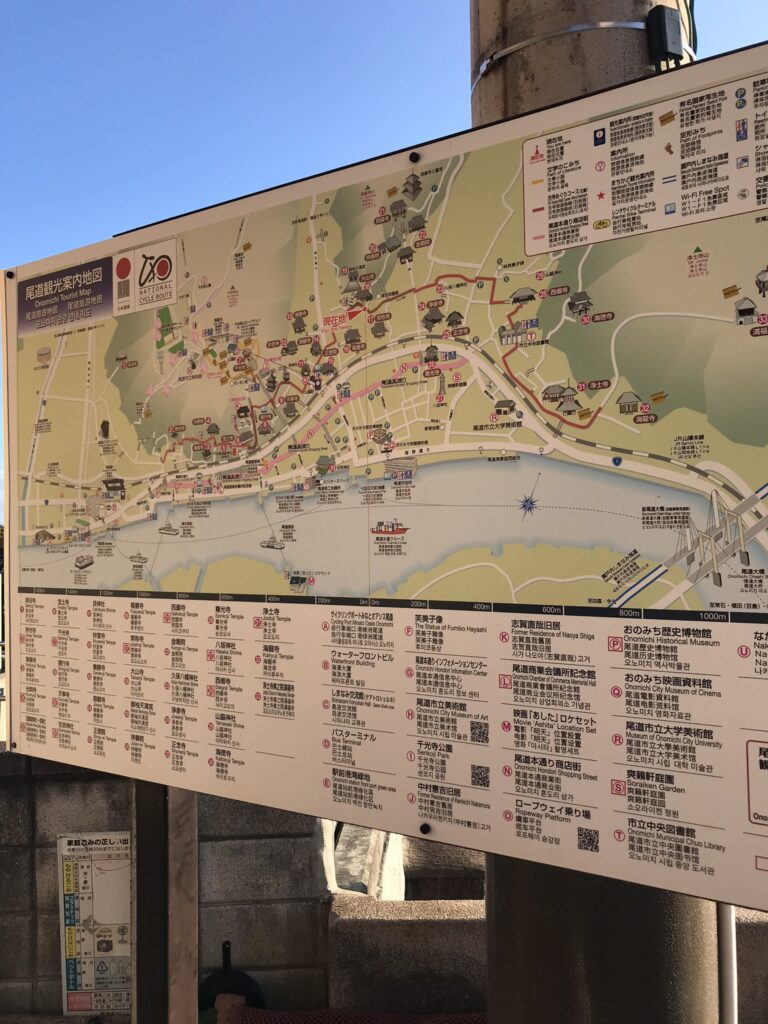
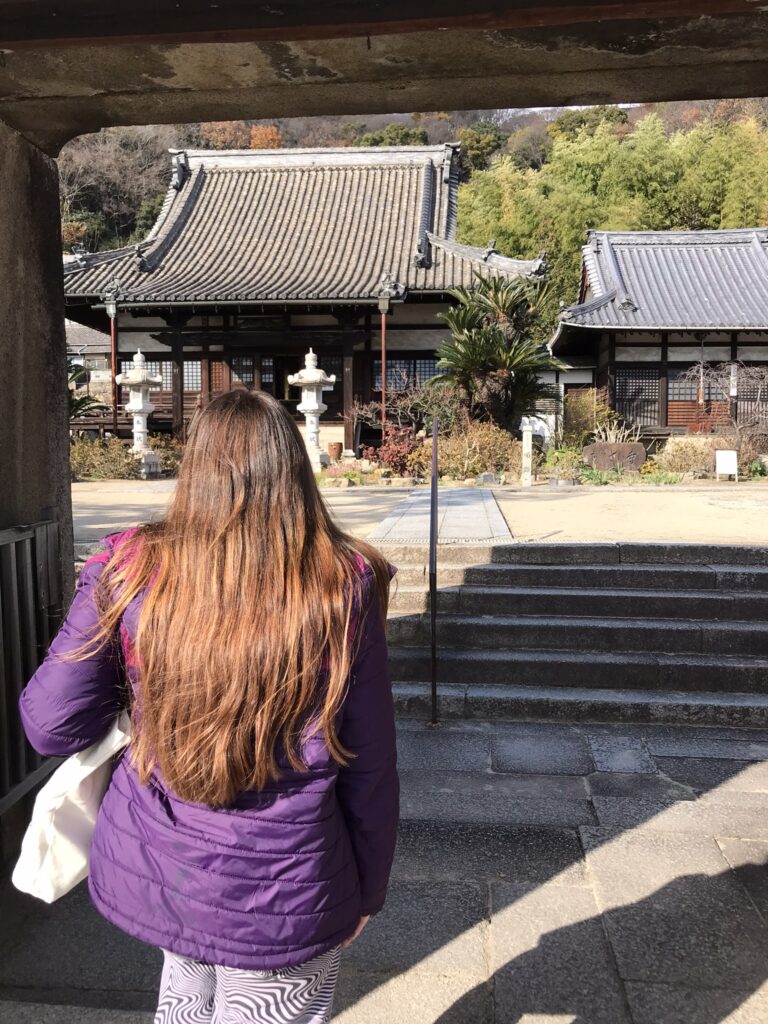
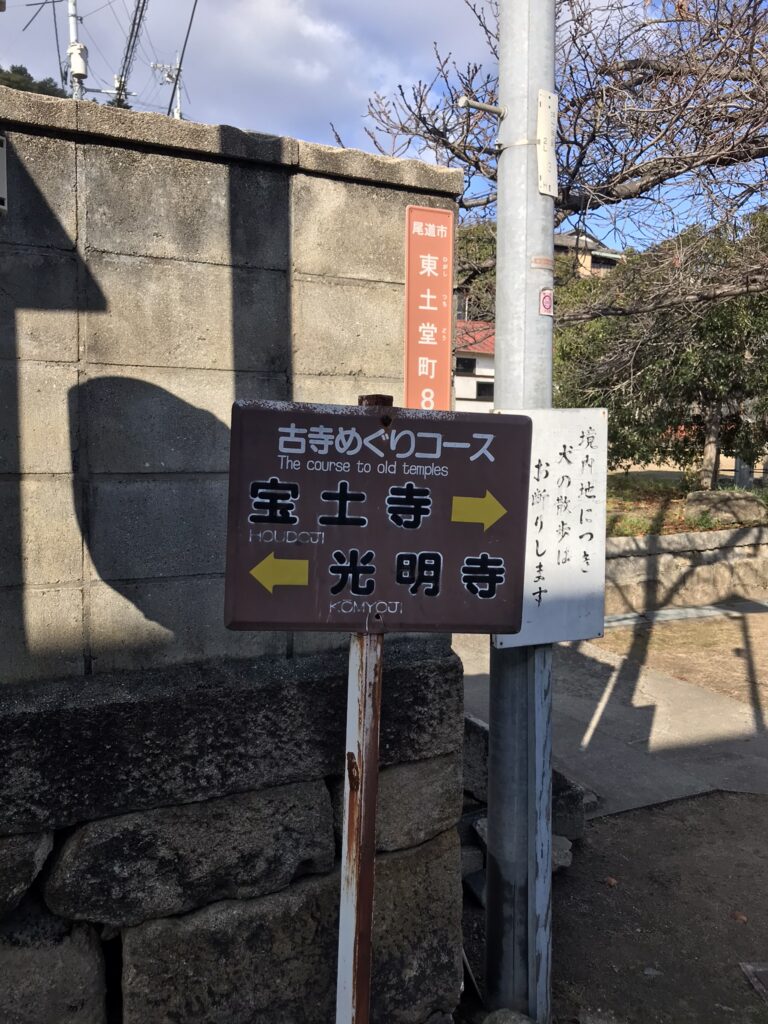
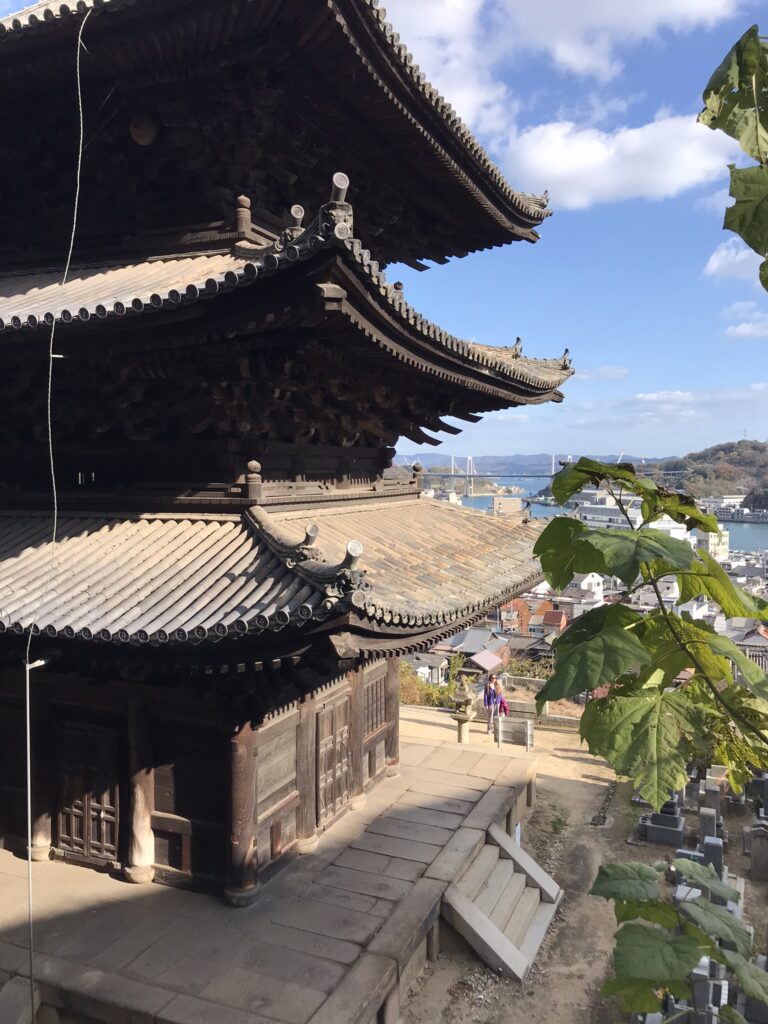
Some, but not all, of the Temple route in Onomichi is well-signposted
Ohashi Observatory – the observatory is at the top of the hill within Senkoji Park, uphill from Senko-ji temple. We spotted one daring lady near Senko-ji braving a very unorthodox route up some boulders to reach the observatory – we considered that maybe this was a special or historic route for pilgrims. A cable car runs from ground level to the top of Ohashi Observatory, but it wasn’t operational on the day of our visit so we walked up from Tennei-ji, which was pretty steep uphill but wasn’t too strenuous. The observatory deck is free to visit and offers great views over the chain of islands in the Seto Inland Sea – a mirage of floating islands running all the way to Shikoku.
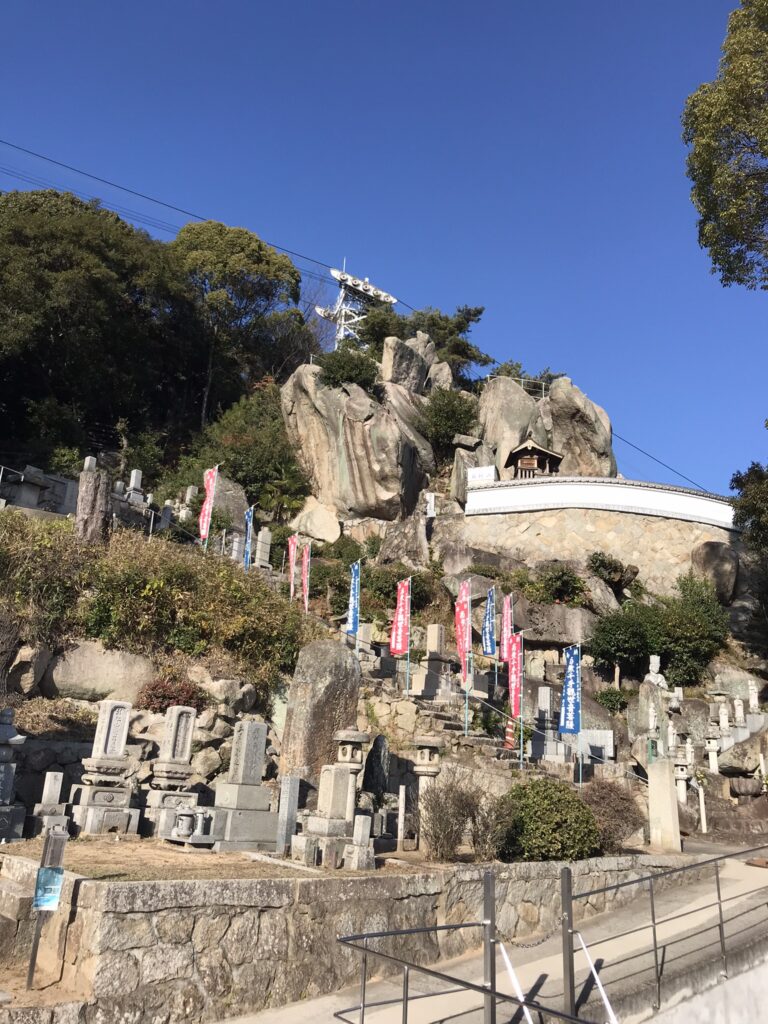
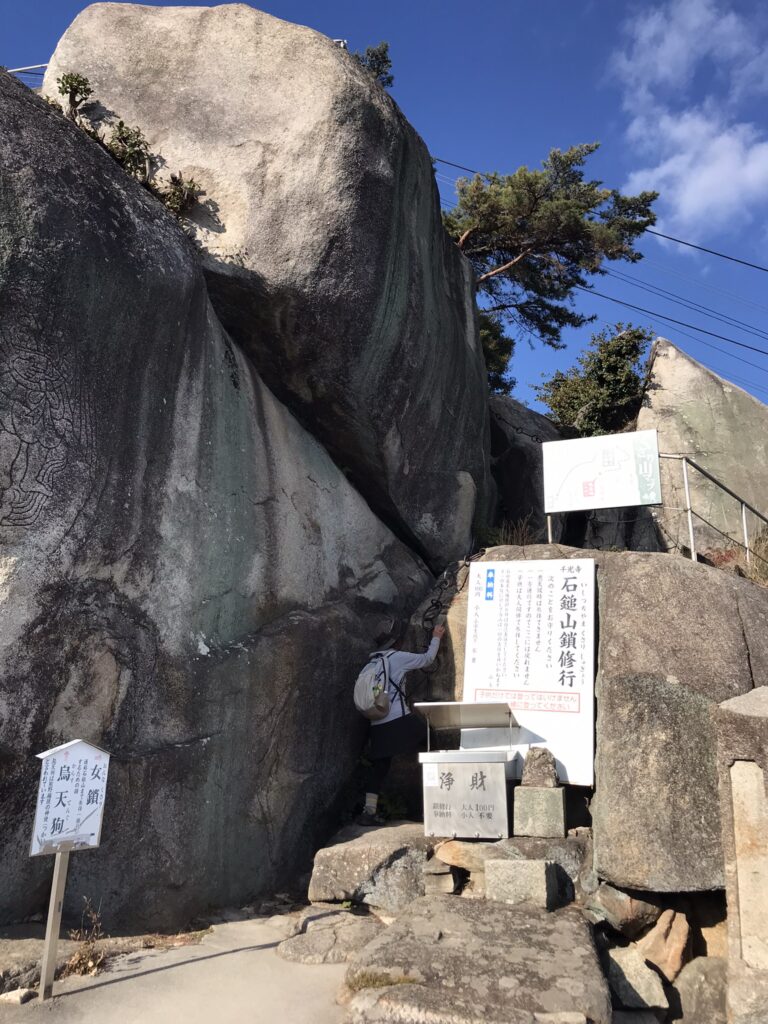
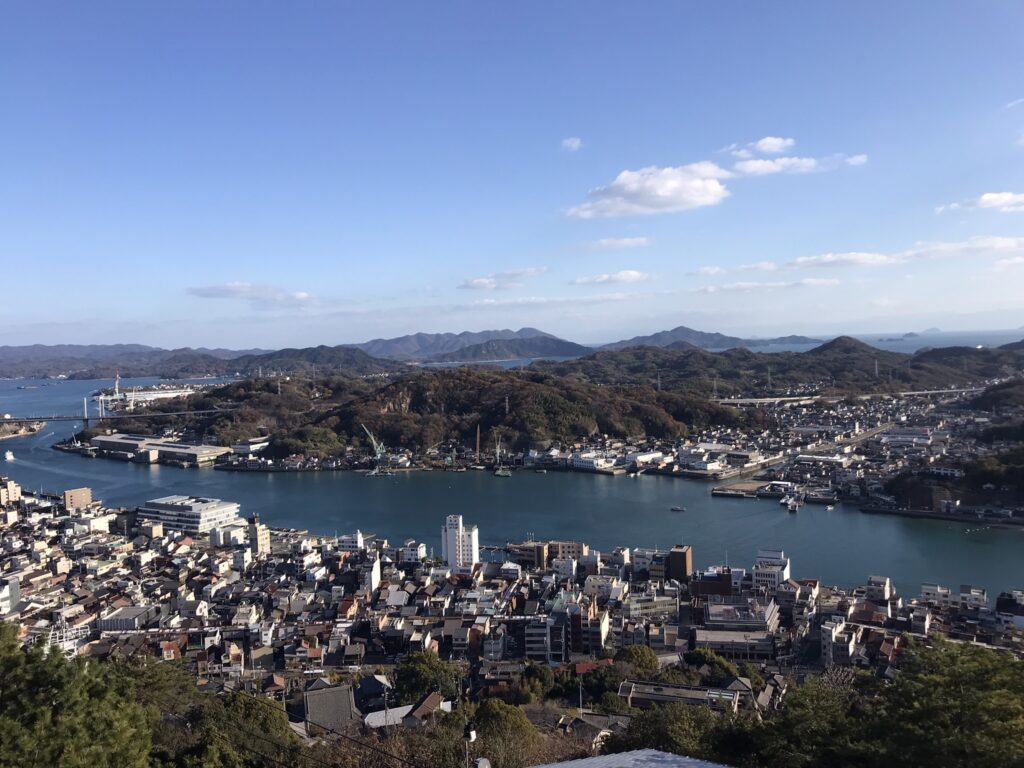
Senko-ji temple is on the way up to the Ohashi Observation deck
Day trip to Okunoshima (Rabbit Island)
Okunoshima Island, also known as Rabbit Island, is an island within the Seto Inland Sea. As the name suggests, it is best known for its local population of friendly rabbits, which completely overrun the island. However, there is a darker side – the island was the location of a secret poison gas factory during the period leading up to World War 2. Today, cute rabbits and serene landscapes exist side-by-side with ominous ruined military fortifications and the spectre of the poison gas. This is easily the quirkiest place we visited in the whole of Japan.
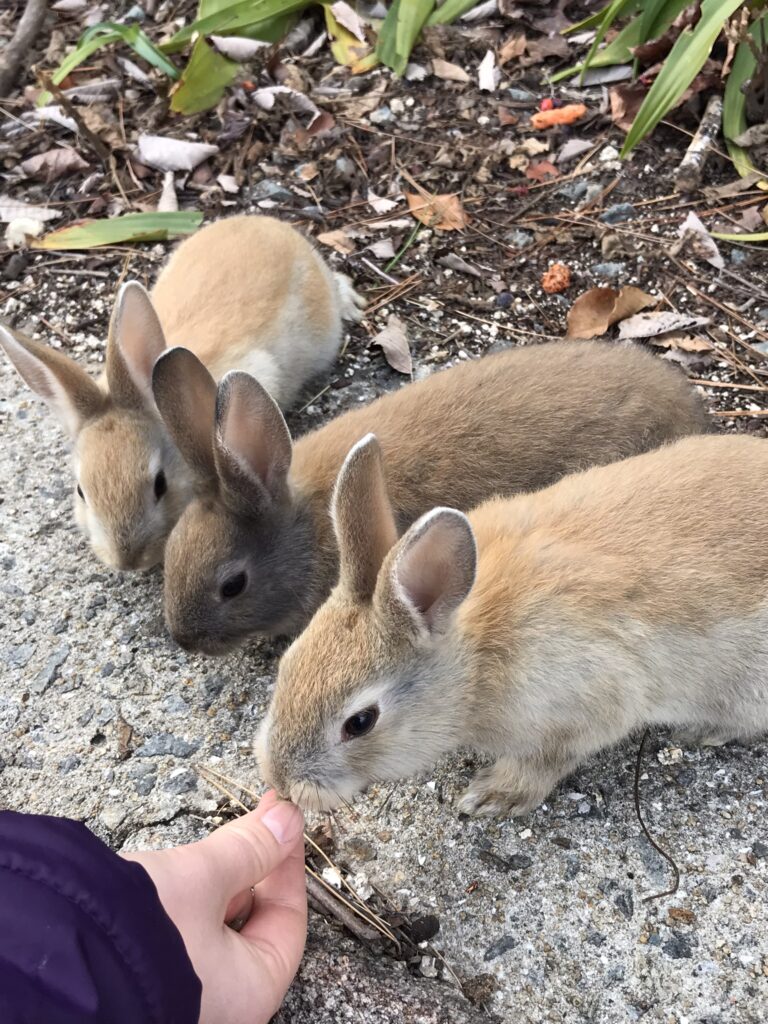


Don’t forget to bring rabbit food with you to Okunoshima Island
The island has no permanent population and only one hotel. It’s an extremely quiet, serene place which almost feels surreal and other-worldly, with blissful beach views, overly-friendly rabbits and an extremely sordid history. Little is known about the purpose of the poison gas that was produced here, but apparently over 6,000 tonnes were produced in an ultra-secret military operation and some of it may or may not have been deployed against the Chinese during World War 2. The civilian workers in the factories (often locals from the mainland) endured dangerous working conditions, experiencing injuries due to being in close proximity to these noxious gases.
The existence of the gas factory here was covered up post-World War 2 by the Americans, in conjunction with the Japanese who were tasked with disassembling and decontaminating the factory grounds and destroying the poison gas remnants. We thought perhaps this mutual cover-up was to prevent further public backlash in Japan and the USA. It was only revealed much later (in the 1970s) what the Japanese military was doing on the island. Today, there is a small museum near to the island’s hotel relating to the poison gas production, while most of the now-ruined military installations are still in-situ and can be explored by visitors. There are also several gas disposal sites, where you can see the blackened remnants from when the gas was incinerated by the Japanese under the supervision of the Americans post-WW2.
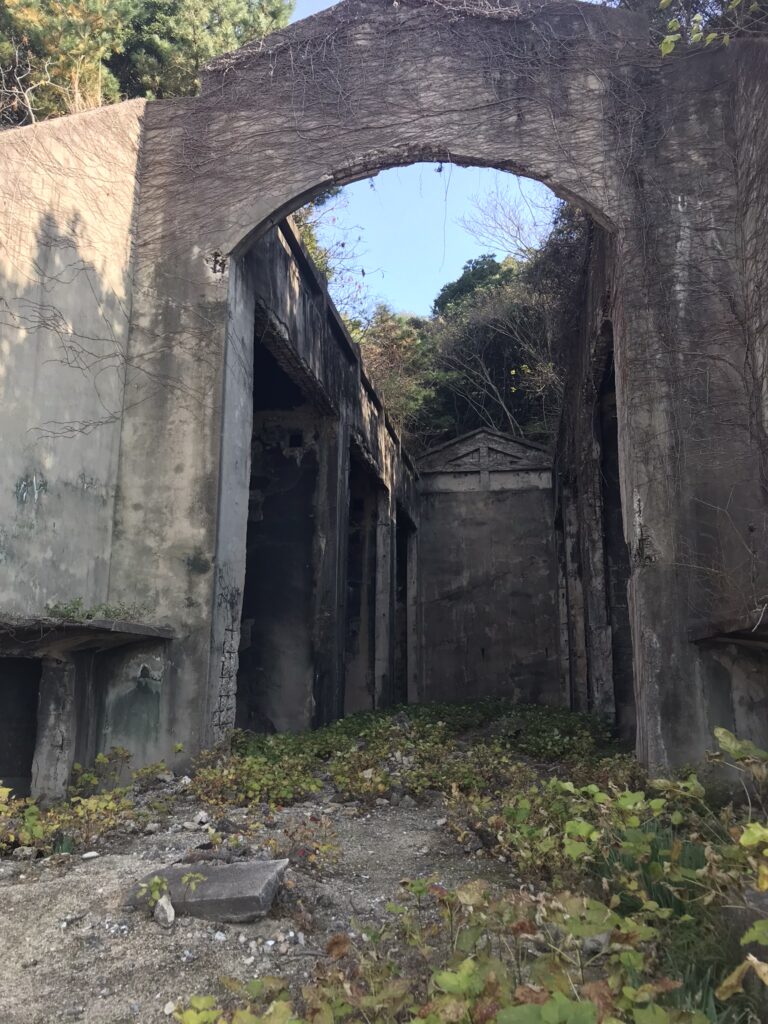
Remnants of the poison gas factory are everywhere on the island
The rabbits on the island were introduced later – there is speculation that their presence was to ensure that there were no contaminants remaining from the poison gas. Although they are wild, the rabbits on Okunoshima are super friendly. They have grown to associate humans with food, and so tend to eagerly run towards anyone that they see coming. Feeding the rabbits is a joyful activity and one that I highly recommend. Despite the island’s troubling past, there’s no way you can be sad here due to the presence of the rabbits.
Some of the rabbits can be very eager and forthright while others are still very timid and shy, scampering away into the bushes after taking a small bite of food. The rabbits are all over the island, but particularly tend to congregate around the hotel grounds – the whole front lawn has been entirely dug up and turned into rabbit burrows. Visitors are encouraged to feed the rabbits, but are strictly prohibited from picking them up, teasing or disturbing them in any other way.
There are clearly-defined walking trails which follow the outside of the island and also parts of the interior, taking in most of the military fortifications too. It takes an hour or two to explore most of the trails. Along the way are a couple of viewpoints with great vistas over the Seto Inland Sea. There are also some pristine beaches, although we visited in December and it wasn’t really the time for swimming. Most of the island’s facilities are centered around the hotel, there isn’t much infrastructure in place elsewhere. If you bring a packed lunch with you, it’s best to eat it on the beach to ensure you aren’t disturbed, as the rabbits don’t tend to go on the sand.
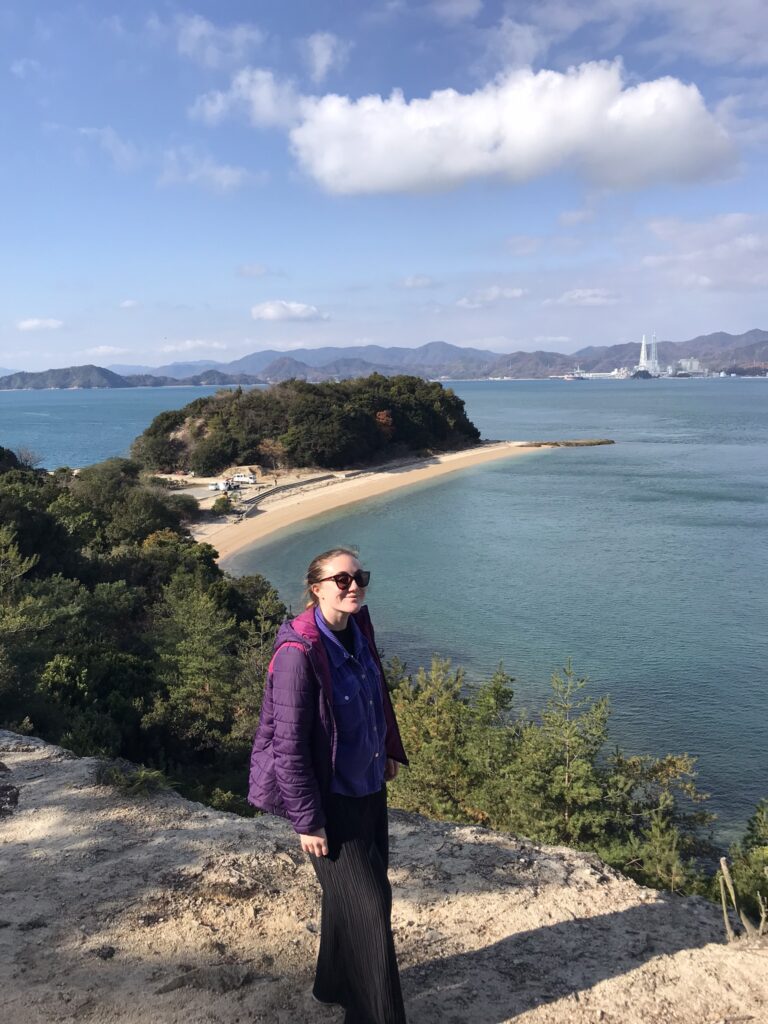
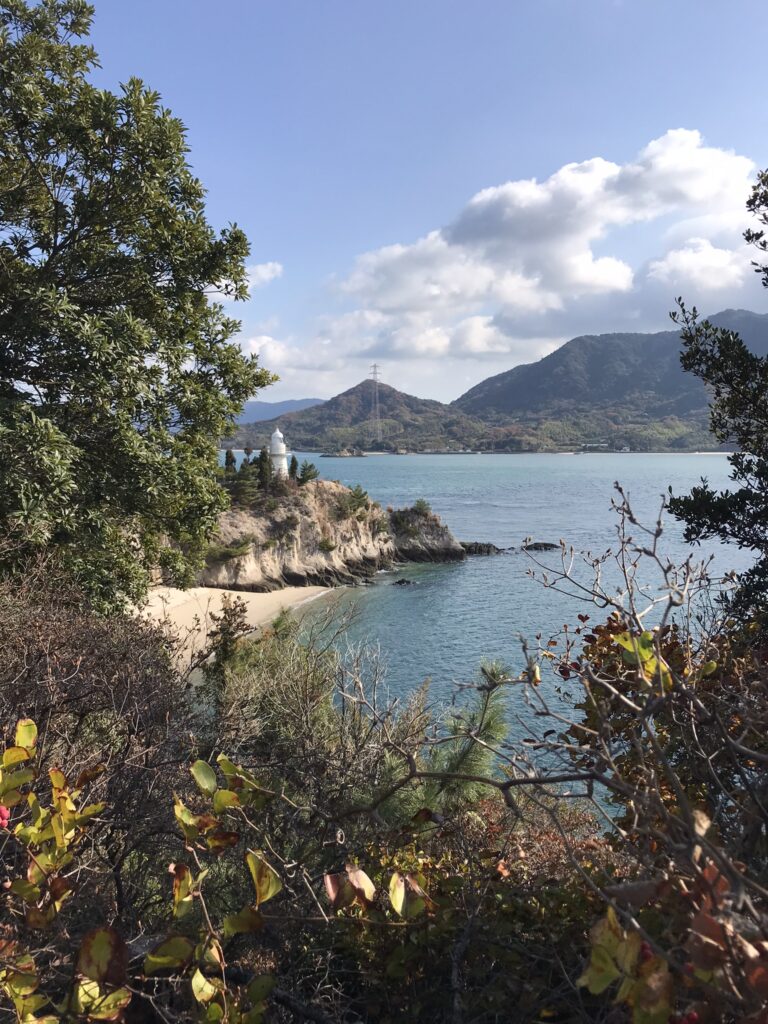
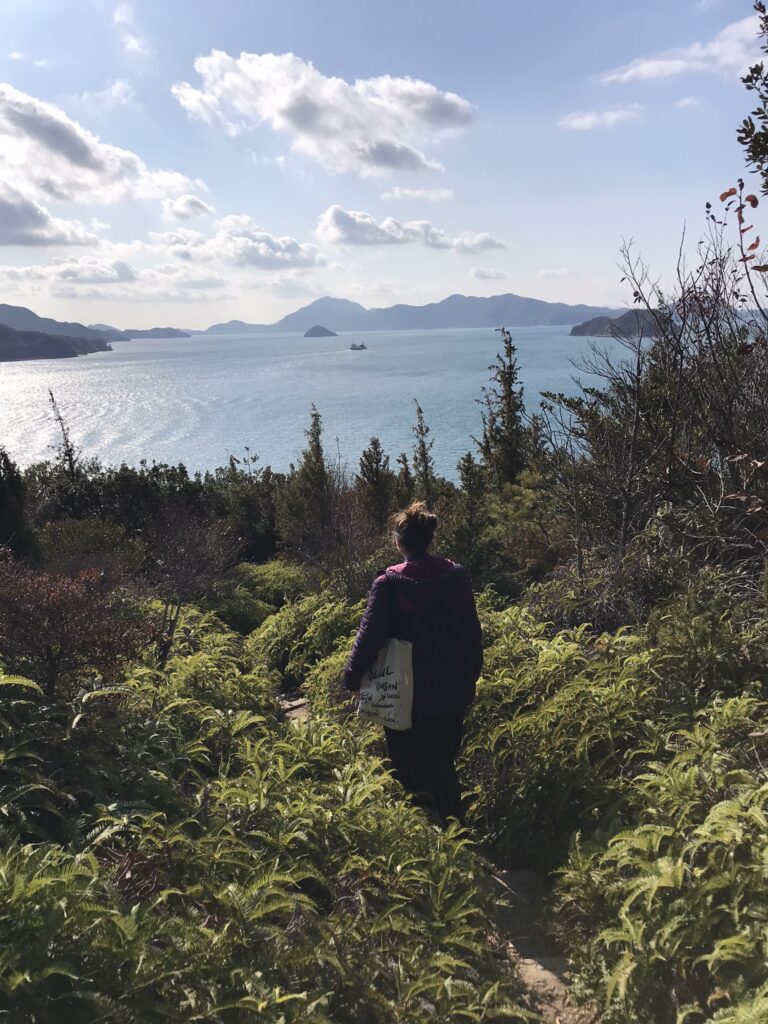
Okunoshima Island also happens to be really picturesque
Getting to Okunoshima is not too difficult. Regular boats to and from the island depart from this port in the small town of Tadano-umi. The ticket office at the port is modern and accommodating, also including a paid luggage storage area and a counter selling rabbit food (highly recommended to get a couple of packs). To get to Tadano-umi, you can either take a direct bus from Hiroshima via the company Geiyo Bus or get the train to Tadano-umi station, which is serviced by the local Kure Line. Trains on this unmanned line run between the cities of Kure and Mihara, both of which are on main lines with connections to various larger cities. We visited from Onomichi on the train via Mihara, and we were then able to get a direct Geiyo Bus service onwards to Hiroshima without reservation from this location (between the FamilyMart and the train station). If you’re changing trains at Mihara, don’t miss the Mihara Castle Ruins which are actually located within the train station complex!
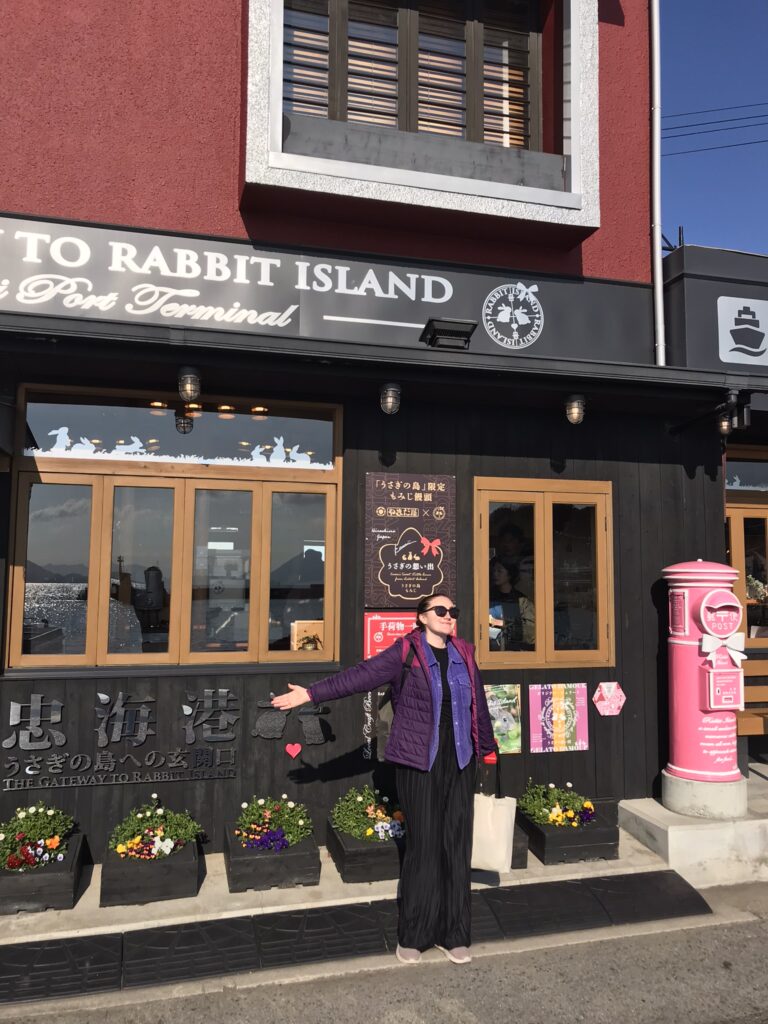
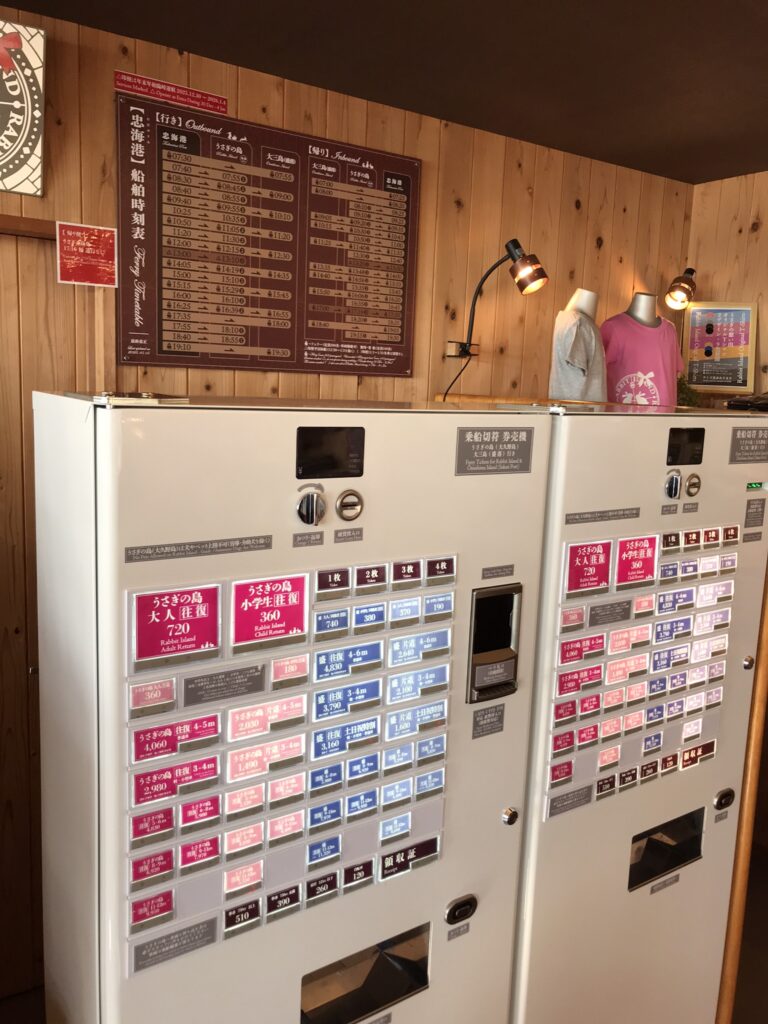
Tickets to Okunoshima Island can be purchased from a vending machine inside this shop by the pier
Tadano-uni port is within walking distance of the train station. There is also a small castle ruin site about 15 minutes walk away from the port in Tadano-umi (Kagi Castle Ruins), which has a viewpoint overlooking the bay – a nice enough place to explore if you have a bit of time to kill in the area.
Hiroshima
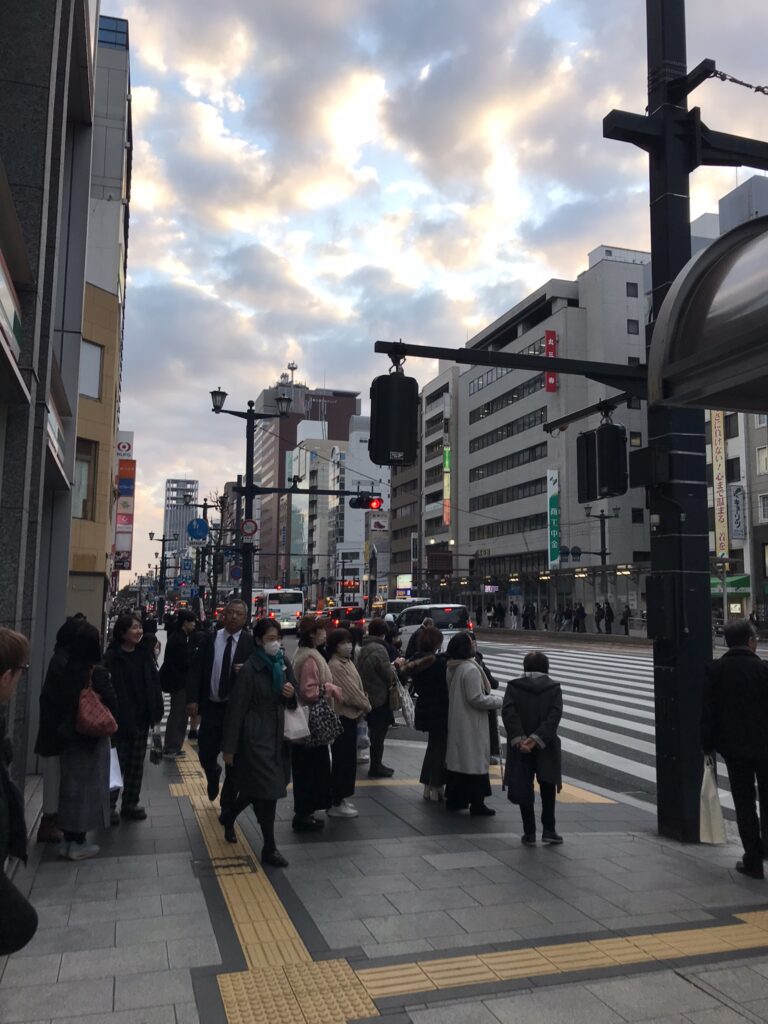
Originally a castle town, Hiroshima is associated with one of the darkest episodes in human history; the dropping of the atomic bomb on August 6th 1945. The target was the distinctive ‘T-shaped’ bridge named Aioi Bridge in the city center, and the bomb exploded in the air only a few hundred metres away. This was the first time in history that this newly-developed weapon of mass destruction was used against real people. The city of Nagasaki in Kyushu was targeted by another atomic bomb a few days later on August 9th 1945, however on that occasion the bomb failed to hit the precise target, instead falling in a valley and so the damage (although still horrific) was less extreme than Hiroshima. To this day, Japan remains the only country in the world that has suffered an attack with nuclear weapons. It’s now a world-leader in terms of promoting nuclear disarmament, with Hiroshima designated as a global city of peace.
There is no better example of Japan’s meteoric rise from the ashes post-WW2 than Hiroshima. The modern high-rise city of Hiroshima stands in place of the mass devastation of 1945 – a modern, bustling Japanese city which is the prefectural capital and largest city in the south-western region of Honshu. Many of the main sites within the city centre are walkable and the city is easy to get around due to its old-school network of trams (known as streetcars), which run all the way to Miyajima port for those looking to visit the sacred island of Itsukushima. The trams operate on a flat fare, which can make public transport very cheap. At first we didn’t realise it was a set fee and were confused when we couldn’t find anywhere to take a ticket when boarding.
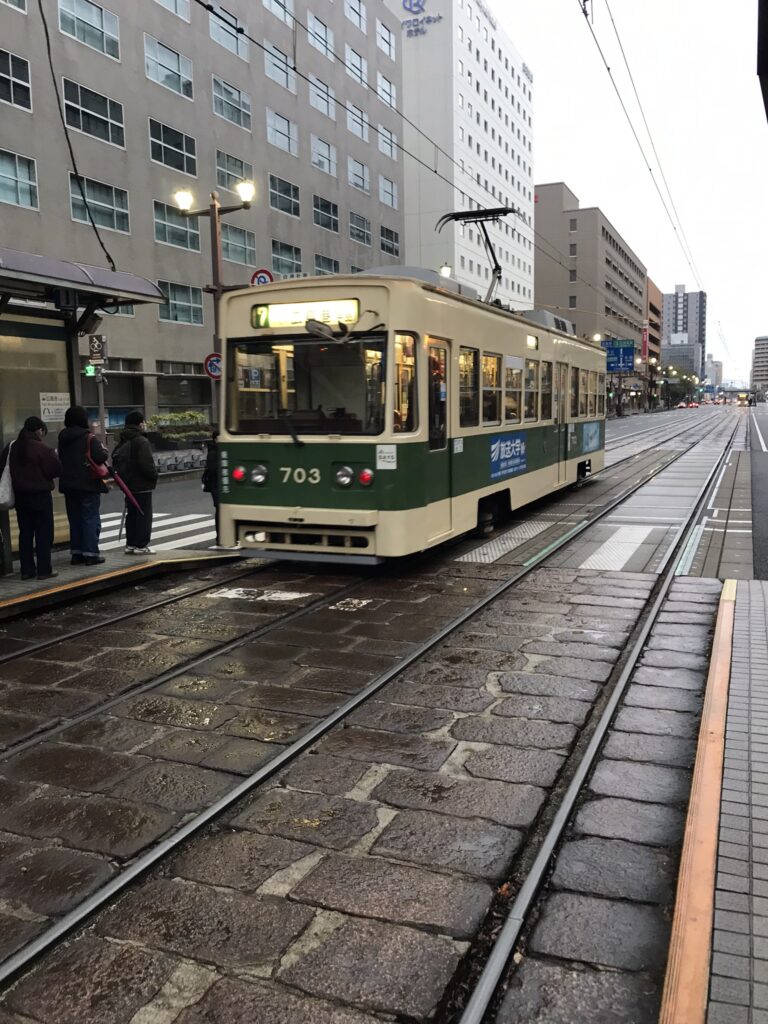
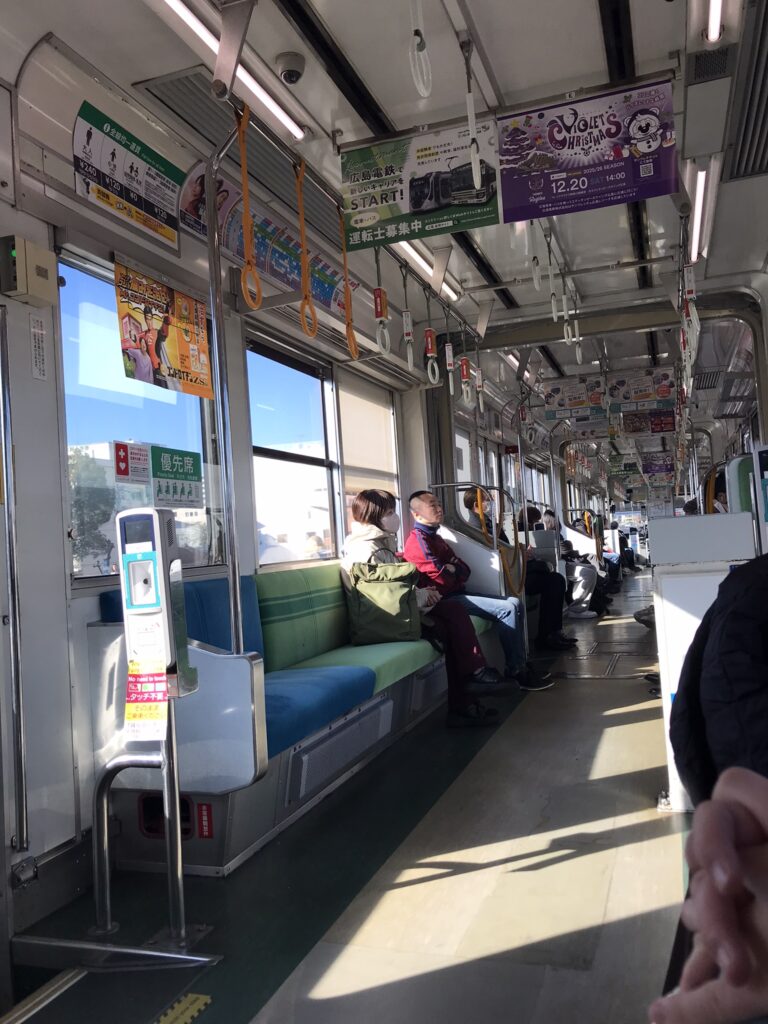
Streetcars (trams) are a unique feature of Hiroshima
Given the thriving nature of the city today, it’s impossible not to be shocked by the photos showing the damage that the atomic bomb caused. The immense loss of life is commemorated in the Hiroshima Peace Memorial Park, while the nearby Atomic Bomb Dome starkly reminds visitors of the reality of the situation in the 1940s as the iconic domed building by the river has been left in-situ, not demolished or rebuilt as so much of the rest of the city has been. A heavy cloud of sadness hangs over the Peace Memorial Park and the accompanying museum. Most of the historic sites that existed within the city pre-1945 were destroyed – Hiroshima Castle is a prime example. The castle has now been rebuilt and serves as a tourist attraction and museum about the city as it was before the bombing.
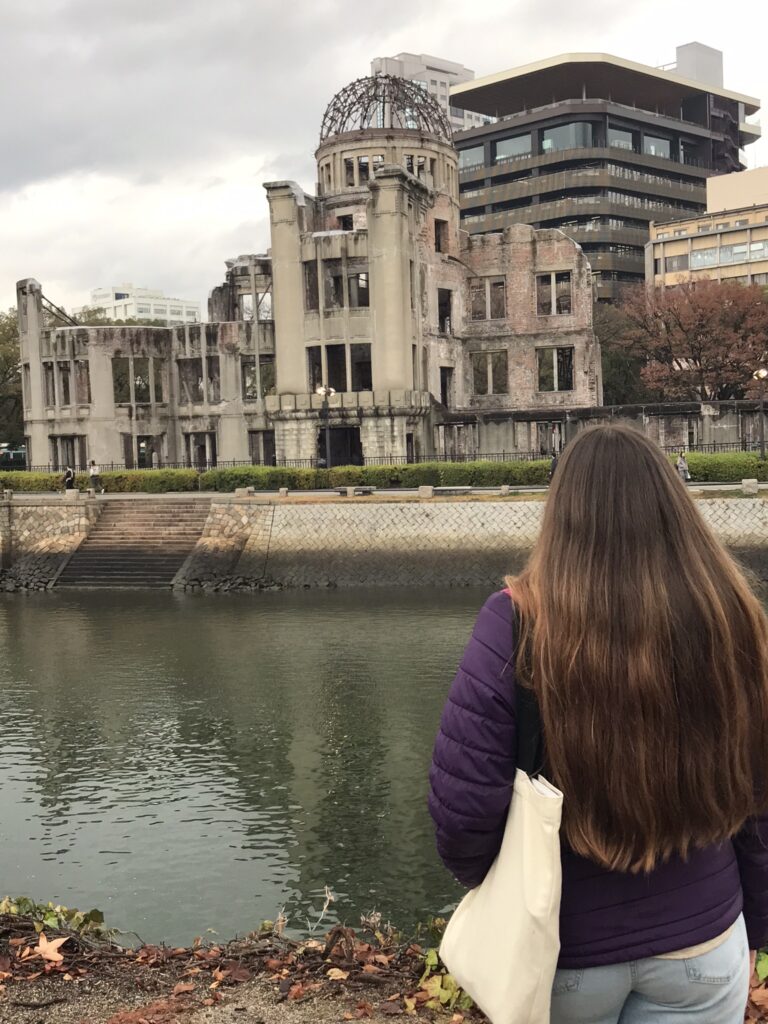
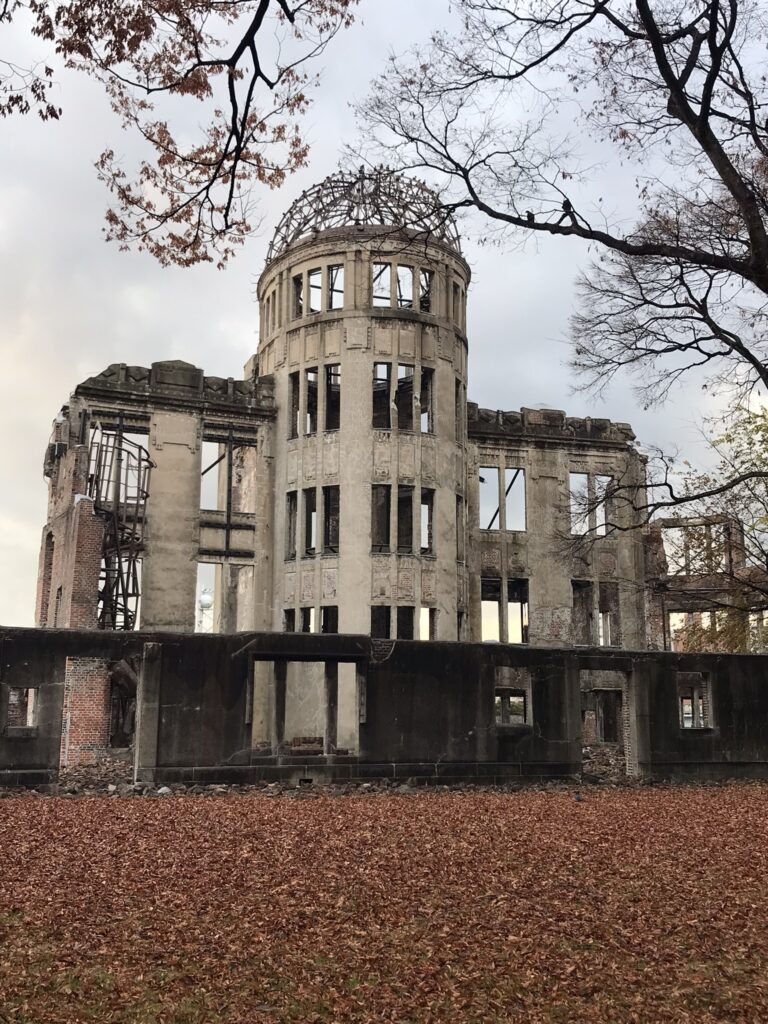
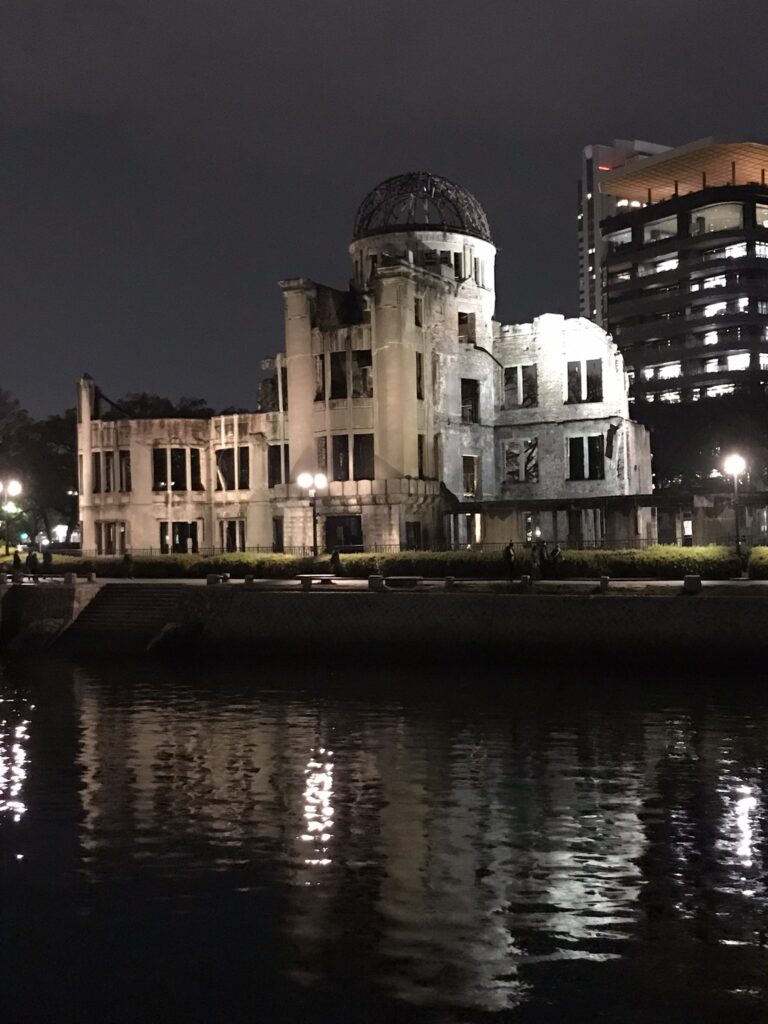
Most people will recognise the distinctive ‘Atomic Bomb Dome’ in Hiroshima
A lesser known fact about the catastrophic bombing is that 10% of the casualties were Koreans who were forcibly conscripted into the Imperial Japanese Army or relocated to Hiroshima – these Koreans (hibakusha) and other foreigners who were caught in the crossfire were largely ignored in the direct aftermath of the bombing, but were finally acknowledged and provided with compensation for healthcare costs only fairly recently in a 2002 landmark ruling. Within the Peace Park is a memorial to all the Koreans who lost their lives in the atomic bomb – funded entirely by the Korean community.
We were interested to learn whether there was any residual anger about what had happened in Hiroshima towards America and the other allied countries, and also the local narrative behind what led to the decision to drop the bomb. We expected a somewhat anti-American narrative but were very surprised to find a more nuanced and balanced view, which essentially said that the Japanese had strayed down the wrong path led by a military government. Discussion around the ethics of the atomic bombing continues until this day, with much debate focusing on whether the bombing was necessary and whether Japan would’ve surrendered anyway due to lack of supplies by the end of 1945. However, no blame is publicly placed on the Americans for their actions within Hiroshima, and outwardly there appears to be no bitterness or resentment. The city is overwhelmingly a peaceful and conciliatory place.
Accommodation
Daiwa Roynet Hotel Hiroshima – in the bustling business district of Hiroshima and a stone’s throw away from the Peace Memorial Park. Compared with other business hotels we experienced in Japan, this was slightly more deluxe – the rooms were a tad larger and the bed was slightly bigger. There’s a konbini (convenience store) next door, and another across the road, which is very convenient for grabbing a quick bento box dinner.
Foodie Places
Halelea – serving mouth-wateringly tender beef steak alongside belly-warming curry and mounds of rice on the side. It makes a change from the usual pork and rice dishes like tonkatsu that became a daily staple during our time in Japan. This place seems to be a hit with foreign tourists – pretty much everyone in the restaurant was a foreigner when we visited which was a bit of a shock to us, although to be expected as it’s slap bang in the middle of loads of hotels. You have to order from a vending machine, so bring cash along.
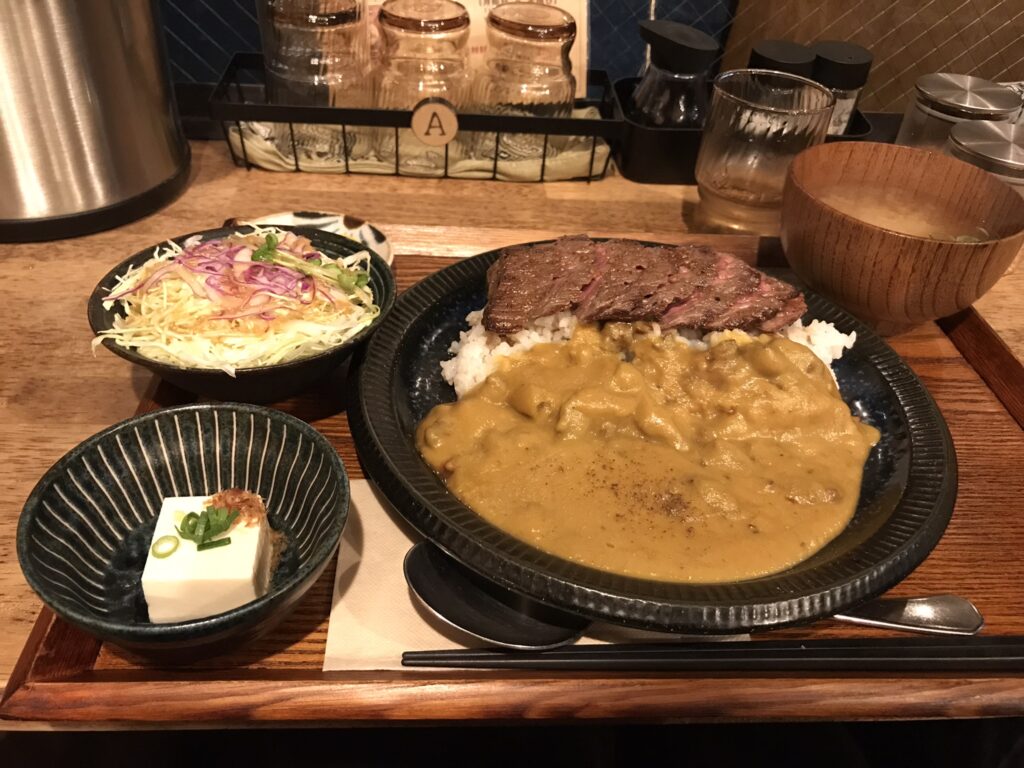
Halelea serves up a mean steak dinner!
Sakaeya Noodle Restaurant – the complete opposite from our experience at Halelea, with not a foreigner in sight at this local tonkatsu joint. The interior looks like it hasn’t changed in about 40 years. There are photographs on the wall of celebrities both local and international who have dined there – we spotted some members of the American funk group Earth, Wind and Fire, among others.
Okonomiyaki Jugem – serving up Hiroshima-style okonomiyaki with noodles, cooked by the chef in full view on a hot griddle. This is an Izakaya-type place with mandatory drinks orders along with food. The couple who ran the place seemed friendly enough, if a little unused to foreigners.
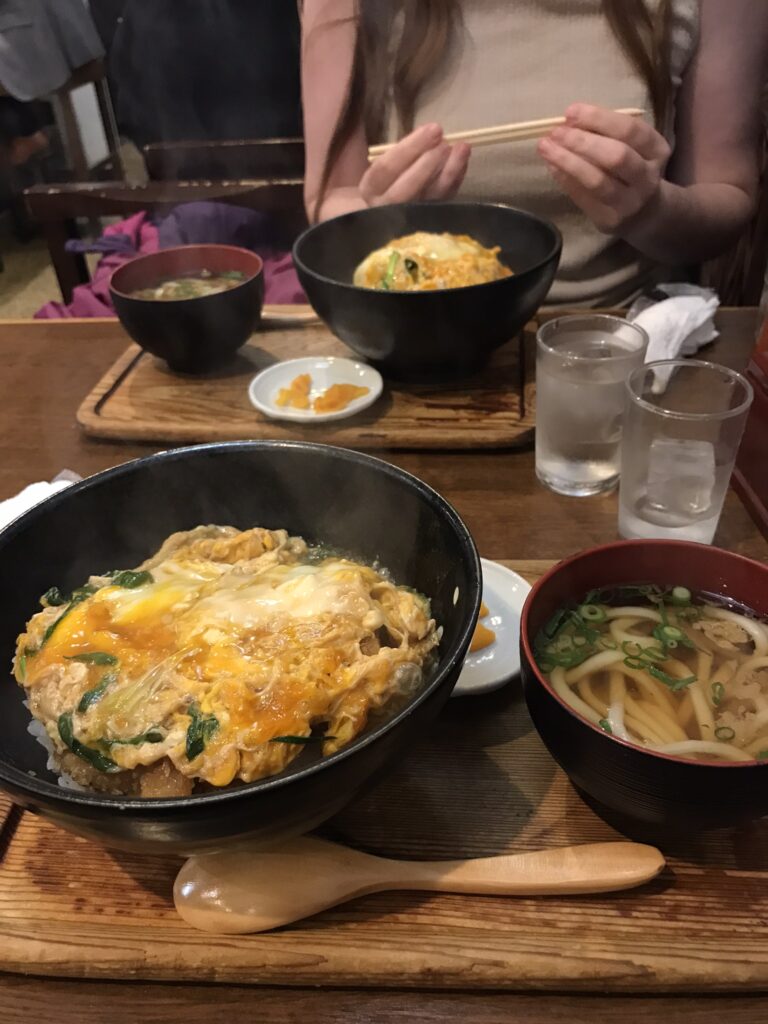
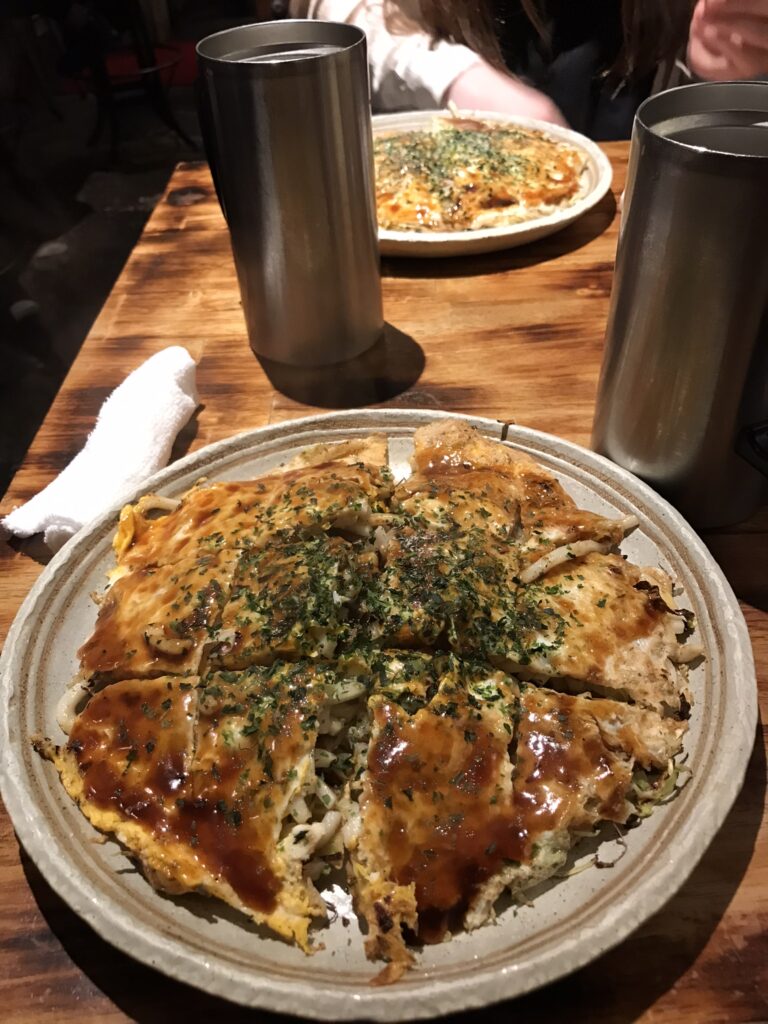
Cheap and cheerful tonkatsu at Sakaeya Noodle Restaurant and ‘Hiroshima-style’ okonomiyaki at Okonomiyaki Jugem
Activities
Hiroshima Memorial Peace Park – the first and most important stop for most visitors to Hiroshima, the Peace Park is situated very close to the hypocentre of the atomic bomb. This area at the confluence of the river was once a thriving local neighbourhood, but it was completely destroyed by the bomb and later became the Memorial Peace Park as a tribute to all those affected. The original target of the atomic bomb, the Aioi Bridge (now rebuilt), is at the north end of the park next to the Atomic Bomb Dome, while at the south end of the complex is the Hiroshima Peace Memorial Museum.
Notable areas within the park are:
Hiroshima National Peace Memorial Hall – a hall which contains an archive of names and photographs of the atomic bomb victims. Some perished immediately, whilst others died years later as a result of residual injuries, cancer or other associated effects. Names are still being added to the list to this day. The Hall’s main antechamber is a contemplative space featuring the names of the neighbourhoods in Hiroshima and a water fountain, symbolising the calls for water from the survivors in the immediate aftermath.
Bell of Peace – visitors can ring the bell to affirm their commitment to peace
Flame of Peace – it is said that this eternal flame will continue burning until all atomic weapons in the world have been destroyed
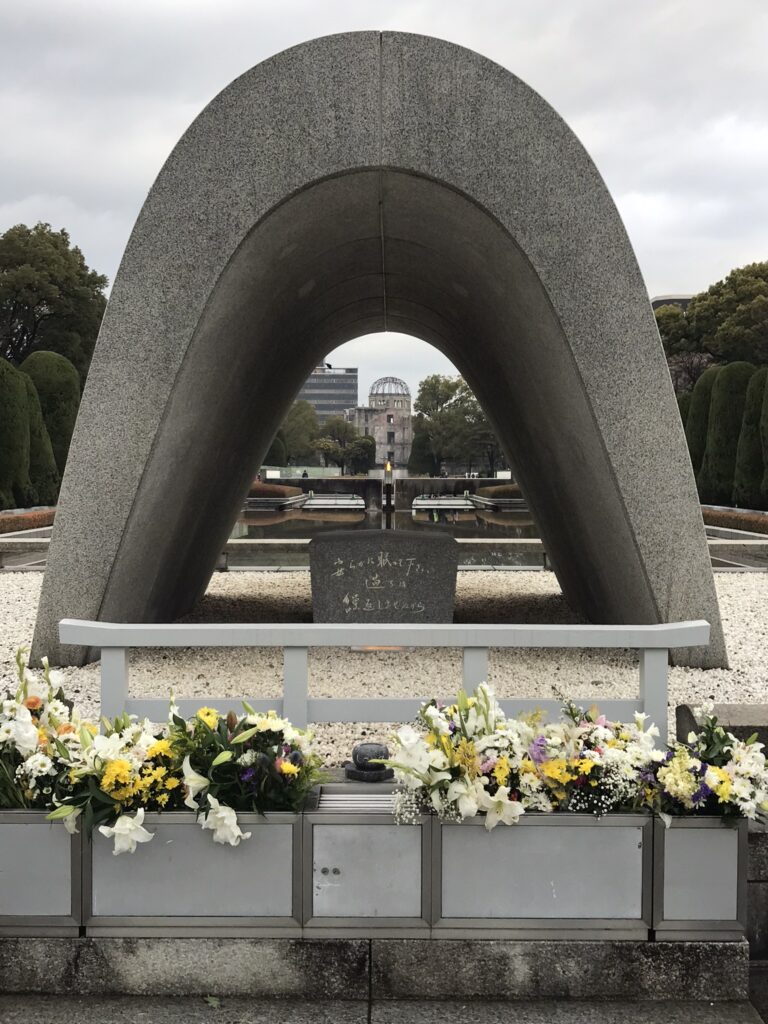
The flame of peace, cenotaph and Atomic Bomb Dome all form a straight line
Korean Atomic Bomb Victims Cenotaph – to commemorate the 10,000 Koreans who perished in the bombing. As the monument states – ‘for the solace of those lost souls longing for their homeland, but killed on foreign soil.’ Interestingly, the monument is in the style of a typical Korean Buddhist cenotaph, shaped like a turtle. We saw similar grave markers in Gayasan, South Korea.
Hiroshima Victims Memorial Cenotaph – directly in front of the flame of peace, a place for remembrance for the victims of the tragedy.
Children’s Peace Monument – a place of peace and hope to honour the child victims of the catastrophe. The tragic story of Sadako Sasaki is intrinsically linked with this memorial – she was only 2 years old when the bomb dropped but lived until the age of 12 before succumbing to leukaemia as a result of radiation poisoning. Her aim was to fold 1,000 origami cranes before she died so that she could wish for nuclear disarmament; unfortunately she wasn’t able to complete this quest. Now the memorial is filled with many colourful origami cranes made by people from across the globe who pay tribute to the little girl by folding their own origami cranes to help her to achieve her goal.
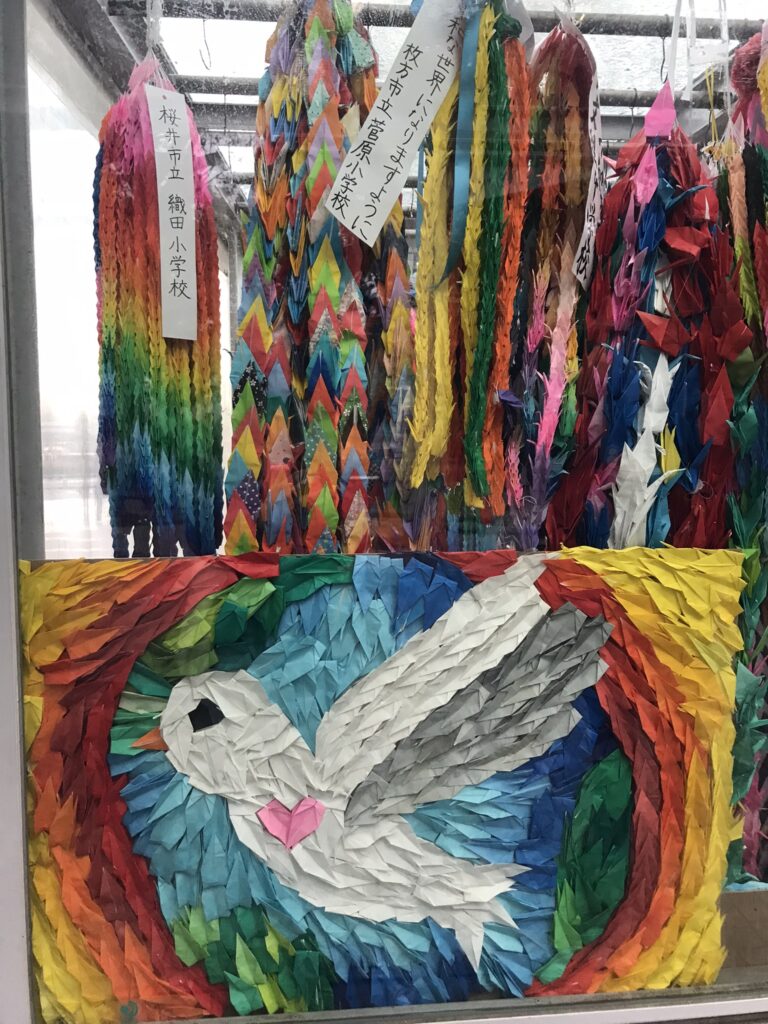
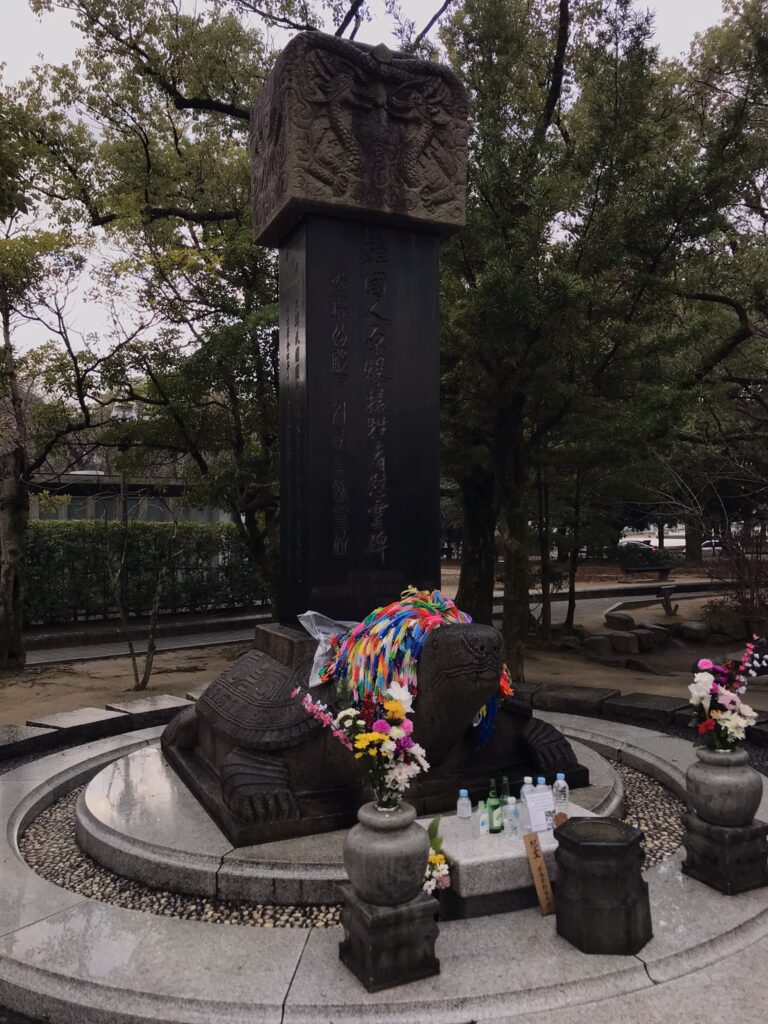
Colourful origami peace cranes at the Children’s Peace Monument and the turtle Cenotaph commemorating the Koreans who fell victim to the tragedy
Atomic Bomb Memorial Mound – the site where many of the bodies of those who were killed instantly by the atomic bomb were burned and buried in a mass grave to prevent the spread of disease.
Atomic Bomb Dome – the only structure left standing near the hypocentre. Originally a government building known as the Hiroshima Prefectural Industrial Promotion Hall, it was almost directly under the bomb when it exploded. The main reason that this building remained standing is that the wave of energy released came from above rather than to the side, blowing out the top part of the building but not crushing it entirely. The ruined, skeletal structure now stands as a powerful symbol of peace and the catastrophic destruction of nuclear weapons. Photos of what the building originally looked like before the bomb struck can be found on an information plaque nearby. It’s listed as a UNESCO World Heritage Site.
An unassuming plaque hidden in the backstreets close to the Atomic Bomb Dome marks the actual hypocentre of the atomic bomb. The bomb detonated 600 meters in the air above this point, resulting in temperatures between 3,000C and 4,000C.
Hiroshima Peace Memorial Museum – the museum is heart-wrenching and at times difficult to stomach. It’s a heavy one in terms of emotions – after visiting you can’t help but be silent for a while after taking everything in. The museum is extremely thorough in its treatment of the catastrophe, following the impact from right after the bomb was detonated to years later when survivors experienced health issues such as cancer as a result from the exposure to the radioactive material. The first part of the museum solely describes the human suffering and devastating effects on the local population, while the second part provides in-depth information covering every aspect of the bombing in great detail.
There are graphic images of the devastation and human impact of the bombing, such as survivors with severe burns, symptoms of radioactive poisoning such as black spots on a real tongue and skin tissue with severe scarring in a glass jar. The struggle by survivors not only in terms of their health but also their wellbeing is detailed – the mental health struggles of one man are displayed in great depth. We were shocked to hear that some survivors were branded lazy because of their injuries – unable to work and experiencing life-long discrimination as a result.
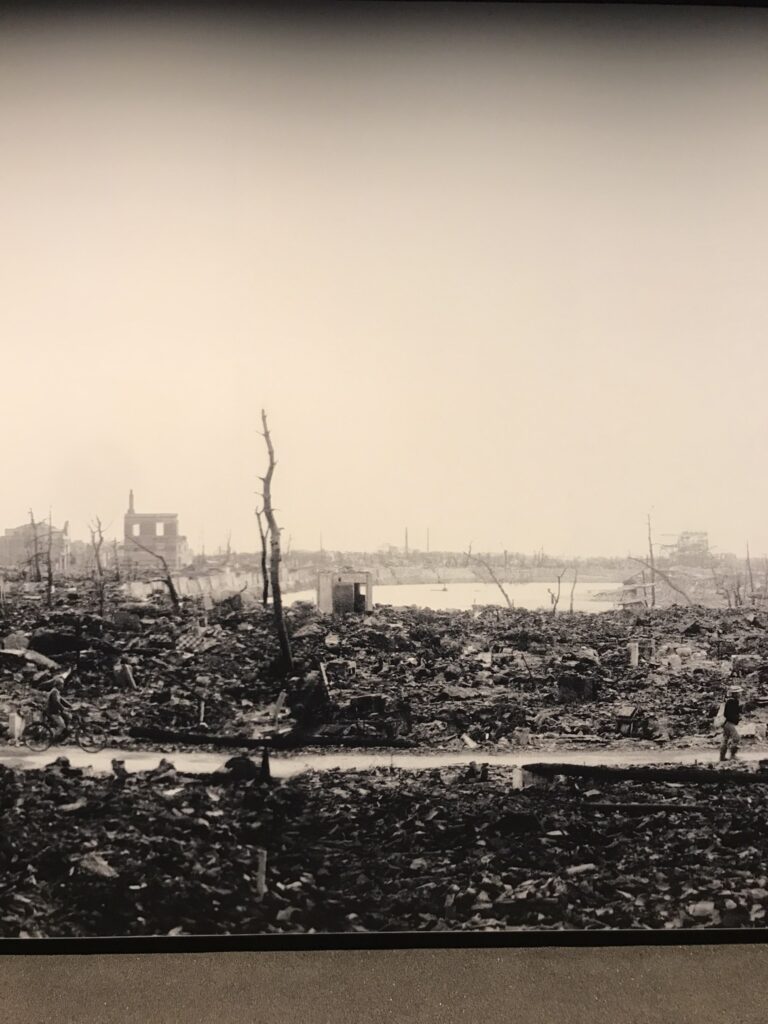
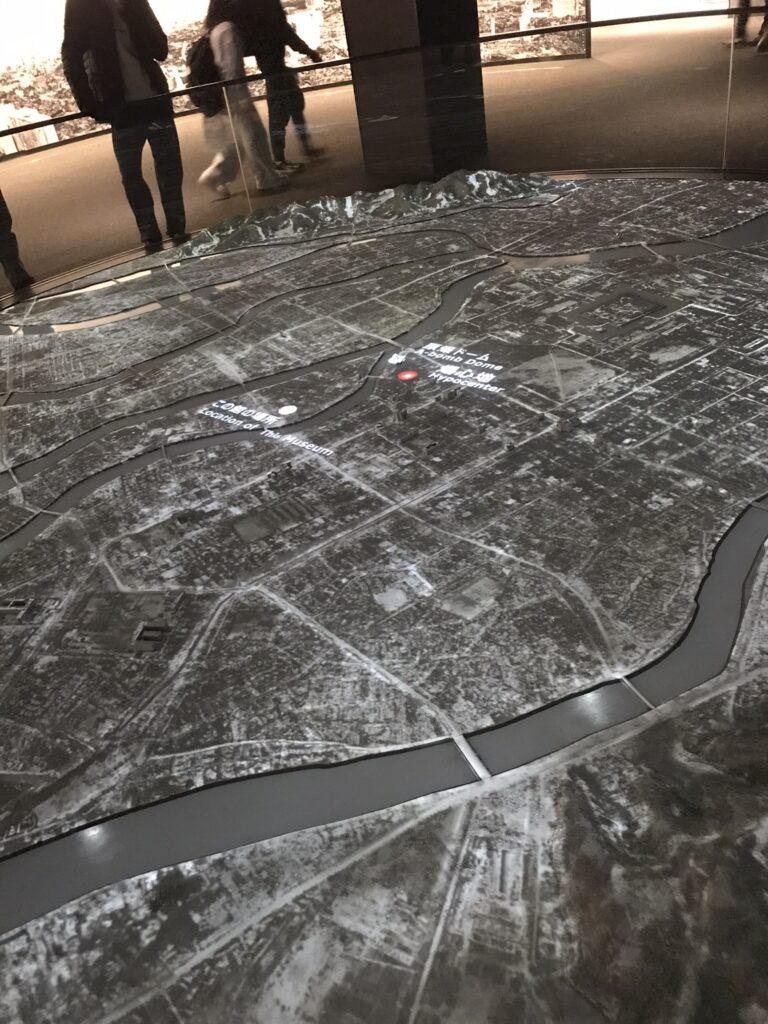
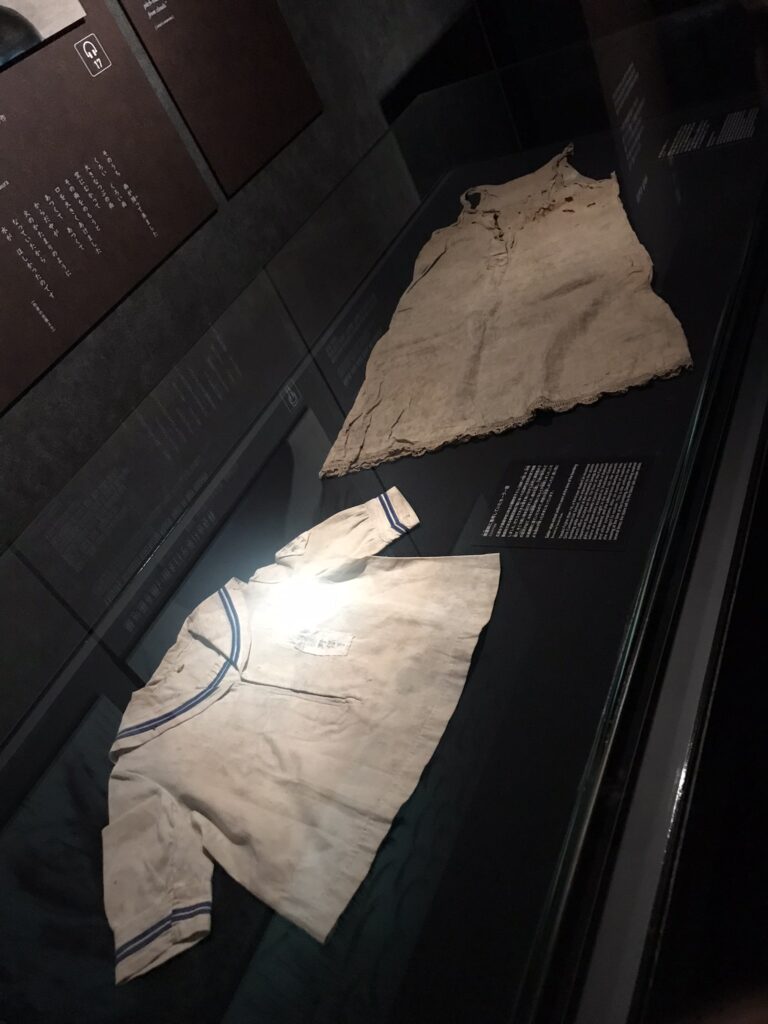
Hiroshima Peace Memorial Museum is incredibly visual and immersive
The museum features evocative artwork by the survivors of their experiences during and after the atomic bombing, including depictions of dead bodies in the river, burnt flesh hanging off victims and severely injured and maimed people walking the streets in distress. We had thought that these were artistic interpretations, and were shocked to discover that they were actually drawings by eyewitnesses. The museum contains many touching personal testimonies from survivors, those who perished and their families. Learning about rescue workers entering the city to come to the aid of survivors was particularly poignant, as many of them later experienced health problems themselves due to the exposure to radioactivity.
There are objects and artefacts on display such as the infamous human shadow etched in stone – the shadow was created on stone steps of a bank where a man was sitting before being incinerated by the atomic bomb. Sadly, many schoolchildren were casualties of the bomb as they were performing demolition work outside in the area at the time of impact, having been enlisted to create fire-breaks as a response to the American firebombing campaigns in other cities. Many of the torn clothes of the children are on display in the museum as well as their stories and last words before they passed away.
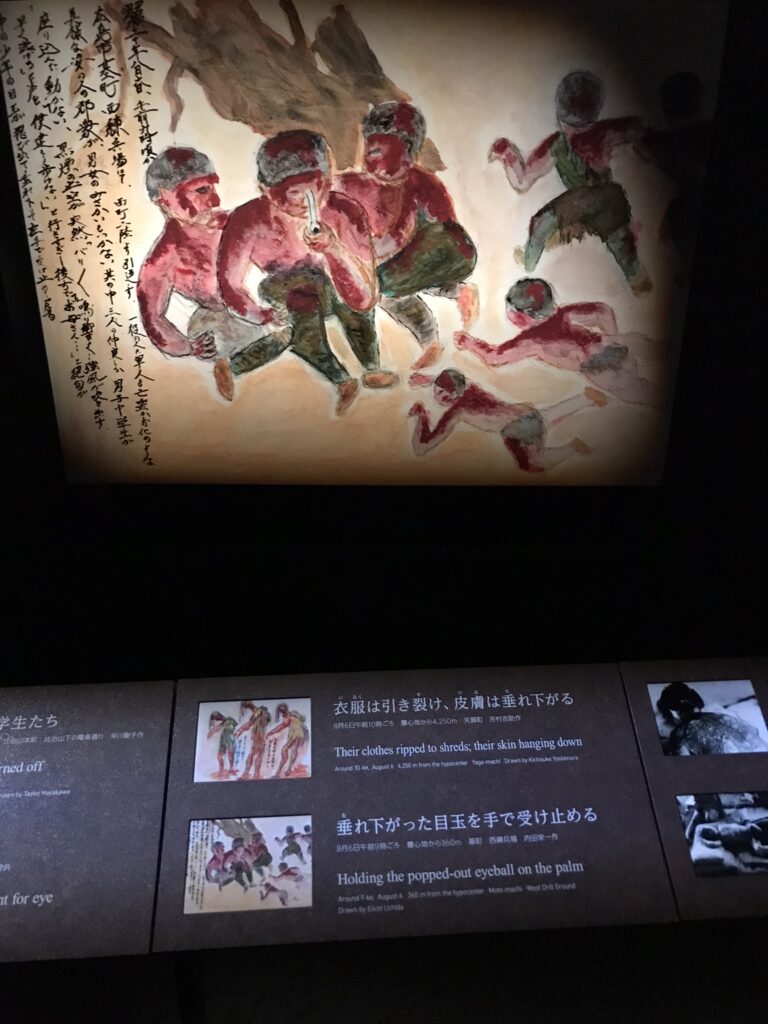
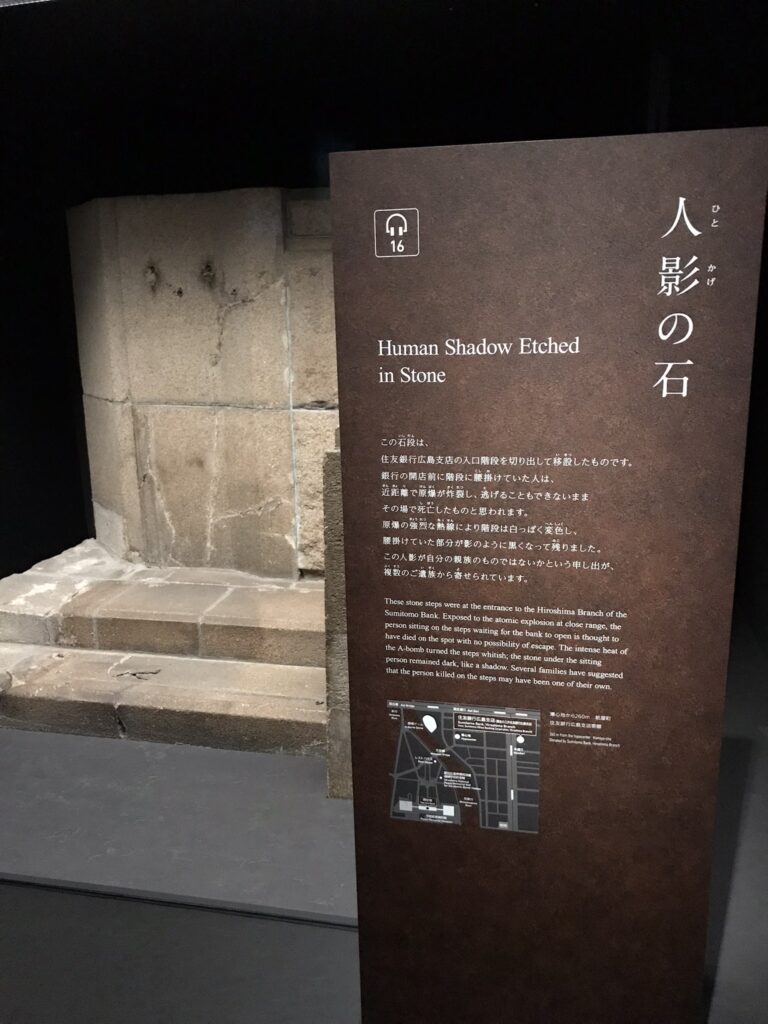
Some of the atomic bomb survivors created artwork about their experiences; the infamous human shadow etched in stone
The second part of the museum covers in great factual detail the process behind the creation of the bomb and the choosing of Hiroshima and Nagasaki by the Americans as targets, along with historical documentation and information on the subsequent development of nuclear weapons as well as the campaign for disarmament. In case you’re wondering why Hiroshima was chosen, it was because Hiroshima was a military debarkation port and met other criteria such as geography for maximum impact.
We spent hours in the museum reading all the information and personal testimonies. We spotted many Japanese school groups inside, although personally I wouldn’t recommend bringing children under the age of about 12 as some of the graphic images are really distressing (dead bodies and severe injuries) and really aren’t suitable for children. The museum was very crowded, which was a little awkward for people like us who like to read absolutely everything on display. I would recommend visiting early in the morning or just before closing if you want to avoid the shuffling crowds. The overwhelming message of the museum is that nuclear weapons of mass destruction are unethical and should never be used again.
Hiroshima Castle – prior to the atomic bombing, Hiroshima was known as a castle town and a regional centre of power during the feudal era. Hiroshima Castle was constructed for the local daimyo, Terumoto Mori, in 1591 and its destruction was another tragedy of the atomic bomb. Prior to its destruction in 1945, the castle grounds were used as a military garrison – at one point they acted as a makeshift National Diet (Parliament of Japan). The castle was faithfully rebuilt following the bombing as part of the regeneration of the city. Inside the tenshu (main keep) is an exhibition about the history of the castle town and displays containing various samurai armour and antique swords. The top floor also provides a good viewpoint across the city skyline. Photos within the exhibition show the extent of the damage caused by the atomic bomb – unsurprisingly, the wooden castle was completely destroyed, however within the grounds is a eucalyptus tree (740m from hypocentre) that survived the atomic bombing and continued to grow despite the utter devastation around it.
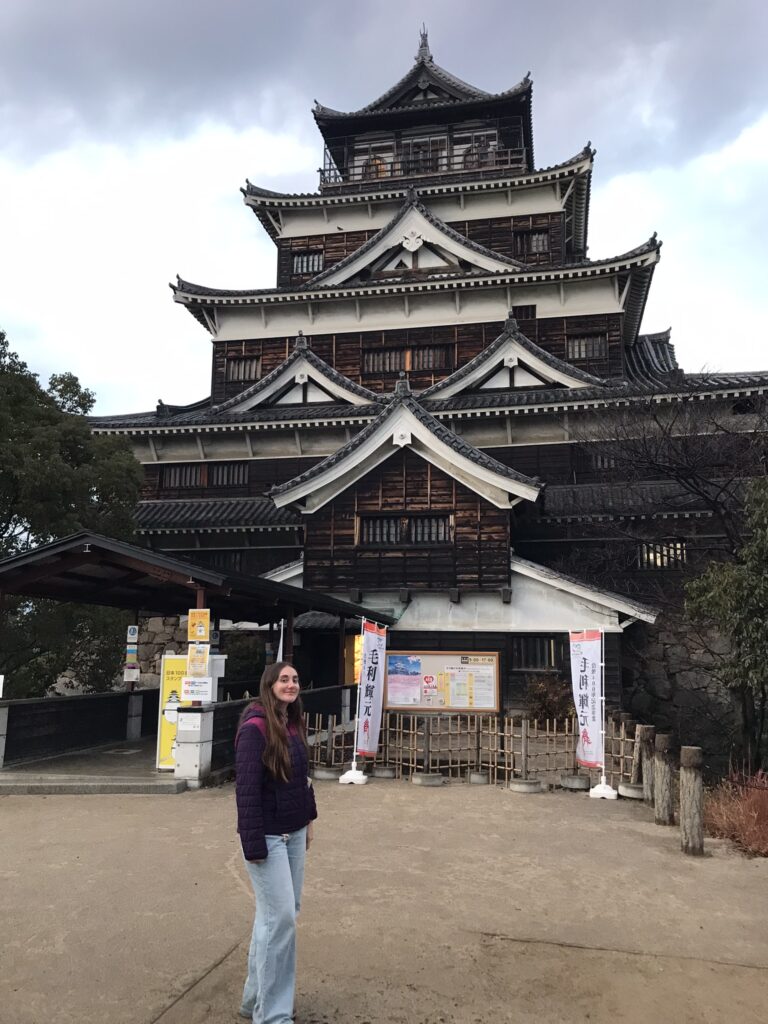
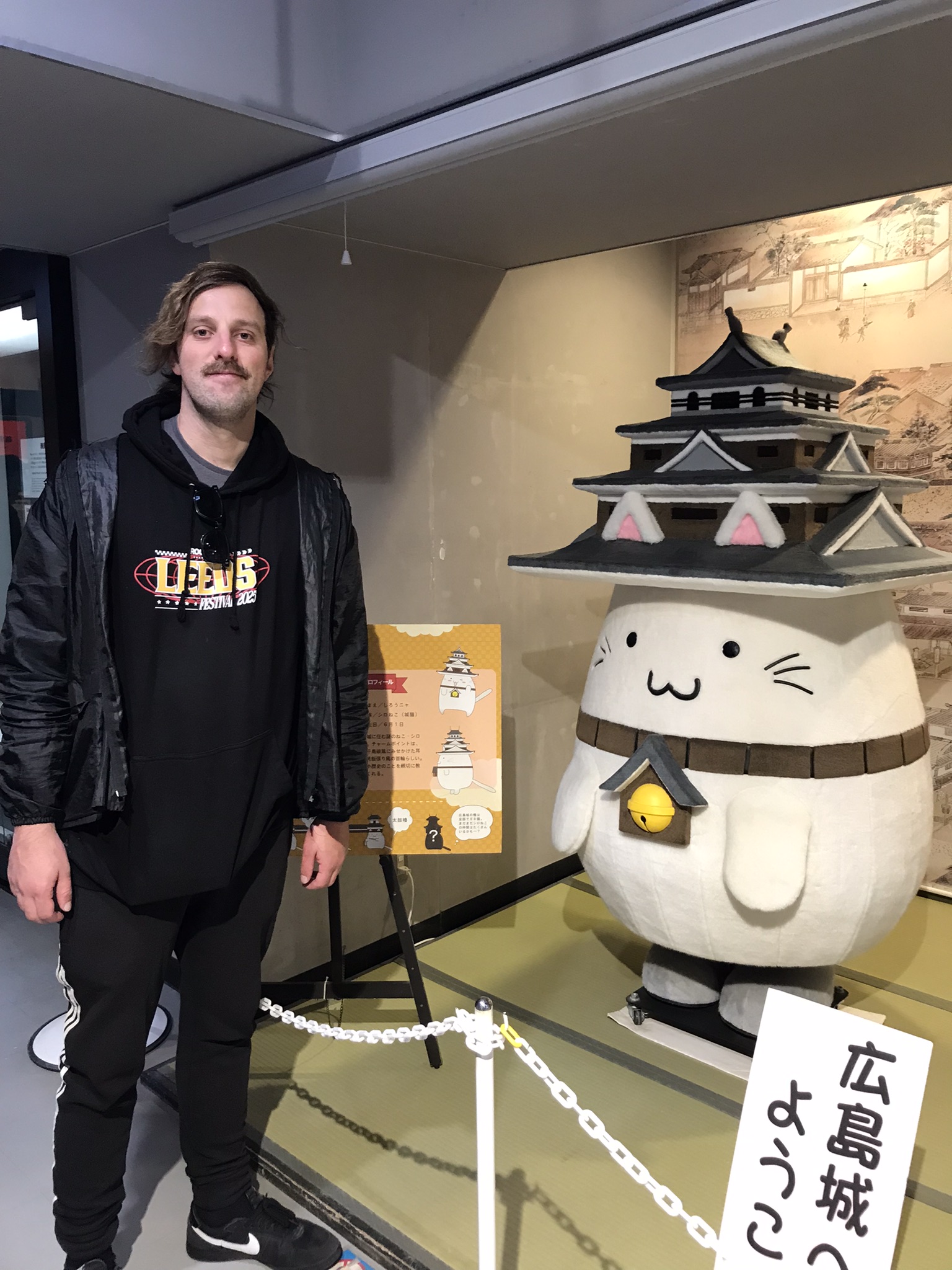
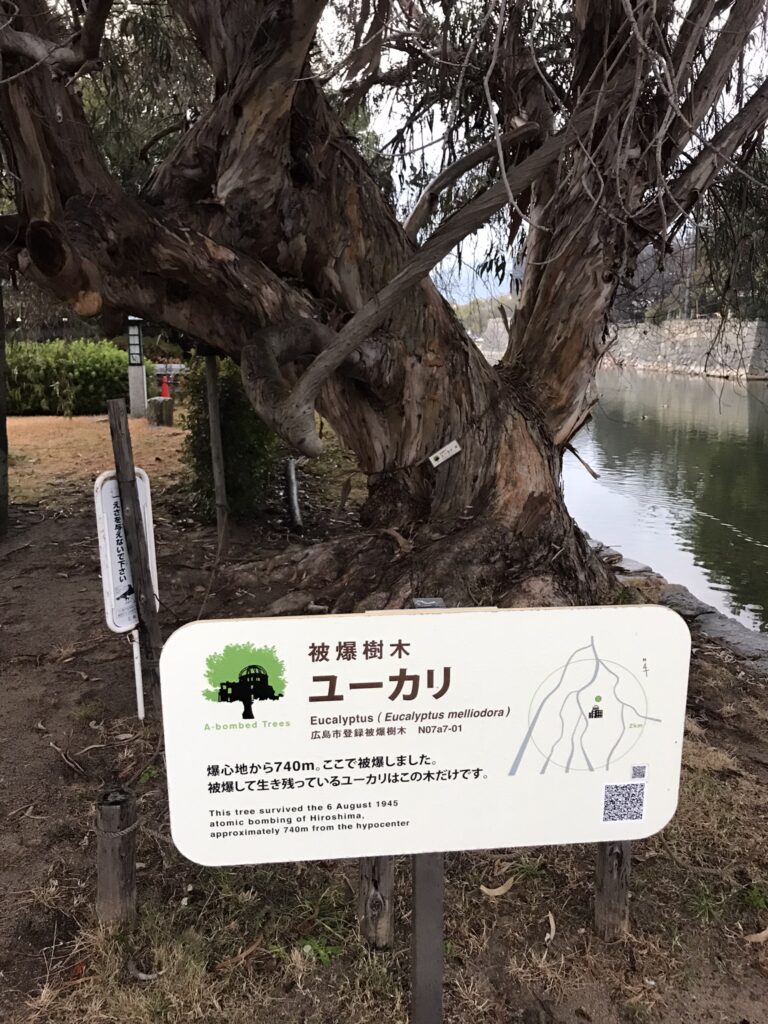
Hiroshima Castle tells visitors about the history of the city before the bombing
There are several art galleries which we wanted to visit nearby, but we ran out of time after spending most of the day in the Hiroshima Peace Memorial Museum.
Day trip to Itsukushima

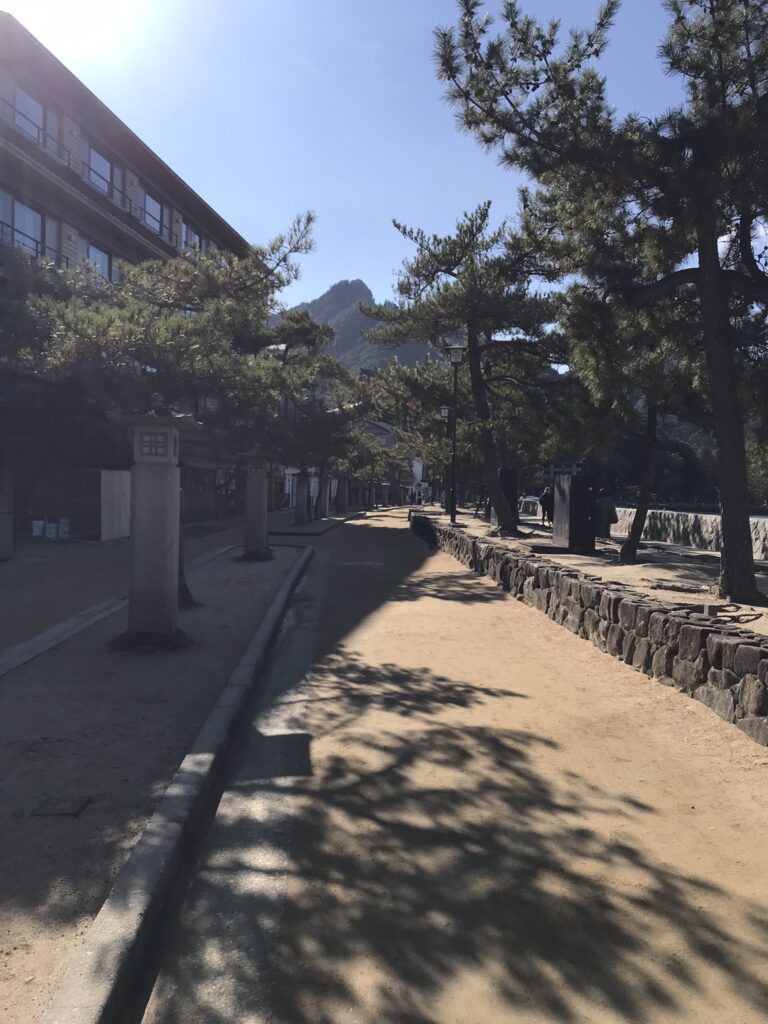
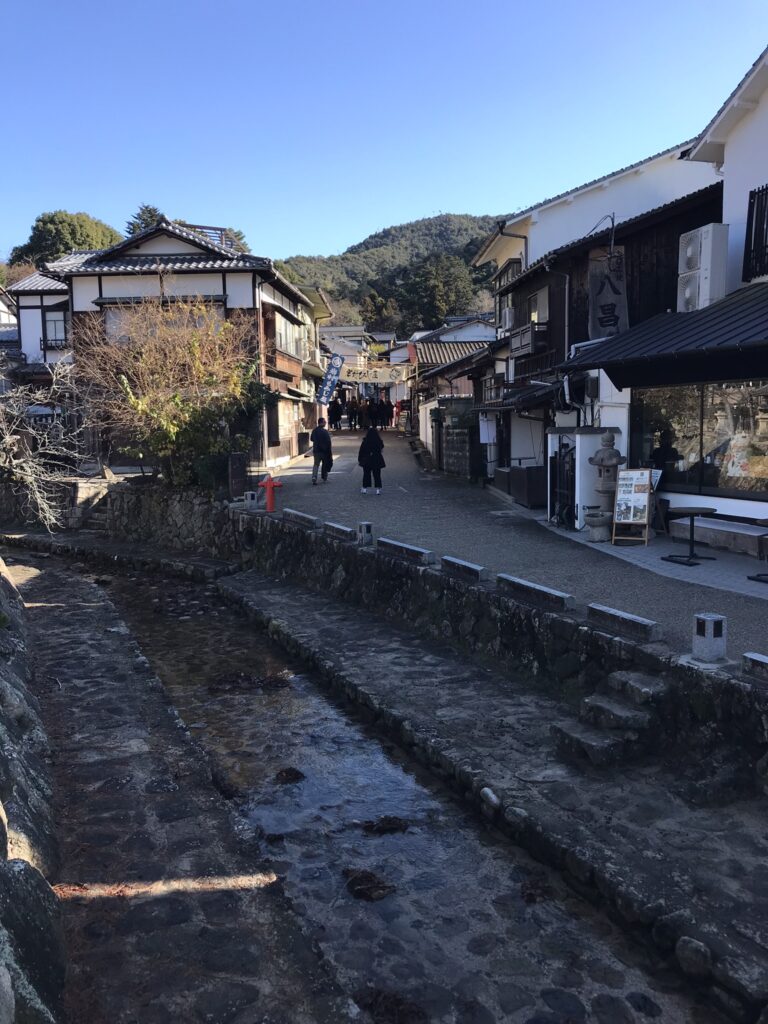
Scenes from around Miyajima island
Also known as Miyajima (‘shrine island’), the sacred island of Itsukushima is located to the south-west of the city of Hiroshima, within Hiroshima Bay and the Seto Inland Sea. The island was once considered so sacred that commoners were not allowed to set foot on it; today it is one of the most popular tourist destinations in this part of Japan, a UNESCO World Heritage Site famous for the ‘floating’ red torii gate of Itsukushima Shrine and the panoramic views from the island’s highest point, Mount Misen. The island is also home to some furry friends; wild deer roam around the small town between Itsukushima shrine and the ferry terminal. Unlike the ‘bowing’ sika deer in Nara, it’s forbidden for members of the public to feed or interact with the Miyajima deer. We witnessed a few humorous incidents involving the deer getting into trouble, trying to get into tonkatsu restaurants whilst the owner’s back was turned or sniffing through unsuspecting tourists’ bags. At one point we bizarrely spotted four deer waiting in a queue near an information point.
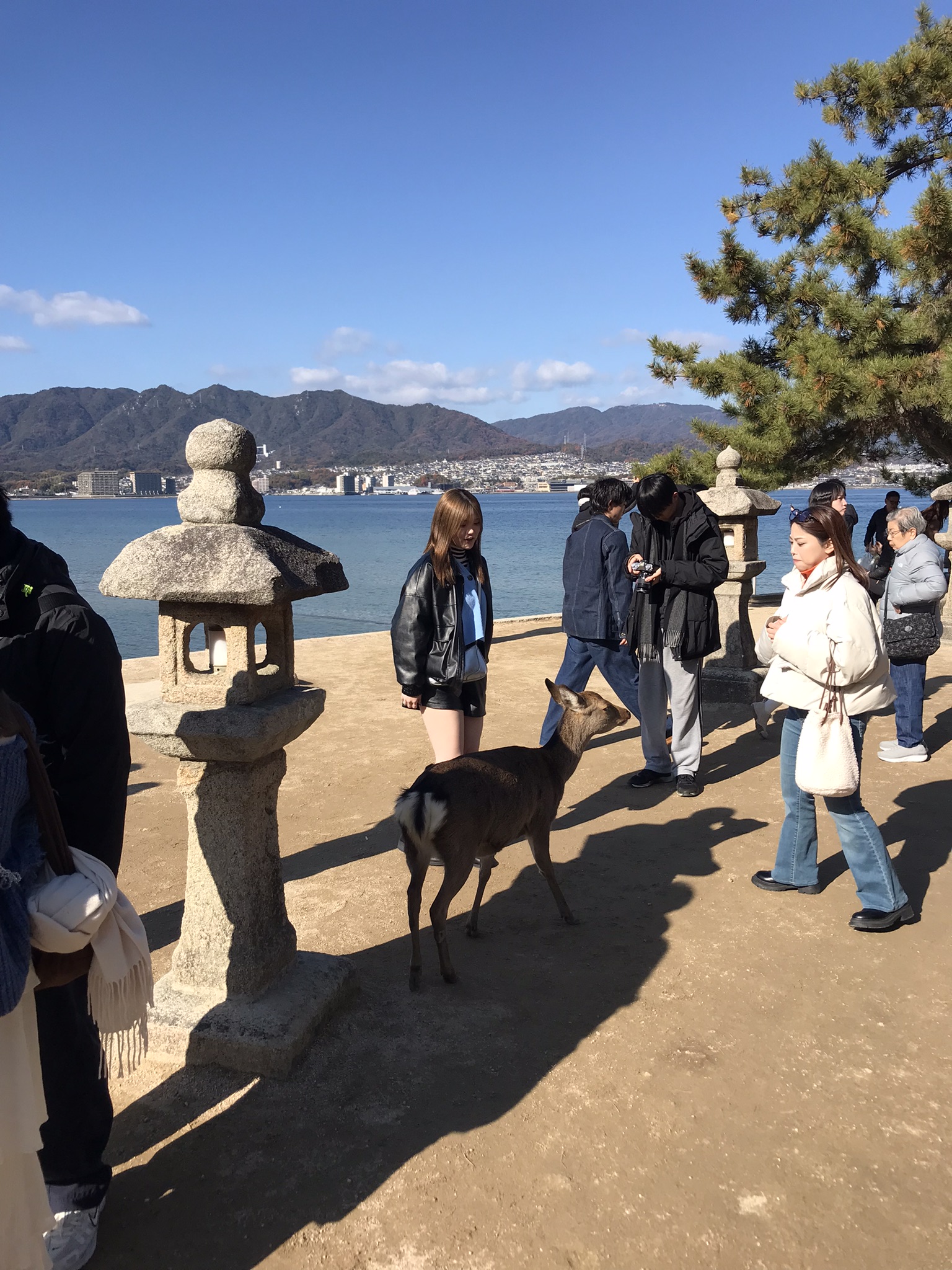
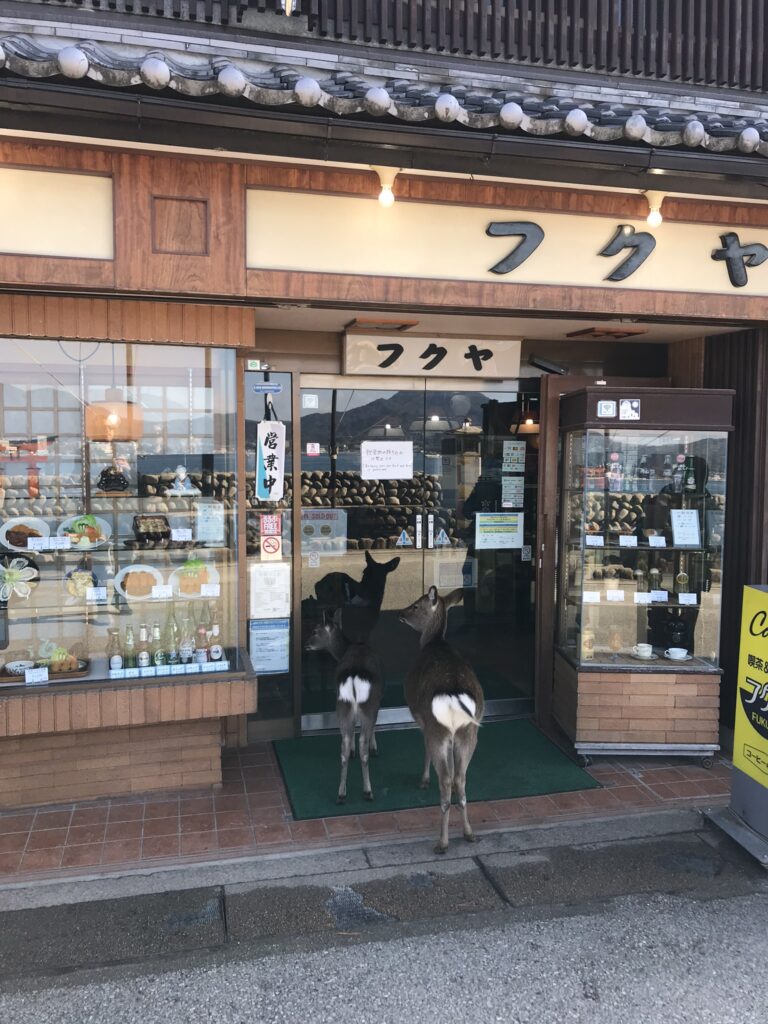
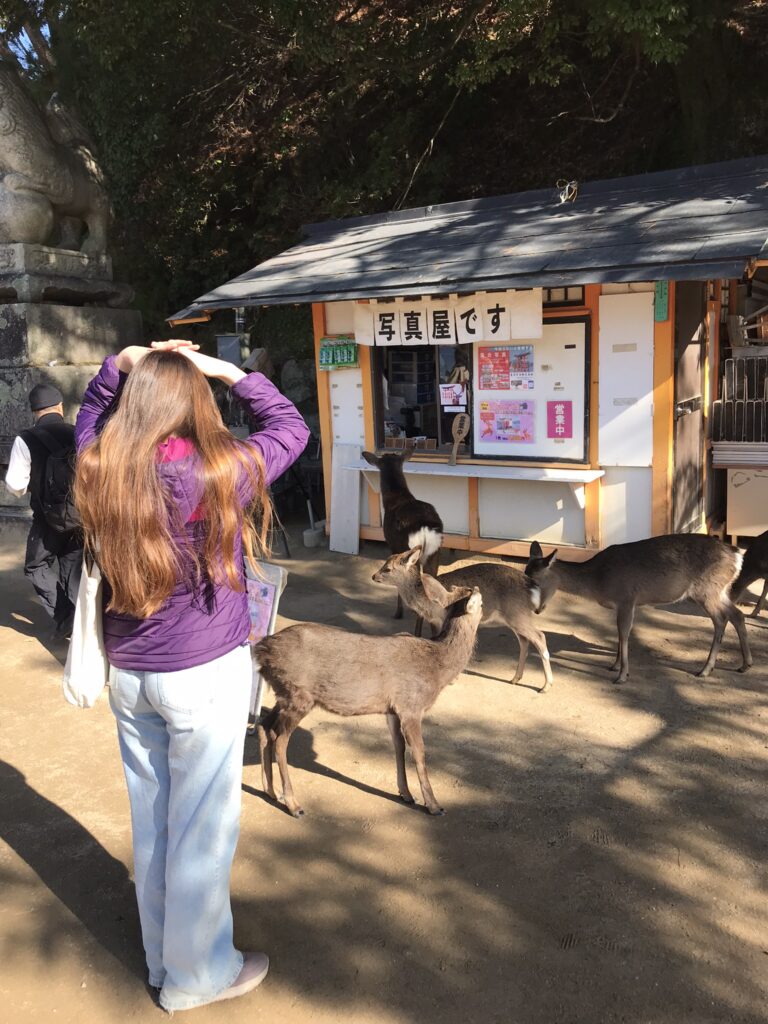
The deer on Miyajima can be very naughty!
The main attraction of Itsukushima is Itsukushima Shrine. The shrine was developed by the local lord Taira no Kiyomori in 1168. As the island itself was considered to be pure, the shrine was constructed on stilts on the beach. At high tide, the shrine is surrounded by the sea and appears to be floating on the water. The most well-known feature of the shrine is the ‘floating’ torii gate, located within the tidal area. As pilgrims were not permitted to step on the island, they previously had to steer their boats through this gate when visiting the shrine, which was accessed via a pier.
Today, visitors are permitted to walk on Itsukushima and so the shrine can be visited from the land. The area around the shrine is usually thronging with tourists, all trying to snap pictures with the iconic floating torii gate. During low tide, it’s possible to walk out onto the beach to the gate. As well as exploring the shrine complex, visitors to Itsukushima can wander the narrow streets of the small town which are filled with souvenir shops and seafood restaurants, as well as making the journey to the top of Mount Misen and exploring the island’s interior.
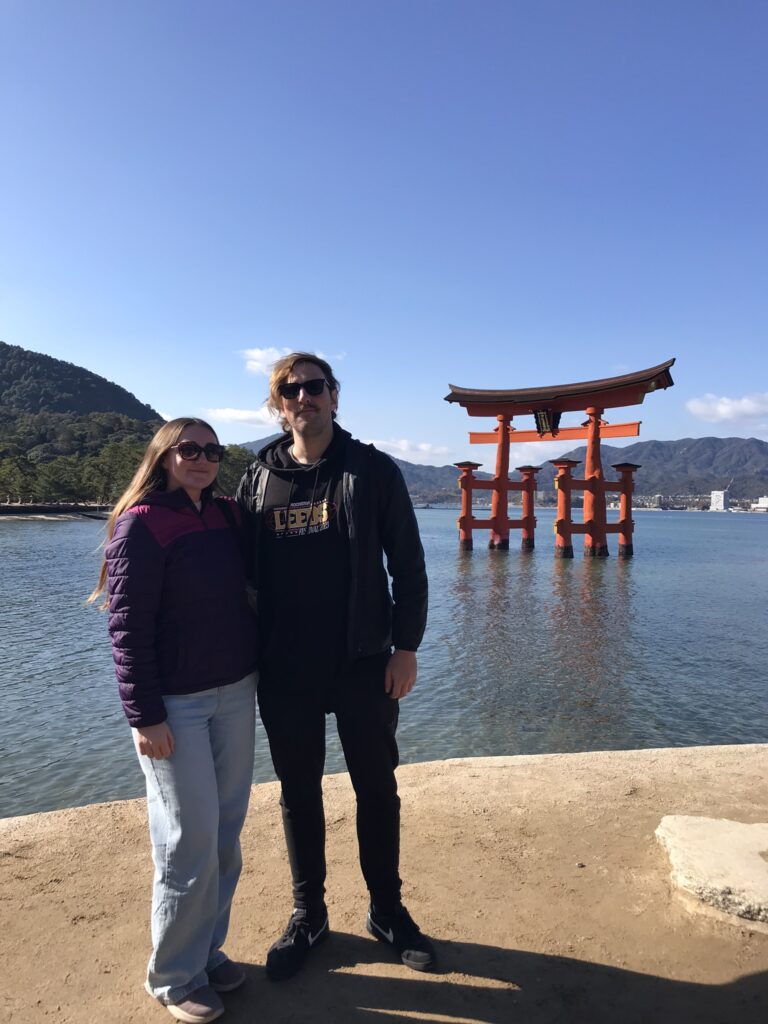
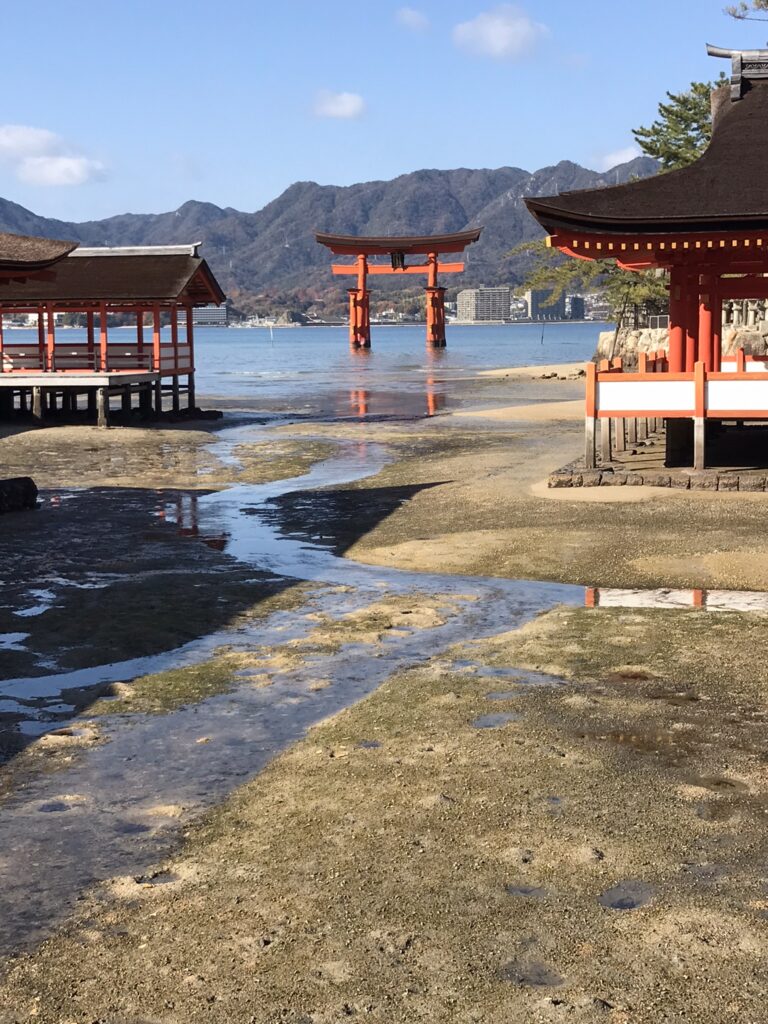
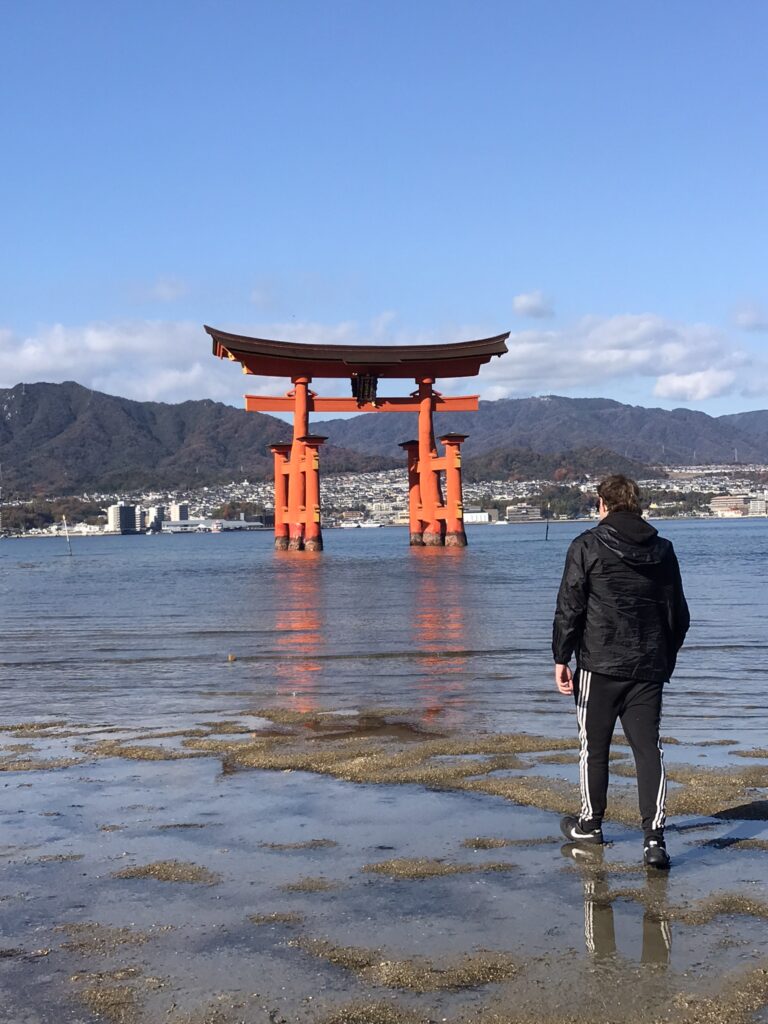
When the tide is low you can actually walk all the way up to the red torii gate at Itsukushima shrine
The easiest and best way to get to the top of Mount Misen is by taking the Miyajima Ropeway. The ropeway is a little on the expensive side, but we found it was much more budget-friendly to purchase a one-way ticket to the top and then hike back down one of the various walking trails. The walk down isn’t too bad, but we were definitely happy that we took the ropeway rather than attempting to walk up!
The ropeway involves two separate cable cars, with a mandatory change in the middle (included in the ticket price). Once you reach the top, there’s a viewpoint right next to the cable car station with excellent views across the bay. If you’re feeling peckish there’s a cafeteria on the second floor of the cable car station with drinks, snacks and an ice cream vending machine. From the ropeway station, it’s roughly a 30 minute additional hike to the summit of Mount Misen. Make sure you stock up on fluids before making the trek as there’s a fair amount of up and down, but it’s definitely worth the effort. After about 20 minutes, hikers can make a stop at the Reikado Hall, a mountainous Buddhist shrine which contains an eternal flame that is said to have continuously burned for 1,200 years and is continuously attended to by monks. It is said that water boiled over the flame cures all manner of diseases and afflictions.
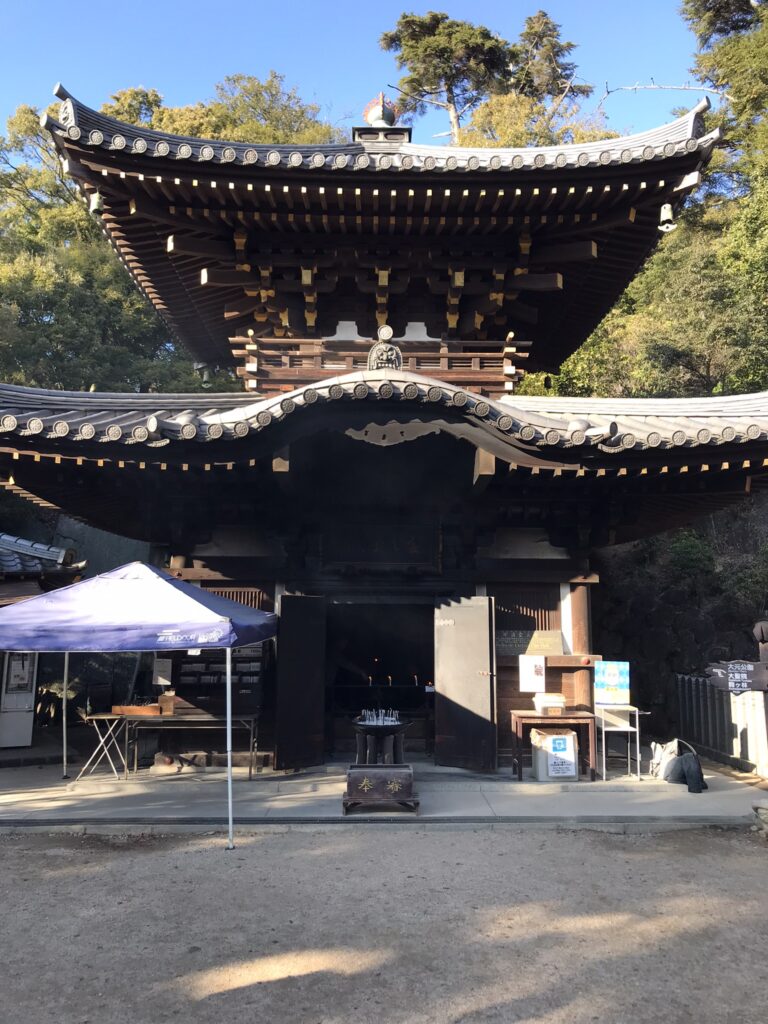
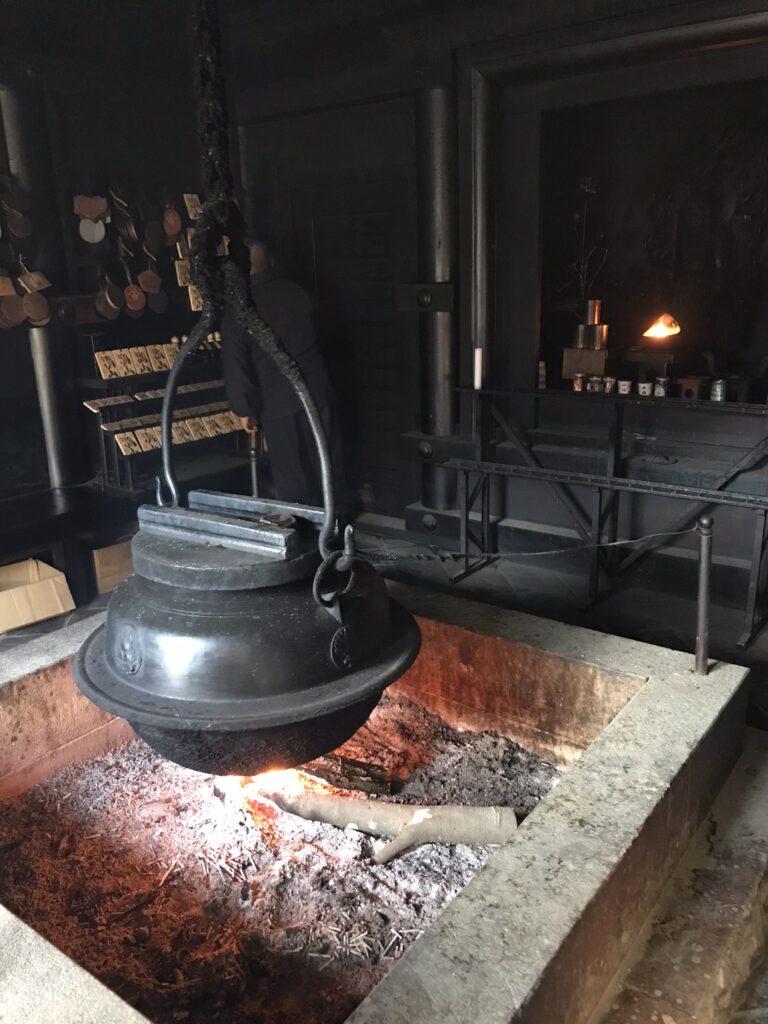
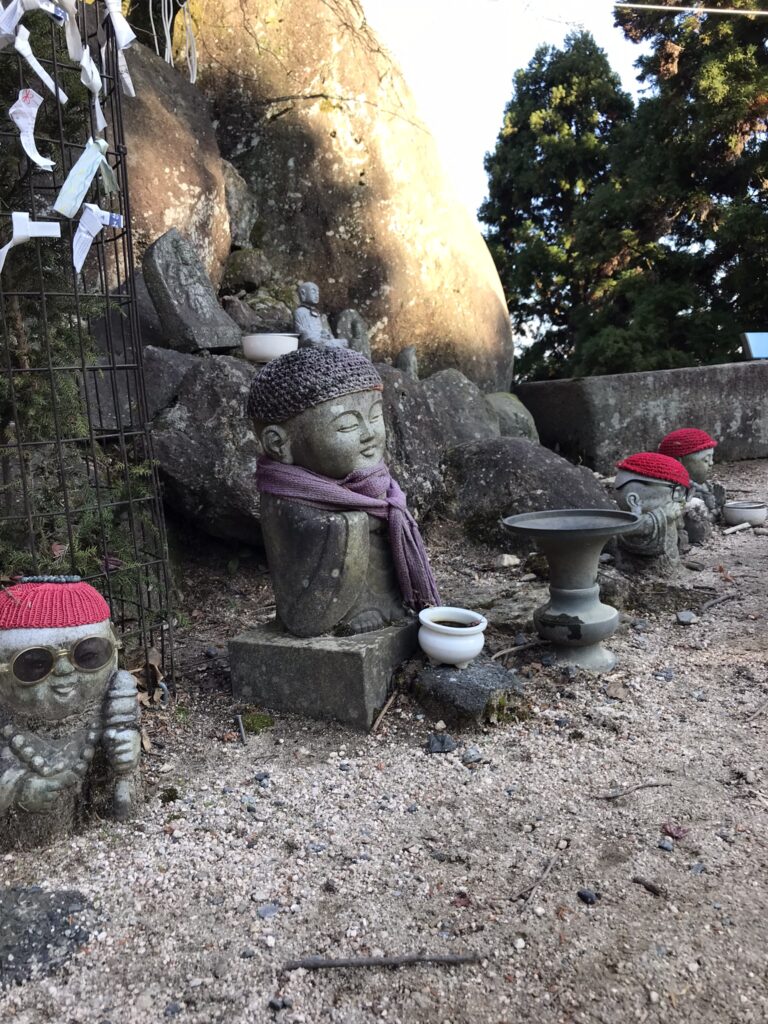
Reikado Hall houses the sacred flame which is said to have inspired the flame in Hiroshima Peace Park; we liked the cool Jizo statues with sunglasses
At the summit of Mount Misen is an observatory offering even better views over the nearby verdant islands and the city of Hiroshima in the distance. Toilets are also available at the top. Be aware that there may be devotees praying at the summit – we encountered a man doing just that with some particularly evocative high-pitched wailing.
After reaching the summit, visitors can head back to the ropeway station or take one of several designated and well-maintained walking trails down the mountain. We took the Daishoin trail – according to reports, this is the most gentle of the trails and it also passes the serene Daisho-in temple along the way. The trails are clearly demarcated, self-explanatory in most cases and can also be followed using Google Maps. Keep an eye out for venomous snakes – there are constant warning signs about them, although thankfully we didn’t spot any! The walk down was a little steep, but the trail is pretty sturdy underfoot so we didn’t find it too difficult at all.
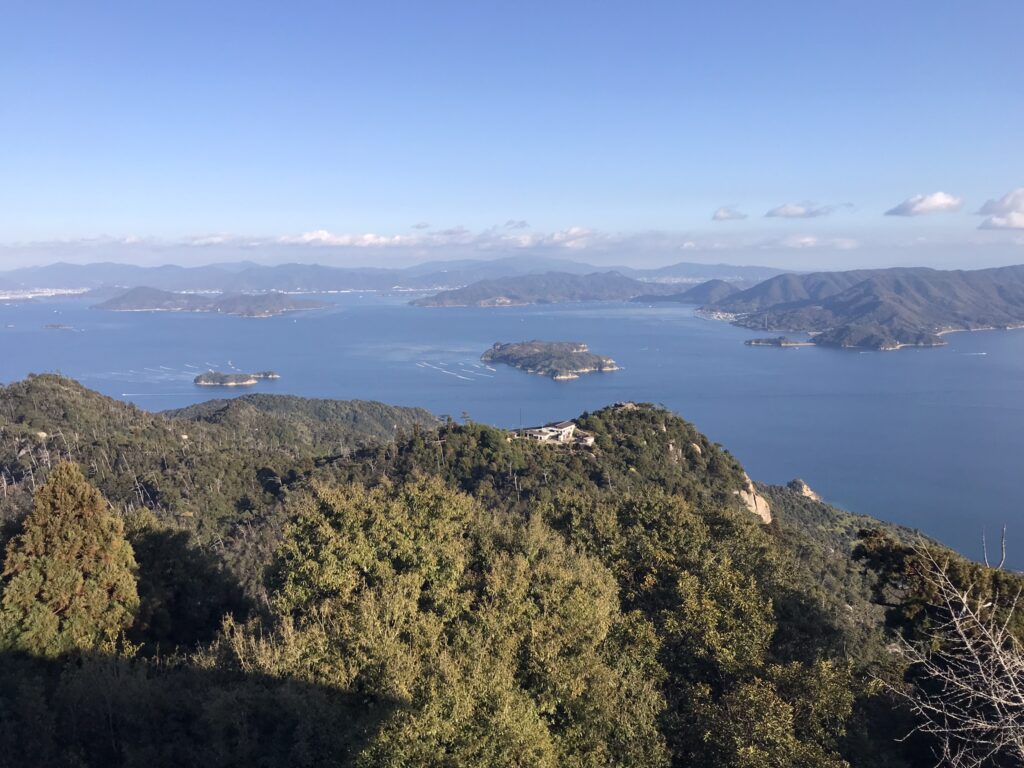
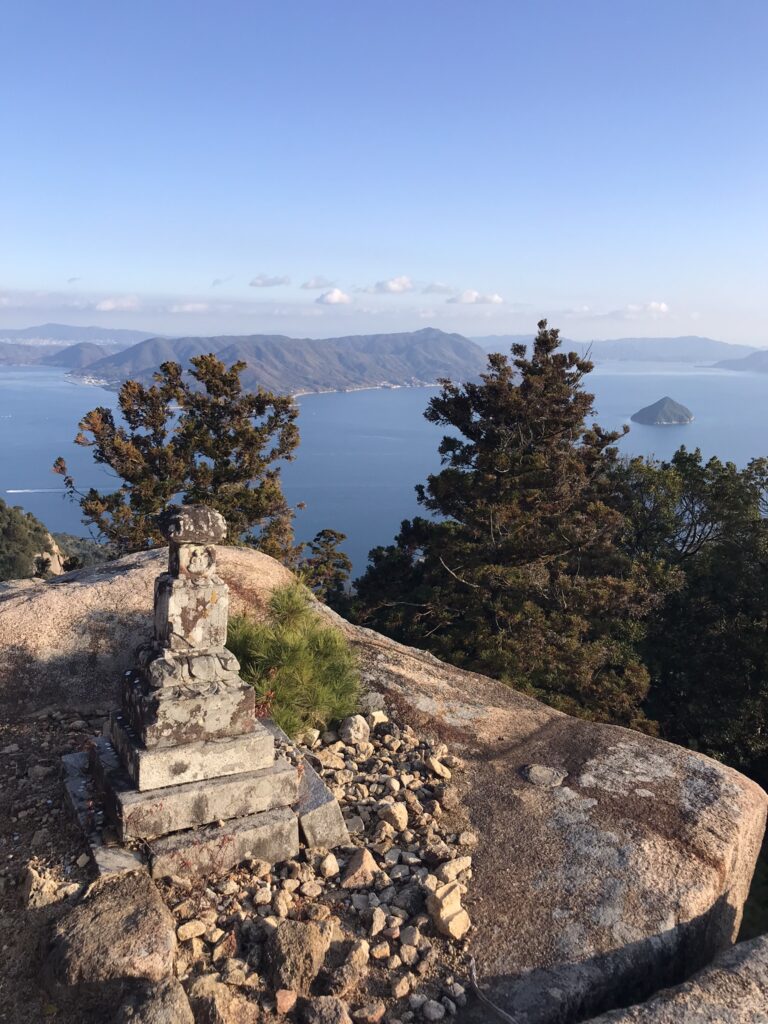
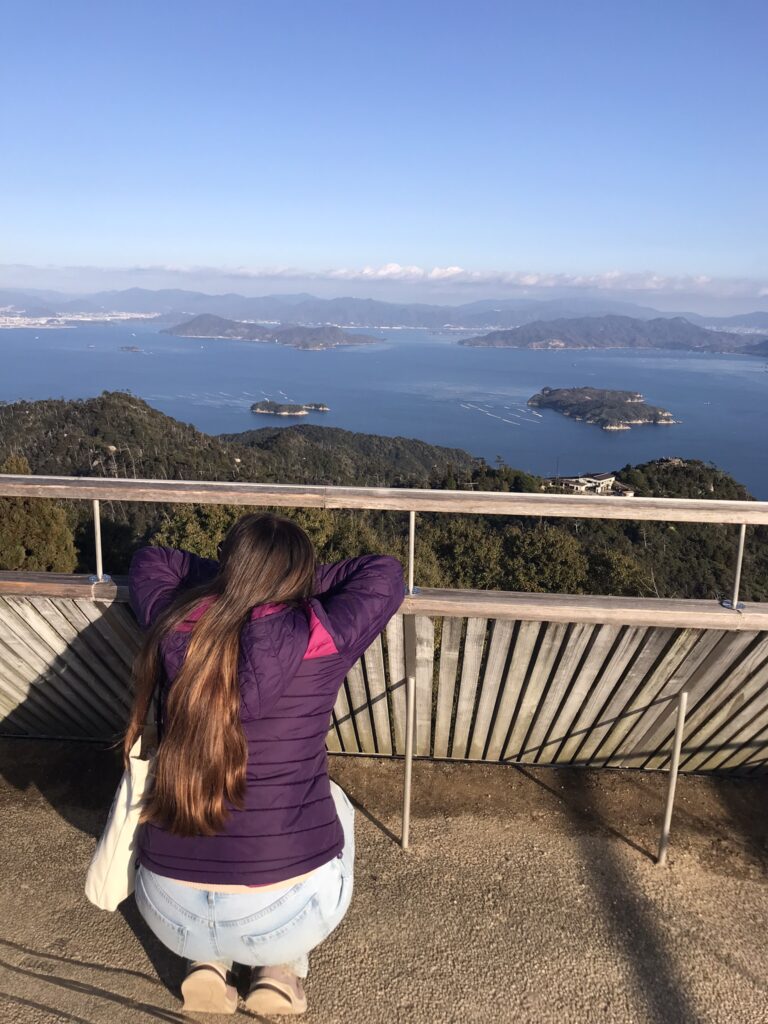
For the best views across Hiroshima bay, head to the observatory at the summit of Mt. Misen
As well as the famous Itsukushima Shrine and the monuments on Mount Misen, there are several other religious sites dotted around the island which visitors can take a peek at such as the Buddhist Daisho-in and Senjō-kaku temples. Some visitors choose to stay overnight in accommodation on the island – apparently after the day-trippers return back to the mainland, the island quickly becomes much more quiet and peaceful and many of the shops and restaurants close. We heard reports of overnight visitors struggling to find places to eat dinner – the island’s tourist information provides a list of restaurants which are open in the evenings.
Getting to and from Itsukushima is very easy. Simply take streetcar line 2 from the centre of Hiroshima and then alight at the final stop (Hiroden-Miyajimaguchi station) before heading to the ferry terminal (just meters away from the streetcar terminus) and buying your ticket for one of the frequent boats. We found that there was no difference in price or service between the two boat companies at the time of our visit, although I believe one of them is covered by the JR Pass for those that have it (which we didn’t).
Foodie Places
tuGiico ツギイコ – Hiroshima is famed for its plump, rich oysters (kaki) – the region apparently boasts 60% of Japan’s production of oysters. From the top of Mount Misen we spotted quite a few oyster farms in the bay. Luckily we visited during the peak oyster season (November – March) so couldn’t resist trying some fresh oysters at this classy oyster bar on the island. We were drawn to this place as it offered a modern twist on the classic steamed oyster dish, such as pesto, baked cheese and tomato and parmesan as well as picked oyster. The oysters were perfectly cooked, uber delicious and came at a great price. What better way to enjoy fresh local oysters than with a glass of white wine!
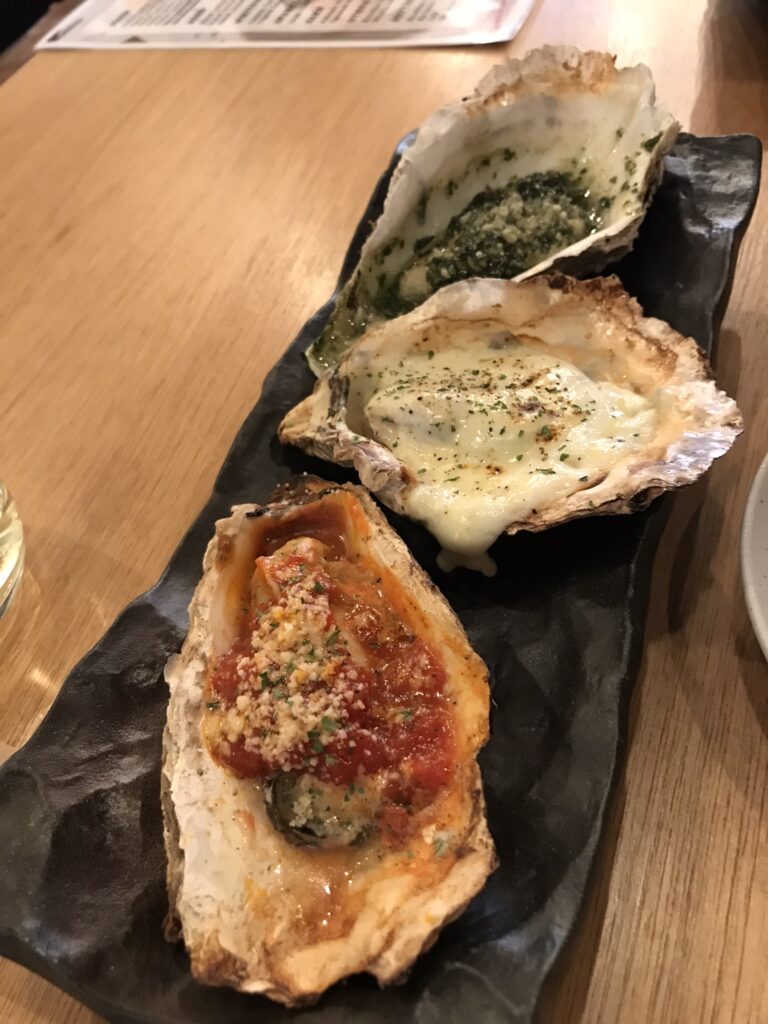
These oysters didn’t last long at tuGiico ツギイコ before we gobbled them up!
Day trip to Iwakuni
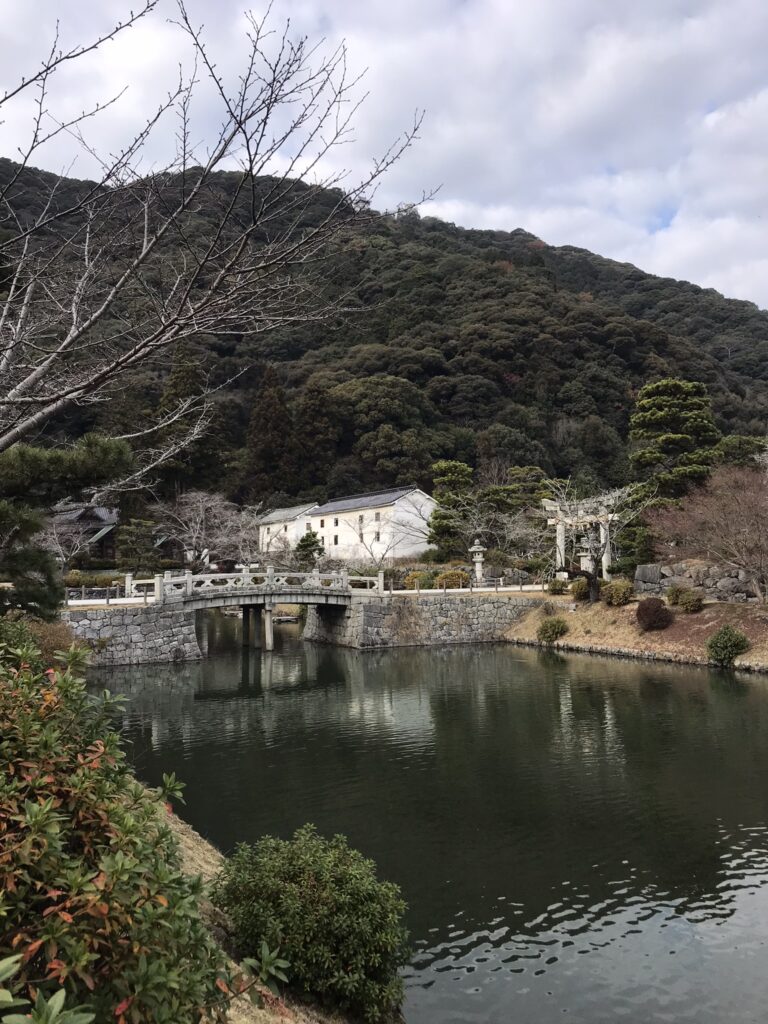
Another easy day trip from Hiroshima, the former castle town of Iwakuni is best known for Kintai-kyo, which is said to be one of the top three bridges of Japan, as well as its hilltop former castle site. Located within Yamaguchi Prefecture, the city is around 1 hour drive from the centre of Hiroshima and is easily accessible on the bus. Most of the attractions in Iwakuni are located around the Kintai-kyo area and across the bridge, which represents the boundary of the old feudal town. To get there, you can take a direct bus from Hiroshima Bus Centre to Kintaikyo, which drops off here. Don’t go to Iwakuni station, which is located within the modern city and is a fair distance from the main attractions.
A sturdy five-arched wooden bridge, Kintai-kyo spans the breadth of the Nishiki River. This pedestrian bridge was designed in 1673 with a distinctive design in order to withstand frequent flooding. The bridge was lost in 1950 due to structural neglect, but was subsequently rebuilt in all its glory shortly afterward. The bridge links the former castle town with the modern settlement and the coast.
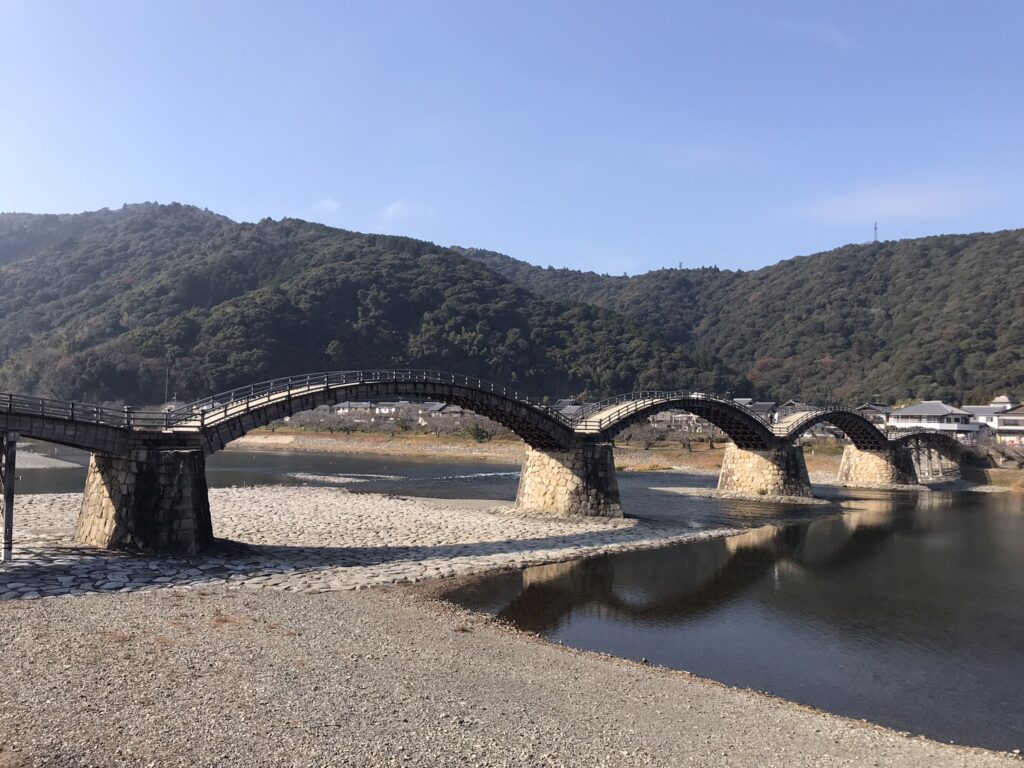
Kintai Bridge, also known as Kintai-kyo, is the main draw in Iwakuni
Across the bridge is Kikko Park, this was formerly the main administrative and samurai area of the Edo-era settlement. As well as the sculpted gardens, there are quite a few museums you can check out here if you have the time or inclination. Unfortunately the Iwakuni Antiquities Museum was closed when we visited, and it happened to be the only free museum in the area so we didn’t visit any of the others. Keep an eye out for the ice cream vendors within the park selling all manner of quirky ice cream flavours; we tried wasabi ice cream and it had actual chunks of wasabi in the ice-cream – enough to blow your head off! Benches by the Nishiki River offer a wonderful place to admire Kintai Bridge and watch the world go by.
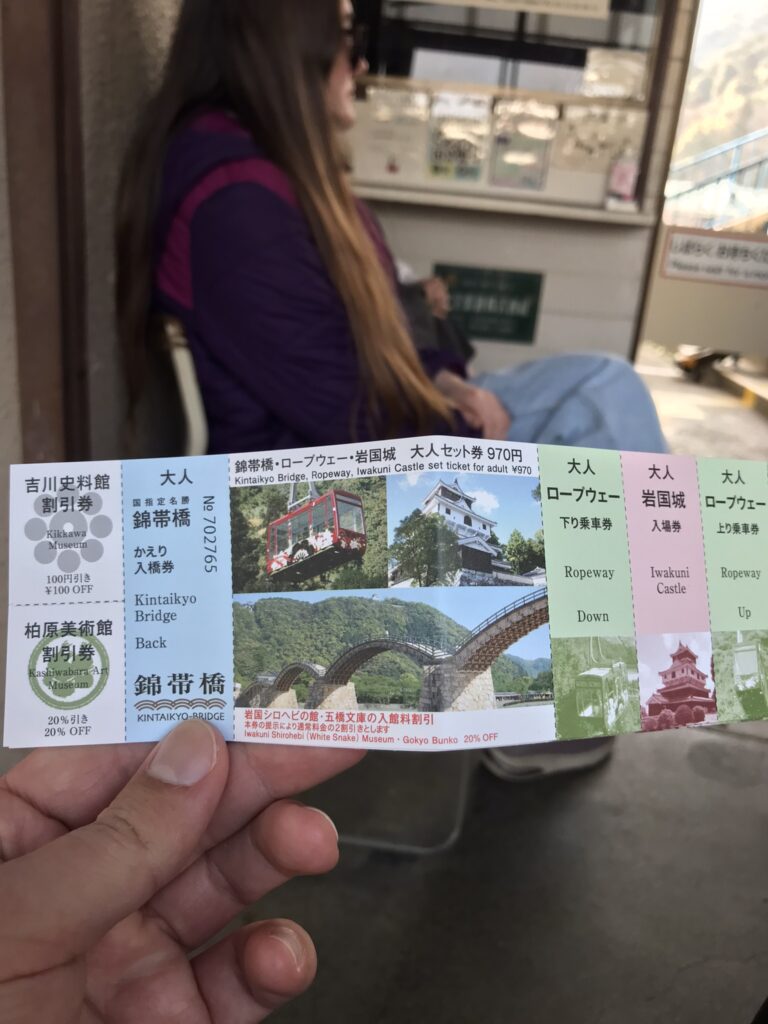

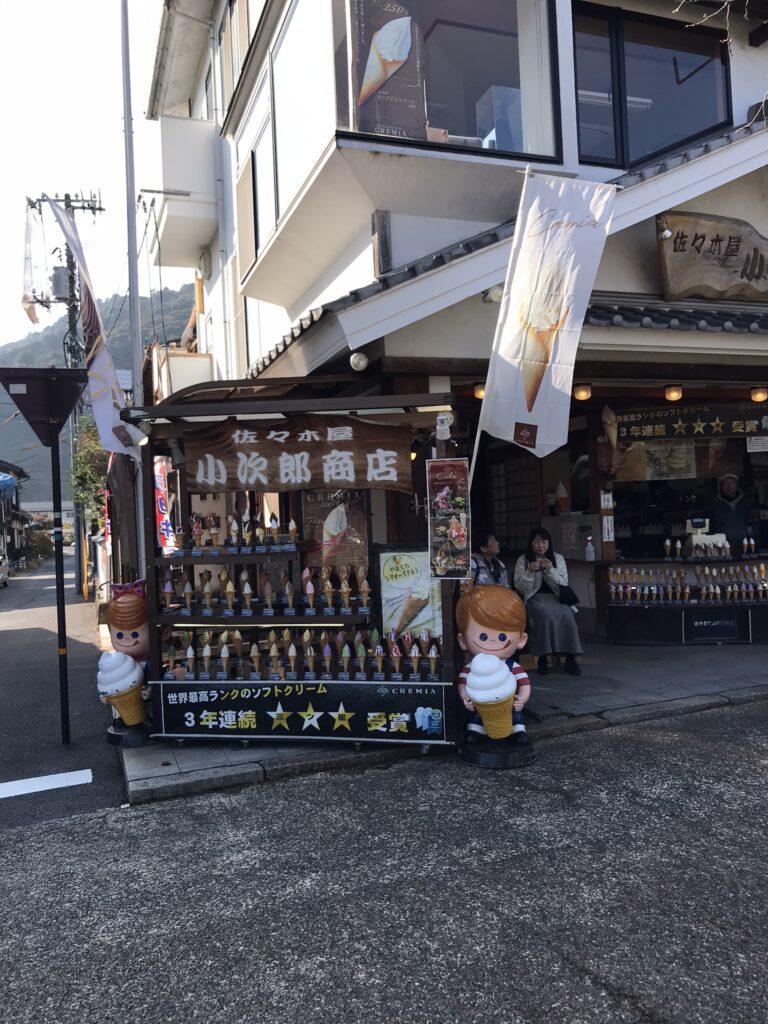
Iwakuni is a great place for some ‘low-key’ sightseeing
Towering above Kikko Park, Iwakuni Castle sits proudly atop Mt. Yokoyama; this feudal-era castle was unfortunately destroyed shortly after it was built in the 1600s due to bureaucratic restrictions on the number of castles each Daimyo was allowed to have in their territory. After many hundreds of years, the castle was rebuilt in the 1960s. The best way to reach the castle today is via the ropeway, as it’s at the top of a very steep hill. After taking the cable car to the top there is a short walk through the woods to the castle itself, with impressive views all the way to the sea. Inside the picturesque castle are displays about the history of the former castle town and an array of impressive samurai swords.
As well as its bridge and castle, the Iwakuni area is synonymous with a special type of albino red-eyed snake called the Iwakuni White Snake – this snake is not found elsewhere and has been granted the special status of National Natural Treasure of Japan. The snakes are said to be messengers of the gods and bring good fortune. Those who are interested can check out the Iwakuni White Snake Museum for a closer look at these local snakes. We also stumbled upon some cormorants in an enclosure within Kikko Park and discovered that Iwakuni hosts an annual celebration of traditional fishing called Ukai, in which groups of trained cormorants controlled by a master fish in the river while attached to ropes – apparently this traditional type of fishing predates the use of rods and nets in Japan. We’d never heard of anything like this before. There’s more information about this traditional custom and its revival at the visitor centre next to the Cormorant Village within Kikko Park.
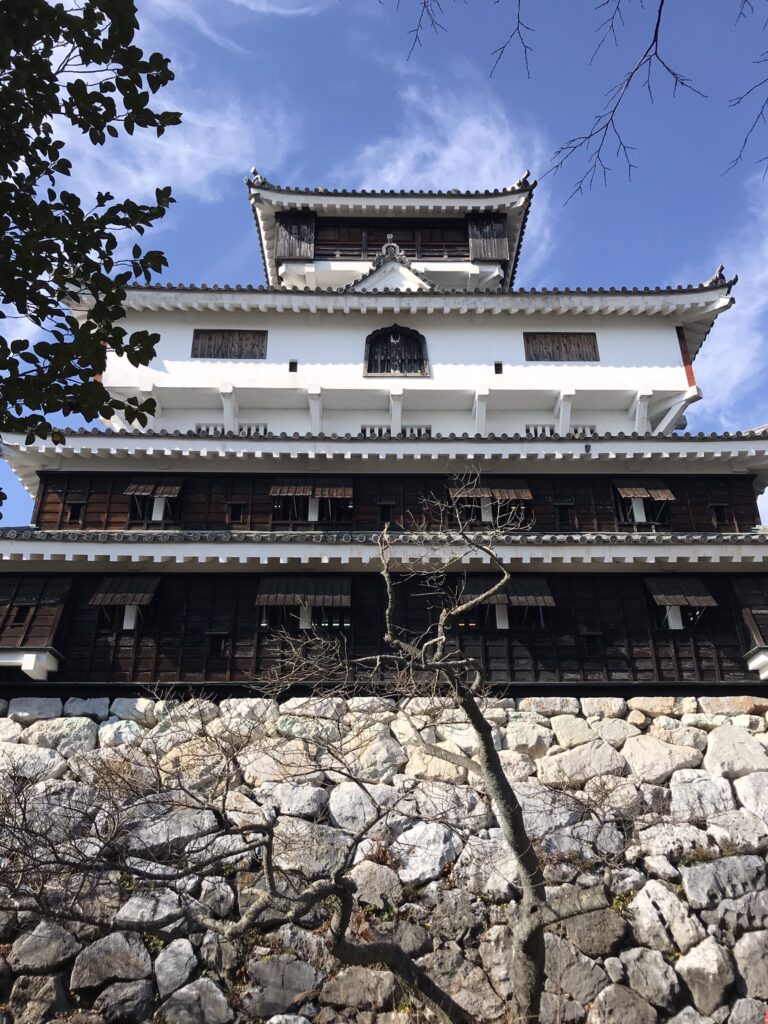
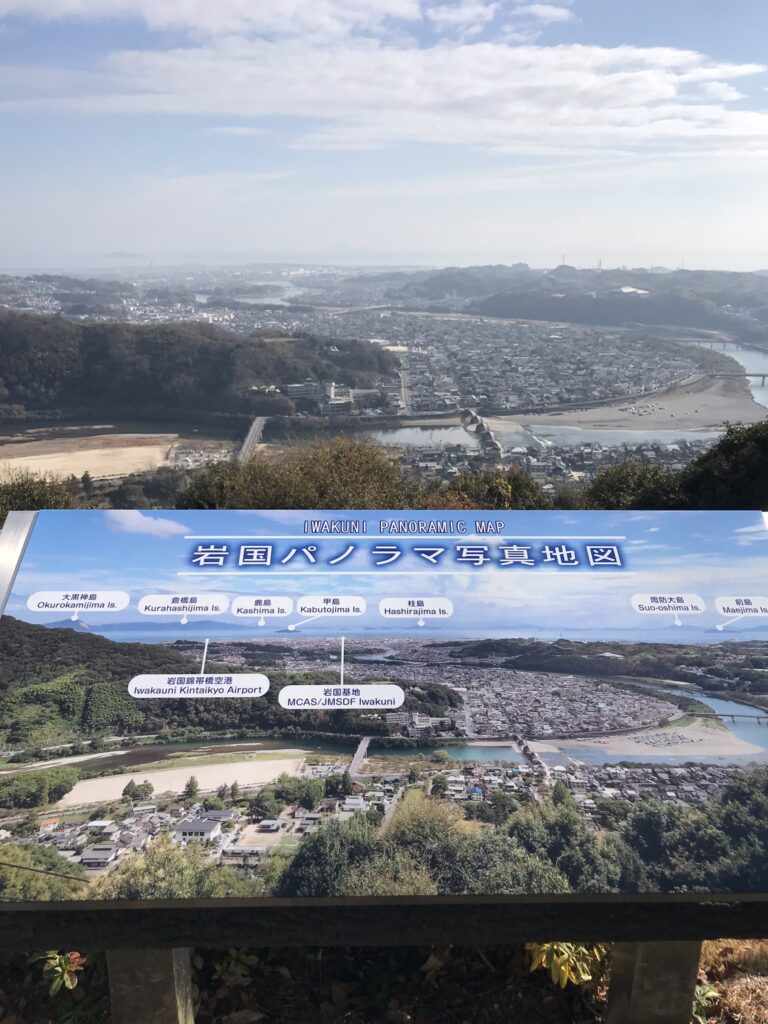
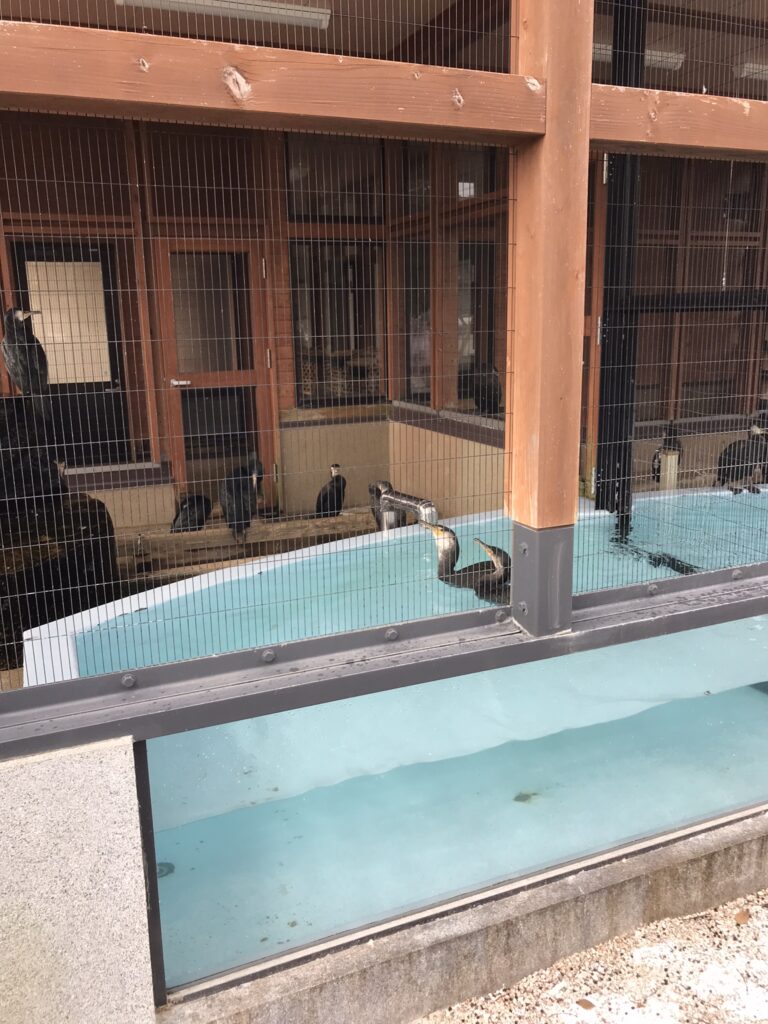
Iwakuni Castle towers over the Kikko Park area; we spotted some unexpected feathery friends at Cormorant Village
I would be remiss not to mention that there’s a US military base within Iwakuni near to the seafront – you can spot it from the top of Mt. Yokoyama. There was a noticeable presence of American accents at the castle and in Kikko Park – we speculated that perhaps they were the families of US servicemen stationed at the base.
Visitors need to purchase a ticket to cross the Kintai Bridge and access the old town area – it’s best to purchase the combination ticket, which includes the ropeway to Iwakuni Castle (both ways), Kintai Bridge (both ways) and entry to the castle itself. The ticket is good value for money when compared to purchase of individual tickets. Visitors who purchase the combination ticket also receive discounts at some of the museums and attractions in the Kikko Park area across from the bridge. I’m not sure if it’s the same at weekends, but when we visited Iwakuni on a weekday there were barely any tourists; the Kikko Park area was supremely tranquil and slow-paced.