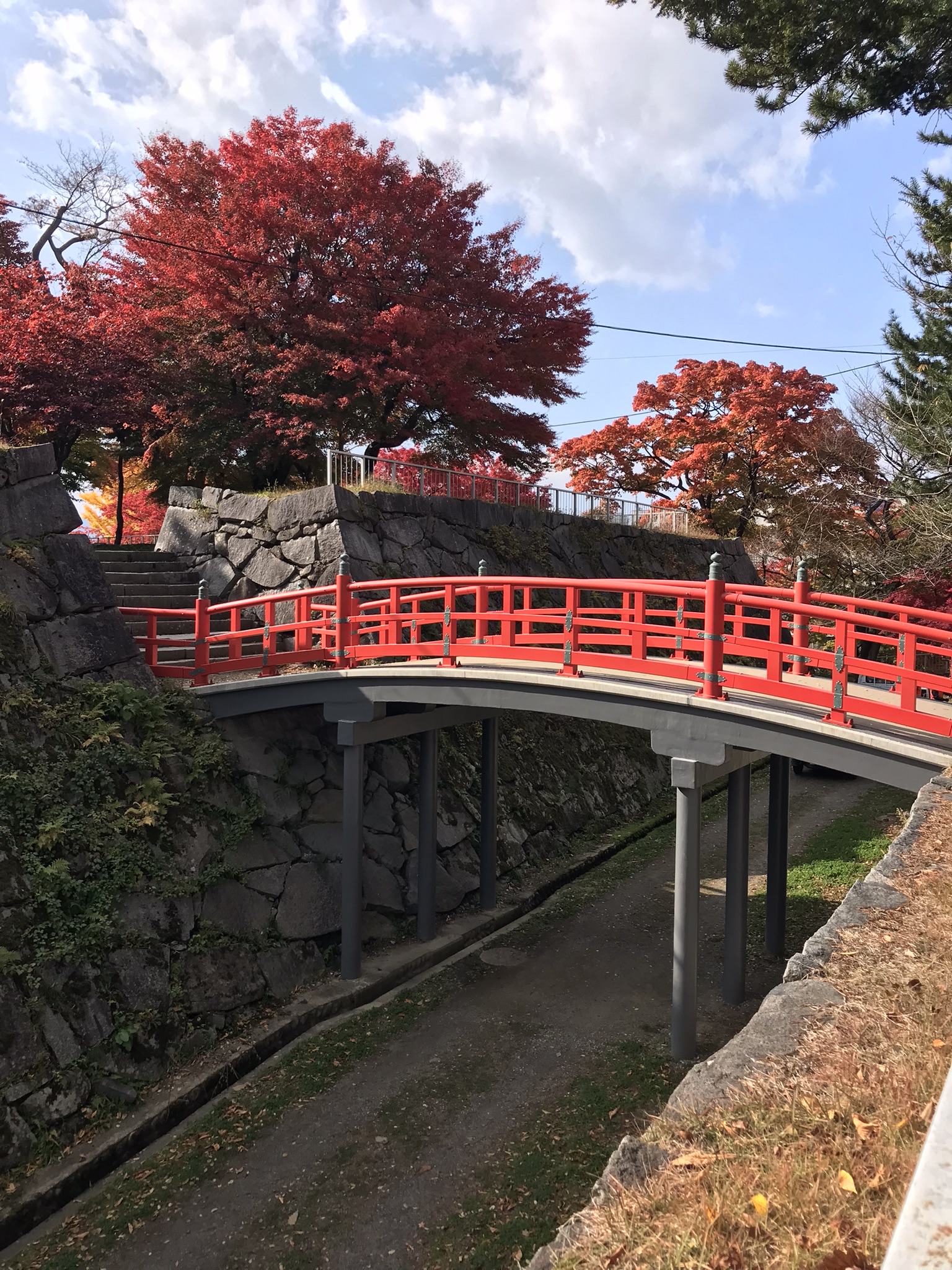
At the foot of Mount Iwate, Morioka is the largest city in Iwate Prefecture and a provincial city within the Tohoku region which makes an ideal stopping point for those heading north to Aomori and Hokkaido, or for visitors traveling to the UNESCO World Heritage Site of Hiraizumi. Although it lacks the obvious major attractions of some of its neighbours, Morioka has plenty to offer for visitors – from lush mountainous scenery and local history to architecture and art. Check out this self-guided walking tour for the best of the city’s low-key sightseeing!
Start at Ishiwarazakura – The Rock-Splitting Tree
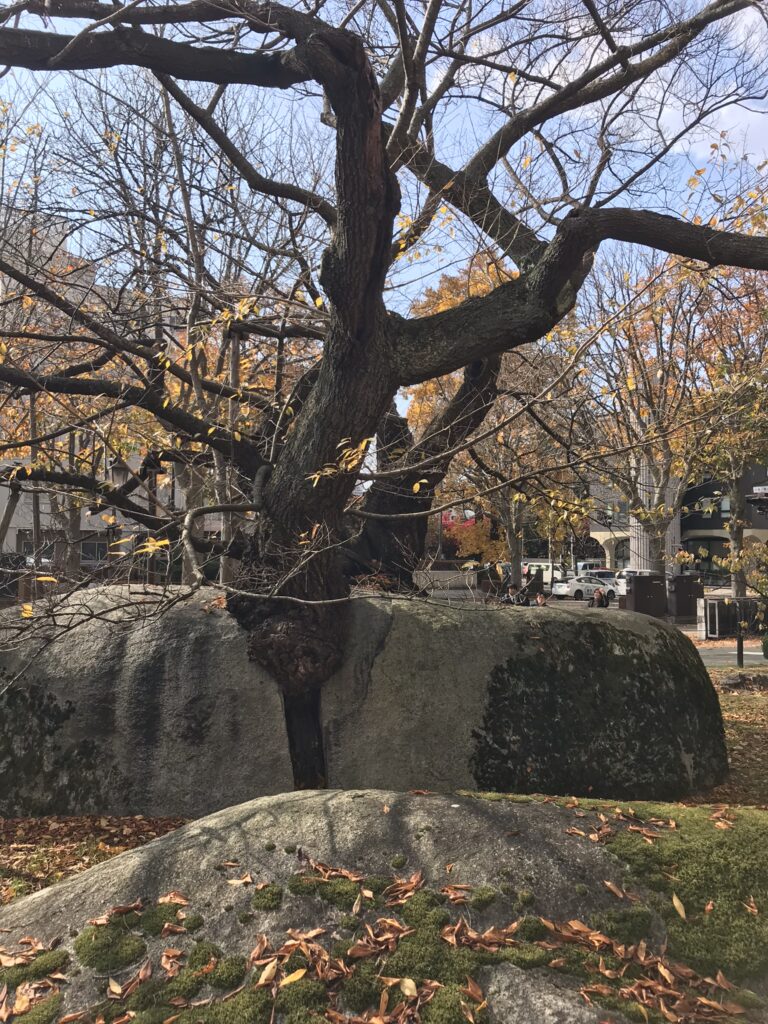
Located outside the Morioka District Courthouse, this 400-year old cherry tree inexplicably grows out of the centre of a large granite boulder. A popular attraction in Morioka, it is considered to be a symbol of the city, representing triumph over adversity and the spirit of the local people. The tree is at its best in the spring when the cherry blossoms are in full bloom, but it is an impressive site at all times of the year. Access to the tree is free, as it is in a public area within the grounds of the court building.
After visiting the tree, head south-east along Chudori and then turn through the torii gates to reach Sakurayama Shrine. This shrine was established in the 18th century by Toshimi Nanbu to enshrine the ancestors of the storied Nanbu clan, the lords of Morioka Castle and founders of the Morioka domain. Interestingly, the Nanbu clan continues to hold spiritual influence to this day – a descendent of the Nanbu line is the chief priest of the controversial Yasukuni Shrine in Tokyo.
As well as the typical features of a major Shinto shrine, the Sakurayama Shrine is notable for the huge auspicious stone behind it, known as Eboshi-iwa. A small path leads up to the sacred rock, which is said to resemble an eboshi – a traditional hat worn by high-ranking officials and Shinto priests since ancient times. The stone was discovered during the construction of Morioka castle, and was immediately considered to be a good omen due to its impressive size and familiar shape. Today it is considered to be a spiritual ‘power spot’, associated with prosperity and good fortune.
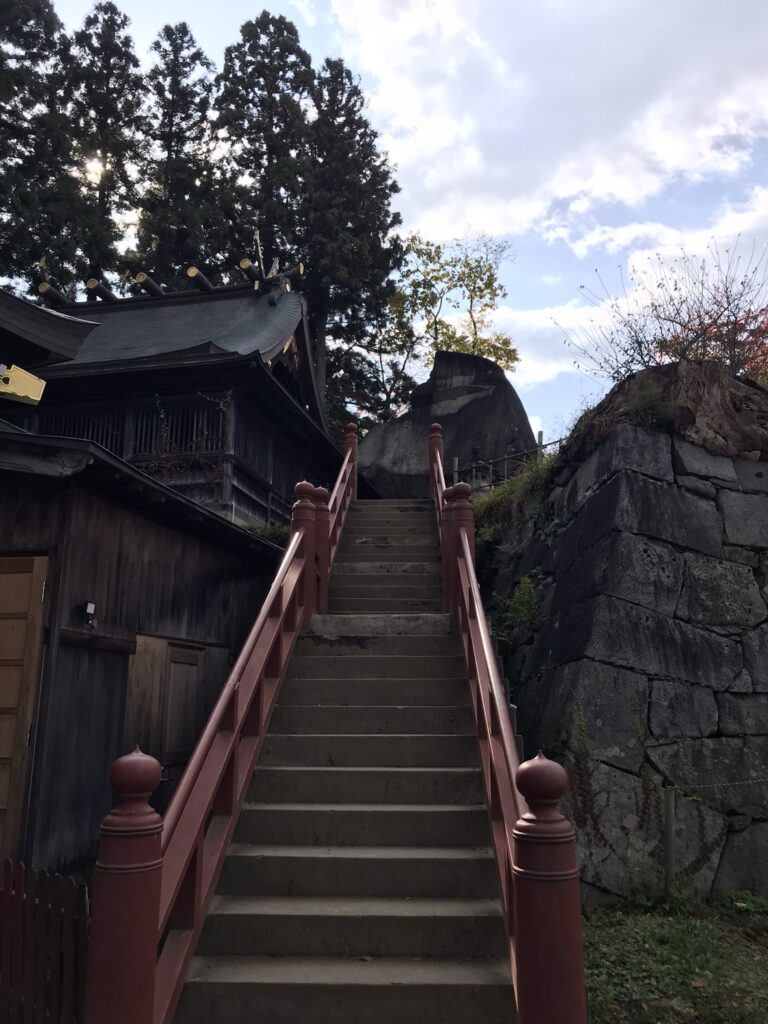
The path leading to Eboshi-iwa
The shrine was constructed as part of the former complex of Morioka Castle. Head west from the shrine and you can then enter the former grounds of the castle, Morioka Castle Site Park (also known as Iwate Park).
Morioka Castle was constructed in 1611, following the consolidation of the Nanbu clan’s dominance of the region and the establishment of the Morioka domain. A previous castle on this location, Kozukata Castle, existed during the Sengoku (warring states) period and was replaced by the new castle at the beginning of the Edo Period. The castle’s monumental keep was completed in 1633, however the keep was burned down a year later and, as was customary at the time, was not replaced due to the relative peace of the Edo period. The remainder of the castle’s buildings were removed during the time of the Meiji restoration in the 1870s, so all that remains today is the topography and some of the castle’s stone walls.
Despite now lacking an actual castle, the castle park is a popular spot for locals and visitors alike, particularly during sakura season or in the autumn when the park is filled with striking red and orange foliage. By exploring the site of the honmaru (primary keep) and ninomaru (secondary keep), it’s still possible to visualise the castle layout and picture the impressive fortifications that once stood here. Within the site of the main keep is a mysterious-looking empty pedestal. This once contained a bronze statue of a member of the Nanbu clan, however the metalwork was removed and melted down in order to make weaponry and associated war materials during World War 2.
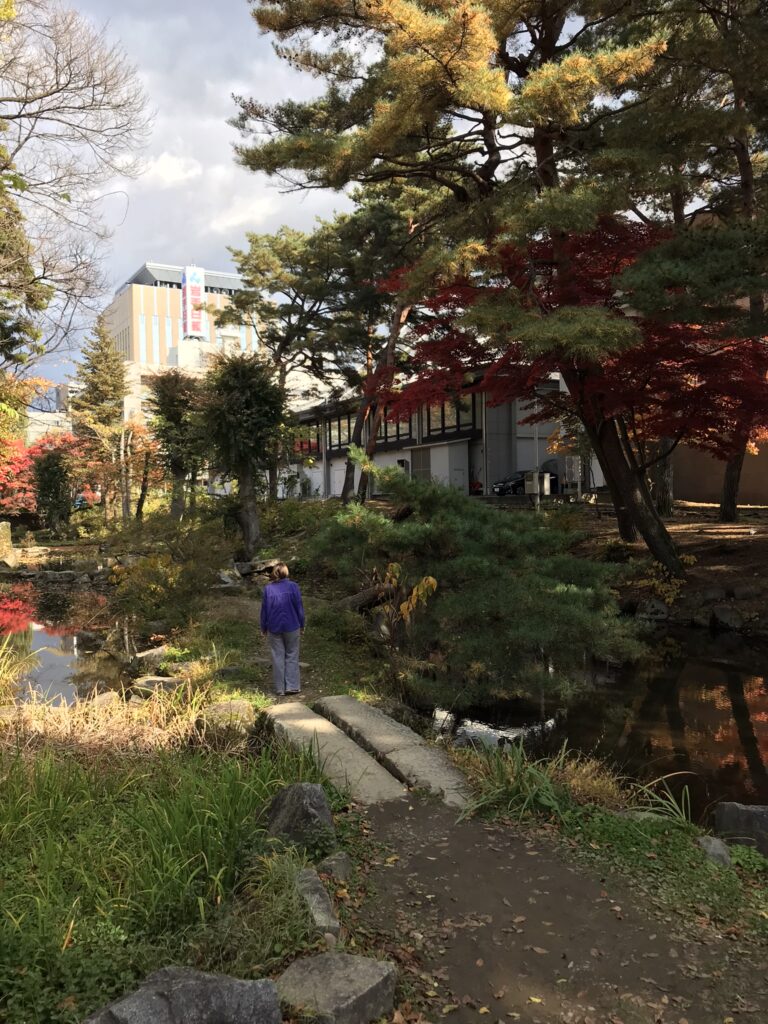
Head across the former castle moat to reach Morioka History and Culture Museum
From the castle keep, head down into what was the main courtyard, and then north-east across the remains of the moat to find the Morioka History and Culture Museum. This surprisingly well-kept museum is brimming with information about the city of Morioka and the wider region. The first floor has a free exhibition on local festivals and celebrations, while the paid section upstairs has an impressive, immersive and modern array of displays and exhibits on local history. An English-language audio guide is available for the paid section, and free WiFi means it’s possible to translate the Japanese-language information plaques too. Although it may be tempting to just visit the free downstairs exhibits, I highly recommend visiting the permanent exhibition upstairs as well for those seeking an in-depth look at the culture and history of this part of the Tohoku region.
When you’re finished at the museum, head out of the main entrance and head southeast along the main road to reach the Bank of Iwate Red Brick Building. Built in 1911, this building was designed by the same architect as the famous red-brick Tokyo Station and is a prominent local landmark in Morioka. A typical Meiji-period bank building, it functioned as a bank headquarters until 1983 and was later designated as an Important Cultural Property. As well as admiring the external architecture, visitors can now enter and explore most of the inside of the building for free, although some areas are cordoned off as they are part of a paid museum exhibit.

The Bank of Iwate Red Brick Building is reminiscent of Tokyo station – they shared the same architect, Tatsuno Kingo
From the Red Brick bank building, cross the road and head south down Iwate Prefectural Road 120. On the right hand side you will pass the Morioka Takuboku and Kenji Museum. Situated in another old Meiji-period bank building, this time dating back to 1910, the small museum contains exhibits about Takuboku Ishikawa and Kenji Miyazawa, two well-known Meiji-era poets from the Iwate region. Although English speakers may not be familiar with their works, admission is free and the interior of the old building is also worth exploring and comparing with the differing architectural style of the Red Brick building down the street.
From the Takaboku and Kenji Museum, continue south along the main road and take the third left. Follow this road to the end and you will arrive at a temple. Along the street to the rear of the temple is the Seiryusui Spring. Morioka is known for its natural springs, which provide fresh water from the surrounding mountains and have been in use as communal water sources since at least the Edo Period. Seiryusui is still a functioning fresh water well which is used by the local community to this day. The well is divided into four different sections – the highest, covered section is for drinking water, followed by pools which are intended for washing rice, washing plates/cutlery or clothes and washing feet respectively. The spring water is drinkable and is said to be very pure and smooth – a metal ladle is provided for those wanting to take a sip. The spring has historically been affiliated with the nearby Gidaji temple, and is duly decorated with colourful ema artwork.
From the spring, continue east along the road and you will pass Hara Takashi Cemetery. A Morioka native, Hara Takashi served as the Prime Minister of Japan from 1918 until his death in 1921. Having been born into a samurai family in service of the Nanbu clan during the late Edo period, Takashi shunned his aristocratic status and converted to Christianity at the age of 19. He was notable as being the first Christian and the first ‘commoner’ to lead the country, and pursued more moderate policies than many of his predecessors and successors. Takashi was assassinated by a far-right extremist outside Tokyo station in 1921 and, in keeping with his humble image, is buried in a simple grave in this cemetery which is part of the grounds of the Zen Buddhist Daiji-ji temple. The temple itself is notable for its Chinese-style architecture, particularly the main gate which is reminiscent of the style of the Ming Dynasty.
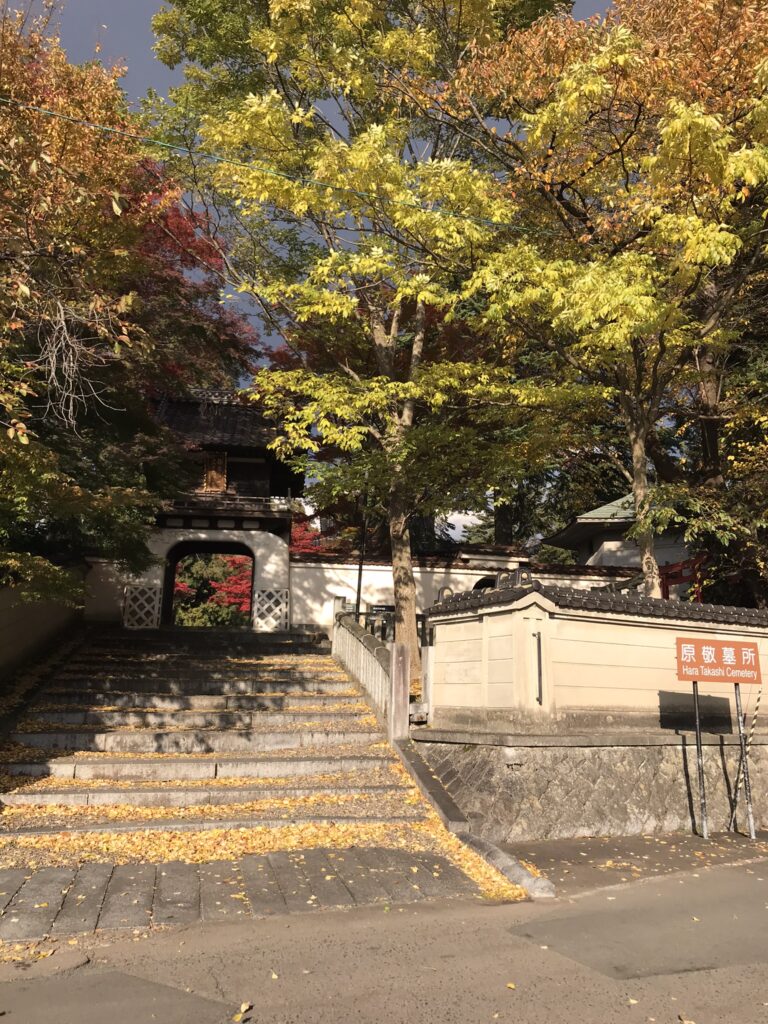
The Chinese-style gate at Hara Takashi Cemetery
From the cemetery, go back to the main road. Head one block north and then continue east and you will eventually reach the park containing the 16 Arhut Statues. A small and somewhat eerie park, these statues were erected during the late Edo period in an attempt to calm the souls of the dead following a series of devastating famines. The park actually contains a total of 21 distinct Buddhist statues, representing 16 Arhats (Buddhist disciples) as well as 5 Tathagatas (Buddhas). The statues are around 3 metres tall on average, and each maintains a different expression and demeanour. This was formerly the grounds of a temple, Soryu-ji, which burned down in 1884, adding to the mysterious atmosphere.
From the Arhut Statues, go back to the road and head south-west, passing the peaceful Eisen-ji temple on your right hand side. At the end of the road you will reach the Morioka Machiya-Story Museum. ‘Morioka Machiya’ is the name used to refer to a style of historic merchant townhouses which are particularly common in this neighbourhood. The Morioka Machiya-Story Musuem allows visitors to enter and explore the inside of one such house, which dates back to the late 1800s and functioned as a sake brewery until 2006. There are several buildings within the complex, including a traditional house with tatami-style flooring to the front and a brewery area to the back. Exhibits include items related to local history as well as sake brewing. Next door is an antique fire station, although this was closed for renovations at the time of our visit. Entry to the complex is free and wifi is available for non-Japanese speakers to translate the information plaques. Be aware that you must take off your shoes to explore the tatami-floored rooms of the house!
After visiting the museum, head northeast along the road. On the left you will pass Daiji-shimizu Spring, another of the public water springs in the area. Historically, local industries such as sake brewing and tofu production were reliant on the high-quality water from these springs in order to create a refined product. Like Seiryusui, the water from Daiji-shimizu is fresh and safe to drink to this day.
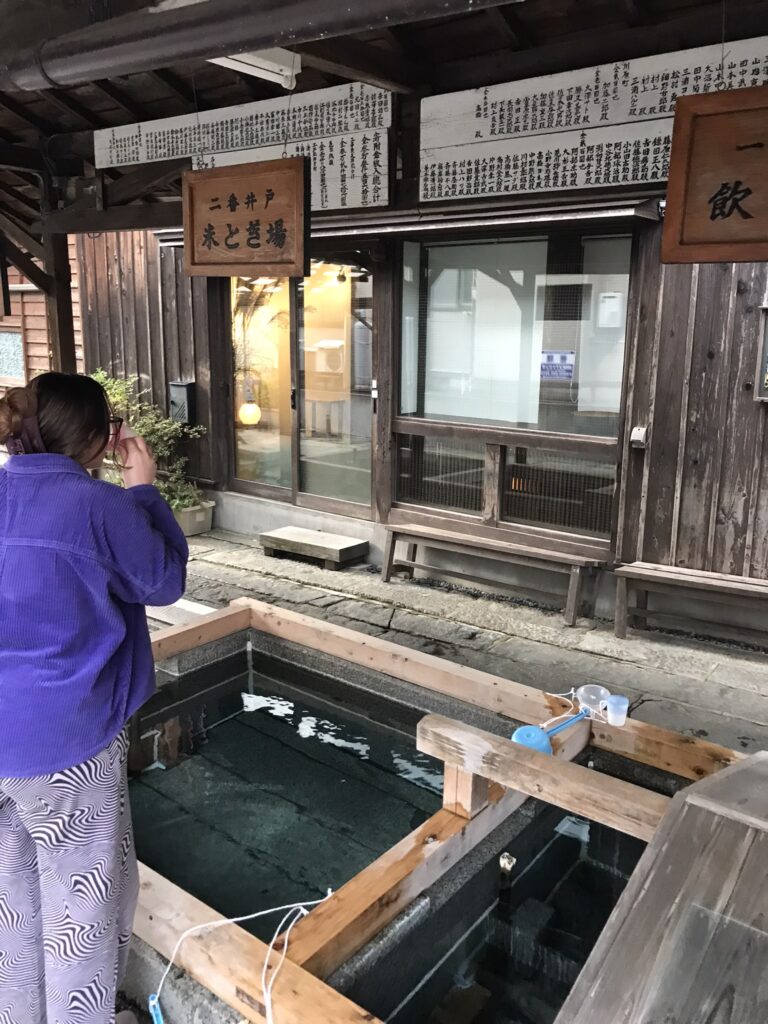
The water at Daiji-shimizu Spring is safe to drink
Head past the spring and continue along Iwate Prefectural Road 120. At the end of the road, turn left. After a few hundred metres, you will see a side street leading to a striking moss-covered building. This is the Former Governor Ishii’s Residence. Shoichiro Ishii became the governor of Iwate Prefecture in 1886, at which time this residence was built. It is said to be the oldest Western-style mansion in Morioka. Today the building is property of the city of Morioka and is only opened to the public on special occasions. If you’re lucky, you might catch an art exhibition inside.
Head back to the road and continue to the south-west. On the left you will see Nanshoso. This historic Japanese-style house and garden was built by a local businessman in 1885 and has been preserved as part of the city’s cultural heritage. Admission is paid and visitors can then freely explore the traditional-style rooms and beautifully-crafted garden. This picturesque house has served as the set and inspiration for several Japanese movies and TV dramas. Inside is a popular tea room which serves matcha tea sets, which you can enjoy while looking out into the garden. This is a great place to unwind and take a break in a peaceful and refined atmosphere.
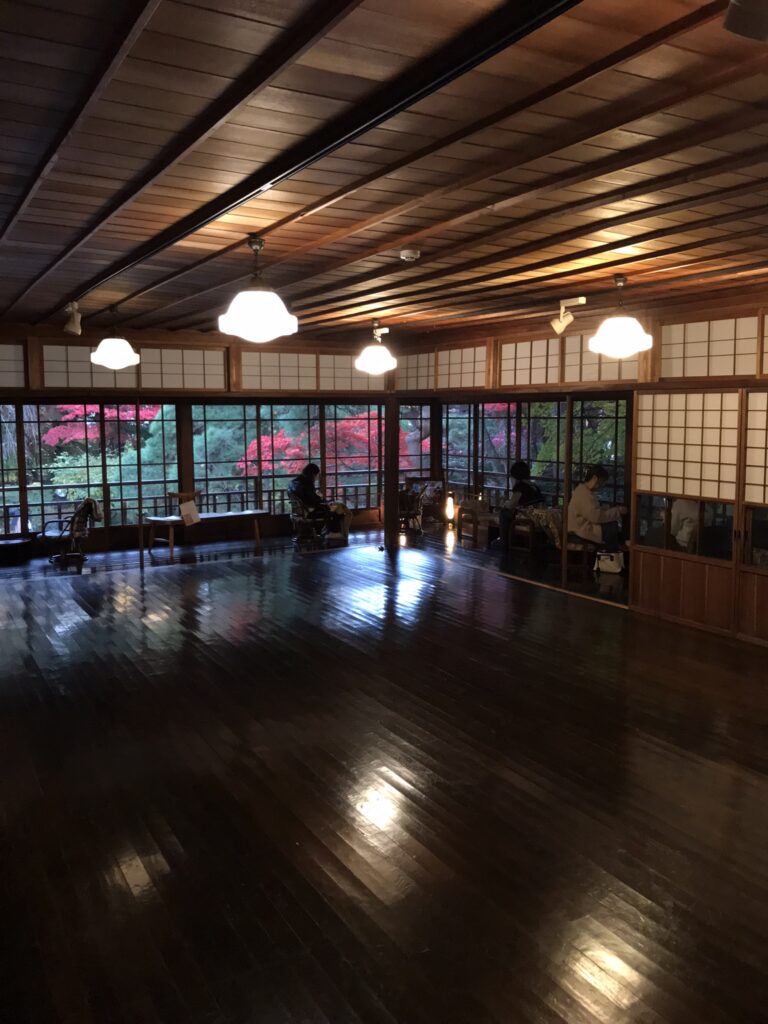
The spacious tea room at Nanshoso
From Nanshoso, retrace your steps northeast along the road, then head northwest at the first intersection. You will pass the Birthplace of Inazo Nitobe on your right. Inazo was a popular diplomat who served as the first Under-Secretary-General of the League of Nations in the 1920s following the end of World War 1. His image was later featured on the old version of the Japanese 5,000 yen bill.
From Inazo’s birthplace, continue across the bridge and along the side of Morioka Castle Park, taking the second left along Saien-dori. Follow the road and you will eventually arrive at the Kaiun Bridge. Spanning the Kitakami River, on a clear day this is a great spot to get a view of Mount Iwate, the emblematic mountain peak of the region. Kitakami River itself is the largest river in Tohoku, demonstrative of the stunning natural environment surrounding Morioka within Iwate Prefacture.
Cross the bridge and head into Morioka Station, walking all the way through the station complex to the west exit on the far side. Once outside, you will see the large Malios building along the main road near to the station bus stop. Head inside the building and take the elevator to the 20th floor to access the Malios 20th Floor Observation Room. This free observation deck provides panoramic views across the city of Morioka and the surrounding landscapes, including the range surrounding Mount Iwate.
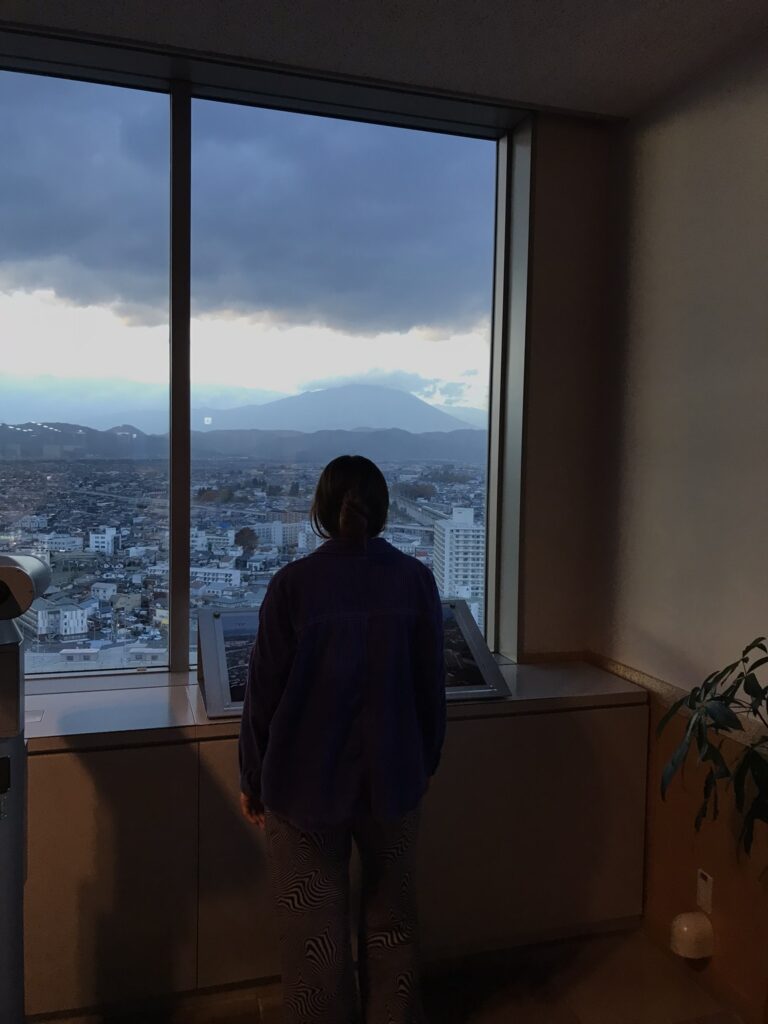
The observation deck is free to access – just walk in and take the elevator!
If you still have time and energy, you can walk from the Malios building to the Iwate Museum of Art, which showcases local artists and is situated in Central Park, around 20 minutes further along the main road from the Malios building. If not, the 20th floor observation deck makes for a great place to watch the sunset!
For more Tohoku and Japan content, click here!
This article is also featured on GPSmyCity. To download this article for offline reading or create a self-guided walking tour to visit the attractions highlighted in this article, go to Walking Tours and Articles in Morioka.